Last updated: Apr 19, 2026
In Royersford, spring and early summer thunderstorms, hail, and high winds are a primary trigger for roof damage and interrupted replacement schedules. Those sudden downpours can push water behind flashing and ridge caps before a homeowner even realizes a leak is forming. Shingle edges may curl, granules shed, and small penetrations from vent pipes or satellite dishes can widen quickly under pressure. The window for timely response is short: a damaged seam or torn ridge can become an interior problem within hours when warm days follow a cool night. Before the next storm, walk the roof with a sturdy ladder only if safe, check for lifted tabs, and note any areas where wind-driven rain could ride under the cover.
Winter snow, ice, and repeated freeze-thaw cycles in this part of Montgomery County commonly turn small flashing or shingle defects into interior leaks. Ice dams can back up under shingles, forcing water to seek the path of least resistance and travel along the underside of the roof deck. Flashing at valleys, chimneys, and skylights is especially vulnerable when ice widens the gap under metal or lead coatings. If a leak appears after a thaw, investigate the attic for damp insulation or dark staining along rafters, which signals active intrusion rather than a surface stain. Prolonged cold snaps also stress gutters and downspouts, leaving lingering moisture that can undermine edge details during melt.
The local contractor market shows unusually strong demand for emergency repair, storm damage, and insurance-related roofing services, indicating that post-storm response is a major homeowner concern here. When a storm hits, the first priority is preventing further damage: cover exposed decking with tarp or plywood, carefully avoiding nails that could injure a passerby, and sealing around any newly opened gaps to deter wind-driven rain. Timely documentation is essential: take clear photos from multiple angles, including close-ups of flashing, vents, and any sagging or buckling shingles. Inventory your losses by room and note the date and time of storms, wind gusts, and hail size if observable. If a contractor arrives offering rapid, cash-only fixes, verify their license, local references, and a written scope before any roof cut or material removal begins. A steady, local crew that understands common neck-and-edge leakage paths-valleys, chimney bases, and roof-to-wall transitions-will perform better under pressure than the fly-by-night outfit that appears after every big squall. When insurance paperwork becomes necessary, retain all repair estimates, inspection reports, and weather data, and coordinate closely with the adjuster to avoid duplicate or missing items.
After a damaging event, prioritize stopping further water intrusion with protective tarps, then contact a reputable local roofing professional who can perform a storm damage assessment and provide a written repair plan. For storms that spike wind or hail, insist on a thorough attic inspection to identify hidden leaks that aren't visible from the exterior. If you notice recurring leaks after freeze-thaw cycles, target the most vulnerable details first: flashing, ridge caps, and any penetrations through the roof deck. Finally, maintain an organized folder of all communications, photos, and repair milestones so you're ready for insurance review and any follow-up work that becomes necessary once the weather stabilizes.
In Royersford, the roof is often a balance between traditional steep roofs on older character homes and more contemporary, uniform spans on standard suburban houses. Asphalt shingles remain the practical anchor for most homeowners, offering reliable performance, straightforward maintenance, and decent wind and impact resistance when installed with proper underlayment and flashing. Yet the borough's mix of housing types means you'll also see metal, cedar shake, slate, clay tile, and concrete tile on projects ranging from updated classics to restoration-worthy facades. When selecting a material, consider not just curb appeal but how the roof will behave through humidity, sun, and the area's frequent storm-driven events.
Humidity and freeze-thaw cycles in this region tighten the margin for installation errors. The best roof in Royersford is not simply the one that looks right at first glance; it is the one that manages moisture effectively over decades. Regardless of material, focus on underlayment quality that can stand up to seasonal moisture and temperature swings. Flashing needs to be robust at valleys, chimneys, and hips, with corrosion-resistant metals and precise detailing to prevent mid-winter leaks from wind-driven rain. Proper ventilation becomes a practical priority, ensuring attic temperatures stay balanced to slow ice dam formation during warmer yet still damp springs and fall thaws. In short, choose a system where the installation method explicitly targets moisture control and thermal management, not just aesthetic alignment with neighboring roofs.
Asphalt shingles, while dominant, should be paired with a solid drainage plan and a reinforced edge detail to weather storm surges and freeze-thaw cycles. If you lean toward metal roofing, expect enhanced hail resistance and a lighter structural load, but be mindful of attic condensation and potential noise under heavy rain unless you include sound-dampening and proper insulation. Cedar shakes bring a regional character that resonates with older homes, yet their performance hinges on careful application, surface treatment choices, and careful maintenance to prevent decay in humid summers. Slate stands out for longevity and a refined look on historic façades, but installation requires a structural evaluation because of weight and specialized labor; in practical terms, confirm joist capacity and anchoring details before committing. Clay tile and concrete tile offer distinctive aesthetics and durability but demand precise structural support and careful, skilled installation to avoid cracking under freeze-thaw movement, especially on transitions and roof-to-wall interfaces.
Begin with compatibility: assess your roof's current structure, attic ventilation, and underlayment condition. If preserving a historic look or matching a neighboring roof with visual rhythm is important, plan ahead for material weight and support needs, especially for heavier options like slate, clay tile, or concrete tile. For aging or newly established roofs alike, work with a contractor who demonstrates a track record in moisture control, flashing durability, and ventilation performance in this climate. Finally, align your choice with the home's architectural character: the right material should honor the original design while delivering long-term resilience against Royersford's seasonal rigors.
Royersford's hot summers, cold winters, and regular precipitation push reroofing decisions toward tighter timing than in milder climates. The work window is shaped by both freeze-thaw cycles and humidity, so planning around typical seasonal patterns matters. If a roof shows widespread shingle lifting, curling, or persistent leaks after heavy rains, start the replacement discussion early enough to align with a smooth installation window. Waiting through a large storm season can complicate material handling, access, and scheduling with crews who juggle multiple local projects.
Winter reroofing is commonly delayed by snow, ice, and freezing temperatures. In practice, that means you aren't likely to get a steady pace or reliable adhesive and sealant performance when daytime temperatures stay below the mid-40s for extended periods. If a leak is active and winter weather is intermittent, prioritize temporary fixes that address active drips while you plan for a spring or fall install, when conditions are more predictable. Keep walkways clear of ice and ensure roof access is safe for crew members, since slip hazards and ice dams become more common with freezing nights followed by sunny days.
Summer heat can slow installation pace and affect material handling. Heat expands certain roof components, and steep slopes can become uncomfortable for workers during peak afternoon heat. If shingles or panels sit in direct sun for long stretches, the installer may stagger start times or pause midday. Plan for early starts or late-afternoon sessions to keep fasteners and sealants from being stressed by heat. Also consider attic ventilation; keeping the interior cooler reduces condensation risk during the install and helps you avoid post-install moisture concerns.
Autumn can be productive for reroofing, but falling leaves and moisture increase cleanup and debris-management demands during active projects. In this shoulder season, you typically get a window of milder days with lower humidity, which aligns well with shingle or metal roof installations. The key is to prepare for leaf litter on the roof and gutters, which can obscure fasteners or debris and slow the crew. Have a plan for rapid debris removal and gutter cleaning to keep the project on track.
1) Inspect after major storm events and document leaks with photos for insurance and timely decisions. 2) Schedule a weather-aware install block-prefer early spring, late fall, or select calm stretches in late summer. 3) Coordinate temporary protections for known vulnerable areas while waiting for the final reroof. 4) Ensure access routes, ladders, and debris containment are prepared before the crew arrives to minimize delays.
Get a clear picture of your project costs upfront - no commitment required.
ZBA Roofing & Exteriors
(610) 580-2786 zbaexteriors.com
296 W Ridge Pike Lal102, Royersford, Pennsylvania
4.9 from 104 reviews
At ZBA Roofing & Exteriors, we focus on protecting homes and improving exteriors across the Collegeville, PA area and beyond. We specialize in roofing, siding, and solar solutions that are designed to last. We start every project believing the roof above your head should do more than just block weather—it should add value and peace of mind. Whether it’s repairing storm damage, installing new roofing systems, or integrating solar panels, we carefully assess the conditions and recommend the best solution for your property. We also handle siding projects to enhance curb appeal and weather resistance. In all we do, we emphasize craftsmanship, transparency in communication, and finding long-term solutions over quick fixes.
Justin Cohen Contracting
50 Reifsnyder Rd Suite #2, Royersford, Pennsylvania
5.0 from 15 reviews
Local Roofing Contractor. Service You Can Trust.
Weathertight Exteriors
(610) 686-7303 trustweathertight.com
50 Reifsnyder Rd Suite 3, Royersford, Pennsylvania
4.6 from 20 reviews
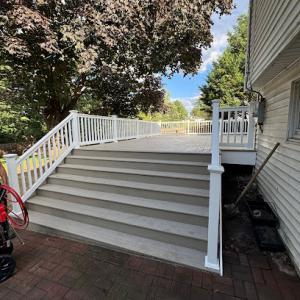
Weathertight Exteriors is a roofing contractor that is located in the city of Royersford, PA. This roofing contractor provides a variety of services to homeowners in the city that are looking to have a repair, replacement, or installation done for their homes. The experienced roofers provide home remodeling services that are designed for many areas of the home, including roofing, gutters, siding, basements, decks, and windows. Weathertight Exteriors always utilizes high-quality resources for each project while providing expert advice to each homeowner that needs assistance in making the best decisions for each project. The experienced team can be contacted online or by calling (610) 686-7303. Checkout our free online pricing tool.
LaBrusciano Roofing & Exteriors
(610) 265-7663 labruscianoexteriorsllc.com
Serving
4.9 from 75 reviews
LaBrusciano Roofing & Exteriors in Collegeville, PA provides expert roof replacements and exterior services for residential and commercial properties. Our skilled roofing contractors handle tear-offs, re-roofs, and new installations designed to protect against Southeastern Pennsylvania’s weather challenges, including heavy rain, snow, and seasonal storms that can lead to leaks and shingle damage. We also repair storm-damaged roofs and replace aging materials to restore safety and curb appeal. Known for reliable service and craftsmanship, we take pride in serving homeowners and businesses across Montgomery County. LaBrusciano Roofing & Exteriors is licensed, insured, and trusted in Collegeville as experienced roofers committed to quality.
JMS Home Remodeling
(215) 776-5020 www.jmsremodel.com
Serving
5.0 from 105 reviews
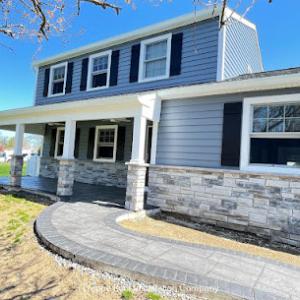
JMS Home Remodeling is the go-to company for reliable roof remodeling services. Our company has been serving the Trappe area for decades and has handled many projects. It has made us well-versed in the intricacies of the trade and builds strong relationships with our clients. We start the project with a complimentary consultation and detailed evaluation of your roofing system to determine the best solution. We invest in the highest quality products for your roof’s optimal functionality and longevity. Besides, we obtain the necessary permits to comply with local and state requirements. Feel free to click on our website or contact us for a free estimate.
Honest Roofing
(484) 369-0040 callhonestroofing.com
Serving
5.0 from 51 reviews
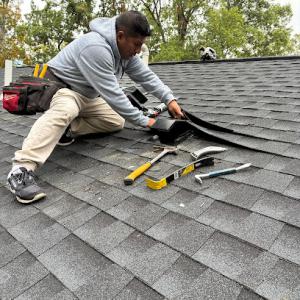
At Honest Roofing, we take pride in delivering top-quality roofing and siding services with integrity and expertise. Backed by 40 years of experience, our dedicated team protects your home with durable, high-performance solutions in Pennsylvania. With Honest Roofing, you get craftsmanship you can trust, transparent pricing, and a commitment to excellence.
3 Point Contracting
(610) 440-4001 3pointcontractingllc.com
Serving
5.0 from 55 reviews
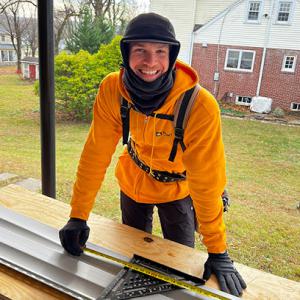
3 Point Contracting is a trusted roofing contractor in Phoenixville, PA serving Pennsylvania’s Chester, Montgomery, and Delaware Counties. We provide residential and commercial services across the Greater Philadelphia Area, ensuring top-quality craftsmanship and lasting results. 3 Point Contracting goes beyond just roof replacements and repairs. We also offer siding installation, window replacement, door installation, and gutter repairs with transparent pricing and no hidden fees. The owner has been a general contractor since he was 16 years old and is hands-on in every project, ensuring quality, reliability, and customer satisfaction. Call Wade at 3 Point Contracting today for a free estimate!
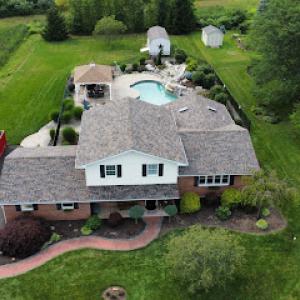
East Coast Roofing Systems
(267) 641-2123 eastcoastroofingsystems.com
Serving
5.0 from 288 reviews
East Coast Roofing Systems is a premier residential roof repair and replacement company serving Southeastern Pennsylvania. Since our inception, We have strived to give the homeowner a breath of fresh air in the construction space. Providing seamless communication, service and an overall experience that trumps all others. Roofing as an Industry has become antiquated due to lack of technology, customer service and quality. Our mission at East Coast Roofing Systems is to provide a modern approach, with the ultimate goal of providing an exceptional roof inspection, repair, or replacement experience unmatched by anyone. Contact your reliable Southeastern Pennsylvania roofing, siding, window, and gutter contractor for a free estimate!
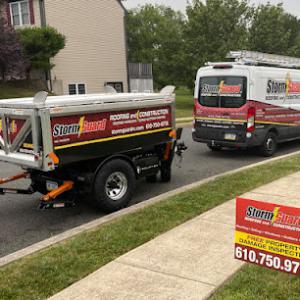
Storm Guard Roofing of Ches-Mont, PA
(610) 426-1768 www.stormguardrc.com
Serving
5.0 from 181 reviews
We're a locally owned professional roofing and restoration contractor servicing Chester & Montgomery Counties including Pottstown, Collegeville, Phoenixville, King of Prussia, Lansdale, Exton & Surrounding Areas. Storm Guard of Ches-Mont PA is your local expert in roofing, roof repair, siding, windows, gutters, and painting for your home or business. Contact us today for a free estimate!
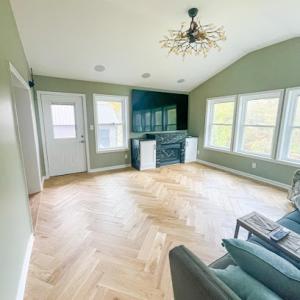
Carranza Roofing & Remodeling
(610) 270-0305 carranzacontracting.com
Serving
4.7 from 128 reviews
Carranza Roofing & Remodeling serves Montgomery, Delaware, Bucks, and Chester County, PA. We provide residents with roofing, siding, windows, doors, kitchen remodeling, bathroom remodeling, additions, decks, patios and more. We have developed an outstanding reputation for unsurpassed reliability, qualified and prescreened employees. No other company comes close in terms of affordable quality with regard to Carranza Roofing & Remodeling’s residential and commercial services. Contact us for a free estimate today!

Essential Exteriors
(610) 978-6114 www.essential-exteriors.com
Serving
5.0 from 48 reviews
Essential Exteriors is a local home exterior specialist based in Eagleville, PA, serving Montgomery, Chester, Bucks, Delaware, and Philadelphia counties. We provide expert roofing, siding, gutters, windows, doors, deck/outdoor living solutions, as well as commercial roof coatings services. Our team is committed to quality craftsmanship, honest communication, and reliable service from consultation to completion. Whether you're repairing storm damage or planning an exterior upgrade, we offer tailored solutions and flexible financing to fit your needs. Call now to schedule your estimate!

Home Run Roofing
(484) 206-7599 homerunroofing.com
Serving
5.0 from 64 reviews
At Home Run Roofing, we knock it out of the park with every project! Serving the greater Philadelphia area, we specialize in top-quality residential roofing solutions. Our services include roof repair, replacement, and new installations using only the highest-grade materials and state-of-the-art techniques. With a team of certified and experienced professionals, we ensure every job is completed on time, within budget, and to your utmost satisfaction. Whether you're dealing with storm damage, leaks, or simply need an upgrade, trust Home Run Roofing to deliver exceptional results that protect and enhance your property. Contact us today for a free estimate and experience the Home Run Roofing difference.
In this borough, a reroof project isn't just about picking shingles and sealing around vents. Royersford Borough requires a building permit for reroof projects. That permit ensures the work aligns with local codes, historic street-appeal guidelines where applicable, and the robust moisture controls needed for our freeze-thaw winters and humid summers. Before any new shingles meet the roof deck, a permit sets the project's expectations for underlayment, flashing, and nailing patterns, which are especially critical for steep roofs common on our older housing stock near the Schuylkill corridor.
Applicants typically submit through the Borough's building department with project scope and contractor information. Have ready a clear plan that notes roof type, approximate square footage, fastener details, underlayment type, ventilation method, and any skylights or vent stacks that require flashing. The department will want the contractor's license number, liability coverage, and a scope of work that matches the observed roof conditions on your structure. If you're replacing like-for-like on a steep roof with updated underlayment or revised flashing, the plan still needs to pass muster through their office, so be precise about the details you intend to execute.
Inspections occur during installation and after completion to verify underlayment, flashing, and nailing patterns, and processing commonly takes about 1 to 3 weeks depending on workload. Scheduling the inspections in tandem with critical milestones-deck inspection, underlayment placement, flashing at valleys and penetrations, shingle installation, and final clearance-helps keep the project moving. On inspection days, the inspector will look for continuous underlayment that resists moisture intrusion, correctly sealed flashing around chimneys and vents, and the nail pattern that secures shingles against wind uplift. In older, steeper rooflines typical of Royersford homes, the inspector will particularly note edge wrap, starter courses, and the adherence of ridge cap to a consistent wind zone.
Practical tips for a smooth permit and inspection process: coordinate your contractor's schedule with the borough's calendar to avoid backlogs, and ensure the crew uses drip-edge and chimney flashing details that address frost cycles and summer humidity. Have accessible the permit number and a project contact for quick communications if the building department needs a clarification. After completion, follow up with the department to confirm final approval and retrieval of any documentation you'll want for insurance or future repairs. By aligning your reroof project with these local steps, moisture control and installation quality become a straightforward, trackable part of the renovation.
Local cost expectations span the provided ranges from asphalt shingles at 350 to 650 USD per square up to slate at 1200 to 3000 USD per square, with metal, cedar shake, clay tile, and concrete tile falling between those endpoints. In Royersford's older, steep-roofed homes near the Schuylkill corridor, you'll see the spread widen a bit when a roof's complexity climbs. A straightforward asphalt shingle replacement on a smaller, simple roof will stay near the lower end, while a steep, multi-pitch roof or one with intricate flashing can push costs toward mid-range numbers before any specialty work.
Storm activity creates a distinct pricing rhythm here. After a severe wind or hail event, demand for reroofing can surge across Montgomery County, squeezing scheduling and sometimes delaying crews. When that happens, material delivery windows tighten and labor availability tightens, nudging overall cost upward temporarily. If a storm hits late in the season and triggers a backlog, expect a short-term premium, even if the long-term material price remains stable.
Costs move with material choice and roof complexity. Older homes often require more detailed flashing, better moisture control, and careful staging for steep slopes, all of which add labor hours. Slate, cedar shakes, or concrete and clay tiles demand specialty crews, which naturally raises price compared to asphalt. If you have a roof with limited access or complex geometry, expect additional scaffolding, edge protection, and safety measures that translate into higher bids. In Royersford, these factors commonly push the project from "basic replacement" into the mid to upper end of the range, particularly when matching existing dormers, roof lines, or historic details is important.
When you're budgeting, use the material ranges as anchors and then add a buffer for flashing, underlayment, ventilation, and tear-off debris management. Storm-damaged homes tend to reveal hidden moisture or rot once the old shingles are removed, so reserve a contingency to cover unexpected repairs. If hail or strong winds are frequent in your area, it's prudent to set aside additional funds for expedited scheduling or temporary roof protection during the transition between contractors and material deliveries.
Don't let upfront costs delay a critical repair - these contractors offer payment plans to fit your budget.
Storm Guard Roofing of Ches-Mont, PA
(610) 426-1768 www.stormguardrc.com
Serving
5.0 from 181 reviews

In the Royersford area, wind and hail exposure contribute to claim activity patterns, so insurers often scrutinize roof age, material type, and prior damage history. This means a roof that has seen multiple repairs or uses older shingles can raise flags during evaluation, potentially slowing the settlement or prompting a discussion about partial replacements. When a storm hits, the first impulse is to assume immediate coverage, but carriers may look for signs of long-term wear masquerading as storm damage. Clear, honest reporting helps, especially when damaged areas line up with gutters, flashings, or valleys that commonly suffer during freeze-thaw cycles and heavy storms. Knowing what inspectors may focus on helps homeowners present a stronger case without triggering needless disputes.
Some carriers have adjusted underwriting practices in storm-prone parts of the region, which can affect policy availability or premium levels for homeowners replacing older roofs. The result is that a straightforward wind or hail claim can ripple into coverage questions about material type, roof age, or even prior losses. Expect a written record of the event to be weighed against existing policy terms, with emphasis on how promptly the damage was reported and whether temporary protective measures were taken. Delays or gaps in documentation can complicate the claim, making timely action more valuable than chasing a quick settlement.
Royersford homeowners benefit from thorough photo documentation, date-stamped storm records, and accurate reporting because insurers in this market commonly examine whether damage is sudden storm loss or long-term wear. Take wide and close-up photos that show whole roof lines, flashings, and any interior signs of leakage. Save weather reports or radar screenshots with dates, and keep records of any temporary repairs. When contacting the insurer, present a consistent timeline: the storm event, observed damage, steps taken, and the date of first notice. Clear, organized documentation often accelerates a fair review and reduces back-and-forth disputes.
In this market, skylight-related roofing work shows up more often than you might expect, especially after a harsh winter or a summer with high humidity. The penetrations and surrounding flashing are a recurring service need in this area, and a small drip can signal more than a single leak. When reroofing, focus on skylight curbs and the transition to the slope; these zones tend to shift with temperature, inviting seepage if not properly sealed. You'll want a contractor who treats skylight flashing as integral, not optional, because a slight misfit here creates a channel for moisture to travel along the inside of the roof deck.
Chimney-related roofing work appears regularly in this market, and that matters on older borough homes where masonry intersections often become leak points during freeze-thaw cycles. The mortar joints, flashing at the chimney base, and the step flashing where bricks meet the roofline are frequent trouble spots. A leak can begin with a hairline crack in mortar or a loose shingle course above the chimney, then creep down into the attic. For reroofs, emphasize thorough chimney flashing inspection and proper integration with the surrounding roofing membrane. Do not overlook the transition from flashing to siding, as moisture can circulate along those edges if left unchecked.
Royersford inspections place emphasis on flashing details, making skylight curbs, chimney step flashing, and transition areas especially important during reroofing. Ask your contractor to document flashing conditions in detail, including curb-rated sealants, metal edge trim, and the integrity of end dams around skylights and chimneys. A cautious approach now reduces the risk of late-season leaks during wind-driven storms or freeze-thaw cycles.
Find contractors experienced in skylight installation, flashing, and leak repairs to bring natural light into your home.
Justin Cohen Contracting
50 Reifsnyder Rd Suite #2, Royersford, Pennsylvania
5.0 from 15 reviews