Last updated: Apr 19, 2026
Spring thunderstorms in Chester County bring hail and strong winds that commonly trigger roof damage inspections and insurance claims in West Chester. After a storm, your first move is a quick but careful at-a-glance check from the ground: look for curled, missing, or lifted shingles, dented metal flashing, or granules in gutters. If you spot anything obvious, or if you hear leaks when rain hits, treat it as urgent. Because roofs here sit under a mix of old slate-heavy homes and newer shingle structures, a single visible issue can mask hidden damage-particularly where flashing around chimneys, skylights, and vents meets the roof deck. Move quickly to document everything with photos from ground level and, if safe, from a ladder or a homeowner-friendly vantage point, noting the date and the exact location of any damage.
Winter ice damming and snow loading are recurring local risks that can turn minor flashing or gutter issues into interior leaks on West Chester homes. When freezing temperatures swing to thaw, ice can back up and force water under roofing materials, even through seemingly intact shingles. Pay attention to warm attic spaces-drips, stained or softened insulation, or condensed moisture on rafters signal active intrusion. In second-floor bedrooms or ceiling corners, a delayed drip after a thaw can indicate a damming-driven leak that is compromising structure and insulation. If you notice any of these signs, prioritize a temporary seal to prevent further intrusion and schedule a professional assessment promptly. Remember: attic conditions speak volumes about external roof performance, especially where snow loads ever so slightly bend older structures.
The contractor market shows unusually strong local demand for storm damage, emergency repair, and insurance-claim help, indicating that post-storm response is a primary homeowner concern here. In West Chester, the pressure on reliable crews means response time matters-and so does choosing a contractor who can document damage clearly for an insurance claim. Seek out firms with proven experience handling storm-related claims, including hail damage and ice-dam remediation, and ask for a written scope that differentiates temporary emergency fixes from permanent repairs. Favor contractors who offer transparent timelines, visible progress updates, and a plan for replacing or reinforcing flashing, gutters, and roof decking as needed.
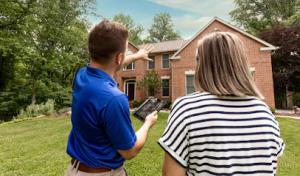
Begin by clearing outdoor pathways and ensuring a safe working zone around the entry points to your home so crews can access problem spots quickly after a storm. For a fast, effective triage, prioritize areas around chimneys, skylights, and dormers, as these junctions are common leak points when wind-driven debris impacts shingles and flashing. If you lack confidence inspecting shallow slopes or steep roof areas, arrange a same-day or next-day assessment with a licensed professional. Request a detailed inspection report that marks exact locations of damage, flags potential hidden issues, and includes a staged repair plan that distinguishes emergency fixes from permanent solutions.
Post-storm documentation is crucial for a smooth insurance claim. Gather contemporaneous evidence: time-stamped photos of all damaged areas, notes on any observed leaks, and a log of communication with your insurer and contractor. Create a running file with dated copies of all receipts, estimates, and scope changes. In this market, having a clear, organized file can prevent delays and ensure that emergency repairs are prioritized while long-term fixes are scheduled. In the event of ongoing leaks, do not postpone temporary tarping or seaming that can protect against further interior damage while awaiting a full repair plan.
Find local contractors experienced in assessing and restoring roofs after hail, wind, and severe weather events.
Clear Exteriors
(484) 983-3476 www.clearexteriorsllc.com
841 Lincoln Hwy Suite A, West Chester, Pennsylvania
5.0 from 139 reviews
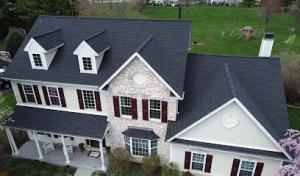
Pro Edge Roofing
(267) 727-3239 proedgeroof.com
627 S Walnut St, West Chester, Pennsylvania
5.0 from 107 reviews
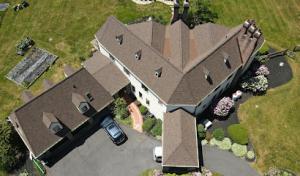
Storm Tech Roofers - West Chester
(610) 304-4577 stormtechroofers.com
605 Milleson Ln, West Chester, Pennsylvania
5.0 from 57 reviews
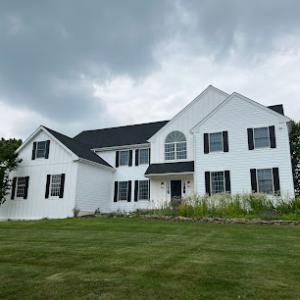
Clear Exteriors
(484) 983-3476 www.clearexteriorsllc.com
841 Lincoln Hwy Suite A, West Chester, Pennsylvania
5.0 from 139 reviews
Clear Exteriors is a trusted roofing contractor serving West Chester, PA, Malvern, Downingtown, King of Prussia, and Exton. As a professional roofing company, we specialize in residential roofing, offering expert roof installation & replacement (asphalt, metal, slate, cedar shake, and other types), and emergency roof repair. Our team also provides thorough storm damage roof inspections and works with asphalt roof shingles and metal roofing for durable, high-quality solutions. Beyond roofing, we offer complete exterior services to enhance your home's durability and curb appeal. With a commitment to honesty, premium materials, and industry-leading warranties, we ensure long-lasting results. Contact us today for a free estimate!
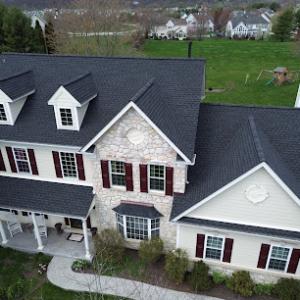
Pro Edge Roofing
(267) 727-3239 proedgeroof.com
627 S Walnut St, West Chester, Pennsylvania
5.0 from 107 reviews
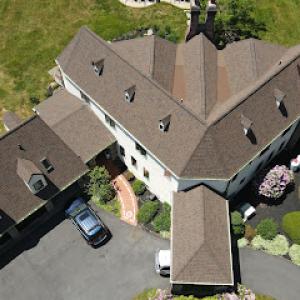
Pro Edge Roofing is your trusted local expert in Chester County, PA, and nearby regions. We specialize in full-service roofing, siding, and gutter solutions customized to meet your needs. At Pro Edge Roofing, we specialize in installations, repairs, and replacements, using high-quality materials and advanced techniques to ensure durability and visual appeal. Whether you need a new roof, siding repair, or efficient gutters, our trusted team can handle projects of any size and scope. We pride ourselves on providing dependable services at fair prices and with exceptional craftsmanship, prioritizing your satisfaction. Our dedicated professionals offer personalized consultations and support throughout the process to bring your vision to life.
Storm Tech Roofers - West Chester
(610) 304-4577 stormtechroofers.com
605 Milleson Ln, West Chester, Pennsylvania
5.0 from 57 reviews
Storm Tech Roofers, nestled in the heart of West Chester, PA, has stood as the premier destination for top-notch roofing solutions for over 17 years. Specializing in both residential and commercial roofing, our expert roofers combine unparalleled expertise with cutting-edge technology to ensure that roofs not only withstand the fiercest storms but also enhance the aesthetic appeal of homes and businesses. We guarantee the durability and longevity of your roof. We have extensively researched all of the available roofing materials and factory warranties on the market so that we can provide an exact match for our clients’ unique wants. Contact us today
Mighty Dog Roofing of Greater West Chester
(610) 646-1344 www.mightydogroofing.com
126 W Union St, West Chester, Pennsylvania
5.0 from 39 reviews
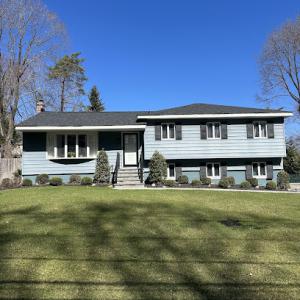
When it comes to your home’s exterior, Mighty Dog Roofing delivers top-of-the-line services matched with the neighborly customer care our clients have come to love. Our team of skilled experts will conduct a free, detailed inspection of your home, treating it as our own. Whether your home needs a simple repair or a full roof replacement, expect to receive the transparent guidance you deserve. Whatever the case, our team will work to meet your safety and budget needs. We take pride in operating with quality materials, hiring skilled roofers, and providing our customers with a high-quality experience. See for yourself; our reviews say it all. Schedule your free, home inspection today!
Eagle Exteriors
(610) 871-7546 www.eaglexteriorsllc.com
1503 McDaniel Dr #2, West Chester, Pennsylvania
5.0 from 36 reviews
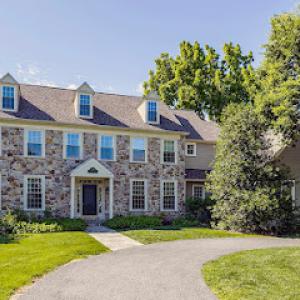
Eagle Exteriors – Trusted Roofing Experts in West Chester, PA With over 15 years of experience, Eagle Exteriors is your trusted roofing company in West Chester, PA. We specialize in high-quality roof installations, repairs, and replacements, offering expert services that ensure long-lasting protection for your home or business. Our team is dedicated to delivering exceptional craftsmanship and superior customer service, making sure each project meets the highest standards. Whether you're dealing with a minor repair or need a complete roof replacement, we provide tailored solutions to fit your needs and budget. At Eagle Exteriors, we’re proud of our reputation for reliability and integrity. As a locally-owned company, we take pride in help
Duke Roofing & Renovations
(484) 356-6555 www.dukeroof.com
296 W Boot Rd, West Chester, Pennsylvania
5.0 from 36 reviews
Duke Roofing and Renovations is proudly named in honor of Duke, our beloved Rhodesian Ridgeback, whose character embodies the core values we uphold in every client relationship. Duke’s traits—confidence, independence, happiness, adaptability, and unwavering loyalty—serve as the foundation of our company’s philosophy. We believe that fostering strong, positive connections with our clients requires more than just delivering exceptional work; it demands trust, clear communication, and a commitment to meeting their unique needs. At Duke Renovations, we bring these values to every project, ensuring a seamless and satisfying experience from start to finish.
JAG Roofing
(302) 510-9529 jagderoofing.com
West Chester, Pennsylvania
5.0 from 22 reviews
It doesn’t have to be a headache to put in a claim for roof repairs or your roof replacement project in the West Chester, PA and Wilmington, DE area. Instead of dealing with your insurance company on your own, team up with the pros from JAG Roofing. Our local roofing company can cover every aspect of your storm restoration project, from working with adjustors to completing the actual restoration work.
A.H. Davis & Son
(610) 918-1900 ahdavisandson.com
320 E Gay St, West Chester, Pennsylvania
4.7 from 36 reviews
Since 1939, A.H. Davis & Son, Inc., has been taking care of roofs and siding for property owners in Pennsylvania and New Jersey. In PA, we serve Chester, Montgomery and Delaware counties. In NJ, we serve Cape May county. Our business has been in the family for four generations and we are proud to have maintained our service of excellence for more than 86 years.
4 Guys Roofing
2038 Skiles Blvd, West Chester, Pennsylvania
5.0 from 12 reviews
Roof Replacement, Roof Repair, Gutter Installation, Gutter Cover Installation, Asphalt Shingle Replacement, Flat Roofing Systems, EPDM, AcryLabs, TPO, CertainTeed, Owens Corning Licensed & Insured

Penn State Roofing
(484) 359-0020 pennstateroofing.com
29 W Prescott Alley, West Chester, Pennsylvania
5.0 from 11 reviews
If you are searching for a reliable roofer in Chester County, you are right. At Chester County Roofing Experts, we offer a wide range of services to meet your roofing requirements. We always work hard to offer top-notch solutions, and our team of highly skilled technicians will collaborate with you to find the most effective roofing solution for your business or home. We provide roof replacement and repair services at reasonable rates. Call us any time of the day to schedule an appointment with our experts. We are ready to help you find an effective and long-lasting solution for your roofing issues.
Spring Valley Roofing
(610) 827-5666 www.springvalleyroofing.com
2 W Market St, West Chester, Pennsylvania
5.0 from 6 reviews
Spring Valley Roofing - West Chester is ready to serve all of West Chester! We are proud and excited to establish our business for roofing West Chester PA residents trust and love. Spring Valley Roofing is committed to giving its West Chester residents a unique customer experience in roof replacement in West Chester PA. We will tailor a plan specific to your needs and guarantee that you receive high quality and personalized attention to your project. We will sit down with you, explaining the process, including financing options, answering any questions you may have. Our West Chester roofers are skilled, friendly and respectful of your property, leaving it cleaner than it came. Call Spring Valley Roofing - West Chester today!
Doherty Exteriors
1502 Meadowbrook Ln, West Chester, Pennsylvania
4.6 from 8 reviews
Doherty Exteriors is a home remodeling company specializing in roofing, siding, windows, gutters, decks and fences. See Facebook for recent work, Doherty Exteriors.
Replacement projects in this area are commonly scheduled for spring or fall because Chester County winters bring freeze-thaw cycles that stress roofing materials, and summers tend to be warm and humid, stressing crews and materials alike. If a slate or tile roof exists, those colder shoulder seasons matter even more, since cementitious or natural materials respond differently to temperature swings. In practice, that means you should target a window where temperatures are stable, precipitation is manageable, and crews can move efficiently without chasing extreme conditions. Scheduling well in advance helps guard against last-minute bid shifts or short-notice delays when the contractor's calendar fills up for the season. Expect some flexibility in spring and fall, and build a buffer for weather-related pauses.
Cold-weather installation can complicate sealing and scheduling, especially on homes with older roof decks or historic detailing. If a leak is present, there is benefit in addressing the most vulnerable sections first while air temperatures remain just above freezing, but be prepared for longer drying times and more careful material handling when temperatures dip. In West Chester, frozen mornings can push crews to late starts, and melted afternoons require ongoing moisture management on decks and exterior work zones. Plan for potential pauses and have a clear plan for temporary protection while waiting for a longer window of workable weather. For steep pitches or complex roof lines, a more deliberate pace under cold conditions is appropriate to maintain seal integrity and safety.
Summer heat and humidity can slow crews and affect material handling, particularly for asphalt shingles or synthetic products that become stiff in high heat or require careful storage on-site. There is also greater demand for inspections and repairs after summer thunderstorms, which can tighten scheduling across all local contractors. If a leak response is needed after a storm, expect a rapid initial response followed by a longer planning phase for a full replacement or patch, depending on roof type and substrate condition. When planning for a larger project, consider mid-summer timing only if a competent staggered crew plan is available, with clear daily targets and contingency for heat-related work slowdowns.
Storm-driven demand spikes after spring weather events can tighten scheduling across the contractor base, making timing a practical issue for borough homeowners. If a major storm hits, prioritization tends to favor emergency responses first, with full replacements queued behind. Having documentation ready and a declared plan for temporary protection can streamline the process. In calmer weeks, you gain more control over start dates and can coordinate with crews to minimize long interruptions to your home. Consider aligning replacement timing with typical shoulder seasons to balance safety, performance, and project pace.
West Chester's roofing scene reflects a diverse mix: older neighborhoods near the downtown core still showcase slate and clay tile, while surrounding residential areas commonly feature asphalt shingles and newer synthetic options. That variety means choosing a roof type isn't just about weather, but about compatibility with existing structures, attic spaces, and decorative details. Asphalt shingles remain common for quick, familiar reroofs, yet metal, clay tile, concrete tile, and slate offer durable, long-term looks for homes with the right framing and pitches. When selecting a roof, consider how the chosen material harmonizes with dormers, chimneys, and rooflines that characterize the local streetscape.
Chester County's winter cycles bring real work to the roof deck. Slate and clay or concrete tile systems especially rely on sound underlayment, flashing, and fastener conditions to stand up to repeated freeze-thaw cycling. If a home is replacing older slate or tile, pay attention to the condition of valley flashing, eave edge details, and step-flashing around chimneys. In colder pockets, a robust underlayment paired with compatible fasteners prevents micro-cracks that can become leaks after a thaw or a thaw-freeze cycle. For slate or tile, consider improving attic ventilation and insulating vented gaps to reduce condensation that can travel under the surface and compromise newer underlayment over time.
Warm, humid summers in this area elevate moisture management as part of reroofing. Replacing older assemblies with modern shingles or synthetic systems often benefits from upgraded attic ventilation and a carefully designed vapor barrier. In homes with mixed ages, ensuring that the roof assembly breathes properly helps prevent pinhole leaks and premature wear around flashings and penetrations. For tile or slate homes, pairing high-quality underlayment with corrosion-resistant metal flashings reduces heat-driven expansion stresses that can loosen fasteners in the long run. The garage or utility-related roof sections also benefit from vented gable ends and ridge vents that promote cross-ventilation.
Asphalt shingles, metal roofing, clay tile, concrete tile, synthetic/composite shingles, and slate all have a place in West Chester's one-town-and-many-neighborhoods character. Each material responds differently to local sun exposure, storm intensity, and tree canopy impact. Metal roofs can provide strong wind resistance and fast installation on structures with low pitch, while concrete and clay tiles suit visible heritage features on older homes. Synthetic shingles offer a modern balance of appearance and resilience, often at a flexible installation footprint. Slate remains a premium choice for restorations or high-end reroofs, delivering a timeless look that matches many historic façades when properly integrated with the existing structure.
After Chester County thunderstorms or winter ice events, the roof's first priority is containment and inspection. Slate, tile, and metal installations require careful assessment of flashing integrity, fastener corrosion, and edge protection to prevent recurrent leaks. Document damage with clear photos from multiple angles and note any interior signs of moisture near ceilings and walls. For temporary protection, cover exposed areas with a tarp, focusing on valleys, penetrations, and chimney details, while avoiding unnecessary weight on weak roof sections. Keeping a simple, organized record of repairs, material specifications, and contractor communications helps in filing insurance claims promptly and accurately.
In this market, costs are best understood per square, which is 100 square feet of roof. For asphalt shingles, plan on about 350 to 700 per square. Metal roofs run higher, typically 700 to 1100 per square. If clay tiles are an option, expect 1100 to 2600 per square, while concrete tile sits around 900 to 2000 per square. Synthetic or composite shingles land in the middle, at roughly 450 to 900 per square, and slate sits at the high end, about 1800 to 3800 per square. Framing these numbers per square helps you compare bids against the exact roof size you're replacing and avoids overestimating based on "units" or misleading terminology.
Older homes in the area often present a steeper climb in final totals. When tear-off reveals decking, flashing, or structural needs that weren't visible from the attic, the cost per square climbs. In practical terms, a section of roof that seems straightforward may uncover damaged sheathing or mismatched flashing as soon as the old material comes off. That extra work has to be priced into the job, especially on a structure with architectural details or multiple roof planes common in Chester County neighborhoods. A bid that ignores potential decking or repairs can surprise you when work begins, so anticipate some contingency for these refinements before final approval.
Steep pitches and intricate rooflines are not unusual in this area. Older homes with slate or clay details, or modern homes that mimic those textures, demand additional labor and safety measures. The labor intensity of installing or reworking complex rakes, dormers, or visible cornices raises per-square costs relative to a flat, simple roof. If you're weighing materials, remember that the more demanding the geometry, the more the crew charges for time, rigging, and precision work. This is especially true when you replace a roof with a material that requires meticulous fastening or careful patterning to preserve curb appeal.
To bring bids into a clear comparison, request the same scope from each contractor: total square footage, material type, roof pitch, number of layers to remove, and expected decking or flashing work. In West Chester, the final tally reflects not only the base material but also how the roof's age, complexity, and any discovered repairs intersect with the chosen finish. A well-documented bid helps you avoid post-install surprises and ensures the project aligns with the neighborhood's visible roofline while delivering the performance you expect.
Don't let upfront costs delay a critical repair - these contractors offer payment plans to fit your budget.
Spring Valley Roofing
(610) 827-5666 www.springvalleyroofing.com
2 W Market St, West Chester, Pennsylvania
5.0 from 6 reviews
A permit from West Chester's Building Department is typically required for a full roof replacement in the borough. This isn't a formality you can skip, especially when storm damage or winter icing leaves you in a rush to cover and replace. The permit review is tied to the contractor's project details before issuance, so homeowners should expect contractor information to be part of the submission process. The city wants to know the exact scope, materials, and methods you're employing, not an afterthought added at the last minute. Without a permit, a completed roof can trigger city-led delays if an inspector detects unapproved work during routine checks or if you ever need to file a claim after a new leak develops.
When you approach the Building Department, prepare for questions not just about the new shingles or metal panels, but about flashing details, attic ventilation, and drainage changes. Your contractor should provide a clear scope of work, complete drawings or product specifications, and confirmation of local code compliance. If the project involves upgrading attic ventilation or reconfiguring roof penetrations for solar or HVAC equipment, expect more scrutiny. In a borough setting with older homes nearby, inspectors will look for work that preserves the neighborhood's character while meeting modern safety standards. Expect some back-and-forth; submitting thorough, accurate information minimizes miscommunications and potential rework.
Inspections are usually scheduled during the job and at completion, commonly including a rough-in inspection while work is underway and a final inspection after the roof is finished. The rough-in checks may cover deck integrity, underlayment installation, and flashing at critical transitions. A rough-in that misses a step can trigger delays and additional work, so coordinate access with the contractor and keep any temporary tarping or containment in place until the inspector signs off. The final inspection confirms that the installed materials, ventilation, and drainage meet the approved plan and local codes. If issues arise, the inspector will outline what needs to be corrected before final approval, which can push back a successful claim or the ability to secure a certificate of occupancy when relevant.
A straightforward backlog can slow a project, especially after a storm when many homeowners pursue repairs in a short window. Communicate timetables clearly with your contractor, and keep an updated contact method for the Building Department in case the inspector needs to reschedule. If you're dealing with water intrusion or ice damming, timing matters: delaying the permit submission or inspection can extend exposure to further leaks and interior damage, worsening both repairs and insurance documentation. Stay proactive, keep records organized, and ensure every submission aligns with the approved plan from the start.
After a spring thunderstorm or a winter ice event, sudden roof damage often triggers insurance claims. In this area, you may see missing shingles, dented metal, leaks around dormers, and damaged flashing. Begin by inspecting safely from ground when possible and noting obvious issues.
Document damage with photos, dates, and contractor estimates because adjusters typically review both replacement necessity and code-compliant scope. Take timestamped photos of interior water intrusion, attic signs of moisture, and exterior damage from multiple angles. Keep a simple log of weather events tied to dates.
When you contact your insurer, provide a concise summary of damage, location, and any temporary mitigation you performed, such as tarping or board-up, to prevent further harm. Request an initial assessment window and ask whether you should arrange a contractor or if the insurer has preferred providers.
Because borough-permitted replacement work may involve inspection sign-off, claim files in this area benefit from organized records showing damage, permit status, and completed work. Maintain a folder with a written scope from the contractor, material samples, and receipts for emergency expenditures, if applicable.
If you suspect storm-related water intrusion due to thaw cycles, note whether attics or ceilings show staining near vents or skylights. For slate or historic portions, document individual slate losses and any temporary stabilization measures taken, since specialty materials demand careful assessment.
Connect with contractors who help homeowners navigate the claims process from damage assessment to final approval.
Clear Exteriors
(484) 983-3476 www.clearexteriorsllc.com
841 Lincoln Hwy Suite A, West Chester, Pennsylvania
5.0 from 139 reviews
Pro Edge Roofing
(267) 727-3239 proedgeroof.com
627 S Walnut St, West Chester, Pennsylvania
5.0 from 107 reviews
Storm Tech Roofers - West Chester
(610) 304-4577 stormtechroofers.com
605 Milleson Ln, West Chester, Pennsylvania
5.0 from 57 reviews
Although steep-slope systems dominate locally, the contractor signal base shows meaningful flat-roof specialization, indicating recurring homeowner needs on porches, additions, and low-slope sections in West Chester. That mix means you should plan for inspections that cover not just the main roof but also these secondary planes. A failure on a porch roof or a wing can spread moisture inward, especially when cold snaps hit and outdoor temperatures swing. Expect more frequent attention to seams, flashings, and edge details where different roof types meet.
Freeze-thaw winters and summer humidity in Chester County make drainage, seam integrity, and ponding control especially important on these low-slope roof areas. Water needs a clear path away from transitions, skylight bases, and parapet edges. If you notice standing water after a heavy storm or a warm spell, scrutinize the membrane laps, fastener patterns, and any degraded cap sheets. Seasonal condensation can mask slow leaks, so look for mineral stains inside ceilings near low-slope zones after rain events or rapid temperature swings.
Leak investigations in West Chester often need to distinguish between main-roof failures and problems at attached low-slope sections, skylights, or transitions. A leak that seems to originate over a living space may actually begin at a porch roof or a sunroom transition, then travel along joists or rafters before dripping indoors. Pay close attention to flashings around skylights and where a flat roof meets a steeper deck. Document any discoloration, mold, or winter icicle buildup that aligns with a transition line, and plan targeted repairs that address the entire water path rather than a single spot.
Find specialists in TPO, EPDM, and built-up flat roofing systems for residential and commercial properties.