
Last updated: Apr 19, 2026
In Irwin, sits in Westmoreland County within the western Pennsylvania weather pattern of cold winters, wet springs, and repeated freeze-thaw cycling. That climate drives a rhythm for roofs: storms can pop up quickly, ice and snow can push against valleys, and shingles must endure cycles that expand and contract. Homes here tend to have older small-borough stock, with steeper pitches and typical asphalt shingle or metal hardware that has proven durable but not invincible. The practical takeaway is that a roof needs to be ready for rapid leak response after a storm and for full re-roofing when the structure shows widespread aging or damage from repeated freeze-thaw cycles. In this setting, resilience and timely maintenance are as important as initial installation quality.
Weather patterns shape what to expect season to season. Winters bring freeze-thaw cycles that stress sealants, flashings, and edges around chimneys and skylights. Springs deliver wet conditions that test gutters, downspouts, and valley lines, sometimes revealing hidden damage after winter boats of ice melt. Summers, while generally milder, still pose heat-related wear and can accelerate aging on lighter shingles. Because storm events in this region can arrive with wind-driven rain and sudden downpours, the ability of a roof to shed water quickly and seal penetrations promptly becomes a practical priority. Owners should plan for regular inspections after heavy storms, especially if the roof is older or has already seen multiple seasons of freeze-thaw cycling.
The best replacement window for siding and roofing projects has implications here. Locally, the dry period from late spring through early fall is most conducive to tear-off and sealing, reducing the risk of moisture intrusion while crews complete a full re-roof. Winter cold and wet spring conditions complicate both tear-off and optimal sealing, making scheduling and moisture control more challenging. For storm-damaged or emergency-leak situations, waiting for a favorable stretch is not always possible, but understanding that window can help you align project timing with safer, drier conditions when feasible. If a tear-off is unavoidable in less-than-ideal weather, preparations should emphasize tarping, secure sealing, and rapid crew mobilization to limit additional exposure.
Market signals in this area point to unusually strong demand for storm damage work, emergency repair, and full re-roofing compared with more niche roof categories. This means that when a roof shows widespread wear or damage, there is a higher likelihood of needing swift response, comprehensive repairs, or a complete replacement rather than incremental fixes. Homeowners should expect shorter response times from reputable local contractors during busy periods following major storms, and those contractors will often prioritize roofs with clear wind damage, compromised flashing, or widespread aging over minor, isolated leaks. Because the housing stock leans toward older, simpler configurations, the most effective approach often combines timely emergency repairs to stop leaks with a planned full re-roofing to restore long-term integrity and curb temptation to delay.
Practical guidance emerges from these conditions. Schedule preventive inspections after severe weather events and before the peak storm season so any compromised flashing, ridge lines, or vent boot seals are addressed while minor. Prioritize maintenance around eaves and valleys where water tends to concentrate and where heat cycling is most evident. When choosing a replacement or repair path, consider the likelihood of rapid weather shifts and the potential for subsequent storms that could exploit gaps or worn sealants. In this market, aligning with a contractor who can deliver a rapid, staged plan-emergency leak containment first, then a full re-roof when appropriate-helps ensure you minimize damage and stay ahead of the next freeze-thaw cycle.
In Irwin, spring storms and high winds are a primary roof risk, especially for lifted or creased asphalt shingles and flashing failures that turn into interior leaks. When a gust rips across the borough, a few loose shingles can begin a domino effect-lifting at the eaves, revealing underlayment, and letting moisture travel toward vents, chimneys, and valleys. If you've noticed a shingle edge curling or a patchy crest near the peak after a storm, treat that as a warning signal. The moment wind-driven rain starts forcing its way behind the roofing layer, the clock starts ticking on interior damage that can escalate quickly in older homes with basic ventilation and limited attic insulation. Keep an eye on the ridge lines after every strong gust, and don't assume a minor crease is harmless.
Western Pennsylvania freeze-thaw cycles can widen small roof defects over winter, so minor shingle or underlayment damage in Irwin often becomes a larger spring repair. Freeze-thaw action acts like a tiny hammer, expanding and contracting moisture-filled gaps in shingles, flashing, and the underlayment. A single cracked shingle, a lifted edge, or a blister can broaden into a leak channel as temps swing from freezing nights to thawing days. That's why a brief winter settlement-such as a soft spot near a valley or a slight misalignment along a flashing seam-should never be brushed off as cosmetic. Come spring, those weak spots are prime entry points for rain and runoff, especially through older asphalt roofs that already show wear from years of freeze-thaw cycles. If you've experienced a late-winter thaw with a sudden warm-up that unsettled the attic, it's smart to perform a careful exterior and attic inspection as soon as practical.
Autumn leaf buildup is a practical local issue because debris retention can slow drainage and trap moisture along roof edges and valleys before winter. In this area, leaves don't just litter the gutters; they cling to the shingle edges and nest into valleys where water should flow freely. Clogged eaves and clogged flashing channels create standing moisture that seeps under shingles during wet weather. If gutters are clogged or a layer of leaves sits atop the lower roof surface, rainwater can back up and corrode fasteners or loosen flashing in wind-driven storms. Pay particular attention to flat or low-slope sections near chimneys, vent pipes, and transitions to gutters. Debris can act like a dam, pushing moisture into vulnerable joints and inviting mold or rot to take hold behind the scenes.
In Irwin, quick action after a storm, rapid assessment of winter damage, and proactive debris clearance before winter sets in are essential. If you see lifted edges, lifted flashing, or damp spots inside ceiling corners after rain, address them promptly. A simple proactive nudge-tightening flashing, resealing a seam, or replacing a suspect shingle-can stop a small fault from becoming a costly leak. Stay vigilant for wind-driven damage, thaw-driven expansion, and autumn debris, because these hotspots reliably predict where leaks will begin.
Find local contractors experienced in assessing and restoring roofs after hail, wind, and severe weather events.
Gerken Roofing & Contracting
(724) 515-5551 www.gerkenroofs.com
10664 Center Hwy, Irwin, Pennsylvania
4.9 from 319 reviews
CJ's Roofing Vet Owned
(724) 420-6699 www.cjsroofingvetowned.com
1608 8th St, Irwin, Pennsylvania
5.0 from 69 reviews
Bella Construction & Development
(724) 515-5163 mybellaroof.com
10561 Center Hwy, Irwin, Pennsylvania
4.7 from 810 reviews
Gerken Roofing & Contracting
(724) 515-5551 www.gerkenroofs.com
10664 Center Hwy, Irwin, Pennsylvania
4.9 from 319 reviews
Gerken Roofing & Contracting is an experienced roofing company located in Irwin, PA. With over 30 years of combined expertise in the industry, we have established ourselves as a trusted provider of roofing solutions, siding installations, and gutter services. We offer full replacements and repairs. Get your free estimate today!
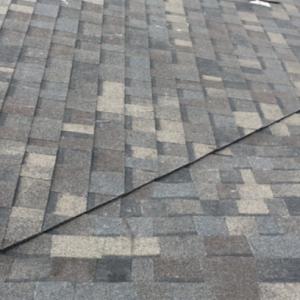
CJ's Roofing Vet Owned
(724) 420-6699 www.cjsroofingvetowned.com
1608 8th St, Irwin, Pennsylvania
5.0 from 69 reviews
Veteran owned local roofing company that services Southwest Pennsylvania
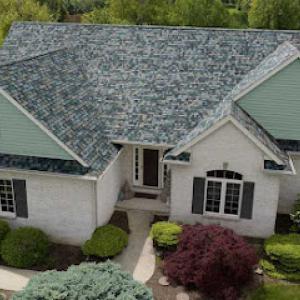
Bella Construction & Development
(724) 515-5163 mybellaroof.com
10561 Center Hwy, Irwin, Pennsylvania
4.7 from 810 reviews
Since 1995, Bella Construction has delivered expert roofing, siding, gutters, and windows with quality craftsmanship and personal service. With 30+ years of experience, we're your trusted choice for exterior remodeling done right!
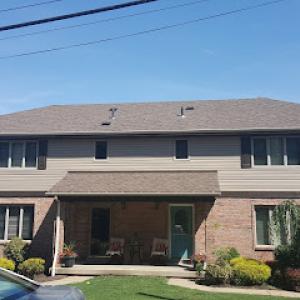
ATD Home Renovations
2331 Guffey Rd, Irwin, Pennsylvania
5.0 from 4 reviews
Here at ATD we specialize is all phases of home remodeling from interior to exterior. Weather you want to change the vibe with a new coat of paint, rejuvenate the exterior with new siding, or want to totally renovate the floor plan for a flip or growing family ATD is the company for you. We pride ourselves in our ability to communicate and listen to our customers needs and expectations of their project. We take the time necessary to make sure that even the finest details get the attention they need. It has been our experience that the difference in quality is always in the detail of the work which is why we have built this company on the belief that if we pay attention to the detail, then the detail will bring the attention to your home
LatinUS Construction
(412) 583-8033 latinusconstruction.com
31 Robbins Station Rd, Irwin, Pennsylvania
5.0 from 3 reviews
We are a company built on dedication, experience, and a strong commitment to delivering high-quality construction and roofing services. Owned and operated by Manuel Enriquez, our company was established in Irwin, Pennsylvania, in 2023. With eight years of hands-on industry experience, Manuel leads a skilled team focused on meeting the unique needs of both residential and commercial clients. From the start, LatinUS Construction has been grounded in honest work, dependable service, and a clear vision to raise the standard in construction and roofing solutions throughout the region.
Rain Roofing & Solar
(724) 640-7246 www.rainroofingandsolar.com
Serving
4.4 from 131 reviews
We are a locally owned and operated company that was started over 60 years ago. We are insurance restoration specialists that work hard to make sure th you are taken care of as efficiently as possible from start to finish.
Roberts Roofing
(412) 353-7663 www.robertsroofingpgh.com
Serving
4.8 from 41 reviews
We have extensive roofing experience because we have been a premier roofing company in the area for nearly 80 years. Our contractors are trained, experienced, licensed, and bonded to ensure that you get the quality of roofing work done that you need and expect from a roofer. Commercial and residential roofing services for all types of roofs in the greater Pittsburgh area! Slate roofs, tile roofs, flat roofs, shingle roofs, gutters and drone inspections.
John Stevens Construction
606 Oak St, Irwin, Pennsylvania
5.0 from 1 review
John Stevens Construction is the top roofing company in Westmoreland County. We have been providing our customers with great service & quality work since 1980. Our commitment to excellence ensures that your roofing or repair project will be done efficiently & meet ICC/IRC codes. Call us today & see why the Better Business Bureau gave us an A+ rating: We offer: Residential & Commercial Roofing, Storm Damage, Windows, Siding, Roof Repairs, Metal Roofing, Flat Roofing, Rubber Roofing, Single Ply Roofing, Membrane Roofing, Exterior Contractor, Siding, Siding Installation, Asphalt Roofing, Insurance Claims, & Fire Damage.
Jacko Remodeling
12959 Ridge Rd, Irwin, Pennsylvania
5.0 from 1 review
licensed and insured, family owned and operated Roofing contractor.
Pindro Roofing Company
Serving
5.0 from 15 reviews
ROOFING MATTERS, WE WILL KEEP YOU DRY! At Pindro Roofing we take the same pride in our work as you do in your home. I have been roofing for over 20 years. I started my own company in 2010. Pindro Roofing is a licensed and insured residential roofing company. I manage each project from the beginning to the end of the project. You'll be able to see the personalized attention in the results. We provide free estimates and written warranties. Thank you for considering Pindro Roofing We hope to hear from you soon, (412)758-8524.
Quality Roofing & Paving
Serving
5.0 from 10 reviews
Roofing, Roof Repair, Roofing Estimates, Paving
McCormick Renovations
(412) 271-5770 mccormickrenovationpgh.com
Serving
5.0 from 283 reviews
McCormick Renovations is a family-owned & operated roofing, siding, soffit, fascia, gutter, and window contractor located in Westmoreland County, PA, with over 30 years of experience in the industry.
Asphalt shingles dominate the market and fit the area's common re-roofing demand, but summer heat and winter freeze-thaw stress can shorten service life if ventilation and installation quality are poor. In Irwin, storm-driven leaks after windy rain or fast temperature swings are common, so choosing a material that tolerates moisture and heavy use is essential. This section walks through practical, local considerations to help you pick a roof that can weather western Pennsylvania conditions without overreacting to every storm.
For many Irwin homes, asphalt shingles offer the simplest, most familiar path to a solid upgrade. They light up quickly, fit a wide range of roof pitches, and are forgiving during imperfect installations. To maximize life in this climate, ensure the attic is vented well and that the underlayment and drip edge are installed properly. Shingle color choices should consider both reflecting heat in hot summers and matching the neighborhood look. Pay attention to sealant and nail placement during installation; improper nailing can invite leaks once a storm hits or temperatures swing. Regular inspections after heavy rain or hail are wise, aiming to catch loose granules or lifted edges before they split further.
Metal roofing is a meaningful local option for homeowners prioritizing durability against moisture and temperature swings, though upfront cost is much higher than asphalt. Metal panels perform well under western Pennsylvania wind and rain when fastened correctly and with proper seam details. They shed water rapidly and resist common wear from freeze-thaw cycles, but installation quality matters even more than with shingles. In Irwin's climate, metal works best when there is adequate deck support and a watertight flashing plan at valleys, chimneys, and transitions. If choosing metal, plan for a finish that tolerates potential corrosion in humid air and check the color coating for long-term UV resistance. A professional with local experience can align panel profiles to minimize noise in storm conditions and ensure compatibility with existing attic ventilation.
Clay tile, concrete tile, wood shakes, and synthetic products are available in the broader Irwin market, but their suitability depends heavily on structural load, slope, and maintenance expectations in this climate. Clay and concrete tiles require a stronger roof structure and careful evaluation of slope to prevent breakage during freeze-thaw cycles. Wood shakes offer traditional appeal but can be vulnerable to moisture and require frequent maintenance to prevent rot and mold. Synthetic shingles can provide a balance of weight and durability, yet installation must still address venting and flashing properly. If considering these options, verify carrier compatibility, ensure the existing roof deck can support the chosen material, and prepare for elevated maintenance costs tied to cleaning, sealing, and occasional replacements after storm events. In all cases, a trusted local contractor can assess your current rafters, attic ventilation, and the likelihood of long-term performance given Irwin's winter weather and summer heat.
Typical local pricing by material runs about $350 to $600 per square for asphalt shingles, $700 to $1100 for metal, $1100 to $1800 for clay tile, $900 to $1500 for concrete tile, $600 to $900 for wood shingles or shakes, and $600 to $1000 for synthetic or composite shingles. In practice, that means an average 1,000-square-foot roof (roughly 10 squares) can land in the low five figures with installation, disposal, and materials factored in. Shingle roofs remain the most common choice on the older stock you'll find in the area, while metal can be a durable upgrade in high-ice and wind pockets. Clay and concrete tiles bring long life but heavier loads and higher install complexity, so they show up less often unless the structure supports them. Wood shingles or shakes are a solid aesthetic for period homes but require more maintenance and careful fastening in our freeze-thaw cycle.
In Irwin, costs can rise when storm activity creates a surge in demand for quick-response crews, especially in the same periods when many homeowners are trying to schedule re-roofing. If a late-summer storm or heavy fall rains hit, you may see crews with jammed schedules and higher trip or expedited fees. Plan for a window where inspections can confirm whether a full tear-off is needed versus a quick roof-over or retrofit. Understand that some insurers push for timely decisions after wind or hail events, which can compress your timeline and impact price quotes. Your best defense is getting a written scope and a few firm bids early in the season, before the next round of storms.
Older homes in and around Irwin can add labor for tear-off, decking repairs, flashing updates, and cleanup. If the deck or sheathing shows water damage or sagging, expect additional days on-site and material line items. Replacing vent flashing, ridge caps, or step-flashing around chimneys and skylights is common, and these details often push the final bill beyond the raw material price. If you're upgrading to metal or a thicker composite, plan for additional fastening and underlayment work, which can add to the square-foot cost but pay off in longer-term performance.
Set aside enough budget for possible surge charges during peak-season storms, and keep a contingency for decking or flashing repairs that may be uncovered during tear-off. If your home is on the lighter end of the structural rating, a professional will likely insist on a full tear-off to ensure a watertight result, especially after freeze-thaw cycles. By prioritizing accurate assessments, you'll avoid sticker shock once crews begin work, and you'll keep the project moving steadily through Irwin'stypical weather windows.
Get a clear picture of your project costs upfront - no commitment required.
Gerken Roofing & Contracting
(724) 515-5551 www.gerkenroofs.com
10664 Center Hwy, Irwin, Pennsylvania
4.9 from 319 reviews
In Irwin, a full roof replacement typically requires a building permit through the local building department serving the borough and Westmoreland County area. That permit acts as the road map for safety and code compliance, especially after the frequent wind, rain, and freeze-thaw cycles that hammer older homes in this part of the county. Starting without that permit can lead to delays, fines, or a requirement to undo work later, which is the kind of setback no homeowner wants when a storm has already knocked at the door.
The usual process is application submission before work begins, followed by inspections during the job and a final inspection after completion. This sequence matters because every inspection is built to catch issues that, in a climate like ours, can escalate quickly-loose shingles, gutter damage, pitched drips, or inadequate attic ventilation can turn into bigger problems once the cold rain and thaw set in. If a contractor promises a fast, "no-inspection-needed" project, that's a red flag you should not ignore.
Homeowners should confirm permit responsibility in writing because local reroof jobs often move quickly after storms, and inspection scheduling can affect project timing. If you're coordinating with a contractor, get a clear, written note on who will submit the permit, who handles the inspection appointments, and the expected timeline for each stage. In practice, that means the permit paper trail should travel with the project schedule, not sit on a desk. Delays in inspections can stall material delivery, weather windows, and even the final sign-off, all of which matter when a wet season looms.
After work begins, keep your eyes on the basics: proper flashing around vents and chimneys, secure sealing at the eaves, and orderly attic access to verify insulation and ventilation meet code. If the weather turns nasty, the permit process becomes even more critical to ensure temporary protections are in place and that the final inspection validates all safety and durability requirements for the next freeze-thaw cycle.
Pennsylvania roof claims in markets like Irwin are commonly evaluated based on the exact cause of loss, with insurers asking for photos, dates, and contractor estimates after storm events. The nuance here is that a claim often hinges on whether a wind event or heavy rain caused a sudden failure, rather than long-standing wear. If a shingle lifts during a Nor'easter or a gusty afternoon, that event becomes the headline, but the insurer will still look for supporting documentation that ties the damage to a specific incident.
Because carriers may scrutinize pre-existing wear versus sudden storm damage, Irwin homeowners benefit from documenting roof condition before and after spring wind and rain events. Take dated photos from multiple angles, noting leaks, missing granules, or sagging sections. Keep a simple log of recent weather events and any felt or attic leaks you noticed, especially after cold snaps or warm, thawing days. This baseline helps when the adjuster arrives and can reduce the back-and-forth that slows a claim.
Adjuster and roofer coordination is a practical part of the local claims process, especially when damage is tied to wind-lifted shingles, leaks, or other visible storm-related failures. After an initial inspection, arrange a contractor estimate that clearly documents the scope of work, materials, and timeline. A weathered roof can complicate the assessment, so ensure the contractor's estimate includes a line-by-line note of any pre-existing conditions and new damage observed during the storm. Clear communication between you, the adjuster, and the roofer speeds resolution and helps prevent mismatches between what's claimed and what's inspected.
Connect with contractors who help homeowners navigate the claims process from damage assessment to final approval.
Gerken Roofing & Contracting
(724) 515-5551 www.gerkenroofs.com
10664 Center Hwy, Irwin, Pennsylvania
4.9 from 319 reviews
CJ's Roofing Vet Owned
(724) 420-6699 www.cjsroofingvetowned.com
1608 8th St, Irwin, Pennsylvania
5.0 from 69 reviews
Bella Construction & Development
(724) 515-5163 mybellaroof.com
10561 Center Hwy, Irwin, Pennsylvania
4.7 from 810 reviews
In this climate, repeated freeze-thaw cycles attack the roof where it's thinnest first. You'll notice issues starting at shingle tabs, along sealant lines, where the adhesive loses grip, and at flashing transitions where water can creep behind metal or vent collars. Underlayment near eaves and at rake edges tends to show stress first. Inspect after warm days followed by sudden cold snaps, and look for hairline cracks or curling tabs that reveal the felt below.
Wet spring conditions in western Pennsylvania make small drainage or flashing defects visible quickly once steady rain arrives. Clogged gutters, downspouts, and poorly pitched eaves create standing water that finds any minor flaw to exploit. Pay attention to valleys, around vent stacks, and at where roof planes meet sidewalls. If water pools along a crease or seam, treat it as a warning sign that a leak is imminent during the next heavy rain or storm surge.
Skylight and chimney penetrations deserve extra attention in this market because both appear regularly in contractor service offerings and are common leak locations on older homes. Step back and inspect the flashing around these penetrations for loose nails, degraded sealant, and misaligned flashing. Look for rust stains on metal flashings and any silicone or sealant that has separated from the joint. These points often suffer first after a long stretch of wind-driven rain or freeze-thaw cycles.
Beyond the roof surface, check the attic for condensation,Musty odors, or visible daylight between sheathing boards. If daylight or moisture appears near any penetrations or along rafter tails, address the source promptly. Small leaks tend to migrate along insulation and ductwork, sometimes masking their origin until the weather turns again. Regular inspection after storms helps catch these early.
Find contractors experienced in skylight installation, flashing, and leak repairs to bring natural light into your home.
Bella Construction & Development
(724) 515-5163 mybellaroof.com
10561 Center Hwy, Irwin, Pennsylvania
4.7 from 810 reviews

When a storm hits and leaks start showing, the Irwin market prioritizes contractors who can respond fast, cover the whole job, and leave a clean site. Look for a crew that can handle full re-roofs if the roof is aging or storm damage is widespread, not just quick patchwork. Ask how soon they can start after the hail or heavy rain, and whether they bring a crew that can finish a project in a single visit or in tightly scheduled windows. A crew that arrives with a portable dumpster and tarps, and cleans up thoroughly, often saves you stress after a gnarly weather event. In practice, you want a contractor who communicates clearly about arrival times, progress, and what will be removed or protected during the job.
Long-established, family-owned providers are well represented here, which means you're comparing reputations built over decades to newer outfits. Reputation often correlates with responsiveness, so ask neighbors who they would hire again and why. When you call, note whether the estimator takes time to inspect all roof faces, attic vents, and flashing corners, or if they rush through and leave questions open. You'll value a firm that treats cleanup as part of the project, not an afterthought. Price is a consideration, but not the only one; a proven track record in this market matters when wind-driven debris and freeze-thaw cycles take their toll.
Manufacturers' certifications and warranty offerings exist but aren't dominant here. Compare what the contractor provides in terms of workmanship coverage, how long it lasts, and what it actually covers, versus any manufacturer warranty. Ask for written details on what happens if a leak recurs or flashing comes loose after a winter freeze. A clear, documented warranty and an agreement on follow-up service give you protection beyond the initial install, and that emphasis on post-job support is particularly valuable in this climate.