
Last updated: Apr 19, 2026
Storms in this hill-and-valley landscape bring a constant strain to roofs that already battle cold snow loads, spring rain interruptions, and summer humidity. A small flashing gap, a lifted shingle edge, or a missing valley boot can become a full-fledged leak after a heavy downpour or a waking-on-wind storm. In practice, that means you need to treat every after-storm drip as a warning, not a nuisance. The first 24 to 48 hours after rain are the window when moisture can wick into attic spaces, compromise insulation, and promote mold growth if left untreated. Pay attention to attic ventilation during and after storms, because humid air trapped above living spaces often mirrors outside conditions and accelerates condensation on cold roof sections.
The local reality shows a strong emphasis on storm damage and emergency repair services, and rightfully so. If you see water streaking down a ceiling or hear dripping from the attic during rain, act fast. Start by identifying the source inside the attic-trace the water back to its entry point and place a temporary tarp or plastic sheeting over the affected area if safe to do so. Do not walk on a wet roof during active precipitation; instead, implement tarping from the ground or a ladder-based approach, ensuring edges are weighted and secured so wind cannot peel them loose. After you've contained the leak, photograph the damage for insurance purposes and call a contractor who specializes in storm damage response and quick post-storm assessment. A professional can determine whether the intrusion is a simple shingle lift, a failed underlayment, or a more complex flashing failure that requires immediate attention.
Frequent rainfall in this area makes timely replacement work tricky, so temporary protection matters. If you have exposed underlayment or sheathing after a storm, cover with something sturdy enough to resist wind gusts but not so rigid that it tears under movement. If attic moisture is evident, deploy a dehumidifier or increase ventilation to slow condensation, especially on humid summer days when heat drives rapid moisture buildup. While waiting for a contractor, avoid running upstairs with a hot shower or sauna routine-moisture levels in the attic rise quickly and can worsen existing leaks. When you do bring in a crew after a leak, emphasize attic moisture management as part of the plan: vented soffits, active attic fans, and a check for any signs of mold or wood rot should be included in the post-storm assessment.
Snow load in winter can hide slow leaks until a thaw reveals a cascade of water damage. Spring rain brings the risk of saturated decking and rusting metal components if flashing failed during a wind event. Summer humidity can cause condensation to partner with a minor roofing defect, creating damp spots that look like active leaks but originate from attic air movement rather than rainfall. In autumn, falling debris can wedge under shingles or loosen fasteners, creating micro-gaps that become leak paths during the first big rain. You should request a thorough post-storm inspection that covers roof decking integrity, underlayment condition, flashing around chimneys and vents, and the sealing of all penetrations. The goal is not just to stop the current leak, but to prevent a repeat once the next storm arrives.
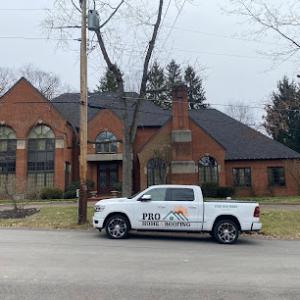
Pro Home & Roofing
(412) 818-0289 proroofingpgh.com
4290 Old William Penn Hwy, Monroeville, Pennsylvania
5.0 from 121 reviews
Locally owned family roofing business. Superior products. Friendly representatives. Free price quotes. Bank rate financing. Certified master installers. 50 Year manufacturer sponsored warranty. Fully insured. Call for Free Assessment 412-818-0289.
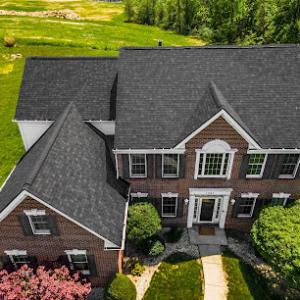
Buccos Roofing
(412) 501-4978 buccosroofing.com
4661 Old William Penn Hwy, Monroeville, Pennsylvania
4.9 from 131 reviews
Our greater Pittsburgh roofers offer extensive experience in the roofing industry. As more than roofing contractors, we specialize in residential, commercial, and industrial roofing along with exterior house solutions throughout the greater Pittsburgh area. We are family owned and operated with deep roots in Pittsburgh. We are also licensed, bonded, and insured plus we offer free estimates.
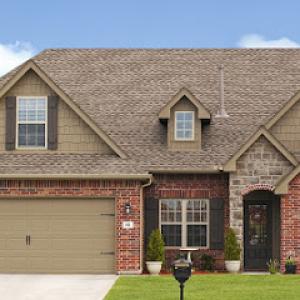
Nasco Roofing & Construction
(412) 373-2000 nascoroofing.com
2549 Mosside Blvd, Monroeville, Pennsylvania
4.7 from 60 reviews
Nasco Roofing and Construction is fully-licensed and bonded, specializing in residential and commercial roof repair, roof replacement and new roof installations. Whether its flat or shingle roofing systems, you can count on our roofing specialists to meet your needs in a timely fashion with professionalism. Our Nasco Roofing and Construction staff is committed to being " the best " and putting our customers first.
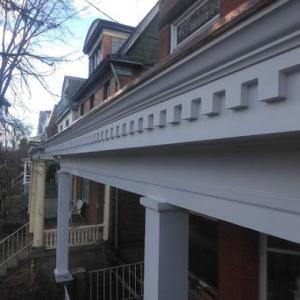
John Henry Roofing
(412) 609-4408 www.johnhenryroofingusa.com
602 Broadway Blvd, Monroeville, Pennsylvania
5.0 from 4 reviews
In-house team of roofers, carpenters, and masons to manage your roof and chimney projects.
McCormick Renovations
(412) 271-5770 mccormickrenovationpgh.com
Serving
5.0 from 283 reviews
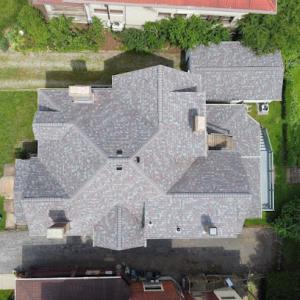
McCormick Renovations is a family-owned & operated roofing, siding, soffit, fascia, gutter, and window contractor located in Westmoreland County, PA, with over 30 years of experience in the industry.
Ridge2Ridge Contracting - Inspections
(724) 243-0569 r2rinspections.com
Serving
5.0 from 20 reviews
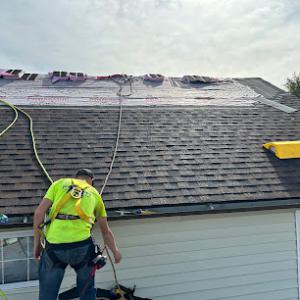
Ridge2Ridge Contracting - Inspections is your go-to for all your home improvement and contracting needs. As a local family-owned company, we prioritize customer satisfaction, treating the project as we would our home. Doing so we provide our clients with top-notch services in roofing, siding systems, gutters, windows, decking, and various interior construction projects. Our skilled team combines years of experience, extensive training, up-to-date industry knowledge, with certifications to ensure the highest quality workmanship and product installations. With Ridge2Ridge, you can transform your home, increase its value, and enjoy peace of mind knowing that your project is in the hands of experienced professionals.
Resnick Roofing & Contracting
(724) 242-6733 www.resnickroof.com
Serving
4.9 from 106 reviews
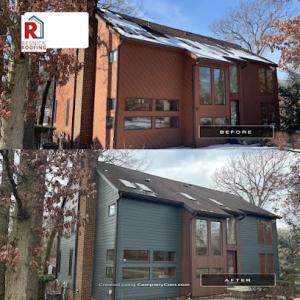
Established in 2006, Resnick Roofing & Contracting delivers exceptional property improvement experiences in roofing, siding, and solar. We offer top-tier products, installations, and warranties, backed by a leadership team with over 50 years of combined experience. Serving Western PA, we ensure clear customer expectations and quality through a fleet of 30+ vehicles and two locations. Our installers receive annual certifications from each manufacturer, ensuring proper installation.
Erie Home
Serving
4.3 from 507 reviews
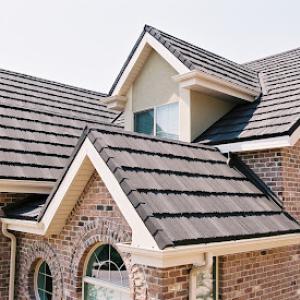
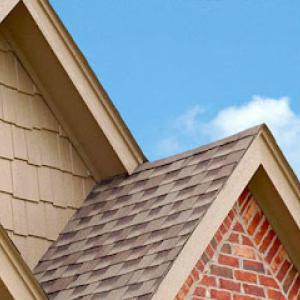
Since 1976, Erie Home has manufactured, supplied, and installed the best-performing roofing on the market. By providing ironclad warranties and convenient financing, we ensure that every homeowner we work with receives top quality service and value for their homes and properties. Erie Home professionals are the roofing company of choice in the greater Pittsburgh, PA area. Whether you need roof inspections or roof damage repair services, Erie Home has been the go-to roofing contractor for nearly 50 years because of our attention to detail and dedication to making sure our customers are satisfied with their results. Contact us today for a quote and see why we're the trusted roofing company Pittsburgh counts on.
Rodgers Roofing & Remodeling
(412) 373-4695 www.rodgers-roofing.com
Serving
5.0 from 18 reviews
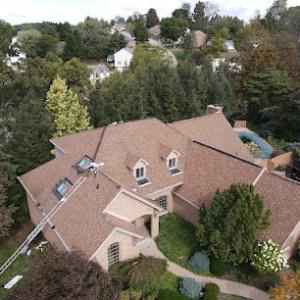
At Rodgers Roofing, customer satisfaction is our top priority. Our skilled team takes pride in delivering reliable, cost-effective roofing solutions tailored to meet the unique needs of each client. Whether you're dealing with storm damage, leaks, or planning a new construction project, you can trust us to get the job done right—on time and on budget! Licensed, insured, and locally owned, Rodgers Roofing is built on a foundation of integrity, professionalism, and superior craftsmanship. Let us protect what matters most—your home—one roof at a time.
Top Roofing Solutions Corporation
(412) 722-2008 www.toproofingsolutions.com
Serving
5.0 from 20 reviews
🏠 Top Roofing Solutions Exterior & Restoration Experts Roofing • Siding • Gutters • Complete Exterior Solutions ✅ Free Inspection & Free Estimates! 💪 Quality • Safety • Fair Pricing — Guaranteed 📞 (412) 722-2008
JP Roofing & Metal Buildings
(412) 829-7711 jproofingandmetalbuildings.com
Serving
4.3 from 264 reviews
With over 43 years of experience, JP Roofing & Metal Buildings is proud to be one of the leading roofing companies in Pittsburgh, PA, and the surrounding areas. As an Owens Corning Platinum Preferred Contractor, we’re recognized for our exceptional craftsmanship, quality materials, and commitment to doing every job right the first time. We specialize in roof installation, roof replacement, and roof repair for both residential and commercial properties. Our services also include siding, gutters, and custom metal building construction, all backed by a team of certified professionals dedicated to excellence. If you’re searching for reliable roofing contractors near Pittsburgh, trust JP Roofing to protect your home or business!
Champion Roofing USA
(412) 600-5272 championroofing-usa.com
Serving
4.6 from 11 reviews
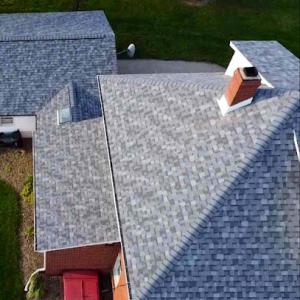
Location in Pittsburgh and Serving all of Western PA. We offer all roofing types of flat, low slope and sloped installation with free in person or satellite estimates. We accept all forms of payment and offer multiple financing options. Rated in the top 1 percent category by Owens Corning, GAF, Atlas, and Certainteed. Over 20 awards and counting! We can offer Lifetime warranties with roof replacements. Certified by over 10 roofing manufacturers for all types of Homes and Buildings.
Cold winters bring more than a cold draft and a sleepy house; they press on roofs in ways that can turn a routine check into an urgent call. Monroeville's cold winters can delay roof access and add stress from snow and ice, making late-winter leak calls and deferred replacements more common. When the wind shifts and snow buries the ridge cap, the roof becomes a staging ground for hidden damage. A small ice dam can push water under shingles and into soffits, fascia, or attic spaces long after a storm, and the last thing you want is a leak sneaking up on a sunny day in March. The reality is that winter conditions slow response times and complicate repair logistics, so timing and preparation matter.
The western Pennsylvania terrain, with its rolling hills and suburban tree cover, makes drainage performance a real point of focus. As snow melts, water needs clear channels to move off the roof and into gutters. Leaves that are still clinging in autumn become an obstruction when thawing cycles arrive. When drainage paths are blocked, meltwater can pool at eaves and near roof penetrations, increasing the risk of ice buildup along the edges and at seams. In a neighborhood with dense late-season foliage, the combination of leaf litter and persistent moisture creates a slow drip effect that can masquerade as a minor leak until it undermines attic insulation or causes interior dampness.
Autumn leaves followed by freeze-thaw conditions create a local sequence where clogged drainage paths contribute to ice-related backup. As leaves accumulate, moisture cannot flow freely through gutters and downspouts. Freeze-thaw cycles push and pull at the roof edge, leveraging any small crack or flashing weakness into a larger problem. Ice can form at eaves and around roof penetrations, widening gaps where water can re-enter. The combination of leaf litter and winter moisture means a small gap can become a noticeable leak by late winter, especially after a series of warm days followed by another cold snap. The consequences extend into attic spaces, where condensation and moisture buildup can compromise insulation, increase energy loss, and invite mold growth if left unchecked.
Stay proactive as you approach the season's peak: keep gutters clear of leaves and debris before the first heavy freeze, and inspect downspouts for any signs of peaking flow during a thaw. After storms, take a careful walk around the roof edge to spot ice dams forming along eaves, especially where gutters are full or damaged. If accessibility is limited by snow or ice, prioritize a professional assessment once conditions permit; delaying too long can let a small issue grow into a larger, harder-to-fix problem. In Monroeville, blocking ice at the source-clearing debris, ensuring proper drainage, and addressing any visible flashing weaknesses early-can prevent water from finding its way into the house when temperatures swing and the snowpack finally breaks.
Asphalt shingles are the dominant practical choice for suburban detached homes in this area, balancing cost against the region's wet and freeze-thaw conditions. They handle moisture well when installed with proper underlayment and ventilation, and they're straightforward to repair after a rain or snow event. For storm response, asphalt offers predictable performance and shorter repair times, which matters during frequent mid-season rainstorms. When choosing a shingle, look for a product with good sealant performance and a solid warranty, and ensure the attic is properly vented to minimize condensation that can lead to mildew or rot behind the fascia. If a leak is detected, trace it to the nearest penetration and address flashing and nail line integrity first, since those are common failure points after winter storms.
Metal roofing is a meaningful but smaller segment locally, often considered by homeowners who want better snow shedding and longer-term performance through repeated wet seasons. In Monroeville, metal panels can excel on homes that experience heavy late-winter snow and frequent rain, because metal tends to shed moisture quickly and resists rot. The extra stiffness helps when bold winds sweep across hill-and-valley setups, but the weight is still a consideration on existing structural supports. If selecting metal, pay attention to panel seams and concealed fasteners, since improper sealing can become leak paths after freezing cycles. For storm damage response, metal roofs generally show fewer punctures than shingles, but damaged panels or loose fasteners require prompt securement to prevent water intrusion and to prevent ice from backing up under the panels during freeze-thaw cycles.
Clay tile, slate, and cedar shakes exist in the market but are more specialized in Monroeville, where structural load, repair expertise, and moisture exposure matter more than in a purely warm-climate tile market. Clay tile and slate are heavy; existing framing and support must be evaluated before installation. These materials handle moisture well when intact, but cracks or loose pieces can lead to leaks through winter rains. Cedar shakes offer a natural look and good ventilation when properly installed, yet they require regular maintenance to prevent rot and insect damage in humid summers. If choosing these options, ensure a qualified installer accounts for local moisture exposure, and arrange for periodic inspections after storm events to catch hairline cracks and flashing failures before they cause larger leaks. For any material, plan for targeted inspections around valleys, chimneys, and roof-to-wall transitions to stay ahead of moisture infiltration through the rainy season.
In Monroeville, the typical ballpark for roof replacement materials runs from about $350 to $700 per square for asphalt shingles, $600 to $1100 for metal, $900 to $1800 for clay tile, $1200 to $2400 for slate, and $450 to $900 for cedar shakes. These figures reflect common suburban Allegheny County housing stock, where many roofs are a mix of steeper pitches and mid-sized chimney arrangements. When you start a replacement project, use these ranges to gauge bids and avoid sticker shock if a contractor quotes toward the high end.
Weather can push prices upward, especially in Monroeville's spring rains or winter conditions that slow tear-off and installation. Extra dry-in protection-tarps, temporary membranes, and extended weatherization steps-adds labor hours and material costs. If a storm hits and crews must reschedule multiple jobs, you'll see scheduling pressure that can nudge prices higher temporarily. Plan for potential delays in the shoulder seasons when rain and cold snap schedules collide with crew availability.
Pricing moves with the roof style common to this area. Pitch matters: steeper roofs, awkward transitions, or complex parapets require more time and safety gear, which boosts price. Chimney flashing complexity adds both materials and labor. Debris removal from more wooded yards-common around Monroeville neighborhoods-adds to bottom-line cost as well. If storm demand tightens scheduling, some crews may charge a premium to secure a slot, especially for rapid replacements after wind events or heavy rainfall.
Start by gathering three local bids and comparing not just the bottom line but the scope of each proposal. Check what's included in "installation," such as underlayment quality, ventilation, and waste disposal. If you're choosing a higher-end material like slate or clay, verify the contractor has experience with that product and a plan for long-term maintenance, since performance depends on proper installation in this climate. For asphalt, confirm shade and ventilation considerations on common Monroeville rooflines, where attic temperatures can influence shingle life.
In this climate, moisture management is as important as the upfront cost. A roof that holds up well against snow and frequent rain will save you more over time than a cheaper option that leaks or degrades quickly. When evaluating bids, consider both the immediate installation cost and the likelihood of reduced repair needs in the coming decades, given Monroeville's weather patterns and housing stock.
Get a clear picture of your project costs upfront - no commitment required.
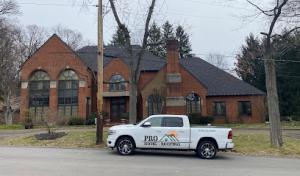
Pro Home & Roofing
(412) 818-0289 proroofingpgh.com
4290 Old William Penn Hwy, Monroeville, Pennsylvania
5.0 from 121 reviews
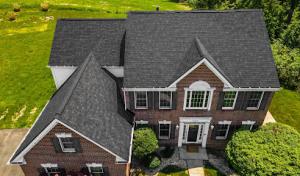
Buccos Roofing
(412) 501-4978 buccosroofing.com
4661 Old William Penn Hwy, Monroeville, Pennsylvania
4.9 from 131 reviews
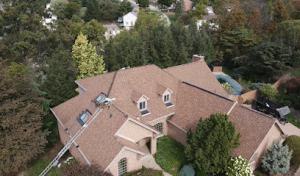
Top Roofing Solutions Corporation
(412) 722-2008 www.toproofingsolutions.com
Serving
5.0 from 20 reviews
In this area, a full roof replacement typically requires a building permit. The Bureau of Building and Code in Monroeville handles the formalities, so your timing and paperwork matter. Before any shingle nail goes into the first deck board, you should have a clear project scope and a licensed contractor ready to submit details. The submission must include contractor information, project scope, and the planned materials. If your home is in a historic district or on a special zoning path, anticipate a few extra checks, but the core rule remains: don't start until the permit is in motion. Keeping a tidy, complete packet helps avoid delays caused by missing signatures or missing documentation.
As a homeowner, you'll want your contractor to provide a concise description of the work, the intended sequence of steps, and the exact materials to be used. This includes the replacement roofing system type, underlayment details, and any venting or flashing upgrades. The permit review is not just a formality-it's a safeguard for moisture control during Monroeville's humid summers and snowy winters. If your project involves a roof line change, additional structural notes may be requested. Plan for the final permit to reflect the actual scope and materials installed, so the department can close the record cleanly after inspections.
Inspections are scheduled in stages, aligned with the work progress. Expect at least one inspection during the replacement process to verify components like underlayment, drip edge, and flashing are installed to code. A subsequent inspection checks the completed work, including ventilation and attic moisture controls, to confirm everything integrates properly with existing systems. A final inspection is required before the permit can be closed out, ensuring the project meets Monroeville's building standards and that moisture management remains effective after the roof is in place. Coordinating with your contractor for access and any temporary sheltering of interiors during heavy rain or snow weeks will help keep inspections smooth.
Communicate early with the Bureau of Building and Code to identify any supplemental requirements based on your street or neighborhood. Keep a digital folder of all permit-related documents, including contractor licenses and inspection approvals, so nothing slips during reviews or rain events. If weather pushes a stage back, discuss with the inspector how to document temporary protections that maintain moisture barriers. After the final clearance, preserve the record for future reference, especially when filing any warranty claims or future maintenance needs.
In Pennsylvania, wind and hail roof claims generally move through standard adjuster processes rather than the more volatile insurance environment seen in some higher-risk states. For a Monroeville home, this predictable channel means the insurer will assign a adjuster to review storm damage, estimate repairs, and authorize work accordingly. Understanding this flow helps you pace the response, document damage, and coordinate with a contractor who can provide the necessary information.
Documentation before work begins is especially useful when supporting storm-related claims. Take clear dates and times of the storm, and save weather reports or local notices that confirm hail size or wind intensity. Photograph all visible damage from multiple angles, including the roof edge, flashing, gutters, and any interior signs like attic moisture or stained ceilings. Keep a running record of when you first noticed issues and when photos were taken. This baseline makes it easier for the adjuster to validate that repairs are necessary.
Regional weather can produce more hail activity in some years, so prompt post-storm photo documentation is valuable even though coverage availability is relatively stable. After a storm, walk the property with a critical eye, especially on slopes and near vent pipes, dormers, and skylights. Focus on missing shingles, dents, granule loss, and compromised flashing. If access to the roof is risky, document from ground level and consult a professional to inspect inaccessible areas.
Choose a Monroeville-based roofing professional who understands the local climate, typical roof slopes, and common moisture challenges in hill-and-valley neighborhoods. A contractor who can provide detailed repair invoices and line-item breakdowns will help support the claim during audit or review. Maintain open contact with both insurer and contractor, sharing photos and notes as needed to keep the claim moving smoothly.
Connect with contractors who help homeowners navigate the claims process from damage assessment to final approval.
Buccos Roofing
(412) 501-4978 buccosroofing.com
4661 Old William Penn Hwy, Monroeville, Pennsylvania
4.9 from 131 reviews
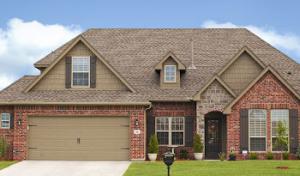
Nasco Roofing & Construction
(412) 373-2000 nascoroofing.com
2549 Mosside Blvd, Monroeville, Pennsylvania
4.7 from 60 reviews
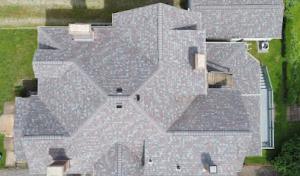
Monroeville's roof landscape often features multiple penetrations-that means more potential trouble spots for leaks than a plain, shingle-only surface. Skylights and masonry chimneys are common targets where flashing can fail or settle over time. The area's contractor market shows meaningful demand for skylight and chimney-related roofing work, so plan for proper flashing detail and timely inspection when these features age or shift.
The repeated wet weather and winter freeze-thaw cycles challenge flashing around skylights and masonry chimneys. Metal and membrane details expand and contract with temperature swings, and frozen moisture can intrude behind flashing if gaps exist. In practice, that means a small weakness in flashing can become a slow drip or sudden leak after a heavy rain or a heavy snow melt, even if the surrounding shingles look sound.
Many suburban homes in this market combine asphalt roofing with multiple penetrations, so leak tracing often centers on valleys, step flashing, and roof-to-wall transitions rather than just shingle age. A leak may travel along a valley or ridge before appearing at a ceiling stain far from the actual source. Pay attention to the junctures where any roof plane meets a vertical surface, plus the base of skylight flanges and chimney bases.
Inspect skylight seals for crusty glazing, cracked caulk, or loose frames after heavy rain. Check chimney crickets and flashing for corrosion or misalignment after freeze-thaw cycles. If you notice damp patches near penetrations during a rain event, consider a professional assessment focused on flashing, sealant conditions, and the integration of surrounding valleys and transitions.
Find contractors experienced in skylight installation, flashing, and leak repairs to bring natural light into your home.
Nasco Roofing & Construction
(412) 373-2000 nascoroofing.com
2549 Mosside Blvd, Monroeville, Pennsylvania
4.7 from 60 reviews
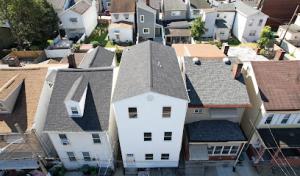
Although Monroeville is primarily a pitched-roof residential market, local contractor signals show a meaningful flat-roof segment that should not be ignored. Flat and low-slope sections commonly sit over porches, additions, and some mixed residential-commercial properties. These areas face higher moisture exposure due to constant water shedding challenges and ground moisture intrusion timing. When evaluating maintenance or replacement, recognize that these zones behave differently in real-world weather, especially after cycles of heavy rain or rapid temperature swings.
Low-slope sections in this area tend to accumulate standing water after long rain events or during rapid thermal shifts that slow membrane dry-out. On porches and overhangs, you will notice that even small ponding can lead to accelerated wear if the drainage paths are blocked or undersized. The risk is amplified by surrounding landscape and gutter conditions that can cause water to back up toward flashing or edge details. A practical check after any substantial rainfall is to walk the edge lines and verify that scuppers, gutters, and downspouts are clear and directing water away from the structure.
Flat-roof timing is especially sensitive in spring when rain interruptions can complicate tear-off and membrane dry-in. If a full roof refresh is planned, prepare for a weather window that minimizes extended wet periods. Schedule close to a stretch of dry days, and have a contingency plan for temporary coverings if a mid-project shower arrives. Membrane systems rely on consistent dry-in conditions; even a few days of persistent drizzle can extend timelines and affect adhesive or seam integrity on newly laid materials.
In Monroeville, routine inspections should focus on edge flashings, penetrations, and transitions from flat to adjacent pitched surfaces. Pay careful attention to the perimeter details where the flat section meets walls or cornices, as those junctions are common leak sources after winter thaw or heavy spring rain. Use a simple, systematic approach: inspect after significant storms, note any damp patches or staining on ceilings beneath, and address irregularities promptly to prevent hidden deterioration from progressing.
Find specialists in TPO, EPDM, and built-up flat roofing systems for residential and commercial properties.
Nasco Roofing & Construction
(412) 373-2000 nascoroofing.com
2549 Mosside Blvd, Monroeville, Pennsylvania
4.7 from 60 reviews
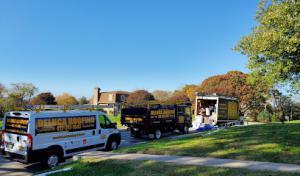
The local market strongly signals quick response and re-roofing experience, so Monroeville homeowners often compare contractors on how fast they can inspect, tarp, and schedule work after storms. When you call, note the expected first-visit window and whether the crew brings a tarp, temporary repair materials, and a plan for protecting your interior during weather events. A contractor with a clear, rapid follow-up plan reduces the risk of wind-driven leaks while a full roof is being secured.
Cleanup is a major local hiring priority, which matters in established suburban neighborhoods where driveways, landscaping, and neighboring lots are close to the work zone. Ask how debris will be contained, how waste from old roofing will be removed, and what steps the crew takes to minimize yard and curb damage. In tight driveways or near hedges, it helps when crews lay down heavy-duty tarps and use magnetic debris collection to keep adjacent properties spotless.
Long-established, family-owned, and manufacturer-certified firms all have a visible presence in this market, giving homeowners a real choice between price-focused crews and more credentialed installers. Look for a track record with local homes that share similar roof lines and weather exposures. A firm that can cite multiple Monroeville projects, references from nearby streets, and verifiable factory certifications tends to handle storm damage with appropriate product recommendations and proper installation practices.
After a hail or wind event, the best roofers establish a transparent plan for assessment, tarp placement, and phased repairs. Confirm how the contractor documents damage, how they communicate findings, and how quickly they can align on a schedule that respects weather forecasts and your occupancy needs. A reliable team will provide written updates, a concrete start date, and contingency options should weather delay work.
Finally, prioritize a contractor who can offer sustained support beyond the initial repair window. After-work follow-up, warranty clarity, and a point of contact for future leaks or maintenance create confidence in choosing a Monroeville roofer who will stand by the work through inspections and seasonal checks.