
Last updated: Apr 19, 2026
Wayne's established Main Line neighborhoods are defined by a heavy mature tree canopy that crowds gutters, overhangs roof edges, and sends branches slamming into shingles during sudden storms. After thunderstorms and autumn leaf drop, you'll see debris-driven drainage backups and gutter clogs that quietly create or mask leaks across multiple roof faces. This isn't just cosmetic damage; clogged gutters and overwhelmed downspouts push water toward weak points, flashing, and valleys, increasing the risk of interior staining, missing shingles, and accelerated edge decay. The cycle repeats with every big wind event, so the clock starts ticking the moment the sky darkens and leaves begin to fall.
The local housing mix keeps slate and tile roofs in the mix, and those materials behave differently from asphalt in Wayne's climate. Isolated breakage can come from a single limb or hail strike, leaving a noticeably uneven surface or a tiny, stubborn leak you wouldn't expect to see from a quick inspection. Because slate and tile break more readily under impact, a small, seemingly isolated defect can become a pathway for water into a concealed cavity or into a shared ridge line. Repairs must respect the material's sensitivity: replacing a broken slate or cracked tile, reseating loose pieces, and ensuring the surrounding fasteners aren't compromised. In other words, a little damage can hide a bigger failure if not traced to its source, especially where older homes carry decades of weathering on flashings and seals.
Unlike coastal wind zones, this area faces thunderstorm wind, hail, and the persistent threat of tree-related impacts rather than hurricane-code concerns. A fast-moving wind gust can loft a branch that lands mid-roof, creating a split shingle edge, displaced metal detailing, or a puncture in tile or slate that isn't immediately visible from ground level. Hail can leave dings, bruises, or micro-cracks that propagate during freeze-thaw cycles. In short, the roof isn't just losing material-it's inviting moisture into vulnerable seams, valleys, and edge zones where flashing meets the deck. The most common consequence in these neighborhoods isn't a single dramatic failure but a cascade of small issues that undermine long-term performance if left unchecked.
First, perform a careful, safe exterior check: look for displaced shingles, cracked slate, or broken tiles along eaves and near mature tree canopies where debris collects. If you see water seepage or staining inside ceilings after rain, don't wait for a drip to widen. Gutter and downspout blockages should be addressed promptly; clear leaves and debris after a storm before the next heavy rain, and consider extending downspouts away from the foundation to slow any potential backflow. For mixed-material roofs, treat any reported impact hotspots with heightened attention: verify flashing integrity around chimneys, skylights, and ridge caps, and inspect underlayment where possible. When in doubt, call a local roofing professional who understands slate, tile, and mixed-material dynamics in this neighborhood-someone who can distinguish a superficial scuff from a developing leak path and who can chart a targeted, material-appropriate repair plan to limit further disruption during unsettled weather.
Wayne contains many older Main Line homes where slate remains a visible premium roofing material, making repairability, matching replacement pieces, and flashing condition more important than simple shingle age alone. The surrounding architecture often combines stone, stucco, and masonry with roof lines that bring valleys, dormers, and chimney tees into close contact with wall assemblies. That means when a storm rattles the neighborhood, the first questions aren't only about a roof's age, but about whether a patch can be matched to the exact profile, color, and texture of the historic look. Expect frequent examples of slate, clay tile, concrete tile, synthetic options, and asphalt shingles across the same blocks, which encourages homeowners to weigh preservation against lower-maintenance replacement choices.
In practice, roof-wall intersections and chimneys stand out as leak-prone hotspots. Flashing around a slate or tile installation is especially critical because a small misfit or corrosion can send water into the attic during a heavy shower. Look closely at valleys, dormer flanges, and step flashing where roofs meet brick or stone parapets. For stone-and-masonry-heavy neighborhoods, the back edges of chimneys and vents should be checked for mortar deterioration that can loosen flashing seals. Because slate and tile are heavy by design, a secure fastener pattern and support structure are essential; sagging or misaligned pieces often signal underlying deck or rafter concerns that require careful staging before any patch or replacement.
When a storm hits, prioritize the roof sections most likely to fail first: damaged slate or broken tiles, lifted metal seams on metal roofs, or compromised flashing at roof-wall junctions. If you notice granular loss on asphalt shingles after a hail event, examine the ridge caps and the underlayment beneath for hidden damage. For mixed-material roofs, identify the transition zones between materials-especially at chimneys, dormers, and valleys-where differential movement can reveal concealed leaks. A quick, methodical attic inspection after rain helps determine whether water traveled along the sheathing or soaked into insulation near a penetrant.
A practical approach for this market is to map out a repair or replacement plan that preserves the historic look while addressing modern performance. Matching slate or tiles demands sourcing closely paired profiles and colors from the same century or batch, so keep a record of the material type, trim size, and edge treatment when ordering replacements. If the original roof is a blend of materials, plan for a transition that minimizes visual disruption while maintaining watertight integrity. For newer sections that imitate the historic aesthetic, look for products with a similar profile and pigment that weather at a compatible rate with the existing surface.
Preventive care pays dividends when homes feature complex roof-wall interfaces. Schedule periodic checks of flashing around chimneys and dormers, and test the condition of sealants at ridge lines and terminations. Clear tree debris that can trap moisture against dormer edges or block ventilation in attic spaces, especially on roofs with multiple planes. Keep an eye on any settling or reveal changes after winter thaws, as freeze-thaw cycles stress corner joints and valley troughs. When you do repairs, aim for seamless integration with the surrounding roofscape to maintain curb appeal and long-term performance.
In Wayne, older and architecturally complex homes drive labor costs up, especially when pitches are steep, dormers are common, chimneys intrude on the roofline, and flashing details are intricate. Premium materials tend to make the most sense locally because slate, tile, and synthetic slate-style replacements align better with the Main Line character than basic three-tab shingles. When the project touches irregular roof geometry or requires careful tear-off, costs rise quickly-especially with mature landscaping and masonry facades nearby that demand extra site protection and cleaner work zones.
As listed, the typical cost ranges per square (one roofing square equals 100 square feet) reflect both material and installed labor. Asphalt Shingles run roughly from 350 to 650 dollars per square, a balance of affordable material with straightforward labor on simpler roof sections. Metal Roofing typically lands from 700 to 1,200 dollars per square, with a premium for standing-seam or color-matched panels that suit a traditional Main Line aesthetic. Clay Tile and Concrete Tile average higher, about 1,000 to 1,700 and 800 to 1,500 dollars per square respectively, driven by heavier weights, the need for reinforced structure, and specialized installation techniques. Synthetic/Composite Shingles sit around 450 to 900 dollars per square, offering a compromise between durability and cost, while slate remains the premium option at roughly 1,200 to 2,500 dollars per square, reflecting meticulous hand-cut work and longer service life.
Older homes with stone facades and multiple roof planes benefit from slate or synthetic slate-style options because they maintain a compatible look while delivering age-resistant performance. Clay or concrete tile can be a strong upgrade on certain steep pitches or dormered layouts, but the heavier weight often requires structural reinforcement and more precise detailing around chimneys and parapets. If a roof sits under mature trees with frequent storm-driven water intrusion, a premium underlayment and robust flashing package become more critical, which adds to the installed cost. In tight lots, extra care for site protection around landscaping and masonry helps prevent collateral damage, nudging the final price upward.
Careful tear-off and protection around established plantings and stone facades add time and expense. Roofs with multiple valleys, dormers, or skylights require additional flashing lines and thermally compatible materials to manage freeze-thaw cycles and wind uplift. When the project includes replacing a slate roof with a synthetic slate-style product, the installation sequence should preserve the historic rhythm of ridge and hip lines, which can necessitate custom trims and precise seam work. These steps explain why two projects with the same surface area can diverge by several thousand dollars based on detailing and access constraints.
Before selecting a material, photograph all roof intersections, vents, chimneys, and flashing transitions. Obtain at least three detailed bids that itemize tear-off, disposal, underlayment, and flashing work. For high-complexity homes, request references who can attest to the installer's ability to protect masonry facades and mature landscaping. Finally, prioritize a material that aligns with long-term performance in freeze-thaw conditions and the neighborhood's storm exposure, ensuring both curb appeal and resilience through the harshest seasons.
Feathers
(610) 688-8188 www.feathersroofinginc.com
Serving
5.0 from 9 reviews
We are a family run roofing and exteriors business serving the main line and surrounding areas for over 70 years. We specialize in all forms of roofing, siding and all exterior needs.
Impriano Roofing & Siding
(610) 640-4444 www.impriano.com
Serving
4.7 from 94 reviews
Established in 1973, Impriano Roofing and Siding, Inc. has been helping the community with their roofing and siding problems for over 46 years. We provide customers with the highest quality products on the market for roofing, siding, windows, doors, skylights and gutter installation and repairs. Our company prides itself in using the highest technology standards, allowing us to best help customers to customize their home improvement projects. The Computer Color Analysis that we use allows customers to view varied options before finalizing their plan. With these services, combined with excellent customer service, we help make hard decisions easy.
Lifetime Quality Roofing
(267) 699-7931 www.lifetimequalityroofing.com
Serving
5.0 from 75 reviews
Lifetime Quality Roofing is Philadelphia’s reliable choice for residential roof replacement, storm damage repair, and commercial roofing services. With over 50 years of experience, our team specializes in asphalt shingle roof leak repair, gutter installations, and high-quality solar solutions. We understand Philadelphia’s seasonal demands and provide roofing systems built to last. Whether you’re facing storm damage or considering an upgrade, our certified professionals deliver fast, dependable service and expert craftsmanship. Protect your property with confidence, schedule a free roof inspection today and experience Lifetime Quality Roofing’s commitment to durability and customer satisfaction.

SmartRoof - Roofing & Solar
Serving
4.7 from 189 reviews
SmartRoof re-energizes the dream of homeownership across Pennsylvania through energy efficient upgrades. With innovative integrated solar solutions, and roof, gutter, siding, window and door replacement, we’re improving the home improvement process. We’re taking the home renovation industry from a frustrating back-and-forth, to a collaborative, service-focused dream. We lead with kindness, relatability, and a commitment to communication and support. Backed by thousands of 5-star reviews and more than 20,000 installations, we treat your home like it is our own. We’re certified by the best manufacturers in the US, and use only the latest roofing and solar technologies to help you achieve your dream home. Build your future with us!
O'Donnell
(610) 449-8188 www.odonnellroofingco.com
Serving
4.9 from 85 reviews
O’Donnell Roofing, a family-owned business has been serving the exterior needs of customers in the greater Philadelphia area since it was established in 1924. Over the company’s 100-year history it has remained focused on innovation, expanding beyond roofing repairs and replacements, to service the complete home exterior, including siding, windows, skylights and solar. Now in its fourth generation of family ownership, the company continues to provide the highest level of honest, professional service to all its customers.
Panda Exteriors
(484) 224-7623 www.pandaexteriors.com
Serving
4.7 from 70 reviews
When you need any kind of exterior renovation services handled, call the roofers at Panda Exteriors. We promise to deliver the highest quality of work you'll find in the area; thanks to the outstanding qualities we bring to every job we undertake: 100% Satisfaction Guarantee Always, GAF Master Elite Certified, Free Online Estimates or Over the Phone, 30+ Years of Experience in the Industry, A+ BBB Rating & Accreditation, and so much more. Don't compromise on quality for your roofing and exterior restoration needs. Trust our experienced roofers for unparalleled work at unbeatable prices. Contact us today with any questions; we're excited to do business with you.
Crooked Ladder Roofing of Southeastern PA
(215) 847-4933 www.crookedladderroofing.com
Serving
5.0 from 56 reviews
We’re the experts you can count on when it comes to all kinds of roofing solutions: flat roofs, roof repair, gutters, storm damage, and more! Our team at Crooked Ladder Roofing is dedicated to delivering reliable, top-quality roofing solutions that meet and exceed our customers’ expectations. With over a decade of experience, we have honed our skills and knowledge to provide only the best roofing services.
MLM Home Improvement
Serving
4.8 from 216 reviews
MLM Home Improvement is a premier storm restoration company specializing in full replacements for roofing, siding, and gutter systems. We offer free, no-obligation inspections and estimates to assess storm damage and provide transparent recommendations for replacement solutions. Our expert team is dedicated to delivering exceptional quality and service in every project we undertake.
Dunbar Roofing & Siding
(610) 644-6450 www.dunbarroofing.com
Serving
4.7 from 31 reviews
Since 1980, Dunbar Roofing & Siding has proudly provided top-notch roofing, siding and window services to areas in Chester, Montgomery and Delaware counties. We offer comprehensive solutions for all your needs including installation and repair of roofs, siding, windows, doors, gutters & downspouts.
Rock Roofing Contractor
(215) 809-1630 www.rockroofingcontractor.com
Serving
5.0 from 23 reviews
Roofing, Siding, Windows, Gutters Financing available!
Dream Home Roofers
(610) 569-0275 dreamhomeroofers.com
Serving
4.8 from 188 reviews
At Dream Home Roofers in King of Prussia, VA, we are dedicated to providing high-quality asphalt roof installation and replacement services that keep your home protected and visually appealing. Whether you need a brand-new roof or a full replacement, our experienced team delivers exceptional workmanship and timely project completion. In addition to our roofing services, we offer professional gutter replacements to ensure proper drainage and protect your home from water-related issues. With a focus on durability and customer satisfaction, we back our work with solid warranties, giving you peace of mind for years to come. Reach out today for a free estimate and learn how our asphalt roofing and gutter services can enhance your home.
RoofER
(484) 330-2359 www.theroofdocs.com
Serving
5.0 from 146 reviews
Searching for reliable roofing companies near me in Chesterbrook, PA, or throughout Northern Virginia, Maryland, and Pennsylvania? Roof-ER or the Roof Docs is a certified roofing contractor offering expert roof inspections, repairs, and replacements, plus siding and gutter work. Serving a wide area with trusted craftsmanship and service. We are proud to offer a 100% remote roof inspection and consultation with no direct contact required. Call us today or visit our website to schedule a free inspection!
This area operates on a patchwork of municipalities rather than a single city government. A home with a Wayne mailing address sits on a boundary line that could put it in Radnor Township, Tredyffrin Township, or a neighboring jurisdiction. That means the permit rules, submission requirements, and inspection routines can differ from block to block even within the same neighborhood. If the roof needs a full replacement, the permit path you follow is defined by the actual township that has jurisdiction over your property, not by the mailing address alone. Skipping the right authority can lead to stalled work, fines, or the need to redo filings.
Before scheduling any work, verify which township is responsible for your project. Start by locating your official property record and cross-check the town boundary maps for that address. Contact the building or code department with your tax parcel number to confirm the correct jurisdiction. If the home sits near a boundary, ask whether the permit must come from Radnor, Tredyffrin, or another nearby township. Homeowners should also confirm which code edition is currently in force in the applicable township, since different towns often update their adoptive codes on different cycles. This step saves delays later in the process and helps prevent conflicts with inspections.
In this region, full roof replacements typically involve a formal plan submission, a review period, and a sequence of inspections tied to milestones such as framing, underlayment installation, and final completion. The plan package usually requires details on material types, underlayment specifics, attachment methods, and ventilation. Inspections are scheduled by the township and are not optional; missed inspections can halt work or trigger rework. Weather-related postponements are common in tree-filled neighborhoods where freeze-thaw cycles test newly installed components, so plan for potential delays and keep the permit visible on site until final approvals are recorded.
Keep a clean, divider-free set of plans available on site for inspector review. If the project involves material changes after initial approval, obtain any necessary amendments promptly to avoid compliance gaps. Maintain clear communication with the contractor about inspection windows and required documentation, such as warranty disclosures or material certifications, which vary by township. Finally, recognize that a replacement may involve multiple inspections or additional permit amendments if, for example, the scope expands to include related flashing or drainage work. Being proactive about confirming jurisdiction and scheduling inspections helps keep the project on track in Wayne's tree-dense, Main Line neighborhoods.
Winter here follows a pattern that makes every roof a little more fragile than it looks: freeze-thaw cycling can turn a minor flashing seam or a small shingle defect into an active leak as snowmelt refreezes along eaves. In Main Line-era homes, those edge conditions are common and stubborn, especially after a heavy thaw when gutters aren't moving water smoothly. The result is often a quiet drip inside the attic or along a ceiling line, which seems to appear suddenly after a few warm days and a cold cold snap.
Older houses in the area typically feature complex rooflines, dormers, and retrofit insulation histories that leave attic temperatures uneven. That means ice dam situations aren't just about a single bad shingle or a single flashing piece; they're about how heat moves upstairs and where it escapes to the attic. In practice, a small attic warm spot can melt a path for water that appears to be coming from well beyond the original flashing. The uneven heat picture makes leaks stubborn to pin down, so the deeper task is tracing the path of meltwater through layers you can't see from the attic floor.
Leaf-heavy gutters from trees in the area can worsen winter backup at eaves, especially when autumn debris is left in place before the first freeze. Once a layer of leaves sits on a cold gutter, it slows meltwater from leaving the roof edge and creates a reservoir that repeatedly refreezes. The result is a dam effect that forces water under shingles or along roof-to-wall junctions, even on roofs that looked sound in late autumn. Clean gutters in late fall are not a guarantee of safety, but they do change the odds.
If a thaw seems to be hiding a leak, start by inspecting the eaves for fresh frost ridges that mirror the roofline rather than a single spot. Check for ice buildup at the gutters and look for warped or lifted shingles near dormers or valleys, where snowmelt tends to pool. In the attic, scan for warm spots that repeat with temperature cycles, and pay attention to light gaps along flashing that could indicate air leakage. When a problem is suspected, address it promptly rather than waiting for a full ice dam to form-the longer water sits, the more likely a hidden deck or fascia member could sustain damage.
In Wayne, storm claims often hinge on isolated damage to premium materials like slate or tile, where insurers may question whether breakage is storm-related or pre-existing. The local mix of Main Line-era stone and slate with newer, more affordable options means assessors look closely at whether a crack or missing piece is sudden from a storm or part of long-term wear.
Because many homes here are older, adjusters pay close attention to roof age, prior repairs, and maintenance history when evaluating whether damage is sudden or part of ongoing deterioration. Gather records of past roof work, flashing replacements, and any known pre-existing issues. Have a clear narrative ready: the storm event date, observed damage right after it, and how vegetation or hail may have affected ridge lines or valley areas.
Photo documentation is especially important after local thunderstorm events because tree impact, lifted flashing, and punctures may be scattered across complex roof sections rather than obvious from the street. Take wide shots from ground level, then zoom in on isolated marks on slate or tile, lifted metal flashings, and any granule loss on shingles. Photograph surrounding trees and branches that could have contributed impact or debris.
Create a simple damage map for the adjuster: label locations by section or roof plane, note the material type, and mark pre-existing conditions observed from a recent inspection. Include a brief, dated timeline of the storm, when damage was first noticed, and who inspected the roof locally. Keep copies of all correspondence and tender responses from contractors for reference.
Connect with contractors who help homeowners navigate the claims process from damage assessment to final approval.
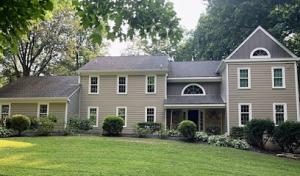
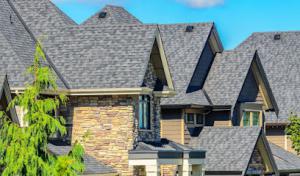

Wayne's older homes often rely on masonry chimneys that meet the roofline with step flashing and counterflashing. Leaks commonly originate where the original roof meets newer additions or extensions, especially where transitions between different roof pitches occur. Start with a careful inspection of flashing at these joints after a heavy rain or fast melt. Look for loose or lifted step flashing, corroded or missing counterflashing, and any masonry cracks above the gutter line that can channel water downward. When professional eyes identify flashing gaps, prioritize resealing the transition areas first rather than replacing large roof sections. In many cases, a targeted flashing repair or re-flashing the chimney throat and kick-out will stop a recurring drip without full roof work.
Split-levels, additions, porches, and rear extensions in suburban neighborhoods frequently introduce low-slope or flat-ish sections that age differently from the steep main roof. Those areas are prone to ponding, membrane wear, and fastener rust. Begin with a dedicated water-test plan that targets the low-slope zones after storms. Inspect for blistering, seam gaps, and degraded edge trim where the low slope meets the higher pitch. If leaks appear along transitions, check both the vertical stack penetrations and any skylight or vent well edges that butt into the low-slope surface. A common fix is resealing or replacing the lower-slope roofing membrane with attention to proper drainage and edge detailing. Do not overlook the underlayment beneath the low-slope section; subtle failures there can mimic a larger roof problem.
Skylights are a meaningful local service category, reflecting how many homes need targeted flashing repairs rather than whole-roof replacement when leaks appear around penetrations. Inspect skylight flashing where the curb meets the roof, and verify the sealant around the skylight frame for cracking or shrinking. If condensation or staining appears on the interior around a skylight, the issue may lie with the curb flashing or glazing beads rather than the glass itself. Replace brittle gasket material and reseal joints with a flexible sealant appropriate for mixed materials. For multi-vent systems, examine each penetration individually; a small flashing repair often resolves the leak without touching surrounding shingles or tiles. In Wayne, attention to seasonal freeze-thaw movement helps determine whether a flashing upgrade or a curb replacement is warranted to stay ahead of recurring leaks.
Find contractors experienced in skylight installation, flashing, and leak repairs to bring natural light into your home.
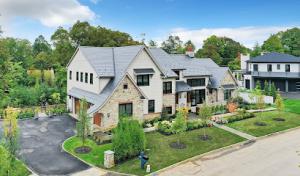
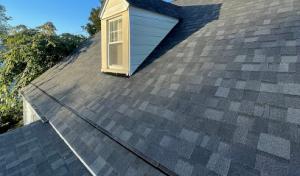
Late spring through early fall is the most practical replacement season in Wayne because it avoids the worst winter freeze-thaw interruptions while still getting ahead of autumn leaf buildup and winter ice issues. If you plan during this window, you're more likely to secure a solid installation crew before the busy fall rush and still have the windows settled before the first freeze. In a neighborhood with mature trees, you'll want to align completion with a stretch of dry days and moderate temperatures. Heating and cooling cycles can be minimized when replacement work occurs during this window, reducing the disruption to daily comfort and utility bills.
In Main Line-era homes with stone and slate accents, choose window assemblies that complement the profile and long-term performance expectations of the outer envelope. For tree-dense blocks, consider glazing with low-emissivity coatings and UV protection to limit interior fading from seasonal sun exposure. Practical options include energy-efficient vinyl or aluminum-clad wood, which balance durability, maintenance, and historic character. If you own a home with more sensitive historic detailing, select trim and interior finishes that echo the original character while offering modern sealants and weatherstripping for reliable leak resistance during seasonal swings.
Fall remains attractive locally for re-roofing, but homeowners in tree-dense neighborhoods should account for leaf debris management and shorter weather windows when planning window replacements. Schedule near stretches predicted to be leaf-free and dry, and plan for a thorough exterior cleanup after installation to avoid clogged weep holes or interior dust migration. Proactively trimming nearby branches can reduce debris burden during the project and help preserve the seal around new units.
Summer scheduling in Wayne can tighten after regional thunderstorm and hail events, when emergency repair demand competes with planned replacement work. If a storm has recently impacted the area, verify that the installation crew conducts a careful inspection of surrounding siding, flashing, and roof-to-wall transitions to ensure the entire envelope remains weather-tight. Choose a contractor who can document shifting weather patterns and provide a moisture-resilient seal that holds up through both sudden downpours and prolonged heat.