
Last updated: Apr 19, 2026
Spring hail and high winds drive most roof claim activity and scheduling bottlenecks around older suburban neighborhoods and commercial corridors. In the storm window, shingles can fail in minutes, and hidden damage below the surface can compound quickly with freeze-thaw cycles. When a claim activity spike hits, every step-documentation, assessment, and replacement timing-becomes a race against time. The more organized the homeowner is, the smoother the path through the insurance process and the faster the project can start after a loss.
Local insurers in this market routinely ask for detailed proof of roof age, photo documentation of damage, and, for larger losses, an engineer's report. The age verification helps establish depreciation and replacement timelines, so gathering records early is critical. Photograph the roof from multiple angles, focusing on hail impact marks, lifted shingles, and any sagging or water staining visible inside attic spaces. Take wide exterior shots and close-ups of the most damaged areas, including penetrations around vents, chimneys, and skylights. If you have loose granules or shingle tabs in gutters, document those as well. An engineer's note can carry significant weight when the loss is substantial or the roof is already near the end of its service life.
Adjusters in this region often coordinate directly with roofing contractors during settlement. That means organized documentation on your end before any permit or replacement scheduling begins. Create a simple, chronological file: pre-storm condition photos (if available), storm date and weather notes, damage photos, and a dated log of all communications with the insurer and contractor. When the adjuster arrives, have the file ready to show the scope of damage and the proposed repair plan. A contractor who is familiar with the area's typical construction methods can help translate the insurer's questions into actionable items on the ground, such as underlayment condition, deck integrity, and ventilation considerations that influence both claim size and long-term performance.
First, secure two things: written notice to your insurer detailing the storm date and suspected damage, and a preliminary assessment from a reputable local roofer who understands Upper Merion's housing stock. The roofer can help you identify immediate hazards-like exposed decking or active leaks-and mark zones that require temporary tarping. Second, organize a clear timeline for documentation delivery. Insurers often request a set of photos with a dated caption for each damage site, followed by a professional scope of work. Third, anticipate the need for an engineer's report if the loss is large or if there is structural concern. Engaging an engineer early can prevent delays later in the process and supports a smoother replacement plan. Finally, plan for the coordination of the actual replacement with your chosen roofer, so that the schedule aligns with the insurer's processing timeline and the next weather window. Delay increases risk of secondary damage and can complicate the claim.
If a recent storm left you with dark shingle patches, curling edges, or granules in gutters, treat it as potential claim material. Do not assume cosmetic damage will not affect the claim; insurers may require a professional assessment to determine if structural components were compromised. If an adjuster schedules a visit, prepare your documentation package in advance and keep all records organized in a single accessible location. If you receive pushback on documentation requests, contact your roofer or a local public adjuster who understands this market's expectations and can help you present a coherent case. The objective is clear: obtain an accurate assessment and move from claim to replacement with minimal friction, securing a durable, weather-resistant roof that can withstand the area's spring storms and seasonal wind events.
Find local contractors experienced in assessing and restoring roofs after hail, wind, and severe weather events.
Crooked Ladder Roofing of Southeastern PA
(215) 847-4933 www.crookedladderroofing.com
Serving
5.0 from 56 reviews
Panda Exteriors
(484) 224-7623 www.pandaexteriors.com
Serving
4.7 from 70 reviews
When you need any kind of exterior renovation services handled, call the roofers at Panda Exteriors. We promise to deliver the highest quality of work you'll find in the area; thanks to the outstanding qualities we bring to every job we undertake: 100% Satisfaction Guarantee Always, GAF Master Elite Certified, Free Online Estimates or Over the Phone, 30+ Years of Experience in the Industry, A+ BBB Rating & Accreditation, and so much more. Don't compromise on quality for your roofing and exterior restoration needs. Trust our experienced roofers for unparalleled work at unbeatable prices. Contact us today with any questions; we're excited to do business with you.
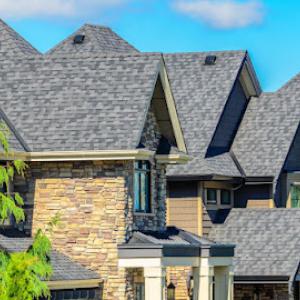
Lifetime Quality Roofing
(267) 699-7931 www.lifetimequalityroofing.com
Serving
5.0 from 75 reviews
Lifetime Quality Roofing is Philadelphia’s reliable choice for residential roof replacement, storm damage repair, and commercial roofing services. With over 50 years of experience, our team specializes in asphalt shingle roof leak repair, gutter installations, and high-quality solar solutions. We understand Philadelphia’s seasonal demands and provide roofing systems built to last. Whether you’re facing storm damage or considering an upgrade, our certified professionals deliver fast, dependable service and expert craftsmanship. Protect your property with confidence, schedule a free roof inspection today and experience Lifetime Quality Roofing’s commitment to durability and customer satisfaction.
Dream Home Roofers
(610) 569-0275 dreamhomeroofers.com
Serving
4.8 from 188 reviews
At Dream Home Roofers in King of Prussia, VA, we are dedicated to providing high-quality asphalt roof installation and replacement services that keep your home protected and visually appealing. Whether you need a brand-new roof or a full replacement, our experienced team delivers exceptional workmanship and timely project completion. In addition to our roofing services, we offer professional gutter replacements to ensure proper drainage and protect your home from water-related issues. With a focus on durability and customer satisfaction, we back our work with solid warranties, giving you peace of mind for years to come. Reach out today for a free estimate and learn how our asphalt roofing and gutter services can enhance your home.
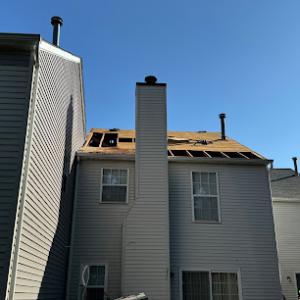
Crooked Ladder Roofing of Southeastern PA
(215) 847-4933 www.crookedladderroofing.com
Serving
5.0 from 56 reviews
We’re the experts you can count on when it comes to all kinds of roofing solutions: flat roofs, roof repair, gutters, storm damage, and more! Our team at Crooked Ladder Roofing is dedicated to delivering reliable, top-quality roofing solutions that meet and exceed our customers’ expectations. With over a decade of experience, we have honed our skills and knowledge to provide only the best roofing services.
SmartRoof - Roofing & Solar
Serving
4.7 from 189 reviews
SmartRoof re-energizes the dream of homeownership across Pennsylvania through energy efficient upgrades. With innovative integrated solar solutions, and roof, gutter, siding, window and door replacement, we’re improving the home improvement process. We’re taking the home renovation industry from a frustrating back-and-forth, to a collaborative, service-focused dream. We lead with kindness, relatability, and a commitment to communication and support. Backed by thousands of 5-star reviews and more than 20,000 installations, we treat your home like it is our own. We’re certified by the best manufacturers in the US, and use only the latest roofing and solar technologies to help you achieve your dream home. Build your future with us!
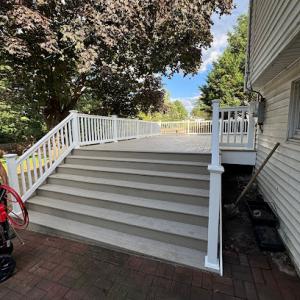
LaBrusciano Roofing & Exteriors
(610) 265-7663 labruscianoexteriorsllc.com
Serving
4.9 from 96 reviews
LaBrusciano Roofing & Exteriors is a trusted leader in the industry, specializing as both a residential and commercial roofing contractor. With a commitment to excellence and durability, we offer top-tier roof repair, complete roofing solutions, and expert siding installation. Our team of skilled professionals is dedicated to providing high-quality craftsmanship and outstanding customer service, ensuring your property not only looks great but is also well-protected for years to come. Trust LaBrusciano Roofing & Exteriors for all your roofing and exterior needs, where integrity and professionalism are at the heart of every project we undertake.
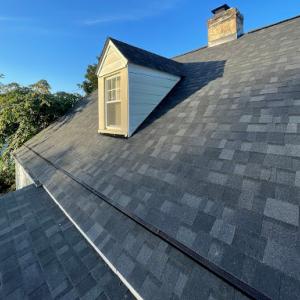
MLM Home Improvement
Serving
4.8 from 216 reviews
MLM Home Improvement is a premier storm restoration company specializing in full replacements for roofing, siding, and gutter systems. We offer free, no-obligation inspections and estimates to assess storm damage and provide transparent recommendations for replacement solutions. Our expert team is dedicated to delivering exceptional quality and service in every project we undertake.
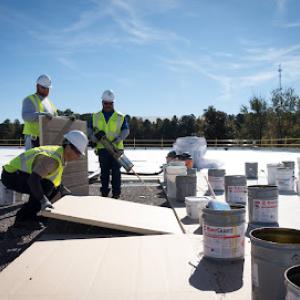
CentiMark Corporation
(610) 994-1800 www.centimark.com
Serving
3.9 from 21 reviews
CentiMark, located in King of Prussia, PA proudly serves the Philadelphia metropolitan area and beyond with superior commercial roofing services. We specialize in addressing unique roofing challenges related to the local climate and architecture. Our offerings include commercial and industrial roofing solutions, roof repairs and emergency services. Given the area's diverse weather conditions, we're skilled at tackling issues like snow load management and heat-related deterioration. With CentiMark, you can be confident that your roofing needs are handled by professionals who prioritize quality, safety and customer satisfaction. Depend on our skill and experience for all your roofing requirements.
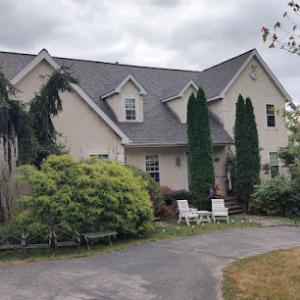
Rock Roofing Contractor
(215) 809-1630 www.rockroofingcontractor.com
Serving
5.0 from 23 reviews
Roofing, Siding, Windows, Gutters Financing available!
Redeemed Roofing
(484) 213-9792 www.redeemedroofingllc.com
Serving
5.0 from 16 reviews
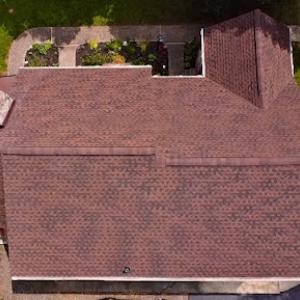
At Redeemed Roofing, I am committed to delivering top-quality roofing, siding, and gutter replacement services with both integrity and excellence. As a Christian faith-based company, my mission is to provide exceptional workmanship and customer care while upholding the values of honesty, reliability, and respect. With Redeemed Roofing, you can trust that you’re not just getting a service, but a partner who values your home as much as you do. Experience the difference of working with a company that puts faith and excellence at the forefront of everything we do.
BHC Roofing
(484) 322-5382 www.bhcroofing.com
Serving
4.8 from 73 reviews
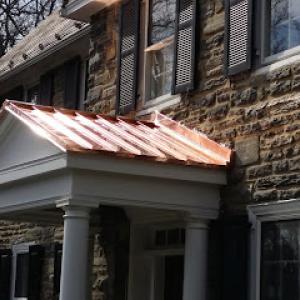
Combining years of experience with a dedication to client satisfaction, BHC Roofing has established itself as the local leader in Gutters, Flat Roofing and Shingle roofing.
G. Cannon Roofing & Siding
Serving
4.7 from 75 reviews
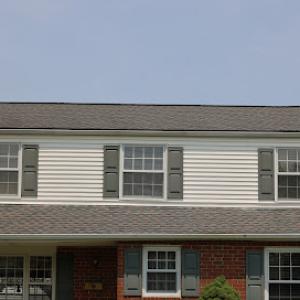
G. Cannon Roofing & Siding is a top-rated, licensed, and insured family-owned Pennsylvania roofing contractor serving Montgomery, Chester, Delaware, and Bucks counties since 1967. We specialize in residential & commercial roofing, including full replacements, metal roofing, and commercial roof repair. Our team is known for honest pricing, expert craftsmanship, and outstanding customer service. We also offer siding, gutter, and window installation services to protect and upgrade your entire home exterior. Searching for quality commercial roofing contractors in Pennsylvania? We offer free estimates and help guide you through the installation process and cost of your new roof with zero pressure. Call today for a free estimate—we book up fast!
King of Prussia experiences four distinct seasons that shape when a full roof replacement makes the most sense. The dry, steady weather window from late spring through fall is when most replacements proceed with minimal weather-related disruption. In practice, that means planning for a project to start after the last freeze and staying flexible enough to adjust for late spring rain, high humidity, and the occasional heat spell. The goal is to complete the job before creeping winter conditions, which can stall progress and complicate underlayment and flashing work.
Winter in Upper Merion Township brings frequent freeze-thaw cycles that stress shingles, flashing, and edge details. Each freeze cycle can push water into small seams and uncover vulnerabilities that were not evident in milder months. That makes documenting storm damage essential before the roof is torn off. When a project is scheduled, inspectors and adjusters will look closely at flashing around chimneys, vents, and skylights, plus the condition of underlayment and drip edges. If moisture infiltration is found, it can accelerate the replacement timeline, so gathering evidence early becomes part of the process.
Storms in spring and summer can produce wind-driven debris and hail that cause discrete impact damage or hidden soffit and fascia issues. The practical approach is to photograph and note every area of doubt: lifted shingles, granule loss, dented flashing, and any interior signs of roof leaks in the attic. Keep a dated record of wind events and hail reports, since insurance claims often rely on timely, organized documentation. If an installer flags widespread edge damage or compromised underlayment, a faster replacement track may be warranted to prevent further water intrusion.
During the hottest weeks of summer, asphalt and metal installations can proceed but may require longer days or extra breaks for crew safety. Afternoon thunderstorms can interrupt progress and push tasks into the next day. In practical terms, expect the schedule to flex around daily weather forecasts, with roof removal and sheathing steps prioritized for dry periods. Autumn brings another layer of caution: wet spells can slow removal and re-roofing, especially when leaves catch on fresh underlayment and drainage systems. A well-timed plan accounts for these shifts, preserving ventilation and drip-edge integrity as temperatures drop.
Effective drainage is more than a concern for the storm season; it dictates how long a replacement stays on track. In this market, crews assess roof decks for proper pitch and ensure gutters and downspouts are ready to handle the post-install runoff. During mild days in late spring and early fall, crews often sequence deck prep, underlayment, and shingle or panel installation to minimize exposure of underlayment to moisture. If a homeowner anticipates a tighter window due to weather forecasts, discuss with the contractor how to stage components (for example, securing underlayment while waiting for a dry stretch) to avoid delays and ensure a clean, durable finish.
Asphalt shingles dominate the roofscape around older suburban blocks and the commercial corridors near Valley Forge and in the surrounding neighborhoods. Yet King of Prussia also shows solid demand for metal, tile (clay and concrete), wood shake, and synthetic composite systems, especially on higher-value homes and newer builds that aim for long-term durability and distinctive curb appeal. When evaluating options, you're balancing familiar ease of installation and quick weather resistance with the longer-term performance of specialty materials. That means you'll often see a practical mix: standard asphalt for routine replacement or low-maintenance dwellings, paired with metal or tile on properties that want extended life, higher impact resistance, or a particular architectural statement. This neighborhood mix matters because installation details-ridge ventilation, underlayment, and drainage-are as important as the material itself for a durable result.
The local climate rewards roofing systems that handle repeated winter freeze-thaw cycles and year-round moisture exposure. Freeze-thaw movement can stress shingles and fasteners, especially in shaded or north-facing sections of the roof, so proper shingle selection and a well-sealed underlayment are essential. Metal roofs excel where wind and hail are concerns, and they shed snow more aggressively in steeper pitches, which can matter along the hillsides and near older homes with crown moldings and parapets. Clay and concrete tiles bring robust weight and impact resistance, but require solid roof framing and precise installation to handle freeze-thaw expansion and contraction. Wood shakes add a distinctive look and excellent insulation when properly maintained, but they demand careful moisture management and regular upkeep to prevent warping or decay. Synthetic composites offer a balanced option, combining some of the durability of tile with easier installation and often better resistance to moisture and fading. In all cases, the chosen system should pair with a ventilated attic or roof deck to keep temperatures and condensation in check across the seasonal swings.
In neighborhoods with a traditional suburban rhythm, asphalt shingles provide familiar performance and cost efficiency, while metal or synthetic options offer a modern upgrade that still respects the home's lines. For high-value properties, tile or premium synthetic systems can dramatically affect curb appeal and resale value, especially when paired with a well-tied-in drainage strategy and a roof deck that avoids pooling. A practical approach is to consider an asphalt base that can later be upgraded to a higher-end system without a full tear-off, if the roof's structure supports it. This phased approach helps preserve the home's look and performance while allowing you to adapt to evolving aesthetic and durability goals.
Because drainage, ventilation, and membrane protection drive long-term results, the installation method matters as much as the material choice. In King of Prussia, roofs encounter seasonal moisture and potential wind-driven rain, so a robust underlayment, properly placed ice dam protection where appropriate, and precise flashing around chimneys, skylights, and vent stacks are essential. Metal and tile systems benefit from experienced fastening patterns that accommodate expansion and contraction, helping prevent leaks at fasteners. Synthetic shingles and wood shakes require careful substrate preparation to prevent premature deterioration under freeze-thaw and moisture exposure. In all cases, insist on a detailed wind rating check for the local exposure and confirm that the chosen system aligns with the home's structural capacity and attic ventilation plan.
Roofing work in this area is overseen through the Upper Merion Township Building Department, not a separate city office. That means your project will follow township rules and timelines rather than a generic municipal process. Knowing which department to call early helps prevent delays that can come from missing forms or misfiled paperwork. Local inspectors are looking for details that reflect the Mid-Atlantic climate: proper nailing patterns, venting, drainage, and flashing that withstand freeze-thaw cycles and wind events common to this region.
A full roof replacement generally needs a permit before any tearing or shingle removal begins. Even if the job seems straightforward, skipping the permit can trigger enforcement actions, stop-work orders, and a need to revisit work after the fact. Plan for the permit check as part of the project timeline, especially if the season edges into late fall or early spring when weather windows are tighter. Inspections typically occur during the project and again after completion to verify that material choices, installation methods, and drainage details meet code requirements and withstand Upper Merion's exposure to wind and hail.
Upper Merion may require contractor license verification and documentation showing code compliance, such as proper underlayment, ventilation, and flashing details. Having these records ready can keep the project moving and reduce the chance of rework. If the roofer is driving this process, ensure they understand the township's expectations and can provide the necessary certificates and warranties at hand-off. In some cases, homeowners should also confirm HOA rules and approvals before scheduling replacement to avoid conflicting requirements or timing.
Some King of Prussia homes sit in neighborhoods with homeowners associations that impose their own permitting or approval steps. Check HOA covenants early in the planning phase, because a lack of sign-off can stall the project after permits are issued. Communicate with neighbors about staging and roof access to minimize disruption, especially on dense suburban blocks where crews may work adjacent properties and driveways. Proper coordination now helps prevent last-minute changes that could affect inspection results or permit status.
In this market, material choice drives the biggest swings in your bottom line. You'll see asphalt shingles priced roughly from 350 to 550 USD per square, while more premium options like clay tile run from about 900 to 1800 USD per square. Concrete tile and metal sit in between, with metal typically 700 to 1200 USD per square and concrete tile around 800 to 1500 USD per square. Wood shingles and synthetic or composite shingles fill out the middle, roughly 600 to 1000 USD and 500 to 900 USD per square respectively. Your choice should reflect both the architectural style of your home and the local climate realities.
Storm events in the spring bring a surge of work that tightens crews and pushes lead times longer than you'd expect. Local replacement pricing can spike after wind and hail events, and that pressure shows up not just in the quote but in the calendar. If a hailstorm hits a nearby neighborhood, you may see bid ranges widen and scheduling slip by several days or weeks. Plan for contingency windows and be prepared to adjust your project start date to avoid rushed workmanship when crews are most in demand.
Architectural style heavily influences value in this area. A home with classic suburban lines may look best in asphalt or synthetic shingles, delivering reliable performance at a sensible price. If your house features more period-accurate detailing or a desire for a distinctive look, clay or concrete tile becomes a viable, but significantly more expensive, option. The price spread is unusually wide here because homeowners mix modern performance with traditional aesthetics. Factor in color availability, curb appeal, and weight on existing framing when weighing options.
Get multiple bids and compare not just the price per square, but the installed scope: underlayment, ventilation, and drip edge all affect long-term performance. If a storm just passed, ask bidders for a clear schedule window and a documented plan for rapid material procurement. For any option, verify that the bid accounts for proper drainage and flashing details to handle the Mid-Atlantic freeze-thaw cycles and wind exposure. The right choice balances cost, durability, and the home's architectural voice, with an eye toward the neighborhood's typical storm cycles.
Get a clear picture of your project costs upfront - no commitment required.
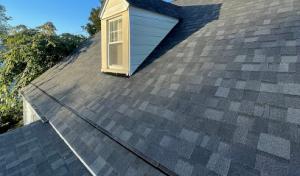
Around skylights and low-slope transitions, moisture exposure and freeze-thaw cycles take a toll. The area experiences stubborn condensation and occasional ice dams that push water under flashing seams. In Upper Merion Township terms, flashing can deteriorate faster where metal and rubber meet asphalt, so inspect every season for hairline leaks, rust spots, and loose fasteners. A small drip at a ceiling corner after a heavy thaw is a signal to check ridge and curb details, not just the obvious leak.
Flat-roof and skylight specialties are both meaningfully represented in the local contractor market, indicating these are recurring homeowner pain points rather than edge cases. When hiring, look for recent completions in mixed rooflines and additions, because the transitions invite pooling if drainage isn't matched to the roof's contour. Ensure that skylight curb surrounds are sealed with the right sealant and have proper shingle-to-flash alignment to prevent wind-driven leaks during storms.
Mixed rooflines on local homes and additions can create drainage transitions that need closer inspection after winter weather and spring storms. After heavy snowmelt, check that runoff paths from adjoining sections flow toward gutters rather than pooling on low-slope planes. Pay attention to parapet edges and corner flashings where steps in the roofline meet a dormer or extension, since those seams are common starting points for failures. A careful eye on these zones helps avoid surprises as the ice recedes.
Develop a routine for seasonal inspections focused on flashing transitions, curb mounts, and sealant wear. In King of Prussia's climate, keep gutters clean and verify that downspouts discharge away from foundations. Document any discoloration, lifting shingles, or loose metal with dated photos after storms, so when a claim or replacement comes, you have clear evidence of how the condition progressed through winter and spring.
Find contractors experienced in skylight installation, flashing, and leak repairs to bring natural light into your home.
LaBrusciano Roofing & Exteriors
(610) 265-7663 labruscianoexteriorsllc.com
Serving
4.9 from 96 reviews
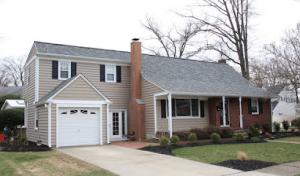
In this area, many homeowners replace roofs after a wind, hail, or freeze-thaw event, or as the roof nears the end of its life. The most meaningful warranties come from full-system replacements rather than patch work. A full replacement often ties the shingle, underlayment, flashing, and ventilation into one comprehensive package, with a single warranty dated to the completed scope. When a repair is proposed, warranty coverage can be more fragmented, leaving gaps if separate components are installed at different times or by different crews. That complicates future claims and may shift responsibility for failures to individual parts rather than the overall system.
The local market includes a meaningful share of contractors advertising warranties, which makes workmanship and manufacturer backing a real comparison point here. Look for a clearly defined workmanship warranty that covers labor for a set period, plus a manufacturer warranty that covers materials. In practice, you'll want a workmanship warranty that explicitly includes roof deck replacement if needed, flashing, and vents, because failures in these areas are common after heavy storms. Manufacturer warranties should specify conditional coverage, such as proper installation, roof pitch appropriateness, and ventilation compatibility. Read the fine print to confirm what voids coverage, especially if alternative materials or non-standard installation methods are used.
In a township-permitted market with inspections, you should make sure warranty paperwork matches the installed scope and approved replacement details. The contract and warranty documents ought to list the exact product line, underlayment type, fastener method, and ventilation plan that were approved and installed. After installation, keep a copy of the inspection report and a stamped plan showing the scope. If changes occur, obtain written amendments to prevent later disputes over what is covered. This alignment helps protect from gaps should future storm damage or warranty-related questions arise.
This market runs on steady wind and hail activity more than dramatic coastal storms, so your insurer pays close attention to the roof's history. Start by gathering a dated baseline: photos of the intact roof from multiple angles, the year of installation, and any known prior repairs. When a storm hits, you want a clear before-and-after trail that shows how the roof looked prior to the event and what changed afterward. If possible, have a trusted local roofer or inspector photograph the roof within days of the claim so the record reflects current condition.
Coverage decisions here hinge on how well age and preexisting issues are documented, not just the visible hits from hail or wind. A roof that's nearing the end of its expected life will be scrutinized more tightly for whether replacement is appropriate or whether repairs could suffice. Document shingle granule loss, cracking, lifting edges, and flashing or sealant deterioration, but also note any interior signs of past leaks that predate the recent storm. This helps frame whether the claim is for storm damage or for ongoing wear.
Claim handling often involves close contractor-adjuster coordination, so keep every interaction timestamped and organized. Schedule a pre-inspection with your roofer who can accompany the adjuster to point out storm-specific damage and relate it to the roof's age and maintenance history. Written summaries of findings, plus the dated photos, help ensure everyone is on the same page. If the adjuster requests extra documentation, respond promptly with clear, labeled images and a concise repair timeline.
Begin with a quick, factual incident report noting the storm date and observed damage. Attach the baseline photos, the post-storm images, and the inspector's findings. Ensure the roofer's assessment aligns with what the adjuster documents, especially around flashing and ventilation issues that commonly accompany wind events. A well-documented file reduces ambiguity and supports a smoother timing of replacement decisions when the claim moves through the process.