
Last updated: Apr 19, 2026
Buda sits in the Central Texas hail and thunderstorm belt, making spring the most disruptive season for sudden roof damage and contractor demand spikes. Hail-driven hits can occur any afternoon between late March and early June, and storms roll through faster than the eye can track. A roof that looks fine from the street can harbor dented shingles, lifted granules, and compromised flashing after a quick hailstorm. The result is not just a cosmetic issue-it's a potential pathway for leaks that worsen with the next sun and monsoon downpour. The urgency is real: storms arrive unannounced, and the market response follows closely behind, leaving homeowners facing a rush to evaluate, document, and act.
The signal mix for roofing work here is heavily storm-oriented. Contractors in the area lean toward storm damage and insurance-claims specialties rather than niche roof restoration services. That means you may encounter crews who can document hail impact, navigate insurance questions, and initiate quick temporary repairs, but may not specialize in long-term roof systems or complex rebids. When the weather lets up, the best path is to use a contractor with clear credentials, a solid track record handling hail claims, and a plan for both immediate stabilization and durable, weather-resilient repair. Expect some seasonal backlog after a big hail event-plan to start conversations early while the market is still clamped with repair activity.
Hot, sunny conditions between storms can accelerate granule loss and aging on already hail-struck asphalt roofs common in the market. Those granules protect the shingle surface and the underlying asphalt. When they loosen or wear away, sunlight directly accelerates aging, increasing the risk of early failure. Shingle edges and hail-impact points can become micro-cracks that expand under sun heat and wind. That combination-recent hail damage plus scorching Texas sun-demands a careful assessment that distinguishes cosmetic hits from structural compromise. The takeaway: after a hail event, treat sun exposure as a second stressor that compounds damage.
Document this season first: photograph weather-impacted roof areas from multiple angles, including attic signs of moisture intrusion (stains, mold, or damp insulation). Avoid assuming every dent is harmless; even small bruising can lead to leaks when rain returns. If a leak appears, stop it with a temporary seal-only if you know how, then contact a storm-damage-focused contractor promptly. Seek written assessment that identifies affected components (shingles, flashing, vents, gutters) and a realistic repair or replacement plan aligned with the roof system's life expectancy. Keep a timeline of storms and responses to streamline insurance discussions. Quick action reduces secondary damage and positions you to navigate the inevitable insurance line more smoothly.
Alex Roofing & Remodeling
(512) 745-9174 alexrooferandremodel.com
Buda, TX
5.0 from 244 reviews
Protect your largest investment with our reliable roofing services. We are a locally owned and operated roofing company currently serving Kyle, TX and surrounding communities. If you want to make your roof last as long as possible, it is vital that you never put off a roof repair. Small issues with roofing become big issues in a hurry. No matter how major or minor the repair you need, we are here to help. We offer roofing services, roof repair and roof installation.
TTP Roofing
(512) 909-2660 www.ttproofing.com
1645 Main St Suite D #27, Buda, Texas
5.0 from 114 reviews
TTP Roofing, LLC - Family-Owned Roofers You Can Trust. Complete Residential Roofing Services in Buda, Texas, and surrounding areas. TTP Roofing, LLC is a family-owned and operated business run by Ignacio and Christine Garcia. We offer friendly, prompt, and high-quality service for all your roofing needs, including: - Full Roof Replacements, - Expert Roof Repairs, - Fascia, Soffit & Trim Repair/Replacement. We treat your home like our own, prioritizing honesty, integrity, and a smooth customer experience. Contact us today at (512) 909-2660 for a free quote! Christine@ttproofing.com or Ignacio@ttproofing.com
Reign Roofing - Buda
(512) 601-0537 www.reignroof.com
203 Railroad St #1F, Buda, Texas
5.0 from 33 reviews
Reign Roofing: Local Roofer in Buda TX, serving Kyle, Austin, San Marcos, and more. Your trusted roofing experts in Buda, TX, and the greater Austin area. With over 45 years of combined roofer experience, we deliver deep industry knowledge and top-tier craftsmanship to every project. We understand the unique challenges Texas weather can bring in Hays County and we're committed to providing durable, high-quality roofing solutions tailored to your home. Having successfully replaced over 900 roofs in Central Texas, you can trust Reign Roofing for storm damage, aging roofs, and new construction. We're known for our honest guidance and professional service, ensuring peace of mind with every roof.

Ja-Mar Roofing & Sheet Metal - Buda
(512) 441-8437 jamarroofing.com
16712 S I-35 Frontage Rd, Buda, Texas
4.8 from 132 reviews
For 50 years Ja-Mar Roofing & Sheet Metal has served the Austin and San Antonio areas and has provided to homeowners quality roof replacement and roof repairs, roofing services and roof maintenance. As a property owner, you understand how important a good roof can be to the value of your property. We provide Expert roofing inspection services - free of charge to all those in the Buda and Austin Metro Area. We pride ourselves in customer loyalty, customer care, great roofing services, competitive pricing, honest advice, and our satisfaction guarantee. We will work with home and businesses who need a new roof due to damage from severe Texas weather. If you have an insurance claim - call us.
Cadence Home Solutions - Buda, Texas | Manchaca, Texas
(512) 818-7882 cadence-ctx.com
403 Leadtree Loop, Buda, Texas
5.0 from 8 reviews
Cadence Home Solutions is a trusted roofing company Buda Texas homeowners rely on for durable, high-quality exterior solutions. Serving only Buda, Texas, our team specializes in residential roofing built to handle local weather conditions with long-lasting performance and clean workmanship. From inspections to full replacements, we focus on honest recommendations and reliable results. As experienced metal roofing dealers Buda TX, we provide modern, energy-efficient roofing options designed to protect your home. Services we proudly provide in Buda, TX: gutter installation service buda tx gutter repair buda tx roof repair buda tx roof inspection services buda tx roof replacement buda tx roof inspection buda tx metal roofing panels buda tx
Toyo Roofing
(512) 800-5154 www.toyoroofingandconstruction.com
3225 FM2001 Suite 704, Buda, Texas
5.0 from 7 reviews
Toyo Roofing – Austin’s Trusted Shingle Roofing Experts. We take pride in being a family-owned and operated roofing company serving Austin, Texas, for over 20 years. We are committed to providing top-quality shingle roofing services with honesty, reliability, and craftsmanship you can trust. Whether you need roof repairs, replacements, or new installations, our experienced team ensures every project is completed with precision and care. We use the best materials and industry-leading techniques to protect your home from the Texas weather. When you choose Toyo Roofing, you’re choosing personalized service, superior workmanship, and a company that treats every roof as if it were our own. Contact us today for a free inspection and estimate!
Chamberlin Roofing & Waterproofing
(512) 275-1600 www.chamberlinltd.com
2755 Business Park Dr, Buda, Texas
4.1 from 31 reviews
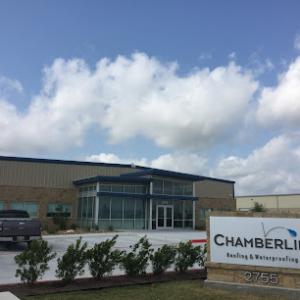
Expect More. Get More. When our clients hire Chamberlin to do a project, they clearly expect more. We know this to be true through detailed marketing studies with clients who have been willing to share their opinions with us. They expect quality work at a competitive price. They expect a team with real-life, hard-won experience that works with a spirit of cooperation. They expect an organizational structure that supports value and personal service. So, every day, on every project, we must go above and beyond to deliver more to our clients by providing them added value to their projects and exceeding their expectations.
Divided Sky Roofing & Solar
(512) 400-4267 mydividedsky.com
1645 Main St Suite A8, Buda, Texas
5.0 from 5 reviews
Located at 1645 Main St in Buda, Divided Sky Roofing & Solar is Central Texas’s trusted partner for premium roofing and sustainable energy solutions. As a family-owned business, we specialize in residential and commercial roofing, including roof repairs, metal roofing, and full installations. We’re also leaders in hail damage restoration and insurance support, making stressful claims easier to manage. Looking to power your home smarter? We offer cutting-edge solar roofing systems along with battery backups and generators—ensuring your lights stay on and your bills stay low. Our team provides free roof inspections, transparent guidance, and a commitment to quality that enhances both property value and energy efficiency.
Valhalla Roofing Company
(512) 797-4566 www.valhallaroofingcompany.com
Buda, TX
5.0 from 4 reviews
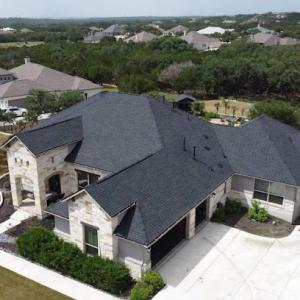
Valhalla Roofing Company is a family-owned and operated roofing company proudly serving Austin, Texas, and surrounding areas. We specialize in high-quality shingle, tile, and metal roof installations and repairs, all at competitive rates. With our years of experience, professional approach, and personalized service, we are a reliable choice for all your roofing needs. Our skilled team utilizes the latest technology and equipment to repair, rebuild, or replace your roof quickly and efficiently. As a local business, we are deeply committed to our community and uphold values of integrity, excellence, and respect in every project. Experience the difference with Valhalla Roofing Company today.
Rey's Roofing
(737) 217-0370 reysroofing.com
259 Quarter Ave, Buda, Texas
5.0 from 1 review
Roofing contractor , company
Granite Bay Roofing Kyle
Serving
5.0 from 34 reviews
Granite Bay Roofing Kyle - Premier roofing contractor serving Kyle, Texas and surrounding Austin metro areas. Expert residential and commercial roof installations, repairs, and replacements throughout Kyle, Buda, San Marcos, and Central Texas. Licensed, insured, and locally trusted for quality craftsmanship. From storm damage restoration to new construction roofing in Kyle TX, we deliver reliable solutions with exceptional service. Free estimates for all Kyle area roofing projects.
Lucky Roofing
(830) 402-0802 www.luckyroofing.net
Serving
4.8 from 39 reviews
Looking for reliable roofing services in New Braunfels, TX or a surrounding area? At Lucky Roofing, we specialize in roof replacements and repairs for both commercial and residential properties. Whether you're dealing with hail damage or routine wear and tear, we are here to help.
Central Texas is a high-claim environment for hail and wind, so homeowners should expect insurers to require detailed photos, date-of-loss documentation, and adjuster inspections after storms. After a hail event or a fast-moving thunderstorm, you may face a flurry of requests from the insurer, and the timeline for review can feel tight. In practice, the process hinges on concrete, timestamped proof: clear photos of every damaged area, close-ups of impact marks, and a consistent record of when the damage occurred. Tracking the exact date of the storm and correlating it with damage visible on the roof helps avoid back-and-forth that can stall approvals. In this climate, a proactive, organized claim package often matters more than any single conversation with the desk adjuster.
Because storm damage in this region tends to pile up year after year, carriers frequently scrutinize roofing claims more closely. Some carriers have tightened underwriting or pricing in high-loss years across this region, which can affect whether you repair, patch, or fully replace aging roofing. The practical upshot is that every patch or temporary fix should be documented as a precise, repair-focused decision rather than a broad, indefinite plan. Insurers want to see a logical sequence: initial damage identified, recommended repairs, evidence of the storm's impact, and a clear path to restoring the roof's resilience. If your roof has endured multiple events, expect the adjuster to compare the cumulative wear against the cost of replacement, not just a single incident.
Because storm-related roofing work is so common locally, claim handling quality and documentation are bigger practical issues than in markets with fewer hail and wind claims. Your photos should include the whole roof, attic space where visible, and any interior signs of water intrusion. Date stamps on photos help anchor the claim to a specific event. Create a simple, chronological narrative tying the damage you see to a storm, including any contemporaneous weather reports. Preserve all correspondences with the insurer, including emails, message notes, and summaries of phone calls. When you speak with the adjuster, take notes on names, times, and what was promised; a written recap emailed to yourself and the insurer can prevent misunderstandings later.
After a weather event, the decision to repair, patch, or replace hinges on the extent of damage, the roof's age, and the cost-to-benefit outlook from the adjuster and your contractor. In a high-loss environment, expect the insurer to weight long-term resilience, warranty coverage, and the roof's remaining life. A patch may be appropriate for isolated, minor damage, but widespread granule loss, compromised decking, or multiple near-term events may push toward replacement. Choose contractors who understand local storm patterns and can provide objective, detailed repair plans with quantified materials and labor estimates. A well-documented, credible plan can streamline the adjustment process and reduce the risk of later disputes over what constitutes a reasonable remedy.
Because this area sees frequent, rapid-response storm activity, your claim's success often rides on the credibility of your documentation and your contractor's experience with insurers. Prioritize clarity over haste: gather evidence, secure temporary protection to prevent further damage, and maintain a clean file that shows the progression from damage discovery to repair recommendation. If disputes arise, leverage your well-ordered record to support a fair adjustment outcome, and keep the lines of communication with both your insurer and contractor open and precise. The better your preparation, the less the storm-limited years will erode the roof's protection and your peace of mind.
Connect with contractors who help homeowners navigate the claims process from damage assessment to final approval.
TTP Roofing
(512) 909-2660 www.ttproofing.com
1645 Main St Suite D #27, Buda, Texas
5.0 from 114 reviews
Reign Roofing - Buda
(512) 601-0537 www.reignroof.com
203 Railroad St #1F, Buda, Texas
5.0 from 33 reviews
Spring and fall are the reliable windows for roof work here, because summer heat can slow crews and make material handling awkward. In spring, you're catching the tail end of the rainy season and the first signs of drying weather, which helps crews keep pace without lingering over moisture concerns. Fall brings cooler days that reduce heat stress on workers and on asphalt shingles, while still offering enough daylight to finish a project before the first cold snap. When planning, align your replacement or major repairs with these seasons to minimize delays caused by heat and humidity. If a spring storm interrupts a schedule, you'll often still have a window of clear days that avoids peak heat, and your crew can resume quickly once the skies clear. For a homeowner with a busy spring calendar, booking early and coordinating with the crew's expected sequence-tear-off, underlayment, and shingle installation-keeps the project moving and avoids endless delays caused by weather pivots.
Summer roof work has to account for the extreme heat exposure on dark roof surfaces, which slows pace and can complicate installation timing. The sun's intensity makes asphalt shingles and other material temperatures spike, increasing the risk of mishandling or warping if work occurs during the hottest hours. To keep progress steady, many crews shift heavier lifting to the cooler early morning hours and plan for shorter daily sessions during peak heat. A practical plan is to schedule roof work for early morning starts, with wrap-up decisions made by early afternoon. On reflective or lighter-color materials, heat still matters, but the pace can stay more consistent if heat exposure is anticipated and mitigated with proper hydration, shade setups for crews, and a few planned pauses. Weather patterns in summer can bring quick, afternoon roll-in thunderstorms; build a buffer into the schedule so a sudden downpour doesn't stall a multi-day sequence. Clear communication with the crew about anticipated heat and daily targets helps to keep a project on track even when a heat spike or a storm window arises.
Fall cold fronts in this Central Texas corridor can bring gusty winds that create short scheduling gaps even when temperatures remain workable. The wind can complicate tarp setups, material staging, and the final shingle placement, particularly on higher or steeper roofs. The practical approach is to front-load critical steps on the best non-windy days and keep an adaptable plan for follow-up work when a windy front rolls through. If you anticipate a front, consider planning a phase that secures underlayment and starter courses on the calmer day, then completes the remaining courses promptly after the wind eases. Fall's milder days also help you extend the usable season into late autumn, but be mindful of early night cooling that can affect sealant and flashing installations. A steady, measured pace during cooler windows minimizes rework and keeps the roof installation aligned with the seasonal conditions that define this area's storm-prone springs and hot, gusty autumns.
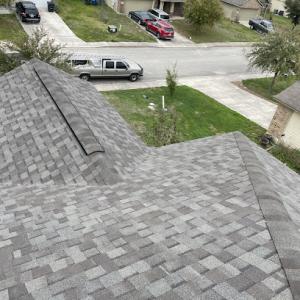
Asphalt shingles are the workhorse of the local reroofing scene, especially for mid-range homes and quick turnarounds. They stand up well to the daily sunload and heat common along the I-35 corridor, and they're generally easy to install with familiar trade workflows. In areas with spring hail, a high-quality base shingle paired with a rugged impact-resistant top layer can soften whisker-level shingle blows and reduce the chance of cosmetic and minor structural damage. Look for options with a weather-tight nailing pattern and reinforced shingle body to maintain wind resistance in our gusty spring thunderstorm cycles. For many homeowners, asphalt shingles provide a reliable, familiar balance of durability and service life when evaluated alongside local UV and heat stress.
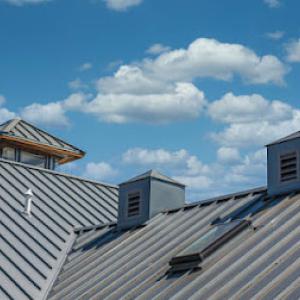
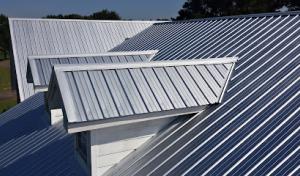
Metal roofs are increasingly found on newer suburban builds and custom homes, where long-term performance and a crisp, modern look match the Central Texas aesthetic. Metal panels shed heat efficiently, an advantage in intense sun exposure, and many coatings resist color fade under relentless UV. When hail comes through, metal can offer superior impact resistance, especially with thicker gauges and impact-rated coatings. The trade-off is weight, installation nuance, and potentially higher upfront cost, but the long-term durability and ease of maintenance can pay off in a climate where sun, heat, and storm activity are constants.
Clay and concrete tiles are meaningful in areas that emphasize longevity and a timeless profile. Clay tiles excel where heat resistance and color stability matter most, maintaining shade on the attic cavity and reducing cooling loads. Concrete tiles mimic the look of clay with often greater impact resistance and at times lower weight, depending on profile. In Buda, tile roofs are a hallmark of higher-end, sun-hardy designs that align with longer life expectations and a statement aesthetic. When considering tile, assess the roof deck compatibility, underlayment compatibility, and the potential for thermal movement in a climate with pronounced sun exposure.
Wood shingles and shakes bring a distinctive texture that pairs well with Craftsman and rustic-modern homes common in newer neighborhoods. In a hot, sunny climate, wood must be treated to resist UV degradation and is typically paired with underlayment and venting that handle heat. Synthetic or composite shingles offer a low-maintenance alternative with varied textures and strong impact resistance, benefiting from modern manufacturing that improves color fastness and infrared stability. Both wood and synthetic options can be excellent when the roof line includes shaded or tree-rich approaches, converting heat into a design feature rather than a liability.
In this market, tile and metal are more than stylistic choices; they reflect a practical response to spring hail, strong sun, and the need for durable performance over decades. Evaluate how each material handles UV load, impact events, and heat transfer to the attic. Consider underlayment quality, ventilation strategy, and attic insulation as critical companions to your material choice. A well-selected system-whether tile or metal-will pair with long-term sun exposure design goals and the evolving expectations of Buda's diverse housing stock.
For asphalt shingles, budget roughly 350 to 600 USD per square, a range you'll often see in this corridor after hail events and during peak spring demand. Metal roofing sits higher, typically 600 to 1100 USD per square, reflecting both material durability and the labor needed to install reflective coatings and precise runs. Clay tile commands 900 to 1700 USD per square, while concrete tile sits around 800 to 1500. If you're weighing wood shingles or shakes, plan on 450 to 900 per square. Synthetic or composite shingles land in the 450 to 850 per square range. These figures cover basic installation with typical underlayment and flashing, and they reflect the common options homeowners here compare for heat resilience and storm exposure.
Buda pricing can rise after regional hail events when demand surges across the Austin-San Marcos corridor and contractor schedules tighten. If a hail swarm hits in late March or April, you'll see quick shifts in material availability and lead times, which can push labor costs upward and shorten the negotiating window with contractors. In those weeks, it's wise to lock in a plan, select a preferred material, and start the bidding process early to avoid the steepest price bumps.
Material choice matters more here because homeowners commonly compare standard asphalt against metal and tile options that better address heat and storm exposure. Metal roofs often beat asphalt on long-term hail resistance and cooling potential, but they require precise flashing and can influence nearby skylights and chimneys. Clay and concrete tiles offer exceptional durability in radiant heat and storm impact but add weight and longer installation times. Wood shingles provide a traditional look with distinct weathering patterns, while synthetic shingles mimic the appearance of tile or wood with generally lighter weight and improved impact resistance.
When planning, align your material choice with expected spring winds, hail history, and the roof's slope. A steeper pitch tends to shed hail more readily and can influence both labor cost and drainage considerations after a replacement. If you anticipate multiple roof penetrations for vents or solar components, budget accordingly for additional flashing and ventilation work, which can affect overall square costs.
Don't let upfront costs delay a critical repair - these contractors offer payment plans to fit your budget.
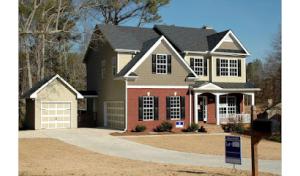
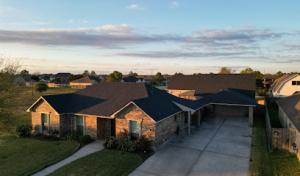
In this locality, roof replacements are handled through the City of Buda Building Department rather than being dealt with informally by the contractor. The city's rules ensure that storm-weakened roofs and hail repairs follow a traceable, code-compliant path. When a replacement is planned, the project is treated as a building alteration that must be reviewed and approved before work begins. This structure helps protect your home's weather resilience and keeps insurance claims on solid footing after spring storms.
The usual local workflow starts with the contractor submitting a complete permit package. That package should include project details, a work plan, and any required structural documents or manufacturer specifications for the chosen materials. The Building Department reviews the submission for code compliance, drainage considerations, and safety measures. Once approved, a permit is issued and the project can proceed. If the package is missing elements, the department will outline what's needed, so coordinating with the contractor early in the cycle reduces delays.
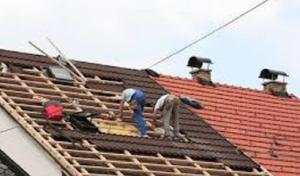
Inspections occur at key milestones to verify progress and adherence to approved plans. A common sequence includes an initial tear-off inspection to confirm proper removal of old materials and preparation for new underlayment, followed by a mid-project check if substantial work occurs, and a final inspection upon completion to confirm that the installation meets all codes and wind-resistant standards. Scheduling inspections promptly when milestones are reached helps prevent hold-ups and ensures that your roof system is ready to shed spring storms.
A typical permit-and-inspection cycle runs about 1 to 2 weeks depending on department workload, which homeowners should factor into storm-season scheduling. Weather windows matter, especially after hail events when crews may be busy. Plan for potential minor delays and align access for inspections with available daylight and your contractor's crew. Having everything prepared-plans, material specs, and a clear work plan-can help keep the cycle moving smoothly through the busy spring season.
Keep a dedicated contact at the contractor for permit questions and ensure the local address and property details on the package are accurate. After approvals, maintain open lines with the Building Department for any required supplemental documents. Finally, verify that licensing and any required certifications are current before the project begins, so inspections proceed without unnecessary interruptions.
In Buda, the most likely failure pattern is cumulative damage from hail strikes, wind-driven rain, and prolonged sun exposure rather than heavy snow loading or ice damming. Over time, repeated hail impacts bruise shingles, loosen granules, and create micro-damage that you might not see from the ground. Wind and sun work together to deepen those hits: wind can lift edges, while relentless sun ages the roof surface, making already compromised spots more vulnerable to leaks. The result is a gradual decline where small issues compound into noticeable attic moisture or interior staining after a storm.
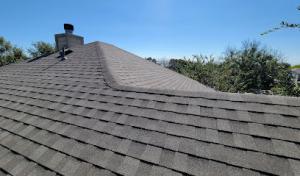
Asphalt roofs in this market are especially vulnerable to granule loss, heat aging, and storm bruising after repeated Central Texas weather cycles. Granules protect the asphalt; when they shed, the roof heats and degrades faster, shortening its effective life and increasing the chance of accelerated leaks. Bruised spots from hail can crack the granule layer, allowing sun and moisture to penetrate at the underlying asphalt faster than expected. After a big spring storm, it's common to find curled edges or dark patches where water can follow the deck to unseen joints or penetrations.
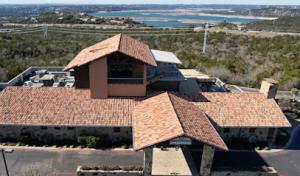
Tile roofs in Buda need attention after hail and wind events because individual cracked or displaced tiles can create hidden water-entry points even when the roof still looks intact from the street. Clay and concrete tiles may seem fine from ground level, but a cracked tile can channel water underlayment and into the roof structure during a heavy rain. Wind can shift or lift tiles without obvious misalignment, leaving the underlayment exposed to moisture and debris that accelerates deterioration around fasteners and flashings.
Look for soft or spongy attic spots after storms, dark staining along interior ceilings, and recurring patches of dampness near vent locations. Even if the roof appears visually sound, stress from repeated Central Texas weather cycles can erode seals and flashings over time. Proactive inspection after hail events and seasonal high-wind days helps you catch the first signs of trouble before small issues become costly repairs. In Buda, timely attention to these patterns makes a meaningful difference in keeping the roof resilient year after year.
Find specialists in TPO, EPDM, and built-up flat roofing systems for residential and commercial properties.
Capital Siding & Roofing Contractors
(512) 810-0937 capitalsidingandroofing.com
Serving
4.7 from 30 reviews
Austin Roofing & Construction
(512) 629-4949 www.austinroofingandconstruction.com
Serving
4.8 from 260 reviews
After a spring hail episode, a contractor with a solid storm-follow-up workflow matters more than a low bid. Local crews are busy, so you want proactive communication, on-site inspections within a few days, documented damage photos, and a clear plan for temporary protection and debris cleanup. Choose someone who can outline who will be at your home, when, and how often they will follow up as weather windows shift. Documented protection and cleanup plans prevent small issues from becoming big headaches.
Evaluate storm-damage experience, not just new installs. Request references from recent post-storm projects in neighborhoods with similar roof types. Confirm they can manage your home's square footage and a climate with sun and hail. Reliability shows in a realistic schedule and steady communication. Look for a firm that explains changes, material choices, and any add-ons with rationale, not pressure. A reputable contractor will document decisions and keep you informed at every step. Also ask about protections for heat-sensitive finishes, gutters, and nearby siding during roof work.
Since Buda's contractor pool blends long-established firms and family operators, match responsiveness and documentation after hail events. Ask how they coordinate with carriers and adjusters, and who handles final inspections and warranty follow-ups. If a company promises a single visit, be cautious. Seek one with a defined post-storm workflow, a dedicated contact, a written timeline, and a method to track work completed versus scheduled. Verify they can provide detailed progress updates and photos at each stage.
Finally, confirm readiness for the spring storm cycle: rapid response, meticulous cleanup, and solid re-roofing experience. In a busy post-storm market, choose a contractor who can document progress, communicate clearly, and stay accountable from start to finish. Also inquire about safety practices on windy days, temporary tarping methods, and how they protect landscaping and outdoor items during work.