
Last updated: Apr 19, 2026
In the Houston-Galveston region, hail and high-wind events create a high frequency of roof claims, making post-storm documentation especially important for Channelview homeowners. The area's typical mix of shingle, metal, and tile roofs means that impacts can range from dented metal to cracked or missing shingles, often with concealed damage under the surface. After a thunderstorm passes, a quick check becomes essential: a stray shingle edge catching wind can become a pathway for water within minutes when humidity already presses into the attic. The combination of Gulf humidity and frequent thunderstorm wind events means that even a minor outcome from a storm can escalate into a larger leak if not caught promptly.
Hot, humid days in this region accelerate interior damage once rain takes hold. Small storm openings can turn into active leaks quickly if tarping or temporary drying-in is delayed. Start with a careful exterior scan only if it's safe to move, looking for missing granules, lifted edges, or dented panels. If a roof breach is suspected, place tarps securely over the most vulnerable areas, prioritizing vents, skylights, and valley intersections where water tends to funnel. Inside the attic, run a dehumidifier or portable fans if you have access, and dry any obvious damp spots on ceilings or walls within the first 24 hours. The faster moisture is removed, the lower the risk of secondary damage such as mold or stained ceilings that complicate claims later.
Post-storm documentation is not optional in this market; it is a central part of the claim process. Take clear, high-resolution photos from multiple angles of every affected area, including close-ups of damaged shingles, flashing, gutters, and any interior staining or pooling. Note the time and date of each photo, and keep a simple log of weather conditions and observed roof behavior, such as active leaks near vents or along chimney lines. If safe, perform a quick interior walk-through to identify any sudden changes in attic temperature or moisture-these details help illustrate the scope of impact. Preserve any torn roofing materials, water-stained insulation, and damp drywall pieces for reference during discussions with adjusters or contractors. Insurance responders in Channelview place higher value on thorough, organized documentation that shows a rapid response to the initial damage.
Local signals show unusually strong demand for storm damage, emergency repair, and insurance-claims help, indicating homeowners here commonly need rapid response after severe weather. When seeking help, prioritize contractors who can demonstrate a rapid field presence, 24/7 storm-damage triage, and on-site estimates within the first 24 to 48 hours after a storm event. Look for crews equipped to tarp, dry-in, and secure vulnerable penetrations quickly, even under humid conditions. Ask for prior Channelview or nearby service references, and confirm that the team uses weather-resilient approaches tailored to hot, humid climates. The right partner should communicate openly about the urgency, the steps involved, and how documentation will be organized to align with the insurer's process.
Storm-response timelines in this area hinge on weather windows and the extent of the event. Expect rapid on-site assessment, followed by immediate protective measures and a documented plan for drying and temporary stabilization. As conditions allow, crews should begin more extensive repairs that restore weather-tightness and minimize interior disruption. Throughout this process, maintain regular contact with the adjuster, sharing updated photos and the repair plan, to keep the claim moving forward without delays caused by gaps in information or gaps in protection.

Miller Brothers Roofing
(346) 888-0491 millerroofing.homes
515 Sheldon Rd, Channelview, Texas
4.8 from 97 reviews
Our Roofing Services for Channelview Shingle Replacement: Changing out old or damaged shingles. Storm Damage Repair: Mending roofs affected by severe weather. Structural Repair: Repairing structural weaknesses in the roof. Emergency Hail Damage Repair: Mending hail-induced damages on the roof. Leak Detection and Repair: Detecting and mending water entry points. Granule Loss Replacement: Reapplying granules to enhance roof durability. Skylight Sealing and Repair: Mending skylight leaks. Re-roofing: Layering new roofing materials atop old ones.
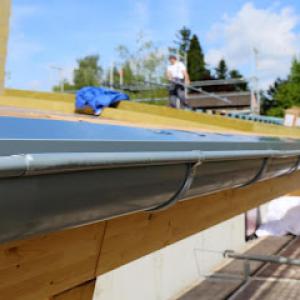
Drain Rite Seamless Gutters
(281) 426-1709 drainriteseamlessgutters.com
Channelview, Texas
3.8 from 16 reviews
Drain-Rite Seamless Gutters provides gutter installation, repair and cleaning, as well as custom gutters in copper, seamless, box, and half round styles to the Highland, TX area.
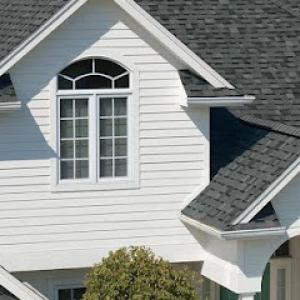
Alamo Roofing Contractor
(281) 452-6355 alamoroofingcontractor.com
16555 Cedar St, Channelview, Texas
5.0 from 2 reviews
New Roofs- Re-roofs- Repairs- Residential Roofing
Storm Choice Roofing & Construction
(832) 971-5495 stormchoiceroofing.com
Serving
5.0 from 68 reviews
Storm Choice Roofing and Construction is a roofing contractor serving the greater Houston area that specializes in storm damage repair and restoration for residential and commercial buildings. We offer services including roof inspections, roof installation, roof repair, gutter installation and cleaning, attic venting, and storm wind damage roof repair. Our expert team can help you file insurance claims and guide you through the restoration process after storm damage. We aim to restore your home and peace of mind by repairing or replacing damaged roofs, siding, windows, and gutters. Contact us for a free roof evaluation or if you need emergency roofing services after a major storm or weather event.
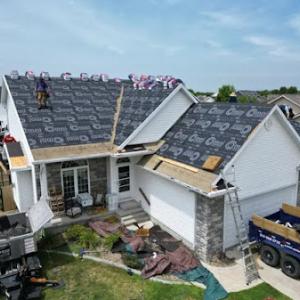
Deer Park Roofing Company
(346) 236-0749 www.deerparkroofingcompany.com
Serving
5.0 from 26 reviews
Since 2008, Deer Park Roofing Company has been a trusted choice for homeowners seeking reliable and professional roofing services. Located at 1009 Center Street in Deer Park, this experienced team is dedicated to providing high-quality solutions for a wide range of roofing needs. From new installations to essential repairs, they are committed to protecting your home with durable materials and exceptional craftsmanship, ensuring long-lasting peace of mind for their clients.

Acoustic Ceiling Kings
(281) 862-8087 www.acousticceilingkingsplusmore.com
Serving
5.0 from 6 reviews
Acoustic Ceiling Kings offers acoustic ceiling, metal stud framing, drywall, painting, and more throughout Houston, TX.
Benny's Best Construction Services
(713) 455-7663 www.bennysbestroof.com
Serving
5.0 from 6 reviews
Family owned and operated for over 30 years! We will help you with Insurance claims and get your home back to normal in no time! Call us for a FREE estimate! We take Pride in our work and guarantee you will be satisfied!
Image Roofing Company
(281) 479-7111 imageconstruction.net
Serving
4.7 from 71 reviews
Image Roofing is a family owned and operated full service roofing company since 1983 serving Deer Park, La Porte, Pasadena, Clear Lake and surrounding areas. We offer a variety of residential and commercial roofing solutions to any size structure. With established relationships with the largest industry leading manufacturers and suppliers, our clients' needs are always met with flexibility and adaptability. Image Roofing will consider the condition of your roof and propose a way to extend structure's life with a roof repair or a cost effective roof replacement solution. Whether you are a home owner, business owner, or manage an industrial facility, our team will keep your roof performing at it’s best. Call for inspection today!
Rescue Roofing
(281) 733-2299 rescueroofing.net
Serving
5.0 from 114 reviews
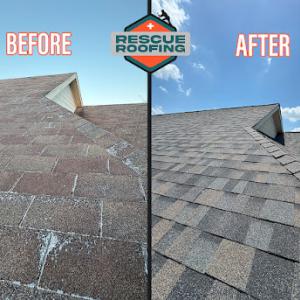
Rescue Roofing is your local Texas roofing company. We provide reliable work with same-day service, flexible financing, and clear communication. We’re built on trust, craftsmanship, and doing the job right the first time. Whether it’s storm damage or regular wear, our team shows up fast and delivers lasting results. Free inspections. No obligation. Just honest roofing from people who care.
Commercial Roof Repair Solutions
(936) 284-9799 commercialroofrepairsolutions.com
Serving
5.0 from 15 reviews
Commercial Roof Repair Solutions helps businesses in Houston, TX, extend roof life without the high cost of replacement. Our certified commercial roofing experts specialize in restoring flat and low-slope systems using advanced leak detection, energy-saving coatings, and durable materials. We’re trusted by property managers and facility owners across Houston for fast, accurate repairs, honest assessments, and minimal disruption. As certified specialists, we bring decades of experience and deep product knowledge to every job. Whether you need emergency repairs or proactive maintenance, we deliver lasting results. Book your free inspection today and discover why Houston relies on us to get it done right the first time.
Reynas Roofing Repair
Serving
5.0 from 52 reviews
#Newroof #LeakRepair #Roofrepair #Gutters #siding #FlatRoof
Upscale Roofing
(281) 930-7368 upscaleroofingtx.com
Serving
5.0 from 84 reviews
A roofing and construction company located in Deer Park, Texas, but servicing all of Greater Houston. No project is too small or too big for us. We pride ourselves on our hard work, integrity and honesty starting as a family-owned business. Let us know how we can show you the "Upscale Experience."
Asphalt shingles remain the dominant practical choice in this market, but Channelview's summer heat, humidity, and repeated storm exposure make granule loss, seal-strip issues, and shortened service life key concerns. When selecting this option, prioritize a high-quality shingle with good granule retention and a robust sealant. In practice, you'll want to verify a thicker asphalt layer, proper underlayment, and careful edge detailing to resist wind-driven rain during Gulf Coast downpours. Regular inspections after severe storms help catch accelerated granule shedding or early loosening of tabs, which can trigger leaks if overlooked. In humid months, watch for mold growth along shingle edges where moisture can linger, and consider darker granule blends that reflect heat without compromising curb appeal.
Metal roofing is locally relevant because it handles thermal cycling and sheds water quickly during Gulf Coast downpours, but detailing at fasteners, penetrations, and edge flashings matters in wind-driven rain. If choosing metal, look for a corrosion-resistant coating suitable for coastal humidity and a panel profile that reduces wind uplift. Pay particular attention to sealant quality around vent boots, skylights, and any roof penetrations, since fastener penetrations are common leak paths in Channelview's wind-driven storms. Keep an eye on the roof-to-wall transition and edge flashings to prevent water from seeping under the eaves during heavy bursts. A well-installed metal roof can dramatically shorten drying times after storms and minimize interior moisture-provided the installation account for your home's exact geometry.
Clay tile, concrete tile, wood shakes, and synthetic/composite products all appear in the local material mix, but heavier tile systems raise structure and underlayment considerations while hail can crack brittle units that are not obvious from the ground. Heavier tiles demand a capable roof frame and a suitably reinforced underlayment to avoid sag or support failures after a hail event. Investigate impact resistance ratings for each tile type and ensure the roof deck is matched to the load. In hail-prone seasons, inspect for hairline cracks after storms, even if you don't see obvious damage from ground level. Synthetic options can offer better impact resistance and ease of repair, but verify that fasteners and edge detail still deliver reliable seal through seasonal thermal cycling and wind events.
Storm damage typically shows up first as a leak path around penetrations, joints, and along eaves after hail or downbursts. Develop a quick-response plan: note the date, time, and wind direction during a storm; photograph all affected roof areas, including attic signs of moisture, soaking decking, or brown staining on ceiling tiles. Keep a log of when leaks are first observed and after every rainfall, plus any temporary mitigation you apply, such as tarping or tarp-secured patches. When contacting a contractor or insurer, present clear photos, storm event details, and a straightforward description of symptoms (drips, ceiling stains, attic condensation). This concrete record helps validate the claim and speeds the path to the right repair approach, particularly where multiple layers or different materials intersect on the same roof.
The timing of a roof replacement in this area is driven by the summer thunderstorm pattern, the humidity of Gulf air, and the way the local housing stock handles weather. Replacement timing often targets late fall through winter because drier conditions reduce weather exposure during tear-off and dry-in compared with the thunderstorm-heavy warm season. If a roof shows advanced wear, waiting into that window can minimize days exposed to wind-driven rain and allow crews to complete the job in a more predictable sequence, helping your interior spaces stay drier during the process.
Begin with a careful assessment of visible wear, flashing condition, and sagging or curling along eaves. If granules are washing into gutters after a storm, or you notice ceiling staining from the attic, you're looking at a narrower window for timing. In Channelview, spring brings hail and strong thunderstorms that both damage roofs and disrupt scheduling, so you often face a tradeoff between waiting for calmer weather and joining a post-storm contractor backlog. Weigh the risk of further weather damage against the benefits of a more favorable installation climate.
Spring can bring hail and strong thunderstorms that can compromise decking and underlayment prior to a formal tear-off. If you plan to replace then, allocate extra days for contingencies and secure a reputable crew early, because post-storm demand can stretch schedules. If damage is localized and the existing structure remains sound, you may opt for a staged approach-addressing the most compromised sections first, then completing the rest once conditions stabilize. In practice, this means coordinating with your contractor to prioritize weather-safe tear-off slots and to lock in a start date before the busiest weeks of the season.
Rare winter freezes in this area can affect adhesives and sealants on some roofing products, so crews need to manage product handling and installation timing carefully even in the preferred replacement season. If cold snaps are forecast, you may be advised to delay certain sealant applications or choose products with proven performance in borderline temperatures. Clear communication with the contractor about anticipated temperatures, wind exposure, and potential frost delays helps keep the project on track.
Expect a few controlled disruptions as materials are delivered and the roof is prepped. In a Channelview climate, the most efficient approach is to align the replacement with a multi-day dry spell, minimizing rain exposure during tear-off and ensuring a solid dry-in. If spring storms arrive during installation, your crew should have a plan to secure decking and underlayment and to reseal vulnerable penetrations promptly. With careful timing and a steady weather window, a replacement can proceed with fewer weather-induced setbacks, delivering a durable roof that withstands the area's seasonal quirks.
Get a clear picture of your project costs upfront - no commitment required.

Miller Brothers Roofing
(346) 888-0491 millerroofing.homes
515 Sheldon Rd, Channelview, Texas
4.8 from 97 reviews
Alamo Roofing Contractor
(281) 452-6355 alamoroofingcontractor.com
16555 Cedar St, Channelview, Texas
5.0 from 2 reviews
For asphalt shingles, expect about $350 to $750 per square in Channelview. Metal roofing typically runs from $800 to $1500 per square. Clay tile projects generally fall in the $1100 to $2100 per square range, while concrete tile tends to be $900 to $1500 per square. Wood shingles or shakes usually land around $900 to $1700 per square, and synthetic or composite shingles are typically $750 to $1300 per square. These ranges reflect the local market and the common housing stock found in the area.
After regional hail and wind events, pricing in this part of east Harris County can rise because the broader Houston-area labor pool is often in surge-demand mode. That means crews, materials, and scheduling can pull prices upward for a stretch of time. If a project spans wet seasons or storm windows, you may also see minor price variability tied to demand and crew availability. Planning with a buffer helps avoid sticker shock when sandbag weather and insurance timing collide with work days.
Project pricing is affected by permit and inspection requirements for a full replacement, by any decking repairs found after tear-off in a humid climate, and by the need for wind-resistant details and proper flashing review. In Channelview, high humidity can hide rot or corrosion in decking and edges, so the scope may grow once tear-off begins. Wind-resistant detailing-such as upgraded underlayment, improved fastener patterns, and well-sealed flashing around chimneys, vents, and transitions-adds value but also adds cost. The combination of decking condition, flashing quality, and storm-related upgrades typically accounts for a meaningful portion of the final bill.
The Gulf humidity and frequent thunderstorms in this area favor materials with solid moisture resistance and robust wind performance. Asphalt remains the most budget-friendly, but metal and tile options bring longer lifespans and different warranty profiles that matter after hail seasons. If a retrofit includes replacing decking or upgrading attic ventilation to manage humidity, expect the price to reflect those improvements. When evaluating bids, compare not just the per-square price but also what each estimate includes for underlayment, flashing, and wind-rated details.
Begin with an honest assessment of the existing deck, rafters, and venting, then map a replacement plan that prioritizes wind resistance and flashing integrity. Request a breakdown that shows material costs per square, labor, tear-off and disposal, decking repair if needed, and flashing upgrades. Consider a phased approach if surge-demand periods threaten scheduling; aligning the project with lower-demand weeks can help keep costs predictable.
Don't let upfront costs delay a critical repair - these contractors offer payment plans to fit your budget.
Miller Brothers Roofing
(346) 888-0491 millerroofing.homes
515 Sheldon Rd, Channelview, Texas
4.8 from 97 reviews
Storm Choice Roofing & Construction
(832) 971-5495 stormchoiceroofing.com
Serving
5.0 from 68 reviews
A building permit is typically required for a full roof replacement in Channelview and the surrounding Harris County jurisdictional framework. The permit helps ensure the work is aligned with local building codes, wind-resistance standards, and proper drainage. Before you start, you'll need to verify that the project details-roof type, materials, square footage, and any re-flashing plans-are ready for submission. The process is project-specific, so having a clear scope and a drawn-up plan can help avoid delays when the clerk reviews your application.
The typical flow begins with submitting project details to the permitting office, then paying the permit fee, and finally awaiting confirmation to proceed. In practice, sit down with the contractor to assemble required documents: roof replacement plan, contractor licensing information, and any manufacturer installation details. In Harris County, expect some regional nuances that may require additional notes about venting, underlayment choices, and flashing methods. Once approved, the permit notice will outline when construction can begin and which inspections are scheduled.
Inspections in Channelview usually occur at two key milestones: rough or decking-underlayment stage and final completion. During the rough inspection, the inspector checks that the roof deck is sound, underlayment is correctly installed, and the venting system is in place and properly vented. The final inspection confirms that all components are correctly installed, flashing details are sealed, and the overall installation meets wind-resistance requirements. If work pauses between stages, a re-inspection may be required to confirm no changes occurred and that work remains compliant with the permit scope.
Wind-mitigation documentation is often a relevant feature in this area, reflecting frequent thunderstorm winds and hail-driven claims. Be prepared to provide or update wind-resistance data, and keep inspection paperwork organized in one place so it's easy to present to inspectors or your insurer if a claim is involved. If the project experiences pauses, expect potential re-inspection charges or scheduling adjustments. The goal is to keep the project moving within the permit's boundaries while ensuring venting, underlayment, and flashing meet the high-humidity, storm-prone conditions typical of this market.
The Houston-Galveston roofing market has a high claim tempo, and carriers scrutinize storm dates, photos, and condition evidence closely. After a hail or thunderstorm event, you should expect a rigorous review of when damage occurred and how the roof looked before and after the storm. In practical terms, that means you need to document clearly when the storm hit, what parts of the roof were affected, and the surrounding weather conditions. Delays or gaps between the event and a claim can raise questions, so plan to act promptly while weather windows permit safe access to the roof.
Insurers in this region often require thorough pre- and post-work documentation. Before repairs begin, photograph shingles from multiple angles, focusing on bruising, missing granules, and lifted edges. Capture flashings around chimneys and vents, along with the valley details and any signs of interior leaks. If temporary protection was installed, take pictures of tarps, boards, or plywood and note dates. After work starts, keep a steady stream of progress photos showing repair steps and material inventory. This ongoing visual log becomes part of your claim file and can prevent disputes later.
Channelview roofs can shed light on issues that dry-season photos miss. Photograph after storms when granules are exposed or cracks appear, but avoid risky climbs during thunderstorms. Use a guide or a ladder with a trusted spotter, and photograph from the ground with a wide view to establish roof shape, then close-ups to document impact points. If you notice interior leaks, photograph ceiling stains, water trails, and attic dampness promptly, since these details support your claim narrative and reduce back-and-forth with the carrier.
Carrier tightening in parts of the broader coastal market can influence both premiums and material choices, pushing some homeowners toward systems with stronger wind or impact narratives. Be prepared for requests for additional documentation, independent contractor statements, or pre-existing condition notes. Keeping a clear, timestamped record of all communications, repairs, and temporary protections helps you maintain control of the claim timeline and reduces the risk of misinterpretation during settlement.
Connect with contractors who help homeowners navigate the claims process from damage assessment to final approval.
Miller Brothers Roofing
(346) 888-0491 millerroofing.homes
515 Sheldon Rd, Channelview, Texas
4.8 from 97 reviews
Storm Choice Roofing & Construction
(832) 971-5495 stormchoiceroofing.com
Serving
5.0 from 68 reviews
Repeated heat and humidity in Channelview accelerate thermal movement and moisture stress, which can show up as shingle aging, flashing fatigue, and underlayment deterioration. In this climate, you may notice premature curling on asphalt shingles, higher granule loss after hot spells, and soft spots where moisture has lingered. These issues tend to accumulate year after year, especially on roofs with aging underlayment or where attic ventilation is marginal. The consequence is a slower response to leaks and a higher chance of interior staining after the next round of storms.
Wind-driven rain during Gulf Coast thunderstorms makes roof-to-wall transitions, penetrations, and edge details more vulnerable than homeowners often realize after a storm that appears minor from the yard. Missing or torn edge shingles, loose step flashing, and inadequate sealant at vent boots can allow water to seep behind fascia and into attic bays. In Channelview, those micro-failures often compound quickly when a squall downdrafts water across roof planes, pushing moisture toward vulnerable seams rather than letting it shed cleanly off the ridge.
Because local inspections emphasize venting and flashing, these are not abstract checklist items here; they are recurring failure points tied directly to the area's weather pattern and permit process. Improperly sealed roof penetrations, corroded or undersized flashing around vents and chimneys, and insufficient venting in the attic create conditions where humidity concentrates and leaks materialize long after a storm has passed. Addressing these details promptly reduces the risk of hidden water damage and costly retrims.
Find contractors experienced in skylight installation, flashing, and leak repairs to bring natural light into your home.
Miller Brothers Roofing
(346) 888-0491 millerroofing.homes
515 Sheldon Rd, Channelview, Texas
4.8 from 97 reviews
In Channelview, the market signals in storms and wet springs drive a practical buying stance. Homeowners prioritize affordability, quick response after hail events, thorough cleanup, and solid re-roofing experience over boutique features. When a crew can seal a roof fast after a storm and leave the yard clean, that matters more than a flashy warranty page. Expect neighbors to compare crews on how fast they can show up, how clean they leave the site, and how smoothly they manage the project from start to finish.
The local contractor base includes many residential operators and a meaningful commercial presence, so you will often see teams that can handle both steep-pitched homes and low-slope sections. A Channelview roof can blend standard slopes with flat or low-slope transitions near additions or garages. Look for someone who can mobilize quickly after a hail event, can handle mixed roof types, and can schedule around wet weather to minimize delays.
Long-established, family-owned, locally owned, and manufacturer-certified firms all have visible presence in this market, so homeowners often compare responsiveness and storm-process competence as much as price. Seek clear documentation of past storm work, a plan for temporary leaks, and a step-by-step timeline for debris cleanup and debris disposal. A credible firm will outline how they protect landscaping, minimize indoor disruption, and coordinate with insurance timelines.
After hail and thunderstorms, robust documentation becomes a practical tool. Expect guidance on collecting photos of damage, notes on wind-driven leaks, and a structured method to relay findings to an adjuster. A capable contractor helps you assemble a damage packet, tracks repairs, and confirms stay-or-repair decisions. In this market, the best crews serve as a steady, communicative partner through the storm process, not just a one-time service call.