Last updated: Apr 19, 2026
Duncanville sits in the Dallas-area storm corridor where spring hail and straight-line wind events commonly trigger neighborhood-wide roof inspections and replacement demand spikes. In practice, that means when a North Texas storm rolls through, the roof around your block is suddenly under more scrutiny than in quieter markets. Hail tends to come in bursts, and the timing of inspections and replacements follows the weather cycle closely. If a neighbor reports hail damage, neighboring roofs can be called into focus quickly, which influences your own timing as a homeowner.
In this market, insurers commonly scrutinize whether damage is from a recent storm versus prior wear, so dated photos, maintenance records, and prompt post-storm documentation matter more than in low-claim regions. That means your best leverage is to capture a clear before-and-after narrative: what the roof looked like before the storm, what changes the storm caused, and how quickly you responded with documentation after it happened. A well-documented claim can move through the process with fewer back-and-forth requests, which helps you avoid protracted delays during peak demand.
Start with dated photos taken before any hail event, then collect sharp, timestamped images of any new dents, missing granules, or lifted shingles after a storm. Keep a brief log of maintenance or roof-related work already done in the past few years so the insurer and adjuster can separate normal wear from storm-driven damage. If there was any rainfall-driven damage that could affect attic spaces, photos showing moisture or staining can be valuable too. In this market, the closer your documentation aligns with the storm window, the easier it is for the adjuster to see a direct link to the hail event.
After a major hail event, expect a surge in activity across Duncanville. Scheduling can tighten quickly, so acting fast matters. Contact your insurer promptly to initiate the claim, then arrange a same-day or next-day exterior assessment if feasible. If the first adjuster visit is delayed, you can still prepare: assemble your photo log, gather maintenance records, and note any interior changes like attic dampness or increased energy costs that could relate to roof failure. The more you can demonstrate a recent storm impact, the less room there is for dispute about whether the damage is new or pre-existing.
Because local replacement demand surges after North Texas hail events, homeowners in Duncanville can face longer scheduling windows for inspections and material delivery immediately after major storms. Plan accordingly by identifying a preferred roofing contractor early, and set expectations with the insurer that your timeline is tied to storm impact rather than a generic schedule. If your area experiences back-to-back hail events, prioritize a rapid inspection after the first storm and keep the contractor's team updated on any additional hail activity, so the project can shift from assessment to replacement with minimal lag.
Accent Roofing
(972) 298-0929 accent-roofing.com
102 S Royal Oak Dr, Duncanville, Texas
5.0 from 14 reviews
With over four decades of expertise, Accent Roofing, a family-run roofing company in Texas, we’re dedicated to being top rated roofers. Specializing in roof repair, metal roofing, commercial roofing, and a range of roofing services we pride ourselves on combining the personalized touch of a small business with the exceptional workmanship expected of larger roofing companies. Our team of skilled roofing contractors are swift to respond, thoroughly inspecting your property and providing transparent estimates. Renowned for reliable roof leak repair and comprehensive roofing services, we're the go-to local solution for all roofing needs. Trust in our legacy; Choose us as your roofer; contact us for a free quote.
Guardian Exteriors
(214) 819-9800 www.guardianexteriors.com
1019 N Duncanville Rd, Duncanville, Texas
4.8 from 28 reviews
We are a roofing company the specializes in single-family residential roofing as well as multi-family & commercial roofing. We specialize in storm restoration and in getting your property improved with outstanding service and a commitment to quality workmanship and an extensive warranty. We've been in business for over 40 years and our Corporate offices are in Dallas, Texas. Guardian has proudly served many communities across the nation while in the midst of devastating weather events.
MGS Roofing Systems
(972) 709-7788 mgsroofingtx.com
702 E Red Bird Ln, Duncanville, Texas
4.5 from 17 reviews
Our Roofing Service Is a Cut Above the Rest DISCUSS YOUR PROJECT WITH OUR DUNCANVILLE, TX ROOFING CONTRACTORS MGS Roofing Systems is home to some of the top roofing contractors in the Duncanville, TX area. With nearly two decades of experience, we have what it takes to handle all of your commercial and residential roofing needs. We hold our team to the highest standards to complete superior work. Call us at 972-709-7788 now to learn about the roofing services we offer throughout the area. You can also check out our reviews on the Better Business Bureau, Home Advisor and Angie’s List.
Shield Roofing & Solar
(469) 297-8684 myshieldroof.com
Serving
5.0 from 202 reviews
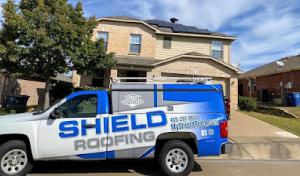
Shield Roofing & Solar stands as a beacon of excellence in residential roofing and solar solutions. Known for our expert roof repair and new roof installation, we are the roofing company you can trust. Our roofing contractors are committed to quality in every roof replacement or roofing repair service. As a solar company, we integrate solar energy seamlessly with our roofing services with solar shingles, providing sustainable and innovative solutions. Choose us for your roofing needs and join our many satisfied clients who know that choosing us among other roofing companies, ensures their homes are well-protected. Shield Roofing & Solar's unwavering commitment is to elevate your home's performance and protection.
Dee’s Shield Roofing
(469) 279-7439 www.dees-shield-roofing.com
Serving
5.0 from 12 reviews
“DEE’S SHIELD ROOFING” PROUDLY SERVES ALL OF TEXAS. We are Owned & Operated since 2011 and going strong. Quality Materials is what we stand by with the Best Deal all-around. We have a reputation of Trust & Honor with our clients and that will continue. Taking good care of your house allows us to take good care of our own. “Let Dee Protect Your Home with a Shield 🛡 over your Roof” - Workmanship Warranty & Manufacturing Warranty is Covered in all of our Roofs. - Guaranteed 100% Satisfaction. - Quality materials. - A Smile 😊 on your Face 😉 Thanks 🙏🏾 for Allowing Us to take Great Care of You!

Quick Roof Repairs
(972) 861-5904 roofingcontractorsch.com
Serving
4.7 from 30 reviews
Is your home's exterior in need of some TLC? Quick Roof Repairs is your trusted partner in Cedar Hill, providing comprehensive roofing solutions, from leak repairs and flashing to complete new roof installations. We also specialize in siding, gutter services, and window installation, ensuring your home is protected and beautiful. Quick Roof Repairs delivers fast, reliable service and expert craftsmanship, giving you peace of mind and boosting your home's curb appeal.
Dalco Contractors & Roofing
(214) 632-7177 www.roofingdalco.com
Serving
5.0 from 56 reviews
Dalco Contractors & Roofing is one of the top rated Rcat licensed roofing companies in Dallas/Ft. Worth for roofing repairs, installation, and maintenance. We service the greater DFW area and beyond and we offer both residential and commercial roofing services. Dalco is fully insured and registered with the Better Business Bureau of Dallas with an A+ rating. We have years of experience in the industry and quality relationships with top rated roofing vendors and suppliers in the state of Texas. Our expert roofers have experience with virtually every type of roofing system and deliver quality, timely service every time. If you are in need of roofing repairs, maintenance or installation on any roofing system, we are the contractor for you.
Robinson Brothers Roofing & Construction
(469) 940-4602 robinsonroofing.site
Serving
4.8 from 75 reviews
Our Roofing Services for Dallas Structural Repair: Restoring integrity to the roof's framework. Shingle Replacement: Substituting broken or lost shingles. Emergency Hail Damage Repair: Repairing roofs damaged by hail. Leak Detection and Repair: Detecting and mending water entry points.

4 U Roofing & Construction
(469) 620-0010 www.4uroofing.us
Serving
5.0 from 65 reviews
For over a decade, 4 U Roofing and Construction has been a trusted veteran-owned, family-operated business in Cedar Hill, specializing in home improvement and renovation services. Our skilled craftsmen are dedicated to delivering top-quality workmanship, whether it’s repairing roofs, remodeling kitchens, or revitalizing bathrooms. We take pride in turning your vision into reality with precision and care. Committed to excellence and customer satisfaction, 4 U Roofing and Construction ensures every project enhances both the beauty and functionality of your home.
From On High Roofing & Construction
(469) 992-0047 www.reggietheroofer.com
Serving
5.0 from 46 reviews
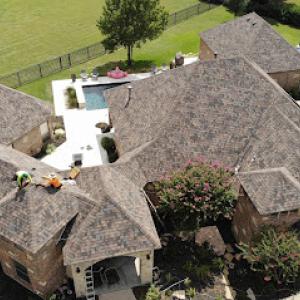
We're here to help. Honesty, Integrity, and Trust are the pillars we are founded upon. Let us work with you to ensure your project is completed to your satisfaction.
Max Exteriors
(469) 779-7325 maxexteriors.com
Serving
4.6 from 55 reviews
Max Exteriors is a professional roofing and exterior contractor based in DeSoto, TX, serving the entire Dallas–Fort Worth metroplex. We provide residential and commercial roof repairs, roof replacement, storm and hail damage restoration, insurance claim assistance, emergency roofing, siding installation and repair, gutter installation, and exterior repairs. Our team offers free inspections, fast response times, and quality workmanship backed by warranties. Max Exteriors proudly serves DeSoto, Dallas, Fort Worth, Arlington, Irving, Plano, and surrounding DFW communities. Contact us today to schedule a free inspection.
MD Roofing
Serving
4.9 from 112 reviews
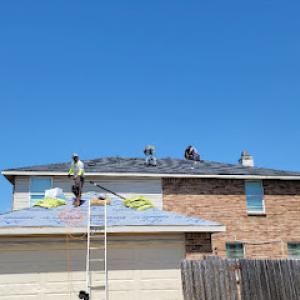
Your requirements are unique, and so are our solutions. At MD Roofing, LLC in Cedar Hill, TX. We specialize in full commercial & residential roof replacement. Customers know they can rely on us to provide expert roofing assistance. We’ll be there every step of the way to guide you through the insurance claim process. Locally owned and operated. We truly understand just how stressful home and commercial property storm damage caused by high winds, rain, flooding and hail can be.
Asphalt shingles are the default choice for most Duncanville rooftops because they align with common suburban roof lines and keep upfront costs more affordable. In this market, heat can accelerate granule loss and shorten the interval between full replacements, so expect to inspect and refresh the surface more often in the hotter months. When selecting an asphalt option, focus on higher-verifiable granule retention and a sealed edge system that can better stand up to rapid temperature swings. Local installers who emphasize reinforced or fiberglass-backed shingles tend to hold up better under North Texas storms and the sun's midday glare. A solid underlayment layer beneath the shingles remains crucial for wind-driven rain and hail impacts, especially on shallower roof pitches typical in many Duncanville homes. Routine attic ventilation also matters to reduce heat buildup that can age asphalt products from the inside out.
Clay and concrete tile appear in parts of the market where homeowners want a distinct look or are replacing an existing tile roof. These materials demand installers with experience handling heavier roof loads and compatible underlayment choices for heat exposure. In the Duncanville climate, tile roofs confront aging underlayment that can degrade faster in heat, so contractors should address drainage, valley protection, and tile-to-tile fastening to resist wind uplift. Tile breakage during strong spring storms is a practical concern; look for crews who carry compatible spare tiles and have strategies for rapid, cautious replacements without damaging neighboring sections. While surface aesthetics matter, the deeper considerations are structural: roof deck assessment, load calculations, and a ventilation plan that keeps tiles from cracking under repeated heat cycles.
Metal roofing stands out as a practical choice when addressing North Texas hail, wind exposure, and summer heat. The central buying questions move beyond surface appearance to fastening details, panel interlock systems, and attic heat management. Metal panels with appropriate coatings resist hail impacts better than many traditional options, but installation quality is critical to prevent leaks and warping. Consider a metal option that intentionally reduces attic heat gain through reflective finishes or cool roof coatings, paired with a well-sealed ridge vent strategy. Fastening should rely on corrosion-resistant hardware and, where possible, concealed fasteners to limit wind-driven moisture pathways. In Duncanville's hot spells, a metal system can offer longer-term performance with careful attention to the attic's overall ventilation and moisture control.
When evaluating roofing projects in this market, match material choice to the home's structure, location, and the typical storm pattern. A practical path starts with a careful assessment of roof pitch, deck condition, and existing underlayment age, then pairs that with climate-informed material selections. In all cases, a focus on wind uplift resistance, proper flashing around chimneys and vents, and a plan for heat-related aging helps ensure the replacement stands up to both the weather and the Texas sun. Finally, work with a contractor who understands how a Duncanville home's roof interacts with surrounding heat reflections, tree shade patterns, and the neighborhood's typical storm timeline.
In this part of the Dallas metro, a spring or early summer hail event can set off a rapid price and scheduling shift. Local pricing is heavily affected by post-storm demand surges across the Dallas metro, when labor availability tightens and homeowners compete for crews after hail events. That means weeks that would normally be quiet can suddenly turn into bidding frenzies, driving material and labor costs up for a short window before normal cycles resume. If you're facing a teardown-and-replace scenario after a major storm, expect the initial estimates to tighten quickly as crews fill up their calendars.
Costs in Duncanville can rise when older homes need decking repairs uncovered during tear-off, especially after repeated North Texas leak cycles or prior patch-heavy repairs. If the old roof deck shows water damage, warped boards, or soft spots, you'll spend more on materials and labor to repair or replace those sections before or during the new roof installation. The extent of deck work often nudges the project from a routine replacement into a more involved process, which shows up in both scheduling and the final invoice. It's common for the timing to extend a bit if decking issues surface late in the tear-off, so plan for a small contingency in both budget and timeline.
Material choice matters sharply here because the local market actively supports asphalt, metal, tile, wood shake, and synthetic systems, each with different labor intensity and storm-performance expectations. Asphalt shingles offer the most predictable pricing and fastest crews for typical residential homes, with costs in the broad range shown in the building market. Metal roofing brings higher upfront material costs but can trade off with longer service life and lighter tear-off weight, affecting labor hours and staging. Tile options-clay or concrete-require specialized crews and longer installation times, which translates to higher labor costs in storm-recovered markets. Wood shakes and synthetic composites occupy their own niches; shakes demand careful handling and specialized installation, while synthetics balance durability with somewhat more forgiving installation. In Duncanville, the crew availability after hail events can tilt the cost scale between these options, so you'll want to align your choice with both performance expectations and the current crew market conditions.
The posted ranges reflect a per-square cost across common materials. Asphalt shingles run roughly from low to mid-range pricing, while metal sits higher but can be favorable over the long term in areas prone to wind uplift. Clay and concrete tiles push the scales toward the higher end, particularly if the roof line is complex or requires additional edge detailing and underlayment work. Wood shakes sit between asphalt and tile on cost and require careful maintenance planning in the Texas sun. Synthetic shingles generally land between asphalt and wood, offering a balance of performance and installability. When you calculate a replacement in Duncanville, expect the final bill to reflect not just the chosen material but also the labor intensity driven by roof complexity and any deck repairs uncovered during tear-off.
Start with a conservative range that includes potential decking work, then add a 10-20% contingency for labor surges after storms. Get multiple bids from locally active crews to gauge how each team handles tear-off, deck repairs, and a staged inspection-friendly progression of work. If possible, choose a material that aligns with both your home's architectural style and the local climate realities-wind resistance, impact performance, and long-term maintenance load should factor into the decision. Finally, map out a realistic replacement window that accommodates possible post-storm scheduling bottlenecks, ensuring that your contingency covers both the material delay and the limited availability of skilled installers when demand spikes. You'll be better positioned to navigate the cost ups and downs that come with Duncanville's storm-driven roof cycles.
Get a clear picture of your project costs upfront - no commitment required.
Accent Roofing
(972) 298-0929 accent-roofing.com
102 S Royal Oak Dr, Duncanville, Texas
5.0 from 14 reviews
From On High Roofing & Construction
(469) 992-0047 www.reggietheroofer.com
Serving
5.0 from 46 reviews
The Last Roof Construction Company
(214) 435-8536 lastroofingcompany.com
Serving
5.0 from 24 reviews
In Duncanville, a full roof replacement is handled as a permit project through the City Building Department rather than treated as simple maintenance. That means the project cannot begin in earnest without the city's authorization. The permit process ensures the work aligns with local codes, improves safety, and protects the neighborhood from sloppy repairs after severe weather.
Before issuing a permit, the city reviews basic project details and the contractor's licensing information. This makes contractor paperwork readiness part of the scheduling timeline. It's common for crews to bring verified license numbers, proof of insurance, and a scope outline that matches the planned materials and methods. Planning ahead for these documents helps prevent delays once the permit review starts.
Once the Building Department has a complete package, including valid licensing and a clear project description, the permit is issued. The timing can vary depending on department workload and the volume of storm-related projects in the area. In practice, that means some weeks may pass during peak storm seasons, so coordination with the contractor should account for potential delays beyond weather considerations.
A pre-installation inspection is typically conducted to confirm structural readiness, confirm roof deck integrity, and verify that the proposed replacement materials comply with local codes. This step is crucial in Duncanville, where roofs endure hail and wind events that stress the deck and underlayment. Having component choices and installation methods documented beforehand helps the inspector verify compatibility and readiness.
After installation, a post-installation inspection checks that components were installed according to the approved plan and that flashing, underlayment, and venting meet the city's standards. This visit helps catch issues early, reducing the likelihood of call-backs and rework. Clear communication with the contractor during this phase supports a smoother inspection experience.
A final inspection is needed to close the permit. Until this last step is complete, the project remains open in city records. Achieving a clean final inspection signals that the home's new roof has met all local requirements and is ready for standard occupancy expectations after the storm season. If any deficiencies are noted, a reschedule for a corrective check is typically arranged promptly to wrap up the permit process.
Spring storms bring the most disruption-prone period for replacements. Hail can ding exposed materials right after delivery, and that quick damage can push a planned project from a calm window into an insurance-driven timeline. In a neighborhood with standard 3-tab and architectural shingles, the sequence often shifts from ideal weather to urgent repairs as claims move through the process. You'll want to align delivery, material staging, and crew availability so that a temporary setback doesn't cascade into weeks of delay. If a storm dumps hail on an unfinished roof, a quick inspection and communication with the contractor help minimize rework and keep the project on track.
Hot Dallas-area summers can make asphalt installation timing more sensitive, especially for underlayment and adhesive-backed components. When heat spikes, crews prefer early start times to keep material handling safe and product performance stable. Attic temperatures drive decision-making about ventilation and reflective options, since heat gain translates into comfort and cooling cost implications for the home's living spaces. In practical terms, expect daytime scheduling to shift with peak heat, and plan for longer days or shaded staging areas to protect materials and maintain quality.
Fall wind and rain in North Texas test underlayment before final completion. A windy afternoon can loosen fastenings, while sudden rain prompts quick sheltering and temporary tarping. As leaves accumulate and moisture levels rise, crews coordinate sequencing to protect roof deck integrity. Winter cold snaps can interrupt seal-down and crew scheduling, even though prolonged snow conditions aren't the main issue locally. The key is keeping a flexible window for sealant cure times and coordinating sequencing with weather forecasts to avoid back-to-back clearings and re-seals.
Throughout the year, timing often hinges on the storm calendar and insurer timelines. The best approach is establishing a predictable, weather-informed schedule that allows for contingency days, especially in spring. By understanding how seasonality affects material handling, ventilation choices, and crew pacing, scheduling can stay efficient without sacrificing quality or safety.
In Duncanville, many roof problems show up after hail and wind events as lifted shingles, compromised ridge and hip areas, and flashing failures that may not leak immediately but worsen with later rain. Those storm-driven hits can push water into spots you don't notice until the next downpour, so paying attention to the first signs matters more than you think.
Repeated North Texas heat exposure can age underlayment and sealants beneath tile, metal, and shingle systems, so visible surface condition alone may understate replacement need. Sun and heat cycle the materials you don't always see, slowly weakening adhesion and making interior leaks sneak in between seasons. When you do notice curling edges, brittle flashing, or a lingering attic warm spot, treat it as a warning rather than a cosmetic issue.
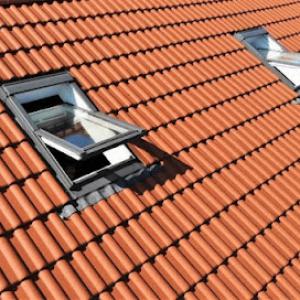
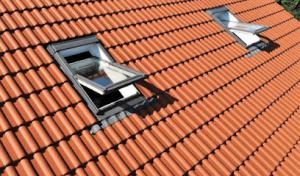
Chimney and skylight penetrations are recurring concern areas in this market because storm-driven rain and movement around flashing details often reveal workmanship differences between patch jobs and full re-roofing. A quick fix around these penetrations may feel tempting, but the underlying flashing strategy and sealant choices determine whether you'll dodge recurring leaks or face repeated repairs.
Ridge and hip lines deserve extra scrutiny after any significant storm. The combination of wind uplift and shifting roof planes in area homes can loosen fasteners, lift shingles at the edges, and expose the underlayment. Even when water isn't actively dripping, a persistent dampness near these transitions signals that the roof's protective envelope is compromised and a closer evaluation is warranted.
If you're weighing repair versus full replacement, consider how much heat, hail impact, and flashing movement your current roof has endured. In this market, the cost of delaying a necessary replacement often shows up later as interior damage, higher repair frequency, and more invasive fixes.
Find contractors experienced in skylight installation, flashing, and leak repairs to bring natural light into your home.
Guardian Exteriors
(214) 819-9800 www.guardianexteriors.com
1019 N Duncanville Rd, Duncanville, Texas
4.8 from 28 reviews
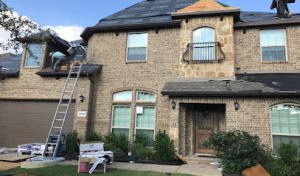
MGS Roofing Systems
(972) 709-7788 mgsroofingtx.com
702 E Red Bird Ln, Duncanville, Texas
4.5 from 17 reviews
Steep-slope residential roofs dominate the landscape, but local contractor signals show enough flat-roof work to matter for patio covers, additions, garages, and mixed residential-commercial properties. In Duncanville, a practical approach means recognizing how low-slope sections act as critical transitions between the main roof and these add-ons. The combination of Dallas-hail risk, heat cycling, and windy days makes these areas more susceptible to wear if neglected.
Low-slope sections in this climate are especially vulnerable when ponding water combines with heat cycling and wind-driven rain at transitions into steeper roof areas. That layering of stress can accelerate membrane wear and accelerate failure where roof planes meet. When the weather throws a late-season wind and hail mix, these transitions often reveal issues before the rest of the roof does. Homeowners should anticipate that a minor, persistent leak at a low-slope transition may indicate larger problems behind the scenes.
Homeowners in Duncanville often need contractors who can evaluate the whole roof assembly rather than only the visible main shingle field, particularly on homes with later additions. Do not assume that a clean-looking flat section is sound if adjacent slopes show aging fasteners, flashing gaps, or membrane wear. A capable contractor inspects sealing details, flashing around penetrations, edge metals, drain components, and any deck-to-main-roof interfaces. The goal is to identify hidden failure zones that sit beneath the surface and could influence the long-term performance of the add-on and the primary roof.
Start with a careful assessment of drainage and ponding tendencies on the low-slope area. If ponding is evident after rain, plan for improved slope, revised drainage, or upgraded membrane transitions that tie smoothly into steeper sections. Ensure flashing at corners, parapets, and transitions is continuous and sealed. When replacements are needed, choose materials rated for heat cycling and wind-driven rain, and specify detailing that maintains a watertight bridge between the flat add-on and the main roof. Regular inspections after major storms help catch issues early before they affect the interior.
Find specialists in TPO, EPDM, and built-up flat roofing systems for residential and commercial properties.
Robinson Brothers Roofing & Construction
(469) 940-4602 robinsonroofing.site
Serving
4.8 from 75 reviews

The Dallas-area is a high-claim roofing environment, so homeowners in this community may see tighter underwriting, higher scrutiny of roof age and condition, and more documentation requests than owners in lower-loss regions. Carriers are increasingly cautious after severe hail seasons, and a single storm can trigger a cascade of questions about what was damaged and when it happened.
Carriers in this market may ask for photos, prior repair records, and evidence of maintenance when evaluating renewals or storm claims, especially after repeated regional hail seasons. It is common to be asked for dated images that clearly show current roof conditions, gutters, and flashings, as well as receipts for any previous work. Being prepared with a concise history helps the insurer move through review without unnecessary delays.
Because claim outcomes can hinge on proving storm-created damage versus long-term wear, homeowners benefit from keeping inspection reports and dated images before and after major North Texas weather events. A simple folder with a today-and-five-years-ago comparison can save hours of back-and-forth. If a contractor notes potential hail impact during a routine check, document that finding promptly and store it with other records.
Create a durable home file geared to weather events: photos taken in the weeks after storms, repair receipts, and any wind or hail assessments. Schedule annual roof checkups and keep notes from each visit, attaching new photos as soon as possible after strong storms. When weather looms, organize the folder so that you can readily share the most relevant items with your insurer, your adjuster, or your contractor.
In Duncanville, keeping a running log of storm dates, wind speeds reported by local stations, and any temporary repairs helps align your records with what the insurer expects. Store digital backups alongside physical copies and review the file after each major event so nothing essential slips through during renewal season.
In this storm-active market, speed and insurance familiarity matter, but the work doesn't begin until you have a crew that understands the exact demands of a Duncanville home. Look for a contractor who has recent experience with hail and wind events, and a track record of coordinating with insurers to keep your project moving after a claim is filed.
The local contractor landscape leans heavily toward full replacements and thorough cleanup. Ask how the crew protects your driveway, removes debris, and handles tear-off material. You want a team that can restore your home's exterior quickly and safely, without leaving nails or shingle fragments scattered around.
Both residential and commercial crews work in this market, but homes in Duncanville often use a mix of asphalt, metal, and tile. Don't assume general roofing experience covers your roof. Confirm that the contractor regularly handles the exact roof type on your house and can cite recent projects with similar configurations and challenges.
A reliable estimate should translate into a clear, step-by-step schedule. You want a contractor who can outline staged inspections and milestone goals, so you know when you'll see progress and when work will pause for weather or rain events. A thoughtful timeline reduces surprises and keeps recovery on track.
Ask about site protection plans: temporary containment for dust, tarping for weather days, and measures to safeguard landscaping and driveway surfaces. A good local roofer builds cleanup into every day, not just at the end, so you're not dealing with persistent debris after the storm.
Choose a team that communicates consistently, provides written updates after key milestones, and returns calls promptly. In Duncanville's market, dependable communication often correlates with fewer delays and smoother insurance coordination.
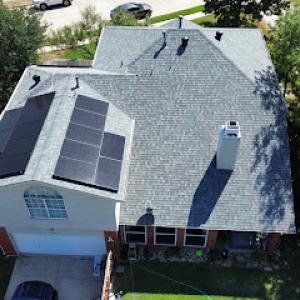
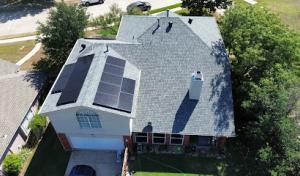
Solar-related roofing exists but isn't dominant in this area, so when panels are part of the equation, you must verify that roof replacement sequencing, flashing details, and warranty responsibility are coordinated before any tear-off begins. In practice, this means aligning the roof crew with the solar installer so that flashing transitions around skylines, vents, and rafter joints are continuous and watertight. A misstep here can create ambiguous warranty coverage and complicate post-install repairs if hail or wind reemerge after a storm.
In a hail-prone Dallas-area market, panel removal and reinstallation planning can affect both claim handling and project timing after storm events. If a roof is being replaced in the wake of hail, ensure the solar system is isolated safely, with mounting rails verified for wind uplift and waterproofed transitions around existing penetrations. The timing of panel reinstallation should consider the roof's staged inspections and any required warranty documentation from both the roofing and solar teams. Clear communication about who assumes responsibility for re-flashing and resealing around each array helps prevent late-stage surprises during the tight post-storm window.
Homes considering solar in this city should evaluate roof age first because replacing an aging roof soon after panel installation adds avoidable labor and scheduling complexity. If the roof is near or past its expected life, it may be wiser to plan a full replacement before deploying solar or to structure a coordinated teardown and reinstallation that minimizes penetrations and ensures long-term performance. When the roof has remaining life, establish a documented plan for panel serviceability, weatherproofing, and warranty alignment that remains consistent through future seasons.
Find contractors who integrate solar panels or solar shingles into your roof for long-term energy savings.