Last updated: Apr 19, 2026
In Bristow, contractor activity clusters around wind and hail events and the insurance claims that follow. Homeowners here frequently face rapid decision points after a storm, not just aging roofs. The local housing stock-many homes with asphalt shingles, metal accents, and sometimes newer synthetic systems-gets pressure from repeated cycles of wind-driven damage and hail impact. When a claim is filed, the timing of replacement and the chosen materials often hinge on how quickly the roof is inspected and documented, and on how closely the project aligns with policy language. This is not the slow march of age; it's a high-stakes cycle of damage, documentation, and rapid repair.
Spring storms and hail are a recurrent risk, and the window for safe, effective roof work is narrow in practice. When a storm hits, a quick, organized response matters: a temporary cover to prevent water intrusion, a prompt inspection to identify hidden damage, and a plan to address issues before next weather swings. In Bristow, delays can turn minor damage into costly complications when freeze-thaw cycles resume or summer humidity intensifies underlying issues. If you hear hail, see shingles lifted, or notice granule loss on the driveway after a storm, don't wait to get eyes on the roof. A same-day request for a professional inspection isn't excessive-it's prudent in this climate.
Local insurers expect a clear trail of evidence about roof age and current condition, especially after wind-driven events. Your files should show the roof's age, the exact location and nature of damage, and how damage aligns with the policy's terms for covered perils and replacement. Start by a professional, written inspection report that details visible and hidden damage, treater notes about moisture intrusion, and a photo timeline from pre-storm to post-storm conditions. When you file the claim, attach those photos in sequence and include any remedial measures you've already taken. Adjusters in this market often scrutinize whether the timing of replacement and the materials chosen will meet policy stipulations, so the documentation needs to be precise and complete.
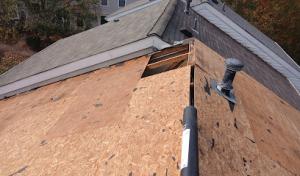
Because spring storms can return and fall weather windows are tight, securing the roof promptly after damage is discovered is essential. A professional can prescribe temporary protective measures-tarps, leak-diversion strategies, and secure fastenings-that resist further wind uplift and water intrusion. This isn't cosmetic work; it's about reducing the risk of interior damage during the claim process and until full replacement can occur. In Bristow's climate, temporary protection should be installed within hours of discovery if possible, especially after a storm where additional wind or rain is forecast. Keep receipts and notes of what was done, as insurers may request evidence that protective steps were taken promptly.
Understand that adjusters will closely review whether replacement timing and material choices align with policy terms after wind-driven damage. This means you'll want a clear plan that shows: the estimated timeline for assessment, approval, and installation; the chosen material type and color; and a rationale that connects the work to restoring the home's protection according to policy. Be ready to discuss whether a complete roof replacement is necessary versus targeted repairs, and to justify material choices in the context of expected climate performance and moisture resistance. Having a local, experienced roofer who can speak to Bristow's typical weather patterns and common roof assemblies can make the difference between a smooth claim and a drawn-out dispute.
If a storm hits, schedule a no-pressure, roof-only inspection as soon as possible. Request that the inspector provide a written report with photos, measurements, and an assessment of whether shifting weather windows are likely to affect timelines. When dealing with the insurer, present the documented evidence succinctly: a start date for assessments, a material plan, and a realistic schedule that anticipates potential weather delays. In Bristow, where storm-driven replacement is a dominant pattern, acting with urgency and maintaining a rigorous paper trail will help secure timely, appropriate repairs that stand up to the local climate and policy scrutiny.
PowerRoofr
Serving
5.0 from 112 reviews
Founded in 2022 by Licensed Construction Professional, PowerRoofr, a renowned roofing contractor, proudly serves homeowners in Washington DC Metro Area, transforming residential properties with meticulous craftsmanship and a keen eye for detail. Situated in the heart of the community, our skilled professionals at PowerRoofr are committed to delivering unparalleled expertise, ensuring every project is completed with the utmost precision and durability. With a focus on enhancing both the aesthetic appeal of homes and their resilience against the elements, PowerRoofr stands as the epitome of excellence in the roofing industry.
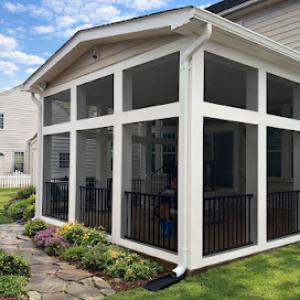
Jakari Restoration & Construction
(866) 217-7277 www.jakarirestoration.com
Serving
4.9 from 112 reviews
Jakari Restoration and Construction, LLC Providing professional residential exterior restoration and construction for our customers in Northern Virginia and Maryland. Since our beginning, we have worked tirelessly to earn our reputation for integrity, quality, and dependability start at home. Jakari specializes in the following services: Deck Building, Storm Damage Recovery, Roof Installation, Vinyl Siding Installation, Gutter Installation, Window and Door Replacement, and Home Additions.
Colonial Contracting
(703) 754-9551 contactcolonial.com
Serving
4.9 from 87 reviews
Colonial Contracting, Inc. is a locally owned and operated roofing contractor serving Haymarket, Chantilly, and the Northern Virginia area since 1997. Our mission is to ensure that the value, quality, and appearance of your home extends beyond your expectations. We provide exceptional customer service as well as attention to detail for every home improvement project we take on. We will also work closely with insurance and mortgage companies to ensure that everything goes smoothly during storm restoration and roof repairs. Our services include: Roofing Commercial Roofing Siding Services Gutters Remodeling Window Replacement Door Replacement Get a Free Inspection now!
Simpson Unlimited
(703) 361-0841 www.simpsonunlimited.com
Serving
4.6 from 28 reviews
At Simpson, you’re protected by an on-call team of dedicated professionals ready to provide emergency commercial roofing services and building restoration 24/7/365 throughout Virginia, Maryland, and D.C. We’re on call to investigate, identify, and repair any emergency leak across your entire building envelope at any time. This devoted team has a battle-tested playbook involving fast response, comprehensive inspections, immediate leak and preventative maintenance and repairs, and a detailed service report. We will provide a valuable breakdown of the work performed, complete with photos that will be crucial in informing longer-term decisions about preventative repair and maintenance.
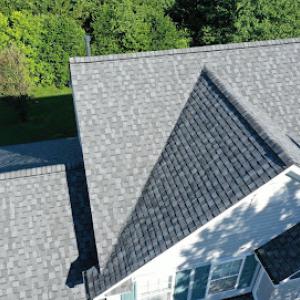
Mello Contracting
(703) 405-2647 www.mellocontracting.com
Serving
5.0 from 44 reviews
Your home's exterior protects you and your family from the elements and is the first impressions of your property. That's why it's important to make sure your home's exterior looks and functions its best year-round. Mello Contracting can keep your exterior in tiptop shape. We provide comprehensive exterior construction services in Manassas, VA, and surrounding areas.
K&M Roofing & Contracting
(703) 369-1262 kmroofingandcontracting.com
Serving
4.5 from 94 reviews
K&M Roofing and Contracting is a full-service roofing company serving Fairfax County Virginia and surrounding areas. We have the capabilities to handle general remodeling including siding, decks, and home additions. We provide quality services at unbeatable prices to both commercial and residential customers. If you're looking for a professional contractor or roofing company, give us a call for a free estimate for your project!
BMS Roofing
(703) 631-3390 www.bmsroofing.com
Serving
4.2 from 10 reviews
BMS Roofing has been serving Northern Virginia communities for over 50 years. When you need a reputable local roofing company, call us. Our team takes pride in building lasting client relationships through our hard work and honest process.
Innovative Solutions Contracting
(800) 557-1562 www.innovativesolutionscontracting.com
Serving
4.4 from 52 reviews
Roofing, Siding, Gutters Repair & replacement.
Skyfall Exteriors
(571) 364-8946 skyfallexteriors.com
Serving
4.7 from 111 reviews
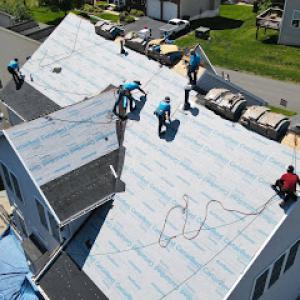
We are a family-owned roofing company with over a decade of industry expertise. Since 2018, we've proudly served homeowners across a wide range of communities across Northern Virginia. Guided by our core values of quality, integrity, and a customer-first approach, our dedication has earned us the loyalty and trust of our clients. Our commitment to excellence ensures that every project is completed with the highest standards of craftsmanship and attention to detail. With integrity at the heart of everything we do, our team of certified professionals is devoted to restoring your home to a better condition than before while providing a smooth and stress-free experience from start to finish.
Pinecreek Contracting Company
(703) 400-5128 pinecreekbuild.com
Serving
5.0 from 25 reviews
Pinecreek Contracting Company, established in 2022, is a premier source for roofing, siding, and gutter services in the N.O.V.A and MD area. Situated at 8805 Rixlew Lane in Manassas, Virginia, Pinecreek prides itself on delivering unparalleled craftsmanship and exceptional customer service. With a team of skilled and experienced professionals, Pinecreek provides customized solutions to residential and commercial properties, ensuring long-lasting protection and enhanced curb appeal for every structure. Embark on a journey of seamless home enhancements with Pinecreek Contracting Company.
Modern Remodeling
(703) 361-9944 www.modernremod.com
Serving
4.8 from 169 reviews
Modern Remodeling provides quality property restoration services and repairs in Manassas, VA and Northern Virginia exclusively for the insurance industry.
Vertex Roofing Contractors
(703) 952-3851 vertexroofinc.com
Serving
4.4 from 64 reviews
Vertex Roofing Contractors is a family-owned and operated roofing company in Manassas, VA, proudly serving the community for over a decade. As a GAF Master Elite Contractor, CertainTeed ShingleMaster™, and TAMKO Pro Certified Contractor, we specialize in a full range of roofing services, including repairs and replacements. Our expertise spans flat roofs, shingles, metal, and slate roofing for both residential and commercial properties.
In Bristow, the most favorable replacement window is typically spring and fall because brisk winters and hot, humid summers create installation and sealing challenges at both extremes. As soon as ground conditions firm up and before the blistering heat arrives, crews can move quickly from tear-off to new roof overlays without the day-to-day delays caused by mud and overheating gear. Plan concrete scheduling by aligning with steady mid-week weather and avoid the first warm stretch when afternoon heat becomes a factor for sealants and underlayment adhesion. Inspect gutters and downspouts as the snow season recedes, so water shed is controlled from the start. If wind events occur in spring, expect brief pauses for securing materials and tarping exposed surfaces. Have a clear plan for temporary weather protection on vulnerable edges and high spots, so a late spring rain doesn't funnel into already-open areas.
Summer heat and humidity in Bristow can affect crew scheduling and material handling, while fall winds and precipitation can slow work and interfere with sealants. Schedule major roof work for mornings when temperatures are cooler, and avoid long stretches of consecutive hot days that push condensate and asphalt temperatures outside optimal ranges. Ensure crews have shaded rest areas and ample hydration, because fatigue under southern humidity reduces installation precision, especially at penetrations and near chimneys. Communication with homeowners should be tighter during heat waves: confirm safety checks for ladder stability and interior living space protection if attic access points are used. Keep tarps and drip-edge materials prepped for quick deployment during sudden storms to prevent minor leaks from extending into work zones.
Fall winds and precipitation can slow work and interfere with sealants. In Bristow, a solid fall window means you can capitalize on cooler, more stable temperatures and reduced humidity that helps with adhesive cure times and shingle seating. Schedule basic tear-off and underlayment early in the season, then allow for inspection-driven adjustments as leaves accumulate and wind patterns shift. Align delivery and staging with local forecast trends to minimize on-site weather holds. Fall also brings a higher chance of damp afternoons; plan for indoor tasks like attic ventilation checks and interior drywall protection on days when outdoor work pauses.
Winter cold in Bristow raises ice dam risk and can limit installation conditions, especially after occasional snow events. If winter work proceeds, target days with dry air and above-freezing temperatures to avoid ice formation on eaves and valleys. Use heated enclosures or temporary insulation around vulnerable sections to reduce condensation. Prepare emergency heat sources for underlayment curing when temperatures flirt with freezing, and have a clear plan to pause work during heavy snowfall or sudden freezes. Consider follow-up leaks once snow melts and roof edges are exposed to spring rain, ensuring a timely reseal where needed.
Get a clear picture of your project costs upfront - no commitment required.
Jakari Restoration & Construction
(866) 217-7277 www.jakarirestoration.com
Serving
4.9 from 112 reviews
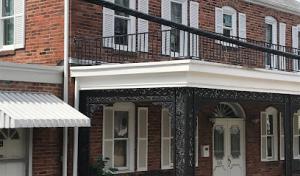
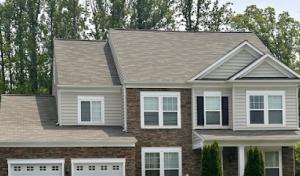
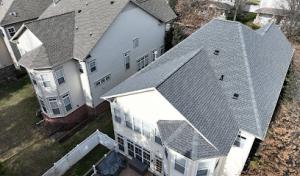
Asphalt shingles are a dominant roofing material here, matching the area's large stock of suburban detached homes and making shingle replacement the most common project type locally. If you're weighing options after a hail event or wind damage, you'll likely encounter asphalt as the contractor's starting point because it's familiar to most crews and to Prince William County inspections. The quick install, broad color choices, and reliable performance under Bristow's seasonal shifts make it the practical baseline for most homeowners. For many roofs, a high-quality architectural shingle is a sensible upgrade that balances curb appeal with lasting resilience through humid summers and cold snaps.
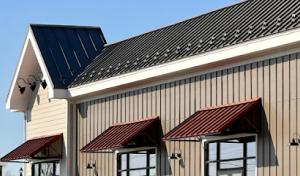
Metal roofing, clay tile, concrete tile, wood shingles or shakes, and synthetic or composite shingles are all active material categories in this market. However, tile and cedar appear far less common in contractor specialization than asphalt and metal. If you're considering a non-asphalt option, metal stands out for its longevity and resistance to impact and temperature swings, which can be beneficial in a climate with hot days and freeze-thaw cycles. Clay and concrete tiles bring distinct aesthetics and excellent durability, but they come with weight and installation considerations that may limit their use on older or lighter frame homes. Wood shingles or shakes offer a classic look but demand more maintenance and drying time after storms. Synthetic or composite shingles attempt to blend the advantages of traditional looks with enhanced performance, yet they still tend to be chosen for specific architectural goals rather than as a standard, nationwide replacement.
Bristow's thermal cycling from humid summer heat to winter cold makes expansion, contraction, and seal performance a practical material-selection issue for local homeowners. You want a roof system with dependable asphalt shingle or metal fasteners that maintain their seal across temperature changes. Metal roofs can excel here, thanks to their flexibility and quick shedding of heat, which helps reduce thermal stress on underlayment. If selecting tile, be mindful of substrate compatibility and wind-driven debris resistance; tiles must be properly vented and secured to withstand the wind events that often accompany spring storms. For cedar, weathering and potential moisture concerns mean frequent maintenance checks after heavy rain or snow movements. Synthetic options can offer a modern compromise, combining lighter weight and better impact resistance, but performance still hinges on precise installation and compatible underlayment.
When choosing, align the material with the house's architectural language and the neighborhood's expectations. For most Bristow homes, asphalt remains the dependable default, providing a solid balance of performance, availability of local trades, and ease of repair after weather events. If the roof already shows signs of age or you're pursuing a long-term upgrade, a metal roof can be a strategic move for higher wind resistance and longevity, especially on garages or outbuildings that endure frequent exposure. Tiles and cedar can distinguish a home with a specific curb appeal, but ensure your structure and budget can support the weight, maintenance cadence, and installer expertise required. In any case, verify that the contractor prioritizes a properly sealed, vented system designed to handle Bristow's seasonal swings.
In Bristow, replacement costs per roof square (100 square feet) align with the familiar mix of suburban homes and older stock mixed with newer builds. The local replacement costs commonly fall within these ranges per square: asphalt shingles 400 to 900, metal 650 to 1500, clay tile 1200 to 2500, concrete tile 900 to 1800, wood shingles or shakes 700 to 1200, and synthetic or composite shingles 600 to 1100. When you translate that to a typical 1,000-square-foot roof (ten squares), you're looking at roughly 4,000 to 9,000 dollars for asphalt, with the other materials following the ranges above. In Bristow's market, you'll see a fair amount of variation driven by roof complexity, notchwork around chimneys and skylights, and the choice of underlayment and attic ventilation. If your home has a half-round porch roof, multiple dormers, or an intricate valley system, expect to lean toward the higher end of the range.
Storm-driven demand spikes in the Bristow market can affect scheduling pressure and pricing because storm damage and insurance-related work are unusually prevalent among local contractors. After a hail event or strong straight-line winds, you'll feel the rush to secure crews and materials, which can push timelines from a few weeks into a few months depending on how widespread the damage is. If your project is paired with insurance repairs, priority often goes to jobs with clear, documented damage and a solid scope. Plan for potential price volatility in the wake of a major storm, and build in a buffer for wait times on both materials and compliant crews.
Bristow's spring-to-fall weather window is the practical running lane for most re-roof projects. Cold snaps and freeze-thaw cycles in early spring or late fall can slow deck drying and shingle setting, while humid summers can influence attic moisture management and ventilation needs. If you're coordinating a roof replacement after a hail claim or wind event, aim to start when the forecast promises a solid stretch of dry weather and moderate temperatures. A well-timed project minimizes shingle damage from heat and reduces the risk of weather-related delays mid-install. Build the timetable with a contingency day or two for material deliveries or unexpected inspections on the job site.
When insurance plays a role, you'll want clear documentation up front. Collect your estimate, the insurance scope, and any wind or hail damage reports before work begins. The goal is to avoid scope gaps that lead to change orders once the crew is on the roof. In practice, a well-documented claim, paired with a detailed materials list and installation plan, keeps the project on track and helps you compare contractor quotes more accurately. If work is phased (for example, deck repair before shingle replacement), ensure the sequence is written into the contract with a transparent payment schedule and a defined finish line.
Don't let upfront costs delay a critical repair - these contractors offer payment plans to fit your budget.


A full roof replacement in this area is governed by Prince William County, not a separate Bristow city department. That means the work goes through the county permit office, and the requirement is driven by the scope of the project rather than a neighborhood rule. The process starts when the plan is ready and the contractor is ready to move, but the clock doesn't start ticking until the permit is filed and the county has it on file. If a contractor tries to skip this step or rush the paperwork, the risk isn't just delay-it's potential code issues that could surface during inspections.
The permit is filed by either the contractor or the homeowner, depending on who handles the administration in your project setup. Inspections are scheduled to align with key milestones: rough framing, ventilation and underlayment checks, and finally the completed installation. In practice, that means you should anticipate a few inspection windows scattered across the job, rather than a single visit at the end. Timely scheduling can help prevent bottlenecks, especially if your contractor has a busy calendar or weather creates backlogs.
A final inspection is mandatory for the project to be officially closed out. Do not treat the roof as finished or usable until that county approval is recorded and the file is closed. A missed final inspection can leave you with unresolved code issues, lingering warranties, or setback when you try to obtain a certificate of occupancy, refinance, or sell. Plan the closing steps with the contractor so that the site remains accessible for the county inspector and any follow-up items are addressed promptly.
Coordinate early with your contractor about permit applications and expected inspection dates. Keep a paper trail of all permit documents, inspection notices, and any follow-up items the county requires. If weather stretches work into late fall or early spring, be mindful that inspections may be tied to seasonal windows; delays can cascade into longer project timelines. Having a clear schedule helps protect your home from extended exposure to the elements and potential storm-related setbacks in this climate.
In this market, standard homeowners coverage is common, but insurers will often ask for detailed records showing the roof's age and pre-loss condition before any replacement is approved. That means gathering a clear history of maintenance, prior repairs, and any recent photos before trouble strikes can save you confusion and delays when a claim arrives.
Storm-driven demand is steady here, and claims activity is actively monitored in this area. After a wind event or hail storm, timing and precision become crucial. Have a well-organized file ready: dated photos from multiple angles, measurements of any visible damage, and a simple engineering or roofer's note describing the roof's condition prior to the event. Photo evidence should cover penetrations, valleys, flashing, and vent boot seals. If a contractor notes soft spots or signs of wear, that documentation helps establish a pre-loss baseline and can prevent a dispute over what was damaged versus what was already deteriorating.
Adjusters in this market may scrutinize material choices and the timing of replacements to ensure the scope aligns with policy terms and local wind-related requirements. That means the chosen roofing system should reflect both the practical demands of the climate and what your policy is designed to cover. If a claim leads to a full roof replacement, be prepared to justify the selected material in writing, including its wind performance, expected life, and compatibility with existing structures. Delays or seemingly mismatched materials can trigger extra questions or rechecks, especially when the weather window narrows and crews are scheduling through Bristow's seasonal peaks.
Keep a running, organized record of communications with the insurer and contractor, including estimates, scope notes, and any changes to the plan. After a storm, walk the roof with your contractor to document current conditions and clearly differentiate between age-related wear and new damage. This approach reduces friction with the adjuster, keeps the project moving, and helps ensure the replacement aligns with both policy expectations and the realities of Bristow's storm-prone climate.
In Bristow, hot, humid summers followed by cold snaps in winter put shingles, flashing transitions, and sealants under repeated stress. Over years, this thermal cycling can cause granule loss, micro-cracks, and adhesive failure around joints. The most common failure pattern is curling shingles near edges and near penetrations where heat amplifies existing flaws. A practical fix is to inspect for lifted edges after the peak summer heat and again after the first significant cold spell. If curling or lifting is evident, plan for resealing or flashing checks before the next seasonal shift, focusing on transitions around dormers, valleys, and pipe boots.
Occasional snow and winter cold raise the risk of ice dam formation, making eave performance and attic-side moisture control more relevant than in warmer Virginia markets. Water backup often shows up at the eave line and along ridges where heat escaping through the attic melts a narrow path in the snow. Signs to watch: icicles forming from soffits, damp roof decking, or staining on interior ceilings near exterior walls. Addressing this requires ensuring proper attic ventilation, sealing gaps that let warm air reach the roof deck, and maintaining ice and water barriers at eaves and along critical transitions. If winter storms hit, consider a temporary interior moisture check to catch hidden leaks early.
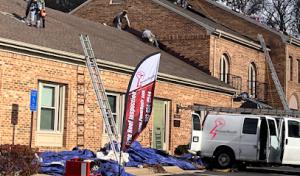
The local contractor market shows meaningful demand for skylight work and emergency repair, suggesting leak-prone penetrations and sudden storm openings are recurring homeowner concerns here. Skylights often fail at seals or around curb flashing after a few seasons of thermal movement. Flashing around chimneys and vents can deteriorate with freeze-thaw cycles, creating slow leaks that worsen under spring storms. A practical approach is to flag penetrations for annual inspection, reseal where aging sealants show cracking, and plan a prompt response for any wind-driven damage that exposes underlayment or decking. In Bristow, quick attention after hail and high-wind events reduces the risk of hidden rot and larger, disruptive repairs later.
Find contractors experienced in skylight installation, flashing, and leak repairs to bring natural light into your home.
Jakari Restoration & Construction
(866) 217-7277 www.jakarirestoration.com
Serving
4.9 from 112 reviews
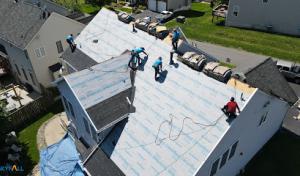
Flat or low-slope roofing is present but is clearly secondary to steep-slope residential re-roofing based on contractor specialization patterns. In practice, the bulk of Bristow roof crews target pitched roofs, so your project may need extra coordination to find a crew comfortable with a low-slope job, proper drainage details, and edge flashing. That specialization gap matters when you're planning a replacement, because timing and crew consistency influence warranty validity and leak prevention.
Low-slope work tends to show up on attached garages, porch roofs, and accessory structures rather than full-house skin. Expect membrane choices to emphasize reliability and seamless transitions into existing steep sections, with attention to slope transitions, curb details for skylights, and careful termination at parapets. Because these jobs are less common, confirm workmanship samples, past projects, and a clear seam between old and new membranes to prevent hidden failures after installation.
Solar roofing appears as an active but smaller specialty in this market, making coordination between roof replacement timing and solar components a niche but real local planning issue. If you plan panels, verify compatibility with the chosen roof system, including fastener types, ballast or racking requirements, and warranty implications for both the roof and the solar array. Aligning the replacement timeline with solar installation helps avoid rework and reduces the risk of mounting hardware penetrating compromised underlayment.
Roof coating shows only limited contractor prevalence in this market, so restoration-style options are less central in Bristow than full replacement and repair. If a coating is considered, prioritize proven formulations for humid summers and freeze-thaw cycles, and expect shorter lifespans than full replacement. For low-slope segments, coatings can be a complement, not a substitute, to a sound primary membrane system.
Spring-to-fall weather windows drive Bristow projects, with storms and humidity shaping scheduling. Plan for contingencies around heavy rain events and temperature swings that affect cure times and adhesion. For solar-ready installations, align utility coordination early and choose a contractor experienced with both roofing and PV interfacing to minimize delays and maximize performance.
Find specialists in TPO, EPDM, and built-up flat roofing systems for residential and commercial properties.