
Last updated: Apr 19, 2026
In this coastal climate, the roof surface tends to stay damp longer than inland markets. The Puget Sound moisture seeps into shingles and decking, feeding persistent moss and algae growth. That means shingles can stay slick, granules may shed unevenly, and attic or ceiling warmth can feel damp if ventilation isn't doing its job. The local mix of mild temperatures and frequent drizzle places a premium on keeping roof surfaces dry enough to slow biological growth while still allowing water to escape through the attic and underlayment. Plan around the damp pattern you experience year after year, not an idealized dry season.
Moss and algae thrive where shade combines with persistent moisture. In Port Orchard, roofs facing north or with large overhangs are hotspots for green growth that slowly lifts shingles and traps moisture against underlayment. The first line of defense is regular removal before moss roots anchor deeper into the roofing fibers. Use a low-pressure approach to cleaning-gentle brushing from the eaves upward, avoiding aggressive pressure that can carve fibers or loosen granules. After physical cleaning, address lingering moisture by checking for clogged gutters, which create splash zones that keep the roof surface wet well into the afternoon. If you have one, an integrated moss prevention program tailored to your roofing material can reduce regrowth between cleanings.
For most homeowners, ventilation becomes a defining factor when moisture sits on decking and underlayment. Local experience shows humidity-driven wear and damp roof decking are common concerns here. A well-vented attic helps keep roof decks closer to exterior temperatures, reducing condensation on the underside of the roof and slowing the cycle that promotes moss and wood-rot. If the attic feels stuffy or if you notice attic insulation settling against soffit vents, it's a sign that intake and exhaust need attention. Look for balanced airflow: air should move from soffits or vented eaves up through ridge or roof vents. In damp climates, even modest increases in venting can translate into meaningful reductions in surface moisture and in the rate at which seasonal rot starts.
Your roof assembly is a system, and drying is part of the equation. When moisture remains on the surface after a rainstorm, the roofing underlayment and decking can stay damp longer than ideal. This is why scheduling replacements in the right window matters. Tear-off exposure during wet months elevates the risk of water intrusion into vulnerable structures and can slow the drying of the new materials. The practical approach is to time major work for the drier months when the deck and insulation can dry out more quickly after installation. If a tear-off must happen in shoulder seasons, plan for rapid completion, thorough roof drying, and close inspection of flashing and underlayment to confirm everything dries thoroughly before the first heavy rains.
During maintenance and inspections, focus on details that can tip the balance toward or away from moisture management. Start with flashings around dormers, chimneys, and skylights, where dampness often concentrates. Check and reseal penetrations to prevent capillary movement that guides moisture into decking seams. Look at attic baffles and soffit vents to ensure unobstructed airflow into the attic space. Clarify whether roof vents are sized and positioned to promote steady exhaust across the slope; in Port Orchard's climate, uneven venting can trap humid air in pockets near the peak where moss tends to begin. If you notice persistent condensation on the underside of decking after a cold night, the issue is likely insufficient ventilation or insulation within the attic.
Seasonal care routines align with Port Orchard's weather pattern. In damp months, prioritize moss management and surface cleaning ahead of the heavy-wet season, then verify that gutters and downspouts are free of debris to prevent water pooling near eaves. In drier months, use the period to perform a thorough ventilation check, ensuring intake and exhaust components are secure and unblocked. Capture a simple preventive cadence: biannual inspection focusing on moss regrowth areas, gutter health, and attic vent balance; execute targeted cleaning only when needed; and adjust roof ventilation before the onset of the next wet season to maintain a dry, durable roof surface. By treating moisture, moss, and venting as an integrated trio, this climate-friendly approach keeps roofing assets resilient year after year.
Hanley Construction
(360) 876-0870 www.hanleyroofing.com
250 Bethel Ave, Port Orchard, Washington
5.0 from 588 reviews
Hanley Construction, located at 250 Bethel Avenue, is your go-to roofing contractor known for delivering top-notch roofing solutions that boost your property's durability and curb appeal. Kitsap County’s trusted roofing contractor since 1980, delivering expert residential and commercial roofing services with a focus on quality and professionalism. Our licensed, factory-trained team specialize Our team is committed to providing reliable and efficient service, ensuring the protection of your home or business against all weather conditions. Choose Hanley Construction for quality roofing services and experience the peace of mind that comes with knowing your roof is in expert hands. Contact us today to elevate your property's value and safety.
Port Orchard Roofing
2799 SW Treehouse Way, Port Orchard, Washington
4.9 from 181 reviews
Port Orchard Roofing in Port Orchard, WA delivers reliable roof replacements and roof repair services designed for the unique weather challenges of the Kitsap Peninsula. Our team understands how heavy rain, wind, and moss growth impact local homes, ensuring each project is tailored for long-lasting performance. We provide residential and commercial roofing solutions with the same care we give our own homes, backed by years of experience serving the region. As trusted roofing contractors, we’re committed to quality workmanship, local expertise, and professional service you can count on.
Next Level Roofing
(360) 209-9227 www.nextlevelroofingquotes.com
W Alder St, Port Orchard, Washington
4.9 from 96 reviews
Family owned and operated, certified roofers, licensed, bonded and Insured! With quality craftsmanship and excellent customer care, we bring roofing to the Next Level! Let us come out and give you a FREE estimate today!!
Berry Lake Home Services
(360) 443-0123 www.berrylakehome.com
2507 SE Mile Hill Dr Suite 107, Port Orchard, Washington
4.9 from 34 reviews
Berry Lake Home Services is a Port Orchard, WA roofing contractor led by a team of experienced owners, dedicated to providing exceptional residential and commercial roof services. We are family-owned and are certified by the SBA and VA as a "Veteran-Owned Small Business."
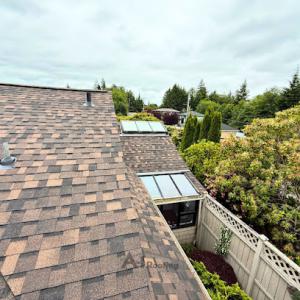
A-1 Roofing
(360) 207-6015 www.a1roofingnw.com
2342 Anderson Hill Rd SW, Port Orchard, Washington
4.5 from 42 reviews
A-1 Roofing is proud to be the go-to roofing company in northwest Washington, providing roofing services that homeowners can rely on when they need them the most. Our services include residential and commercial roofing solutions, such as roof inspections, roof repairs, roof replacements, and new roof construction. Our services extend beyond just roofing to ensure that your entire home and business are protected with professional exterior services which include siding, decking, gutters, windows, and more. When you're home or business is in need of professional roofing and home improvement services you can count on A-1 Roofing for the best results in Port Orchard, and the surrounding communities including Agate point, Seattle, and more.
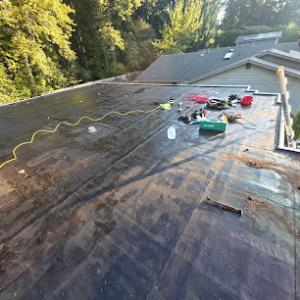
NexGen Roofing
Port Orchard Blvd, Port Orchard, Washington
4.7 from 14 reviews
Since 2020, NexGen Roofing has been going above and beyond for our customers in the Port Orchard area. We understand that roof replacements can be stressful, so we make sure to prioritize customer service, ensure quality craftsmanship, and use only the best Malarkey Roofing Products.
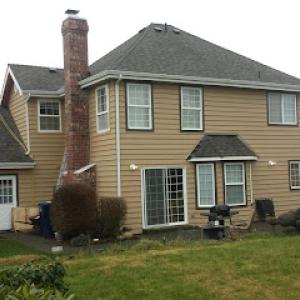
The Gutter Boyz
(360) 731-8593 www.thegutterboyz1.com
Port Orchard, Washington
4.2 from 44 reviews
The Gutter Boyz provides gutter installation, gutter repair and replacement and gutter covers to the Port Orchard, WA area.
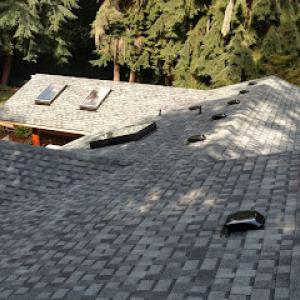
Rainy City Roofing
1372 SE Carl Pickel Dr, Port Orchard, Washington
4.6 from 9 reviews
Locally owned, licensed and bonded, roofing business servicing Kitsap, Mason, and Pierce counties. We offer a wide range of roofing services, including: new re-roofing, weather and water damage repairs, gutter installation and repairs, yearly maintenance service contracts, roof inspection and certification, skylight repairs, and attic venting. Call today for your free estimate and ask about any specials going on now.
J&B Roofing
4129 Phillips Rd SE, Port Orchard, Washington
4.2 from 15 reviews
A roofing business right for you. You need a whole new roof, roof over, repairs, alterations, or just need to know if you're roof is going to last through the year, give us a call and schedule an appointment for an estimate.

Port Orchard Roofing Replacement & Repair
(360) 845-1731 portorchardroofingreplacementrepair.xyz
4323 Wigeon Ave SW, Port Orchard, Washington
5.0 from 3 reviews
Port Orchard Roofing Replacement & Repair is a premier roofing contractor, dedicated to providing exceptional service and lasting quality. Specializing in both comprehensive replacements and meticulous repairs, their team of skilled professionals ensures every project is completed with superior craftsmanship. They use top-grade materials to protect your home for years to come. Located at 4323 Wigeon Ave SW, they are committed to delivering reliable solutions and peace of mind to the Port Orchard community.

Cloise & Mike Construction
(360) 769-0141 www.cloiseandmike.com
Serving
5.0 from 945 reviews
In just one day, you can have an attractive, durable roof that stands the test of time. Choose your roofing material from our large selection, and we’ll construct your roof to match your preferences in no time.

Qualityroofs
Serving
5.0 from 11 reviews
The Fastest, Easiest, Most Convenient Way to Buy a Roof Online Instantly!
Winter storms and heavy rainfall commonly delay roofing projects in Port Orchard, making fall through winter the hardest period for predictable scheduling. Shoveling aside the backlog isn't enough when days shorten and roofs sit through soaking cycles. If a major project kicks off in late fall, expect a pause or a slow rollout as storms roll in from the Puget Sound and weekends disappear to wind-driven rain. Plan for a weather-dependent cadence: allow extra days around each phase, and build alternative dates for critical milestones. Communication with crews should be explicit about potential weather holds, because a single Sunday downpour can push several days of work into the next window. A solid approach is to confirm a flexible sequence that can ride out back-to-back wet spells without compromising safety and drainage.
Regional insurance claim activity is driven more by wind and heavy rain than by hail, which changes how homeowners here should document lifted shingles, leaks, and water intrusion. After every storm, take high-resolution photos of any lifted tabs, torn underlayment, and exposed fasteners. Note the approximate wind direction, rain intensity, and any hail or debris impact to contextualize damage. Keep a dated log that aligns with the contractor's inspection notes, so a claim can be traced step by step. If a leak appears after a storm, photograph the affected ceiling or attic area from multiple angles and capture the source of intrusion, whether it's flashing seams, vent boots, or eave details. Insurers respond to patterns, not one-off snapshots, so build a cohesive, storm-by-storm record that tells the story of a progressive moisture problem rather than a sudden failure.
Because Port Orchard sits in the Puget Sound weather pattern, repeated wet events can turn small flashing or underlayment failures into active interior leaks before a full replacement can be scheduled. Pay special attention to roof valleys, step flashing where wall penetrations meet roofing, and any penetrations around chimneys or skylights. If moisture traces appear in ceilings, treat it as a warning signal rather than a cosmetic issue. Address active leaks promptly with temporary measures to divert water away from the interior while arranging professional repair. Ventilation matters more than heat or hail here; ensure soffit and ridge vents are clear, and attic baffles are in good shape to reduce condensation that can worsen a slow leak into a mold-risk event during long wet spells. In a neighborhood of steep pitches and moss-prone surfaces, routine moisture checks after storms should become a seasonal habit, not an annual luxury. Keep an eye on moss growth patterns as they can hide underlying flashing or seam weakness, and address early before the next heavy rain arrives.
Find local contractors experienced in assessing and restoring roofs after hail, wind, and severe weather events.
Hanley Construction
(360) 876-0870 www.hanleyroofing.com
250 Bethel Ave, Port Orchard, Washington
5.0 from 588 reviews
Port Orchard Roofing
2799 SW Treehouse Way, Port Orchard, Washington
4.9 from 181 reviews
Berry Lake Home Services
(360) 443-0123 www.berrylakehome.com
2507 SE Mile Hill Dr Suite 107, Port Orchard, Washington
4.9 from 34 reviews
Asphalt shingles and metal roofing are the most common practical choices in this market, offering a balance of performance, availability, and repairability for a hilly waterfront environment with persistent marine moisture. Asphalt shingles are familiar to most local crews, affordable to replace in sections, and forgiving if rapid maintenance becomes necessary after a wet winter. Metal roofs provide excellent shedding of rain and resist moss buildup when installed with proper attic ventilation and underlayment. In homes where a longer service life is desired and roof weight is not a limiting factor, metal can be a durable option that stands up to the marine climate with careful detailing around eaves and intersections.
Tile and synthetic products appear in Port Orchard conversations, but they are less dominant in the local housing stock. Clay and concrete tiles bring a distinctive look and a long lifespan, yet their added weight and the need for structural checks on a hillside home can complicate installation or require structural upgrades. Synthetic or composite shingles mimic the appearance of heavier materials while remaining lighter on the structure, which can be appealing for retrofit scenarios; however, their performance in persistent moss-prone conditions still hinges on proper ventilation, moisture management, and regular cleaning to prevent moss and algae growth.
Wood shingles and shakes show up in certain neighborhoods, delivering a classic aesthetic. The Port Orchard moisture and moss pressure mean maintenance is more frequent than in drier regions. Expect more proactive moss control, periodic roof cleaning, and careful inspection of edges and fasteners to prevent water intrusion. If wood is chosen, plan for a robust maintenance routine and consider a high-quality preservative or a moss-resistant coating to extend the interval between cleanings.
Heavier materials such as clay and concrete tile can involve added complexity when used on homes in this hilly Kitsap County setting, especially if roof structure changes are proposed. Weight considerations influence not only structural support but also the method of installation on hillside sites where access and crew safety become major factors. If a heavier roof is contemplated, engage a structural assessment early to determine if the existing framing can bear the load without extensive reinforcement. In many cases, lighter options like asphalt or metal may deliver similar durability with fewer structural alterations, particularly in a neighborhood with variable gradients and frequent exposure to marine moisture.
Across all roof types, control of moisture flow and moss pressure remains central. Ensure effective attic ventilation and a reliable underlayment system to reduce condensation and ice dam risk during wet seasons. Install proper roof-to-wall detailing to prevent moisture from migrating into interior framing, and consider periodic moss management as part of a routine maintenance plan. For wood and darker shingles, physical moss removal and anti-moss treatments can help preserve shingles' integrity and extend the roof's service life, especially along shaded, moss-prone sections.
In Kitsap County, a full roof replacement typically requires a building permit through the Kitsap County Department of Community Development rather than a city-only roofing office. The permit process checks roof framing, deck integrity, attic ventilation, and flashing details to reduce moisture issues common in the marine climate. A permit helps ensure that vented soffits, ridge vents, and exhausts are counted in the overall system and not improvised after the fact.
Inspections are generally scheduled during and after installation to verify proper installation and venting, making inspection timing part of project planning in this jurisdiction. Plan for at least one bite at rough-in framing and underlayment, followed by a final inspection after shingles or other coverings are installed. In Port Orchard, inspections can influence work windows around wet seasons, so timing coordination with the crew and the county is essential to avoid weather delays.
Complex roof types or any change to roof structure may require additional documentation in Kitsap County beyond a straightforward like-for-like re-roof. If a new skylight, dormer, large ventilation shaft, or structural brace is involved, expect engineering letters, truss diagrams, or calculations. Even when the visible area remains similar, changes to ridge line or ventilation flow can trigger additional review. The county emphasizes moisture management, so be prepared to show attic venting plans and moisture control details in the submittal package.
Coordinate with your contractor early to align permits, inspections, and weather windows. Gather existing venting layouts, attic access points, and any prior leak history to include in the plan. Confirm with the permit counter whether any municipal notices apply to hillside setbacks or shoreline-adjacent runoff, and schedule inspections to align with the chosen installation sequence.
In this marine climate, you'll see local pricing cluster around the following ranges: asphalt shingles typically run about $320 to $620 per square, metal $700 to $1100, clay tile $1100 to $1800, concrete tile $900 to $1500, wood shingles or shakes $550 to $900, and synthetic or composite shingles $360 to $750 per square. Those figures reflect Port Orchard's blend of hillside homes, frequent moss pressure, and the need for robust moisture management. When you compare bids, confirm that the quote accounts for additional underlayment or roof ventilation work that your particular roof layout may require.
Wet-season delays in Port Orchard can increase labor inefficiency and extend project timelines, which can push costs higher than a similar job completed in the drier part of the year. Expect weather-led pauses for rain and damp conditions to add days to the schedule, especially on steep slopes where safety routines slow crews. If you're replacing in late fall or winter, factor in potential spillover into early spring. Ask contractors for a realistic timeline with weather contingency so you can plan around garage or driveway access and avoid hurried, last-minute material handling that raises waste or error rates.
The marine moisture and ongoing moss pressure mean you'll want a roof that breathes well and sheds pine needles and moss without clogging gutters. Ventilation becomes a practical concern for attic space in these homes: insufficient intake or exhaust venting can trap humidity and accelerate deck and sheathing wear. When budgeting, include a careful assessment of fascia, ridge, and soffit vents, particularly on steeper Port Orchard roofs where moss growth can hide under shingles. A well-ventilated system can reduce the risk of early granule loss in asphalt and prolong the life of tiles or metal panels in this damp climate.
For any material, build a contingency for moisture-related upgrades-underlayment, moss-resistant underlayment where applicable, and upgraded gutters or drip edge if leaks are detected during removal. If you're weighing materials, synthetic or composite shingles offer lower maintenance in damp air, but check warranty specifics for moss resistance in this climate. If you're targeting a mid-range project, plan for asphalt or metal as common starting points, with tile options reserved for roofs that have structural backing to handle heavier weights.
Get a clear picture of your project costs upfront - no commitment required.
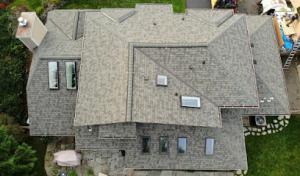
Next Level Roofing
(360) 209-9227 www.nextlevelroofingquotes.com
W Alder St, Port Orchard, Washington
4.9 from 96 reviews
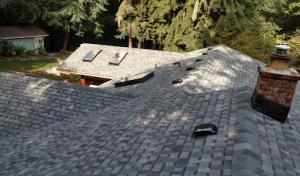
Rainy City Roofing
1372 SE Carl Pickel Dr, Port Orchard, Washington
4.6 from 9 reviews
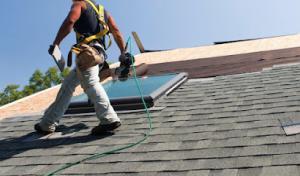
In the local insurance landscape, clear documentation of pre-existing damage and a defined project scope are routinely required before approving roof-related work. A homeowner should gather photos and notes from prior years, especially any moss buildup, soft decking, or early signs of moisture intrusion. Insurers want a precise description of what the contractor will repair or replace, and when the work will start and finish. Keep files organized with dated photographs, receipts, and a written scope of work that matches the contractor's bid. This careful record-keeping can prevent misunderstandings when a storm adds new damage to an already aging roof.
Adjusters in this region may evaluate claims with local climate patterns and roof decking condition in mind, which matters in a damp marine environment where old moisture damage can predate a storm. Expect questions about ventilation, underlayment condition, and moss-related deterioration. If decking shows prior rot or warping, an adjuster may view new wind-driven water intrusion differently than a fresh failure. Understanding that context helps you frame your claim honestly: document not only what failed in the current event, but what existed beforehand. A thorough inspection report from a trusted local roofer can serve as credible evidence, tying pre-existing moisture issues to the current condition.
There has not been a broad statewide coverage pullback reported for this area, but wind and heavy rain remain the main drivers of claim activity. Prepare for a slower, detail-oriented process where the adjuster may request proof of prior conditions and a robust scope of work. Communicate proactively about any seasonal delays, especially in the wet months when scheduling and access can be limited. If moisture damage is found to predate a storm, expect discussions about mitigation, not just repair, to be part of the claim outcome. Staying organized and forthright helps protect both the home and the insurance relationship.
Connect with contractors who help homeowners navigate the claims process from damage assessment to final approval.
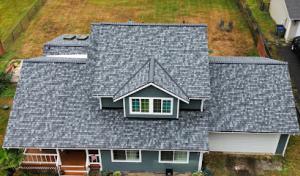
In this marine climate, repeated rain exposure tests sealants and flashing details around skylights and chimneys. A typical leaky point-where roof surface meets a penetration-will often show up first at poorly tucked corners, step flashing, and the transition from the vent to the surrounding shingle or metal. The wet season amplifies any micro-movement in the flashing, so small gaps can become drips. Look for dark spots on flashing horizons, algae, or moss growing at the edges where water should shed away.
Persistent humidity and moss growth can affect not only roof surfaces but also adjacent flashing transitions and surrounding roof areas. Moss can lift shingles or grow under flashing, pushing seals apart. In practice, inspect skylight curb flashing and chimney base flashing after a heavy rain; expand cycles may reveal hairline separations. When moss is present, it's not just an aesthetic issue-its moisture retention stresses the seals. Treat moss with a gentle, non-sanded cleaner and ensure that the surrounding felt and underlayment remain dry and intact.
Skylights demand special attention because they sit flush against the roof plane. Check the skylight curb bolts and perimeter sealant for age and cracking. If the skylight is older, a dedicated skylight specialist is often required, as this work is highly specialized in the local contractor market. Expect to see consistent wear around the curb when moss is persistent or the roof is in a shaded, damp corner.
Chimneys create multiple flashing planes that are prone to misalignment over time. Confirm that step flashing has not shifted, and that the mortar joint near the flashing remains intact. In damp zones, chimney flashing can trap moisture within the roof deck edges; routine inspection after wet months helps catch sealant failure or metal corrosion early.
Find contractors experienced in skylight installation, flashing, and leak repairs to bring natural light into your home.
Hanley Construction
(360) 876-0870 www.hanleyroofing.com
250 Bethel Ave, Port Orchard, Washington
5.0 from 588 reviews
Port Orchard Roofing
2799 SW Treehouse Way, Port Orchard, Washington
4.9 from 181 reviews
Next Level Roofing
(360) 209-9227 www.nextlevelroofingquotes.com
W Alder St, Port Orchard, Washington
4.9 from 96 reviews