
Last updated: Apr 19, 2026
In Middleburg, the peak Atlantic hurricane season stretches from June through October, and that window is when wind-driven debris and heavy rain can suddenly overwhelm a roof. Work crews may be delayed by weather, crews get stretched thin, and calls from anxious homeowners spike. The risk is not just from a single storm event but from back-to-back bands of rain that keep leaking crews out of your attic and keep water pouring in through any vulnerable gap. The timing of storms means you should expect delays, plan for surge responses, and be ready to move quickly when a weather alert hits. If a leak starts or a shingle edge blows loose, you need a plan to secure the roof within hours, not days, to minimize interior water damage and interior ceiling collapse risks.
Because this area is inland rather than beachfront, the primary storm threat is wind uplift, falling limbs, and water intrusion from prolonged rain bands. That shifts the strategy from salt corrosion mitigation to wind-rated performance and rapid leak control. A common scenario is a mid-storm lull followed by a sudden gust that lifts a corner of shingles or exposes underlayment, creating a drip that invites creeping water into the attic. A sagging gutter or a snapped tree limb can become a secondary rain funnel, directing water toward a vulnerable seam. Contractors expect to shift quickly from assessment to containment, so having tarping materials ready and knowing how to stage an emergency repair can save thousands in interior damage.
Local contractor signals show emergency repair and storm damage as the prevailing specialties, matching homeowner needs for tarping, leak control, and fast post-storm assessment. The emphasis is on getting a roof stabilized in the first 24 hours after a storm, then scheduling a full assessment and permanent fix as soon as feasible. This is a market where the fastest option is often a temporary roof patch or tarping that holds through the next round of rain, followed by a prioritized, coordinated plan for a full re-cover when skies clear. Expect crews to triage multiple homes, so the more you can establish a triage plan-pinpoint the most exposed edges, identify the quickest seal points, and prepare a tarp-ready setup-the more you reduce long-term damage.
Prepare a lightweight tarp kit and keep it accessible near the entryway to the attic or garage. When you see first signs of trouble-loose shingles, lifted edging, or a developing stain-move quickly to cover exposed areas with a tarp and seal any obvious gaps with exterior-rated tape or fasteners designed for temporary use. If you can safely access the attic, place a bucket under the drip to catch water and identify the active leak source without stepping on a saturated ceiling. After a storm, do not delay in scheduling a rapid assessment. A licensed contractor should visit to prioritize leaks, identify structural concerns such as soft decking or sagging rafters, and set a realistic plan for tarps, temporary repairs, and a comprehensive re-roof that accounts for the next weather spell.
When deciding whether to pursue a full replacement or a staged repair during the wet season, lean toward securing the structure first. The primary risk during prolonged rain bands is water intrusion accelerating behind the scenes-into insulation, attic framing, and ceiling channels. If a roof shows consistent leaks or active wind-driven damage, call in a contractor for a triage visit, establish temporary containment, and map out the fastest path to a proven leak-stop while coordinating a follow-up plan for a permanent solution once persistent weather subsides. In this market, timing and decisive action save interior space, preserve the home's integrity, and keep the dry-in priority on the calendar.
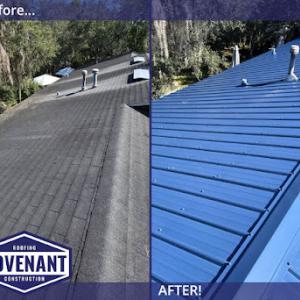
Covenant Roofing & Construction, Inc.®
(904) 701-8120 covenantrooffl.com
4590 Co Rd 218, Middleburg, Florida
4.7 from 637 reviews
With offices in Jacksonville and Leesburg, FL, Covenant Roofing® is proud to provide its exceptional roofing replacement, installation and repair services to North Florida and the Jacksonville Metro area including communities in Duval, Clay, St. Johns, Bradford, Alachua, Putnam and Flagler counties. While we know you have many roofer options, with Covenant Roofing®, “The Difference Is The Promise.®”
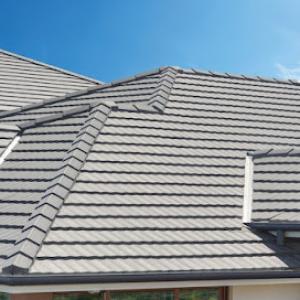
Excel Roofing Contractors
(904) 631-7663 www.excelroofers.com
Middleburg, Florida
4.4 from 96 reviews
At Excel Roofing Contractors, we have been providing top-quality roofing services for over 28 years. Our team of experts has the knowledge and experience of over 50+ years combined. We offer a wide range of roofing services, including roof repair, roof replacement, and roof installation. Additional services are available upon request for gutters, and attic insulation to ensure that your home is protected from top to bottom.
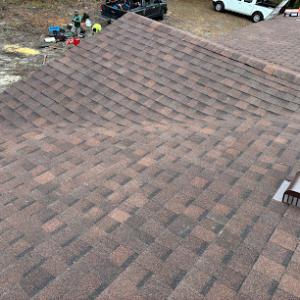
Varnadoe Enterprises
5558 Pronghorn Cir, Middleburg, Florida
5.0 from 5 reviews
Over 30 years in Roofing experience tear off and Replace specializing in roof repairs and tear offs no residential job is to big or small we have seen it all over the years we use top quality materials and experienced labor to get the job done right the first time
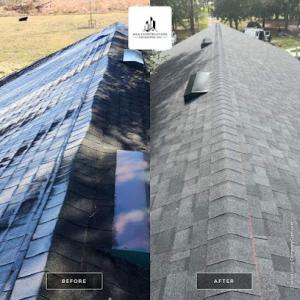
HCA Construction & Roofing
(904) 204-9598 hcaconstructionandroofingfl.com
Serving
5.0 from 75 reviews
HCA Construction and Roofing, Inc. is a trusted, locally owned company serving Middleburg, Florida. We prioritize honesty, integrity, and high-quality service, treating your home or business as if it were our own. Specialising in installations and roof replacement Middleburg, we offer personalized solutions tailored to each project. Whether you need a new roof or a replacement, our team is dedicated to delivering excellent results and ensuring customer satisfaction. With a focus on lasting relationships and quality craftsmanship, HCA Construction and Roofing, Inc. is here to meet all your roofing needs. Contact us today for reliable service!
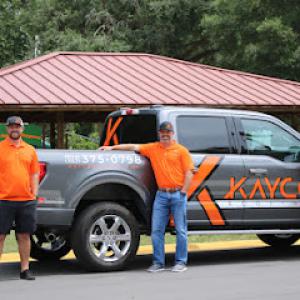
Kayco Roofing
(904) 852-8456 kaycoroofing.com
Serving
4.9 from 371 reviews
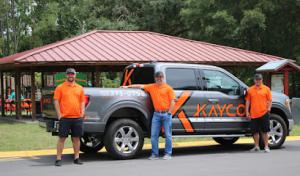
At KayCo Roofing, a family-owned business, we've been proudly serving Orange Park, Florida, since 2008. We offer a wide range of roofing services, including roof repairs, replacements, residential roofing, and multi-family roofing. We also specialize in roofing claims, storm damage restoration, roof leak repair, shingle repair, and handling hail and wind damage. Our team provides thorough roof inspections to ensure your home is well-protected. As a trusted roofing contractor, we are dedicated to delivering expert solutions and quality craftsmanship for all your roofing needs. Call us today for a free estimate at (904) 375-0798!

Alan Taylor Roofing
(904) 291-8438 alantaylorroofing.com
Serving
4.9 from 38 reviews
Alan Taylor Roofing is a family-owned roofing company based in Orange Park, FL, proudly serving Fleming Island, FL. With over six decades of experience across three generations, our team provides comprehensive roofing services, including roof replacements, repairs, skylight installations, ventilation solutions, chimney repairs, inspections, and ongoing maintenance. We also assist with insurance claims to simplify your roofing projects. As proud members of the Florida Roofing & Sheet Metal Contractors Association (FRSA), we combine local expertise with trusted industry standards. Whether you need reliable roof repairs or a full replacement, our local roofers in Orange Park, FL, are ready to help. Contact us to schedule a free estimate.
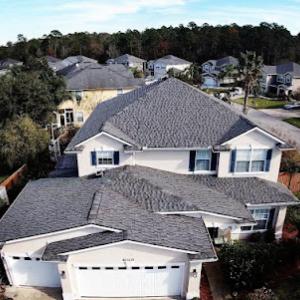
High Caliber Roofing
(904) 510-4867 www.highcaliberroofing.net
Serving
5.0 from 8 reviews
Family owned roof contracting company servicing the homes and business of Jacksonville and surrounding areas for 3 generations. We take pride in every project we undertake no matter the size. We stay true to our promise, to provide High Caliber Service to ALL customers from the first inspection thru the final walk through. We honor our trade by bringing honesty, Integrity, service, and excellence in every professional AND personal interaction we encounter.
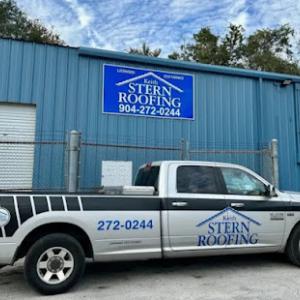
Keith Stern Roofing
(904) 272-0244 www.keithsternroofing.com
Serving
4.7 from 36 reviews
Keith Stern Roofing has been serving the Orange Park, FL area since 1989 providing roofing services. From new roof installation, to roof repairs, gutter and downspout installation, roof ventilation, and even skylight installation - we focus on quality work and customer satisfaction! Call the roofing experts and get your roof issues resolved today!
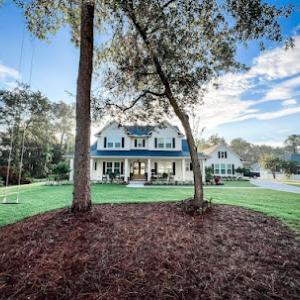
Moore Roofing & Designs
(904) 376-5712 www.mooreroofinganddesigns.com
Serving
5.0 from 9 reviews
At Moore Roofing and Designs, Inc., we specialize in high quality residential and commercial roofing solutions, offering expert roof repair, replacement and installation services. With over Ten years of experience, we're committed to providing durable, weather-resistant roofing systems that protect your property and enhance curb appeal. Our licensed and insured team is skilled in handling various materials, including asphalt shingles, metal, tile and flat roofs. We are locally owned and operated, providing roofing services throughout Northeast Florida. We pride ourselves on exceptional customer service, communication, cleanliness, competitive pricing and lasting results. Contact us today to schedule your free, no obligation consultation.
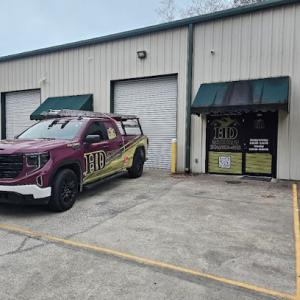
HD Roofing & Repairs
(904) 800-4318 www.hdroofingjax.com
Serving
5.0 from 40 reviews
At HD Roofing, we bring over 50 years of combined construction experience and more than 30 years of dedicated roofing expertise to every project. Our team is passionate about providing high-quality roofing solutions that blend affordability with exceptional craftsmanship. We take pride in our commitment to maintaining the highest standards of honesty and integrity, a cornerstone of our work that has built trust with clients across our community. As a licensed and insured contractor and a preferred partner with Owens Corning, we deliver reliability and peace of mind along with industry-leading materials and techniques. Currently serving over 200 satisfied customers each year, we are committed to exceeding expectations on every job.
Beaver Home Services
(904) 726-7080 beaverhomeserv.com
Serving
4.7 from 445 reviews
Beaver Home Services is a trusted roofing contractor in Orange Park, FL, providing roof inspections, roof repair, roof maintenance, roof installation, chimney repairs, gutter installation, and emergency tarp service. Our roofing contractor team delivers quality work, honest estimates, and fast solutions to keep your home protected. We handle insurance claims with expertise. Contact Beaver Home Services today for a reliable roofing contractor you can trust.

Maxxim Construction & Roofing
(904) 402-0101 www.maxximroofing.com
Serving
4.8 from 22 reviews
At Maxxim Construction and Roofing, we offer top-tier roofing and construction services and work diligently to meet our customer’s needs while adhering to industry standards in quality and safety. We are committed to completing our work with diligence and with extreme attention to detail. Maxxim Construction and Roofing is your top choice when it is time to inspect, repair, or replace your roof or construction. Contact us today, our team is waiting to assist you!
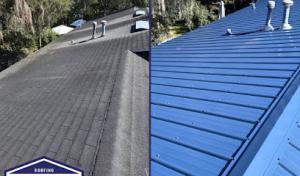
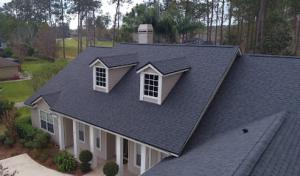
In this market, asphalt shingles and metal roofing are the practical mainstream choices for homeowners facing frequent summer rain and inland storm exposure. Asphalt shingles are familiar, quick to install, and easier to repair if a leak pops up after a storm. Metal roofing offers upper-end durability and faster shedding of heavy rain, which matters during Florida's wet season. Both options balance availability, serviceability, and local labor familiarity, making them the most reliable starting point when planning a re-roof after a storm or when upgrading from an older system.
Tile options appear in smaller numbers and usually carry higher structural and installation demands. Clay or concrete tile can deliver excellent longevity and a distinctive look, but these roofs require a sturdier deck, careful attic clearance, and precise underlayment to handle Florida humidity. In flood-prone or high-slope areas, tile can perform well, but the installation cost and weight mean you want a contractor with proven experience. If you lean toward tile, plan for a thorough assessment of the existing structure, including roof framing and attic ventilation, to ensure long-term performance without moisture-related issues.
Moisture management is the throughline for any choice in Middleburg's hot, humid subtropical climate. Across all roof types, effective attic ventilation helps control moisture buildup that can contribute to mold, wood rot, and accelerated shingle wear during humid summers. Pair this with a high-quality underlayment chosen for damp Florida conditions, and you reduce the likelihood of leaks during sudden downpours. When evaluating options, ask about continuous soffit and ridge ventilation, along with a weather-resistant underlayment that remains effective under persistent humidity.
Underlayment decisions are especially critical with the region's heavy summer rainfall. A wind-resistant, mechanically fastened underlayment provides an extra layer of protection against wind-driven rain, a common Florida screening during summer storms. For asphalt or metal systems, consider underlayments that complement your chosen top layer and are compatible with attic insulation schemes. For tile systems, verify underlayment compatibility with weight distribution and deck reinforcement so that drainage paths remain unobstructed and moisture does not linger in the eave lines.
Wood shingles and shakes are available in this market but are less forgiving in a humid North Florida environment where persistent moisture can shorten service life if maintenance is neglected. If wood is the preferred aesthetic, prepare for more frequent inspections, prompt repairs after storms, and conscientious cleaning of the roof surface to prevent moisture entrapment. When properly maintained, wood can still be a viable choice, but it demands a proactive maintenance cadence to keep it from absorbing humidity and deteriorating prematurely.
In practice, the best choice comes down to balancing performance during storm-driven events with installation realities and maintenance commitments. If a fast re-roof is a priority after a storm, asphalt shingles or metal typically offer the quickest path to a secure, weather-tight roof with the least overhead, while still delivering solid performance through Florida's wet season. For a homeowner desiring a longer-term, distinctive look with higher upfront requirements, tile can be a legitimate option-but it must be paired with a robust structure, proper ventilation, and meticulous moisture management to meet Middleburg's unique climate and humidity profile.
In the local market, the timing of a roof replacement hinges on weather patterns that swing quickly from record rain to blistering heat. Heavy spring rains in the Middleburg area can interrupt tear-off schedules and complicate underlayment drying windows. That means a project started in March or April may stall for days while crews wait for shingles to dry and for underlayment to stay dry enough to seal properly. Plan around a target window that balances a dry stretch with enough time to complete tearing and recovering before the next round of storms. If a tear-off drags into late spring or early summer, expect crews to adjust work hours to avoid the hottest part of the day and to stage materials to minimize exposure to humidity.
A practical approach is to set a tentative start date two weeks after a reliable dry spell in late fall or early winter. Late fall and early winter dry spells are typically the most favorable replacement window locally for scheduling, material handling, and fewer weather interruptions. If a dry spell arrives during this period, coordinate a concrete plan with the contractor for a tight-knit sequence: tear-off, inspection of sheathing, new underlayment, and rapid installation of the chosen roofing system. In Middleburg, a single storm can derail a plan, so lock in a fallback date and keep communication lines open with the crew. Having a buffer of one to two days between stages helps when wind or sudden showers pop up.
During heavy spring rains, tear-off work can be delayed, extending exposure of sheathing and increasing the risk of moisture intrusion. A practical strategy is to verify that the contractor has a reliable plan for tarping and for expedited underlayment installation once dry weather returns. In hotter months, heat and humidity can slow the pace at which crews can safely move materials and access the roof. Expect longer cycles between scaffold setup, material staging, and roof-penetration work. Crews will often stagger start times, shift to early mornings, and pause during peak afternoon heat to preserve shingle integrity and worker safety.
Given Florida's wet season, material storage on the ground near the house can expose shingles to rain and humidity, so discuss how the crew plans to stage bundles and avoid unnecessary moisture exposure. In the warm months, plan for extended days and strategic breaks so adhesive-driven roofs, such as certain asphalt or composite shingles, cure properly and lay flat. Ensure a robust plan for flashing, vent boot replacements, and attic ventilation checks, since the moisture load from heavy spring rains can reveal latent issues in walls and rafter bays.
By the time the project comes up for your approval, you should have a clear target window, a contingency plan, and a checklist for inspection after the tear-off. If a leak or wind damage demands an accelerated replacement, prioritize a rapid yet thorough installation with attention to flashing details, attic ventilation, and proper attic dry-out between phases. Remember that dry fall and early winter periods remain the most reliable times to complete a full roof replacement with fewer weather interruptions.
Get a clear picture of your project costs upfront - no commitment required.

When planning a full re-roof, the permit is issued through the Clay County building department rather than a separate city office. The typical workflow starts with the contractor handling the permit application on your behalf, but you should stay engaged to confirm every detail is correct for your home and project. In Clay County, the emphasis is on following current code and ensuring the structure will perform well under Florida's storm loads. This means providing accurate project specifics and being prepared for the document trail that accompanies a re-roof in this part of the state.
Inspections are usually staged at two key milestones. First, an inspection occurs after tear-off but before any new material goes on, ensuring the deck and underlayment are addressed according to code. The second inspection happens after final installation to verify roofing material, flashing, ventilation, and accessories meet the county's standards and wind-resistance requirements. Keeping the project calendar aligned with these inspection windows helps avoid hold-ups, especially during the wet season when weather can compress schedule timeframes. Your contractor should coordinate the inspection dates, but maintain clear communication so you know what to prepare and where inspectors will look.
Clay County enforcement emphasizes wind-resistance provisions, so attention to this aspect is essential. Your re-roof must meet or exceed the local wind requirements for the area, which often translates into specific nailing patterns, underlayment choices, and proper installation of fasteners. In addition, homeowners may need wind mitigation documentation that can later matter for insurance. Your contractor or a wind mitigation specialist can assemble the necessary forms and confirm that the roof system is prepared for potential claims after a storm. Keeping a copy of the mitigation report and any related certificates with your records can streamline future insurance steps if needed.
Start by confirming the permit path with the contractor early in the project and ask for a written outline of the inspection timeline. Double-check that the plan reflects the chosen roofing material's compatibility with wind provisions and ventilation standards. If any upgrades are planned (like higher wind-rated underlayment or enhanced flashing around penetrations), discuss them upfront to avoid changes after permit submission. Finally, ensure you have clear contact points at the county building department and with your contractor for any questions that arise during the permitting and inspection stages. This approach helps keep a fast, storm-ready re-roof on track while meeting Clay County's specific requirements.
In this market, you'll see pricing that aligns with the broader regional offerings but with local twists from storm-driven demand. Asphalt shingles sit in the 350 to 700 USD per square range, making them the most affordable fast-replace option when timing is tight after a blowout leak. If you're weighing more durable metal, expect 600 to 1,200 USD per square. Clay tile stretches from 900 to 1,800 USD per square, with concrete tile and synthetic options landing between roughly 800 and 1,600 USD per square. Wood shingles or shakes tend to run 700 to 1,400 USD per square, while some synthetic or composite shingles hover around 600 to 1,100 USD per square. These bands reflect typical mid-season conditions, not any one storm event, and local crews may adjust up or down based on scheduling urgency and material availability.
Local pricing can spike after tropical systems when demand for re-roofing and emergency dry-in work surges across Clay County and nearby Northeast Florida communities. When a hurricane or tropical storm brings widespread wind-driven damage, crews often shift from new installs to rapid-dry-in work, which can push daily rates and material add-ons higher. If you're facing a wet-season re-roof, expect smaller, incremental costs (cover boards, leak barriers, or temporary tarps) to accumulate quickly if multiple visits are needed due to ongoing rain. The urgency of getting a dry-in in place versus waiting for ideal weather can tilt the choice toward materials that install faster and with fewer specialized tiles, even if they aren't the longest-lasting option.
Costs in this market are also affected by permit requirements, staged inspections, and whether storm damage has forced urgent scheduling during the wet season. Emergency dry-in work often means overtime labor or expedited material orders, which can raise the labor and freight components of the job. If your project requires multiple visits-first for tarping and quick leak stop, then for a full roof replacement-the cumulative effect can push the total above a simple, one-step installation estimate. Planning for a staged approach helps keep leak exposure minimal while spreading costs over a few weeks rather than a single high-velocity window.
Material choice matters sharply here. Asphalt provides the quickest, most economical route to weather-tightness, while clay tile and concrete offer longevity that may justify higher upfront costs in a storm-prone climate. Metal provides resilience against wind but adds weight and installation complexity in older homes. In this market, the decision should balance initial outlay, expected life under repeated storm exposure, and the likelihood of rapid dry-in needs during the wet season.
Florida's storm-driven claims reality strongly shapes how a roof is evaluated in this area. In Middleburg, carriers often demand detailed photos, precise dates, and clear evidence that separates new storm damage from pre-existing wear. When a hailstorm or heavy rain event hits, you should document the roof promptly, focusing on impacts, nail pops, flashing failures, and any interior signs of water intrusion. Missing or murky timelines can slow a claim or invite scrutiny, so keep a careful record from the outset and coordinate with a trusted local roofer who understands what insurers typically request.
Wind mitigation is a big deal for homeowners here. Documentation from the roofing project can influence coverage options and, in some cases, premiums more than in many other states. If the roof is being repaired or replaced after a storm, ensure that wind-rated underlayment, proper nailing patterns, and fortified penetrations are photographed and itemized. The insurer will often compare these features against what was present before the event, so thorough pre- and post-project documentation can make a meaningful difference in how a claim proceeds.
Statewide insurer tightening means that, after documented damage, there may be pressure to repair or replace aging roofs promptly. In practice, that translates to quicker decisions on whether to patch or fully re-roof, with a closer eye on the roof's remaining service life and visible wear. If there is doubt about whether existing materials were compromised by a recent storm or simply nearing the end of their expected life, a proactive approach to evaluation and replacement can help avoid claim disputes and minimize extended leak exposure during Florida's wet season.
Connect with contractors who help homeowners navigate the claims process from damage assessment to final approval.
Covenant Roofing & Construction, Inc.®
(904) 701-8120 covenantrooffl.com
4590 Co Rd 218, Middleburg, Florida
4.7 from 637 reviews
In this neighborhood, failures often begin where wind-driven rain exploits lifted shingles, exposed fasteners, and flashing transitions. A roof that looks solid after a storm can still harbor small gaps where a sharp gust pushes water under the covering and behind the drip edge. Check along eaves and rakes for lifted shingles after storms, and inspect any areas where sheets of metal or rubber flashings butt against vertical chases, chimneys, or roof-to-wall joints. When a quick re-roof is needed, those vulnerable seams are the first places to verify seal integrity and protection from water tracking inward.
High humidity and repeated wetting in North Florida can turn minor flashing or underlayment defects into interior leaks far faster than you expect. Even a seemingly dry attic can reveal dampness near ridge lines, vents, or joints after several hot, rainy days. Your focus should be on any staining around penetrations or soffit lines, plus the underside of attic sheathing that feels springy or looks wavy after a downpour. If you notice condensation pooling or persistent moisture near a seam, treat it as a warning sign that the underlayment may be compromised and needs timely attention to prevent sheetrock and insulation damage.
Skylights and roof penetrations deserve extra scrutiny locally because prolonged summer rain events can reveal seal failures that stay hidden in drier periods. Inspect the surrounding flashing and sealant where the skylight meets the roof deck, and pay particular attention to any micro-cracks or loose sealant beads. Around vents and penetrations, even small gaps can bleed water into attic spaces during heavy rain. If you spot peeling sealant, blistering, or discoloration on the ceiling below these points, address the issue promptly to avoid rapid escalation in a wet season.
Find contractors experienced in skylight installation, flashing, and leak repairs to bring natural light into your home.
Although the residential market around town mostly features pitched roofs, low-slope sections show up on porches, additions, garages, and some mixed residential-commercial structures. In these spaces, water sits longer on the surface during heavy summer rainfall, so drainage and seam integrity matter more than on steeper slopes. Flat-roof specialization exists, but it isn't the city's defining roofing issue; it remains a secondary homeowner concern that benefits from practical, targeted checks.
For any addition with a low-slope or flat section, confirm that drainage paths are clear and that the field drain is unobstructed after every downpour. Check edge details where the roof meets coping, parapets, or drip edges, since those transitions see more water and debris accumulation. Seam integrity matters most because standing water can reveal slow leaks quickly-especially where parapets or skylights abut the main roof. In Middleburg's humid climate, membrane laps should show no gaps, and fasteners should remain tight after a few storm cycles. A simple, proactive approach: visually inspect after storms and perform a light rain test when safe to do so, focusing on seams, penetrations, and terminations.
Choose materials that perform well in humid, wet seasons and on modestly inclined planes. Metal roofing and synthetic/composite membranes offer durability and repairability for additions, while some shingle products can be used on low-slope zones if installed with compatible underlayment and appropriate slope; verify local guidance with a trusted contractor. In porches or garages, ensure that edge metal and flashing extend far enough to shed water toward established drainage paths. For mixed-use structures, balance aesthetics with a reliable water barrier at transitions to the main pitched roof.
Establish a routine that emphasizes after-storm checks, particularly during the wet season. Look for pooled water beyond 48 hours, marginal flashing wear, and any signs of membrane wear or seam separation. Keep gutters and downspouts clear and confirm that the overflow points direct water away from foundations and interior walls. When leaks appear, address them promptly at the first sign of moisture infiltration around the low-slope section, because prolonged exposure accelerates deterioration in these areas. In this market, rapid response and targeted maintenance on additions can sharply reduce incidental interior damage and extend the life of the overall roof system.
Find specialists in TPO, EPDM, and built-up flat roofing systems for residential and commercial properties.
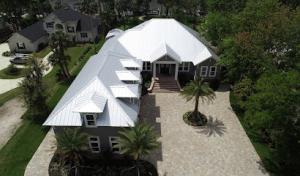
The strongest local hiring pattern is re-roofing, not niche new-construction work, so you should evaluate crews on how they handle tear-off coordination, dry-in speed, and cleanup discipline. In practice, this means asking how they stage the day of removal, where they store materials, and how they protect interior rooms during rain-heavy weeks. A crew that can smoothly move off an old roof and lock the new layer in quickly limits exposure to the wet season's storms and minimizes interior damage.
During Florida's wet season, timing is everything. Look for a crew that follows a clear sequence: safe tear-off, thorough deck inspection, secure underlayment installation, and a fast, well-sealed dry-in. The right team will explain their plan for tarping exposed areas, coordinating with your shingles supplier, and verifying attic ventilation and ridge vent readiness before the first epoxy of product goes down. You want a crew that treats the weather window as a schedule metric, not as a guess.
Quick response and cleanup included are two of the most common market signals in Middleburg, reflecting what local homeowners repeatedly reward in reviews and hiring behavior. Ask for documented guarantees on daily cleanup, drop-cloth usage, and debris containment. A reliable crew will leave no nails or sharp edges behind, and will have a plan for responsible disposal of old roof materials. If a storm chance looms, you should be able to count on timely mobilization and after-hours cleanup as part of the service.
Long-established, family-owned, and locally owned firms are well represented in this market, suggesting homeowners value stability and familiarity when storm demand surges. Favor teams with a tangible local footprint, references from neighbors with similar houses, and a track record of steady communication through insurers and suppliers. That continuity matters when weather pressure is high and decisions must be made quickly.
Ask for a written project timeline, a single point of contact, and a photo-based progress log. Check that the crew carries insurance and that the contract clearly outlines tear-off, underlayment, and warranty terms. Prioritize firms with a demonstrable pattern of fast response, clean job sites, and a local reputation for steady, predictable service.