Last updated: Apr 19, 2026
Fleming Island homeowners face the June-November hurricane season with storm-related delays and elevated roof damage risk as a primary planning factor. The skyline here is a mix of asphalt, metal, tile, and shake products, all of which respond differently to wind-driven debris and heavy rain. When a storm warning is issued, the window to act is narrow: secure loose panels, cover exposed areas with a tarp, and clear clogged gutters to prevent water backup. After a hit, the priority becomes preserving the interior and preventing further damage from wind-driven rain. Do not wait for a full inspection to address obvious breaches; temporary protection and rapid triage are essential to minimize secondary damage and insurance disputes.
The local contractor signal mix is dominated by storm damage, emergency repair, and insurance-claims work, indicating that post-storm response is a core roofing need in this market. In Fleming Island, emergency tarping and rapid debris removal are common first steps. If shingles are peeled back or flashing is blown loose, cover the affected area with a sturdy tarp or roof drip fabric and secure it with nails or boards through the tarps to weatherproof until a licensed roofer can complete a proper repair. When access is delayed by weather or road conditions, avoid leaving damaged areas exposed for more than a day or two. A proactive approach-documenting the damage with timestamped photos from multiple angles, noting the exact locations and degrees of exposure-speeds up claim processing and reduces questions later on.
Insurance documentation is a critical lever for homeowners facing wind and water damage in this market. Gather and organize photographs, a detailed damage map, and dates of the events, plus any temporary fixes performed and by whom. Keep a record of all communications with the insurer, including claim numbers, adjuster appointments, and written repair estimates. If a storm creates insured loss, arraigning a licensed roofer who understands the claims process is crucial: they should provide a scope of work that aligns with storm-damage realities, including wind-uplift considerations and shingle or panel replacement that matches the existing roof system. In this market, the claims path often hinges on prompt, clear documentation and a professional assessment that supports a wind-damage narrative rather than a cosmetic evaluation.
Because this is an unincorporated Clay County community rather than a city with its own building department, homeowners typically navigate storm-related roof work through county processes and county inspections. The workflow usually starts with a storm-damage assessment, followed by emergency repairs, then a more formal replacement plan if necessary. Coordinating with a roofer who can interface with county inspection protocols helps prevent delays. Expect inspections to focus on the safety and integrity of the repair work, including proper fastening, flashing, and shingle alignment, rather than cosmetic concerns. When filing for post-storm repairs, maintain a steady line of communication with the contractor to ensure that all steps-structural repairs, moisture mitigation, and vent or attic repairs-are documented for any subsequent insurance review.
Stay ahead by scheduling a pre-storm assessment of the primary roof system before June hits and note any vulnerable areas-loose flashing, improper seals, or aging underlayment. After a storm, prioritize rapid temporary protection, rapid damage documentation, and immediate professional evaluation of wind-related failures. When choosing a contractor, favor firms with a strong track record in storm-damage work and insurance liaison experience, not just cosmetic replacements. Finally, align your communication and documentation habits with county inspection expectations to keep the recovery timeline efficient and predictable, even in the face of weather-driven delays.
In this market, asphalt shingles sit at the most common price anchor for homeowners replacing roofs after a storm or re-roofing project. Local replacement pricing aligns with the range of roughly 350 to 700 USD per square for asphalt shingles. That ceiling reflects typical shingle quality options and standard underlayment, plus common flashing and vent work. After a major Florida storm event, expect prices to push higher as crews, dry-in materials, and scheduling capacity tighten across Northeast Florida. For budgeting, plan for the lower quartile if you're simply replacing existing shingles with a like-for-like upgrade, and factor the higher end if you're upgrading to a higher wind-rated product or adding a more robust underlayment.
Metal roofing commands attention in Fleming Island because of its long-term durability and resistance to wind-driven debris. The local price range sits roughly between 600 and 1100 USD per square, depending on panel profile, coating, and insulation choices. Labor tends to be steadier than tile, but heavy panels and more complex roof geometries can add to the cost. After storms, metal can see a spike in demand that nudges pricing upward as crews shift to high-wind systems and expedited dry-in work. If you're weighing metal, you're balancing a higher upfront cost against potential savings on insurance wear-and-tear and longer service life.
Clay tile is a prominent option for homes with certain architectural styles in this area, but it brings notable weight and installation considerations. Expect pricing in the neighborhood of 1000 to 1700 USD per square for clay tile. Structural support, roof deck preparation, and tile-to-deck fastening methods all influence the final tally. Storm-driven demand can magnify scheduling challenges and material lead times, pushing costs upward after big events. If you prefer clay tile for its appearance and durability, budget for the higher end and plan for careful fastening and weatherproofing to minimize future wind-related issues.
Concrete tile offers a middle ground between clay and asphalt in terms of weight and cost, with typical ranges from about 900 to 1500 USD per square. Installation tends to be more labor-intensive than asphalt, and weight considerations can affect structural retrofit needs. Post-storm surges in Northeast Florida can lift both material and labor costs as crews become scarce and dry-in materials run short. For homeowners evaluating concrete tile, the decision often hinges on long-term durability and impact resistance versus upfront cost and weight management.
Wood shingles or shakes present a traditional look but require careful maintenance and moisture management. Local pricing generally runs from around 600 to 1100 USD per square. In high-wind conditions, wood systems may demand more robust ventilation, careful nailing patterns, and moisture control, which can elevate both material and labor expenses. Storm-season demand can compress scheduling and raise material prices, so budgeting with a cushion for delays and additional sealing work helps prevent surprises.
Synthetic or composite shingles offer a compromise between cost and performance, often falling in the 500 to 900 USD per square range. These products can provide wind resilience and extended warranties, with installation variability based on the exact product line. After major storms, the demand for these lighter, fast-install options can tighten up lead times and push prices higher, particularly if local distributors experience stock shortfalls. If you're seeking a balanced option with modern aesthetics and decent wind performance, synthetic shingles are worth comparing against traditional asphalt and metal.

Maxxim Construction & Roofing
(904) 402-0101 www.maxximroofing.com
5654 Sylvan Glen Run, Fleming Island, Florida
4.8 from 22 reviews
At Maxxim Construction and Roofing, we offer top-tier roofing and construction services and work diligently to meet our customer’s needs while adhering to industry standards in quality and safety. We are committed to completing our work with diligence and with extreme attention to detail. Maxxim Construction and Roofing is your top choice when it is time to inspect, repair, or replace your roof or construction. Contact us today, our team is waiting to assist you!

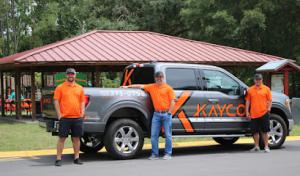
Kayco Roofing
(904) 852-8456 kaycoroofing.com
Serving
4.9 from 371 reviews
At KayCo Roofing, a family-owned business, we've been proudly serving Orange Park, Florida, since 2008. We offer a wide range of roofing services, including roof repairs, replacements, residential roofing, and multi-family roofing. We also specialize in roofing claims, storm damage restoration, roof leak repair, shingle repair, and handling hail and wind damage. Our team provides thorough roof inspections to ensure your home is well-protected. As a trusted roofing contractor, we are dedicated to delivering expert solutions and quality craftsmanship for all your roofing needs. Call us today for a free estimate at (904) 375-0798!
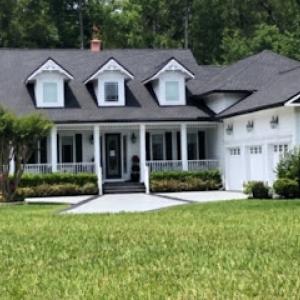
Roof It Right
(904) 541-1191 roofitrightfl.com
Serving
4.6 from 223 reviews
Roof it Right is a MasterElite roofing contractor proudly serving NE & Central Florida for nearly 16 years. Renowned for excellence, the company has consistently demonstrated its commitment to quality and customer satisfaction, earning the prestigious GAF President's Club Award for 14 consecutive years. Roof it Right is in the top 1percent of all MasterElite roofing contractors.
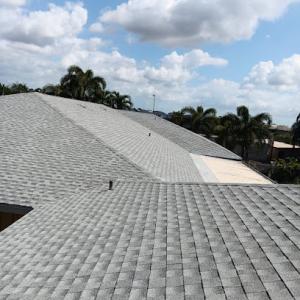
The Roof Boutique
(904) 902-7663 www.theroofboutique.com
Serving
5.0 from 21 reviews
Our mission is to ensure exceptional customer service while providing a superior roof. The Roof Boutique values integrity, professionalism, and delivering great results. We make sure our customers’ homes and properties are quickly restored in the aftermath of northeast Florida’s torrential rains, severe winds, and the inevitable hurricanes that impact our communities. The Roof Boutique works hard to demonstrate a passion for our customers, their property, and their complete satisfaction with our work.
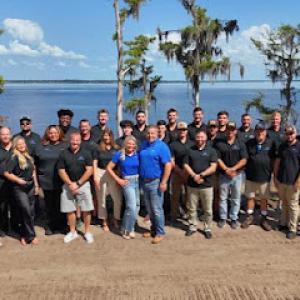
Trinity Restoration & Roofing
(904) 763-2006 trinityrestoration.com
Serving
4.9 from 1146 reviews
Established in 2019, Trinity Restoration and Roofing is a premier roofing service dedicated to the Jacksonville community. They specialize in both full-service roof repair and complete replacement, ensuring that every project is handled with professionalism and expertise. Their commitment to quality craftsmanship and customer satisfaction has made them a trusted name in the industry. For reliable and comprehensive roofing solutions, Trinity Restoration and Roofing is the local expert you can depend on.
ARICA Roofing & Construction
(904) 232-8475 aricaconstruction.com
Serving
5.0 from 47 reviews
At ARICA Roofing & Construction, LLC, we proudly serve homeowners and businesses across Jacksonville, FL, with expert roofing solutions you can trust. As a family-owned and operated company, we’re dedicated to completing every project on time, within budget, and to the highest standards of quality and craftsmanship. As GAF Certified Contractors, we bring top-tier roofing, and siding services to your doorstep—without breaking the bank. We also offer flexible payment plans designed to fit any budget, making it easier than ever to protect and enhance your property. Your satisfaction is our top priority. Contact ARICA Roofing & Construction, LLC today for your free estimate—and let’s build the roof of your dreams together!
Dubo Roofing & Construction
(904) 396-1889 duboroofing.com
Serving
4.6 from 95 reviews
Dubo Roofing and Construction is known for its commitment to quality and excellence in roof repair and replacement. As your trusted local expert, we specialize in roof repairs, home restoration, and storm damage repairs. With over 25 years of experience, we’ve been helping homeowners and businesses with their roofing needs. A locally-owned family business, Dubo Roofing and Construction has a showroom and offices in Orange Park, serving all of Northeast Florida. Our expanding team of roofing professionals is ready to guide you in choosing the right roofing style, color, and budget for your home or business. Safety is our top priority, ensuring the well-being of both our staff and customers.

Alan Taylor Roofing
(904) 291-8438 alantaylorroofing.com
Serving
4.9 from 38 reviews
Alan Taylor Roofing is a family-owned roofing company based in Orange Park, FL, proudly serving Fleming Island, FL. With over six decades of experience across three generations, our team provides comprehensive roofing services, including roof replacements, repairs, skylight installations, ventilation solutions, chimney repairs, inspections, and ongoing maintenance. We also assist with insurance claims to simplify your roofing projects. As proud members of the Florida Roofing & Sheet Metal Contractors Association (FRSA), we combine local expertise with trusted industry standards. Whether you need reliable roof repairs or a full replacement, our local roofers in Orange Park, FL, are ready to help. Contact us to schedule a free estimate.
Keith Stern Roofing
(904) 272-0244 www.keithsternroofing.com
Serving
4.7 from 36 reviews
Keith Stern Roofing has been serving the Orange Park, FL area since 1989 providing roofing services. From new roof installation, to roof repairs, gutter and downspout installation, roof ventilation, and even skylight installation - we focus on quality work and customer satisfaction! Call the roofing experts and get your roof issues resolved today!
Beaver Home Services
(904) 726-7080 beaverhomeserv.com
Serving
4.7 from 445 reviews
Beaver Home Services is a trusted roofing contractor in Orange Park, FL, providing roof inspections, roof repair, roof maintenance, roof installation, chimney repairs, gutter installation, and emergency tarp service. Our roofing contractor team delivers quality work, honest estimates, and fast solutions to keep your home protected. We handle insurance claims with expertise. Contact Beaver Home Services today for a reliable roofing contractor you can trust.
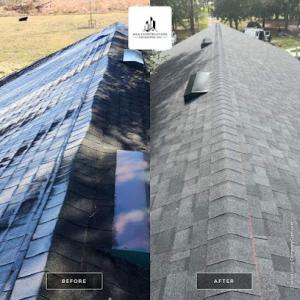
HCA Construction & Roofing
(904) 204-9598 hcaconstructionandroofingfl.com
Serving
5.0 from 75 reviews
HCA Construction and Roofing, Inc. is a trusted, locally owned company serving Middleburg, Florida. We prioritize honesty, integrity, and high-quality service, treating your home or business as if it were our own. Specialising in installations and roof replacement Middleburg, we offer personalized solutions tailored to each project. Whether you need a new roof or a replacement, our team is dedicated to delivering excellent results and ensuring customer satisfaction. With a focus on lasting relationships and quality craftsmanship, HCA Construction and Roofing, Inc. is here to meet all your roofing needs. Contact us today for reliable service!
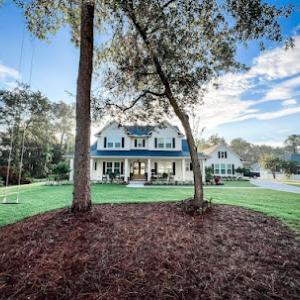
Moore Roofing & Designs
(904) 376-5712 www.mooreroofinganddesigns.com
Serving
5.0 from 9 reviews
At Moore Roofing and Designs, Inc., we specialize in high quality residential and commercial roofing solutions, offering expert roof repair, replacement and installation services. With over Ten years of experience, we're committed to providing durable, weather-resistant roofing systems that protect your property and enhance curb appeal. Our licensed and insured team is skilled in handling various materials, including asphalt shingles, metal, tile and flat roofs. We are locally owned and operated, providing roofing services throughout Northeast Florida. We pride ourselves on exceptional customer service, communication, cleanliness, competitive pricing and lasting results. Contact us today to schedule your free, no obligation consultation.
A full roof replacement in Fleming Island requires a building permit issued by Clay County rather than a separate city permitting office. This means the permit process is handled through county channels, with forms and plans submitted to the county building department rather than a city planning counter. The county's approach expects compliance with Florida building codes, wind-driven rain standards, and the current code cycle in effect when the project begins. Knowing this upfront helps you coordinate with your roofer to align timelines, plan reviews, and inspection milestones without surprises.
The county inspection process commonly includes milestone inspections for underlayment installation, ventilation placement, and a final approval after the roof is finished. Plan review may occur before work starts if the project triggers detailed review due to roof type, wind mitigation considerations, or structural changes. In practice, your contractor submits the project plans, the county reviews them for code compliance, and then work proceeds in stages. Expect to schedule inspections at key points: once the roof deck and underlayment are in place, again for venting and any required structural ties, and finally for the completed installation. Allow for potential re-inspection if a detail doesn't meet the set standards. Clear documentation of ventilation, underlayment, and connections helps smooth the process.
Permit coordination is tied to using a licensed contractor and documenting compliance with Florida wind-mitigation and current code requirements. A licensed professional is essential not only for meeting statute but for ensuring that wind-rated components, fasteners, and attachment methods align with the local climate and county expectations. You'll want the contractor to provide stamped or signed plans when required, material certificates for wind-rated products, and any calculations that demonstrate adherence to wind-load provisions. During the permit review, the county may request specific product data or installation details for key components such as underlayment, roof-to-wall connections, and roof-penetration flashings. Having a clear file of all manufacturer installation instructions and product approvals helps avoid delays.
Because the county governs the permit, it is prudent to start the coordination early with your contractor and the building department. Ask your contractor to prefill the standard county forms and to confirm whether a plan review is necessary for the proposed roof system. Schedule the milestone inspections with enough lead time so the inspector can verify underlayment, ventilation, and final installation without condensing work windows. If your home has particularly high wind exposure or unique eave detailing, discuss with the contractor how the permit and inspection plan will address those features. Keeping all documentation organized-permits, plan approvals, product data, and inspection receipts-helps you move through the process with fewer interruptions.
Florida's storm and wind exposure makes roof age and wind-mitigation documentation especially important for homeowners seeking coverage or renewals. In a market where hurricanes and tropical storms are real threats, insurers look beyond a neat shingle job to the roof's overall condition, fastening patterns, and how the structure would perform in a high-wind event. On Fleming Island, a roof's ability to resist wind uplift can influence both underwriting decisions and the likelihood of a smooth claim process after a major storm. Being proactive about your roof's resilience can prevent a mismatch between what you expect and what an insurer may demand when renewal time rolls around.
In this market, insurers may scrutinize roof condition, prior claims history, and mitigation features more closely because Florida carriers have tightened underwriting and pricing in recent years. A roof that shows age-related wear, inconsistent fasteners, or mismatched repairs can trigger higher deductibles, require inspections, or complicate a claim later on. Conversely, documented improvements-proper sealing around penetrations, upgraded fasteners, and visible wind-mitigation features-can help demonstrate resilience. Understanding the angles insurers weigh helps you prepare for a productive conversation when the time comes to renew or apply for coverage.
Homeowners here should preserve dated photos, inspection records, permit paperwork, and contractor documentation after storms because claims handling and underwriting often depend on proof of damage and roof age. Start with a clear photo record of the entire roof, including ridge lines and flashing, before and after any maintenance or repairs. Keep a binder with outside inspections, roofer notes, and the dates of any wind-damage assessments. Store digital copies in the cloud, along with emails from contractors and insurers. If a storm creates damage, note the date of the incident, the extent of the impact, and any temporary tarping or emergency repairs. This trail can shorten claim processing and support underwriting if the roof age is a factor in coverage decisions.
After a storm, contact a licensed roofer to assess wind-related vulnerabilities that could affect future policies. Request a written inspection report that highlights wind uplift risks, such as missing or damaged fasteners, compromised underlayment, or roof-to-wall connections. If mitigation improvements are feasible, ask about what features qualify as credible wind resistance upgrades and request documentation that these enhancements were properly installed. Finally, maintain a proactive routine: keep a current, dated record of roof condition and all professional recommendations so you're ready when insurers ask for proof of age, damage, or mitigation steps.
Connect with contractors who help homeowners navigate the claims process from damage assessment to final approval.
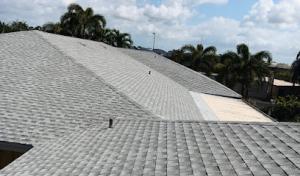
Late fall and winter are typically the most favorable replacement periods for homes with the clay-heavy coastal air and humid conditions common on this coast. Drier days and milder temperatures support steadier installation, help sealants cure properly, and reduce the risk of wind-driven moisture seeping into open roof assemblies. During this window, crews can work through more predictable weather patterns, which translates to fewer delays and a more reliable dry-in. For homes with typical Fleming Island roof lines-shingle, tile, or metal-this time frame often aligns with a smoother tear-off, safer access to eaves and valleys, and a faster return to closed-roof status before the next storm season.
Spring and early summer bring heavier rainfall that can interrupt tear-off schedules and increase moisture-management concerns during installation. In these months, planning a phased approach helps keep the project on track. Consider scheduling the tear-off for drier, forecast-stable weeks and building in buffer days for unexpected showers. In Florida's spring, high humidity can affect underlayment performance and temporary ventilation, so coordinating with the installer to ensure proper around-the-house moisture protection-tarps, fans, and sealants-can prevent water intrusion during rain gaps. A steady rhythm of material deliveries and staged installations minimizes the potential for moisture-related delays and keeps the roof deck dry enough for secure connection of shingles, panels, or tiles.
Summer heat and humidity can slow installation pace and affect adhesive behavior, making scheduling and dry-in sequencing more important than in cooler climates. High surface temperatures can shorten adhesive open times and challenge crews when applying underlayment and fasteners. To optimize progress, plan for early-start days to take advantage of cooler morning air, and ensure crews have shaded breaks to prevent heat-related fatigue. For tile and metal systems, heat can influence fit and alignment, so consistent, cooler evening windows for final fastening may be preferable. In all cases, work with a contractor who tracks daily humidity and temperature thresholds and who adjusts sequencing to preserve warranty integrity and roof performance through the high-wind Florida season.
The dominant local material mix includes asphalt shingles, metal roofing, clay tile, concrete tile, wood shingles or shakes, and synthetic or composite shingles. In this climate, your choice isn't just about curb appeal; it shapes how a roof holds up to humidity, heat, and tropical storms. Asphalt shingles remain the everyday workhorse because they balance performance and repairability when wind-driven debris strikes. Metal roofs stand out for their longevity and their ability to shed wind loads more predictably, a real asset during hurricane season.
Tile and metal deserve special attention in Fleming Island because both are established local choices beyond basic shingles, reflecting the area's residential architecture and storm-focused upgrade patterns. Clay and concrete tiles add weight and a distinct profile that can resist impact, though installation and underlayment must be meticulous to prevent leaks. Metal roofing, meanwhile, often features panel systems with concealed fasteners and edge detailing designed for Gulf winds; the result is a roof that can retain color and resist denting when hail or high winds hit.
Wood roofing is present in the market data but is far less common than asphalt, metal, and tile, so homeowners should treat it as a niche option rather than the default local standard. Wood shingles or shakes offer a warm, traditional look but require careful maintenance and ventilation to avoid moisture-related issues in this humid climate. If chosen, ensure upgrades like an upgraded underlayment and proper attic ventilation are part of the plan to reduce wind uplift risk.
Synthetic or composite shingles provide a middle ground, balancing aesthetic versatility with improved performance in storm-prone settings. They can mimic the appearance of wood or tile while delivering enhanced wind resistance and lower maintenance demands. For those evaluating re-roofing, consider how each option interacts with storm retrofits, such as wind-mitigation features, to help with insurance readiness and long-term protection. In Fleming Island, your choice should align with local meteorology, roof geometry, and the way you live in storms, ensuring quick inspections and reliable documentation after events.
Explore specialists in steel, aluminum, and standing seam metal roofs built to last 50 years or more.

Maxxim Construction & Roofing
(904) 402-0101 www.maxximroofing.com
5654 Sylvan Glen Run, Fleming Island, Florida
4.8 from 22 reviews
In Fleming Island's humid, storm-prone environment, quick but severe storms can turn small roof vulnerabilities into active leaks faster than in drier inland markets. A minor shingle lift, a lifted edge, or a tucked-away tear in flashing can become a full water path within minutes of a wind-driven rain burst. The pattern to watch is not just what fails, but how quickly moisture rides the wind into attic spaces and wall cavities. When a storm slides in, every edge and seam becomes a potential line of attack, and prior "just in case" repairs often prove insufficient if they didn't address the strongest wind exposure points on the roof.
The county's inspection emphasis on underlayment and ventilation reflects how moisture control and proper dry-in are central performance issues in this part of Florida. If underlayment is aged, punctured, or improperly sealed, and soffit or ridge vents aren't balanced to move air effectively, condensation and hidden leaks can sneak through even without obvious roof damage. Blocked or insufficient ventilation can also cause attic temperatures to spike, accelerating gypsum board deterioration and wood rot after a storm. In practice, this means that a proactive homeowner prioritizes a thorough dry-in check after every major wind event, not just a cosmetic seal around the edges.
The strong local presence of emergency repair contractors suggests homeowners frequently need temporary protection and rapid leak response after wind-driven rain events. If a leak appears, securing the area should be the immediate priority: tarps or heavy-duty plastic over the damage, gutters and downspouts cleared to prevent backflow, and interior protections to minimize further intrusion. Having a plan with a trusted local contractor who can respond quickly is not luxury here-it's a practical response to protect insulation, ceilings, and personal belongings from fast-moving moisture and secondary damage.
Pay attention to ceiling stains near hips, valleys, and penetrations after a storm, especially in attic corners where moisture can accumulate unseen. Shingle granules in gutters, water staining around vents, and damp insulation are all red flags. In this market, small flaws left unaddressed tend to become larger failures in a hurry, so early intervention is your best defense.
When you can't wait, these contractors offer fast response times to stop leaks and prevent further damage.
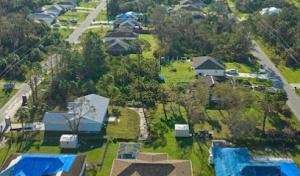
When a storm hits and the roof needs attention, you'll want a team that treats the job as more than a patch-that means crews that handle the full scope, including scheduling county inspections and confirming all parts of the job meet local standards. In this market, the emphasis is on rapid response, solid cleanup, and getting you back under a secure roof with minimal disruption.
Start by confirming the firm's local footprint: are they familiar with Clay County inspection cycles, and can they coordinate any required inspections without slowing down the project? Ask for a written plan that outlines the sequence from tarps and debris control to shingle removal, underlayment, and final wind-resistance checks. You want clarity on what's included beyond the basics, especially how they manage debris containment, disposal, and yard cleanup.
The market features established, family-owned and locally owned outfits, along with manufacturer-certified installers. Given the high-impulse demand after storms, it's easy to be drawn to the lowest price, but this area rewards solid scope, dependable warranties, and a professional cleanup-so compare those terms carefully. Look for firms that can demonstrate track records in residential re-roofs and that provide written assurances on cleanup completeness and site protection during work.
Because documentation matters for insurance claims after wind events, hire a contractor who preserves detailed records of each stage, including photos before, during, and after, plus a clear warranty synopsis. Ensure they issue lien releases and hold current certifications, so your claim and future servicing aren't held up. This practical approach helps you weather seasonality with less stress and more confidence.
Get a clear picture of your project costs upfront - no commitment required.