Last updated: Apr 19, 2026
Spring thunderstorms and high winds here drive a surge of urgent repair calls as shingles lift, tabs blow off, and debris strikes compromise the roof surface. In our four-season climate, that wind-driven damage often hides under eaves and in vent flashing, making leaks a fast-moving problem once moisture finds its way into attic spaces. The urgency is real: a small puncture or lifted shingle can become a warm, damp attic venting into insulation and drywall in a matter of hours. In the wake of a strong storm, you should treat every exposed edge and loose shingle as a red flag, especially if you hear banging during gusts or notice granules washing into gutters.
Maryland is a frequent wind, hail, and storm-claim market, so households in this corridor often navigate a paper trail before payout is finalized. In practice, that means you need solid evidence: clear photos of all affected surfaces from multiple angles, close-ups of damaged edges and flashing, and a timeline of events tied to the storm. Also capture interior signs-staining on ceilings, damp insulation, or attic odor-that corroborate exterior damage. A detailed, itemized estimate that breaks down each repair area and a concise adjuster-facing scope note can prevent confusion later in the process. When the carrier reviews your claim, accurate, well-organized documentation helps ensure the scope aligns with what actually happened on your roof.
Because local contractor signals heavily favor emergency repair, storm damage, and insurance claims work, homeowners in Abingdon often face a choice between immediate tarping or moving toward a fuller carrier-reviewed replacement scope. If tarping is your only viable option to stop ongoing leaks, act quickly to secure the area-tarps should cover all high-risk sections and extend beyond the edge to prevent wind-driven detachment. However, understand that temporary fixes may not address underlying attic ventilation and drainage issues that a comprehensive replacement would remediate. The safer, long-term path is to coordinate with your insurer on a scope that satisfies both the estimate and the observed damage, then pursue a replacement that matches the roof's material and age while preserving a consistent interior climate.
Start by cataloging every affected area immediately after the storm, focusing on exposed fasteners, lifted tabs, and damaged flashing along ridges and vent pipes. If a contractor recommends urgent tarping, obtain a written plan that specifies tarp dimensions, attachment method, and monitoring schedule for wind events. Communicate with the insurer early: request a pre-inspection walkthrough if delays loom, and prepare notes that connect exterior damage to interior signs. When you receive an adjusted scope, review it against your documentation and your contractor's notes for any gaps. The goal is a transparent, insurer-approved plan that minimizes out-of-pocket risk while restoring the roof to a durable, storm-resilient state.
Asphalt shingles are the dominant practical choice in Abingdon. In local projects, you'll typically see prices from about 350 to 650 USD per square for a full replacement, depending on shingle profile, warranty, and contractor you choose. Metal roofing sits higher in the cost scale, with common quotes in the 700 to 1400 USD per square range. Synthetic or composite shingles run between roughly 450 and 750 USD per square. These ranges reflect the mix of residential roofs in the area and the way crews price labor alongside materials during regular repair cycles.
Abingdon's storm-driven repair demand comes with the county's pattern of backlogs after wind and thunder events. After a significant regional storm, you can expect prices to creep upward as Harford County crews shift into recovery mode and scheduling tightens. Materials may stay within their typical ranges, but labor availability can compress timelines and push overall project costs higher. If your roof is due for replacement after a heavy event, plan for potential short-term price pressure and longer-than-usual lead times for both materials and installation crews.
When budgeting, think per square as the baseline and then add for your chosen material and any added features (undertlayment, upgraded ventilation, underlayment, and flashing). Asphalt shingles offer the most cost-efficient path for typical Abingdon homes, but keep in mind that climate and four-season demand mean you should factor in a sturdier underlayment and proper ventilation to protect the roof system in humid summers and cold, wet winters. If your house has complex geometry, dormers, or multiple penetrations, you'll see incremental increases in both material waste and labor time, which translates to higher per-square costs across the same material category.
In this market, the decision often boils down to a balance between up-front cost, wind and impact resistance, and the roof's ability to shed water efficiently through the seasons. Asphalt shingles have a broad selection of warranty options and are well understood by local crews, which translates to predictable installation and service outcomes around Abingdon's weather patterns. Metal roofs, while pricier, can offer longer service life and improved wind resistance in exposed exposures along the I-95/Route 24 corridor, but installation accuracy matters more than material cost alone in high-wind events.
1) Gather three local quotes for your chosen material type and ask each contractor to break out material, labor, and any sc uppers for waste or disposal.
2) If storm season is looming, ask for a projected timeline and confirm lead times for both material and crew scheduling, since shortages can push dates out.
3) Compare the long-term value: warranty duration, expected maintenance needs, and how the installation plan addresses ventilation and drainage to handle humidity and seasonal rainfall.
4) Plan for a modest contingency in your budget to account for potential minor weather-related delays or additional flashing and underlayment needs discovered during the process.
By understanding these material-specific ranges and how Abingdon's storm cycles influence scheduling, you can align expectations with reality and choose a roofing path that balances cost, performance, and reliability across Harford County's seasonal climate.
Top Quality Remodeling & Restoration
(410) 844-3111 www.tqrmaryland.com
2617 E Rhododendron Dr D, Abingdon, Maryland
5.0 from 153 reviews
For over 40 years, Top Quality Remodeling has been the trusted name in roofing and restoration throughout Harford County, Maryland. Our expert team specializes in commercial and residential projects, as well as emergency repairs, using only the highest-quality materials for lasting results. When you need reliability, craftsmanship, and top-tier service, we’re the company to call. Contact us today for a free estimate and experience the difference of true professionalism!
Stormfix Restoration
(410) 886-6059 www.stormfixrestoration.com
3400 Tulley's Pointe Court Unit 3c, Abingdon, Maryland
5.0 from 44 reviews
Stormfix Restoration provides storm damage restoration, roofing, siding, gutter, and window services in Maryland and surrounding counties.
1st Amazon Roofing
(443) 924-5876 1stamazonconstruction.com
Serving
5.0 from 48 reviews
*FREE ESTIMATES* I am Licensed, Insured, Bonded, & Minority Certified with over (20+) years of experience in this Industry. I offer the following services: -Roof Certifications -Roof Inspections -Roof Repairs (All Types of Roofing) -Roof Replacement (All Types of Roofing) -Siding -Gutters -Downspouts & more
Old Line Homes
(410) 879-2055 oldlinehomes.com
Serving
5.0 from 59 reviews
Old Line Homes is a roofing contractor in Bel Air, MD serving Bel Air, Harford County, Forest Hill, Fallston, and nearby areas. Our roofing company offers residential roofing, asphalt shingle roofing, metal roofing, EPDM Roofing, TPO Roofing, and more. We also specialize in siding, gutter, door installation and window services. Customers love us because of our comprehensive roof warranties and our affordable roof financing options. We also have industry affiliations and certifications such as GAF Master Elite, and many more. If you want to experience how your most trusted Bel Air roofing company embraces our motto "Building Better Roofs for a Safer Tomorrow.", call us now for a free estimate!
ALH Roofing
(410) 652-7744 www.alhroofing.com
Serving
5.0 from 9 reviews
Based in Aberdeen, Maryland, ALH Roofing provides superior residential roofing to Maryland homeowners, from Baltimore to the Eastern shore, and everywhere between. We professionally deliver all phases of roofing promptly at a competitive price and with a thorough cleanup. We can help with all of your Roofing, Siding and Gutter needs.
G J Goss Contracting
Serving
4.8 from 362 reviews
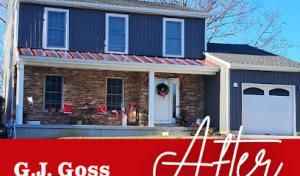
GJ Goss Contracting, Inc. specializes in residential roofing, siding, seamless gutters, replacement windows and chimney repairs in Baltimore, Harford and Cecil Counties. We are licensed with the Home Improvement Commission in both Maryland and Pennsylvania and maintain an A+ Rating with the local Better Business Bureau. We are a family owned home improvement company in Harford County, Maryland. Representing three generations of skill and experience it has been owned by Gregory Goss for 36 years. For over 25 years we have been the most trusted roof and siding company in the area. As a leader in the field we know that homeowners have many options when selecting their contractor. We appreciate the trust and confidence we have received
Angelo & Son Roofing
(410) 652-1819 angeloandsonroofing.com
Serving
5.0 from 6 reviews
Angelo and Son Roofing is a full-service roofing company. We provide all your roofing needs: REPAIRS-NEW ROOFS-METAL ROOFS-ALL TYPES OF ROOF COATINGS-SKYLIGHTS E.P.D.M-FLASHING WALLS-T.P.O-TORCH DOWN RUBBER MEMBRANE ROOFS
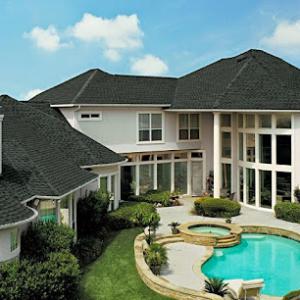
Rays Harford Home Improvement Contractors
(410) 893-3037 raysroofingharfordcounty.com
Serving
4.9 from 139 reviews
Ray's Harford Home Improvement Contractors is a third-generation roofing company that has been in business since 1959. We have more than 62 years of experience, making us the oldest contracting company in Harford County. We have an impeccable service record and take great pride in our workmanship.
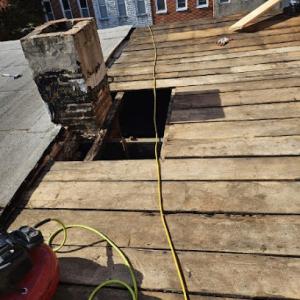
Christian Roofing & Construction
(410) 530-8444 www.christianroofingandconstruction.com
Serving
4.4 from 27 reviews
Christian Roofing and Construction provides exceptional values in roof repairs, roof replacements and construction in the Aberdeen, MD area. We are a family-owned, third generation roofing company with over 40 years experience at doing the job right in the Baltimore area. Personal service, honesty and integrity are what we value most. In addition to trustworthy service, we use high quality name brand materials like GAF CertainTeed and OWC (Owens-Corning).
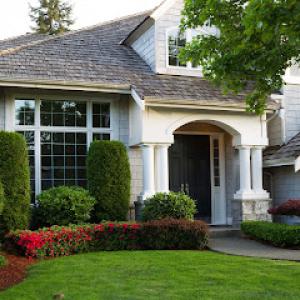
Advantage Home Exteriors
(410) 612-0511 advantagehomeexteriors.com
Serving
4.7 from 98 reviews
At Advantage Home Exteriors, we've proudly assisted over 10,000 customers in the greater Baltimore, MD area. Specializing in home exterior services, such as replacement roofing, vinyl siding, replacement windows, gutters, entry and side doors, and custom decks. For your new roof, siding, or other exterior needs, rely on our certified team of professionals. We boast customer reviews on Angie's List, the Better Business Bureau, and Home Advisor, thanks to our professionalism, experience, exceptional customer service, and extensive product knowledge. Choose us and experience the advantage that sets us apart from the rest.
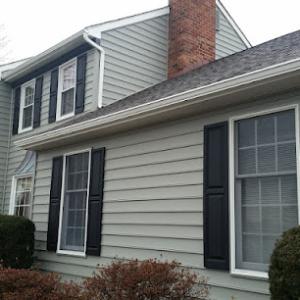
JP Construction Services
(410) 816-5544 roofingsidingwindowsgutters.com
Serving
5.0 from 8 reviews
JP Construction Services offers the best in roofing, siding and gutter replacement. We specialize in exterior insurance restoration, especially in replacing roofing, siding and gutters through insurance because of hail and wind damage.
Tar Heel Construction Group
(410) 671-0735 tarheelconstructiongroup.com
Serving
5.0 from 747 reviews
Tar Heel Construction Group is a premier, award-winning roofing and exteriors contractor serving Baltimore County, Harford County, and Cecil County. We specialize in high-quality roof and siding replacements, repairs, maintenance programs, solar and gutter installations. As a family-owned business, we prioritize accountability, personalized service, and exceptional workmanship to provide our customers with the best possible experience. We're committed to upholding our reputation as a trusted and dependable provider of superior services and products, while making a positive impact in the community. Tar Heel Construction Group believes that honesty, integrity, and transparency are key to building lasting relationships with our customers.
A full re-roof in Abingdon typically requires a permit through the Harford County Department of Inspections rather than a separate city building department process. This means your project will follow county rules and inspection schedules rather than a standalone local permit path. Start by contacting the Harford County Inspections office to confirm the exact permit type for a full replacement and to obtain the application package. The county keeps online resources and in-person counter staff ready to explain what forms are needed, who will review them, and how long the review usually takes based on current workloads.
The local process commonly includes plan review and inspection check-ins tied to undercut, ventilation, and final completion milestones. Your planning should reflect these checkpoints: an underlayment and undercut plan review, ventilation details, and a final completion inspection. The plan review will assess how the roof is framed, where ventilation intakes and exhausts will be located, and whether the proposed underlayment and flashing meet code for your climate and roof type. Expect the plan approval to reference both structural compatibility and moisture-management strategies that protect you during humid summers and rapid temperature swings.
Because ventilation is an explicit inspection checkpoint in this jurisdiction, Abingdon roof replacements need to be planned around intake and exhaust details rather than treated as a simple shingle swap. Coordinate with your contractor to map exact vent locations, roof-to-attic transitions, and any soffit or ridge vent installs. You should have a clear venting plan approved in the permit package and be prepared for the inspector to verify that intake and exhaust pathways will be continuous and unobstructed after the new roof is installed. Poor or overlooked ventilation is a common cause of lingering moisture issues and reduces shingle performance in Maryland's four-season climate.
Begin by assembling site plans that show roof geometry, attic access, and vent locations. Work with your contractor to produce a simple, stamped drawing or specification sheet that highlights undercut depth, nail patterns, and flashing details around chimneys, skylights, and vent pipes. When submitting, include any needed subcontractor credentials and a project timeline aligned to the county's inspection windows. As the work progresses, track each milestone-undercut, ventilation installation, and final completion-to ensure inspections happen in the correct order and without unnecessary delays.
Once the plan is approved, scheduling inspections is the next step. The inspector may require a mid-project check-in to confirm venting and underlayment work aligns with the approved plan. The final completion inspection confirms that all components meet code, that ventilation remains unobstructed, and that the roof system is sealed properly against moisture ingress. If corrections are needed, address them promptly to keep the project on track and compliant with Harford County's standards.
As the colder winter months loosen their grip and storms become more frequent along the I-95/Route 24 corridor, roofs in this area face a swing between thawing and sudden wind gusts. The humid, late-winter to early-spring period can push shingles to flex, making fasteners work loose if a roof has had prior wind or hail exposure. In Abingdon, inspections after a storm should verify that eaves, valleys, and flashing remain secure, because any small lift or gap can admit moisture during the spring showers. Prioritize clearing clogged gutters and downspouts to keep water moving away from the fascia; poor drainage here accelerates underlayment wear and can reveal hidden weak spots before the heavy-spring rains arrive. If a leak is suspected, identify the highest affected area first, as damage often travels along overhead joists and reaches interior ceilings only after water progresses through roofing mats or attic vents.
Hot, humid summers accelerate heat stress and can affect installation timing and cure behavior during peak-season roofing work. Shingle mats may expand with heat, while adhesive seams set more quickly when days are sunny and dry, potentially sealing minor gaps that might otherwise vent moisture. For standing metal roofs or tile systems, heat can alter panel fit and sealant performance, so timing roof work for cooler mornings is prudent. Dry, well-ventilated attics become critical in preventing condensation and elevated interior temperatures that stress roof decking, especially in homes with attic hatches or limited soffit intake. Throughout the season, rooftop ventilation should be tested and adjusted to maintain a balance that discourages ice dam buildup in shoulder seasons and reduces heat-related drying stresses on underlayment.
Autumn leaf buildup and temperature swings are a local maintenance issue because they affect drainage performance and can expose underlayment weaknesses before winter. Debris on the roof can trap moisture against shingles, accelerating deterioration and masking slow leaks. Clean gutters, inspect shingle edges for lifted tabs from summer storms, and look for pooling near low spots where leaf litter collects. Temperature fluctuations between day and night stress sealants and flashing; ensure that drip edges and valley metal are intact, as fall winds combined with wet leaves create potential entry points. This season is a practical window to address small repairs that otherwise become top-priority after winter weather.
Cold winters with freezing temperatures create ice and snow-related water intrusion risk, especially when drainage is slowed or prior storm damage is left unrepaired. Snow load, even on normal residential roofs, can shift minor failures into visible leaks. Prioritize secure flashings around chimneys, skylights, and roof-to-wall junctures, and clear critical drainage channels to reduce ice dam formation. Insulation and attic air sealing help limit condensation that freezes and then melts, creating repeating water intrusion cycles. In Abingdon, frozen nights followed by thaws demand close attention to any attic or ceiling stains, as early detection supports longer roof lifespan and minimizes interior damage.
Abingdon's housing stock largely runs on asphalt shingles, a practical choice given common suburban layouts and budget realities. Metal, synthetic/composite, wood, and lighter tile options exist, but they don't command the same universal adoption as asphalt shingles for a typical replacement. When a storm hits, asphalt remains the workhorse for rapid repairability, inspection, and restoration timelines, which matters after a windy day or a thunderstorm sweep along the I-95/Route 24 corridor. If a home currently wears asphalt, sticking with a compatible, well-ventilated system usually delivers the fewest surprises during wind-driven leaks or hail events.
The four-season climate in this area drives a few non-negotiables. Humid summers, regular precipitation, and freeze-thaw cycles stress roof systems and reveal flashing or underlayment defects quickly. Materials must tolerate moisture without warping, sustain rapid drying after heavy rain, and maintain shingle integrity through subfreezing temperatures. Asphalt shingles paired with a quality underlayment and properly sealed flashing typically perform reliably in this climate, especially when matched with vented soffits and a well-ventilated attic to prevent heat buildup that can soften shingles or accelerate granule loss. For homes in flood-prone or shaded sections, ensure eaves and valley junctions are properly flashed to shed moisture efficiently.
Tile and heavier systems-clay or concrete tile, or metal in certain profiles-offer longevity and a distinct aesthetic, but their practicality in Abingdon is narrower. They require stronger roof decks, more precise structural support, and upfront cost considerations that often outpace typical suburban replacement projects. In storm response work, contractors report fewer signals for tile or heavy-metal retrofits compared with standard shingle replacements, and the weight can complicate repairs after wind events if the structure hasn't been prepared for that load. If a home already has a metal or tile roof, the focus shifts to ensuring the underlayment, ventilation, and flashing keep pace with climate demands, rather than pursuing an overbuilt secondary system.
When choosing a replacement or repair pathway, prioritize a system that pairs well with Abingdon's humid, wet, and freeze-thaw cycle. Ensure the underlayment is robust, the attic is vented to minimize condensation, and flashing is integrated at chimneys, valleys, and skylights. If there is a storm-driven repair trigger, select a roof with a conservative slope and proven wind resistance for the typical wind loads observed in this area, and confirm that the chosen shingles have a solid warranty and a local repair network. In most cases, asphalt shingles with reinforced underlayment deliver the most predictable performance and fastest recovery after a severe weather event.
Ventilation deserves extra attention in Abingdon because Harford County inspections specifically check it during re-roof projects. Poor or undersized vents can trap humidity and encourage mold beneath shingles, especially after a long humid season. When assessing a roof after a storm, verify that soffit, ridge, and attic vents are unobstructed and correctly aligned with the attic space to promote consistent airflow.
Local contractor activity shows meaningful skylight repair demand, suggesting that skylight flashing and surrounding roof transitions are a recurring homeowner concern in this market. After a wind or hail event, inspect skylight seals for cracking or water tracks that run toward the flashing. If flashing appears loose or corroded, address it promptly to prevent slow leaks that mimic seepage from the ceiling.
Seasonal moisture, leaf accumulation, and freeze-thaw conditions in Abingdon make drainage edges, penetrations, and previously patched areas more likely to become repeat leak locations. Take a close look at valleys, drainage laps, and drip edges where debris can back up and lift shingles during a thaw. Re-check any patched spots, since aging patches can fail with the next freeze.
Penetrations for vents, plumbing, and HVAC lines are common fault lines after storms. In Abingdon's climate, flashings around these penetrations can crack or separate, especially where sealants have degraded over years. Inspect for hairline cracks, lifting along the flange, or degraded mastic that could invite water intrusion with the next heavy rain.
When a leak is suspected, prioritize a rapid assessment that focuses on ventilation outlets, skylight seals, and penetrations first. Delays can allow hidden damage to spread into rafters or insulation. If a roof shows recurring leaks in the same spots after multiple storms, it's a caution flag that a targeted repair or reflash might be necessary to avoid ongoing interior damage.
Find contractors experienced in skylight installation, flashing, and leak repairs to bring natural light into your home.
Stormfix Restoration
(410) 886-6059 www.stormfixrestoration.com
3400 Tulley's Pointe Court Unit 3c, Abingdon, Maryland
5.0 from 44 reviews
Abingdon homeowners operate in a Maryland insurance environment where wind, hail, and storm claims are common enough that documentation quality can materially affect approval timing. After storms, timely photos and notes of damage help avoid delays when the adjuster arrives. Your roof's age, venting, and drainage quirks in Harford County drive how quickly a claim moves from initial report to settlement.
Carrier depreciation and scope review can change what gets paid for on an Abingdon roof, so homeowners need photo sets, line-item estimates, and records of emergency mitigation work. Take close-ups of shingles, flashing, vents, and gutters from multiple angles, and capture surrounding alley and yard debris if it helps establish wind impact. Keep a dated folder of contractor and insurer correspondence, and log every call including time and what was discussed.
Because many local contractors market insurance-claims help, homeowners in Abingdon are often deciding how much claim assistance they want from the roofer versus handling adjuster communication themselves. If you choose assistance, insist on a written scope that matches the line-item estimate and a clear timeline for each phase: inspection, scope, and approval. If you handle it yourself, prepare for possibly longer turnaround and be ready to provide the adjuster with precise measurements and supplier records.
During review, implement mitigation to prevent interior damage while the claim is pending. Cover exposed areas with tarp or boards, clear debris from gutters, and document the mitigation with photos dated during the work. These steps can influence both final settlement and the inspection outcome.
Connect with contractors who help homeowners navigate the claims process from damage assessment to final approval.
Top Quality Remodeling & Restoration
(410) 844-3111 www.tqrmaryland.com
2617 E Rhododendron Dr D, Abingdon, Maryland
5.0 from 153 reviews
Stormfix Restoration
(410) 886-6059 www.stormfixrestoration.com
3400 Tulley's Pointe Court Unit 3c, Abingdon, Maryland
5.0 from 44 reviews
In this market, the strongest signals you'll notice when choosing a roofer are quick response, solid cleanup, and clear, affordable execution. Abingdon homeowners tend to value contractors who can show up promptly after a storm, secure the site, and leave the yard and driveway tidy. You'll often hear about firms that emphasize efficient material handling, fast follow-up on inspections, and strong workmanship without dragging you through endless options. When a contractor can outline a practical plan for storm-related damage-what needs to be repaired now, what can wait for patching, and how cleanup will be handled-you'll see that as a trusted sign.
Long-standing, family-owned firms are well represented in the area, and that presence matters. Local crews understand Harford County's climate, the common shelter configurations of Abingdon homes, and how wind-driven rain behaves around mature trees and dense neighborhoods. Homeowners tend to compare not only the price, but also the track record of reliability and honesty. A contractor that has weathered several seasons with neighbors up and down the street often earns higher confidence, because longevity signals accountability and ongoing relationships.
Most Abingdon homeowners are shopping with a contractor pool oriented toward houses rather than large flat-roof crews. Residential crews tend to offer more tailored guidance on shingle choices, attic ventilation, drainage around narrow lots, and roofline details that protect against seasonal humidity and heavy storm downpours. You're more likely to encounter hands-on project management for roof slopes, overhangs, and dormers, with scheduling that respects neighborhood noise and access constraints.
After wind or thunderstorm events, the priority is restoring a resilient roof quickly. Homeowners look for experienced storm responders who can assess wind damage, identify leap-frog leaks, and prioritize repairs that prevent water intrusion during next rain events. Clear communication about next steps, temporary measures, and realistic timelines helps you move from emergency response to a durable, long-term roof solution.
Get a clear picture of your project costs upfront - no commitment required.
Top Quality Remodeling & Restoration
(410) 844-3111 www.tqrmaryland.com
2617 E Rhododendron Dr D, Abingdon, Maryland
5.0 from 153 reviews