
Last updated: Apr 19, 2026
In this market, spring hail and high winds are a primary trigger for roof damage inspections and can also delay active roofing jobs. After a storm, treat every dent, loose shingle edge, or granule loss as a red flag. A fast visual from the ground can reveal curled edges, lifted tabs, or glassy patches where hail struck. If you see sheen or dark spots on shingles after a storm, or hear wind-driven banging at the ridge, schedule an on-site assessment promptly. Delays in response can let concealed damage worsen, pulling your roof into bigger repair territory during the busy spring window.
Winter freeze-thaw cycles in the Baltimore County area commonly stress flashing, sealants, and shingle edges before spring storm season arrives. Look for hairline cracks along vent flashing, mis-seated metal collars, and any sealant gaps at valleys or joints. These vulnerabilities often hide under snow and ice, only to reveal themselves once milder days return. If you notice drying or cracking around flashing, or granule loss on asphalt shingles near eaves, treat it as urgent. Promptly addressing these weak points can prevent leaks once spring storms start ramping up.
Local contractor signals show especially strong demand for emergency repair, storm damage service, and quick-response scheduling in this market. That means you may face shorter windows to coordinate assessments and first-stage repairs after a damaging event. Prepare a quick-access plan: have a designated contact, a clear defect log (photos with dates), and a preferred contractor list ready. When a major wind or hail event hits, prioritize securing temporary protection-tarps or heavy-duty plastic-so interior spaces stay dry while full repairs are arranged. Quick triage can save interior ceilings and walls from accelerated water intrusion.
Not every dent or granule scatter warrants a complete roof replacement, but the risk to attic spaces, insulation, and interior finishes is real if a leak is ignored. After a storm, check attic and ceiling for damp patches, musty odors, or peeling paint. If water is actively entering, or you notice rapid staining on ceilings, treat it as an emergency. Call a local crew known for rapid response rather than waiting for the next business day. A timely patch or temporary seal can buy precious hours until a full repair plan is in place.
Close-quarters housing around townhome-style structures and additions can share roofing damage from the same storm, so coordinate with adjacent homeowners to streamline access and material staging. If a slope or section of the roof shares a common wall, document any simultaneous damage to simplify diagnoses and insurance discussion. In the wake of a damaging event, your team should prioritize a clear, written repair plan with phased steps: immediate stabilization, daylight-safe temporary measures, and a durable follow-up repair visit scheduled as soon as conditions permit.
When a spring wind or hail storm sweeps through, recognizing how your insurer will handle a claim can save you a lot of headaches. Maryland homeowners insurers generally require documentation, and Nottingham-area owners should expect adjusters to request photos of pre-loss or prior roof conditions when evaluating wind and hail claims. That means you should assemble a quick, organized record before trouble strikes: clear shots of roofing conditions, vents, skylights, and any visible wear on edges and flashings. Having those photos ready can keep the process from stalling and help you support a fair assessment of damage, rather than relying on memory alone after a surprise event.
On your first contact after damage, you'll want to provide a concise narrative of what happened, when the storm hit, and what you observed immediately afterward. In this market, adjusters may request prior photos to establish a baseline, so keep a labeled folder of images from the last year or two. If you've had earlier repairs or patches, note those in advance and pair them with dated receipts or service reports. A close-up of damaged shingles, broken granules, lifted edges, and interior signs of roof trouble (such as water stains on the attic ceiling directly above the damaged area) can streamline the claim review. Don't delay a phone or online claim submission if you're unsure whether the damage is extensive; a preliminary inspection can reveal hidden issues that become serious later if neglected.
Older roofs are common in Nottingham, where steep-slope asphalt shingles remain a practical choice for many homeowners. Coverage for aging roofs can vary by policy in this market, which matters for homes with shingles near the common 20- to 30-year replacement window. If your roof is approaching that window, be prepared for questions about maintenance history and prior repairs. Insurers may scrutinize whether aged materials contributed to the damage, so you'll want records of regular maintenance like cleaning gutters, inspecting flashing, and addressing any widespread wear. Even when a storm causes visible damage, the insurance evaluation often considers whether the roof's age and condition might have increased the risk of leaks or further deterioration.
Some Maryland carriers have tightened underwriting in high-risk years, making documentation quality and maintenance history more important when a Nottingham homeowner files a roof claim. If you've experienced recent high winds, hail events, or freeze-thaw cycles, expect a more detailed review of the roof's condition and the surrounding structure. A clear maintenance log can help demonstrate proactive care, which may influence the adjuster's assessment and the final coverage decision. In practice, this means you should have a simple, honest record of inspections, any noted issues, and how they were addressed prior to the claim.
After filing, schedule a careful, thorough inspection with a reputable local contractor who can provide a documented estimate and photographs of the damage. Share these with the adjuster to corroborate your claim, focusing on discrepancies between pre-loss photos and current conditions. If a dispute arises over damage scope or workmanship, request a second opinion from a contractor who can speak to local roofing materials and weather patterns. A well-documented claim, grounded in Nottingham's typical housing stock and climate, reduces surprises and helps secure timely, appropriate relief.
Connect with contractors who help homeowners navigate the claims process from damage assessment to final approval.
Eagle Roofing Solution
(410) 739-7174 www.eagleroofingsolution.com
5024 Campbell Blvd suite e, Nottingham, Maryland
4.9 from 43 reviews

Tri State Exterior Design
(833) 469-7767 www.tristateexteriordesign.com
4627 Ridge Rd suite d, Nottingham, Maryland
4.5 from 96 reviews
Eagle Roofing Solution
(410) 739-7174 www.eagleroofingsolution.com
5024 Campbell Blvd suite e, Nottingham, Maryland
4.9 from 43 reviews
Eagle Roofing Solution is a roofing contractor in Bel Air and Havre De Grace serving North East, Elkton, Harford County, Aberdeen and nearby areas. Our roofing company offers roof repair, roof replacement, asphalt shingle roofing and more. We also specialize in gutter services. Customers love us because of our comprehensive roof warranties and our affordable roof financing options. We also have industry affiliations and certifications such as "Certified™ Roofing Contractor for GAF". If you want to experience how your most trusted Bel Air and Havre De Grace roofing company embraces our motto “Roofing Done Right!", call us now for a free estimate!

Tri State Exterior Design
(833) 469-7767 www.tristateexteriordesign.com
4627 Ridge Rd suite d, Nottingham, Maryland
4.5 from 96 reviews
Tri State Exterior Design is a leading remodeling company in the industry, specializing in Roofing, Gutters, Siding, Windows, Doors & More! We are committed to helping you Design and Build your your dream home! If you have a project that you want to get done right and on a limited budget, then we are the company for you! Besides our awesome prices, we also offer financing with payments so low, most credit unions can’t even come close to matching the monthly payments amounts. We are dedicated to serving our community, one neighbor at a time! How can we help you?
Twins Home Improvement
(410) 256-3076 www.twinshomeimprovementllc.com
Serving
5.0 from 40 reviews
We are a local, family-owned business with over 25 years of experience in roofing, siding, and gutters. We serve Baltimore County, Harford County, and Howard County areas. Our goal is to provide excellent service for every customer. We strive for the best service in every aspect of our service process to deliver what we promise.
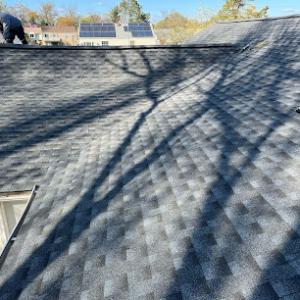
CraftMasters Remodeling
(410) 494-4409 www.craftmastersofmaryland.com
Serving
4.8 from 30 reviews
Welcome to CraftMasters Remodeling, your premier remodeling company. We have been family-owned since 1976 and are founded on military values. we’ve proudly served the Baltimore community and surrounding areas with integrity-driven remodeling services for 50 years. With more than 23,000 satisfied customers and zero unresolved BBB complaints, we’ve built a reputation for trust, quality, and accountability. Our project managers provide daily on-site supervision to ensure flawless results. Whether you need a new roof, windows, siding, or interior remodeling, you can count on the Masters at CraftMasters Remodeling to deliver expert craftsmanship and personal service.
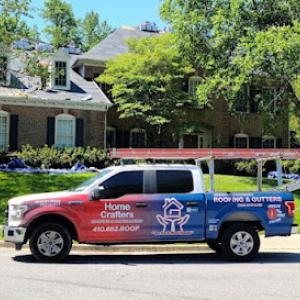
Home Crafters Roofing & Contracting
(410) 882-7663 homecraftersroofing.com
Serving
5.0 from 2858 reviews
Whether your roof is leaking, looks old, or it’s damaged, having to replace or repair roofing can be stressful. At Home Crafters Roofing & Contracting, We believe that having work done on your roof should be an easy and affordable process. We perform work on residential and commercial projects in Maryland and Pennsylvania. Our roofing experts will answer any questions you may have throughout the roofing and contracting project. We offer a complete solution with quality workmanship and a variety of roofing services. If you need roofing, skylight or gutter services give us a call or set up a free appointment. With free estimates available you will know exactly what you are getting before the work starts!
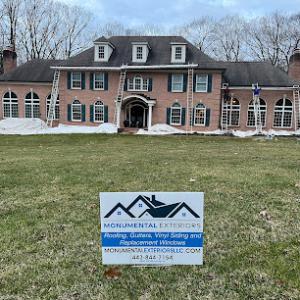
Monumental Exteriors
(443) 844-7154 monumentalexteriorsllc.com
Serving
5.0 from 48 reviews
Monumental Exteriors strives to provide excellent customer service and customer satisfaction. We have over two decades of residential exterior experience in roofing, siding, gutters and replacement windows. We also provide service work, such as roof leak investigation and repair where applicable, gutter and downspout repair etc. Monumental Exteriors also works with most insurance companies should you need to place a homeowners claim. We provide no obligation free estimates and if a temporary repair needs to be done prior to the replacement we will credit you the amount to the repair if you choose us for your replacement project.
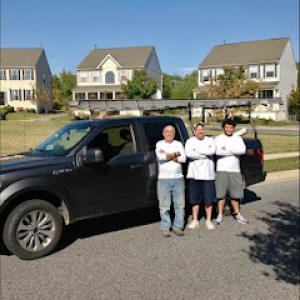
A & B Home Improvement
(410) 687-8679 www.aandbhomeimprovement.net
Serving
4.0 from 21 reviews
Protect your largest investment with our reliable roofing services. We are a locally owned and operated roofing company currently serving Essex, MD and surrounding communities. If you want to make your roof last as long as possible, it is vital that you never put off a roof repair. Small issues with roofing become big issues in a hurry. No matter how major or minor the repair you need, we are here to help. We offer roofing contracting, roof installation, and roofing repair.
Honaker Home Improvement
(443) 528-4433 www.honakerhomeimprovement.com
Serving
5.0 from 62 reviews
We are a local Christian owned Roofing company servicing the Baltimore and Harford County area. We specialize in Roofing, Roofing repairs, Siding, siding repairs and Gutter installation / gutter Repairs. Insurance jobs, retail jobs or Commercial jobs, we do them all. We value our customers and their Homes as if they were our own. If you have a leak, let us take a peak! Give us a call for a free quote today!
Quality Craft Construction
(443) 297-4993 qualitycraftconstructionllc.com
Serving
5.0 from 23 reviews
Expert Craftsmanship For Your Home Qualitycraft Construction is a locally-owned and operated roofing and exterior company based in Maryland. We have provided reliable residential roofing and exterior solutions for years to protect homes from weather conditions while keeping them energy efficient.
Empire Home Remodeling
(443) 848-8449 empirehremodeling.com
Serving
5.0 from 40 reviews
Whether it's indoor, outdoor, commercial or domestic, Empire Home Remodeling provides roofing, gutter & window services to surrounding areas in Maryland. As certified roofing contractors, we strive to bring transparency, integrity, and quality to every customer. We recognize that home renovations can be confusing and stressful, which is why we vow to educate you on the quality of the products we use, and explain what is required to complete an installation every step of the way. Feel free to contact us today!
Turner Roofing Company
(410) 325-5050 turnerroofingcompany.com
Serving
4.7 from 124 reviews
Turner Roofing Company, Inc. has been serving the DMW (Washington DC, Maryland) area with professional, affordable, and reliable roofing since 1981. Our 3rd generation family-owned and operated business provides our customers with the high-quality and efficient workmanship that they expect at an exceptional value. With our prompt and dependable service, we ensure your total satisfaction.
Amazing Home Contractors
(410) 780-7663 www.amazinghomecontractors.com
Serving
4.7 from 115 reviews
Amazing Home Contractors is a family owned and operated business founded in 2005. We strive to provide the most high quality workmanship and reliable customer service. Were are committed in offering exceptional residential and commercial roofing, siding, windows and gutters. Our ultimate goal is to give 100% satisfaction to all of our customers with every job, in hopes to build long lasting relationships for years to come.
Asphalt shingles dominate the roofscape in this area, and the climate pushes their service life toward the 20-30 year range. When you're planning after a spring wind or winter freeze, asphalt remains the practical baseline because it's easier to replace, repair, and match on established English-rooted homes found across the neighborhood. If a storm chunking or hail impact happens, you can often spot damaged tabs or halos early and address them without a full tear-off. For homeowners evaluating storm response, prioritize shingles with good wind resistance and a stout granule finish, and keep a reserve for a measured re-roof that aligns with the existing slope and shingle profile on your home.
Nottingham homeowners also encounter premium heavy materials on older or higher-end Baltimore County houses, and these options change the planning game. Slate, clay tile, and concrete tile demand a structure that can carry their weight, so any replacement after a storm should start with a framing and roof deck check to ensure the supporting structure is up to it. When a heavily tiled roof is damaged, you often need targeted repairs rather than a complete replacement to preserve the visual character of the home. If you're weighing a refresh after hail or freeze-thaw cycles, consider a material that matches the home's era and street profile, and coordinate with a contractor who understands how to detach and reattach tiles without cracking adjacent pieces. Replacement planning should account for overall roof exposure, potential underlayment updates, and compatible attach methods to maintain long-term performance.
Metal is active in this market but remains a secondary choice compared with asphalt, so material comparisons should balance lifespan, heat performance, and upfront cost. Metal can excel on mid-to-high slope sections or additions where spring winds and midday heat are a concern, yet it may look out of place on some older facades. If metal is a consideration, specify a profile that minimizes thermal expansion concerns and that can shed wind-driven debris effectively. For a storm-damaged roof, know that metal often requires precise seam work and flashings to maintain a leak-free crown area after a big bounce or hail impact. A careful assessment of roof geometry, attic insulation, and ventilation will help determine whether metal's benefits justify its initial cost on your project.
Start with a professional inspection after a major wind or hail event to identify hidden damage behind gutters and flashing. Use the findings to map a replacement or repair plan that respects the roof's current profile, whether asphalt, tile, or metal. If you're leaning toward premium materials, align the final choice with the house's architectural line and the surrounding streetscape so replacements won't feel mismatched in the long run. In all cases, ensure your contractor documents load considerations, weather-related curing needs, and compatible underlayment choices to support performance through the next cycle of freeze-thaw and storms.
A full re-roof in Nottingham typically requires a building permit through the Baltimore County Department of Permits, Licenses and Inspections. This process ensures that the chosen roofing system and installation details align with county standards for steep-slope asphalt roofs as well as heavier materials like slate or tile when those are selected for additions or specialty homes. The permit review looks at roof dimensions, ventilation provisions, underlayment types, and any decking work that may be involved with a replacement. Because residential roofing work sits under county oversight, coordinating permit timing with the contractor's schedule helps prevent delays stemming from incomplete paperwork or plan mismatches.
Inspections in this jurisdiction are conducted during and after the work to verify underlayment, ventilation, and overall code compliance before final sign-off closes the permit. Expect the inspector to verify that proper underlayment is installed for the local freeze-thaw cycle and spring wind events, as well as the presence and placement of intake and exhaust vents for attic ventilation. For Nottingham homes with steep-slope asphalt roofs, the inspector will pay close attention to shingle nailing patterns, hip and ridge detailing, and any flashing transitions around chimneys, skylights, and vent stacks. If a heavier roof such as slate or concrete tile is involved, the inspection will scrutinize compatibility of fasteners, roof deck integrity, and securement at edges and penetrations. The end goal is to ensure that the roof system will withstand Baltimore County weather patterns and align with energy and moisture-management requirements.
Inspection scheduling can be affected by weather and department workload, which can influence project timing during busy storm-repair periods in the Nottingham area. If a hail event or a rapid warm-up after winter freeze-thaw cycles triggers a surge of replacement work, permit review and inspection slots may tighten. A proactive approach is to align with a licensed contractor who coordinates pre-inspection checklists and ensures that details such as attic ventilation adequacy and underlayment choice are locked in before the permit is issued. Have a clear plan for staging the work-especially if a portion of the roof needs to remain open during portions of the project-and confirm with the contractor how anticipated weather windows may affect inspection readiness. In practice, early discussions about the sequence of work and documentation helps prevent delays once the permits are issued.
Nottingham homeowners often face a mix of steep-slope asphalt and occasional heavier materials on additions or townhome-style structures. Because the county emphasizes structural integrity and moisture management, the permit and inspection process naturally prioritizes correct underlayment, proper ventilation, and securement details that accommodate mixed roof types. When planning for storm-season repairs, coordinate with the contractor to schedule pre-inspection walkthroughs and anticipate possible rescheduling due to five- to seven-day windows of adverse weather. This alignment helps ensure that the final sign-off occurs smoothly and the roof meets county standards for long-term performance.
Pricing for a re-roof in this area is framed per square (100 square feet). The typical range moves from asphalt shingles at 350-700 USD per square up to slate at 1500-3000 USD per square. In between, metal, clay tile, concrete tile, and wood shingles/shakes sit along a ladder of labor intensity and disposal considerations. When planning, align expectations to this square-based framework and avoid translating "per roll" or "per bundle" costs into a final bid. The lighter end tends to show up quickly after a wind or hail event, while heavier materials often require more staging, equipment, and waste handling.
Costs in Nottingham can rise when storm seasons create demand surges for re-roofing and emergency work across the Baltimore County market. That means two things. First, emergency crews and expedited material deliveries can push pricing short-term higher than the standard range. Second, contractors may need to schedule work around weather windows, potentially extending project timelines and labor charges. If a storm pack happens to coincide with a holiday or weekend, expect additional surge fees. Build a contingency into your budget for a faster-than-usual onset of bids during peak spring and late winter repair seasons.
Material choice matters more here because homeowners may be comparing standard asphalt against heavier slate or tile systems that increase labor complexity and disposal considerations. Heavier options require more secure deck prep, possible structural checks, and careful crane or ladder usage when access is tight. Disposal costs climb with heavier materials due to weight, fracture potential, and the need for specialized crews. If a roof has irregular slopes or multiple roof lines, labor costs escalate further, particularly with slate or clay tile where delicate handling and precise flashing are critical to avoid leaks.
Begin with a conservative estimate using asphalt as the baseline and then add anticipated surcharges for storm-induced demand and any necessary structural or waste-management upgrades. When contemplating premium materials, request a side-by-side comparison that itemizes deck prep, underlayment, flashing, waste disposal, and crane or ladder access. In a market with variable storm activity, secure a clearly defined timeline and written price protections for material price fluctuations. For a Nottingham project, factor the potential need for expedited scheduling or extended cleanup in the overall cost picture.
Get a clear picture of your project costs upfront - no commitment required.
Eagle Roofing Solution
(410) 739-7174 www.eagleroofingsolution.com
5024 Campbell Blvd suite e, Nottingham, Maryland
4.9 from 43 reviews
Home Crafters Roofing & Contracting
(410) 882-7663 homecraftersroofing.com
Serving
5.0 from 2858 reviews
Within this area, steep-slope roofing is the main pattern, yet the contractor market shows meaningful demand for flat-roof work, indicating many homes or additions include low-slope sections that need separate detailing. Those low-slope areas are especially vulnerable when freeze-thaw stress and spring rain follow winter weather in the Baltimore County climate. Porch roofs, rear additions, and transitions often leak first, because leak sources concentrate at lower-slope connections.
After a storm, inspect transitions first: flashing, edge detailing, and penetrations where the low-slope meets a wall or chimney. When you see staining, damp spots, or soft decking near a low-slope section, treat it as a system signal, not a single point issue. Annual maintenance should prioritize drainage, membrane seams, and tying low-slope courses into the higher field for a continuous, leak-resistant envelope.
In this market, porch roofs and rear additions often bridge from main roofs with different pitches; specify weatherproof detailing to avoid gaps where wind-driven rain can push beneath joints. Plan for proactive resealing after harsh winters and spring winds, because delaying small fixes on low-slope sections almost always leads to larger leaks later. If a leak is suspected, pause interior use in affected rooms and call a roofer who can map the problem, tracing moisture to its source rather than chasing surface stains.
Tactful, timely action saves framing and finishes sooner.
Find specialists in TPO, EPDM, and built-up flat roofing systems for residential and commercial properties.
Home Crafters Roofing & Contracting
(410) 882-7663 homecraftersroofing.com
Serving
5.0 from 2858 reviews
Quality Craft Construction
(443) 297-4993 qualitycraftconstructionllc.com
Serving
5.0 from 23 reviews
Hot, humid summers in this area make attic ventilation a practical roofing issue, not just an energy topic. Heat buildup can accelerate wear in asphalt systems, warp underlayment, and shorten the life of shingles that already endure a Baltimore County climate with freeze-thaw cycles. If the attic runs stiflingly warm, you may see faster granule loss and more guiding of heat into living spaces. A balanced vent layout helps keep the roof deck cooler, which in turn protects decking, flashing, and fasteners from temperature-driven stress.
Baltimore County inspections for re-roofing specifically check ventilation, so ventilation upgrades may become part of a replacement project rather than an optional add-on. Check existing soffit and ridge openings, and note any signs of moisture buildup in the attic after summer heat spikes. If there's inadequate air exchange, a simple upgrade-adding or repositioning soffit vents, ridge vents, or an attic exhaust-can make a measurable difference. For homes with steep slopes or mixed roof lines, plan a ventilation layout that serves both the main roof and any low-slope additions, without creating dead-air pockets.
Summer conditions can also affect material handling and installation timing, which is one reason many local replacements are planned for drier, milder parts of the year. High humidity and storm risk in late spring and early summer can complicate sheathing work and nail setting. When scheduling, target mornings with stable weather, and coordinate ventilation work with underlayment and shingle installation so the roof deck stays dry during critical stages.
Begin with a quick attic walkthrough: look for unusually hot spots, conspicuous moisture, or musty smells. Note vent types-ridge, static, and soffit-and count openings. Plan for a balanced system: enough intake near the eaves and outlets near the peak to promote cross-ventilation. Consider an attic fan only if insulation is adequate and wind-driven rain won't infiltrate the attic. Finally, ensure any upgrade aligns with the roof's slope and add-on structures to avoid venting gaps that can invite moisture ingress.
Chimneys show up strongly in local roofing work, and flashing at masonry penetrations is a recurring concern for homeowners across the area. The combination of Baltimore County weather patterns and repetitive freeze-thaw cycles can push against the metal flashing that sits where the brick or stone meets the roof deck. Look for hairline gaps, loose flashing, or dark streaks along the chimney chase after a heavy wind or hail event. Even small breaches can channel water into the attic, especially when cap flashing has settled or shifted over a long winter. If you notice staining near the chimney or damp patches along the ceiling near the chimney breast, don't assume it's just the shingles failing-inspect the flashing first and consider a careful resealing or re-flashing of the masonry saddle.
Skylight service is notably active in this market, and leaks often extend beyond the shingles to curb flashing, seals, and the surrounding underlayment. In Nottingham, the curb area can suffer from sealant deterioration or improper pan installation, particularly on roofs with seasonal ice buildup. After storms, test for softness around the skylight perimeter and check the rubber gasket around the unit for signs of weathering. A common trap is underestimating the role of the curb flashing; if water appears at the interior corner of a room beneath a skylight, it's prudent to inspect both the flashing at the curb and the sealant lines for gaps or lifts.
Freeze-thaw exposure can worsen failures at roof penetrations before interior staining becomes visible. Tiny cracks in flashing paint or masonry joints can widen with repeated freezes, creating hidden pathways for moisture. Pay attention to buckling shingles or granule loss near chimneys and skylights, along with any curled edges where roof deck underlayment meets the penetration. In adverse springs, a careful eye on these areas may reveal slow leaks that only show up after a heavy rain or sudden gusts.
If damp patches appear in the attic or stains surface after wind or hail, a cautious approach is to have a professional inspect the flashing at both chimney and skylight penetrations first, then verify the surrounding underlayment and seals. Addressing flashing and seal integrity promptly reduces the risk of more extensive interior damage and keeps the roof system from silently deteriorating around these vulnerable points.
Find contractors experienced in skylight installation, flashing, and leak repairs to bring natural light into your home.
Home Crafters Roofing & Contracting
(410) 882-7663 homecraftersroofing.com
Serving
5.0 from 2858 reviews