
Last updated: Apr 19, 2026
Middle River sits on the eastern side of Baltimore County near the Chesapeake Bay and tidal inlets, so wind-driven rain can exploit vulnerable flashing and roof penetrations during stronger coastal and thunderstorm events. When a leak shows up, every hour counts because moisture can travel fast across attic spaces, along rafters, and into living areas. The goal is to stop the water at the source, then map a plan for permanent repair. Do not wait for a dry spell to address active intrusion. Quick stabilization reduces secondary damage to ceilings, insulation, and valuables.
In the wake of a storm, contractors here frequently emphasize rapid stabilization before committing to full replacement plans. If shingles have blown back, flashing has lifted, or a skylight shows seepage, the first step is to create a temporary barrier that blocks further water entry. Use a sturdy tarp or heavy-duty plastic and secure it over the affected area with roofing nails or deck screws, not staples. Overlap seams generously to shed water away from the leak point. Keep a log of every step: date, times, weather conditions, and which areas were protected. Documenting this early response helps in both timely relief and the later insurance conversation.
When installing a tarp, anchor points matter more here because wind can create leverage that lifts even well-secured coverings. Start at the highest edge above the leak and work toward dry, solid decking. Use graded tarps with reinforced edges and grommets; avoid inexpensive coverings that tear easily in a gust. Attach with long, corrosion-resistant fasteners into solid sheathing or battens, not just into loose shingles or fragile substrate. If the leak is near ridges, hips, or vent flashings, consider additional immobilization of the tarp with batten boards or weighted edges at the lower side to prevent fluttering. Check seals around skylights, chimneys, and vent pipes, and re-secure every few hours during a storm to maintain a watertight barrier.
Bay-influenced roofs often present complex damage patterns after a storm, so prepare a concise damage narrative for the insurer. Photograph the roof before any work begins, focusing on exposed deck, flashing lifts, and interior signs of water intrusion. Capture wide shots that show the overall roof state, plus close-ups of compromised flashings, shingles missing edges, and damaged gutters. Note the date and the storm's severity, including wind speeds if available. Preserve installation details of temporary fixes: tarp dimensions, anchor locations, and the name of the contractor if already engaged. Your claim will move faster when the insurer sees a clear timeline from storm impact to stabilization.
Look for local teams known for rapid on-site assessment and transparent staging for emergency repairs. Ask for a written timeline that specifies stabilization within hours and a plan for permanent repair within days to weeks, depending on weather and material availability. Request references from neighbors who've faced similar coastal storm events, and verify that the contractor can handle vulnerable flashing, ridge vent systems, and gutter damage common after hail or heavy rain. A reliable contractor will present a phased approach: stop the leak now, secure the roof for the next storm, and outline the full replacement or repair scope with weather-resilient details tailored to bay-influenced exposure.
Maryland sees recurring wind and hail roof claims, and homeowners in the Baltimore area should expect insurers to ask for thorough photo records, date-stamped damage documentation, and sometimes drone imagery. In practice, that means you should start compiling evidence the moment you notice possible damage. Have clear photos of shingles, flashing, ridge caps, skylights, and any detached accessories taken from multiple angles. Keep a dated log of when you observed issues such as curling shingles, granule loss, or dented metal. For a roof exposed to bay winds and spray, these items often appear subtle at first but evolve quickly after a storm front.
In higher-risk Maryland markets, some carriers have tightened underwriting or pricing, which makes pre-loss roof records and maintenance history more important when a claim is filed. An adjuster may compare current damage to prior conditions and note whether previous maintenance could have mitigated the issue. If you have recent roof service records, invoices, or contractor notes, include them with your claim. For structures near open water exposure, documenting collateral damage to flashing, ridge caps, skylights, and detached accessories can be especially important because adjusters may distinguish cosmetic from functional damage. Keep copies of everything you sent, and mark dates when you sent them, so there is a clear trail for the insurer to follow.
After a significant wind event or hail, perform a careful walk-around with a partner. Look for exposed nails, lifted shingles, loose flashing, and signs of water intrusion inside the attic or along interior ceilings. If you notice a fastener pattern or metal edge damage that seems tied to the storm, photograph before temporary fixes. Do not rely on quick cosmetic repairs to "hold you over"; insurers will assess whether the roof still provides protective function. In communities with bay influence, adjusters will scrutinize whether cosmetic issues mask underlying leakage risks. Providing thorough, organized documentation up front can help avoid protracted back-and-forth and helps the claim move toward a fair resolution.
If the response feels delayed or inadequate, keep a calm, documented line of communication with the insurer and your chosen contractor. In a storm-prone region like this, it's common for multiple storms to layer onto a single roof system, complicating the evaluation. Stay proactive about coordinating replacement or repair timelines, and ensure all work aligns with protecting the structure against future bay-driven exposure. You'll sleep easier knowing the record trail supports your claim and your home's resilience. Middle River homes, especially with open-water surroundings, rely on that diligence to safeguard against recurrent damage.
Connect with contractors who help homeowners navigate the claims process from damage assessment to final approval.
Empire Home Remodeling
(443) 848-8449 empirehremodeling.com
42 Stabilizer Dr, Middle River, Maryland
5.0 from 40 reviews
Aero Residential Contractors Inc.| Roofing Experts
(410) 469-1627 www.aeroresidentialcontractors.com
2014 Orems Rd, Middle River, Maryland
4.7 from 67 reviews
Empire Home Remodeling
(443) 848-8449 empirehremodeling.com
42 Stabilizer Dr, Middle River, Maryland
5.0 from 40 reviews
Whether it's indoor, outdoor, commercial or domestic, Empire Home Remodeling provides roofing, gutter & window services to surrounding areas in Maryland. As certified roofing contractors, we strive to bring transparency, integrity, and quality to every customer. We recognize that home renovations can be confusing and stressful, which is why we vow to educate you on the quality of the products we use, and explain what is required to complete an installation every step of the way. Feel free to contact us today!

Amazing Home Contractors
(410) 780-7663 www.amazinghomecontractors.com
2102 Old Orems Rd, Middle River, Maryland
4.7 from 115 reviews
Amazing Home Contractors is a family owned and operated business founded in 2005. We strive to provide the most high quality workmanship and reliable customer service. Were are committed in offering exceptional residential and commercial roofing, siding, windows and gutters. Our ultimate goal is to give 100% satisfaction to all of our customers with every job, in hopes to build long lasting relationships for years to come.
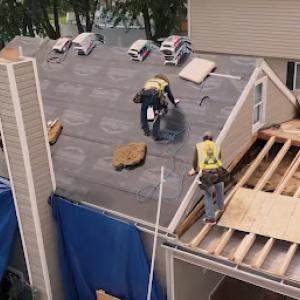
Aero Residential Contractors Inc.| Roofing Experts
(410) 469-1627 www.aeroresidentialcontractors.com
2014 Orems Rd, Middle River, Maryland
4.7 from 67 reviews
Aero Residential Contractors, Baltimore's leading roofing contractor, offers exceptional roofing installations, professional repairs, and comprehensive home improvement solutions, including home additions and custom decks. As a team of certified roofing professionals, Aero understands the importance of preserving the integrity of your home's roof and delivers unparalleled craftsmanship. With their dedication to using superior materials and employing cutting-edge techniques, Aero ensures every roof they touch receives the protection it deserves. Homeowners throughout Baltimore and surrounding areas trust Aero Residential Contractors for reliable and aesthetically pleasing roofing systems.
Nolan's Home Improvement
(410) 322-2441 www.nolanshomeimprovementllc.com
7104 Greenbank Rd, Middle River, Maryland
5.0 from 17 reviews
Nolan's Home Improvement provides residential roofing, commercial roofing, siding, gutters installation services to the Middle River, MD area.
Btc
(410) 218-0749 btc-maryland.com
13119 E Greenbank Rd, Middle River, Maryland
5.0 from 4 reviews
BTC, Inc., is a full-service, family-owned Roofing Repair and Installation Company based in Baltimore, MD. Founded in 1994 by owners and operators Bob and Julie Barnhart, both of whom were born and raised in Harford County; BTC proudly serves Baltimore, Anne Arundel, Carroll, Harford, and Cecil counties with uncompromising efficiency. Our repeat customers and referrals are a testament to the quality of work and fair pricing that BTC provides. We strive to be fast, reliable, honest and hardworking in every job that we complete.

Maryland Roofing Exteriors
(443) 454-7093 www.marylandroofingexteriors.org
Serving
4.8 from 29 reviews
Maryland Roofing Exteriors provides services for commercial and residential roofing, decks, patios, gutters, siding, concrete, roofing inspection, and chimney repairs to the greater Baltimore, MD area.
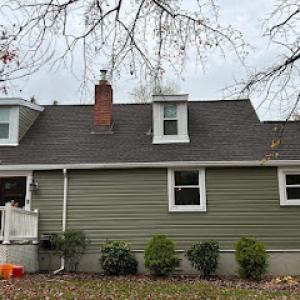
Eagle Roofing Solution
(410) 739-7174 www.eagleroofingsolution.com
Serving
4.9 from 43 reviews
Eagle Roofing Solution is a roofing contractor in Bel Air and Havre De Grace serving North East, Elkton, Harford County, Aberdeen and nearby areas. Our roofing company offers roof repair, roof replacement, asphalt shingle roofing and more. We also specialize in gutter services. Customers love us because of our comprehensive roof warranties and our affordable roof financing options. We also have industry affiliations and certifications such as "Certified™ Roofing Contractor for GAF". If you want to experience how your most trusted Bel Air and Havre De Grace roofing company embraces our motto “Roofing Done Right!", call us now for a free estimate!

Essex Roofers
(410) 687-5382 www.essexroofers.com
Serving
4.6 from 9 reviews
Work with an established roofing company on your next home improvement project. Essex Roofers in Essex, Maryland, has always focused on providing customer satisfaction by delivering the best customer service and highest quality finished products. Our expertise, combined with a commitment to quality, has made us one of the leading roofing contractors in the area.

Toro Contracting
(443) 943-3007 torocontractingrllc.com
Serving
5.0 from 32 reviews
Toro Contracting is a roofing contractor based in Rosedale, Maryland, specializing in roof repair, full roof replacement, gutter services, siding installation, and emergency roof tarp after storm damage. We provide free roof inspections, honest estimates, and insurance claim assistance for homeowners affected by wind, hail, and water damage. Our team delivers high-quality results and reliable service in Baltimore, Essex, Dundalk, Parkville, White Marsh, and nearby areas.
MasterCraft Contracting
(302) 480-4811 www.mastrcraftroofing.com
Serving
4.8 from 68 reviews
Remodeling professionals that specialize in solar, roof replacement, siding installation, window and door replacement, gutter & downspout installation, kitchen & bath remodeling, residential and commercial property renovation.

Twins Home Improvement
(410) 256-3076 www.twinshomeimprovementllc.com
Serving
5.0 from 40 reviews
We are a local, family-owned business with over 25 years of experience in roofing, siding, and gutters. We serve Baltimore County, Harford County, and Howard County areas. Our goal is to provide excellent service for every customer. We strive for the best service in every aspect of our service process to deliver what we promise.

Tri State Exterior Design
(833) 469-7767 www.tristateexteriordesign.com
Serving
4.5 from 96 reviews
Tri State Exterior Design is a leading remodeling company in the industry, specializing in Roofing, Gutters, Siding, Windows, Doors & More! We are committed to helping you Design and Build your your dream home! If you have a project that you want to get done right and on a limited budget, then we are the company for you! Besides our awesome prices, we also offer financing with payments so low, most credit unions can’t even come close to matching the monthly payments amounts. We are dedicated to serving our community, one neighbor at a time! How can we help you?
The area experiences hot, humid summers and cold winters, a combination that accelerates shingle aging, attic moisture problems, and sealant fatigue. In the peak heat of summer, attic temperatures can push past living room levels, driving fasteners and flashing to work harder and age faster. Humidity lingers around roof penetrations, ridge vents, and vents on soffits, inviting moisture into places it doesn't belong. When the calendar turns cold, that moisture trapped in the roof system freezes, expands, and then thaws, iterating across the season. This cycle stresses edges, seals, and any gap that formed during previous weather events. The result is a roof that looks fine at a glance but quietly loses its fight against leaks between storms.
In this climate, attic moisture problems aren't just an inconvenience; they're a direct driver of shingle deterioration and interior leaks. Poorly sealed attic spaces or uneven temperatures along the roof line create condensation that slips under shingles and into underlayment or decking. If soffit vents are blocked or crawl space access is poor, moisture tends to pool where it can do the most damage, especially near eaves and walls. The practical response is to verify that attic has balanced ventilation year-round: plenty of intake at the soffits, unobstructed exhaust at the ridge or exhaust vents, and insulated, well-sealed attic hatches. A simple fingertip check in the attic after a hot day can reveal whether warm, moist air is condensing on underside surfaces or if there's a persistent musty odor signaling hidden moisture.
Winter freeze-thaw cycles can worsen small flashing gaps and fastener penetrations, especially after moisture gets beneath aging shingles. Look for hairline gaps around chimneys, vent pipes, valley flashing, and edges where shingles overlap. In cold spells, those gaps invite meltwater to seep in and refreeze, pushing nails upward or loosening fasteners. The remedy is not glamorous but effective: reseal flashing with a durable, UV-stable sealant, replace damaged or cupped shingles, and ensure a tight seal where roofing meets walls, chimneys, and vents. Regular inspections after major storms help catch these issues before they become leaks.
Occasional snow and winter cold snaps create ice-dam risk at eaves, particularly on homes with uneven attic temperatures or marginal ventilation. Ice dams form when warm roof sections melt snow that refreezes at the cold eave, backing water under shingles and into the attic or ceiling. Preventive steps are straightforward: improve attic insulation to minimize heat loss through the roof, ensure continuous ventilation to keep the roof sheathing near outdoor temperatures, and install or repair ice and water shield along the eaves and at lower roof sections where possible. If ice dams appear, remove the meltwater safely and assess whether roof ventilation or insulation upgrades are needed rather than relying on short-term fixes.
When a storm hits, document every affected area with dated photos, focusing on flashing, skylights, vents, and any evidence of moisture intrusion. Keep a log of weather events, leaks, and respiration of attic spaces. For insurance-related concerns, photograph damage before any temporary repairs, and note the time and date of each observation. If a leak is active, place a bucket under the water path and cover with a tarp to minimize interior damage while arranging professional assessment. A timely, detailed report helps with faster claim processing and a clearer record of wear patterns caused by bay-influenced conditions.
Asphalt shingles are the dominant practical choice in this area because they fit the large stock of standard-pitch residential roofs and align with the strongest local contractor specialization. They handle the freeze-thaw cycles well when installed with proper underlayment and ventilation, and they're widely available from nearby suppliers and crews. For a bay-influenced climate, look for shingles with good edge wind resistance and a durable roofing felt or synthetic underlayment. This pairing keeps the roof resilient against storm-driven rain and the humidity that lingers along the waterfront. A well-installed asphalt system also benefits from a properly sealed flashing plan around chimneys, dormers, and roof-to-wall transitions, where moisture often first shows up after a storm.
Metal roofing is a meaningful but smaller specialty in this market and can appeal to homeowners looking for stronger wind and moisture performance in a bay-influenced climate. Metal panels or standing-seam systems offer excellent wind uplift resistance and quick shedding of rain, which can reduce sustained moisture exposure on the deck and attic. For homes with roof geometry that supports metal, choose corrosion-resistant alloys and correct seam detailing to endure the coastal humidity. Keep in mind that metal roofing can be more demanding to source for certain roof lines or eaves, so a local contractor with metal experience is crucial for a leak-free installation and a clean, long-term seal around penetrations.
Tile, wood shake, and synthetic options exist locally but require careful evaluation of structure, detailing, and contractor availability because they are less prevalent than asphalt in the market. Clay and concrete tiles perform well in dry spells, but here they can be heavier and demand structural checks-especially if a home has aging framing or limited attic space. Wood shakes offer a classic look but can be high-maintenance in humid conditions and may require more frequent treatment or coating to combat moisture and mold. Synthetic shingles can mimic traditional looks while offering moisture resistance and lighter handling, yet installation quality and flashing details remain critical. If considering these options, work with a contractor who has direct experience with bay-area exposure and proven detailing for valleys, skylights, and roof-to-wall joints.
In a storm-prone bay environment, the choice influences how you respond to hail, driving rain, and wind-driven debris. A roof that integrates robust flashing, solid underlayment, and well-sealed penetrations will reduce the risk of leaks after the next northern-front storm. Regardless of material, maintain a realistic inspection plan after major events: check for loose debris, damaged shingles, and compromised flashing, particularly around vents and chimneys. Your insurance documentation will reflect the roof's condition after storms, so keeping clear, dated photos and a simple log of maintenance helps when filing a claim.
When a leak appears, act quickly to contain it and document the damage before repairs begin. Photograph the affected areas from multiple angles, note the date and weather conditions, and keep receipts for temporary tarping or emergency repairs. If an insurer requests assessment, provide the contractor's written findings on roof materials, installation details, and any preexisting vulnerabilities. For any future renovations, insist on quality detailing at transitions, continuous underlayment, and secure fasteners to minimize the likelihood of recurring leaks after the next storm.
Skylight work is unusually common in this market, signaling that leak-prone transitions around skylights are a real homeowner concern in the area. In practice, the most frequent failures aren't the glass itself but the surrounding seals, curb flashing, and the way the skylight integrates with the roof plane. When a skylight edge sits on a low-slope transition or sits atop aging shingle lines, even a modest wind-driven spray can work its way under the flashing and creep along seams. Small drips from a ceiling corner or a damp patch along a skylight curb are not just an annoyance-they can signal a larger failure that compounds with freeze-thaw cycles.
Wind-driven rain from Chesapeake-influenced storms can expose weaknesses at step flashing, chimney intersections, and older skylight curbs faster than on simpler roof planes. In these settings, rain can push under the step flashing where it meets shingles, then travel horizontally along the flashing line to interior walls or attic spaces. If the curb flashings were installed piecemeal or patched over time, you may see repeated staining or staining that travels beyond the skylight perimeter. The takeaway is to treat any intermittent indoor dampness near skylights as an early warning rather than a curiosity.
Homes in established Baltimore County neighborhoods often have aging penetrations and patched flashing details that need inspection during any re-roof. The combination of older vent pipes, sagging chimney flashings, and misaligned skylight curbs creates multiple potential leak paths. Even when a roof seems solid, those patched areas can deteriorate rapidly under winter freeze-thaw cycles and hot summer heat, especially where asphalt shingles butt against flashings or where sealants have dried out and cracked.
During routine attic or eave-level inspections, look for granule loss along the skylight perimeter, unusual bubbling along flashing seams, or dark stains on deck boards beneath the curb. From the exterior, inspect for loose step flashing at the transitions between the skylight and roof plane, and verify that the curb is securely fastened with flashing that wraps up and over the top edge. If you notice uneven shingle edge exposure near a skylight or visible gaps where flashing meets shingles, treat it as a warning sign. In this area, proactive reinforcement or a careful reflash during a re-roof is considerably more cost-effective than chasing recurring leaks after a storm. In the end, the goal is to keep the transition tight and weatherproof, with flashing integrated into the roof surface rather than fighting against it.
Find contractors experienced in skylight installation, flashing, and leak repairs to bring natural light into your home.
Amazing Home Contractors
(410) 780-7663 www.amazinghomecontractors.com
2102 Old Orems Rd, Middle River, Maryland
4.7 from 115 reviews

Nolan's Home Improvement
(410) 322-2441 www.nolanshomeimprovementllc.com
7104 Greenbank Rd, Middle River, Maryland
5.0 from 17 reviews

Flat-roof specialization is active in the market, which matters for porches, additions, garages, and mixed-slope rooflines common on older and expanded homes. This means you'll frequently encounter retrofitted sections and long runs where drainage must be deliberate. Recognize that low-slope areas are not a cosmetic afterthought; they're a functional backbone that controls how water moves across the roof.
Heavy spring rain in the Baltimore area raises the stakes for drainage and ponding management on low-slope sections during replacement planning. Before any replacement, map every low spot and test drainage with a light rainfall simulation. Pay close attention to transitions where parapets meet membranes and at penetrations such as vents and skylights. If you see standing water after a 30-minute rain or feel water slosh toward joints, you'll want to address slope and runoff paths first.
In this market, you'll see a mix of membranes, coatings, and traditional low-slope systems. Coatings are common for restoration or life-extension strategies on low-slope areas, offering a way to extend service without a full tear-off in certain cases. If a coating is chosen, set a precise maintenance plan: recoat intervals, surface prep needs, and an inspection routine after heavy rain events. For replacement, choose membranes with proven UV and moisture resistance, and confirm they are compatible with any neighboring slope materials to avoid edge failures.
Low-slope sections demand meticulous flashing at edges, penetrations, and around roof-to-wall transitions. In older homes, existing flashings can be fragile or misaligned due to prior repairs. Inspect for dry-rot in fascia, seam gaps at vents, and pulled fasteners that invite water in. Plan for upgrades that create continuous barriers rather than spot fixes, especially where porches or additions connect to the main roof.
Post-installation, schedule quarterly inspections through the first year and after any significant storm. Check for surface wear, coating degradation, and any new ponding patterns. Keep debris off the surface to prevent clogging of drains, and verify that any coatings or membranes seal well at seams and terminations. Regular attention to these low-slope areas protects the overall roof system from progressive damage.
Find specialists in TPO, EPDM, and built-up flat roofing systems for residential and commercial properties.
Amazing Home Contractors
(410) 780-7663 www.amazinghomecontractors.com
2102 Old Orems Rd, Middle River, Maryland
4.7 from 115 reviews
Aero Residential Contractors Inc.| Roofing Experts
(410) 469-1627 www.aeroresidentialcontractors.com
2014 Orems Rd, Middle River, Maryland
4.7 from 67 reviews

Maryland Roofing Exteriors
(443) 454-7093 www.marylandroofingexteriors.org
Serving
4.8 from 29 reviews
In this bay-influenced area, prices can move quickly after hail or wind events as demand spikes across the Baltimore metro and contractor schedules tighten. That ripple effect shows up in both material quotes and labor windows, so you'll often see shorter lead times and higher bids during storm seasons. When a tear-off is involved, the cost can shift further if hidden decking damage is found or if a roof has to be re-trimmed around skylights or chimneys.
Costs in Middle River vary with roof complexity. A straightforward, single-slope roof with minimal penetrations tends to stay closer to the base ranges, while skylights, multiple chimneys, or mixed-slope configurations can push you toward the higher end or beyond the average. If the tear-off reveals compromised decking, expect additional costs for plywood replacement and extra labor. This is especially true for older homes that absorb more thaw-freeze cycle stress along with sea-breeze exposure.
Material choice ranges locally from asphalt shingles at 350 to 650 USD per square, metal at 700 to 1300, clay tile at 1000 to 2000, concrete tile at 900 to 1800, wood shingles or shakes at 500 to 1100, and synthetic or composite shingles at 600 to 1200. For a typical Middle River home, asphalt shingles remain the most common option due to favorable cost-to-durability balance, especially where wind-driven storms and humidity are constant concerns. Metal can offer longer life in wind-prone bayside exposure, but upfront costs sit higher. Clay or concrete tile provides standout durability but adds weight and sometimes structural considerations. Wood adds character and performance if properly maintained, while synthetics offer a middle ground on cost with added resistance to the bay's salt spray.
Storm damage response hinges on documenting damage promptly for insurance. Take clear photos of shingles, flashing, vents, and any visible deck issues after a storm, noting skylights or chimney flashings that show wear. Keep a simple timeline of events and repairs, and request detailed bids that itemize tear-off, disposal, underlayment, flashing, and any decking repair. In many cases, the final cost reflects both material choice and the extent of hidden damage found during tear-off.
Get a clear picture of your project costs upfront - no commitment required.

1st Amazon C.S.LLC/ Roofing & More
(443) 804-7105 1stamazonconstruction.com
Serving
4.8 from 135 reviews
For homeowners tackling a full re-roof, a building permit is typically required under Maryland local-jurisdiction practice, and the permit is usually pulled by the contractor. In practice, this means asking the roofing crew to show you the signed permit and the project scope before work begins, and confirming that the permit covers all major components-decking replacement if needed, ventilation, and flashing upgrades. In a Bay-influenced climate like this area, where moisture control and freeze-thaw durability are ongoing concerns, a permit check helps ensure the plan aligns with county and state code expectations.
The local review may examine decking integrity, attic ventilation adequacy, and flashing details around roof penetrations. Moisture intrusion is a real risk on low-lying coastal-adjacent homes, so expect inspectors to look for solid decking that's free of soft spots, balanced attic vents for proper air exchange, and flashing that seals perimeters around chimneys, skylights, and vent stacks. If the roof line reveals poor overhangs or inadequate drip edges, anticipate recommendations or required upgrades. This is especially relevant in this climate because proper ventilation and durable flashing help combat moisture buildup and reduce freeze-thaw stress on shingles and underlayment.
A final inspection is generally required at project completion, so homeowners should plan for the inspector to verify that the work matches the permit and that all components meet current code. Before making final payment, confirm that permit closeout is included in the contract and that the final inspection is scheduled. Retain the inspector's clearance and any lien waivers or certificates of conformity as part of the project records, to ease future resale or warranty discussions.
Spring in the Baltimore area brings thunderstorms and heavy rain that can delay tear-off schedules and increase moisture-management concerns during open-roof work. If a leak is present, plan for a temporary patch that buys time without creating a bigger moisture problem. Aim to start after a few dry days in a row, and be prepared for shifting deadlines when skies turn unsettled. Open-roof work should emphasize rapid, methodical removal and careful protection of interior spaces from sudden downpours.
Hot, humid Middle River summers affect shingle handling and crew conditions, so installation quality depends on timing, staging, and weather windows. Schedule main work for cooler parts of the day and allow for extra breaks. Keep shaded staging areas and secure materials that can deform in heat. If a late-summer storm roll-in is forecast, have a contingency plan to pause and cover exposed sheathing to prevent moisture intrusion.
Winter freezes and occasional snow can slow replacement work and increase the risk that existing weak spots turn into active leaks before a planned project starts. Freeze conditions can complicate adhesive performance and shingle seating, so plan a buffer period around cold snaps. If a project must commence in cold weather, expect longer timelines and tighter moisture-control protocols to protect interior spaces.
Coordinate a realistic window that accounts for Bay-influenced winds and coastal humidity swings. Maintain clear communication with the crew about storm forecasts, drying times, and protective measures for both shingles and flashing. In all seasons, prioritize a plan that minimizes open-roof exposure during wet or icy periods while preserving the integrity of the roof structure.
In this market, re-roofing dominates, and the job isn't done until the site is clean and safe. When you interview crews, ask who will manage tear-off protection, waste containment, and final site cleanup. A reliable local crew will outline a clear plan for tarping, staggered disposal, and how they handle staple and shingle scraps so your landscaping and drainage aren't compromised by wind-driven debris.
The contractor mix here includes long-established, family-owned firms alongside smaller residential crews. Generic marketing claims won't tell the whole story after a storm. Look for recent neighbors' feedback about on-site conduct, timeliness, and how the crew handles unexpected issues. Visit a completed local project if possible, and ask for references you can speak with about steady communication and clean closeouts.
Storms bring surge work and insurance pressure, so ask whether the same company that inspects damage also manages supplements, documentation, and the final inspection closeout. A dependable option will coordinate the claim steps with you, provide written scope and change orders, and stay engaged through every stage of the process. If a scope there changes, you want a point person who explains why and how, without chasing multiple subcontractors.
Because insurance workflows are common here, ensure the contractor can produce comprehensive damage assessments and organized documentation alongside your claim. The right team will deliver a consistent narrative for the adjuster, provide itemized invoices, and be prepared to review any supplemental requests promptly. This continuity helps prevent delays and reduces the risk of miscommunication between you, the insurer, and the crew.
A strong choice programs the work sequence to minimize disruption-protective coverings during tear-off, efficient debris removal, and a thorough final sweep. Ask how they schedule work around your family's routines, how they protect seasonal landscaping, and what they do to prevent wind-blown shingles from escaping your property. A clear, accountable plan earns trust when weather shifts or unexpected repairs surface.