Last updated: Apr 19, 2026
This shoreline area sits along Back River and Middle River in eastern Baltimore County, so homes near the water face more exposure to wind-driven rain than inland neighborhoods. The clock of every rainstorm changes here when a coastal band rolls in-gusts that slam against siding, ridge lines, and seams, then push rain under the worst penetrations. In this setting, attic and ceiling leaks often show up first around gable ends, overhangs, and skylights, but the real risk lives in the details: loose flashing, worn underlayment, and joints where two different roof planes meet. Every storm magnifies weakness you might otherwise not notice, turning a minor drip into a quick, urgent repair need.
Hurricane season from June through November is a real roofing planning factor because coastal storm bands can interrupt jobs and create sudden leak emergencies. In practical terms, that means your calendar should anticipate potential delays for material delivery, crew availability, and access to the roof when wind and rain are pounding the area. Storm forecasts should trigger a pre-storm readiness checklist, with an emphasis on securing vulnerable points-valleys, fans, dormers, and low-slope sections-before a major front arrives. The water-facing exposure also makes shingle blow-off and flashing displacement more likely after a heavy run of storms, so readiness means more frequent proactive checks than in drier, inland settings.
The local contractor signal mix strongly favors emergency repair and storm damage work, indicating that Essex homeowners commonly need rapid tarping, leak tracing, and post-storm assessments. When a storm hits, the first priority is quick tarping to limit interior damage while a more thorough assessment is done. Roof tarps must be sized to cover critical windward sections and secured with proper fasteners so they stay put between storms or during a nighttime gust. After the rain stops, a precise leak-tracing process helps identify concealed entry points-often along seam lines, around vent pipes, and at transitions between flat and pitched roof sections. Post-storm assessments should be methodical: verify attic ventilation status, check for moisture migration along rafter bays, and inspect exterior fascia and soffits for water-driven damage that could undermine the roof deck. The cadence of checks matters; a quick once-over after a heavy rain is not enough. A targeted, repeated inspection after each major coastal system keeps small problems from turning into costly, rapid repairs.
First, install or upgrade a simple, high-contrast maintenance checklist for your roof and attic; keep it where storm alerts are read and sticky notes can track fixes. Second, identify critical weak points around skylights, chimneys, dormers, and any cracked flashing; reinforce with tarps or temporary patching material during rain events, with a plan to replace damaged pieces promptly afterward. Third, maintain drainage paths so water does not pool at the edge of the roof or along eaves; clear gutters and downspouts before the hurricane season peaks. Fourth, document the roof's condition with photos taken from multiple angles and elevations; this becomes invaluable if a storm damages the roof and a quick tarp is replaced with a full repair later. Finally, build a ready-to-execute post-storm protocol: assign a trusted contractor, set a priority schedule for leak tracing, and schedule a comprehensive evaluation within 24 to 72 hours after a major wind event to determine whether a temporary fix is sufficient or a permanent intervention is required. In this waterfront climate, fast action and precise assessment are the difference between a minor nuisance and a cascade of interior damage.
After a storm, roofing contractors in this waterfront market tend to quote higher than the dry-season norm, and for good reason. Local pricing ranges you'll encounter run from about $350 to $700 per square for asphalt shingles, $700 to $1400 for metal, $1200 to $2800 for clay tile, $900 to $2000 for concrete tile, $650 to $1400 for wood shingles or shakes, and $450 to $900 for synthetic or composite shingles. Those numbers reflect material choice, labor demand, and the extra crew time required to secure loose flashing, reseal penetrations, and haul off storm debris. When you're weighing options, the steepest jumps tend to occur for larger or more intricate roof areas, especially if a roof has multiple penetrations or sections with low slope.
Storm-driven scheduling surges in this market push replacement timing and labor availability in ways inland suburbs don't notice as acutely. Emergency repairs get prioritized, and crew rotation can tighten quickly after a big event. If you're approaching a replacement or full tear-off, expect build windows to compress into shorter, more intense bursts. This can mean longer wait times for a preferred contractor or for a specific shingle profile. Plan with a margin: book early, secure a provisional start window, and be prepared for temporary tarping if weather swings between workdays. Essex projects often ride on a queue where storm-resilience work prints to the front line.
Older housing stock in the area tends toward straightforward shingle roofs, but there are still pockets with chimney penetrations, vent stacks, and occasional low-slope sections that complicate flashing and tear-off work. Those features raise labor time, increase the risk of hidden leaks, and push up costs modestly. If a roof has multiple penetrations or a lull in the ridge line where wind-driven rain can pool, price quotes may reflect extra crew hours for careful sealing and test water checks after reinstall. In practical terms, be prepared for a higher scope of work than a simple gable with a single vent.
Synthetic or composite shingles often offer favorable value in this climate when storm exposure is a primary concern, balancing cost and durability. Metal roofs can excel in wind resistance, but ensure the fasteners and seams are designed for coastal humidity and salt exposure. Clay and concrete tiles deliver longevity but demand a precise slope and robust substrate; in a storm aftercare window, their replacement can require more structural prep. If a roof was rebuilt with lighter options before a severe season, consider upgrading to a more wind-tolerant profile even if the initial price looks higher.
Right after a storm, your priority is a thorough assessment to separate cosmetic damage from structural risk. Start with an exterior inspection from ground level, noting lifted shingles, displaced flashing, and any sagging or visible leaks inside the attic. For the inspection to translate into a solid replacement plan, you'll want a contractor who can provide a staged approach: temporary fixes to weatherproof, followed by a full tear-off if the deck shows signs of water intrusion, and a final roof replacement with a matching underlayment strategy that suits waterfront humidity. With price ranges in mind, you'll be balancing immediate protection needs against long-term value, aiming to minimize additional storm-related risk within the coming season.

Essex Roofers
(410) 687-5382 www.essexroofers.com
807 Dorsey Ave, Essex, Maryland
4.6 from 9 reviews
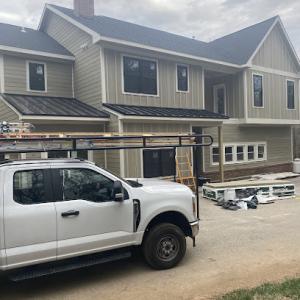
Work with an established roofing company on your next home improvement project. Essex Roofers in Essex, Maryland, has always focused on providing customer satisfaction by delivering the best customer service and highest quality finished products. Our expertise, combined with a commitment to quality, has made us one of the leading roofing contractors in the area.
New Innovative Group
714 Clover Ave, Essex, Maryland
5.0 from 3 reviews
Servicio Siding Roofing Gutters y mucho más

Amazing Home Contractors
(410) 780-7663 www.amazinghomecontractors.com
Serving
4.7 from 115 reviews
Amazing Home Contractors is a family owned and operated business founded in 2005. We strive to provide the most high quality workmanship and reliable customer service. Were are committed in offering exceptional residential and commercial roofing, siding, windows and gutters. Our ultimate goal is to give 100% satisfaction to all of our customers with every job, in hopes to build long lasting relationships for years to come.
Aero Residential Contractors Inc.| Roofing Experts
(410) 469-1627 www.aeroresidentialcontractors.com
Serving
4.7 from 67 reviews
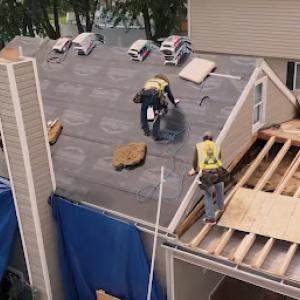
Aero Residential Contractors, Baltimore's leading roofing contractor, offers exceptional roofing installations, professional repairs, and comprehensive home improvement solutions, including home additions and custom decks. As a team of certified roofing professionals, Aero understands the importance of preserving the integrity of your home's roof and delivers unparalleled craftsmanship. With their dedication to using superior materials and employing cutting-edge techniques, Aero ensures every roof they touch receives the protection it deserves. Homeowners throughout Baltimore and surrounding areas trust Aero Residential Contractors for reliable and aesthetically pleasing roofing systems.
Empire Home Remodeling
(443) 848-8449 empirehremodeling.com
Serving
5.0 from 40 reviews
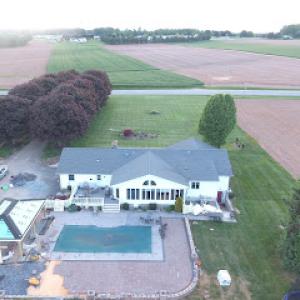
Whether it's indoor, outdoor, commercial or domestic, Empire Home Remodeling provides roofing, gutter & window services to surrounding areas in Maryland. As certified roofing contractors, we strive to bring transparency, integrity, and quality to every customer. We recognize that home renovations can be confusing and stressful, which is why we vow to educate you on the quality of the products we use, and explain what is required to complete an installation every step of the way. Feel free to contact us today!
MasterCraft Contracting
(302) 480-4811 www.mastrcraftroofing.com
Serving
4.8 from 68 reviews
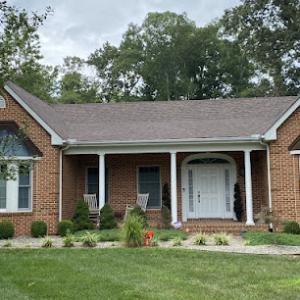
Remodeling professionals that specialize in solar, roof replacement, siding installation, window and door replacement, gutter & downspout installation, kitchen & bath remodeling, residential and commercial property renovation.
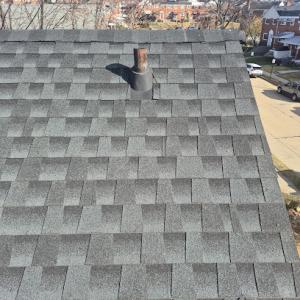
1st Amazon C.S.LLC/ Roofing & More
(443) 804-7105 1stamazonconstruction.com
Serving
4.8 from 135 reviews
*FREE ESTIMATES* I am Licensed, Insured, Bonded, & Minority Certified with over (20) years of experience in this Industry. I offer the following services: -Roof Certifications -Roof Inspections -Roof Repairs (All Types of Roofing) -Roof Replacement (All Types of Roofing) -Siding -Gutters -Downspouts & more
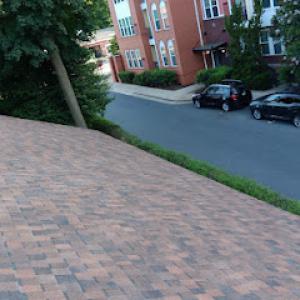
J&F Construction
(443) 704-2510 jfconstruction2020.wixsite.com
Serving
5.0 from 10 reviews
Minority owned business specialized in roofing, siding, flooring, house cleaning and maintenance. We at J & F construction are here to help and make our customers satisfied with our work. No job is too small nor to big that we can’t handle. Need free estimate call now to get set up and get an appointment with us. Roofing, siding, painting, cleaning, complete renovation, addition and new windows installations.

Toro Contracting
(443) 943-3007 torocontractingrllc.com
Serving
5.0 from 32 reviews
Toro Contracting is a roofing contractor based in Rosedale, Maryland, specializing in roof repair, full roof replacement, gutter services, siding installation, and emergency roof tarp after storm damage. We provide free roof inspections, honest estimates, and insurance claim assistance for homeowners affected by wind, hail, and water damage. Our team delivers high-quality results and reliable service in Baltimore, Essex, Dundalk, Parkville, White Marsh, and nearby areas.

Maryland Roofing Exteriors
(443) 454-7093 www.marylandroofingexteriors.org
Serving
4.8 from 29 reviews
Maryland Roofing Exteriors provides services for commercial and residential roofing, decks, patios, gutters, siding, concrete, roofing inspection, and chimney repairs to the greater Baltimore, MD area.
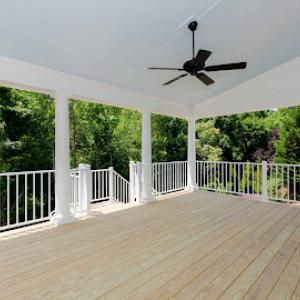
Roofs Are US
Serving
4.7 from 26 reviews
Local Roofing Contractors For Over 28 Years In Maryland. We specialize in Roof Repairs & Replacements, Siding Replacement and Deck Installations. Call Today To Schedule Your Fast & Free Estimate With Roofs Are Us!
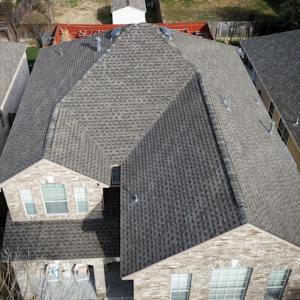
Bay Area Builders
(443) 695-6990 bayarea-builders.com
Serving
5.0 from 36 reviews
roofing and restoration
The Back River and Middle River setting brings humid Chesapeake weather, wind-driven rain, and the need for reliable leak control after storms. In this area, the roof that lasts through repeated squalls and keeps attic air moving without warping or delaminating is the one that balances venting, water shedding, and resilient fasteners. Your roof system should be able to handle both shallow, near-slab coastal humidity and sudden gusts that drive rain under the edge of shingles. That combination makes the material choice feel less like a fashion decision and more like a practical shield for the home's structure.
Asphalt shingles remain the dominant practical choice in Essex, fitting the price-sensitive re-roofing market and the prevalence of standard residential pitched roofs. They offer straightforward installation, proven performance in our climate, and easy access for repairs after a storm. When a wind-driven downpour comes through, a well-sealed asphalt roof with a solid underlayment and properly sealed edges tends to resist leaks long enough for a homeowner to complete temporary tarps or temporary patching if a heavier event hits. Look for a shingle product with good granule adhesion and a stout nailing pattern, and ensure the roof deck is solid and dry before laying new shingles.
Metal roofing has a meaningful local presence and can appeal for wind resistance and long-term performance where repeated storm exposure is a concern. In this climate, metal panels or standing-seam profiles shed water quickly and resist typical shingle blow-offs that can happen after severe storms. A properly installed metal roof with continuous fastening and sealed interfaces reduces the risk of leaks from wind-driven rain and hail. If choosing metal, pay attention to panel thickness, coating quality, and the contractor's experience with flashing at chimneys, skylights, and transitions to walls. The upfront rigidity pays off with fewer mid-life repairs when storms roll through.
Tile and wood products exist in the market but are less common locally, so homeowners need to verify installer experience. Essex contractor signals show far more asphalt and emergency work than specialty steep-slope luxury roofing. Clay and concrete tiles offer excellent water shedding and a long lifespan in ideal conditions, but they require a strong deck, precise fastening, and skilled installation to avoid cracking during temperature swings. Wood shingles or shakes provide a rustic look but require diligent maintenance and careful detailing around gutters and roof-to-wall junctions to prevent moisture intrusion and mold issues in humid air. If these are chosen, insist on an installer with recent local projects and a track record of wind-rated detailing.
After a major rain event, perform a thorough walk-around and interior inspection for signs of moisture intrusion. Check under eaves, around vents, and along any flashing transitions. In Essex, where salt air and humid air meet, the goal is to catch subtle leaks early and address any fastener loosening or flashing gaps before they propagate. Maintain clear eaves and gutters so water flow isn't obstructed, and verify that weakened areas don't show up only after a storm has passed. A proactive approach keeps the home drier and reduces emergency repairs when the next front arrives.
Flat and low-slope roofing is an active specialty in this market, with additions, porches, mixed rooflines, and small commercial or multifamily buildings common in older Baltimore County communities. In the wet winters and spring rain, standing water and slow drainage become red flags quickly. Start with a careful uphill/downslope review after any heavy rain: walk the edge lines and check for ponding more than 48 hours after a storm. If you see persistent pooling on low-slope sections, that's a sign the drainage plane isn't moving water away fast enough, and membrane seams may be reaching the limits of their life. Look at seam laps along the field, edges, and penetrations-water traveling from one seam to another is a telltale leak path on a low-slope roof. Maintain a simple habit of inspecting transitions at least seasonally, especially where the roof meets parapets, skylights, or satellite structures.
Flashing is the backbone of leak prevention on low-slope roofs. In this climate, aging or improperly lapped flashing can fail where wind-driven rain is common. Pay attention to the flashing at roof-to-wall transitions, edge details, and around equipment mounts. For porch and addition corners, verify that the flashing is continuous and properly sealed to the membrane. If you notice blisters, loose metal, or dried-out sealant pop-outs, plan a targeted repair before a storm stress test. Since Essex sees frequent moisture swings, emphasize the seals around penetrations and ensure the counterflashing remains tight against the wall or coping. DIY checks are useful, but a qualified roofer should reflash sections where laps are depressurized, especially where the membrane shows micro-tears or aging seams.
Because roof coating is also an active local specialty, some owners may be weighing restoration on aging low-slope roofs instead of immediate full replacement. Coatings can buy time on a stable, well-prepared substrate, but they are not a universal fix. If the membrane shows deep cracking, punctures, or cohesion loss, coating alone will not restore reliability. In Essex, a careful assessment after winter and spring rains helps determine whether a long-term waterproofing plan should prioritize a refreshed coating system or an accelerated path to a new membrane. In mixed roofline situations, consider how a coating job integrates with adjacent slopes or flat additions to prevent new seams from becoming failure points.
After a storm, inspect for new or widened drips inside attic spaces and around penetrations. Track any changes in water marks along the ceiling or walls, and note if attic condensation worsened after wind-driven rain events. On the exterior, re-check edge flashing, parapets, and transitions between flat sections and higher slope areas. Maintain a simple documentation habit: photograph affected zones, record date and rainfall, and compare with the prior season's look. This practical approach helps identify trends and determine whether local treatments should lean toward targeted membrane work or full-section replacement in the future.
Find specialists in TPO, EPDM, and built-up flat roofing systems for residential and commercial properties.

Essex Roofers
(410) 687-5382 www.essexroofers.com
807 Dorsey Ave, Essex, Maryland
4.6 from 9 reviews
Aero Residential Contractors Inc.| Roofing Experts
(410) 469-1627 www.aeroresidentialcontractors.com
Serving
4.7 from 67 reviews
In this waterfront area, cold, wet winters arrive with a damp sting rather than a consistently dry chill. Freeze-thaw cycles squeeze and crack roof edges, while prolonged moisture exposure tests underlayment and flashing long after the snow melts. That combination means leak complaints often emerge not during a sharp freeze, but as temperatures swing and moisture sits on the roof surface or sneaks into gaps created by frozen damage. Expect more edge wear and shingle activation near eaves and dormers where wind-driven moisture concentrates.
Ice dams are a real, recurring risk in this climate. If attic ventilation is sluggish or insulation can't hold back warm, rising indoor air, melt-water runs toward the cold roof edge and refreezes, forming dams that back up beneath shingles. The result can peel granules, loosen edges, and push water under flashing where it's hardest to repair from above. Focus on robust edge detailing: ensure drip edge flashing is continuous and well-sealed, inspect valleys for ice buildup, and verify that attic soffits have clear, balanced intake and vented exhaust. In cold snaps, consider a temporary exterior heat path approach only after a professional review, never as a DIY patch that leaves gaps.
Ventilation and insulation are the quiet line of defense. Narrow attic spaces trap humidity, turning a routine winter into a test of the roof's moisture tolerance. Seal air leaks from living spaces, add insulation to reach a uniform thickness, and maintain balanced soffit and ridge ventilation. When the attic breathes well, heat losses drop, and the roof edge stays drier longer-reducing the odds of ice dams taking hold and of late-winter leaks catching you off guard during spring storms.
After the first heavy rain or a nor'easter follows a hard freeze, inspect for hidden weaknesses. Look for softened flashing, lifted shingles at corners, and any damp spots on ceilings or upper walls. Underlayment can fail quietly under freeze stress, and flashing may develop micro-leaks where water flow increased with rain after thawed surfaces. If you notice new staining, damp insulation, or dripping near eaves, call a pro to verify edge integrity, valence protection, and any needed resealing before the next storm surge.
A full roof replacement in Essex typically requires a permit through the Baltimore County Department of Permits, Approvals and Inspections. Before any shingle, metal, or tile work begins, confirm the project with the county to avoid delays or stop-work orders that can arise after heavy storms. The permit process helps ensure that the installation aligns with local building codes, especially for waterfront properties facing humidity, wind-driven rain, and frequent post-storm checks.
Certain roof types may trigger plan review before work begins, which is especially relevant when changing materials or using less common systems. If the planned upgrade involves a new underlayment, venting strategy, or a switch from asphalt to metal, expect the reviewer to look closely at details like flashing transitions, roof-to-wall connections, and attic ventilation. In Essex's back river environment, plan reviews often focus on resisting wind uplift and ensuring adequate drainage to cope with storm surge and driving rain.
A final inspection is scheduled after completion to verify proper installation of underlayment, flashing, and ventilation rather than just the visible shingle surface. The inspector will confirm that the roof deck is sound, the flashing around chimneys and vents is watertight, and the attic ventilation is balanced to prevent condensation and ice damming. Coordinating a clear inspection window with weather and your contractor's schedule helps prevent backlogs, especially after major storms that trigger more permit activity.
Start by gathering site and project information, including the exact scope, planned materials, and any changes from the existing roof. Submit drawings or product data if required by the plan review. After completion, arrange access for the final inspection and ensure all interior spaces can be evaluated for proper attic ventilation and flashing integrity. Being proactive with documentation and weather-aware scheduling reduces the risk of delays in Essex's storm-prone climate.
In Maryland, wind and hail roof damage is typically covered under standard homeowners policies, which is highly relevant in this area because storm-response roofing is a strong local specialty. That means storm-driven leaks and blown-off shingles are generally handled under your policy rather than as a separate rider, provided the damage is from a covered peril and not wear and tear.
Claim handling commonly involves adjuster site visits and requests for photos, roof age, and material specifications, so homeowners should document damage immediately after storms. Take wide and close photos of all affected slopes, vents, and flashing, and note date stamps if possible. Keep a simple record of when the storm hit, wind directions you observed, and any indoor signs of water intrusion.
An adjuster will assess the roof's condition and compare it to the policy's terms. Have access to roof age, type of materials (asphalt, metal, tile, or composite), and any past repairs. In this area, a quick repair might be acceptable if it stops further damage, but long-term replacements should align with the most recent standards and manufacturer recommendations.
Some insurers have tightened wind and hail terms in higher-risk areas, but there is no broad statewide pullback in Maryland, making documentation quality more important than assuming coverage has disappeared. Keep a dated file of all correspondence, contractor estimates, and any photos from after-storm inspections.
After a roof incident, limit further damage by temporary coverings if safe, and contact the insurer promptly to start the claim. Schedule a professional inspection quickly, so you have a formal record of condition and any recommended repairs or replacements.
In waterfront settings, you may notice wind-driven rain impacting vent boots, flashing, and chimney caps sooner than you expect. Essex homeowners often choose impact-resistant shingles and sturdy metal flashings as a proactive measure, which can influence claim outcomes and future premiums. When storms precede tides, schedule inspections within days rather than weeks to keep lines of communication open.
Connect with contractors who help homeowners navigate the claims process from damage assessment to final approval.
Aero Residential Contractors Inc.| Roofing Experts
(410) 469-1627 www.aeroresidentialcontractors.com
Serving
4.7 from 67 reviews
Skylight repair is a meaningful local specialty in Essex, reflecting enough homes with aging penetrations that deserve separate inspection during replacement planning. In a waterfront climate, skylight seals endure more rapid wear from storm-driven rain and high humidity. When planning any replacement or repair, expect inspectors to scrutinize the curb or flashed edge where the skylight meets the roof deck. Poorly seated skylights can masquerade as a larger leak problem, so a careful test for condensation between panes and a seal integrity check should be part of the process. If you notice persistent glare or damp spots near a skylight following a rainstorm, treat it as a potential sign of compromised flashing or frame rot rather than a purely cosmetic issue.
Chimney-related work appears often in the local contractor market, which matters because flashing failures around masonry penetrations are common leak points on older homes. In Essex, the combination of salt air, wind-driven rain, and aging mortar accelerates deterioration at the chimney crown, step flashing, and counterflashing. When a bid includes chimney work, insist on a full assessment of all flashing transitions where brick or block meets asphalt, metal, or tile roofing. Look for cracked mortar, spalled bricks, and any signs of water staining on interior ceilings near the chimney line after a storm. A diligent contractor will reveal where crown repairs or re-flashing are warranted, not just cap replacement.
Baltimore County's final inspection emphasis on flashing makes these details especially important for Essex homeowners comparing bids. After a major storm, carry out a focused inspection of each roof penetration-the skylight, chimney, vent pipes, and any rooftop vents. Water can travel along underlayment seams and along rafter tails far from the original leak source, so don't rely on a single suspect site. Document patterns of staining, note any displaced shingles, and request a written plan that addresses both the primary leak path and any secondary vulnerabilities exposed by the storm. A thoughtful plan includes reinforced flashing, targeted resealing, and a schedule for timely follow-up checks to prevent repeat damage.
Find contractors experienced in skylight installation, flashing, and leak repairs to bring natural light into your home.
1st Amazon C.S.LLC/ Roofing & More
(443) 804-7105 1stamazonconstruction.com
Serving
4.8 from 135 reviews