
Last updated: Apr 19, 2026
Spring storms sweep through Harford County with fierce winds and heavy rain, and those events are the scheduling disruptors that most often start a homeowner insurance claim for roofs. The moment you notice curling shingles, granule loss in gutters, of hail dents on flashing, or water staining inside the attic after a storm, treat it as urgent. Delays can turn a manageable leak into attic mold, structural risk, or interior damage. In these conditions, acting fast is not just about protection from the weather; it's about preserving your claim's strength and your home's health.
Maryland homeowners' policies in this market typically cover wind and hail roof damage, but carriers commonly want photo documentation, a loss claim file, and adjuster confirmation before approving work. Start gathering evidence the minute the air turns unsettled: clear, dated photos of the exterior roof surface, any visible interior staining, and views of any displaced flashing or missing shingles. Take close-ups of hail impact marks on metal vents, gutters, and decking, and note the surrounding wind-driven debris that could have contributed to damage. Keep a running list of dates for every contact with the insurer, every estimate received, and every step taken toward mitigation. The goal is a tight, convincing file that demonstrates both the damage and the sequence of events leading to it.
Because storms in this area can produce a rapid cascade of issues-shingle lift, ridge vent failure, flashing separation-the file you present should tell a clear story from storm onset to current condition. Compile a before-and-after set: pre-storm photos of the roof, post-storm images that show the first signs of trouble, and fresh pictures after any temporary tarping or emergency repairs. Add a chronology of weather events, including wind speeds and rainfall amounts if available from local alerts. Finally, secure the contractor's written assessment and any temporary mitigation actions you've performed or arranged, along with proof of interim protection like tarps or boards. This is your leverage when the adjuster schedules the inspection.
Harford County's inspection history can subtly influence claim outcomes, so having orderly records matters. If the roof has undergone recent work, keep pre-installation photos and the completion certificate together with post-storm evidence. When the adjuster arrives, they'll want to see a coherent narrative: what was damaged, when it happened, what you've done to contain the damage, and what a full replacement or repair will entail. Insurers appreciate readiness and clarity; a well-organized packet often speeds decisions and reduces back-and-forth.
First, arrange temporary protection within 24 hours of a storm-tarp exposed areas, secure loose shingles, and remove loose debris from the gutter line to prevent further water intrusion. Second, contact your insurer promptly to notify a claim and request the claim file number. Third, hire a contractor who will work with you to document the scope of damage, provide a detailed estimate, and coordinate with the adjuster for a single, cohesive authorization. Finally, keep the most recent inspection reports, permit-related records, and completion confirmations accessible in one place-ideally a dedicated folder or binder. This consolidation helps you respond quickly to any insurer questions and keeps the entire process moving forward, even when spring storms arrive unannounced.
Tar Heel Construction Group
(410) 671-0735 tarheelconstructiongroup.com
1212 E Churchville Rd #101, Bel Air, Maryland
5.0 from 747 reviews
Tar Heel Construction Group is a premier, award-winning roofing and exteriors contractor serving Baltimore County, Harford County, and Cecil County. We specialize in high-quality roof and siding replacements, repairs, maintenance programs, solar and gutter installations. As a family-owned business, we prioritize accountability, personalized service, and exceptional workmanship to provide our customers with the best possible experience. We're committed to upholding our reputation as a trusted and dependable provider of superior services and products, while making a positive impact in the community. Tar Heel Construction Group believes that honesty, integrity, and transparency are key to building lasting relationships with our customers.
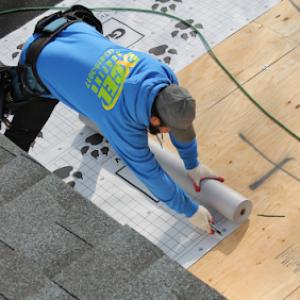
Excel Roofing
(443) 819-3017 www.roofingbyexcel.com
2116 N Fountain Green Rd Unit B, Bel Air, Maryland
4.9 from 144 reviews
We here at Excel Roofing aim to be an industry leading home improvement company. With 25+ experience in the industry we look to bring excellent quality at an excellent price.
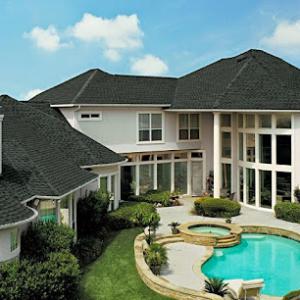
Rays Harford Home Improvement Contractors
(410) 893-3037 raysroofingharfordcounty.com
Bel Air, MD
4.9 from 139 reviews
Ray's Harford Home Improvement Contractors is a third-generation roofing company that has been in business since 1959. We have more than 62 years of experience, making us the oldest contracting company in Harford County. We have an impeccable service record and take great pride in our workmanship.
Old Line Homes
(410) 879-2055 oldlinehomes.com
713 Cedar Ln, Bel Air, Maryland
5.0 from 59 reviews
Old Line Homes is a roofing contractor in Bel Air, MD serving Bel Air, Harford County, Forest Hill, Fallston, and nearby areas. Our roofing company offers residential roofing, asphalt shingle roofing, metal roofing, EPDM Roofing, TPO Roofing, and more. We also specialize in siding, gutter, door installation and window services. Customers love us because of our comprehensive roof warranties and our affordable roof financing options. We also have industry affiliations and certifications such as GAF Master Elite, and many more. If you want to experience how your most trusted Bel Air roofing company embraces our motto "Building Better Roofs for a Safer Tomorrow.", call us now for a free estimate!
WS Contractors
(410) 688-1616 www.wscontractorsmd.com
1001 Leeswood Rd, Bel Air, Maryland
4.9 from 71 reviews
WS Contractors is an MHIC licensed, insured & bonded roofing contractor, roof company, roofer, siding company, gutter installer & deck designer/deck builder servicing Harford County Maryland, Bel Air MD, Aberdeen MD, Baltimore County MD, Anne Arundel County MD, Annapolis MD, Howard County MD, Ellicott City MD, Columbia MD & surrounding areas. As a GAF Certified Roofing Contractor offering roof replacement in Maryland since 2007, we take pride in every job we do, ensuring 100% satisfaction. In addition to our expert roofing services, we specialize in deck construction , deck design/build, skylight installation, siding & siding replacement, gutter replacement, insurance claims for weather damaged, shingles, roofs, gutters & siding in MD.
Premier Roofing
(443) 713-6002 premier-roofingllc.com
336 S Main St Ste. 2D-B, Bel Air, Maryland
4.9 from 61 reviews
Premier Roofing, LLC is a trusted, family-owned roofing company serving Bel Air, MD, Harford County, Baltimore County, Cecil County, and Southern Pennsylvania. Founded in 2018, the company specializes in residential and commercial roofing, siding, and gutter services. With a strong focus on honesty, integrity, and high-quality craftsmanship, Premier Roofing provides cost-effective solutions tailored to each client's needs. Their experienced team is committed to detailed roof inspections, fair pricing, and expert installation, ensuring long-lasting protection for homes and businesses. Whether you need a full roof replacement, repair, or maintenance, Premier Roofing delivers top-tier service backed by a 10-year workmanship guarantee.
American Design & Build
(410) 557-0555 www.adbuild.com
221 Gateway Dr, Bel Air, Maryland
4.5 from 170 reviews
American Design and Build is a Home Improvement Company specializing in roofing, windows, exterior doors, siding, gutters and trim. Whether you're in need of a entry door or a new roof, we are here to help! Our team will work with you to ensure your home improvement project properly meets you needs and style, without breaking the budget. We have been recognized as a Better Business Bureau Torch Award Winner, an Owens Corning Platinum Preferred Roofing Contractor, as well as one of the Top 500 Remodelers in the country by Qualified Remodeler Magazine.
JP Construction Services
(410) 816-5544 roofingsidingwindowsgutters.com
2216 Gelding Way, Bel Air, Maryland
5.0 from 8 reviews
JP Construction Services offers the best in roofing, siding and gutter replacement. We specialize in exterior insurance restoration, especially in replacing roofing, siding and gutters through insurance because of hail and wind damage.
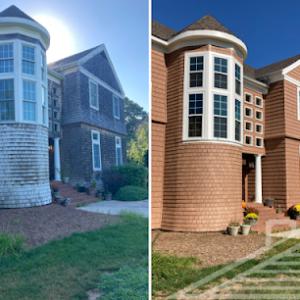
G. Fedale Roofing & Siding
Bel Air, Maryland
5.0 from 6 reviews
G. Fedale Roofing & Siding proudly serves Bel Air, Maryland, providing trusted residential and commercial roofing, siding, gutter, and window services. Since 2002, our family-owned company has been known for quality craftsmanship, integrity, and dependable service. We stand behind every project with industry-leading materials and extended workmanship warranties. From roof repairs and replacements to full exterior renovations, our mission is to deliver lasting value, education, and care to every homeowner and business we serve.
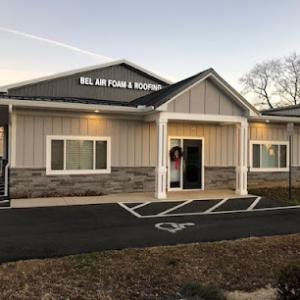
Bel Air Foam & Roofing
523 Underwood Lane Bel Air 21014, Bel Air, MD
4.5 from 12 reviews
Commercial Roofer in Harford County, Maryland offering professional commercial roofing services like commercial roof repair and commercial roof replacement. We can install over metal roofs, flat roofs and more. Service areas include Cecil County, Baltimore County, Montgomery County and surrounding areas.
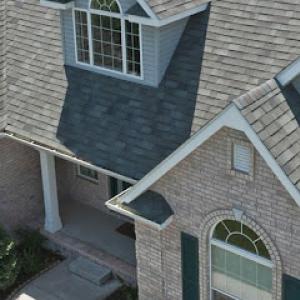
Cox Roofing
(443) 449-5273 www.coxroofing.biz
Serving
4.6 from 85 reviews
Cox Roofing provides residential and commercial roofing services to the residents of the state of Maryland, with particular focus on Anne Arundel County, Baltimore City, Baltimore County, Harford County and Howard County. We pride ourselves on our personalized service which transforms your property into the residence or business of your dreams. Our attention to detail and outstanding customer service is what separates us from our competition. From a free estimate to the finished roof, we are with you every step of the project to ensure that you’re fully satisfied. We fully stand behind our work and pride ourselves on your overall satisfaction. Regardless of the size and scope of your project, we are more than happy to visit with you and
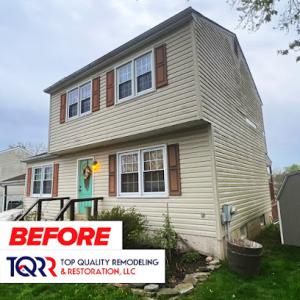
Top Quality Remodeling & Restoration
(410) 844-3111 www.tqrmaryland.com
Serving
5.0 from 153 reviews
For over 40 years, Top Quality Remodeling has been the trusted name in roofing and restoration throughout Harford County, Maryland. Our expert team specializes in commercial and residential projects, as well as emergency repairs, using only the highest-quality materials for lasting results. When you need reliability, craftsmanship, and top-tier service, we’re the company to call. Contact us today for a free estimate and experience the difference of true professionalism!
Bel Air's residential rooftops sit in a climate that swings between hot, humid summers and cold, freeze-thaw winters. This means the dominant roofing mix- asphalt shingles and metal roofing-each experiences seasonal expansion, contraction, and moisture exposure in ways that everyday weather extremes don't capture. The neighborhood's common stock leans on asphalt for its balance of cost, ease of installation, and widespread familiarity, with metal panels gaining traction for longer life under your average Bel Air storm cycle. Clay tile and concrete tile show up in pockets of the older or more insulated homes, while wood shakes and synthetic composites find niches where texture and appearance matter or where local wind resistance is a priority. In practice, this translates to choosing materials that tolerate repeated seasonal cycling without significant loss of adhesion, fastener pull-out, or coating failure, and to scheduling work so installation steps don't get sabotaged by heat or humidity.
The long, humid summers you experience here push shingles and sealants to perform at their best when they're installed with proper venting and underlayment. Adhesives in asphalt shingle systems can soften in peak summer heat, potentially affecting seal-down of tabs and wind resistance once storms roll in. Metal roofing benefits from well-sealed fasteners and corrosion-resistant coatings, but it also expands and contracts with temperature swings, so panel fit and panel-to-fastener spacing matter. If you're considering clay tile or concrete tile, be mindful that heavy seasonal moisture and freeze-thaw cycles stress the fasteners and mortar-like bed joints differently than asphalt or metal. Wood shakes demand careful drying considerations and dramatic attention to thickness variation and decay risk in more humid summers.
Summer heat in Bel Air can complicate installation of shingle-based systems. Heat accelerates the curing of sealants and can stiffen starter strips, making accurate alignment critical. If a project space is exposed to sun for long hours, you'll want crews who plan the roof work for cooler parts of the day and who bring shaded or ventilated staging areas. Handling and storage of shingles should be done away from direct sun to prevent warping or adhesive issues. For metal roofs, installers benefit from cooler evenings or mornings for panel handling, with attention to thermal expansion gaps. When clay tile or concrete tile is chosen, ensure that the structure has appropriate support and that seasonal humidity won't push issues with mortar setting too quickly or unevenly.
In practice, the choice hinges on how well a material resists adhesion loss, wind uplift, and moisture ingress across a Bel Air year. Asphalt shingles are a practical, common baseline that handles seasonal cycling with the right underlayment and proper ventilation. Metal can deliver durable performance with careful fastener patterns and corrosion protection, particularly in homes facing more exposed wind routes. If a home features clay or concrete tile, plan for a robust substrate and good drainage to accommodate rain-saturated months. Wood shakes offer a distinctive look but require regular maintenance in humid summers and frequent inspections for moisture-related warping. Synthetic/composite options provide flexibility across seasons, often pairing well with existing roof geometry while offering better resistance to expansion and contraction. Each choice benefits from a season-aware installation plan and a focused inspection routine after major storms.
When a full roof replacement is in the plans, the permit comes from Harford County rather than a city-only process. That means the project will be evaluated under county rules, even if the house sits in a neighborhood that feels very Bel Air in character. The county permit process helps ensure storm-related repairs and replacements follow standardized safety and durability practices that hold up through the next round of wind and rain. The upgrade or repair work that touches the roof structure, underlayment, ventilation, or flashing typically triggers this permit requirement, so plan accordingly early in the project timeline to avoid delays tied to paperwork.
The county digital portal is the central hub for submitting roofing permits. In many Bel Air projects, the contractor handles the initial paperwork, but homeowners also have the option to submit directly if they prefer. The portal is designed to keep documents organized in one place, which is a practical consideration given the storm response tempo in this part of Harford County. If a contractor is managing the submission, confirm that all drawings, specifications, and notices of storm-related repairs are uploaded promptly. If the homeowner submits, double-check the submission checklist to ensure nothing essential is missing and that the contact information for the responsible party is current. In either scenario, you should expect to provide a description of the work, the anticipated start and finish dates, and evidence that the job will meet local building and ventilation standards. This centralized system streamlines inspections but also places a premium on timely, complete uploads.
Bel Air roof projects commonly feature inspections at two key milestones: the underlayment and venting stage, and the final completion. The underlayment/venting inspection verifies that the roof deck, underlayment, and venting work are properly installed and that the attic environment will resist moisture and heat buildup. The final inspection confirms that the entire roof system, including flashing, penetrations, and materials, is in place and safe for the weather cycles ahead. Weather conditions and inspection backlog can cause signoffs to slip, so building early in the process with the county portal helps keep the schedule moving. If an inspection window is missed due to weather, contact the inspector or the permitting office promptly to reschedule and avoid recurring delays.
Before submitting, gather key documents such as a written scope of work, product specifications for underlayment and venting, and structural notes if a deck or trusses are involved. Photograph existing conditions where relevant, especially if hail-related damage is part of the project, to support the permit narrative. Maintain open communication with the contractor about anticipated inspection dates and any weather-driven delays. Keep a local calendar handy for inspection deadlines and potential resubmittals, since backlog can affect signoff timing. Remember that the county portal is the communal file cabinet for this project; keeping everything accurate, complete, and timely in that system reduces back-and-forth and helps the project progress through Bel Air's storm-response cycle with fewer holdups.
Typical Bel Air pricing runs about $400 to $800 per square for asphalt shingles, $700 to $1200 for metal, $1000 to $1800 for clay tile, $800 to $1500 for concrete tile, $700 to $1200 for wood shingles or shakes, and $500 to $900 for synthetic/composite shingles. These ranges reflect local labor rates and the mix of housing stock you'll see around town, from mid-century ranches to newer craftsman-style homes. When you're comparing bids, the per-square number matters, but so does the scope-underlayment, ventilation, flashing, and attic access all influence the bottom line.
In Bel Air, costs can rise when storm-driven demand spikes after wind and hail events, because quick-response crews are heavily marketed and reroofing volume is high in the local contractor base. During a tight market, you may encounter shorter lead times and pressure to upgrade shingles or add extra flashing and leak prevention measures. Expect some variability in crew availability and potential surge charges if a major windstorm hits. If you're evaluating bids after a storm, ask each contractor to separate material costs from labor surcharges and to provide a clear start-to-finish timeline.
Humid summers and winter freeze-thaw cycles push durability into the foreground. Asphalt remains the most cost-efficient choice for most houses, especially when drying-in and ventilation are solid. Metal can handle wind better and may shed hail impact concerns, but the upfront price is higher. Tile options (clay or concrete) bring long life but add weight and require structural checks. Synthetic/composite shingles offer a middle ground with reasonable performance in our seasonal swings.
Weather delays from winter snow or spring rain can add indirect project cost even when material pricing stays stable. Plan for potential schedule shifts around typical Bel Air spring storms and autumn winds. A well-communicating contractor will give you a phased plan: debris removal, underlayment, flashing, and shingle installation, with a final inspection and cleanup. Insist on a written sequence and daily progress updates so you aren't left guessing about delays or partial work.
Get a clear picture of your project costs upfront - no commitment required.
Rays Harford Home Improvement Contractors
(410) 893-3037 raysroofingharfordcounty.com
Bel Air, MD
4.9 from 139 reviews
Late spring through early fall is generally the most workable replacement window in Bel Air because the area avoids the worst winter ice hazards while staying ahead of colder-weather freeze-thaw stress. This period offers longer dry spells, lower moisture in decking, and more predictable scheduling with crews accustomed to the spring storm patterns. If a storm damaged roof needs attention, aim to align work with this window whenever possible to minimize re-work and protect interior spaces from lingering moisture.
Winter ice and snow can delay tear-offs and create unsafe roof conditions, especially when crews are waiting on dry decking and safe access. If a leak or wind damage occurs during the colder months, focus first on shoring and temporary protection to keep water out, then plan a carefully staged replacement when conditions improve. Scheduling flexibility is essential in the chill of February or March, as weather can swing between icy mornings and mid-day thaws, complicating material handling and safety checks. Coordination with the contractor for snow-day contingencies helps maintain momentum when breaks in the weather finally arrive.
Summer heat and humidity and spring storm interruptions mean homeowners often need to balance ideal weather against backlog pressure when booking replacement dates. High heat can stress underlayment and roof deck portions during installation, so crews may favor cooler parts of the day for certain tasks. Spring storms can introduce delays or require quick triage after wind or hail events, particularly on projects that involve multiple trades or long lead times for materials. Build in a small buffer in the schedule for weather-related setbacks, and communicate early with the contractor about preferred installation windows to avoid conflicts with peak seasonal demand.
Understanding the typical climate texture of the area helps homeowners set realistic expectations. When a project begins, expect a window where dry days align with moderate temperatures and manageable humidity. If a preferred start date must be missed due to weather or backlog, a trusted contractor will offer near-term alternatives that preserve deck integrity, minimize interior exposure, and keep the project moving toward a complete, storm-resilient roof. In Bel Air, the rhythm of spring storms, hot summer days, and careful winter handling shapes how both scheduling and crew availability unfold across the season.
Skylights are a frequent source of leak trouble in this market, where wind-driven rain can press water sideways across the roof plane and into any seam. In Bel Air, the play between humid summers and freeze-thaw cycles means that seals around skylight curb flashings can degrade faster than other penetrations. Pay attention to pulpits of oxidation or dark staining along the skylight edges after storms, and do not assume a single bad seal is the only culprit-condensation and improper shimming can push moisture into the roof deck. When troubleshooting, inspect the flashing kick-out against the curb, the sealant bead at the perimeter, and the condition of the surrounding shingles or tiles for lift or fracture.
Harford County inspections in this area commonly emphasize underlayment and venting stages, so flashing details aren't merely workmanship questions but inspection-sensitive items. If you notice any misalignment where the deck meets the vent stacks, you should treat it as a critical leak risk. In practice, verify that the underlayment runs continuous beneath roof penetrations and that vent openings have proper flashing that extends up and over the surrounding shingles. Poorly executed flashing around dormers, plumbing stacks, and attic vents invites wind-driven intrusion during storms, especially in margins where the roof meets interior wall lines. Routine checks during dry spells can prevent a minor seam from becoming a costly remedy after a heavy rain.
Chimney-related leak points are notably common here, reflecting homes that blend masonry with asphalt or tile roofing. The wind-driven rain pattern often forces water where brick and mortar meet the roof plane, creating cap-and-flash vulnerabilities at the chimney chase. Look for cracked mortar, loose flashing at the base, and tuck-pointing gaps that expose flashing seams to the elements. When leaks appear near the chimney, re-evaluate the transition details between masonry and roof material, ensuring the apron flashing and counter-flashing are securely integrated with the shingles or tiles above. Delays in addressing these transitions can lead to recurring leaks after each wind event.
Find contractors experienced in skylight installation, flashing, and leak repairs to bring natural light into your home.
Tar Heel Construction Group
(410) 671-0735 tarheelconstructiongroup.com
1212 E Churchville Rd #101, Bel Air, Maryland
5.0 from 747 reviews
Rays Harford Home Improvement Contractors
(410) 893-3037 raysroofingharfordcounty.com
Bel Air, MD
4.9 from 139 reviews
WS Contractors
(410) 688-1616 www.wscontractorsmd.com
1001 Leeswood Rd, Bel Air, Maryland
4.9 from 71 reviews
In the wake of wind and hail events, a clear paper trail can make the difference when manufacturers or insurers review what happened and why. In Bel Air, warranty value is tied closely to whether the roof was properly permitted and inspected through Harford County, because documentation can matter later for both manufacturer and insurance questions. That means every step-from initial assessment to final repair-needs to be cataloged with tangible records you can rely on if questions arise months or years later.
The local market includes manufacturer-certified and warranty-offering contractors, but those signals are less common than quick-response reroofing, so homeowners should verify paperwork rather than assume it is standard. Start by gathering inspection notes, photos taken before, during, and after work, and all final invoices. If a temporary or partial repair occurred, time-stamped photos and written summaries help show the scope and progression of work. Keep any correspondence with the contractor, including change orders and warranty terms, in a single, plainly labeled folder.
For Bel Air projects completed after storm damage, keeping permit approvals, inspection results, photos, and final invoices together creates a stronger record if future coverage or workmanship disputes arise. The sequence matters: establish a dated timeline that shows the problem, the response, and the verification steps taken by inspectors or county officials. If a claim is filed years later, that organized trail can be the difference between a straightforward resolution and a longer, costly process.
Treat every storm-related roof repair as a potential warranty-claim scenario. Even if a contractor offers a fast fix, ask for copies of all inspection reports and a copy of the warranty terms tied to the exact materials installed. A well-kept paper trail respects the local realities of Harford County oversight and protects both the homeowner and the roof long after the last shingle is set.