
Last updated: Apr 19, 2026
This area sits near the Bush River and the Chesapeake Bay influence zone, so tropical storm remnants and hurricane-season systems can bring stronger wind exposure than inland Harford County locations. That means your roof faces extended gusts, fast-moving rain, and flying debris when a storm pushes inland. The risk isn't just shingles peeling or a few loose tiles - a sustained wind event can threaten the entire roof structure, attic ventilation, and fascia if gutters or downspouts fail under pressure. Understanding this climate context helps you rate threats accurately and act before a small issue becomes a large one.
Spring storms and year-round precipitation in Edgewood mean wind-driven rain can penetrate areas you don't routinely inspect. A roof can look intact from the curb while wind-driven spray bypasses edge flashing, pushes under cracked sealant, and travels along attic joints to unseen spots. Pay attention to new damp spots on ceilings after a storm, even if the exterior looks fine. Loose shingles aren't only cosmetic; they spell a channel for moisture that elevates interior mold risk and damages sheathing if not addressed quickly. If wind rips at vents or penetrates around chimneys, you may see accelerated deterioration along the roofing envelope in a few days to weeks. In practice, treat any storm-related wet area as a potential roof issue until a professional confirms the scope.
Maryland roof claims commonly involve wind and hail, and insurers typically expect photo documentation, scope details, and permit records for replacement approval. In Edgewood, the storm window can be tight, so you want to photograph ahead of cleanup to capture missing shingles, lifted flashing, compressed sealants, and any daylight showing through the roof deck. Photograph the entire roof from multiple angles, then close-ups of damaged sections, gutters, and vent flashings. Create a simple, organized list of visible issues with locations so the adjuster can quickly map the scope. If fascia or soffit damage is present, document it as part of the overall water-management system, not just the shingles. Collect recent storm logs, including dates of high winds, hail, or driving rain, and note any prior repairs that could affect coverage. When you prepare for claims, the goal is a clear, concise story: what happened, what you observed immediately after, and what the roof needs to restore moisture control and wind resilience.
Edgewood homeowners should schedule a damage evaluation promptly after a storm, especially if reports indicate strong winds or gusts nearby. Displaced shingles or flashing damage often signals deeper problems in the underlayment or sheathing. Hire a roofer who can perform a thorough wind-load assessment and provide a detailed, site-specific plan to restore the envelope's resilience. A trusted contractor will prioritize securing the roof to prevent further water ingress, then present a staged plan that aligns with storm-season risk and your home's existing materials. If tarping is recommended, arrange it promptly to shield interior spaces while the repair plan is finalized. Staying proactive reduces the chance of escalation from a leak to structural concerns and keeps the project on a steadier clock during Edgewood's storm cycles.
Find local contractors experienced in assessing and restoring roofs after hail, wind, and severe weather events.
Angelo & Son Roofing
(410) 652-1819 angeloandsonroofing.com
1010 State Hwy 755, Edgewood, Maryland
5.0 from 6 reviews
Angelo and Son Roofing is a full-service roofing company. We provide all your roofing needs: REPAIRS-NEW ROOFS-METAL ROOFS-ALL TYPES OF ROOF COATINGS-SKYLIGHTS E.P.D.M-FLASHING WALLS-T.P.O-TORCH DOWN RUBBER MEMBRANE ROOFS
G J Goss Contracting
Serving
4.8 from 362 reviews
GJ Goss Contracting, Inc. specializes in residential roofing, siding, seamless gutters, replacement windows and chimney repairs in Baltimore, Harford and Cecil Counties. We are licensed with the Home Improvement Commission in both Maryland and Pennsylvania and maintain an A+ Rating with the local Better Business Bureau. We are a family owned home improvement company in Harford County, Maryland. Representing three generations of skill and experience it has been owned by Gregory Goss for 36 years. For over 25 years we have been the most trusted roof and siding company in the area. As a leader in the field we know that homeowners have many options when selecting their contractor. We appreciate the trust and confidence we have received
Christian Roofing & Construction
(410) 530-8444 www.christianroofingandconstruction.com
Serving
4.4 from 27 reviews
Christian Roofing and Construction provides exceptional values in roof repairs, roof replacements and construction in the Aberdeen, MD area. We are a family-owned, third generation roofing company with over 40 years experience at doing the job right in the Baltimore area. Personal service, honesty and integrity are what we value most. In addition to trustworthy service, we use high quality name brand materials like GAF CertainTeed and OWC (Owens-Corning).
Advantage Home Exteriors
(410) 612-0511 advantagehomeexteriors.com
Serving
4.7 from 98 reviews
At Advantage Home Exteriors, we've proudly assisted over 10,000 customers in the greater Baltimore, MD area. Specializing in home exterior services, such as replacement roofing, vinyl siding, replacement windows, gutters, entry and side doors, and custom decks. For your new roof, siding, or other exterior needs, rely on our certified team of professionals. We boast customer reviews on Angie's List, the Better Business Bureau, and Home Advisor, thanks to our professionalism, experience, exceptional customer service, and extensive product knowledge. Choose us and experience the advantage that sets us apart from the rest.
Stormfix Restoration
(410) 886-6059 www.stormfixrestoration.com
Serving
5.0 from 44 reviews
Stormfix Restoration provides storm damage restoration, roofing, siding, gutter, and window services in Maryland and surrounding counties.
Top Quality Remodeling & Restoration
(410) 844-3111 www.tqrmaryland.com
Serving
5.0 from 153 reviews
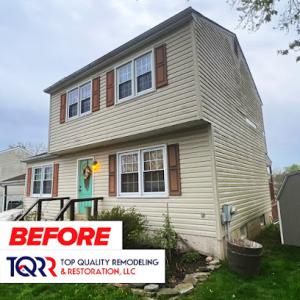
For over 40 years, Top Quality Remodeling has been the trusted name in roofing and restoration throughout Harford County, Maryland. Our expert team specializes in commercial and residential projects, as well as emergency repairs, using only the highest-quality materials for lasting results. When you need reliability, craftsmanship, and top-tier service, we’re the company to call. Contact us today for a free estimate and experience the difference of true professionalism!

1st Amazon Roofing
(443) 924-5876 1stamazonconstruction.com
Serving
5.0 from 48 reviews
*FREE ESTIMATES* I am Licensed, Insured, Bonded, & Minority Certified with over (20+) years of experience in this Industry. I offer the following services: -Roof Certifications -Roof Inspections -Roof Repairs (All Types of Roofing) -Roof Replacement (All Types of Roofing) -Siding -Gutters -Downspouts & more
Nolan's Home Improvement
(410) 322-2441 www.nolanshomeimprovementllc.com
Serving
5.0 from 17 reviews
Nolan's Home Improvement provides residential roofing, commercial roofing, siding, gutters installation services to the Middle River, MD area.
Old Line Homes
(410) 879-2055 oldlinehomes.com
Serving
5.0 from 59 reviews
Old Line Homes is a roofing contractor in Bel Air, MD serving Bel Air, Harford County, Forest Hill, Fallston, and nearby areas. Our roofing company offers residential roofing, asphalt shingle roofing, metal roofing, EPDM Roofing, TPO Roofing, and more. We also specialize in siding, gutter, door installation and window services. Customers love us because of our comprehensive roof warranties and our affordable roof financing options. We also have industry affiliations and certifications such as GAF Master Elite, and many more. If you want to experience how your most trusted Bel Air roofing company embraces our motto "Building Better Roofs for a Safer Tomorrow.", call us now for a free estimate!
Turner Roofing Company
(410) 325-5050 turnerroofingcompany.com
Serving
4.7 from 124 reviews
Turner Roofing Company, Inc. has been serving the DMW (Washington DC, Maryland) area with professional, affordable, and reliable roofing since 1981. Our 3rd generation family-owned and operated business provides our customers with the high-quality and efficient workmanship that they expect at an exceptional value. With our prompt and dependable service, we ensure your total satisfaction.
Rays Harford Home Improvement Contractors
(410) 893-3037 raysroofingharfordcounty.com
Serving
4.9 from 139 reviews
Ray's Harford Home Improvement Contractors is a third-generation roofing company that has been in business since 1959. We have more than 62 years of experience, making us the oldest contracting company in Harford County. We have an impeccable service record and take great pride in our workmanship.
ALP Roofing
Serving
5.0 from 290 reviews
Based in Fallston, Maryland, ALP Roofing is a residential roofing company proudly serving Baltimore and Harford counties since 2019. We specialize in roof replacement, roof repair, storm damage repair, siding, gutter services, and even seasonal holiday lighting. As your neighbors, your partners, and your advocates every step of the way, we combine local values with skilled craftsmanship to deliver a contractor experience homeowners can truly rely on. Our team works closely with homeowner’s insurance companies, either meeting inspectors or providing detailed reports to simplify the claims process. We also we use drone assessments, 3D modeling, and our own photography to give you a clear view of your roof so you can make confident decisions.
Edgewood experiences hot summers, cold winters, and precipitation in every season, so replacement timing is often best during drier stretches rather than at peak summer humidity or winter freeze-thaw periods. The upper Chesapeake corridor brings humidity that can complicate asphalt shingle handling, while tropical-storm winds can elevate moisture intrusion risk during shoulder seasons. Plan around weather windows that minimize moisture exposure to decking and underlayment, and aim for a schedule that keeps work continuous enough to avoid repeated wind-driven rain delays.
When summer heat is at its peak, asphalt shingle bundles can warp and fasteners may struggle to seat in very hot, soft substrates. Favor early-morning starts or late-afternoon shifts to reduce heat-related handling issues, and coordinate delivery of materials to avoid stacked piles sitting in sun. If a dry stretch coincides with a forecasted string of days without significant rain, that window becomes the most reliable for tear-off and reroofing. For metal, synthetic, or heavier tile products, ensure that fastener installation is timed for cooler, drier periods to prevent expansion or sagging that humidity can exaggerate. Maintain continuous protection on exposed decking where possible, and keep underlayment dry as installation proceeds.
Winterization should focus on avoiding freeze-thaw cycles that stress aging shingles, flashing, and fastener points after moisture intrusion. In northeastern Maryland, moisture can linger after a storm and refreeze at night, pulling up flashing and loosening seams. Schedule critical steps-deck preparation, flashing installation, and underlayment checks-during periods when daytime temperatures rise above freezing and nights stay above freezing long enough for sealants to cure. If a thawing trend emerges after a storm, use that window to complete any outstanding tasks before new moisture enters. Do not rush into reroofing in a period that promises repeated freezes, as repetitive cycling can compromise new work before it seals.
Summer heat and humidity affect both conditions and pace. Shingle sheathing and underlayment can behave differently under high humidity, complicating fastener seating and self-sealing behaviors. Plan for a steady, slower pace on very hot days and keep shade and hydration on the crew to maintain quality. Roofs with complex pitches or numerous penetrations will benefit from staging that reduces re-visit time during peak heat. If a storm system threatens, shift work hours to avoid forecasted downpours and wind, knowing that delays fill quickly in a coastal-influenced climate.
Spring storms can disrupt tear-off schedules, with high winds and heavy rain common along the Bush River corridor. Build in contingency days and maintain an adaptable sequence for tear-off versus replacement. When storms look likely, secure perimeters, protect attic spaces, and finalize flashing details in advance of potential wind-driven rain. Have a plan for rapid tarp deployment and debris management to keep interior moisture exposure minimal during unsettled weeks.
Regardless of season, ensure that all penetrations are properly sealed and that flashing is fully integrated with siding transitions. Edge detail work, gutter integration, and drip edge installation should follow a dry-day sequence to maximize seal integrity. After completion, inspect for any residual moisture pockets or fastener exposed edges that could invite water intrusion during the next seasonal shift.
As you plan a reroof in this part of the Bush River corridor, asphalt shingles remain the practical backbone of most Edgewood homes. Their broad compatibility with standard roof decks, hatchments, and attic ventilation, plus a familiar installation workflow, keeps projects predictable in a market that commonly deals with humid summers and year-round precipitation. You'll find the most options in profiles and colors, and the quick, economical replacement path that fits typical curb appeal goals for Edgewood neighborhoods. In storm season, asphalt shingles handle wind-driven rain at a steady pace and shed moisture reliably, making them the go-to for reroofs that want to balance performance with a straightforward rebuild. For homeowners, this means less complexity if damage occurs again after a storm and easier documentation for insurance conversations that focus on recourse rather than retrofit surprises.
Metal roofing offers a different balance, especially when wind performance and low maintenance in a wet climate matter most. In Edgewood, metal systems often ride out tropical-storm winds more consistently than other materials, with fasteners and seam details chosen for coastal exposure. The trade-off is higher upfront investment, but the long view includes improved resistance to pitting from salt spray, simpler deck sealing in a high-moisture environment, and reduced yearly upkeep. If a home already leans toward an industrial or modern aesthetic, metal can also enhance curb appeal with durable finishes that hold color through salty air and heavy rains. Consider your home's roof geometry, attic clearance, and potential need for underlayment upgrades to maximize wind performance.
Clay and concrete tile can be found in the market, but are less typical for Edgewood homes. The heavier weight often triggers structural checks or reinforcement needs, especially on older houses with limited attic access or marginal framing. Tile systems can offer distinct weathering benefits in hot stretches, but the humid, salt-influenced air and frequent wind-driven rain in this bay corridor demand careful detailing around penetrations and flashings. Tile systems may require more meticulous roof deck planning, sealing, and transitions to stay watertight through wet seasons. If choosing tile, ensure the climate-specific design and installation guidance is aligned with your house's structural realities and roof slope.
Edgewood reroofs benefit from thorough storm documentation. When high winds or heavy rain threaten, take clear photos of any preexisting damage, including shingles fluttering, lifted edges, or flashing gaps. Keep a dated log of storm events, roof-related leaks, and attic moisture signs. For insurance conversations, gather records of shingle granules in gutters, correlated with hail reports, and any contractor notes from initial inspections. This local pattern-frequent moisture and wind exposure along the Bush River-means having well-organized photos, diagrams of roof planes, and a simple inventory of venting and penetrations can speed the claims process and support a smoother reroof outcome.
In Edgewood, a full re-roof typically requires a building permit through Harford County rather than a separate city roofing department. The county's process is designed around the broader jurisdiction that covers your neighborhood along the Bush River corridor, where storm-driven rain and humidity put extra emphasis on proper sheathing and ventilation. Homeowners and contractors alike should plan for the permit to be issued at the county level and not expect a city-specific Edgewood permit to handle roofing work alone.
The permit application is commonly submitted by either the contractor or the homeowner, which makes responsibility for paperwork an important contract detail in Edgewood reroof jobs. When choosing who handles the application, consider the project timeline, document organization, and clarity of the work scope. If the contractor takes on the permit, confirm that all required forms, surveys, and material specifications are included. If the homeowner applies, ensure the contractor's scope is attached as supporting documentation. In either case, keeping an organized file of permit approvals, timeline milestones, and inspection notices helps prevent delays caused by missing paperwork during the county review.
Inspections in this jurisdiction commonly occur during tear-off and after installation, with county review focused on decking, ventilation, and underlayment before final permit closure. At tear-off, inspectors expect the decking to be exposed and for any damaged boards to be identified and repaired. Proper ventilation is checked to ensure the attic space will vent correctly once the new roof is installed, which helps manage moisture given Edgewood's humid summers and year-round precipitation. Underlayment installation is reviewed for continuity and compatibility with the chosen roofing system. After installation, inspectors confirm that the roof sheathing remains sound, flashing details are in place around projections and penetrations, and that the overall installation aligns with Harford County code. Expect potential follow-up items if decking or ventilation gaps are found, and plan for any required remedial work to be completed before the final permit is closed.
Keep a dated log of all inspections and correspondence with Harford County, including the initial permit application number, inspection appointment times, and any deficiencies cited. If the project includes a tear-off, document the condition of the old decking and the replacement schedule to avoid confusion during the county review. Given Edgewood's exposure to storm winds and rain, it is prudent to maintain a clear record of underlayment type, attic ventilation plan, and flashing details to demonstrate compliance during the final inspection. This documentation supports a smoother permit closure and protects against weather-related setbacks as the reroof progresses.
Edgewood reroof pricing is highly sensitive to storm-driven demand spikes, especially after regional wind events when contractor schedules tighten across Harford County. When a major event rattles the Bush River corridor, you'll see prices drift upward quickly as crews reallocate crews and materials. If your project hits the aftershock window of a storm, expect slower bids, tighter calendars, and potential lead times that push overall costs beyond the first quote. Knowing this helps you plan; you may want to line up trusted installers early after a wind event instead of waiting for the next round of storms to pass.
Asphalt shingles run about 350 to 550 USD per square in this market, while metal commonly ranges from 700 to 1100, and tile systems rise much higher. In Edgewood, material choice is the largest lever for your bottom line. If moisture and wind exposure are the primary concerns, metal can offer durability that reduces long-term risk, but it comes with a higher upfront tag. Clay or concrete tile adds substantial weight and wind resistance, but installation complexity and underlayment needs push costs up quickly. Synthetic or composite shingles provide a middle ground, often closer to 500-900 per square, with improved insulative performance. Factor in attic ventilation and decking compatibility when weighing a switch from one system to another, since adding or upgrading these elements can modify the overall cost picture.
In Edgewood, tear-off work often uncovers decking repairs that were not evident at the initial quote. Damaged or rotten decking requires replacement, which increases both material and labor costs and can extend project duration. Ventilation corrections flagged during county inspection or by the roofing crew after removal are another common cost driver, especially on older homes with outdated soffit or ridge vent configurations. These issues can push Edgewood projects above initial quote ranges even when the new material price is straightforward. Planning for a modest contingency to cover decking and ventilation upgrades helps prevent sticker shock when the tear-off reveals the real scope.
To manage costs, compare bids with an eye toward wind resistance and moisture management features that suit Bush River humidity. Confirm whether a contractor's bid assumes standard decking or if upgrades are needed. Build in a contingency for storm-driven scheduling shifts and potential inspection-driven adjustments. By aligning material choice with local exposure, you can stabilize value and protect against abrupt price surges after the next round of storms.
Get a clear picture of your project costs upfront - no commitment required.
Top Quality Remodeling & Restoration
(410) 844-3111 www.tqrmaryland.com
Serving
5.0 from 153 reviews

The local contractor market shows meaningful demand for both flat-roof and skylight work, indicating that leak tracing around low-slope sections and roof penetrations is a real Edgewood service need. When storm drains overwhelm, water often tracks toward seams, penetrations, and transitions rather than pooling neatly on the field. If a flat roof or low-slope area is whispering with moisture after a windy rain, the culprit is frequently a misbehaving flashing detail or a compromised membrane around a corner or curb. Expect the first signs to appear at seams, around parapets, or where a porch addition ties into the main roof.
In Edgewood's wet climate, low-slope transitions, skylight curbs, and flashing details are vulnerable when heavy rain follows wind events or winter weather stress. Skylights and their curbs are magnets for wind-driven water that can sneak under poor joints or out of alignment. A curb that shifted or a flashing step that's pulled back by gusts creates a corridor for water to migrate sideways across a roof deck. In practice, this means that you may see dark staining or a damp patch not long after a storm-often away from the obvious center of a roof plane.
Homes with additions, porch tie-ins, or mixed rooflines often develop leak issues at transition points before the main field of roofing fully fails. Transitions carry the combined burdens of multiple roof materials, differing slopes, and settling from remodeling work. A slow drip at a skylight can signal more than a single bad seal: it can reflect underlayment wear, flashing gaps, or a creeping edge where several roof planes meet. Early attention to these zones can prevent more invasive interior damage and deeper structural work down the line.
Focus inspections on skylight surrounds, curb seals, and the joints where two roof surfaces meet. After a heavy rain or a wind event, look for dampness or staining along seams, around penetrations, and at any visible flashing laps. If you notice recurring moisture, document the affected areas with photos and note the date of the storm. This record becomes invaluable for diagnosing whether the problem is localized or part of broader deterioration, and it helps a contractor target the most likely failure points without unnecessary exploratory work.
Find specialists in TPO, EPDM, and built-up flat roofing systems for residential and commercial properties.
Angelo & Son Roofing
(410) 652-1819 angeloandsonroofing.com
1010 State Hwy 755, Edgewood, Maryland
5.0 from 6 reviews
Because Maryland insurers commonly ask for photos, material documentation, and scope details, Edgewood homeowners should keep records from first damage discovery through final installation. Start by compiling a concise damage timeline, then add photos showing the roof condition, any exposed decking, and the weathered areas that prompted the claim. Include product data sheets for each material used and the contractor's written scope of work. This bundle will travel with the claim and help prevent delays when the adjuster reviews the file.
A reroof that is properly permitted and inspected in Harford County is easier to document for underwriting, claims review, and future home sale disclosures. Before work begins, confirm that the roofing permit is pulled in the correct jurisdiction and that the contractor's plan aligns with local code requirements for Edgewood-facing exposures and wind-driven rain considerations. Keep a copy of the stamped permit set and any inspection notes as part of the homeowner file, since insurers and buyers often request proof of code-compliant replacement.
The county's final inspection closes the permit, making final approval paperwork an important part of the homeowner file after an insurance-related replacement. Schedule the final inspection promptly after installation, and ensure the inspector has access to the full project record: permit cards, contractor invoices, and the completed scope. If the final inspection flags minor adjustments, address them quickly and document the corrections. A clean closeout reduces hassle during appraisal for underwriting or a future sale, and it provides a clear, ready-to-submit trail for any subsequent claims.
Store the entire closeout package in a weatherproof folder or digital archive labeled with the service address and claim number. In Edgewood, where storm-related events are common, a well-organized file speeds claims review, supports accurate disclosures during sale, and helps maintain confidence with insurers during future weather cycles. Regularly review records after installation to verify that every document remains legible and current.