
Last updated: Apr 19, 2026
Elkridge homeowners in Howard County face recurring spring hail and heavy rain events plus autumn wind storms, making storm-triggered inspections and claim documentation a primary roofing concern. The pattern here is clear: wind-driven hail can crack shingles, lift edges, or push moisture under flashing long before a leak shows inside the attic. Maryland carriers in this market commonly scrutinize wind and hail claims closely, so your documentation needs to reflect the exact sequence of events and the condition of the roof the moment the storm passes. The local contractor market mirrors this urgency, with storm damage, emergency repair, and insurance-claims services showing meaningful prevalence among Elkridge-area roofers. A timely, precise claim can mean faster decisions and better coverage for the repair path your home needs.
As soon as a storm ends, start documenting with a clear, systematic approach. Capture dates and times of the weather events, the storm's path, and any immediate signs of damage you notice on the roof and interior ceilings. Photograph every surface: shingle edges, granule loss, lifted tabs, cracked or missing flashing, and the condition of vent detailing. If leaks appeared after wind or hail, photograph the affected interior ceilings, walls, and attic insulation or sheathing. Make a rough map of the roof's condition from ground level and from a safe ladder position, noting any granule evidence in gutters or at downspouts. Write a concise incident note for each photo: date, location on the roof, and what you observed. This timestamped, image-rich record will be crucial when the insurer evaluates wind and hail impacts versus preexisting wear.
Use high-resolution shots and include close-ups of shingles with hail impact marks or bruising if visible. Take wide-angle photos showing the general roof condition and neighboring homes for context, then zoom in on any flashing around chimneys, skylights, and vent stacks. Interior photos should illustrate any water staining, damp ceilings, or mold growth that correlates with the roof event. Keep all images organized by date and storm, and preserve them in a cloud-based album with backups. If a temporary repair is performed, photograph the workmanship and materials used before the work begins, and retain receipts and material lists. A dated, professional note from an emergency roofer can reinforce your claim, especially when insurers question the severity of wind or hail damage.
The local market's emphasis on storm damage and emergency repair means you have ready access to roofers who understand the claim process and the strict documentation insurers require. When choosing a contractor, prioritize teams with a track record in storm-claim scenarios, written inspection reports, and the ability to provide a detailed scope of damage tied to the storm event. Request a dedicated storm-damage assessment that explicitly links observed issues to spring hail or autumn wind, and ensure the roofer's report includes photos, measurements, and a proposed repair timeline. Communicate with your insurer promptly, share the documentation package, and maintain a running log of all claim communications to avoid gaps or conflicting information.
If the claim becomes contested or the scope expands beyond initial estimates, consider elevating the process with a public adjuster or storm-damage specialist who understands local carriers and their documentation expectations. An expert who can translate roof-level findings into insurer-approved repair language can prevent underpayment and keep your project on track. In Elkridge, such specialists are familiar with the timing of spring and fall storms and the typical path a claim follows from field inspection to final settlement. Keep the line of communication open with your contractor and the insurer, and move quickly at the first sign of wind- or hail-related damage.
5 Star Roofing & Restoration
(833) 578-2707 www.5starroofingandrestoration.com
7020 Troy Hill Dr Ste A, Elkridge, Maryland
4.8 from 193 reviews
5 STAR Roofing and Restoration provides top-notch service for all home improvement and emergency mitigation needs. We specialize in helping homeowners get approvals on their storm damage roof repair or replacements. Our team of experienced roofers are dedicated to your satisfaction and will provide you with a quality job that is built to last. Contact us today for a free quote and let us help you restore the value of your home. Thank you for choosing 5 STAR Roofing and Restoration -
Elvis General Construction
(410) 694-1731 www.elvisgeneralconstructionllc.com
Serving
4.8 from 39 reviews
At Elvis General Construction, our dedication lies in delivering top-notch roofing services that stand the test of time. As a locally owned and family-operated enterprise with all in house crews, we boast an impressive collective experience of over 70 years in the roofing industry. Our unwavering commitment to excellence ensures that we never outsource any of our work. Every task is handled by our proficient in-house team, allowing us to maintain the highest standards of service. To demonstrate our confidence in our craftsmanship, we provide a comprehensive 10-year workmanship warranty for all our projects.

Kangaroof
Serving
4.9 from 130 reviews
A1 Roofing's Kangaroof is one of the top-tier Maryland Roofing Companies serving the Columbia Md, Ellicott City Md, and Elkridge Md markets. Our roofers specialize in asphalt architectural shingles for pitched roofs, natural white single ply PVC membrane for metal and flat roofs. We are a roofing contractor that is proficient at dealing with storm damage, roof repair, and roof replacements as well as installing or upgrading gutters and downspouts. We also provide services for various kinds of siding projects. We are A Veteran -Owned and operated roofing company with high standards and dedication to the roofing industry. We are members of the Better Business Bureau, Roofers Success Intl, and Roofing Insights.
DreamHome
(410) 834-4291 www.dhremodeling.com
Serving
4.9 from 29 reviews
As a BBB Accredited Roofer and the first choice for roofing and exterior renovation throughout Virginia and Maryland, you can rely on the professionals at DreamHome, Inc. to provide the innovative products and guaranteed service you need to keep your property in top shape. To learn more about our company and the impressive selection of services we offer, just give us a call today. You can also fill out our online form on our site and we'll get you started with a free quote and consultation
Walter Brown Services
(410) 796-4322 walterbrownservices.com
Serving
5.0 from 74 reviews
Walter Brown Services provides roofing and gutters, windows, skylights, doors, and more to Halethorpe, MD and surrounding areas.
Semper Roofing Ellicott City
Serving
4.9 from 65 reviews
At Semper Roofing Ellicott City, we have been providing homeowners, with high-quality roof installation and repair services for years. Our team of experienced professionals is certified to inspect, diagnose, and repair both residential and commercial roofs. We are trusted by many homeowners and businesses for our prompt service and expertise in getting the job done right the first time. We understand that with any renovation project, there is always some degree of stress in the home or business. That is why our priority is to complete the job as quickly and with as little inconvenience as possible. If you are looking for reliable, efficient, and high-quality roofing services to satisfy your needs and expectations, call us today.
Nu Look Roofing, Siding, & Windows
(443) 806-8086 nulookhomedesign.com
Serving
4.6 from 586 reviews
Nu Look Roofing, Siding, and Windows provides dependable roof replacement in Columbia. For over 20 years, we’ve helped more than 50,000 homeowners with roofing projects, offering free estimates, 3D renderings, and clear, upfront pricing. Our 13-step production process ensures every job meets your expectations, and our lifetime transferable warranty gives you lasting peace of mind. You won’t pay until the work is finished to your satisfaction—guaranteed. From personalized product options to flexible financing, we’re here to make your roofing project straightforward. Call us today to get started with professional roof replacement in Columbia for your home.
AmeriPro Roofing
(410) 989-4481 www.ameriproroofing.com
Serving
4.4 from 117 reviews
At AmeriPro Roofing, we help you cover what matters most -- your family. As an Owens Corning Platinum Preferred Contractor specializing in storm repair & restoration, we're the experts in your backyard with standards through the roof.
American Remodeling
(410) 799-9600 americanremodelingcorp.com
Serving
4.7 from 127 reviews
Since 2000, we’ve built our reputation by offering honest pricing, quality craftsmanship and a team dedicated to treating every project as our only project. Everyone at American Remodeling is keenly aware of the trust we have earned when we are hired to take on a project. On many occasions, we come in to help dreams of a new exterior look become reality. Sometimes, we are hired after damage has been done; when a storm or calamity makes remodeling an unexpected project. Big or small, we start every project by considering the unique details of each home.
Blusky Roofing & Restoration
Serving
5.0 from 33 reviews
Blusky Roofing and Restoration is a versatile company specializing in Residential and Commercial roofing services. Our expertise extends to state and federal roofing and restoration projects, ensuring top-notch quality and compliance with regulatory standards. Trust us for comprehensive solutions in the roofing and restoration industry.
Edwards Home Pro Services
(410) 718-3906 edwardshomepro.com
Serving
5.0 from 50 reviews
For over two decades, families in the Ellicott city , Columbia and surrounding communities have trusted the Edwards Home Pro Services team for all of their residential home improvement needs . Our services include Roofing - Roof repairs, Flat roofing, Flat roof coatings Flat roof repairs, Interior - Exterior Painting, Gutter Guards Gutters installs and repairs, Power and soft wash services, Carpentry and wood trim repairs , Deck Staining, Deck Painting, Deck Sealing ,Paver Patio service, Siding Repairs and more. No job to small. Click or call today you wont be sorry .edwardshomepro.com
Southern National Roofing
(240) 763-3091 southernnationalroofing.com
Serving
4.2 from 219 reviews
We are a contractor specializing in Energy Efficient Residential Roofing Replacement, with a focus on building products and installation methods geared to the unique climate and building challenges in the Southern United States.
In this area, a full re-roof typically requires a building permit through Howard County rather than a city-specific permitting office. The county process is designed to verify that ventilation, underlayment, flashing, and installation meet code expectations and the project advances with documented inspections. Planning for the permit start early can prevent delays that complicate storm-season work or insurance closeouts. The county's permit portal will guide you to the appropriate forms, and the contractor should pull the permit in your name or as the property owner's agent. Expect the review to check basic structural compatibility and any changes to roof venting strategy that affect attic moisture control. Because this step anchors the timeline, map out the anticipated inspection windows in advance.
County inspectors will scrutinize ventilation to ensure attic spaces stay dry during humid Maryland summers and cold snaps in winter. Underlayment choices should align with the latest code updates, particularly for weather-resistant barriers that can help mitigate spring rain and fall storms that push moisture toward the decking. Flashing around chimneys, skylights, and roof-to-wall transitions must be properly integrated and corrosion-resistant to endure freeze-thaw cycles. If your roof has older decking, the inspection will look for solid substrate and any needed repairs prior to shingle installation. Expect the inspectors to verify attic baffles and soffit vents as part of the overall ventilation strategy, not as a separate fee-based add-on.
Because permit issuance and inspection scheduling run through the county process, homeowners should account for county timing when planning around storm season or trying to close out insurance work. Spring and fall weather can create backlogs or temporary hold points that delay project milestones. Communicate anticipated inspection dates with your contractor and, if applicable, with your insurer's adjuster so that documentation aligns with coverage expectations. Have weather-ready documentation organized: permit numbers, contractor license details, product specifications, and installation notes, so inspectors can quickly verify compliance without rework.
On the project's front end, an initial framing or pre-dry-in inspection confirms roof structure integrity and ventilation pathways before covering-this is when contractors often finalize the underlayment plan and flashing details. A mid-point inspection may occur as shingles or panels are installed, allowing the inspector to verify alignment, nail spacing, and the continuity of moisture barriers. A final inspection ensures proper roof covering, flashing, ventilation, and clean-up, with an emphasis on confirming leak prevention and proper attic air management. If deviations are found, a re-inspection will be scheduled, and timely addressing of the issue helps keep the project moving toward final approval.
Start by confirming your chosen contractor can manage the Howard County permit process and coordinate inspection dates. Request copies of all permit-related documentation at key milestones and keep a running file of inspection notices and approved corrections. During lull periods between storm events, use the time to address any small detailing issues-flashing seams, vent seals, or underlayment patches-that could trigger delays once inspections resume. By aligning your project timeline with county scheduling realities, you reduce the risk of weather-induced setbacks and move toward a compliant, well-sealed roof that stands up to the region's seasonal rigors.
Elkridge's preferred reroofing window tends to be the drier, moderate stretch from late spring into early fall. This timing avoids the winter freeze-thaw cycles that can complicate flashing and underlayment work, as well as the stormier shoulder seasons when shingles and underlayment are more exposed to wind-driven rain. When planning, align start dates to stretch across several dry weeks rather than a single lull between fronts. This approach helps ensure materials aren't parked in heat or rain, and it gives crews time to stage heavy work safely before the next round of storms.
Hot humid Mid-Atlantic summers in this area speed up shingle aging on dark roofs and can influence installation pacing, crew scheduling, and material handling. On-site tasks should anticipate longer pauses during the peak heat of the day and occasional heat-related considerations for crew safety. Scheduling should favor cooler morning starts and allow for temporary adjustments if a heat advisory is issued. If the roof surface is darker, plan for additional measures to protect underlayment and flashing from sun-driven stress, and consider cooling strategies that don't impede material performance.
Winter brings freeze-thaw cycling and light snow events that can worsen existing flashing and underlayment weaknesses before replacement completes. If a storm occurs mid-project, prioritize securing exposed decking and flashing to minimize water intrusion. In weeks with forecasted snow or freezing rain, consider temporary protective steps-such as tarping or rapid covering of vulnerable areas-without delaying the overall project timeline. A practical approach is to target completion within a window that reduces exposure to cycles that stress joints and fasteners.
When you initiate a reroof in this climate, sequence matters. Start with surface preparation and flashing assessment, then move to underlayment if needed, followed by ridge and cap work after the main sheathing is sealed. This order minimizes the risk that weather events during the middle of the job undo earlier gains. During the late spring to early fall window, keep a contingency plan for the unexpected heat spike or a late-season storm that could push work into a tighter weather pocket. A reliable plan keeps crews on track and helps prevent a small delay from becoming a larger, maintenance-heavy setback.
Spring and fall weather cycles can trigger insurance-driven timelines, especially after a significant storm. Maintain detailed documentation of pre- and post-storm conditions, including photos of any hail impact, wind damage, or flashing weaknesses. Clear records help support decisions about coverage and replacements if a claim is involved. Communicate regularly with your roofing contractor about forecasted weather, staging needs, and planned sequencing to prevent miscommunications that could slow progress when a storm threat looms.
Get a clear picture of your project costs upfront - no commitment required.
5 Star Roofing & Restoration
(833) 578-2707 www.5starroofingandrestoration.com
7020 Troy Hill Dr Ste A, Elkridge, Maryland
4.8 from 193 reviews
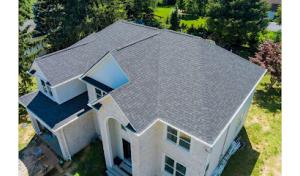
Asphalt shingles dominate the local re-roofing scene, and for good reason: they balance performance with predictable replacement in a market shaped by spring and fall storms. In this area, a shingle roof is typically quicker to recover from hail and wind-driven damage, and keeps replacement logistics straightforward after a weather event. When a storm sweeps through with heavy rain and humidity, you want a roof that doesn't introduce complexity in the emergency repairs or the documentation you'll need for insurance, and asphalt generally stays that way. This is particularly true in a neighborhood mix that blends older established streets with newer I-95 corridor homes, where a consistent, proven product helps reduce leak risk during freeze-thaw cycles.
Metal, slate, clay tile, concrete tile, and wood shake are present in the local material mix, but suitability hinges on structural load, flashing quality, and how well the roof handles humidity and wind. Metal can perform exceptionally well in high-wind events if the deck is prepared and flashing is correctly integrated, but improper attachment or an undersized structure can create leak paths after a pounding spring storm. Tile options-slate or concrete and clay-offer excellent longevity in theory, yet their heavier weight requires careful framing and robust attic ventilation to prevent added stress during freeze-thaw cycles. Wood shakes deliver distinctive curb appeal but respond differently to moisture and wind-driven impacts; cedar needs meticulous maintenance to avoid deterioration that accelerates leak risk after storms. The bottom line: the roof system must be evaluated for how it clears moisture, resists wind-driven impact, and withstands repetitive freeze-thaw cycles without compromising flashing integrity.
The market shows active specialization in asphalt, metal, tile, and cedar shake work, which matters because less common materials in Elkridge require crews familiar with regional weather failure points. After spring and fall storms, the best choices are those your trusted contractor can install with precise flashing details around chimneys,Vent pipes, and dormers to minimize water intrusion during the next round of severe weather. If a non-standard material is on the table, verify that the installer has recent, relevant experience in this climate and understands how humidity, wind, and freeze-thaw exposure influence performance and long-term maintenance in Howard County. Documentation of original installation details, flashing configurations, and any roof deck reinforcements becomes especially valuable when insurance decisions hinge on the roof's ability to shed moisture efficiently after a storm.
In this market, the math starts with the material you choose. Asphalt shingles run about $350 to $600 per square, a familiar baseline for frequent storms and older neighborhoods that still rely on traditional shingle systems. If you're weighing metal, expect roughly $550 to $950 per square, which pays off in durability and wind resistance but comes with higher upfront costs. For those considering higher-end aesthetics or longevity, clay tile runs about $900 to $1,700 per square, while concrete tile sits around $800 to $1,500 per square. Wood shingles or shakes average $700 to $1,100 per square, and slate sits at a premium, typically $1,200 to $2,500 per square. Your choice affects not only upfront price but installation speed, weight requirements, and structural considerations in homes with older framing.
Spring and fall storms drive more than just watering and shingle granules. In this area, demand spikes for emergency repairs, inspections, and full roof replacements across Howard County. That surge can push pricing higher for both labor and materials, especially when crews are juggling multiple storm-affected jobs. If you've had a significant event, expect a tighter market window and potentially longer wait times, which can influence both scheduling and total project cost. Planning ahead, with a documented assessment, often yields better scheduling and can help you compare bids more accurately during busy periods.
Final project pricing can shift when the job reveals more than a simple shingle swap. If inspectors or roofers find ventilation, flashing, or underlayment issues, the scope expands. Correcting these components is not optional for long-term performance in humid summers and freeze-thaw winters. Expect added costs for upgrading ventilation, re-flashing around chimneys or vents, or replacing underlayment that shows wear or damage. These elements often determine whether the roof will perform well for years to come or require more frequent future repairs.
In Elkridge, timing your reroof around weather patterns matters. A dry stretch reduces the risk of delayed projects and moisture-related issues. If a storm window remains in play, some homeowners consider staged replacements or phased work to manage costs and interruptions. Being prepared with a clear scope and a few bid options helps you hold a realistic line on pricing, despite seasonal fluctuations.
Don't let upfront costs delay a critical repair - these contractors offer payment plans to fit your budget.
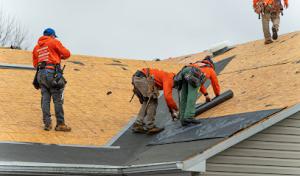
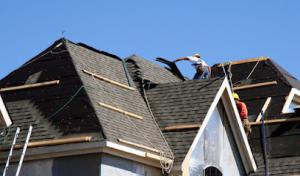
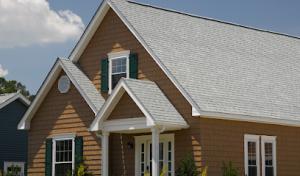
Elkridge sits in a Maryland insurance environment where wind and hail claim activity is common enough that adjusters often require thorough photo sets and clear scope documentation before approving roof work. When a storm rolls through, you may be asked to document damage from multiple angles, highlight missed shingles, flashing, and any interior signs of water intrusion. Your best move is to assemble high-resolution photos that tell a complete story: wide shots of the entire roof, close-ups of damaged shingles, flashing around vents and chimneys, and evidence of granule loss or dented metal. Clear captions help prevent back-and-forth delays at the desk of an adjuster who is weighing coverage.
After major storm events, carriers may closely review workmanship details and may reassess coverage expectations, making contractor documentation quality especially important for Elkridge homeowners. Expect questions about roof replacement methods, attic ventilation details, and the integrity of interior decking and underlayment. Your contractor should provide a written scope that matches the photos, notes any pre-existing conditions, and records the exact materials used. If gaps appear between what was observed in photos and what the contractor provides, the insurer may push for additional verification or alternate repair strategies.
Because Howard County reroof work typically involves permit and inspection records, homeowners in Elkridge should keep permit paperwork, inspection outcomes, and final invoices together with claim files. Create a centralized folder for all storm-related correspondence, third-party assessments, and any adjustments in coverage. Consistent filing helps smooth the claim path when the next town storm season arrives and you need to demonstrate a well-documented, code-aligned reroof.
Connect with contractors who help homeowners navigate the claims process from damage assessment to final approval.
5 Star Roofing & Restoration
(833) 578-2707 www.5starroofingandrestoration.com
7020 Troy Hill Dr Ste A, Elkridge, Maryland
4.8 from 193 reviews
Elvis General Construction
(410) 694-1731 www.elvisgeneralconstructionllc.com
Serving
4.8 from 39 reviews

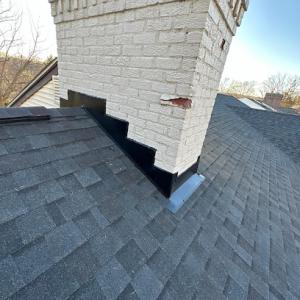
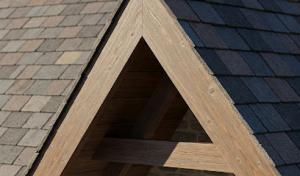
In Elkridge's storm pattern, flashing at roof penetrations and transitions is often where heavy spring rain first exposes latent defects. Areas around chimneys, skylights, vent pipes, and where the roof meets sidewalls or dormers tend to show tiny failures first, then escalate after a severe shower. When a downpour rides over a lingering breeze, those flashing seams bear the brunt, and a slow drip can become a full interior leak if left unchecked. The lesson is direct: inspect these joints after a heavy rain and again after a storm remnant passes. If a drop appears near flashing, the problem is more than cosmetic; it signals compromised waterproofing that invites further damage.
Freeze-thaw cycling in winter can open pathways around vulnerable roofing components, then spring rain reveals the damage as active interior leaks. Small cracks in sealant, loose counterflashing, or gaps around vent collars can widen as water freezes and expands, then refreezes. By spring, moisture finds the most convenient route into the attic or ceiling if the underlying materials have already weakened from prior cycles. The practical consequence is season-driven: a quiet sag or damp patch in spring may point to a previously concealed winter failure. If moisture shows up after a thaw cycle, focus on the transitions where shingles meet chimneys, vents, and dormers, as these are common conduits for creeping leaks.
The local contractor signal mix shows meaningful demand for skylight and chimney-adjacent roof work, indicating that penetrations and transitions are recurring homeowner concerns in this market. Skylights often suffer from poor corrosion resistance at flashing corners, while chimney sides collect residual moisture around a headwall or hearth chase. In both cases, small, persistent leaks are a red flag for more extensive damage if not addressed promptly. A practical approach is to evaluate sealant integrity, flashing height, and the adequacy of counterflashing where these features intersect the roof plane. If recurring damp spots align with these features after storms, prioritize targeted repairs over temporary fixes to avoid cascading interior issues.
Find contractors experienced in skylight installation, flashing, and leak repairs to bring natural light into your home.
Elvis General Construction
(410) 694-1731 www.elvisgeneralconstructionllc.com
Serving
4.8 from 39 reviews
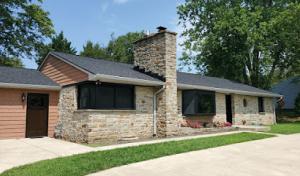
Low-slope roofs on additions, porches, and mixed-use properties are a noticeable fraction of Elkridge's residential mix. This area sees frequent spring and fall storms, with heavy rain events and humid summers that make drainage performance and seam integrity especially important on low-slope assemblies. The local market treats coatings as a targeted option rather than a universal fix, so recognize when a deeper repair or replacement is warranted versus a restoration approach.
On low-slope surfaces, shingle-style drainage behavior doesn't apply the same way. In Elkridge, keep a sharp eye on slope adequacy, gutter capacity, and downspout routing, especially around additions that tie into existing roofs. Roof penetrations for vents, skylights, or vents can become drip points if flashings aren't integrated smoothly with the deck. Seam performance matters more here: expanding humidity and temperature swings can stress sealants and mastic, so choose systems that offer proven seam integrity for Maryland weather, and consider periodical resealing as part of preventative care.
The local market presents a mix of low-slope options suitable for different applications. For porch and addition areas, roof coatings can provide a maintenance-oriented restoration path when full replacement isn't immediate or when the substrate is compatible with coating systems. Coatings are often paired with rigid insulation or approved underlayments to improve thermal performance and extend service life. For new work or high-traffic portions of the roof, prioritize assemblies rated for low slope and capable of handling frequent rain without ponding.
Annual inspections after winter and before the wet season help catch micro-damage in joints, terminations, and edges. Look for membrane looseness, cured sealant degradation, and any signs of water staining near flashings. In Elkridge, a targeted inspection after major storms is prudent, given the pattern of heavy rainfall events that stress seams and peak drainage challenges on low-slope sections.
When planning an addition or porch cover, map drainage paths and ensure the new surface joins the existing roof with compatible membranes and compatible flashing details. If a low-slope surface presents ongoing leakage or persistent ponding, a professional assessment can determine whether a coating restoration, partial panel replacement, or full low-slope retrofit best fits the situation and climate demands.
Find specialists in TPO, EPDM, and built-up flat roofing systems for residential and commercial properties.
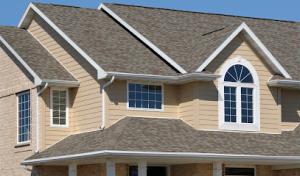
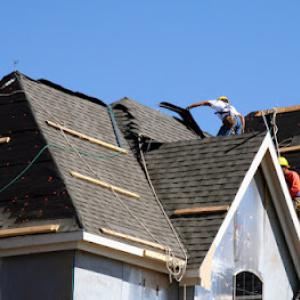
After a spring or fall weather event, the fastest path to containment is a crew that protects landscaping, fences, and plantings while tearing off old shingles. Look for evidence of tarps, ground covers, and disciplined debris control. In Elkridge's typical yards, storms mean leaves, branches, and grit in the gutters, so a contractor should stage cleanup as part of the job rather than as a separate visit. Ask for specifics on how a crew handles drip edges, vent projections, and the cleanup plan on tear-off day.
Quick response is a strong local hiring signal. Leaks and storm triage create urgency, and homeowners notice when crews arrive with tarps, temporary patches, and a clear communication schedule. A reliable team will provide a rapid assessment, document damage, and set expectations for the next steps. In a market where weather-related damage can spike, a contractor's ability to mobilize promptly often correlates with project stability and fewer delays.
Longstanding, residential-focused firms are well represented in this area, and that steady presence matters after a storm. Local tenure often aligns with reliable warranties, predictable crews, and a preference for protecting neighboring properties. When interviewing, weigh not only price but also the degree of continuity in labor, supervisor accessibility, and post-installation follow-up. These firms tend to treat Elkridge homes with the same care they would give a neighbor's property.
Ask how crews protect landscaping and manage debris, whether cleanup is included with tear-off, and who supervises the project on site. Request a written timeline and a point person for weather-related delays. In a storm-prone area, clarity about temporary protections, nail-downs, and final inspections helps prevent miscommunication and post-work disputes.