Last updated: Apr 19, 2026
Cold winters in this neighborhood push roofs beyond their design life. The repeated freeze-thaw cycle creates micro-cracks in shingles, tiles, and underlayment, especially on older slate and tile homes common on established streets. When water soaks into tiny voids and refreezes, it expands, widening gaps and loosening fasteners. Over successive seasons, those small vulnerabilities multiply into visible leaks, compromised attic insulation, and higher energy bills. Asphalt shingles can delaminate or curl when ice dams back up moisture at the eaves, while slate and clay or concrete tiles are brittle enough to crack under weight or stress. If a roof already showed signs of wear before winter, expect the season to accelerate failure in a way that often requires urgent attention once the thaw begins.
Heavy snow events aren't rare here, and their cumulative weight compounds existing weaknesses. Snow on a pitched roof acts as a thermal blanket, but as solar gain and heat escape from the attic, the bottom layers melt and refreeze at the eaves. Ice dams can back water up under shingles or tiles, indenting flashing and allowing water to penetrate into the attic or ceiling. That pattern is a major reason leak calls spike in winter and early spring. Roofs with improper ventilation, undersized gutters, or damaged flashing are particularly prone to damming. Clay, concrete, and slate roofs may shed snow more slowly, leaving ice trapped at the edges, which keeps water in contact with vulnerable joints longer. If you notice ice buildup along the gutter line or damp spots near the top of walls inside, prospects for a costly leak are elevated. Act quickly to prevent attic mold and rot by staging a response that prioritizes immediate mitigation and a professional assessment of the flashing and underlayment.
Replacement scheduling shifts toward late spring through fall because snow, ice, and storm conditions can delay tear-offs and dry-in work. In a winter-ready community, crews face shortened daylight hours, frozen materials, and unpredictable storm cycles, which push projects into March or later. Delays mean higher risk of moisture intrusion during thaw cycles that follow a heavy season, turning a minor repair into a full replacement need. If a leak is detected, address the most urgent failures first-damaged flashing, compromised underlayment, and any interior water intrusion-while planning a comprehensive roof refresh for later in the year. Storage up an actionable plan for the next window: secure temporary protection, prioritize the most at-risk sections (eaves and valleys), and coordinate a tear-off on days with solid forecasts to minimize any repeat closures caused by late-winter storms. The goal is to prevent further damage and keep living spaces dry as the temperatures rise.
In this Boston neighborhood, a broad mix of materials keeps street after street visually interesting and technically demanding. The dominant roofing materials are asphalt shingles, clay tile, concrete tile, wood shingles or shakes, synthetic or composite shingles, and slate. Each material brings its own performance profile for freeze-thaw cycles, snow loading, and wind exposure, so understanding how your roof performs in our climate is essential for long-term reliability. The variety also means a single project may involve different edging details, flashing standards, and attic ventilation needs across a single property or nearby homes.
Because some homes retain slate and tile on steep, premium roof sections while others use modern asphalt or synthetic shingles, repair-first evaluations become particularly relevant here. Slate and tile can suffer issues such as cracked slates, broken clay tiles, or delicate mortar joints between tile courses, and those problems don't always align with a full replacement timeline. A careful assessment that catalogs damaged areas, the remaining service life of individual pieces, and the condition of underlayment and ventilation helps determine whether targeted repairs will restore performance or if a replacement is warranted in specific zones. This keeps the history and premium detailing intact on older sections while avoiding unnecessary material overhauls on newer sections.
The neighborhood's blend of common asphalt roofs and older premium steep-slope roofs means choosing the right contractor matters more here than in markets dominated by a single material. Look for crews with demonstrable experience across the material spectrum present on your street. For steep-slope tile and slate areas, seek specialists who understand frost damage mitigation, proper underlayment choices for high-slope systems, and compatible flashing around chimneys and skylights. For asphalt or synthetic shingle sections, verify that the installation rhythm, nail patterns, and attic ventilation work together to manage ice dam risk and winter heat loss. A well-coordinated team can adapt their methods as they move from one roof plane to another without compromising performance at transitions.
On a multi-material roof, details matter at every edge and transition. Pay attention to fascia continuity, drip edge installation, and the alignment of valleys where different materials meet. If your home displays slate or clay tile in a front-facing section but asphalt in the rear, request a plan that treats each material according to its maintenance schedule and environmental exposure. Pay attention to attic insulation and ventilation needs across zones so that warm indoor air doesn't contribute to meltwater refreezing at eaves and sills. A thoughtful, cross-material approach helps ensure each part of the roof performs well during heavy snows, rapid freeze-thaw cycles, and the seasonal shifts typical to the area.
When planning a full roof replacement in West Roxbury, a Building Permit through the City of Boston is required. This is not a formality to skip; it ensures that work aligns with local codes, especially in a climate with harsh winters, snow load, and potential ice dam risk. The permit helps verify proper drainage, underlayment, attic ventilation, and installation methods for the steep-slope asphalt, slate, or tile configurations common on established streets in the area. The city's oversight also supports durable repairs that hold up to freeze-thaw cycles and the occasional heavy snow load seen in this neighborhood.
The permit application must be submitted by the contractor or homeowner and should include a clear project scope and detailed plans. For a roof replacement, high-level plans should show the roof area, the proposed roofing material, attachment method, ventilation strategy, and any structural work if applicable. Local inspectors will want to see that NYS-style spacing, ice-damming mitigation details, and drainage paths meet Boston standards. If there is any work on the underlying decking or flashing, include those details as well. Be prepared to document existing conditions, especially on older homes where slate or tile may be present alongside newer asphalt layers.
Fees accompany the permit and are part of the city process that ensures compliance and safety. The submission should reflect all components of the project, including any necessary related trades (ventilation, flashing, gutters). The application is reviewed against the City of Boston's building codes and relevant amendments. Submitting a complete package up front helps avoid delays that can impact winter timelines or vibration-sensitive repairs during thaw cycles.
Boston inspections are scheduled as the project progresses, including rough framing when applicable and a final inspection to confirm code compliance. Rough framing inspection verifies structural integrity and supports the planned load management for snow and ice events. The final inspection focuses on finished roofing, flashing, and drainage systems, ensuring proper alignment with ventilation and attic insulation requirements. On a West Roxbury project, expect coordination around winter weather windows and street noise restrictions on certain days. The inspector may require adjustments if ventilation or underlayment do not meet code requirements or if ice-damming mitigation measures are not visible in the installed system. Planning ahead for these inspections helps keep your project on track and reduces the risk of weather-related delays.
Local average costs run about 350 to 700 USD per square for asphalt shingles, 900 to 1600 for clay tile, 800 to 1500 for concrete tile, 500 to 1000 for wood shingles or shakes, 500 to 900 for synthetic or composite shingles, and 1200 to 2100 for slate. In day-to-day practice, asphalt remains the most common choice for mid-block homes with steep, straightforward pitches, while slate and tile appear more on established, older houses with historic streetscapes. If you're upgrading from an aging roof, this banded pricing helps you compare bids quickly: material alone isn't the whole story, as installation crew experience and roof complexity also shift the final number.
Costs in West Roxbury can rise when older slate or tile roofs require specialized labor rather than standard asphalt crews. If a roof has broken slate, potholed tile, or concealed damage, expect higher hours for removal, careful salvage work, and potential scaffold or crane needs. In those cases, a higher end range may apply even for what looks like a simple square of material, because skilled masons and slaters bring a premium. For clay and concrete tile, added weight means structural checks and, occasionally, short-term bracing upgrades. Those extra steps can add to the square-by-square price versus newer installations on all-asphalt homes.
Boston-area weather imposes a distinct late-spring to fall work window, with freeze-thaw cycles and winter storms pushing schedule pressure. Scheduling constraints and weather-driven delays can affect total project pricing, as crews coordinate inspections, material deliveries, and permit windows. If a project slips into peak season, the same factors can create tighter crew availability and possible premium charges for expedited starts or weekend work. For a roof with mixed materials or a heritage section, these timing dynamics tend to influence both cost and overall project duration.
Otukan Roofing Company Boston
(781) 798-9009 otukanroofing.com
Serving
5.0 from 21 reviews
Otukan Roofing is the top roofing company in Boston, MA, offering a wide range of expert services to protect and enhance your home. Our skilled professionals specialize in any flat roof repair, replacement, and inspection, as well as gutter cleaning, repair, and replacement. We also provide expert skylight installation and repair services. Whether you need routine maintenance, emergency repairs, or a complete roof overhaul, our team is dedicated to providing exceptional customer service and top-quality workmanship. Count on us for prompt, reliable, and affordable solutions to all your roofing needs. Contact Otukan Roofing today to schedule your appointment!
Certified Roofing Systems
(617) 958-8659 certifiedroofinginc.com
Serving
4.9 from 123 reviews
Serving businesses since 2006, Certified Roofing specializes in roof coatings, full roof restorations, and commercial roof replacements for Metal, TPO, Flat, PVC, Single-Ply roofs across Massachusetts, including Newton, Boston, Medford, Malden, Cambridge, Brookline, Somerville, Waltham, Quincy and nearby. 🏗️ We work with metal, PVC, TPO, EPDM rubber, and flat roofs, using top-quality Gaco Products for lasting protection. 🏢 We provide excellent roof replacement and installation solutions for all types of commercial and industrial buildings. ✅ Get a Free Thermal Drone Inspection and Free Commercial Roof Estimate today! 📞 Call 617-958-8659 or book online. Quality, reliability, and energy-efficient solutions for your business! 🌟
Loyalty Exterior Roofing Solutions
(508) 719-7205 loyaltyroofingsolutions.com
Serving
5.0 from 226 reviews
Recognizing the distinctive essence of every residence, our comprehensive exterior remodeling expertise extends to a wide spectrum of services, including solar solutions, residential roofing, shingle roofing, emergency roofing services, roof repair, and roof replacement. With a profound respect for the individuality of each property, we meticulously tailor our remodeling solutions to amplify both its inherent allure and practicality. We pride ourselves on offering the best roofing solutions in Needham, MA! We offer peace of mind when it comes to all of our roofing services. We guarantee you'll be pleased with your roof repair, roof installation or roof maintenance! Contact our team of roofing experts today to learn from a pro.

Mighty Dog Roofing of MetroWest Boston
(781) 206-2864 www.mightydogroofing.com
Serving
5.0 from 168 reviews
Handling a roofing project without the right expertise or guidance by your side is hard, but worry no more because Mighty Dog Roofing MetroWest Boston is at your service. We have numerous years of experience handling unique roofing needs and delivering excellence in every project we undertake. Additionally, we use the highest quality materials and equipment, which further enables the delivery of a service that meets customer satisfaction. Also, we offer a free roof inspection, which guides us in providing you with a durable roofing structure. Contact us today for a reliable roofing service that meets all your needs and gives you a stress-free experience.
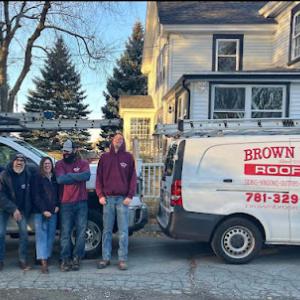
Brown Bros. Roofing
(781) 329-2895 www.brownbrosroofing.net
Serving
4.9 from 71 reviews
Your home is your castle and needs to be protected from the elements. Since 1932, homeowners have been turning to Brown Bros to keep their families safe and warm. You can trust our experienced contractors to do the job right on all roofing, gutters, siding, windows, and deck work. Give us a call or shoot us an email.
Admiral Roofing & Home Improvement
(781) 706-2132 admiralroofingma.com
Serving
4.9 from 17 reviews
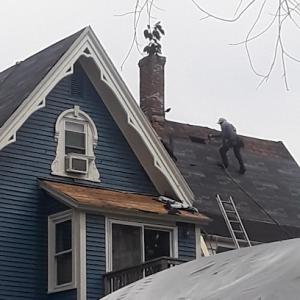
Admiral Roofing and Home Improvement is a trusted roofing and remodeling company serving Braintree, MA and surrounding areas. We provide quality service for all roofing and remodeling needs, including repairs, installation, maintenance and inspections. Our experienced team of roofers use the latest techniques to ensure your roof is in top condition. You can trust us to make sure your home is safe from the elements.
Daniel Fox Roofing
(617) 965-1294 foxroofinginc.com
Serving
5.0 from 48 reviews
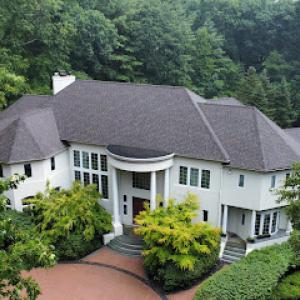
Daniel Fox Roofing is a full-service roofing contractor in Newton, serving the Metro West & Greater Boston areas. When you need a roof repair or roof replacement, there is no better company to call than Daniel Fox Roofing! We've been fixing and replacing roofs in Newton for more than 40 years. Danny works with all types of roofs, from common asphalt shingle roofs to exotic materials like slate, copper, or clay tiles. Plus gutters, flashings, and other aspects of your roof. Your job will be handled professionally, on time, and within budget. Call me today for a free quote.
GF Sprague Exteriors
Serving
4.8 from 842 reviews
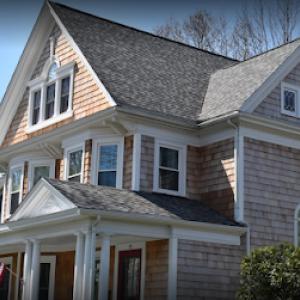
GF Sprague has been part of Boston’s architectural fabric since 1969, starting with slate roofs and hand-formed copper details on the city’s most historic sites. Those projects taught us precision, pride, and craftsmanship that can’t be rushed—values that remain our foundation today. We’ve expanded to all roofing types, as well as windows, gutters, siding, and chimneys, bringing the same commitment to detail, durability, and integrity to every project. What sets us apart isn’t just our skill—it’s treating every customer like family. Every roof is a promise to protect a home and uphold Boston’s tradition. Many clients have trusted us for generations, passing down their loyalty as we’ve passed down our craft.

Golden Group Roofing & Solar
(508) 545-3062 goldengrouproofing.com
Serving
5.0 from 19 reviews
Golden Group Roofing & Solar in Needham, MA helps Greater Boston homeowners protect and upgrade their homes with premium roofing, siding, skylights, and integrated solar. We provide roof replacement and new installation, prompt leak repairs, detailed inspections, and storm-damage assessments. Our team also installs quality siding and energy-efficient skylights, plus roof-attached solar designed by roofers to protect the integrity of your roof. Certified crews, clear proposals, strong warranties, and flexible financing. Proudly serving Needham, Newton, Wellesley, Dedham, and nearby—schedule your free consultation today.
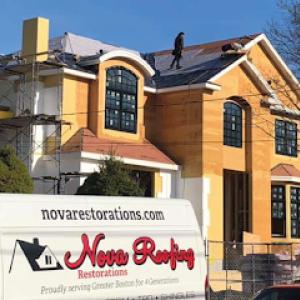
Nova Roofing & Restorations
(781) 407-9112 www.novarestorations.com
Serving
5.0 from 12 reviews
For 4 generations, Nova Roofing and Restorations have been trusted by homeowners, developers, commercial property managers and historical renovators throughout Massachusetts. From the old school, tar and gravel experience to the newest technology used today in all materials related to roofing, Nova has you covered. Certified, insured, licensed and trusted for quality and service.
Kilraine & Son Roofing
(781) 762-7663 www.kilraineandsonroofers.com
Serving
5.0 from 16 reviews
Kilraine & Son Roofing is family- owned and operated roofing company that has been providing high quality roofing services for over 40 years. We pride ourselves on providing excellent workmanship, and affordable roofing solutions while keeping quality our top priority. We're fully licensed and insured roofers that work quickly and do the job right the first time. Whether you have a small cape or large victorian you can depend that you will receive the highest quality every time!
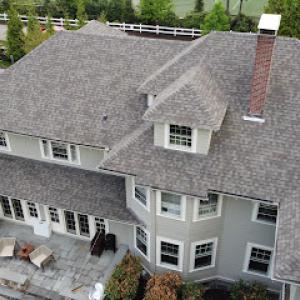
Duffy Roofing
(617) 296-0300 duffyroofing.com
Serving
4.8 from 84 reviews
Duffy Roofing, Inc provides residential roofing services in the Dorchester, MA area.
Massachusetts homeowners typically need standard claim documentation and an adjuster site visit before roof claim decisions are made. After a winter storm or a sudden freeze-thaw cycle, the claim packet should include clear photos of the damaged areas, a dated inventory of affected materials, and notes on any interior evidence of leaks or attic moisture. In the recovery window that follows, document any snow build-up, ice dam remnants, or gutter damage that may have contributed to roof distress. An adjuster will likely request evidence of the roof's age and prior maintenance history, so gathering records from recent repairs or inspections can help keep the process moving. In practice, the initial call to file a claim is often followed by a site inspection, and it is common for conclusions to hinge on what the adjuster observes about how the roof behaved during thaw cycles and storms.
In West Roxbury, permit records and any code-related upgrade requirements can influence how insurers evaluate roof restoration claims. If a roof is older and shows signs of wear that align with historical codes rather than current standards, insurers may scrutinize whether recent upgrades were performed to mitigate known vulnerabilities. Documentation of any code-compliant upgrades-such as improved flashing, ventilation, or insulation-can shape the settlement review. When the claim involves multiple roof sections or a transition from one material to another, a clear narrative about how each area performed during winter conditions can help the adjuster understand the scope of necessary repairs.
Some insurers in this market may require updated wind and drainage provisions to align with current code during covered roof work. This means that the claim may be evaluated not only on the visible damage but also on whether the proposed repair plan includes provisions to prevent future wind uplift and meltwater infiltration. Preparing a restoration plan that identifies upgraded underlayment, improved snow load resistance, and enhanced drainage paths can support a favorable claim posture. The presence of ice dam patterns, compromised soffits, or gutter failures often prompts questions about whether the roof system was adequately equipped to manage typical Massachusetts freeze-thaw cycles. If upgrades are recommended or required by the insurer, ensure that any proposed changes address both safety and longevity, since neglecting to align with current expectations can slow or complicate settlement.
After the initial assessment, expect a back-and-forth period where the insurer may request supplemental documentation or contractor estimates. In West Roxbury, a claim decision can hinge on whether the evidence shows a direct link between winter weather events and the damage, contrasted with preexisting conditions. If code-related upgrades are deemed necessary, the settlement may reflect those improvements as part of the restoration plan, even when the primary loss was storm-related. Staying organized, keeping a steady line of communication with the adjuster, and presenting a coherent story of how the roof performed across multiple freeze-thaw cycles can help keep the process focused and fair.
Connect with contractors who help homeowners navigate the claims process from damage assessment to final approval.

Storm Works Roofing & Restoration
(844) 786-7696 www.stormworksroofing.com
Serving
4.8 from 143 reviews
Clancy Roof & Leak Repairs
(617) 467-2455 clancyroofrepaircharlestown.com
Serving
5.0 from 53 reviews
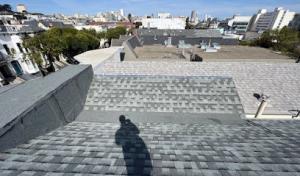
Skylight service is a meaningful specialty in this market, indicating that leak tracing around roof penetrations is a recurring West Roxbury homeowner concern. When a leak appears, start with the skylight itself: check the curb flashing, top sealant, and any surrounding flashing loops where the skylight interfaces with the roof. In winter, condensation and frost can feather into the flashing joints even if the glass looks dry. A practical approach is to dry-fit a tube of clear sealant at the base and inspect after a few days of sun when the roof dries. Track interior signs to the exterior path-water tends to travel along nail lines and edge flashing rather than straight down the glass.
Chimney-related work is also common among local contractors, which fits the older residential housing stock found in this part of Boston. Start with the chimney chase and base flashing: frost movement in winter can loosen mortar and allow moisture to wick into the flashing leg. Inspect the kick-out at the transition to the roof and ensure the parging around the chimney is intact. If there are any signs of spalling brick or cracking mortar, plan a targeted seal or repointing before heavy snow loads push moisture inward. For clay, concrete, or slate roofs, chimney angles may interact differently with their flashing, so identify any copper or lead transitions that might be weathering out.
On winter moisture intrusion, penetrations and flashing transitions show up first rather than across open field shingles alone. Inspect vents, exhausts, and plumbing stacks for compromised booting or collars. Loose or aging step and boot flashings around valleys can act as quick conduits for meltwater and ice damming. When you find a compromised seal, replace or re-seal with compatible material, and verify that the flashing overlaps properly onto the shingle course to encourage water shedding away from the roof edge.
The combination of freeze-thaw cycles and heavy snow concentrates at penetrations. Clear snow from around skylights and chimney bases when safe, but avoid aggressive scraping that can gouge flashing. Keep gutters free of ice and debris to reduce backed-up meltwater that rises around edges. If a leak persists after surface cleanup, trace the interior ceiling stain to its highest entry point and work downward methodically, prioritizing the most exposed penetrations first.
Find contractors experienced in skylight installation, flashing, and leak repairs to bring natural light into your home.

Loyalty Exterior Roofing Solutions
(508) 719-7205 loyaltyroofingsolutions.com
Serving
5.0 from 226 reviews

Mighty Dog Roofing of MetroWest Boston
(781) 206-2864 www.mightydogroofing.com
Serving
5.0 from 168 reviews
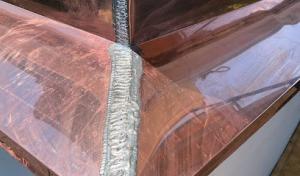
In this market, flat-roof specialization is active, and some homes feature low-slope porches, additions, or mixed-roof sections that sit alongside steeper main roofs. Those portions behave differently in winter: they accumulate snow more readily and can delay drainage, increasing the risk of ice buildup and interior leaks if not addressed with appropriate materials and detailing. Understanding how these sections interact with your overall roof system is essential for long-term performance.
Low-slope areas are a bigger concern during freeze-thaw cycles, when snow can linger and repeatedly melt and refreeze. Poor drainage on these sections compounds ice dam risk for the main roof, especially where snow sits against parapets or transitions to steeper pitches. Effective drainage starts with proper flashing at transitions and a tested membrane or low-slope roofing material rated for cold-weather performance. Consider not just sealing, but also the runoff path to prevent water from cascading onto walkways or into eaves that feed attic spaces with moisture.
Keep a vigilant eye on edge details, scupper or gutter integrity, and fastener security on low-slope areas. Debris buildup can block drainage, so establish a seasonal routine to clear channels and inspect for pooling. When inspecting, look for signs of membrane wear, seam separation, or punctures near transitions to steeper sections. In colder weeks, monitor for frost buildup along penetrations and around non-flashing roof penetrations, which can become initiation points for leaks if ignored.
If a restoration involves drainage performance on low-slope sections, the discussion with an insurer or claims adjuster may hinge on how well the system redirects water away from living spaces. Documentation of drainage improvements, membrane condition, and flashing integrity can support a claim or a needed code-upgrade discussion. Planning for this upfront helps align expectations and reduces surprises during repairs.
Find specialists in TPO, EPDM, and built-up flat roofing systems for residential and commercial properties.
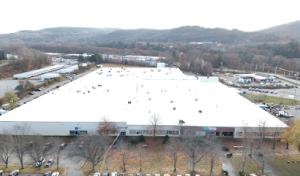
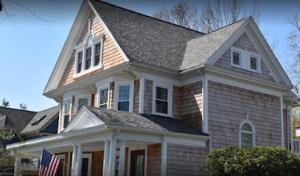
In this market, solar roofing is present but not dominant, so a homeowner should treat it as a coordination issue rather than the default roofing path. If panels or microinverters are already in mind, plan around the existing roof condition and the potential need for future panel work. The goal is to avoid re-opening the roof twice or creating mismatches between a newly replaced roof and any solar array that will be added or reconfigured later.
Because full replacements require Boston permitting and inspections, roof replacement timing should be aligned before solar work is added back to the home. If the roof shows significant wear, prioritizing a complete replacement first helps ensure the roof deck is solid and dry for any solar hardware, wiring, or ballast that may accompany later upgrades. This sequencing reduces the risk of leaks or the need to disturb an installed system after it's in place.
The city's preferred late spring to fall roofing season makes sequencing roof replacement and solar reinstallation especially important. Start with a clear plan: assess the roof for snow load and freeze-thaw wear indicators, then schedule replacement during the window when weather is reliably dry and mild. If solar plans exist, coordinate with the roofing contractor to identify the best timing for deck preparation, flashing, and any roof penetrations so that panels can be mounted without delaying the roof's long-term performance.
Ask for a single point of contact who can track both roof work and solar readiness. Have a provisional layout of any future solar array, including placement and string routing, so the roof replacement can accommodate those needs without rework. Confirm attic and ventilation checks as part of the replacement to support both enduring roof health and efficient solar performance.
Find contractors who integrate solar panels or solar shingles into your roof for long-term energy savings.
Storm Works Roofing & Restoration
(844) 786-7696 www.stormworksroofing.com
Serving
4.8 from 143 reviews