Last updated: Apr 19, 2026
Hyde Park experiences cold winters with repeated freeze-thaw cycling, a pattern that shortens roof life by opening shingle seals and stressing flashing details. When the attic isn't properly insulated or vented, that heat leaks up and melts a crust of snow at the peak while the edges stay frozen. The result is consistent ice dam formation as meltwater refreezes at the eaves, seeping under shingles and into the deck. This isn't a nuisance damage; it's the leading edge of serious roof failure in older, steep-roof homes that still rely on aging transitions and time-tested flashing details. The risk compounds in homes with wood shingles or older asphalt systems, where sealants shrink and nails loosen under repeated cycles. Treat each winter as a test of your entire roof assembly, not just the surface shingles.
You must create an integrated plan that addresses insulation, ventilation, and roof transition points in tandem. Start by ensuring the attic is tight against warm air leakage and that soffit-to-ridge ventilation is clear, unobstructed, and delivering continuous airflow. A well-ventilated attic reduces the heat that drives snowmelt up the roof and into vulnerable seams. Install or upgrade an ice-and-water shield at the eaves and along any critical valleys or roof-to-wall transitions to slow the advance of meltwater when temperatures swing. Pay particular attention to flashing around dormers, chimneys, and vent stacks; these are common failure points as old homes shift with freeze-thaw cycles. If there are any misaligned or corroded flashings, address them promptly to prevent leakage paths from becoming actual leaks during storms or rapid thaws.
Replacement timing is typically concentrated from spring through fall in Hyde Park to reduce ice dam exposure and weather-related scheduling delays. Planning a roof replacement during these windows minimizes the chance of a mid-winter project disruption when crews are scarce and conditions are more volatile. Given the neighborhood's stock of older, steep-roofed homes, insist on a methodical approach: upgrade underlayment to a modern, moisture-resistant layer, reseal all transitions between roof and vertical surfaces, and ensure the new roofing material is properly matched to the house's weight and slope. If a full tear-off is not necessary, discuss a careful retrofit that preserves the structural fabric while upgrading quick-leak areas and improving edge protection. In all cases, insist on comprehensive attic work as part of the replacement package; a surface-only fix rarely stops ice dams from returning in the next winter cycle.
Schedule a professional inspection focused on attic insulation, attic ventilation, and the condition of eaves and valleys. Have the contractor verify that snow loads on the roof are within the design limits of the existing structure and that no lingering debris is blocking vents or gutters. If ice dams are present, do not delay in addressing the most exposed seams first, then systematically tackle the vulnerable transitions. For homeowners in older stock, ask for a detailed assessment of flashing, ridge caps, and any deck-to-flash transitions where water can infiltrate during thaw events. Finally, prepare a maintenance plan that pairs seasonal roof checks with proactive attic work to keep the roof resilient through repeated freeze-thaw cycles.
Hyde Park's spring season brings heavy rain and wind events that commonly turn minor flashing weaknesses into active leaks. A gusty squall can peel back a corner of a roofline or lift a shingle edge just enough to funnel water under flashing details around the chimney, vent stacks, and dormers. If you notice damp spots that worsen after a windy downpour, or see water tracking along seams where two planes meet, treat it as a red flag. In a neighborhood with older steep-roof stock, those edge details often hide decades of small upgrades postponed or forgotten. Do not wait for a second storm to confirm a leak; act on early warning signs with precision, because moisture on a cold spring roof can quickly migrate and freeze later, compounding damage.
Fall leaf buildup and wind-driven debris are a recurring local maintenance issue that can trap moisture and overload drainage paths before winter, and the spring melt only compounds the problem. In the Hyde Park climate, gutters and downspouts need a thorough cleanout before the wet season ramps up. Clogged channels force water to spill over the fascia or back up toward vulnerable flashing, creating entry paths for rain through shingle gaps or under mis-seated flashing. Pay attention to blocked soffits, clogged drip edges, and any signs of rust or deterioration on metal flashing. Addressing these issues promptly helps prevent water from pooling at the eave line, which is a common prelude to ice dam formation when temperatures swing.
Massachusetts insurers commonly ask for photo documentation of pre-loss roof condition after storm events, making early documentation especially important in this market. Take clear, timestamped photos after every significant rain or wind event, focusing on flashing around chimneys, vent pipes, skylights, and dormers. Capture views from multiple angles to show overall roof condition, and close-ups of any lifted shingles, torn underlayment, or bent metal. If you have visible attic signs-drips, condensation on rafters, or water staining-document those as well. Share these images with your roofer and, if needed, with your insurer, sooner rather than later. Proactive, precise photos can speed repairs and prevent further water intrusion as spring storms continue. Acting now protects not only the roof surface but also the interior once temps swing and moisture moves through the system.
Find local contractors experienced in assessing and restoring roofs after hail, wind, and severe weather events.
Loyalty Exterior Roofing Solutions
(508) 719-7205 loyaltyroofingsolutions.com
Serving
5.0 from 226 reviews
Otukan Roofing Company Boston
(781) 798-9009 otukanroofing.com
Serving
5.0 from 21 reviews
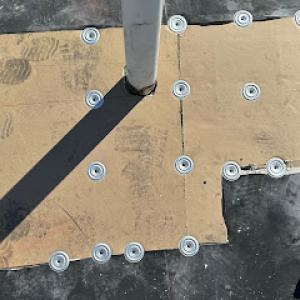
Otukan Roofing is the top roofing company in Boston, MA, offering a wide range of expert services to protect and enhance your home. Our skilled professionals specialize in any flat roof repair, replacement, and inspection, as well as gutter cleaning, repair, and replacement. We also provide expert skylight installation and repair services. Whether you need routine maintenance, emergency repairs, or a complete roof overhaul, our team is dedicated to providing exceptional customer service and top-quality workmanship. Count on us for prompt, reliable, and affordable solutions to all your roofing needs. Contact Otukan Roofing today to schedule your appointment!
Nova Roofing & Restorations
(781) 407-9112 www.novarestorations.com
Serving
5.0 from 12 reviews
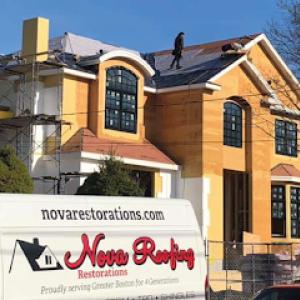
For 4 generations, Nova Roofing and Restorations have been trusted by homeowners, developers, commercial property managers and historical renovators throughout Massachusetts. From the old school, tar and gravel experience to the newest technology used today in all materials related to roofing, Nova has you covered. Certified, insured, licensed and trusted for quality and service.
Brown Bros. Roofing
(781) 329-2895 www.brownbrosroofing.net
Serving
4.9 from 71 reviews
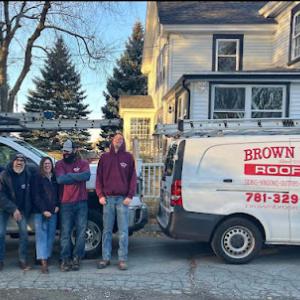
Your home is your castle and needs to be protected from the elements. Since 1932, homeowners have been turning to Brown Bros to keep their families safe and warm. You can trust our experienced contractors to do the job right on all roofing, gutters, siding, windows, and deck work. Give us a call or shoot us an email.
Duffy Roofing
(617) 296-0300 duffyroofing.com
Serving
4.8 from 84 reviews
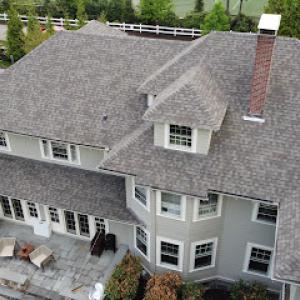
Duffy Roofing, Inc provides residential roofing services in the Dorchester, MA area.
Kilraine & Son Roofing
(781) 762-7663 www.kilraineandsonroofers.com
Serving
5.0 from 16 reviews
Kilraine & Son Roofing is family- owned and operated roofing company that has been providing high quality roofing services for over 40 years. We pride ourselves on providing excellent workmanship, and affordable roofing solutions while keeping quality our top priority. We're fully licensed and insured roofers that work quickly and do the job right the first time. Whether you have a small cape or large victorian you can depend that you will receive the highest quality every time!
Admiral Roofing & Home Improvement
(781) 706-2132 admiralroofingma.com
Serving
4.9 from 17 reviews
Admiral Roofing and Home Improvement is a trusted roofing and remodeling company serving Braintree, MA and surrounding areas. We provide quality service for all roofing and remodeling needs, including repairs, installation, maintenance and inspections. Our experienced team of roofers use the latest techniques to ensure your roof is in top condition. You can trust us to make sure your home is safe from the elements.
Certified Roofing Systems
(617) 958-8659 certifiedroofinginc.com
Serving
4.9 from 123 reviews
Serving businesses since 2006, Certified Roofing specializes in roof coatings, full roof restorations, and commercial roof replacements for Metal, TPO, Flat, PVC, Single-Ply roofs across Massachusetts, including Newton, Boston, Medford, Malden, Cambridge, Brookline, Somerville, Waltham, Quincy and nearby. 🏗️ We work with metal, PVC, TPO, EPDM rubber, and flat roofs, using top-quality Gaco Products for lasting protection. 🏢 We provide excellent roof replacement and installation solutions for all types of commercial and industrial buildings. ✅ Get a Free Thermal Drone Inspection and Free Commercial Roof Estimate today! 📞 Call 617-958-8659 or book online. Quality, reliability, and energy-efficient solutions for your business! 🌟
Willard Roofing Company
(781) 326-2807 www.willardco.com
Serving
4.6 from 16 reviews
Willard Roofing in Dedham, MA is your go-to source for superior roofing solutions, providing consistent results since 1873. Contact us today for a free quote. 781-909-4349
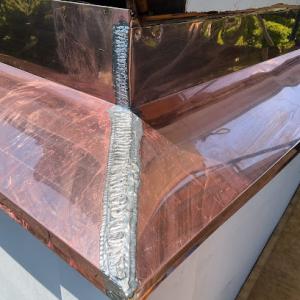
Loyalty Exterior Roofing Solutions
(508) 719-7205 loyaltyroofingsolutions.com
Serving
5.0 from 226 reviews
Recognizing the distinctive essence of every residence, our comprehensive exterior remodeling expertise extends to a wide spectrum of services, including solar solutions, residential roofing, shingle roofing, emergency roofing services, roof repair, and roof replacement. With a profound respect for the individuality of each property, we meticulously tailor our remodeling solutions to amplify both its inherent allure and practicality. We pride ourselves on offering the best roofing solutions in Needham, MA! We offer peace of mind when it comes to all of our roofing services. We guarantee you'll be pleased with your roof repair, roof installation or roof maintenance! Contact our team of roofing experts today to learn from a pro.
Mighty Dog Roofing of MetroWest Boston
(781) 206-2864 www.mightydogroofing.com
Serving
5.0 from 168 reviews
Handling a roofing project without the right expertise or guidance by your side is hard, but worry no more because Mighty Dog Roofing MetroWest Boston is at your service. We have numerous years of experience handling unique roofing needs and delivering excellence in every project we undertake. Additionally, we use the highest quality materials and equipment, which further enables the delivery of a service that meets customer satisfaction. Also, we offer a free roof inspection, which guides us in providing you with a durable roofing structure. Contact us today for a reliable roofing service that meets all your needs and gives you a stress-free experience.
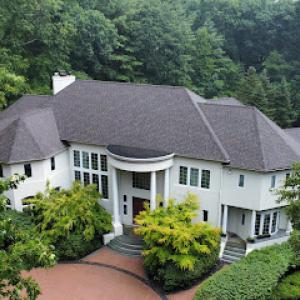
Daniel Fox Roofing
(617) 965-1294 foxroofinginc.com
Serving
5.0 from 48 reviews
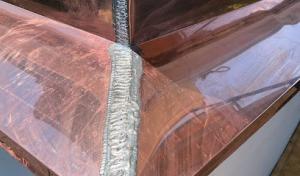
Daniel Fox Roofing is a full-service roofing contractor in Newton, serving the Metro West & Greater Boston areas. When you need a roof repair or roof replacement, there is no better company to call than Daniel Fox Roofing! We've been fixing and replacing roofs in Newton for more than 40 years. Danny works with all types of roofs, from common asphalt shingle roofs to exotic materials like slate, copper, or clay tiles. Plus gutters, flashings, and other aspects of your roof. Your job will be handled professionally, on time, and within budget. Call me today for a free quote.
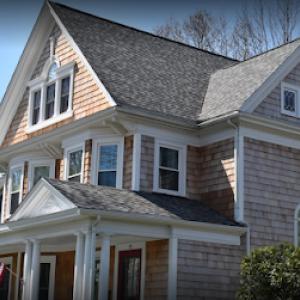
GF Sprague Exteriors
Serving
4.8 from 842 reviews
GF Sprague has been part of Boston’s architectural fabric since 1969, starting with slate roofs and hand-formed copper details on the city’s most historic sites. Those projects taught us precision, pride, and craftsmanship that can’t be rushed—values that remain our foundation today. We’ve expanded to all roofing types, as well as windows, gutters, siding, and chimneys, bringing the same commitment to detail, durability, and integrity to every project. What sets us apart isn’t just our skill—it’s treating every customer like family. Every roof is a promise to protect a home and uphold Boston’s tradition. Many clients have trusted us for generations, passing down their loyalty as we’ve passed down our craft.
In Hyde Park, asphalt shingles are the dominant practical choice for most homes, especially on older, steeper-roofed houses that characterize the area. They install quickly, handle freeze-thaw cycles relatively well when properly vented, and are straightforward to repair if a single section is damaged by ice dam moisture. When you plan a replacement, prioritize options with a sealed, high-quality underlayment and a shingle profile that resists wind uplift on steeper pitches. Pairing asphalt with solid attic insulation and a well-sealed attic space helps prevent heat from escaping to the roof deck, which is a major factor in ice dam formation during cold snaps.
Slate remains highly relevant because many older Greater Boston homes were originally built for heavier traditional roofing. If the structure can handle the weight, slate delivers exceptional durability and a timeless look that preserves historic character. In practice, slate requires a reinforced roof deck and precise detailing at penetrations, valleys, and chimneys to prevent leaks during freeze-thaw cycles. Consider long-term maintenance needs, including potential repointing of flashings and careful seasonal inspections, so the roof continues to shed snow reliably.
Clay tile and concrete tile are available in Hyde Park, but their weight and detailing needs can complicate replacement on older structures compared with standard asphalt systems. The extra heft demands a stronger supporting frame and careful assessment of eave and ridge load, especially on homes with traditional roof framing. If a tile system is pursued, ensure the existing structure can bear the weight or that structural reinforcement is planned. Also assess the local wind profile and snow load, since tiles can be more susceptible to cracking under sharp temperature swings if the roof isn't properly prepared.
Wood shingles and shakes offer a distinctive historic appearance that fits many older homes in the area, but they require vigilant maintenance to survive long winters. Wood roofs need meticulous ventilation, moisture management, and annual inspections for checks, splits, and mold growth. In climates with freeze-thaw cycles, early detection of moisture ingress helps prevent ice dams forming along the eave lines. If choosing wood, select durable species and a factory-applied protective coating, and plan for more frequent restorative work than with asphalt.
Synthetic or composite shingles can emulate slate, wood, or tile while delivering improved weight performance and lower maintenance. They often provide good cold-weather performance, with consistent dimensional stability across freezes. When Hyde Park's historic streetscape is a consideration, match texture and color to nearby heritage homes to maintain curb appeal. A key step is verifying that the chosen synthetic system integrates well with existing gutters, flashings, and insulation to minimize gaps where ice can form.
Typical Hyde Park pricing ranges from $350 to $700 per square for asphalt shingles, $900 to $1800 for clay tile, $800 to $1500 for concrete tile, $700 to $1400 for wood shingles or shakes, $550 to $1200 for synthetic or composite shingles, and $1600 to $3200 for slate. These numbers reflect the cold winters, frequent freeze-thaw cycles, and the mix of older, steep-roofed homes common in the area. Asphalt shingles remain the most common starting point for budget-conscious projects, while the higher end of the range covers premium products and more involved installations that tackle ice dam prevention and improved ventilation. Clay and concrete tiles, while durable, add weight and require structural checks, extra underlayment, and careful flashing to handle ice buildup along dormers and chimneys.
Costs in Hyde Park can rise when older roofs require tear-off, deck repair, upgraded underlayment, or ventilation changes to satisfy Massachusetts insurance and code expectations after replacement. A tear-off adds disposal and debris handling, and deck repair can reveal compromised sheathing that needs replacement before a new roof goes on. Upgraded underlayment helps manage moisture and provides a better base for ice-dam prevention strategies, while ventilation changes can reduce condensation and ease shingle aging during repeat freeze-thaw cycles. Steeper rooflines and older architectural details common in Boston neighborhood housing can increase labor time, staging complexity, and flashing work compared with simple low-complexity roofs. Expect additional costs if there are multiple dormers, eyebrow windows, or complex ridge lines that require precise alignment and extra flashing.
To keep costs predictable and address ice-dam risk, prioritize a plan that pairs a durable underlayment with proper attic insulation and ventilation. If you have an older roof, consider staged improvements: first address insulation and venting to reduce temperatures at the roof deck, then schedule a full replacement with high-quality underlayment and heat-trace considerations where appropriate around eaves and valleys. When choosing materials, weigh clay or concrete tile for longevity against the extra structural requirements and potential for higher installation time due to steep pitches. For asphalt, select thicker, impact-resistant shingles with good adhesive bonds to resist winter conditions, and ensure proper ice and water shield placement at eaves and penetrations. In all cases, expect that steeper roofs and ornate details will push labor and flashing costs higher, but the payoff is a longer-lasting, ice-dam resistant roof that performs better through Boston winters.
Get a clear picture of your project costs upfront - no commitment required.
A full re-roof in Hyde Park typically requires a permit through the local Building Department. Knowing this upfront can help you avoid costly delays and last-minute pullbacks from the inspector. The city's approach reflects the area's older steep-roof housing stock, where proper venting, ice-dam prevention, and proper underlayment choice are critical to long-term performance.
Applications are generally handled through the city portal or in person, and the review period commonly takes from a few days to about two weeks. Start the process as soon as you've selected materials and a contractor who understands Hyde Park's climate realities. In practice, you'll want to align your permit timing with the timing of tear-off and re-roof work so there's no gap that leaves the home exposed to winter conditions or weather delays.
Inspections in Hyde Park are typically scheduled after tear-off and again at final completion. The first inspection confirms that the deck, roof structure, and underlayment are properly installed and ready for the new roof layers. The final inspection verifies code compliance, flashing around penetrations, ice-dam防 protections, ventilation, and proper drainage details. If code compliance or zoning issues are triggered, minor plan adjustments may be required, so be prepared for adjustments to plans or conditions that the inspector flags.
Coordinate closely with a contractor who understands local drip-edge placement, attic ventilation, and ice-dam strategies, since these details often feed into the permit review. Keep documentation ready for the Building Department-photos of the existing roof, vent locations, and any structural notes can help speed review. If an adjustment is requested during inspection, respond promptly to avoid delays that push you into adverse weather windows or risky late-season work.
You're in a market where wind and storm damage show up in many forms, not a single dominant peril. In this corner of the city, adjusters spend time weighing repair versus replacement, especially on older steep-roof homes with mixed materials. Expect detailed scrutiny of whether the roof can be feasibly repaired or if a full replacement better preserves long-term value and safety. The decision hinges on the specific condition of decking, underlayment, and ventilation, all of which play into long-term performance during freeze-thaw cycles.
Insurers here routinely ask for thorough photos that document the roof's condition before any work begins, as part of approving larger payouts. The photos should cover visible damage, flashing, attic ventilation, and any signs of prior repairs. If you're facing a big claim, anticipate a request for the full roof line, plus interior shots where water intrusion is suspected. Without clear, consolidated visuals, the path to a fair settlement can stall.
After a loss, expect questions about upgrades that align with state and local compliance. Inspectors and adjusters may look for evidence of upgraded underlayment, improved attic insulation, and enhanced ventilation protocols that prevent future freeze-thaw damage. Document any changes you've made to meet or exceed current standards, since these choices influence both the repair plan and the feasibility of a future-proof replacement. Hyde Park homes with older stock are particularly sensitive to these criteria, where even small enhancements can shift the claim outcome.
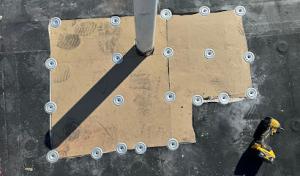
Flat-roof sections and low-slope additions are a steady presence in the Hyde Park building landscape, so your contractor will routinely handle membrane systems, edge detailing, and transitions where a pitched roof meets a flat surface. Expect specialists who can integrate slope, drainage, and insulation to reduce ponding and ice buildup. When planning a project, confirm the roofer can coordinate these flat sections with the surrounding pitched roof so that water flows toward drains rather than pooling at flashing transitions.
Skylight service is common locally, and leaks in freeze-thaw climates often trace back to curb flashing and the surrounding roofing transitions. Inspect skylight flashings for hairline cracks, deteriorated sealant, or lifted edges after seasonal freezes. If you have a curb-mounted unit, look at the down-slope edge where metal flashing meets shingles or membrane; that seam is a frequent leak path. For replacement or resealing, insist on a continuous, corrosion-resistant flashing saddle and a properly bedded sealant line that remains flexible through cold cycles. Have the skylight flashing inspected during any roof work so the installer can align it with the roof's drainage plan.
Chimney-related work shows up heavily in the local contractor market, matching the older housing stock where roof-to-masonry flashing is a frequent leak point. Expect traditional step flashing along the sides and a counter-flashing row to back-pan the masonry. In winter, mortar joints and brick can shift, stressing those flashings. A common remedy is to replace degraded flashing with heavy-gauge metal, seal joints with a durable exterior sealant, and ensure the chimney cricket or saddle sits correctly to shed water away from the base. Maintenance is easier when chimney flashings are inspected during fall and resealed before the first heavy freeze.
Ice dams form most readily where flat-roof transitions meet vertical penetrations or where skylights and chimneys interrupt the roofline. Focus on ensuring continuous insulation at all roof edges and a clear drainage path from the upper roof to gutters. For skylights, keep the curb free of debris and ensure curb flashing is embedded under shingle or membrane with an integrated drip edge. For chimneys, verify that the masonry cap is intact and that flashing runs are not interrupted by old mortar joints. If you notice recurring ice buildup, ask the contractor to review the entire penetration details rather than patching the symptom.
Seasonally, have a targeted inspection that focuses on flat-roof seams, skylight perimeters, and chimney flashings. Clean gutters and ensure scuppers are open so water can evacuate quickly during thaw cycles. Address any visible lifting, corrosion, or sealant deterioration promptly to prevent water intrusion down the line. When scheduling work, request a single cohesive plan that aligns flat-roof repairs, skylight resealing, and chimney flashing into one cohesive water-management strategy.
Find specialists in TPO, EPDM, and built-up flat roofing systems for residential and commercial properties.