
Last updated: Apr 19, 2026
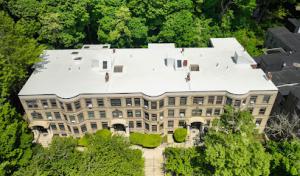
Jamaica Plain features a mix of steep-slope roofs on older residential buildings alongside low-slope sections on porches, rear additions, and multifamily structures. That contrast means a single roof can actually require more than one roofing approach to keep the whole property weather-tight. On the street-facing portions, steep pitches are common, often carrying historic details or dormers, while rear wings or porches may sit closer to the ground with gentler angles. When planning replacements or repairs, recognizing where the roof transitions from steep to low helps decide which materials and installation details will work best for long-term performance in New England winters.
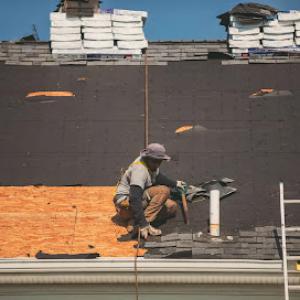
Asphalt shingles remain the workhorse for many replacements, especially on the primary steep-slope areas. They are reliable, readily available, and come in a wide range of styles that can mimic older appearances while delivering modern performance. Beyond asphalt, metal roofing appears with both standing-seam and exposed-fastener profiles, offering durable weather resistance suitable for steep slopes and occasional low-slope sections where flashing detail matters. Tile options-clay and concrete-show up on select properties, typically where the historic aesthetic calls for a Mediterranean or regional look. Synthetic or composite shingles provide flexibility, often used to match the texture or color of nearby slate or historic materials without the weight of natural stone. Slate, while less common than it once was, remains locally relevant in certain neighborhoods with late-19th- and early-20th-century housing, where long-service slate roofs or aesthetically similar products still define street character.
Visible rooflines drive the importance of material matching. When a home has multiple elevations exposed to the public realm, choosing materials that harmonize with neighboring roofs can preserve the street's historic visual fabric. On homes with slate remnants or nearby slate roofs, selecting a compatible color and profile-whether real slate, composite slate, or a closely matched synthetic-helps maintain curb appeal. For primary street-facing steep slopes that previously wore shingles, a high-quality architectural asphalt can blend well if color and shingle profile echo the neighborhood's historic feel. For side or rear sections that are less visible, practical choices like metal or tile can be appropriate if they maintain uniform drainage and flashing transitions to the main roof.
Steep-slope sections demand precise installation to handle ice dam risks from Nor'easters and freeze-thaw cycles. Choose products with solid underlayment compatibility and robust flashing at dormers, chimneys, and valleys. Low-slope areas, such as porch roofs or rear additions, require careful water shedding and appropriate slope to prevent standing water and ice buildup; materials tended for low-slope performance-like standing-seam metal or specific low-slope asphalt configurations-can reduce leak potential when paired with well-sealing details. In Jamaica Plain, where the historic stock may demand materials that mirror era aesthetics, matching both performance and appearance across all roof segments ensures long-term resilience without compromising the neighborhood's character.
Slate continues to appear on properties that retain original or long-service slate roofs, especially among late-19th- and early-20th-century houses. Where slate exists, preservation approaches favor maintaining that material where feasible, given its durability and a look that schools the surrounding streets. Even when slate isn't viable everywhere, matching its color, tone, or a composite alternative on visible sections can help retain the neighborhood's distinctive roofscape while meeting modern performance standards. Careful assessment of substrate, underlayment, and fastener compatibility will repay you with a roof that respects history and holds up to New England weather.
For Jamaica Plain, a full roof replacement typically flows through the City of Boston Inspectional Services Department rather than a neighborhood-level office. That means the project is reviewed under Boston's permit regime, with expectations that the work meets the city's code and local nuances for older, steep-pitched homes. The permit process hinges on showing that the scope covers the entire roof replacement, not just patchwork, and that the chosen materials and method align with Boston's building codes and historic housing realities.
Before a permit can be issued, the contractor needs to provide information up front about who is performing the work and exactly what will be done. Expect to supply the contractor's license details, company contact information, and a clear project scope that spells out replacement materials, venting plan, roof ventilation strategy, and any necessary flashing or underlayment details. In Jamaica Plain, where many roofs are steep and older, the plan should explicitly address ice dam mitigation, drainage, and how the new system will integrate with existing chimneys, skylights, dormers, and parapet walls. You should also anticipate coordination with any nearby structures and a timeline that accounts for weather sensitivity in the winter months.
The city's review will focus on safety, structural adequacy, and proper installation methods for the chosen roof system. Because JP homes often combine historic fabric with modern needs, the plan may request details about flashing around dormers and valleys, edge protection, and attic ventilation tie-in to prevent future ice dam issues. The review will check that the proposed venting matches the attic's requirements and that there is a coherent strategy for ice-dam prevention, especially given Nor'easter patterns and freeze-thaw cycles typical of the area. Submittals should include the exact product lineup, underlayment type, and installation sequence to demonstrate a continuous weatherproof barrier from fascia to ridge.
Inspections are scheduled during the project and after completion. Expect an on-site check-in while work is underway to verify adherence to the approved plan, fastener patterns, and flashing continuity. A final inspection focuses on proper installation and roof venting, ensuring that all penetrations are sealed, attic ventilation is effective, and the roof configuration supports long-term performance under cold winters. For you, that means a visible, testable conclusion: the vents and soffits should show clear airflow, and the flashing around chimneys and skylines must sit flush and weather-tight.
Coordinate timing with the inspector so work segments align with inspection slots, minimizing delays. Have a detailed communication plan with the contractor to flag any unexpected conditions-like deteriorated decking or compromised gutters-that could affect permit conformity. In the event of changes to scope or material choices, promptly update the permit documents to avoid hot-water drama at the final review. A clear, well-documented submission helps keep the project moving and supports durable performance against Jamaica Plain's winter conditions.
In Jamaica Plain, costs are often higher because access on dense Boston streets is tight, staging space is limited, and debris handling logistics are more constrained than in suburban settings. When a crew needs to park multiple trucks on narrow avenues or squeeze equipment onto a small front yard, labor time and safety measures rise. Expect additional pull permits for crane or ladder setups in some blocks, and plan for longer material delivery windows to accommodate neighborhood traffic. All of these factors translate into incremental cost increases that show up in both labor and disposal line items.
Older homes here frequently feature steep pitches, multiple dormers, chimneys, and layered roof geometry. Each dormer adds trim, flashing, and custom details, while a steep pitch slows work as crews move more slowly and require more safety gear and fall protection. Chimneys demand precise flashing and sometimes lead to bespoke cross-join pieces where roofs meet chimneys. On the ground, this complexity means higher per-square-foot rates for labor and more material waste captured during removal. A simple gable roof is uncommon in this neighborhood, so budgeting should reflect the extra hours and specialty detailing typical of Jamaica Plain's historic stock.
Slate and tile work can be especially expensive locally because repairs and replacements on older structures often require more specialized labor than standard asphalt re-roofing. When slate or clay tiles are involved, expect careful removal to preserve surrounding historic woodwork and complicated re-installation to maintain weathertight seams. In contrast, asphalt and synthetic shingles generally stay within a more predictable range, but even these can spike if the roof is unusually steep or has extensive detailing. For slate or tile, you're paying for skilled lime-sack know-how, precise rafter planning, and careful integration with existing flashing and drainage.
Start with a measured plan: document all roof features, including dormers, chimneys, and any skylights. Get two to three local bids that explicitly itemize decking, flashing, and disposal. Discuss staging area options early-neighbors often have helpful advice about quiet hours and access routes. If choosing complex materials (slate, tile), confirm that the contractor has recent, verifiable experience with older bundling and matching of pieces, as replacements must harmonize with older aesthetics and existing equivalents.
Because of the density and the age pattern here, price ranges reflect both installation and the complexity described above. Asphalt shingles remain the most economical starting point, while metal, clay tile, and slate push the budget higher, especially when paired with steep pitches and multiple features. In this market, the final figure should account for access, geometry, and the specialty labor demanded by historic layering.
Duffy Roofing
(617) 296-0300 duffyroofing.com
Serving
4.8 from 84 reviews
Duffy Roofing, Inc provides residential roofing services in the Dorchester, MA area.
ID Flat Roof
Serving
4.7 from 40 reviews
Repair, replacement, and installation of flat roofs, low-pitched roofs, regular roofs, and decks.Residential and Commercial roofs.Rubber roof, asphalt shingles roofs, metal roofs, PVC roofs.Experience More Than 21 Years.Lifetime Warranty.We accept credit cards.We have all insurances and licenses.If you want to make your next roof your last roof, call us today and let us provide you with the final solution to your roof or deck problems.
CAN Roof Construction
(857) 415-7727 canroofconstruction.com
Serving
5.0 from 119 reviews
CAN Roof Construction is one of the best Roofing Contractor and Deck Builder in Boston Massachusetts providing Asphalt Roof repair and replacement, Rubber Roof Repair and replacement, Flat Roof Roof repair, Gutter installation, Deck and Porch building and serving Metro West, the Greater Boston area and all surrounding cities. We are the top Roofing Contractor in Boston MA, committed the highest customer service and workmanship quality. We are proper licensed and Insured. If you have roof leak, missing shingle or damage on your roof, get in touch with us, we would love to help you with your roof repair or replacement project. We CAN Roof it!
Roof Hub
Serving
4.8 from 99 reviews
Boston roofing contractor Roof Hub makes it easy for you to get an affordable new roof. Whether architectural asphalt shingles with a 50-year warranty or flat roof replacement, get your online quote by email in under 24 hours. We're roofers in Boston with a proven history tackling Boston's complex construction industry, handling permits and new roof installs in tough-to-roof neighborhoods like the Financial District, Back Bay, North End, South End, West End, Fenway-Kenmore Our process-oriented, customer first approach to roof replacement in Boston is why customers keep passing our name along to friends + family. Hundreds of roofs installed in Dorchester Boston, Roxbury, West Roxbury, Hyde Park, Roslindale, Cambridge. All of Greater Boston
Certified Roofing Systems
(617) 958-8659 certifiedroofinginc.com
Serving
4.9 from 123 reviews
Serving businesses since 2006, Certified Roofing specializes in roof coatings, full roof restorations, and commercial roof replacements for Metal, TPO, Flat, PVC, Single-Ply roofs across Massachusetts, including Newton, Boston, Medford, Malden, Cambridge, Brookline, Somerville, Waltham, Quincy and nearby. 🏗️ We work with metal, PVC, TPO, EPDM rubber, and flat roofs, using top-quality Gaco Products for lasting protection. 🏢 We provide excellent roof replacement and installation solutions for all types of commercial and industrial buildings. ✅ Get a Free Thermal Drone Inspection and Free Commercial Roof Estimate today! 📞 Call 617-958-8659 or book online. Quality, reliability, and energy-efficient solutions for your business! 🌟
Otukan Roofing Company Boston
(781) 798-9009 otukanroofing.com
Serving
5.0 from 21 reviews
Otukan Roofing is the top roofing company in Boston, MA, offering a wide range of expert services to protect and enhance your home. Our skilled professionals specialize in any flat roof repair, replacement, and inspection, as well as gutter cleaning, repair, and replacement. We also provide expert skylight installation and repair services. Whether you need routine maintenance, emergency repairs, or a complete roof overhaul, our team is dedicated to providing exceptional customer service and top-quality workmanship. Count on us for prompt, reliable, and affordable solutions to all your roofing needs. Contact Otukan Roofing today to schedule your appointment!
All For U Roofing & Masonry
(617) 362-8254 allforuroofing.com
Serving
5.0 from 49 reviews
All For U Roofing & Masonry provides carpentry services, gutter services, masonry services, patio services, and more to Boston, MA, and the surrounding areas.
Daniel Fox Roofing
(617) 965-1294 foxroofinginc.com
Serving
5.0 from 48 reviews
Daniel Fox Roofing is a full-service roofing contractor in Newton, serving the Metro West & Greater Boston areas. When you need a roof repair or roof replacement, there is no better company to call than Daniel Fox Roofing! We've been fixing and replacing roofs in Newton for more than 40 years. Danny works with all types of roofs, from common asphalt shingle roofs to exotic materials like slate, copper, or clay tiles. Plus gutters, flashings, and other aspects of your roof. Your job will be handled professionally, on time, and within budget. Call me today for a free quote.
Baxter Roof Repair & Installation
(617) 655-7503 baxterroofrepaircambridge.com
Serving
5.0 from 25 reviews
Baxter Roof Repair & Installation provides trusted, professional roofing services for homeowners and businesses throughout Cambridge. Our experienced team specializes in comprehensive roof inspections, accurate leak detection, shingle and metal repairs, full roof replacements, and preventative maintenance. We use premium materials and industry-approved installation techniques to deliver durable, weather-resistant results. Whether you’re dealing with storm damage, aging roofing components, or planning a roof upgrade, you’ll receive precise assessments, transparent pricing, and responsive scheduling. Cambridge property owners count on Baxter for dependable craftsmanship and expert roofing care tailored to their needs.

Roof Right Now Boston
(781) 971-8131 boston.roofrightnow.com
Serving
4.8 from 22 reviews
Roof Right Now wants to give Boston area homeowners a better roofing experience. In less than 5 minutes you can trace your roof and create your own roof estimate online. No meeting required.

Secure Roofing
(617) 770-9323 quincyroofing.com
Serving
4.9 from 38 reviews
Secure Roofing: Your trusted experts for residential & commercial roofing. Specializing in asphalt, slate, shingle & rubber installations/repairs. Quality craftsmanship & affordable prices guaranteed.

Clancy Roof & Leak Repairs
(617) 467-2455 clancyroofrepaircharlestown.com
Serving
5.0 from 53 reviews
Clancy Roof & Leak Repairs specializes in finding and fixing roofing issues before they turn into costly damage. The team is skilled at tracing leaks to their exact source, repairing problem areas with durable materials, and ensuring the rest of the roof remains in good condition. For more extensive damage, they provide clear recommendations and handle larger repairs with the same attention to detail. Customers often note the quick response times, the straightforward advice, and the quality of the finished work. Clancy Roof & Leak Repairs is committed to keeping properties secure and weatherproof.
The Nor'easters that hit Boston winters push wind-driven precipitation right against roof lines while snow and ice load the slope. In Jamaica Plain, those steep coverings-often aging asphalt, slate, or small-clipped flashing-can expose weak seams and creases as the storm rips through. When wind meets a frozen edge, ice dams form and pressure pushes water into the attic and behind gutters, sometimes without obvious outward signs until the damage is already leaking inside.
Spring storms bring a different threat, but the danger is immediate. Wind-driven rain paired with thawing cycles can lift and blow loose shingles, undermine poorly seated flashing, and force leaks around penetrations like vents, chimneys, and exhausts. Older roofs in this area may carry cracked caulk, degraded sealant, or rusted flashings that fail under sudden gusts, leaving attic decks damp and ceilings stained.
Because many local homes are attached or closely spaced, storm damage can be harder to spot from the ground and may require close inspection after major weather events. A telltale sign is wet spots that appear days after a storm, not during the rain; that delayed leakage often comes from shifted shingles or lifted flashing catching rainwater and channeling it under the roof edge. Look for softening wood, peeling paint at the ceiling, or damp insulation in the attic near joints and chimneys.
In Jamaica Plain, the risk is intensified by age and configuration. Narrow lots with shared walls mean wind-driven spray can find tiny gaps along eaves and roof-to-wall transitions. Snow piles perched on neighbor roofs can shed suddenly, dumping weight and moisture onto your own system. If you see a sudden stain after a windy, wet event, approach the risk as an active leak, not a cosmetic issue, and treat it as urgent.
How to act now is simple. After a major Nor'easter or a heavy spring rain, inspect the roof line from multiple angles if safe to do so; check flashing at ridges, valleys, vents, and chimneys for loose pieces or gaps. In doubt, arrange a professional roof audit focused on ice dam risk and flashing integrity, because the first small defect can become a significant leak once spring winds return.
Find local contractors experienced in assessing and restoring roofs after hail, wind, and severe weather events.
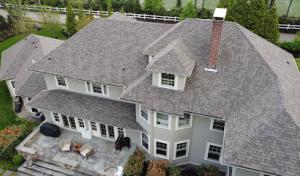
Chimney-related roof work is especially relevant in this market, reflecting the prevalence of older masonry chimneys on Jamaica Plain homes. When repair or flashing work touches brickwork, leaks don't just drip-they travel along mortar joints and into attic corners where you least expect it. Pay close attention to step flashing where the chimney meets the roof plane, and to the counter-flashing that ties into the brick itself. Expect deeper attention to flue cap compatibility and crown seal, because neglect here often shows up as interior stains long after a visible leak begins. A careful contractor will reseal the chimney chase and reflash the connection to the roof in stages, rather than treating it as a quick fix.
Older rooflines in the neighborhood often include dormers, valleys, and additions that create multiple flashing transitions and leak-prone junctions. Each intersection is a potential failure point if not integrated with consistent material choice and proper slope. In practice, look for integrated flashing that bridges dormer flashings with the main roof field and valley membranes that extend far enough to shed ice pack and meltwater from Nor'easters. When a roof has several planes, a proactive homeowner should expect targeted maintenance-checking the valley metal, re-caulking where shingles meet the flashing, and confirming that ice guards extend into every valley and joining seam.
Skylights are a meaningful specialty in the local contractor market, making curb flashing and surrounding shingle integration a common repair topic. A compromised curb flashing invites water to creep under shingles and into the roof deck around the skylight. Ensure the flashing lip sits flush and the sealant around the curb is intact, with shingle tabs carefully cut to lay flat against the curb. In addition, confirm that surrounding shingles are trimmed cleanly to prevent wind-driven lift, especially on exposed east-facing facets where Nor'easters deliver early-season exposure.
Find contractors experienced in skylight installation, flashing, and leak repairs to bring natural light into your home.
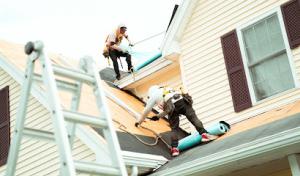
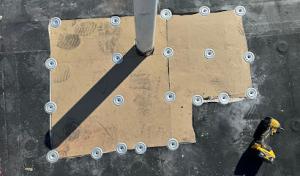
In Massachusetts, insurers commonly ask for roof age and material type, which matters in Jamaica Plain where homes show a wide spread of roof ages and legacy materials like slate. When evaluating a claim, an adjuster will want to know how long the roof has been in service and what it's made of, especially on steep-pitched roofs where ice dams and wind-driven damage are common. If the roof is slate or another long-lasting material, it may be treated differently from asphalt or composites; knowing the exact material helps set expectations for coverage and recovery options.
Claims in this market typically rely on photo documentation and may involve an adjuster review rather than automatic approval for full replacement. Take clear photos before a significant event, during the repair process, and after, emphasizing damage patterns, flashing, and underlayment near valleys and dormers. On a steep slate or clay-tile roof, use a high-reach camera or a professional to capture distant angles and close-ups of cracked slates, lifted tabs, or deteriorated sealant. For Nor'easter or leak events, document the timeline of water intrusion, locations inside the home, and any staging of temporary leaks or tarps.
Carriers in this region may scrutinize pre-existing wear and aging, so Jamaica Plain homeowners benefit from documenting conditions before and after Nor'easters or major leak events. Maintain a dated binder or digital album with notes on prior leaks, porch or attic condensation, and ice dam patterns from past winters. When a claim is filed, reference specific dates and weather events, and pair photos with a concise written history of the roof's condition. This local record-keeping can help an adjuster distinguish routine wear from sudden damage.
Ask the insurer for a detailed scope of what is covered versus excluded, and request a timeline for the adjuster's review. If the roof relies on materials like slate or clay tile, consider a professional assessment to corroborate the claim with engineering or historical-compatibility notes. Clarify whether pre-existing wear could influence coverage decisions, and provide the documentation package promptly to keep the process moving through Jamaica Plain's characteristic winter conditions.
Connect with contractors who help homeowners navigate the claims process from damage assessment to final approval.
Clancy Roof & Leak Repairs
(617) 467-2455 clancyroofrepaircharlestown.com
Serving
5.0 from 53 reviews
Storm Works Roofing & Restoration
(844) 786-7696 www.stormworksroofing.com
Serving
4.8 from 143 reviews
Late spring through early fall is the preferred replacement window for steep, historic roofs in this neighborhood. The Massachusetts winter conditions are hard on installation quality and curing, so aiming for a dry, milder stretch helps ensure shingles and underlayment seal properly. If you have a slate or steep asphalt roof, this window matters even more because long climbs and tight slopes demand steady, predictable weather. When planning, target a stretch from late spring into early fall for the bulk of exterior work and drying time.
Summer heat and humidity in this region can accelerate aging of underlayment and shingles, so timing and material handling still matter even in the main roofing season. Hot days require careful staging of bundles, avoiding long exposure on roof surfaces, and ensuring fasteners are driven with consistent pressure. Be mindful of attic heat as you plan ventilation work; vented soffits and a breathable ridge can help reduce moisture buildup that compromises the roof assembly. In older homes with mixed roof lines, you may encounter skylights or dormers that heat up quickly-schedule those penetrations for cooler parts of the day if possible.
Autumn in Boston can bring abrupt weather shifts and early snowfall risk, which can compress schedules for homeowners trying to finish before winter. If a late September project spills into October, have a contingency plan for shorter work days and potential delays caused by sudden storms. On steeper pitches, even a light frost can slow activity and complicate material handling. Plan ahead to keep crews moving through the core portions of the project, with finish details and flashing completed before temperatures dip.
Coordinate sequence and access to secure areas around parapets, gutters, and shared driveways common to multi-family blocks in Jamaica Plain. Clear paths through backyard spaces for delivery of shingles and underlayment, and schedule work to minimize disruption for neighboring homes with sharp, historic rooflines. Ensure temporary protection for snow guards or historic features during late-season work.
When a full roof replacement is on the table, the paperwork and closeout package matter more than in looser reroof markets. Boston's inspection-heavy approach means that a clean, documented installation can determine whether a leak-prone winter transitions period is even logistically resolved. If the project skims on details-drainage studies, attic ventilation notes, or flashing diagrams-both the warranty and the longevity of the roof may suffer once the first Nor'easter hits.
Manufacturer-certified installation is a visible signal in the local contractor pool, but it is not a universal guarantee. The certification may reflect a formal training class or a stamped warranty card, yet the actual performance hinges on how the crew applies flashing, underlayment, and ventilation. In Jamaica Plain's mix of steep pitches and aging decks, a bid that shows a certification on paper can still hide gaps if the installer's on-site practices diverge from the program's best practices. Look beyond the label to the installer's track record with similar homes.
On older Jamaica Plain homes, warranty value often depends on how decking, ventilation, and flashing details are handled rather than shingle brand alone. A roof that sits over cracked, undersized, or inadequately vented spaces is prone to ice dam leakage even with a premium shingle. Ask for a plan that clearly addresses ridge and soffit ventilation, proper underlayment over damaged decking, and step-by-step flashing at chimneys, valleys, and dormers. If the proposal skims these points, the warranty may not deliver the protection expected when winter returns.