
Last updated: Apr 19, 2026
In this cold-winter climate, repeated snow, melt, and refreeze cycles drive ice-dam risk along eaves and around gutters. Low-slope rear additions and porch sections meet steeper front roof planes, creating transitions where water can back up behind flashing or misdirected drainage. As heat escapes through uneven insulation and ventilation, the roof deck warms unevenly, fueling winter melt patterns that pile up at transitions and leak into living spaces.
Older housing stock in dense neighborhoods often couples a sharp front pitch with a flatter rear section. Those transition points-where a steep front plane meets a low-slope addition or enclosed porch-are the first spots to fail. Flashing can misalign at hips, valleys, and intersections, and gutters that are clogged or undersized become choke points for meltwater. Ice can form along eaves, under shingles at rake edges, and behind gutters where drainage drops are poor. In practice, a homeowner will notice damp spots on ceilings near interior corners, staining along interior walls, or warm spots that persist after a storm ends.
Start with a quick, systematic check: look for loose or missing shingles near transitions, exposed nail heads, and torn or lifted flashing at eaves. Clear gutters of debris and ensure downspouts drain away from the foundation. If ice has already formed, apply safe, gentle ice-softening methods from the ground-never chisel from the roof or walk on fragile surfaces. For roof-edge areas and behind gutters, consider temporary heat cable deployment only if you can run it safely and sensibly, keeping cords away from walking paths and moisture-prone zones. Most crucially, reduce heat loss from the attic by sealing obvious drafts around penetrations and around attic access, especially near transition zones.
Prioritize upgrading flashing at all transitions where different roof slopes meet. Use bendable flashing that can contour to irregular lines and ensure it extends well under shingles to channel water into drains. Improve insulation and ventilation specifically above transition zones to minimize heat buildup that drives meltwater toward eaves and seams. In areas with flat or low-slope additions, install a properly sloped deck and secondary drainage path to guide water toward a functional gutter system. If practical, extend gutters and downspouts to divert water away from the home's foundation and toward a safe discharge zone.
Develop a routine that touches critical transition areas after heavy snow events and during thaws. Inspect vented soffits, ridge lines, and attic vents for signs of heat leakage. Keep a close eye on any interior ceiling staining that appears after storms, and address it promptly to prevent hidden rot and mold. In homes with older insulation, plan a phased upgrade to tighten the envelope, focusing first on attic and top-floor transitions where heat loss is most pronounced. Every winter, reassess flashing integrity, drainage paths, and the condition of the eaves to stay ahead of leaks.
When you can't wait, these contractors offer fast response times to stop leaks and prevent further damage.
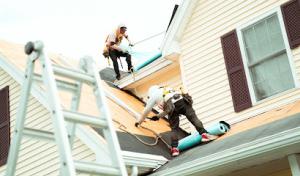
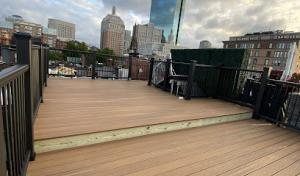
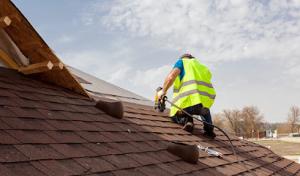
Roxbury's housing mix includes many Boston triple-deckers, attached homes, and older multifamily buildings where roof edges, party-wall transitions, and rear low-slope sections need different detailing than simple detached suburban roofs. The tight footprint of these buildings means edge details, valley configurations, and chimney connections must be planned with close proximity to neighboring structures in mind. This section focuses on strategies that address the recurring challenges found in this neighborhood's roofs, especially during freeze-thaw cycles and winter rain events.
In rowhouses and attached layouts, the worst leaks often ride along the transitions where two roofs meet a shared wall or where a low-slope rear section abuts a taller main roof. Pay particular attention to the edge metal and the step-down transitions between roof planes. On flatter rear sections, ensure the installation method preserves a true positive drainage path, with adequately sloped planes and clean, debris-free gutters and scuppers. When a low-slope rear runs alongside a higher roof, use integrated flashing that extends well past the intersection and ties into the interior drainage plan. A continuous, properly seated drip edge helps keep meltwater from wicking into fascia and sheathing during those long New England winters.
Chimneys are common on older homes, making chimney flashing and masonry intersections a recurring source of leaks in this neighborhood's housing stock. Start with a thorough chimney chase inspection; ensure the step flashing into masonry is continuous and that counter-flashing is secured against wind-driven snow. Where the roof plane meets the brick or stone, use generous overlap and verify sealant joints are compatible with the local temperature range. In triple-deckers, where party walls share a ridge or shoulder roof, staggered flashing can help avoid a single failure point. Inspect for mortar cracks around chimneys, as these gaps can channel moisture into the roof edge over time. If a chimney has a metal cap or vent stack nearby, verify the flashing around those penetrations is integrated with the surrounding roof hardware to prevent a creeping ice dam from forming at the wall line.
Tightly spaced buildings can limit ladder placement, staging, and debris handling, which affects how crews sequence tear-off and cleanup. Plan the work so that material and waste flow away from neighbors, preserving access for emergency routes and snow removal. In crowded lots, consider smaller, modular sections for removal and replacement, with temporary containment that minimizes shingle or shingle-fastener fallout onto adjacent properties. Communicate a day-by-day plan to residents, and schedule tight cleanups after each phase to prevent wind-driven debris from piling up on the sidewalk or gutter line. If overhead drops or tree limbs limit access, use alternative staging zones that still allow safe handling and disposal of old roofing materials.
Older structures in this area often show mixed roof ages and varying degrees of deck, fascia, and gutter condition. When choosing materials, balance durability with compatibility to existing details around low-slope rear areas and edge transitions. Shingles or metal panels that shed water efficiently, resist wind uplift, and play well with flashing at party walls typically perform better under freeze-thaw stress. For flat rear sections, fewer penetrations and a conservative approach to fastener patterns can reduce the risk of leaks where the roof is most vulnerable. Properly matched underlayment and a continuous seal at transitions further defend against creeping moisture during cold snaps.
Find specialists in TPO, EPDM, and built-up flat roofing systems for residential and commercial properties.
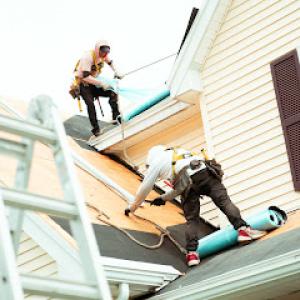
CAN Roof Construction
(857) 415-7727 canroofconstruction.com
Serving
5.0 from 119 reviews
CAN Roof Construction is one of the best Roofing Contractor and Deck Builder in Boston Massachusetts providing Asphalt Roof repair and replacement, Rubber Roof Repair and replacement, Flat Roof Roof repair, Gutter installation, Deck and Porch building and serving Metro West, the Greater Boston area and all surrounding cities. We are the top Roofing Contractor in Boston MA, committed the highest customer service and workmanship quality. We are proper licensed and Insured. If you have roof leak, missing shingle or damage on your roof, get in touch with us, we would love to help you with your roof repair or replacement project. We CAN Roof it!

ID Flat Roof
Serving
4.7 from 40 reviews
Repair, replacement, and installation of flat roofs, low-pitched roofs, regular roofs, and decks.Residential and Commercial roofs.Rubber roof, asphalt shingles roofs, metal roofs, PVC roofs.Experience More Than 21 Years.Lifetime Warranty.We accept credit cards.We have all insurances and licenses.If you want to make your next roof your last roof, call us today and let us provide you with the final solution to your roof or deck problems.
Roof Hub
Serving
4.8 from 99 reviews
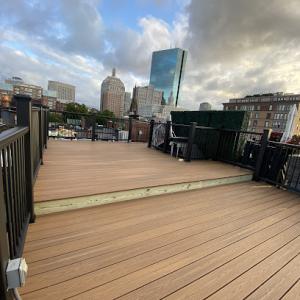
Boston roofing contractor Roof Hub makes it easy for you to get an affordable new roof. Whether architectural asphalt shingles with a 50-year warranty or flat roof replacement, get your online quote by email in under 24 hours. We're roofers in Boston with a proven history tackling Boston's complex construction industry, handling permits and new roof installs in tough-to-roof neighborhoods like the Financial District, Back Bay, North End, South End, West End, Fenway-Kenmore Our process-oriented, customer first approach to roof replacement in Boston is why customers keep passing our name along to friends + family. Hundreds of roofs installed in Dorchester Boston, Roxbury, West Roxbury, Hyde Park, Roslindale, Cambridge. All of Greater Boston
All For U Roofing & Masonry
(617) 362-8254 allforuroofing.com
Serving
5.0 from 49 reviews
All For U Roofing & Masonry provides carpentry services, gutter services, masonry services, patio services, and more to Boston, MA, and the surrounding areas.
Duffy Roofing
(617) 296-0300 duffyroofing.com
Serving
4.8 from 84 reviews
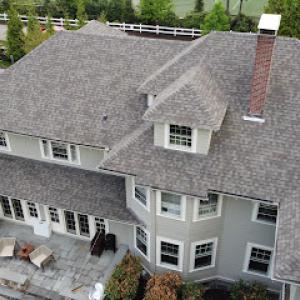
Duffy Roofing, Inc provides residential roofing services in the Dorchester, MA area.

Baxter Roof Repair & Installation
(617) 655-7503 baxterroofrepaircambridge.com
Serving
5.0 from 25 reviews
Baxter Roof Repair & Installation provides trusted, professional roofing services for homeowners and businesses throughout Cambridge. Our experienced team specializes in comprehensive roof inspections, accurate leak detection, shingle and metal repairs, full roof replacements, and preventative maintenance. We use premium materials and industry-approved installation techniques to deliver durable, weather-resistant results. Whether you’re dealing with storm damage, aging roofing components, or planning a roof upgrade, you’ll receive precise assessments, transparent pricing, and responsive scheduling. Cambridge property owners count on Baxter for dependable craftsmanship and expert roofing care tailored to their needs.

Clancy Roof & Leak Repairs
(617) 467-2455 clancyroofrepaircharlestown.com
Serving
5.0 from 53 reviews
Clancy Roof & Leak Repairs specializes in finding and fixing roofing issues before they turn into costly damage. The team is skilled at tracing leaks to their exact source, repairing problem areas with durable materials, and ensuring the rest of the roof remains in good condition. For more extensive damage, they provide clear recommendations and handle larger repairs with the same attention to detail. Customers often note the quick response times, the straightforward advice, and the quality of the finished work. Clancy Roof & Leak Repairs is committed to keeping properties secure and weatherproof.

Roof Right Now Boston
(781) 971-8131 boston.roofrightnow.com
Serving
4.8 from 22 reviews
Roof Right Now wants to give Boston area homeowners a better roofing experience. In less than 5 minutes you can trace your roof and create your own roof estimate online. No meeting required.
Certified Roofing Systems
(617) 958-8659 certifiedroofinginc.com
Serving
4.9 from 123 reviews
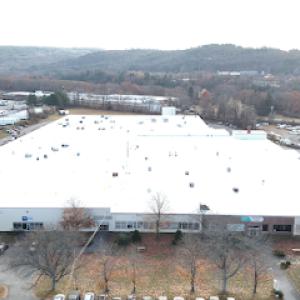
Serving businesses since 2006, Certified Roofing specializes in roof coatings, full roof restorations, and commercial roof replacements for Metal, TPO, Flat, PVC, Single-Ply roofs across Massachusetts, including Newton, Boston, Medford, Malden, Cambridge, Brookline, Somerville, Waltham, Quincy and nearby. 🏗️ We work with metal, PVC, TPO, EPDM rubber, and flat roofs, using top-quality Gaco Products for lasting protection. 🏢 We provide excellent roof replacement and installation solutions for all types of commercial and industrial buildings. ✅ Get a Free Thermal Drone Inspection and Free Commercial Roof Estimate today! 📞 Call 617-958-8659 or book online. Quality, reliability, and energy-efficient solutions for your business! 🌟
Secure Roofing
(617) 770-9323 quincyroofing.com
Serving
4.9 from 38 reviews
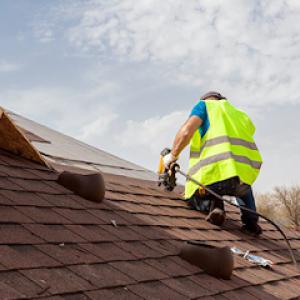
Secure Roofing: Your trusted experts for residential & commercial roofing. Specializing in asphalt, slate, shingle & rubber installations/repairs. Quality craftsmanship & affordable prices guaranteed.
Art Slate Roofing
(617) 913-1130 www.artslateroofing.com
Serving
5.0 from 20 reviews
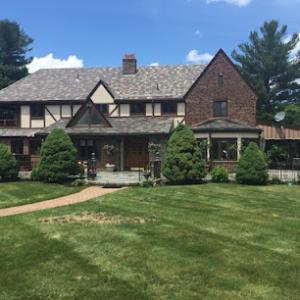
For over 20 years, Art Slate Roofing has been the go-to roofing company in the Cambridge area. We specialize in Historical Renovations, as well as Slate & Copper roofing. From leak repairs to emergency blow-offs, curb installations to coating, preventive maintenance to roof asset management, our roofing team can handle it all. We also offer masonry work, chimney repair, and Gutter & Downspout services. Ask about our warranty! Call today for a free estimate!

Doherty Slate Roofing
(617) 595-1551 dohertyslateroofing.com
Serving
4.9 from 55 reviews
We are slate copper specialists and an award-winning company. Our craftsmanship is prestigious. Unlike other roofing companies, We match identical roof slates to existing slate roofs. This means slate size, slate color, slate age, and thickness to conduct slate roof repairs. We design and install high-end custom copper roof work, Copper Gutters, and install rubber roofs. Were veteran owned and operated. We strive to be the leading slate roofing company in the Boston, Brookline, Newton, and Wellesley areas. We also repair slate tile and carry out annual drone slate roof inspections, slate repairs, slate restoration, and slate installation. Searching for a slate roofing company near me, we are your slate roofing contractor.
Asphalt shingles fit the steep-slope residential stock common in this area and remain the most practical replacement choice where budget and traditional appearance both matter. The straightforward installation, broad color options, and reliable performance under typical New England winters make them a sensible baseline for many Roxbury homes. When choosing shingle quality, look for higher granule density and a good warranty, as these factors correlate with better durability against freeze-thaw cycles and wind uplift. For older homes, a careful assessment of underlayment and attic ventilation is essential to prevent undertile moisture issues that can lead to leaks around transitions, vents, and dormer areas.
Metal roofing is relevant for homeowners prioritizing snow shedding, durability, and lower maintenance over the long term. In this climate, metal panels or shingles can significantly reduce ice buildup on the exposed roof plane and help with rapid water shedding after storms. The key in dense urban settings is detail work: ensure precise integration at roof penetrations, chimney flashings, and where the metal meets adjoining structures or existing parapets. Older penetrations and nearby dormers often need customized flashing and sealing to prevent leaks where ice dams would otherwise form. Choose alloys with good galvalized or coated finishes to resist salt air if the home sits near coastal-adjacent streets or avenues with heavier winter exposure.
Clay tile, concrete tile, wood shakes, and synthetic products appear in the broader market but are a more specialized fit in Roxbury. Many homes were not originally framed for heavy tile systems, and dense urban roof access can complicate specialty installs. Clay and concrete tiles add distinct curb appeal but demand a reinforced structure and more precise flashing details to handle freeze-thaw cycles and potential seismic or wind loads in this setting. Wood shakes offer a traditional look but require diligent maintenance to prevent rot and warping in damp winter conditions. Synthetic options can mimic the appearance of tile or shake with lighter weight and easier installation, yet still require careful integration with attic ventilation and flashing at transitions to maintain a watertight roof over time. If considering these materials, engage an installer who has hands-on experience with older masonry and wood-framed homes to design proper heat, moisture, and ice-damming strategies.
In a tight, multi-structure environment, the critical areas to inspect are transitions from the main roof to lower rear sections, dormers, valleys, and party-wall interfaces. Ice dam risks rise where snow slows on flatter rear sections and refreezes at drip edges or misaligned flashing. Prioritize continuous step or counter flashing, integrated ice and water shield along eaves and within valleys, and carefully sealed penetrations through copings and parapets. For older homes with tight roof lines, ensure there is adequate attic insulation and ventilation to minimize heat loss into the roof deck, which drives ice dam formation.
Regularly clear debris from valleys, gutters, and leader lines, especially after heavy snows or early thaws. Inspect flashing around chimneys, vents, and adjoining structures after major storms, and schedule professional evaluations before the coldest months arrive. A thoughtful roofing material choice paired with meticulous detailing can significantly reduce leak-prone transitions and help keep the home dry through Boston's deep freeze cycles. In practice, your best long-term protection rests on pairing appropriate material with precise installation and proactive maintenance.
The most popular roofing material in the US. Find pros who install, repair, and replace asphalt shingles.
In Roxbury, spring rain and wind events often expose weaknesses at flashing, roof edges, and aging shingle tabs rather than producing only obvious catastrophic failures. That means the first red flags aren't always a visible gash or a waterfall inside the living room. Look closely at the transitions where roof planes meet walls, where old flashing overlaps new materials, and at the edge lines along eaves. A few loose granules in the gutter or on the low-slope rear sections can be early warnings that water has found paths through layers that already carried a load for decades. The challenge is that true leaks may not show up right away-streaks can appear far from the source, and those older roofs often hide trouble behind a façade of intact look-alikes.
Dense tree cover in parts of Roxbury and close building spacing can make post-storm damage harder to see from the ground, especially on rear roof sections and valleys. After a heavy rain, a neighbor's tree limb may block a crucial view of a failed valley seam or a lifted shingle tab. Climb carefully with proper footing, check the valleys and kick-out flashing where two roof lines meet, and don't assume the absence of water damage means the roof held up. If the roof is multi-layered, remember that the top layer can be bruised yet still look sound from below; the true damage may be a slow drip behind the fascia or under the flashing that only becomes visible after a few hours or days of sun and warmth.
Because many Roxbury roofs are older and layered with prior repairs, distinguishing new storm damage from long-term wear is especially important when documenting a claim. Start with a careful artifact map: note every chipped edge, every lifted nail strip, and each transition where a metal flashing sits against roofing. Compare those spots to prior photos if available, but be mindful that some wear is cumulative and previous fixes can obscure the cause. When uncertainty exists, focus on flashing integrity, continuity of sealants, and whether moisture has breached into attic space or between layers. The goal is precise notes that separate fresh storm effects from the more persistent, aging conditions that already compromise the roof's resilience.
Find local contractors experienced in assessing and restoring roofs after hail, wind, and severe weather events.
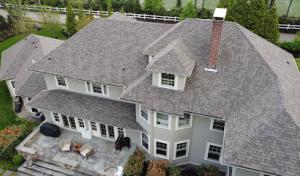
A full re-roof in Roxbury normally requires a permit through the City of Boston's Inspectional Services Department rather than a separate neighborhood office. The application is not a one-and-done step; it sets the stage for project scope, materials, and safety plans that inspectors will review. Before any nail is driven, confirm the permit type for a re-roof and gather the required contractor credentials, property details, and a sketch of the roof layout. A permit cards in hand signals to neighbors and utilities that work is authorized and under oversight.
Boston's process requires inspection after roofing work is installed, including rough-in or underlayment review and a final inspection for code compliance. The rough-in review checks underlayment, flashing transitions, and the prioritization of ice-dam barriers in the attic or roof rake area. After the roof is installed, the final inspection verifies venting, decking, and drainage meet code. Plan for at least one interim inspection if the project includes a long staging period or multiple access points; the inspector may coordinate with the contractor to fit around limited daytime access in tight rowhouse blocks.
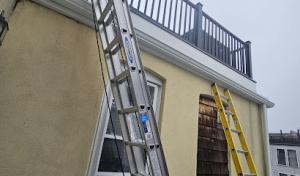
On Roxbury's dense streets and attached housing blocks, permit planning matters because access, staging, and keeping work within the approved scope can affect scheduling and inspection timing. Street-facing crews may need to stage materials on the property line, with deliveries coordinated to minimize disruption for neighbors and utility crews. Ensure that ladders, scaffolding, and debris management stay within setbacks and consented areas, and that permit notes clearly describe any work over or near shared walls or fire escapes. If access is challenging, coordinate a pre-inspection walk-through with the inspector to confirm what is visible from the ground and what will require an interior or attic review.
Once the roof is installed, coordinate the final inspection by confirming the appointment with Inspectional Services and ensuring all stamped materials, warranty documentation, and installation details are ready for review. Keep a copy of the permit and inspection approvals on-site for the duration of the project, and be prepared to address any minor code deviations noted by the inspector to avoid delays.
Provided local cost ranges per square are Asphalt Shingles 400 to 800, Metal Roofing 900 to 1400, Clay Tile 1200 to 2500, Concrete Tile 1200 to 2300, Wood Shingles or Shakes 800 to 1400, and Synthetic or Composite Shingles 700 to 1100. In this market, that spread reflects not only material but the urban realities of Boston-adjacent streets, where access and logistics directly affect the bottom line. Asphalt shingles stay the most practical option for many Roxbury homes, with modest tear-off and disposal costs. Metal offers longer life and better ice-dam performance, but the price pressure is higher because panels must fit tight dimensions and protect neighboring properties during installation. Tile roofs bring premium performance and curb appeal, yet they demand careful handling on older structures and can push labor time and waste management costs upward. Synthetic or composite shingles balance cost and resilience, often used when a quick retrofit is needed in constrained spaces. Wood shingles or shakes provide a traditional look but require extra attention to moisture management in the winter climate.
Costs are often pushed up by tight urban access, limited driveway space, debris handling on narrow lots, and the labor involved in protecting neighboring properties and shared boundaries. Crews must stage equipment safely, which frequently means manual material handling and smaller, repeated trips rather than large deliveries. Expect higher edge work costs where access is blocked by fences, porches, or multi-unit layouts. Debris containment plans add another line item, especially when old decking or hidden damage is uncovered during tear-off. The result is more time on site per square, which compounds price, even before choosing a specific material.
Pricing also shifts with roof complexity common in older Boston housing, including chimneys, dormers, skylights, low-slope rear sections, and repair of hidden deck or flashing damage uncovered during tear-off. A roof with multiple transitions often requires extra flashing, specialized sealants, and careful coordination with neighboring properties to prevent leaks during the process. When visible or hidden issues appear, costs rise accordingly, but addressing them promptly protects the structure and reduces future call-backs.
Get a clear picture of your project costs upfront - no commitment required.
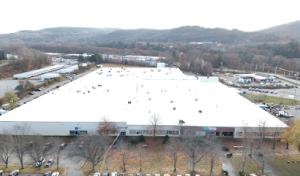
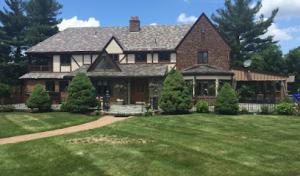
Massachusetts insurers may ask Roxbury homeowners for prior damage records, weather-related claim history, photos, and contractor estimates before approving roof-related repairs or replacement. That means your file should read as a clear, chronological story: when leaks started, how they progressed, and what steps you've taken to halt further damage. Don't underestimate the impact of even minor past cool-season leaks; adjusters will connect dots between events and ongoing vulnerability. Keeping a tidy, dated set of records helps you present a credible case when a claim is on the line.
After major storms affecting Boston, adjusters commonly review whether observed damage is tied to a recent event or to deferred maintenance on an older roof system. If a roof shows wear from multiple winters, missing flashing, or repeated patching, a claim may be scrutinized more closely. Photographing the roof from multiple angles and saving repair invoices that demonstrate progressive improvement can support a legitimate accident claim rather than a wear-and-tear narrative. In practice, a well-documented timeline matters as much as the physical damage itself.
For Roxbury homes with repeated leak history, documentation of flashing repairs, prior patching, and code-compliant replacement details can influence claim outcomes and warranty acceptance. If a repair history exists, present it with dates and contractor notes to help the adjuster see what has already been attempted. The more transparent and organized your documentation, the better your position when insurance decisions hinge on whether a failure stems from an isolated event or long-standing maintenance gaps.
Connect with contractors who help homeowners navigate the claims process from damage assessment to final approval.

Clancy Roof & Leak Repairs
(617) 467-2455 clancyroofrepaircharlestown.com
Serving
5.0 from 53 reviews
Storm Works Roofing & Restoration
(844) 786-7696 www.stormworksroofing.com
Serving
4.8 from 143 reviews
Late spring through early fall is the preferred replacement window in this area because Boston's winter snow and freeze-thaw cycles complicate tear-off, sealing, and inspection logistics. Those cold snaps can trap moisture in the attic and behind flashing, making coordination with crews and inspections tougher. If a project starts in spring, the schedule can ride out late spring storms and reach the dryer, more stable weather of early summer. For older, dense housing stock with mixed roof line heights, lining up a full replacement during this window helps ensure weather sealing and ventilation work stay on track without repeated weather-driven interruptions. In practice, plan for a clean teardown and a careful reflash during mild days, with crews ready to pause during the occasional late-season cold snap so interior spaces stay dry and safe.
Summer heat and humidity affect material expansion and attic ventilation performance, so timing and ventilation planning should be discussed together. In hotter months, some materials expand more than expected, which can influence nail patterns, shingle alignment, and edge detailing around triple-deckers and rowhouses with tight eaves. Attic air flow matters just as much as the roof deck, especially on low-slope rear sections where condensation risk can rise. Coordinate ventilation upgrades-baffles, soffit vents, or powered exhaust if needed-with the roof replacement to avoid rework in late summer. A well-ventilated attic helps prevent premature deterioration of underlayment and flashing joints, reducing the chance of leaks after a harsh event.
Emergency winter work is often temporary stabilization first, with full replacement deferred until weather and inspection scheduling are more favorable. In cold snaps, crews may perform quick tarping, secure flashing, and temporary heat-tracing to control ice dam buildup, but a complete tear-off is rarely feasible in deep freezes. If a leak is active, prioritize stabilization to minimize interior damage, then set a concrete plan for a comprehensive replacement when temperatures rise and field conditions improve. This approach minimizes disruption while safeguarding the structure during Boston's winter months.
When you can't wait, these contractors offer fast response times to stop leaks and prevent further damage.