
Last updated: Apr 19, 2026
Dense coastal rowhouse blocks and triple-deckers crowd the skyline, and the cold winters with frequent freeze-thaw cycles punish flashing, roof edges, and low-slope rear sections more than inland parts of the city. Ice dams form first at the eaves, but the real damage travels along gutters, roof-to-wall transitions, and parapet details where heat escape and wind-driven moisture meet. When the thaw hits, meltwater can back up and refreeze over the edge, pushing against flashing and seam joints. The result is sudden leaks that show up in ceilings, walls, and even interior closets beneath party-wall lines that share a roof jurisdiction with a neighbor.
In practice, failures concentrate at the outermost lines: eaves, fascia, and drip edges that should shed water cleanly. But with South Boston's architecture-tight eave runs, shared parapets, and water migrating along a neighborly party-wall-the meltwater doesn't stay put. It backs up into gutters and then finds the weakest seam: a poorly sealed step, a cracked flashing corner, or a missing sealant at a chimney cricket. Wet spring conditions routinely expose winter damage, especially at low-slope transitions and along chimney flashings, where leaky spots become obvious only after several warm days and a few heavy rain showers. If you see rust, pitted metal, torn boot flashing, or dark staining near the eave line after a thaw, that's a signal to act now.
As winter gives way to spring, inspect the edge zones where ice damming is most likely to create a pathway for leakage: along the gutter line, at the bottom edge of low-slope rear sections, and where flashing meets the parapet or party-wall. Look for curling metal, loose or lifted shingles, and any standing ice that persists into midday sun. On two-story or taller rows, check at the junctions where roof runoff could cross into a neighbor's space; water and ice should not be able to migrate across a shared cap or wall without a solid seal. If you notice water stains, damp spots on ceilings near exterior walls, or frost-bridged edges during a thaw, treat it as a roofing emergency rather than a cosmetic issue.
First, clear easily accessible gutters and downspouts of debris to prevent backups that feed ice dams. Safely remove overhanging ice where possible, but never attempt risky ladder work during a thaw when surfaces are slick; call a local pro if ice has formed around flashing or chimney areas. Apply heat cable strategically only to the problem spans under safe, code-compliant guidelines, and ensure the cable is turned off during wet conditions to avoid shock hazards. If flashing has lifted or pried away from the edge, do not wait for a rooftop fix-temporary water shedding measures or sealants are insufficient for long-term reliability and can accelerate edge deterioration.
Long-term protection hinges on robust edge detailing and continuous maintenance. Upgrade eave and parapet flashing with corrosion-resistant metal and ensure a continuous drip edge that channels meltwater inward away from joints. Tighten and reseal joints at chimney crickets and transitions to low-slope sections. Consider improving insulation and ventilation at roof edges to minimize heat loss that drives ice dam formation. In dense attachments, pursue flashing interlocks or continuous edge membranes that resist wind-driven rain and salt exposure from coastal air. Plan for periodic spring inspections to verify that last winter's damage hasn't worsened and that edges, gutters, and parapet seals still perform as intended.
Rowhouses and triple-deckers in this area often stack flat or low-slope sections over rear additions, porches, and bays. Those transitions between a steep front roof plane and a flatter rear section are a recurring weak point in older homes. Expect flashing to be most vulnerable where two roof styles meet, and where a rear add-on edge overhangs a gutter line. The salt air and winter freeze-thaw cycle hammer any unsealed seam, joint, or counter-flashing, so pay extra attention to the outermost edge near the parapet and the back wall intersections.
EPDM rubber is a practical choice for South Boston's low-slope zones because it handles standing water well after spring rain. When considering a flat or low-slope roof over a rear addition, ensure the seam detailing is continuous and well-sealed across any transitions. If a flat section is old or significantly weathered, plan for compatible flashing membranes at corner joints and around any pipe penetrations. For balcony or porch roofs that see frequent moisture, EPDM's elasticity helps resist small movements caused by temperature swings and wind pressure.
The most critical task is detailing where the front steep plane meets the rear flat plane. Start with a thorough inspection of the step-down points: parapet caps, counter-flashings, and any caulked seams. Backer rod and high-quality seam tape offer added redundancy in these high-stress regions. If there is a parapet wall, ensure the top cap seals against wind-driven rain. In back sections, consider a continuous drip edge to guide water away from fascia and into proper drainage channels. For wooden components, treat exposed framing with a water-repellent preservative before applying the roofing membrane.
Front-to-rear drainage guidance is essential in dense rowhouse layouts. Ensure that any rear low-slope section has an adequately pitched surface toward a scupper or internal drain, even if the run-to-drain length is short. Standing water after rain is a common failure mode in these areas, so confirm slope, drainage tees, and clamp-downs are intact. If gutters exist along the rear edge, keep them clear and consider a secondary overflow path to prevent backflow under the membrane during heavy melt or storm surges.
Rear additions often abut brick or masonry walls with limited space for traditional flashing. Use reinforced flashing that can bridge small gaps without tearing. Pay attention to flashing around vent stacks and roof penetrations; in tight back corners, a Boss-style boot or solvent-applied sealant blend may be needed to maintain a continuous seal. When possible, extend flashing up onto brick slightly to protect against wind-driven spray during seasonal nor'easters.
In spring, inspect after the first heavy rains for any damp spots or softened edges along transitions. In late fall, re-check for loose shingles on steep fronts and for any new signs of edge lift on rear flat sections. A simple seasonal habit helps catch deterioration before it penetrates the interior. If a rear addition has a visible sag or misalignment, schedule a closer inspection, as prompt intervention often prevents more extensive damage when freeze-thaw cycles resume.
Find specialists in TPO, EPDM, and built-up flat roofing systems for residential and commercial properties.
Mr. Iceman Co. Roofing
(617) 269-4604 www.mricemanroofing.com
15 Gates St, South Boston, Massachusetts
4.4 from 8 reviews
Roof Hub
Serving
4.8 from 99 reviews
Boston roofing contractor Roof Hub makes it easy for you to get an affordable new roof. Whether architectural asphalt shingles with a 50-year warranty or flat roof replacement, get your online quote by email in under 24 hours. We're roofers in Boston with a proven history tackling Boston's complex construction industry, handling permits and new roof installs in tough-to-roof neighborhoods like the Financial District, Back Bay, North End, South End, West End, Fenway-Kenmore Our process-oriented, customer first approach to roof replacement in Boston is why customers keep passing our name along to friends + family. Hundreds of roofs installed in Dorchester Boston, Roxbury, West Roxbury, Hyde Park, Roslindale, Cambridge. All of Greater Boston
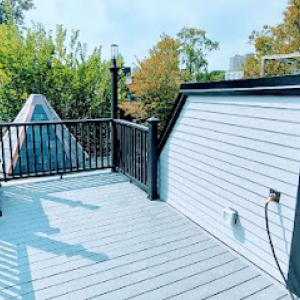
Mr. Iceman Co. Roofing
(617) 269-4604 www.mricemanroofing.com
15 Gates St, South Boston, Massachusetts
4.4 from 8 reviews
Mr. Iceman Roofing is a roofing contractor in Boston, Ma. We install the highest quality residential & commercial roofs: shingles; slate & copper gutters; EPDM (rubber) & TPO. We repair all types of roofs. Emergency repairs available 24/7. We are South Boston's Local Roofer.
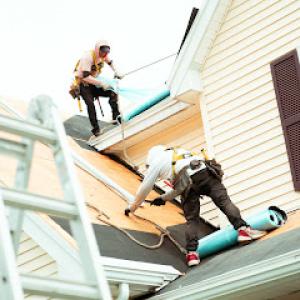
CAN Roof Construction
(857) 415-7727 canroofconstruction.com
Serving
5.0 from 119 reviews
CAN Roof Construction is one of the best Roofing Contractor and Deck Builder in Boston Massachusetts providing Asphalt Roof repair and replacement, Rubber Roof Repair and replacement, Flat Roof Roof repair, Gutter installation, Deck and Porch building and serving Metro West, the Greater Boston area and all surrounding cities. We are the top Roofing Contractor in Boston MA, committed the highest customer service and workmanship quality. We are proper licensed and Insured. If you have roof leak, missing shingle or damage on your roof, get in touch with us, we would love to help you with your roof repair or replacement project. We CAN Roof it!
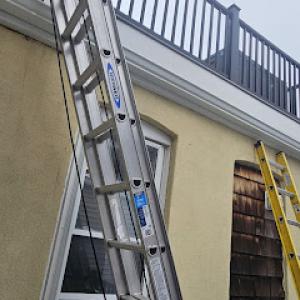
All For U Roofing & Masonry
(617) 362-8254 allforuroofing.com
Serving
5.0 from 49 reviews
All For U Roofing & Masonry provides carpentry services, gutter services, masonry services, patio services, and more to Boston, MA, and the surrounding areas.
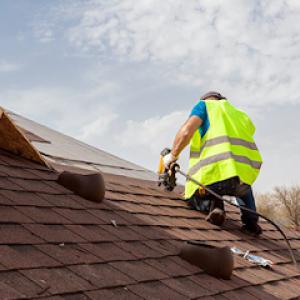
Secure Roofing
(617) 770-9323 quincyroofing.com
Serving
4.9 from 38 reviews
Secure Roofing: Your trusted experts for residential & commercial roofing. Specializing in asphalt, slate, shingle & rubber installations/repairs. Quality craftsmanship & affordable prices guaranteed.
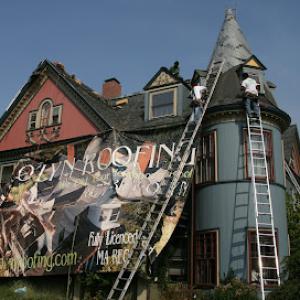
O'LYN Roofing
(781) 854-5947 www.olynroofing.com
Serving
5.0 from 23 reviews
With 51 years of roofing excellence, O’LYN Roofing is Boston's premier choice, specializing in top-tier roof installation, including slate, copper, wood, asphalt, and flat roofs. Our expertise extends to distinctive Victorian roofing, gutters, downspouts, and skylights. Elevate your home with O'LYN Roofing's precision and professionalism. Contact us for a roof inspection and estimate. Join satisfied clients in experiencing the O’LYN difference. Trust your property to the experts at O’LYN Roofing, where excellence meets experience.
Immediate Roofing MA
(781) 382-8581 immediateroofingma.com
Serving
5.0 from 15 reviews
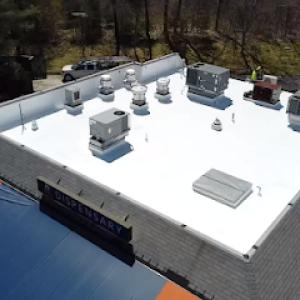
"With 30 years in the commercial rooting industry, our company has become a trusted leader in providing durable, high-performance roofing solutions. We've worked with businesses of all sizes, delivering tailored systems that protect their buildings and stand up to the toughest conditions. Our three decades of expertise mean we understand the unique challenges of commercial properties, from flat roofs to large-scale industrial facilities. When you choose us, you're not just getting a roofing contractor-you're getting a partner dedicated to excellence, safety, and your long-term success.
Art Slate Roofing
(617) 913-1130 www.artslateroofing.com
Serving
5.0 from 20 reviews
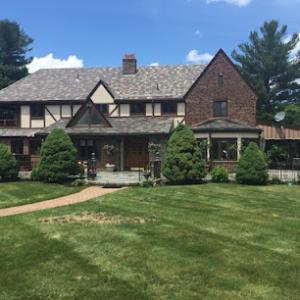
For over 20 years, Art Slate Roofing has been the go-to roofing company in the Cambridge area. We specialize in Historical Renovations, as well as Slate & Copper roofing. From leak repairs to emergency blow-offs, curb installations to coating, preventive maintenance to roof asset management, our roofing team can handle it all. We also offer masonry work, chimney repair, and Gutter & Downspout services. Ask about our warranty! Call today for a free estimate!
Clancy Roof & Leak Repairs
(617) 467-2455 clancyroofrepaircharlestown.com
Serving
5.0 from 53 reviews
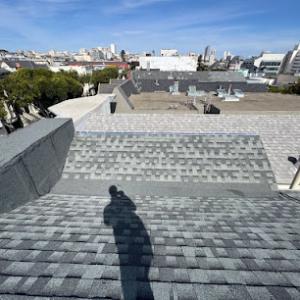
Clancy Roof & Leak Repairs specializes in finding and fixing roofing issues before they turn into costly damage. The team is skilled at tracing leaks to their exact source, repairing problem areas with durable materials, and ensuring the rest of the roof remains in good condition. For more extensive damage, they provide clear recommendations and handle larger repairs with the same attention to detail. Customers often note the quick response times, the straightforward advice, and the quality of the finished work. Clancy Roof & Leak Repairs is committed to keeping properties secure and weatherproof.
Boston Gutters & Roofing
(508) 322-1329 www.bostonguttersandroofing.com
Serving
5.0 from 7 reviews
Welcome to Boston Gutters and Roofing, your trusted partner for top-notch roofing and gutter services in the heart of Boston. With a commitment to excellence, our experienced team delivers high-quality craftsmanship and personalized solutions to protect your home. Whether you need a roof repair, replacement, or efficient gutter systems, we've got you covered. Choose Boston Gutters and Roofing for reliable service, durable materials, and unmatched expertise. Your satisfaction is our priority, and your home deserves the best – trust us to keep it safe and secure.
ID Flat Roof
Serving
4.7 from 40 reviews
Repair, replacement, and installation of flat roofs, low-pitched roofs, regular roofs, and decks.Residential and Commercial roofs.Rubber roof, asphalt shingles roofs, metal roofs, PVC roofs.Experience More Than 21 Years.Lifetime Warranty.We accept credit cards.We have all insurances and licenses.If you want to make your next roof your last roof, call us today and let us provide you with the final solution to your roof or deck problems.
Duffy Roofing
(617) 296-0300 duffyroofing.com
Serving
4.8 from 84 reviews
Duffy Roofing, Inc provides residential roofing services in the Dorchester, MA area.
The salty air that travels along dense coastal rowhouse blocks in this city is relentless on metal flashings, fasteners, and roof accessories. That exposure accelerates corrosion compared with inland neighborhoods, especially on joints where water can pool or seep. In tight eaves and rear sections that face prevailing winds, flashing seams take the brunt of salt-laden spray and winter thaw cycles. Over time, fasteners loosen, sealants lose elasticity, and even the most thoughtfully laid metal details can begin to corrode, creating small leaks that migrate into trim and interior ceilings. The lesson is practical: treat every exposed seam as a weak point, and inspect it more often than you would in a milder climate.
Copper roofing and copper details are locally relevant in Boston's older housing stock, but salt exposure makes maintenance of adjoining metal components more important in South Boston. Copper's beauty and longevity can give a proud look to a period-appropriate rowhouse, yet its copper patina offers only partial protection against the salt-laden air. When copper and nearby metal flashings meet, galvanic corrosion can accelerate if any protective coating or paint has aged away. Keeping all adjacent metal clean, free of mineral buildup, and properly sealed helps copper stay corrosion-resistant longer. In practice, this means paying close attention to rivets, straps, and any brackets that connect copper to steel or aluminum. A small neglected corner can act as a funnel for moisture and salt, speeding up deterioration.
Metal roofing choices in South Boston need to account for humid summers and salt-laden air that can shorten the life of vulnerable components. Standing-seam and batten-seam systems offer good protection against wind-driven rain, but their fasteners and clips are vulnerable to corrosion if coated or painted finishes degrade. Materials with thicker coatings and corrosion-resistant fasteners fare better, yet nothing in this climate is truly maintenance-free. The edge detailing-where roof meets wall, where skylights and vents interrupt the field-deserves extra attention because those areas trap salt-laden humidity more than flat surfaces do. When evaluating metal options, consider not only the roof panel material but the entire assembly: underlayment, edge trims, and the color and quality of coatings that resist salt and moisture.
You can extend the life of metal and copper components by a routine that treats salt exposure as a year-round factor, not a seasonal concern. After winter thaws and spring rains, inspect eaves for white mineral residues, which indicate corrosion activity, and check sealants around flashings for hairline cracking. Clean roof surfaces with a gentle rinse that removes salt and avoid abrasive scrubbing that can wear protective finishes. Replace worn or corroded fasteners promptly, and consider upgrading to corrosion-resistant alloys or coated fasteners in high-exposure zones. When you spot verdigris on copper edges or orange-brown staining along flashings, take it as a warning sign that adjacent metal needs attention or resealing before infiltration progresses. Regular, proactive checks-especially on rear sections and along the edges where salt-laden spray settles-save more than repairs later.
If staining expands beyond flashings into the attic or into wall interfaces, or if you notice loose panels, loopy cooling lines, or damp spots near copper details, treat it as a potential corrosion hotspot. The goal is to catch the problem before a minor surface issue becomes a leak that travels through multiple connections. A cautious approach-addressing small signs quickly and with a plan for adjacent components-helps protect both the roof's metal system and the home's interior during South Boston's challenging mix of salt air and freeze-thaw cycles.
Explore specialists in steel, aluminum, and standing seam metal roofs built to last 50 years or more.
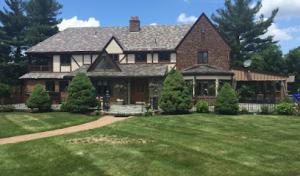
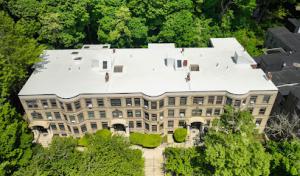

South Boston homeowners may encounter a wider material mix than many neighborhoods, including asphalt shingles, slate, clay tile, copper, metal, and EPDM on different roof sections. That variety reflects both the coastal climate and the distinct architectural fabric of double-deckers and brick-row homes. Each material brings its own weight, fastener needs, and flashing considerations, so the choice is rarely one-size-fits-all. The storm-driven salt air can accelerate wear on metal edges and flashing, while slate and clay tile demand careful layout to preserve symmetry and curb appeal on historic façades. In practice, the selection often comes down to how a roof integrates with the existing ridge lines, parapets, and masonry bands that give each block its character.
Older Boston-area homes frequently require material decisions that balance appearance, weight, and compatibility with existing flashing and masonry details. Heavy slate or clay tiles may look authentic and durable, but their weight demands a structural assessment and carefully coordinated tie-ins to the original roof framing and masonry chimneys. Lighter options like asphalt shingles can be kinder to framing, yet they may not visually harmonize with a home's historic trims or cornice work. Copper and metal roofing offer a long lifespan and distinctive character but behave differently at junctions with brick or stone, especially where old mortar joints crack or settle. When selecting materials, it helps to map each roof surface by exposure and function-front-facing main roofs versus rear or side sections often endure different wind patterns and freeze-thaw cycles-and to plan flashing transitions where roofs meet parapets, dormers, or masonry walls. Compatibility with existing venting, attic spaces, and insulation is another practical piece: some older homes rely on vent stacks or soffit details that clash with modern flat or low-slope sections if not coordinated during reroofing.
Skylights and chimneys are common complication points in South Boston reroofing because many contractors here advertise both skylight and chimney-related roof work. In dense blocks, these features frequently sit close to property lines and share coping details with neighbor walls, meaning flashing must be carefully shaped to minimize ice damming and wind-driven leaks. When choosing materials, consider how the skylight or chimney flashing integrates with the surrounding surface: metal roofs need continuous, corrosion-resistant edge flashings around chimney transitions, while slate or clay tile require properly cut joints to prevent water intrusion. Retrofitting old chimneys with new flashing usually involves re-pointing mortar joints and inspecting chimney caps to ensure a watertight transition. In homes with multiple roof planes, align the skylight and chimney work with the chosen material's natural seams to avoid mismatched visible lines and to ease future maintenance.
South Boston costs are influenced by the neighborhood's dense urban layout, where staging, debris handling, and access can be more difficult than on suburban lots. Wet spring weather and winter freeze-thaw cycles also complicate tear-offs and dry-in, pushing crews to favor late spring through early fall for replacement projects. Complex roof geometry on attached homes and flashing work around chimneys and party walls can push pricing beyond simple per-square comparisons.
In this area, every job is a little different because of how roofs sit against adjacent structures and how access routes are narrowed by rowhouses. Staging equipment, dumpster placement, and ladder access require careful planning, which can add labor time and incremental costs. When flashing, counterflashing, and sealant work around chimneys or shared walls are needed, expect additional material and labor charges beyond the base square-rate estimate. Ice dam risk in gullies and overhangs is higher on tight, shade-prone rear sections, so nailing patterns and ice/water shields must be integrated into the plan from the start.
For budgeting, the typical cost ranges per square (unit: USD per square) reflect both material quality and the added urban work. Asphalt shingles sit around $450-$800 per square, while metal roofing runs $800-$1,400 per square. Clay tile projects generally land between $1,000-$2,000 per square, with slate in the $1,500-$3,000 per square range. Copper roofing can push $2,000-$4,000 per square, largely due to material cost and handling. EPDM rubber roofing, when applicable to flat or low-slope sections, is $4-$7 per square foot (about $440-$770 per square).
Replacement timing clusters in the late spring through early fall window. Snow, prolonged freezes, and wet spring conditions make tear-offs slower and can delay the dry-in, extending project durations and occupancy disruption for adjacent neighbors. If access is tight or neighboring projects run concurrently, crews may stagger workdays to minimize on-street congestion and debris management conflicts. Planning with a contractor for an orderly sequence helps keep the project on track and reduces storm-related surprises.
Get a clear picture of your project costs upfront - no commitment required.
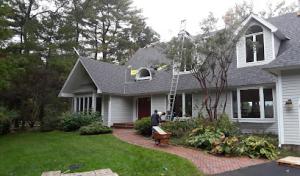
For full reroof projects on duplexes, triple-deckers, and dense coastal rowhouses, a building permit is typically required in Boston. This applies in South Boston where the roofline often spans multiple units and tight lot lines. Projects proceed through the City of Boston rather than informal, neighborhood-level handling, so start with the official channel to avoid delays or compliance issues.
Applications are submitted online through the City of Boston's permitting portal. Gather the essentials early: project address, scope of work, structural considerations, and a plan that addresses ventilation and flashing details. The online portal is the single, authoritative path for approvals, plan reviews, and inspection scheduling, so keeping everything centralized there helps keep the process predictable in a neighborhood with busy crews.
During plan review or inspection, the department may request ventilation and flashing details tailored to your specific roof geometry. In South Boston's dense blocks, attic ventilation, eave vents, and proper flashing at chimneys, dormers, and rear additions can be scrutinized more closely because these details directly influence ice damming and freeze-thaw resilience. Have clear diagrams ready that show vent runs, shingle or metal transitions, and edge flashing overlay. If the plan reviewer asks for revisions, respond promptly to keep the project on track.
Inspection scheduling can be affected by inspector workload. Expect multiple touchpoints: a rough-in or pre-roof inspection, mid-project checks, and a final inspection. For dense street frontages and rear sections that trap wind-driven moisture, inspectors may pay special attention to proper ventilation adequacy and flashing integrity. Coordinate your crew's timing so each phase aligns with the planned inspections to minimize rework.
Keep a digital record of all permit-related communications and revisions, and have ready any calculations or drawings that demonstrate how the ridge, eaves, and flashing will perform in freeze-thaw cycles and salt-air exposure typical to coastal blocks. If issues arise, contact the permit office promptly through the portal to preserve your schedule and avoid unnecessary delays.
In a dense rowhouse block or triple-decker, wind-blown shingle edges and flashing take a beating from salt air and freeze-thaw cycles. Standard reroofing is generally insurable, but after major wind or hail events South Boston homeowners may face stricter documentation requests. That means the insurer might want a clearer trail of what happened and when, before any repairs get underway.
Photos, contractor estimates, and permit records are especially important in Boston-area claims when insurers review storm-related roof damage. A careful photo log-before and after the event, during repair, and at key transitions-helps demonstrate the sequence of damage and repair needs. Contractor estimates should spell out material types, fastening details, and flashing replacement, not just a lump sum. Keep a dated folder with receipts, inspection notes, and any communications with the adjuster; this is where South Boston moisture and wind history shows up in the file.
Coverage terms or deductibles may be adjusted based on event history, making documentation of storm and winter damage more important before repairs begin. If a roof has faced repeated freeze-thaw cycles and salt exposure, insurers may scrutinize the claim more closely for pre-existing conditions versus new damage. Prepare to demonstrate a clear line from the wind or ice event to the current roof needs, and be ready to show how mitigation steps-such as securing damaged flashing or removing snow loads-were taken promptly to limit further harm. In practice, a well-documented case often smooths negotiations and supports timely recovery after a harsh South Boston season.
Connect with contractors who help homeowners navigate the claims process from damage assessment to final approval.
Clancy Roof & Leak Repairs
(617) 467-2455 clancyroofrepaircharlestown.com
Serving
5.0 from 53 reviews
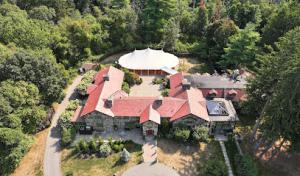
South Boston's mix of asphalt, slate, tile, metal, copper, and low-slope roofing makes workmanship quality especially important at material transitions. The area's dense rowhouses and triple-deckers place flashing and edge details under repeated stress from salt air, wind-driven rain, and winter freeze-thaw cycles. When a roof transitions from one material to another-for example, clay tile over a metal deck or copper flashings meeting asphalt shingles-quality installation at those junctions determines how long the roof will shed water and stand up to salt exposure. A careful inspection of how each material overlaps, where step and pipe flashing are integrated, and how attic ventilation complements those details will pay off over many winters.
Because Boston inspectors may ask for ventilation and flashing details, documentation from a manufacturer-certified installer can matter more on full reroof projects. Manufacturer certifications signal that installer training aligns with product-specific installation standards, including the correct underlayment, nailing patterns, and sealant choices for transitions between materials. For roofs that combine asphalt, slate, or metal with low-slope sections, that paperwork helps demonstrate adherence to best practices for deck prep, ice-and-water shield placement, and wind-driven rain resistance. A contractor with verifiable certification shows a commitment to consistent performance across material transitions, which is particularly valuable in the salty coastal climate.
Local homeowners often prioritize established contractors and cleanup, which makes warranty clarity and post-job service a practical differentiator in this market. Clear terms should cover material defects, workmanship guarantees, and coverage specific to transitions and flashing. Look for details on what triggers coverage, how long the warranty lasts, whether it includes repairs after severe winter events, and whether the contractor provides transferability if the home changes hands. A reliable post-install service plan-along with scheduled inspections after the first winter-helps ensure that flashing, edge metals, ventilation components, and low-slope sections continue to perform as intended, and it offers peace of mind through the long, salt-season years.