
Last updated: Apr 19, 2026
Dorchester's large stock of older Boston houses commonly combines steep main roofs with low-slope porches, bays, and rear additions, creating multiple transition points where snowmelt backs up. That change in slope, plus tight roof geometry, means ice dams aren't a once-in-a-season nuisance-they're a chronic risk. When melt runs toward the lower, colder sections, it refreezes at the eaves and backs up under shingles, flashing, and joints. In practice, that means you may see leaks at dormers, around chimneys, and along the edges where tall, sunken valleys meet flat or low-slope sections. The pattern is common enough that you'll hear the sound of rushing water inside ceilings even when the forecast looks calm.
Chimneys penetrating the roof are a frequent weak point here. Local contractor signals show chimney-related work is common, and flashing around masonry is a recurring leak source. If your chimney sits atop a roof with mixed slopes, the transition from brick to roof deck becomes a vector for water entry as ice dams form and push melt laterally. The flashing can fail overtime due to settling, cement or metal deterioration, or improper integration with adjoining roof planes. Don't assume a single source-checks must cover the entire crown where roof meets brick, stucco, or stone.
Cold winters with snow followed by freeze-thaw cycles are a stated local risk, so ice dam damage is especially relevant on older roofs with uneven insulation and ventilation. When insulation is uneven, heat leaks into the attic unevenly, creating warm spots that melt snow only to refreeze at the colder eaves. Over time, that cycle damages shingles, underlayment, and ridge ventilation. Ventilation that worked when the roof was new can degrade as nearby additions alter attic volumes and air flow. The result is a fragile roofline that invites leaks at every transition-from steep to low-slope sections, from chimney to deck, and along aging joints.
Start with the transitions. Examine where steep main roofs meet low-slope porches, bays, and rear additions. Look for lifted shingles, torn underlayment, and cracked or missing flashing at these junctions. If you see granules washed into gutters after a thaw, that's a sign the shingle edge or underlayment is being compromised by repeated ice dam cycles. At chimneys, inspect the flashing around masonry for signs of rust, loose nails, or mortar cracks. Any movement or gaps here invites water to back up under the roof plane during a freeze.
Assess attic insulation and ventilation. In older homes, you'll often find uneven insulation or blocked soffit vents. Improve air flow so heat doesn't accumulate near the eaves, and seal gaps around penetrations where warm air leaks into the attic. A targeted approach-focusing on the common problem areas-can dramatically reduce ice dam formation without a full roof replacement.
When leaks occur, prioritize temporary containment and a swift, permanent repair plan. Ice dam-related damage is cumulative: a small, ignored leak today can become a major interior issue tomorrow. Engage a local roofer who understands Dorchester's climate and the way older roof geometries channel water. Ask for a thorough assessment of all roof transitions, chimney flashing, and attic ventilation as part of a comprehensive repair strategy. The goal is to restore a continuous, water-tight envelope that preserves the historic rooflines while protecting the home from the next freeze-thaw cycle.
Dorchester's dense neighborhood layout means wind-driven rain can affect multiple attached or closely spaced homes at once, making fast tarping and leak isolation especially important after storms. If you notice wind-driven spray entering through vents, chimneys, or low-slope rear sections, act within minutes. Place heavy-duty tarps over damaged valleys and skylights, then secure edges with weighted materials or rocks to resist gusts. Block any visible path of water into interior spaces by sealing around penetrations with exterior-rated tape or sealant until a professional can assess. In these tight blocks, a small leak can propagate quickly across shared walls or tightly linked rooflines, so don't wait for a drip to worsen before staging a temporary shield.
Spring and early summer storms bring heavy rain and wind locally, while fall gusts increase uplift risk and can expose weak edges on aging shingles and low-slope sections. Pay attention to wind directions that push rain toward exposed edges, chimneys, or vent stacks. After a notable storm, inspect the most vulnerable zones first: chimney flashings, vent collars, and the juncture where low-slope rear roofs meet steeper pitches. If shingles are curling, flashing is loose, or granules are washing away in sheets, treat it as a red flag. Quick, targeted repairs-temporary tarps, securing loose shingles with roofing cement, and sealing edge fasteners-buy critical time until a qualified local roofer can perform a proper fix.
The local contractor market strongly signals emergency repair and storm damage work, showing that homeowners here frequently seek immediate post-storm service rather than waiting for planned replacement. If a storm hits, prioritize a rapid damage assessment from a trusted pro who understands Dorchester's common roof geometries: chimney surrounds, skylight footprints, and the many low-slope sections that catch wind-driven rain. When arranging help, provide photos of affected areas, note the exact locations of visible leaks, and point out any prior repairs that might influence staging. Expect next-day or same-day responses in these blocks, where crews converge quickly to stabilize roofs and prevent interior damage.
Find local contractors experienced in assessing and restoring roofs after hail, wind, and severe weather events.
Roof Hub
Serving
4.8 from 99 reviews
Boston roofing contractor Roof Hub makes it easy for you to get an affordable new roof. Whether architectural asphalt shingles with a 50-year warranty or flat roof replacement, get your online quote by email in under 24 hours. We're roofers in Boston with a proven history tackling Boston's complex construction industry, handling permits and new roof installs in tough-to-roof neighborhoods like the Financial District, Back Bay, North End, South End, West End, Fenway-Kenmore Our process-oriented, customer first approach to roof replacement in Boston is why customers keep passing our name along to friends + family. Hundreds of roofs installed in Dorchester Boston, Roxbury, West Roxbury, Hyde Park, Roslindale, Cambridge. All of Greater Boston
Duffy Roofing
(617) 296-0300 duffyroofing.com
Serving
4.8 from 84 reviews
Duffy Roofing, Inc provides residential roofing services in the Dorchester, MA area.
CAN Roof Construction
(857) 415-7727 canroofconstruction.com
Serving
5.0 from 119 reviews
CAN Roof Construction is one of the best Roofing Contractor and Deck Builder in Boston Massachusetts providing Asphalt Roof repair and replacement, Rubber Roof Repair and replacement, Flat Roof Roof repair, Gutter installation, Deck and Porch building and serving Metro West, the Greater Boston area and all surrounding cities. We are the top Roofing Contractor in Boston MA, committed the highest customer service and workmanship quality. We are proper licensed and Insured. If you have roof leak, missing shingle or damage on your roof, get in touch with us, we would love to help you with your roof repair or replacement project. We CAN Roof it!
Secure Roofing
(617) 770-9323 quincyroofing.com
Serving
4.9 from 38 reviews
Secure Roofing: Your trusted experts for residential & commercial roofing. Specializing in asphalt, slate, shingle & rubber installations/repairs. Quality craftsmanship & affordable prices guaranteed.
All For U Roofing & Masonry
(617) 362-8254 allforuroofing.com
Serving
5.0 from 49 reviews
All For U Roofing & Masonry provides carpentry services, gutter services, masonry services, patio services, and more to Boston, MA, and the surrounding areas.
Boston Gutters & Roofing
(508) 322-1329 www.bostonguttersandroofing.com
Serving
5.0 from 7 reviews
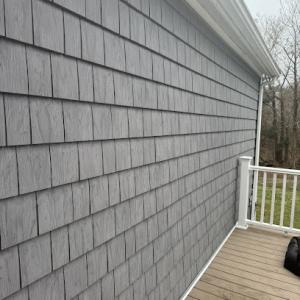
Welcome to Boston Gutters and Roofing, your trusted partner for top-notch roofing and gutter services in the heart of Boston. With a commitment to excellence, our experienced team delivers high-quality craftsmanship and personalized solutions to protect your home. Whether you need a roof repair, replacement, or efficient gutter systems, we've got you covered. Choose Boston Gutters and Roofing for reliable service, durable materials, and unmatched expertise. Your satisfaction is our priority, and your home deserves the best – trust us to keep it safe and secure.
ID Flat Roof
Serving
4.7 from 40 reviews
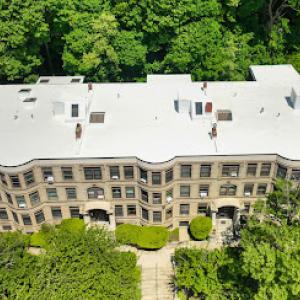
Repair, replacement, and installation of flat roofs, low-pitched roofs, regular roofs, and decks.Residential and Commercial roofs.Rubber roof, asphalt shingles roofs, metal roofs, PVC roofs.Experience More Than 21 Years.Lifetime Warranty.We accept credit cards.We have all insurances and licenses.If you want to make your next roof your last roof, call us today and let us provide you with the final solution to your roof or deck problems.
Kyne Roofing & Construction
(617) 293-9583 www.kyneroofing.com
Serving
4.9 from 36 reviews
Kyne Roofing & Construction provides roofing and siding services to the Quincy, MA area.
Boston Roofing & Gutters
(781) 267-3778 www.bostonroofingandgutters.com
Serving
4.5 from 45 reviews
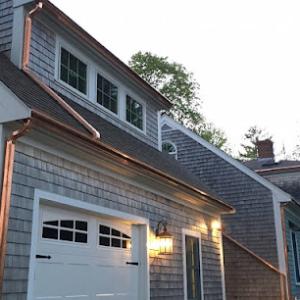
Boston Roofing and Gutters serving Boston and The Greater Boston Area, Metro West, North Shore, South Shore, Hoboken New Jersey and The Heights New Jersey. Boston Roofing and Gutters is the best roofing contractor in Massachusetts and New Jersey, offering a variety of services including: roof installation, roof repairs, chimney cleaning and repair, gutters installation, gutter repairs, gutters cleaning, siding installation, siding repair. Boston Roofing and Gutters primary goal is to provide our valued customers with the highest standard of craftsmanship, while tailoring to their precise needs in a professional and timely manner. Boston Roofing And Gutters is the first company to offer GutterArt to the Boston Market.
O'LYN Roofing
(781) 854-5947 www.olynroofing.com
Serving
5.0 from 23 reviews
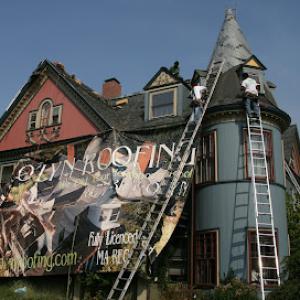
With 51 years of roofing excellence, O’LYN Roofing is Boston's premier choice, specializing in top-tier roof installation, including slate, copper, wood, asphalt, and flat roofs. Our expertise extends to distinctive Victorian roofing, gutters, downspouts, and skylights. Elevate your home with O'LYN Roofing's precision and professionalism. Contact us for a roof inspection and estimate. Join satisfied clients in experiencing the O’LYN difference. Trust your property to the experts at O’LYN Roofing, where excellence meets experience.
Mr. Iceman Co. Roofing
(617) 269-4604 www.mricemanroofing.com
Serving
4.4 from 8 reviews
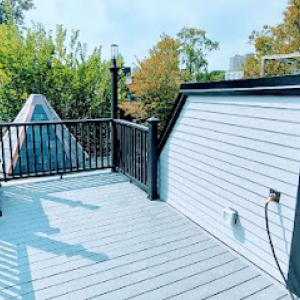
Mr. Iceman Roofing is a roofing contractor in Boston, Ma. We install the highest quality residential & commercial roofs: shingles; slate & copper gutters; EPDM (rubber) & TPO. We repair all types of roofs. Emergency repairs available 24/7. We are South Boston's Local Roofer.
The Roof Kings
(617) 302-3191 theroofkings.com
Serving
4.2 from 34 reviews
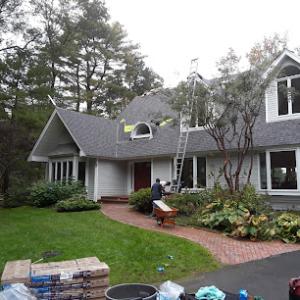
We are located in the Boston Massachusetts area and provide all commercial and residential roofing services. We are committed to the needs of our clients and strive for perfection. Please give us a call for a free roofing estimate for your next project. The Roof Kings has bees in business for almost 30 years and we just love what we do. Making sure that a family is safe and can sleep at night makes it a lot more than just installing a roof. We are the Professional Boston Roofing Contractors that would love to provide your family with the security of having a water tight home with one of our Roof Kings Guarantee! We look forward to hearing from you for a No-Hassle Roofing Estimate 855-210-ROOF (7663)
Triple-deckers and similar multifamily homes in this area often stack roof lines tight against side walls, with vent pipe stacks, dormers, and adjacent roofs creating a web of flashing details. You'll notice leaks tend to form where two planes meet or where a wall line interrupts a low-slope rear roof. The first step is to inventory every penetration you see from ground level: pipes, chimneys, skylights, vents, and joints along the perimeter. In practice, that means walking the attic hatch to confirm which flashings have moved, and which shingles along the eave or rake are staying dry during a thaw cycle. When a leak shows up, check not just the visible flashing but the step and counter-flashing where two planes intersect. These spots are the most prone to ice dam leakage because snow creep and dam formation drive water laterally under shingles toward the interior.
Skylight service is a meaningful specialty in this market, and aging curb flashings are a frequent failure point on older homes. The curb flashing can fail long before the skylight unit itself, especially where shingles adjacent to the curb have become brittle or cupped. Inspect the area where the skylight flange meets the shingles as a two-step problem: first verify the curb flashing is watertight, then confirm the surrounding shingles maintain proper overlap and nailing pattern. If you see soft spots, cracking, or granule loss around the skylight, treat the curb as a potential source-re-flashing, resealing, and re-seaming may be required rather than a simple shingle replacement. On Dorchester's aging stock, it's common to find that the best long-term fix isn't just resealing the curb but rebuilding the surrounding shingle line to ensure proper drainage away from the curb. Don't overlook the potential for ice dams to form directly under a skylight in a steep valley; plan for a marginally higher snow slope in that area and consider a short run of compatible ice-and-water shield beneath the shingles around the skylight.
Chimney work is notably common among local contractors, reflecting how masonry stacks on older Boston homes remain a major source of roof leaks and repair calls. The bare masonry along the base of the chimney can wick moisture into the roof deck if counter-flashing is missing or loose, or if the chase flashings have degraded. In practice, you should inspect flashing at the chimney line, verify the joint cracks are sealed, and ensure the counter-flashing is still embedded properly into the shingle line. When a chimney is tall or set at a corner, assess the intersection with the main roof plane for potential step-flashing gaps; add sealant or reset flashing as needed. If mortar joints show deterioration, coordinate with a mason to address the flashing-lintel interface and confirm the crown is intact to shed water away from the roof. In tight Dorchester assemblies, it's common to find that multiple small leaks converge at chimney feet, so a targeted, thorough flashing renewal around the chase often pays off more reliably than piecemeal repairs.
Keep the orientation of each roof plane in mind: water flows toward lower edges and into any dam or valley where two planes meet. Regularly clean debris from gutters and ensure downspouts terminate away from the fascia to reduce backflow risk. In areas with known ice-dam patterns, consider adding ice-and-water shield at critical eave and valley locations, especially where skylights or chimneys interrupt the line of shingles. When in doubt, prioritize proven flashing details at all penetrations, and treat the flashing assembly as the primary line of defense rather than relying solely on shingle replacement.
Find contractors experienced in skylight installation, flashing, and leak repairs to bring natural light into your home.
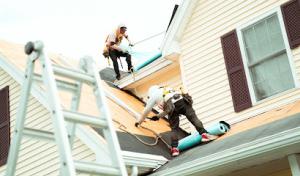
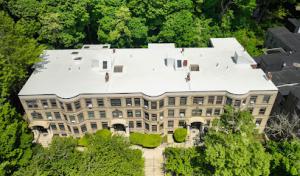
In tight urban lots and on the classic triple-decker silhouettes that define the area, roof geometry and weather patterns drive material decisions. Ice dams are a common challenge once winter settles in, and wind-driven coastal storms can put extra stress on ridge lines, chimneys, and skylights. Asphalt shingles align well with the steep-sloped roofs that dominate Dorchester's housing stock, offering a reliable balance of ease of repair, available color choices, and compatibility with typical roofing supports found on older homes.
Slate remains locally relevant because many older Boston-area homes were historically finished with it, and some neighborhoods still feature remnants or later replacements in a similar aesthetic. However, matching repairs and full replacement for slate work are specialized and significantly more expensive than standard shingle projects. If a home includes slate or a historically accurate look is desired, plan for careful assessment of substrate, nail-lines, and flashings, plus potential coordination with masons for chimneys and brick details.
Metal, synthetic, wood, clay tile, and slate all appear in the local material mix, but heavier materials can be more complicated on older structures and on tightly constrained urban job sites. Metal and synthetic options can provide strong durability and clean lines, yet installation requires precise flashing around chimneys and skylights, as well as attention to roof edge details in narrow layouts. Wood shingles or shakes deliver historic character but demand diligent maintenance against moisture and splitting. Clay tile and slate offer distinctive looks but add weight and require structural checks and careful site access. The choice should consider how the roof deviates in slope, runs, and rear extensions, where leak patterns often form.
When selecting materials, evaluate how a given roof handles ice dam risk and wind loads, especially along steep sections and around penetrations. In Dorchester, tight site access means material handling and waste removal will influence the project plan, so choose products and installation methods that minimize on-site disruption. For steep slopes, ensure the underlayment and flashing detail around chimneys and skylights are reinforced, and prefer systems that offer robust ice dam protection with proven performance in cold snaps. For many homes, a proven asphalt shingle package with upgraded underlayment and precise flashing around perpendicular walls and parapets delivers the best balance of performance, cost, and future maintenance.
In Dorchester, access to the roof is rarely straightforward. Boston's dense urban fabric means limited staging space on alleys, narrow yards, and tight street parking, and debris handling can add labor time as crews juggle waste containers and vehicle placement. That translates to higher hourly charges and more time on the roof than a similar replacement in a suburban setting. When estimating, expect staging-related adjustments to the bottom line, even before materials are chosen. Asphalt shingles typically remain the most cost-effective option, but in practice the price creep often comes from how the crew has to maneuver around a crowded jobsite rather than the material itself.
Older Dorchester homes frequently feature multiple roof planes, dormers, chimneys, porches, and low-slope tie-ins. Those elements create more roof perimeter to seal, more potential leak points, and more detail work for flashing, valleys, and drip edges. A straightforward open-gable replacement rarely matches the reality here. Even when the roof type is similar, the need to navigate dormer junctions and chimney bases can push pricing above a simple replacement. When you see a roof with several planes or a low-slope rear section, plan for additional labor time to set up, shingle around obstructions, and perform thorough waterproofing at transition points.
Winter ice dams, nor'easters, and post-storm surges tend to tighten scheduling windows in Boston's metropolitan neighborhoods. The most desirable replacement months-typically late spring through early fall-can fill quickly after a damaging event, leaving fewer crews available for timely installation. If weather damage accelerates the need, you may face stiffer bids and shorter windows to coordinate staging, deliveries, and wrap-up. Expect some variability in crew availability around peak demand, which can influence both the project start date and the total project duration.
Costs in Dorchester reflect the local access realities more than the material alone. Asphalt shingles offer predictable value, while metal and synthetic options provide longer life but require careful sequencing of staging and flashing around existing vents, chimneys, and skylights. Clay tile and slate, though durable, often demand specialized crews and more intricate edge detailing in older structures, amplifying both complexity and price. In every case, a thorough on-site assessment helps calibrate the forecasted labor hours tied to access, geometry, and seasonal demand.
Get a clear picture of your project costs upfront - no commitment required.
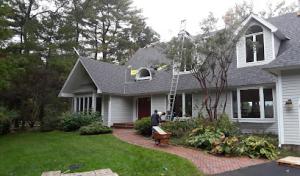
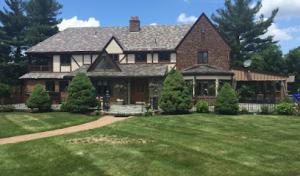
In Dorchester, a full re-roof requires a Building Permit issued through the City of Boston Inspectional Services Department, not a separate neighborhood office. This means your project needs the formal approval path that covers structural changes, venting, and fire safety considerations for multi-unit and tight-density homes. The permit process is designed to document the scope of work before the first shingle is lifted, so starting without approval can trigger failures, stop-work orders, or costly rework.
Contractors submit the scope of work and schedule inspections to ISD, and the permit should be posted on-site where it's visible during the project. This posting is not a mere formality; it signals to inspectors when certain milestones should be met and provides a record for neighbors and the city alike. If the posted paperwork disappears or isn't accessible, inspection delays can cascade into extended timelines and added disruption to a tightly spaced block.
Boston ISD performs a rough-in inspection during work and a final inspection after completion. Non-standard materials may trigger plan review or added documentation, especially when encountering unusual geometry on older triple-deckers or low-slope rear sections. Expect inspectors to check for ice-dam resistance, proper flashing around chimneys and skylights, and verification that load paths and ventilation meet code expectations. Delays or rework stemming from inspection issues can affect the seasonality of the project, so coordinate timing with your contractor and the city schedule.
In Dorchester, claims often turn on roof age and condition because Massachusetts insurers generally cover weather damage but scrutinize older roofs more closely. That means a sudden leak after a storm might be treated differently than a burst pipe, and the adjustment can hinge on visible wear, shingle integrity, and the adjoined framing. If the roof has low-slope sections, chimneys, or skylights, expect extra attention to how those features were maintained and how long they've been in service. The risk is that damage is characterized as wear-and-tear or pre-existing, which can narrow recovery.
Documentation matters in this market: homeowners should keep photos, detailed estimates, and records of prior repairs, especially on older Boston housing stock with recurring leak history. Before filing, photograph the roof from multiple angles, capture the extent of staining or ice-dam patterns, and note any previous patchwork. Attach dated invoices for past repairs and note the dates of storms or seasons when leaks intensified. A tidy paper trail helps an adjuster see the full narrative of deterioration rather than isolated incidents.
Non-standard materials such as slate, tile, or specialty systems can require more detailed claim support because adjusters may question repairability and matching. When a slate roof or unusual tile exists, gather manufacturer specs, compatible patch options, and potential replacement paths. For metal or synthetic options, document gauge, coating, and installation date. The goal is to show that repairs or replacements align with the original design and local climate demands rather than presenting a quick fix.
Keep a running file with recent photos, weather notes, and every estimate or assessment from reputable local contractors. If a leak history is known, start your file early and organize it by season, storm event, and affected area. Clear, organized records reduce ambiguity and help ensure the claim reflects the true scope of weather-related damage rather than ambiguous wear.
Connect with contractors who help homeowners navigate the claims process from damage assessment to final approval.
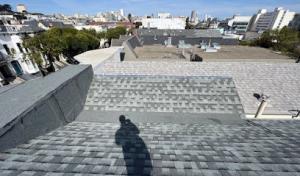
Clancy Roof & Leak Repairs
(617) 467-2455 clancyroofrepaircharlestown.com
Serving
5.0 from 53 reviews

Spring and early summer storms can fold into a schedule like a stubborn neighbor at the door. You'll see tear-offs paused by sudden showers, and crews juggling tarps, respirators, and ladders while gusts sweep the street. In late winter, snow and the freeze-thaw cycle push moisture deeper into the decking, often delaying exterior work as material and crew temperatures struggle to stay within ideal ranges. Winter is not the friend of a quick, clean replacement, and the risk of ice dams remains higher when roofs sit unfinished into the season's peak thaw, especially on two- or three-flap dormers common on many Dorchester homes.
Late spring through early summer generally offers the best balance of milder weather and daylight, with fewer severe coastal wind events than fall. By planning around a stretch of stable weather, you reduce the odds of rain-soaked days that can compromise underlayment and early adhesion on low-slope sections behind chimneys and skylights. If a fall window is your preference, target the calmer stretches after Labor Day and before October storms, but be mindful that Boston-area contractor calendars can fill quickly and gusts from late-season storms can push schedules out more than you expect.
Older, tightly spaced homes often present leak-prone pockets where roof geometry funnels wind-driven spray and meltwater toward seams, chimney crickets, and skylight flashings. When you select a replacement window, prioritize material and installation details that address those micro-leaks: continuous eave and rake protection, properly seated underlayment around penetrations, and reliable attic ventilation to support dry, steady drying during and after the job. On rear, low-slope sections, insist on a coordinated approach between tear-off sequencing and temporary weatherproofing so moisture intrusion stays controlled even if a shower arrives mid-tix.
In Dorchester, the local market moves fast when storms push through and ice damming tests the eaves. In tight streets, the first important question is whether a roofer can respond quickly and manage cleanup without turning a neighborhood into a debris field. Look for crews that police their worksite, contain nails and shingles, and communicate a precise plan for staging ladders, tarps, and waste containment so neighboring driveways and sidewalks stay clear.
A practical yardstick matters more here: replacement and repair on existing homes. Re-roofing experience, especially with older housing stock and complex rooflines, often beats new-construction emphasis. The shapes you see on triple-deckers and rear low-slope sections create leak patterns that demand careful flashing detail around chimneys, skylights, and step-flashed intersections. Ask about projects that involved similar geometry and climate challenges, not just large, new-roof installations.
When you screen candidates, prioritize references from projects on older homes with ice-dam risk and urban leakage issues. Pay attention to how the crew documents ventilation, insulation, and attic sealing as part of the replacement-air leaks here drive moisture problems that echo through ceilings and walls. Check that the scope clearly covers underlayment, ice-and-water shield placement, and boot- and flashing repairs around protrusions, because those elements drive long-term performance in winter.
Site visits should be straightforward and punctual. A reliable contractor will walk the roof with you, identify likely problem areas, and sketch a plan that aligns with the home's senior geometry. Insist on a written process for debris containment and a clean daily departure protocol so neighbors notice a minimal footprint. For long-term satisfaction, request a detailed warranty outline and a maintenance checklist for the first few winters after installation.
Finally, ensure the contractor is prepared to review any future storm or wear-related issues you might encounter. A good choice treats this as a partnership, not a one-off installation, and understands that timely communication during weather-induced emergencies saves both time and stress for the homeowner and nearby neighbors.