
Last updated: Apr 19, 2026
The cold winters with repeated freeze-thaw cycles create a perfect setup for ice damming on older, dense housing stock and triple-deckers with uneven insulation and ventilation. When warm attic air meets a cold roof, snow starts to melt along the slope, but meltwater can refreeze at colder eaves, forming ice dams that back up water behind them. That trapped water then seeks any small weak point-a nail hole, a vent, or a joint-pushing through shingles and flashing. In these longtime Everett homes, uneven insulation and aging ventilation systems exaggerate the problem, turning a routine winter into a high-risk leak cycle that can take weeks to reveal itself after the thaw.
Spring thaw and heavy rain in Everett often expose hidden deck rot after winter snow loads and trapped ice have already stressed the roof system. The deck and sheathing beneath may have soaked up moisture for months, especially on rear additions or roof-to-wall transitions where drainage is sluggish. As the snow melt accelerates, water finds its way into compromised seams, curling shingles, and compromised flashing. By the time you notice staining or damp attic air, the damage may be more extensive than it appears from ground level. This is not a cosmetic issue-rot weakens structural components and increases the risk of sudden leaks during a rainstorm.
Dense neighborhood housing means leak problems can escalate quickly around shared sightlines, rear additions, and roof-to-wall transitions common on older local homes. Flashings at transitions can be obscured by snow, ice, or debris, and crews often overlook the backside of the roof where the wall and deck meet. In these settings, one property's dam can feed into a neighbor's eaves, creating a domino effect of moisture intrusion. Immediate attention to edge detailing, proper drip edges, and correctly sealed wall penetrations at these junctions is essential to curb cascading leaks.
First, ensure attic conditions are tight enough to minimize heat transfer to the roof deck. Seal gaps around kneewalls, chimney chases, and access hatches with proper insulation and weather stripping. Improve soffit and ridge ventilation where possible, prioritizing unblocked airflow from the attic to the outside. Consider adding rigid foam insulation at external walls and in any uninsulated attic hatch areas to reduce heat buildup that feeds ice dams. When snow accumulates, gently remove excess weight from the roof edge using a roof rake with a long handle from the ground, taking care not to damage shingles or vent stacks. Do not attempt to chip away ice dams from the roof surface; this can break flashing and push water deeper into the system.
Focus on the eaves, valley flashings, and roof-to-wall transitions where water tends to get trapped. Inspect and replace deteriorated flashing around chimneys, vents, and skylights; ensure counter-flashing is properly integrated with masonry joints. On older rear sections, verify that gutter and downspout systems are clear and directing meltwater away from the soffit and into the storm sewer or yard drainage. Look for granular loss on shingles near eave edges, lifted tabs, or any sign of water staining in the attic ceiling, particularly after a thaw or heavy rain.
Develop a proactive maintenance routine that emphasizes winter prep and spring verification. Before heavy snow seasons, have a professional assess insulation levels and ventilation effectiveness, especially in crawlspaces and attic corners where moisture commonly accumulates. After the winter season, schedule a thorough interior and exterior inspection to identify any deck or attic rot that stood up to the season. Track any signs of dampness around roof-to-wall joints and plan timely repairs before summer rains begin. In tight, fast-turn housing clusters, swift detection and targeted repairs save structural integrity and reduce the risk of downstream leaks from ice dam damage.
In Everett, many homes and mixed-use buildings include flat or low-slope rear sections, porches, and additions that hold water longer during the city's heavy precipitation periods. Those areas drain slowly and tend to sit saturated after storms or rapid warm spells. The consequence is a higher risk of membrane deterioration, edge leaks, and slow-to-detect seepage into crawlspaces or upper-level ceilings. The practical fix starts with recognizing ponding as a symptom, not a standalone defect. If you spot standing water after a day of clear skies, mark the spot and plan a targeted inspection of the membrane and drainage paths. Look for blisters, wrinkling, or asphalt bitumen that has softened along low spots. Addressing ponding early helps slow a cascade of failures through flashings, joints, and penetrations.
Warm, humid summers in Everett increase moisture stress on low-slope membranes, flashings, and penetrations after spring saturation. Humidity can push condensation and dampness into the roof assembly even when it's dry outside, especially where attic or crawlspace ventilation is weak. The practical response is to prioritize ventilation upgrades in tandem with surface improvements. Ensure roof penetrations-vent pipes, skylights, and HVAC curbs-are sealed with compatible, flexible sealants that tolerate thermal cycling. Verify that step flashings or counter-flashing around vents extend properly and are secured to resist uplift during storms. If you notice an unusual musty odor or damp insulation in the attic, address ventilation issues first, then reassess the membrane condition.
Low-slope problem areas in Everett often intersect with chimneys and older masonry details, a common service overlap in the local contractor market. Where a chimney passes through a flat roof, the joint between masonry and membrane becomes a prime leakage path. Inspect the area for hairline cracks in mortar, deteriorated chimney cricket or saddle details, and insufficient flashing transition from brick to rubber or asphalt. A practical approach is to install or replace chimney flashing with a properly sized L-flashing and a dedicated cricket or self-contained drip edge to divert water away from the joint. Ensure termination bars and membrane laps at the chimney are clean and fully sealed. For parapet walls, seal top edges and check for failed mortar joints that funnel water down into the roof assembly.
Set a routine to inspect flat or low-slope surfaces at least twice a year, ideally after the wet season and following major heat spells. Focus checks on drainage scuppers, internal downspouts, and roof-to-wall transitions. Document any changes in ponding patterns, bubbling membrane, or damp attic spaces, and plan targeted repairs rather than waiting for a full roof replacement. In tight Everett neighborhoods with dense housing stock, small, timely fixes around penetrations and flashing can prevent larger leaks that disrupt multiple units.
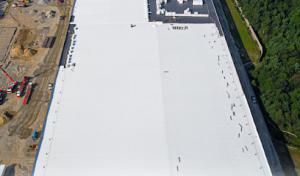
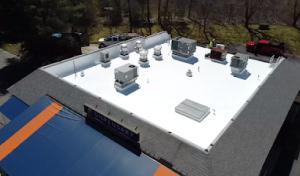
Find specialists in TPO, EPDM, and built-up flat roofing systems for residential and commercial properties.

Gibbs Roofing
(617) 793-7724 gibbsroofings.com
369 Broadway suite 311, Everett, Massachusetts
5.0 from 24 reviews

Gibbs Roofing
(617) 793-7724 gibbsroofings.com
369 Broadway suite 311, Everett, Massachusetts
5.0 from 24 reviews
Gibbs Roofing provides expert roofing services to homeowners and businesses throughout Everett. Our experienced team specializes in roof repairs, full installations, leak detection, and preventative maintenance. We work with durable, high-quality materials—including asphalt shingles, metal roofing, and flat roofing systems—to deliver lasting results. Whether you're addressing storm damage, aging shingles, or planned upgrades, we offer clear, transparent estimates and responsive scheduling. With a commitment to quality workmanship, safety, and your satisfaction, Gibbs Roofing is the trusted choice for professional roofing care in Everett.

Clancy Roof & Leak Repairs
(617) 467-2455 clancyroofrepaircharlestown.com
Serving
5.0 from 53 reviews
Clancy Roof & Leak Repairs specializes in finding and fixing roofing issues before they turn into costly damage. The team is skilled at tracing leaks to their exact source, repairing problem areas with durable materials, and ensuring the rest of the roof remains in good condition. For more extensive damage, they provide clear recommendations and handle larger repairs with the same attention to detail. Customers often note the quick response times, the straightforward advice, and the quality of the finished work. Clancy Roof & Leak Repairs is committed to keeping properties secure and weatherproof.

Northeast Industrial Roof
Serving
5.0 from 123 reviews
With 20 years of experience, Northeast Industrial Roof INC is your trusted roofing company in Medford, MA. Located at 510 Riverside Ave, we specialize in shingle, metal, tile, cedar, EPDM, slate, flat, green, TPO, and PVC roofing. Our services cover both commercial and residential roofing needs, including roof repair, maintenance, replacement, waterproofing, and gutters. Whether you need a new roof, a repair, or regular maintenance, our expert team is here to help. Choose us for reliable, high-quality roofing services in Medford and surrounding areas. Your satisfaction is our priority. Keywords: roofing Medford MA, roofing company Medford MA, roofing contractor Medford MA.
Art Slate Roofing
(617) 913-1130 www.artslateroofing.com
Serving
5.0 from 20 reviews
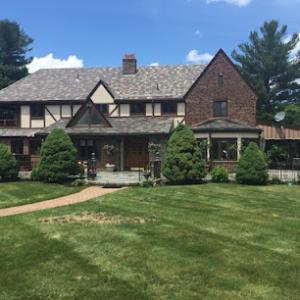
For over 20 years, Art Slate Roofing has been the go-to roofing company in the Cambridge area. We specialize in Historical Renovations, as well as Slate & Copper roofing. From leak repairs to emergency blow-offs, curb installations to coating, preventive maintenance to roof asset management, our roofing team can handle it all. We also offer masonry work, chimney repair, and Gutter & Downspout services. Ask about our warranty! Call today for a free estimate!
Brady Roofing
(781) 324-4312 www.markbradyroofing.com
Serving
5.0 from 14 reviews
Mark Brady Roofing serving homeowners and business in Malden, MA for the past 40+ years. Our team is made up of seasoned roofing professionals dedicated to making each home's roof as safe, secure with a touch of curb appeal. Our years of roofing experience has given us the opportunity to develop proven processes to ensure the roofing project has been thought through in detail, planned, materials ordered, received and staged for proper installation.

Doherty Slate Roofing
(617) 595-1551 dohertyslateroofing.com
Serving
4.9 from 55 reviews
We are slate copper specialists and an award-winning company. Our craftsmanship is prestigious. Unlike other roofing companies, We match identical roof slates to existing slate roofs. This means slate size, slate color, slate age, and thickness to conduct slate roof repairs. We design and install high-end custom copper roof work, Copper Gutters, and install rubber roofs. Were veteran owned and operated. We strive to be the leading slate roofing company in the Boston, Brookline, Newton, and Wellesley areas. We also repair slate tile and carry out annual drone slate roof inspections, slate repairs, slate restoration, and slate installation. Searching for a slate roofing company near me, we are your slate roofing contractor.
Immediate Roofing MA
(781) 382-8581 immediateroofingma.com
Serving
5.0 from 15 reviews
"With 30 years in the commercial rooting industry, our company has become a trusted leader in providing durable, high-performance roofing solutions. We've worked with businesses of all sizes, delivering tailored systems that protect their buildings and stand up to the toughest conditions. Our three decades of expertise mean we understand the unique challenges of commercial properties, from flat roofs to large-scale industrial facilities. When you choose us, you're not just getting a roofing contractor-you're getting a partner dedicated to excellence, safety, and your long-term success.
All For U Roofing & Masonry
(617) 362-8254 allforuroofing.com
Serving
5.0 from 49 reviews
All For U Roofing & Masonry provides carpentry services, gutter services, masonry services, patio services, and more to Boston, MA, and the surrounding areas.
Peak Quality Roofing
(781) 650-7458 peakqualityroofing.com
Serving
5.0 from 98 reviews
Peak Quality Roofing, based in Melrose, MA, specializes in roofing, siding, and gutter services for homeowners throughout the area. We provide high-quality roofing, expert siding installation and repair, and reliable gutter services to protect your home from the elements. Founded by industry professionals, our company was built on the belief that homeowners deserve fair pricing without sacrificing quality. Our team is committed to exceptional craftsmanship, clear communication, and complete customer satisfaction on every project. Whether you need a new roof, siding replacement, or gutter installation, Peak Quality Roofing delivers durable, long-lasting solutions tailored to your needs. Contact us today for a free estimate.
ABI Roofing
(617) 539-2090 medford-roofing-service.us
Serving
5.0 from 17 reviews
ABI Roofing, based in the vibrant city of Medford, stands as a premier roofing contractor dedicated to safeguarding homes and businesses with top-notch roofing solutions. With a wealth of experience, ABI Roofing excels in providing expert installations, repairs, and maintenance services tailored to meet the unique needs of Medford's diverse architectural landscape. Our skilled team of professionals is committed to delivering unmatched craftsmanship, using high-quality materials to ensure durability and longevity. At ABI Roofing, customer satisfaction is our priority, and we take pride in our transparent communication, competitive pricing, and timely project completion. Trust ABI Roofing to elevate your property's protection.
Mairink Roofing Experts
(978) 566-2537 mairinkroof.com
Serving
5.0 from 12 reviews
We are a local Residential & Commercial roofing contractor located in Revere, MA. At Mairink Roofing, we strive to deliver the best quality services at an affordable price. Whether it is a small repair or a full roof replacement, you can count on the team at Mairink Roofing to get it done right the first time! Since 2014, Mairink Roofing has served the Roofing needs of our neighbors in Boston and surrounding areas. We treat our customers like family, and they appreciate our approach to every residential or commercial project that we take on. When you work with us, we create a personalized proposal for you. We will keep you informed every step of the way so you know every step of the way what's going on on your roofing project.
Master Seal Roofing
(781) 941-6119 mastersealroofing.com
Serving
4.5 from 85 reviews
Here at Master Seal Roofing we are licensed,bonded and fully insured.We have been in business over 23 years,and are roof repair and replacement experts.We specialize in all types of roofing, leak repair,flat roofs, and more.We give free fully detailed estimates with pictures,with no obligations.We work on residential and commercial properties.We have 24/7 emergency roof repair, snow and ice removal with 100% satisfaction guaranteed.All our work comes with a 5-10 year maintenance programs free of charge.We stop your roof from leaking and can locate were it's leaking from to stop further damage in one trip,and offer same day service. We can stop your leaking roof.We provide all types of roof repairs and replacements and overlays.
Asphalt shingles remain the practical fit for much of the triple-decker and rowhouse stock in this area, where tight rooflines and rear sections face a mix of heavy moisture, seasonal wind, and snow load. The key benefit here is how the standard shingle system can handle repeated freeze-thaw cycles without demanding specialized detailing. In Everett's older structures, the right asphalt system paired with a solid underlayment and careful edge detailing can limit moisture penetration around penetrations, valleys, and chimneys. When installed well, asphalt balances repairability and replacement cadence, helping you quickly address a leak in a crowded attic space or a crowded eave where ice damming tends to form. The practical choice also aligns with typical spacing and roof pitches found on dense housing, where a lighter single-layer option can be expanded later with insulation and venting upgrades to curb condensation that often drives interior dampness.
Slate remains relevant in the Greater Boston area's older housing context, but its weight and repair complexity matter more on aging Everett structures. If the existing deck is solid and the roof framing can support the load, slate offers impressive longevity and a historic appearance that suits period details commonly found in rowhouse facades along the Mystic River basin. The downsides show up quickly in portable repairs, broken fasteners, and the challenge of sourcing matching pieces after decades of weather exposure. For homes already showing sagging joists or uneven eaves, slate can magnify the potential for concealed moisture issues. If a roof has a history of frequent leaks tied to damming and widespread humidity, slate should be paired with precise sheathing assessment and high-quality underlayment to prevent early deterioration. In practice, slate can be an option on carefully evaluated structures where weight, local wind exposure, and long-term maintenance plans align with available repair expertise.
Metal roofing tends to perform well in snow and moisture-prone conditions, offering rapid shedding during heavy storms and resilience against wind-driven moisture. For homes with flatter or low-slope rear sections that catch more meltwater, metal can minimize ponding risk when installed with a well-designed snow guard strategy and robust seams. In Everett's climate, metal's quick drainage helps reduce ice dam formation at eaves, but attention to detail matters: proper underlayment, accurate flashing transitions at hips and ridges, and secure clip systems to accommodate thermal movement. If a roof already shows signs of persistent humidity intrusion or if the attic remains poorly ventilated, metal's benefits can be undermined by inadequate venting. The right installation plan works with existing trim, parapets, and low-slope pockets common to dense housing, enabling you to keep interior spaces drier during midwinter thaws.
Clay tile and concrete tile bring distinctive aesthetics and durability, yet Everett's freeze-thaw and humidity cycles can accelerate failure if detailing is poor. Tile systems demand a solid substrate, precise pitch, and careful eave and valley detailing to avoid fracturing in cold snaps. In dense, older housing stock, the extra weight and the need for compatible framing can present challenges if the roof has seen moisture-driven rot or compromised decking. Wood shingles and shakes offer a traditional look, but wood is especially sensitive to moisture near the coast and in areas with rapidly changing temperatures. If wood is chosen, expect higher maintenance needs around flashing and fasteners, and ensure a meticulous inspection plan for signs of splitting, cupping, or insect damage that can accelerate leaks during wet winters. For most Everett homes facing heavy snow and moisture, these options require a conservative approach: confirm structural capacity, verify detailing for freeze-thaw transitions, and pair with a robust ventilation and drainage strategy to keep moisture moving away from the interior.
Autumn wind events in Everett can loosen or lift shingles before winter, creating openings that become active leaks once snow and ice arrive. That means a roof that looks fine after a storm can hide a vulnerable edge or misfit flashing that will leak once the temperature drops. Pay close attention to any lifted tabs, curled edges, or missing granules along the rakes and valleys. If a wind gust tears back a shingle, treat it as an active vulnerability, not a cosmetic issue.
Storm-related roof claims are common enough in Massachusetts that Everett homeowners should expect insurers to ask for photos, material details, and contractor documentation. Photograph damaged areas from multiple angles, including surrounding siding, gutters, and attic access points. Note the shingle type, vent locations, and any visible flashing or gutter overflow. When you call your insurer, have these images ready, along with quick-written notes on when the damage occurred and which rooms show signs of moisture first.
Quick-response storm service is especially relevant in Everett's dense neighborhoods, where small blow-offs and flashing failures can affect interiors fast during heavy rain. Prioritize a temporary cover or tarp over exposed sections to limit water intrusion until a full repair is possible. Schedule a rapid inspection after a storm, focusing on valleys, dormers, chimney flashings, and roof-to-wall transitions. If interior moisture appears, address it immediately to prevent cascading damage into ceilings and walls.
Keep gutters clear and ensure downspouts direct water away from foundations. In tight lots, back-to-back homes can funnel wind-driven rain toward shared edges; inspect shared walls for signs of moisture intrusion after a storm. When storms threaten, prepare a basic plan: identify a trusted local roofer, gather contact information, and set expectations for rapid triage, temporary protection, and targeted permanent fixes so leaks don't wait for the next freeze.
Find local contractors experienced in assessing and restoring roofs after hail, wind, and severe weather events.
Gibbs Roofing
(617) 793-7724 gibbsroofings.com
369 Broadway suite 311, Everett, Massachusetts
5.0 from 24 reviews
When planning a roof replacement, the material choice drives most of the price, and in this city the numbers align with the local stock and climate. Asphalt shingles run about 350 to 750 USD per square. Metal roofing tends to be 700 to 1200 USD per square, reflecting its longer life and better ice dam resistance. Clay tile clocks in at roughly 1000 to 1800 USD per square, with concrete tile from about 800 to 1400 USD per square. If wood shingles or shakes are chosen, expect 450 to 900 USD per square, and for slate, 1500 to 2600 USD per square. These ranges provide a practical reference for budgeting, especially when replacing a roof on an older triple-decker or a tight rear addition where moisture damage is common.
Older homes in this area often need sheathing replacement after exposure to snow, thaw, and heavy spring rain. That moisture wear can push project costs beyond a simple re-cover. If deck boards are soft, warped, or delaminated, expect added materials and labor. In some cases, sheathing replacement can add a significant uplift to the base material cost-especially when choosing higher-end coverings that require a solid, square substrate to perform as designed. If moisture history is uncertain, a careful inspection of rafters and fascia is prudent to avoid future leaks that undo a new roof in short order.
Tight urban access, debris handling, and staging around closely spaced homes affect labor efficiency and cleanup. In these conditions, crews may need more time to maneuver materials, protect adjacent property, and stage waste containment. That can push labor costs upward and extend the project timeline. When you're evaluating bids, ask about staging plans, vehicle access, and containment measures for gutters and sidewalks. A well-coordinated crew that maps waste rock and bundle removal ahead of time reduces on-site disruption and can help keep costs closer to the lower end of the ranges.
Expect a baseline for material plus standard installation, then add for any required sheathing work or moisture remediation. If you have existing ice dam risk, consider upgrading underlayment and insulation as part of the replacement to reduce future moisture-driven failures. For a dense housing stock with frequent freeze-thaw cycles, prioritize a roof with proven moisture resilience and a substrate that remains stable under load.
Get a clear picture of your project costs upfront - no commitment required.
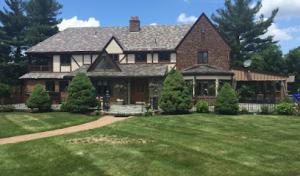
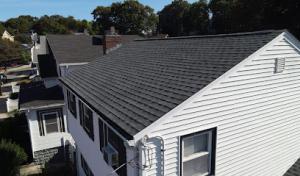
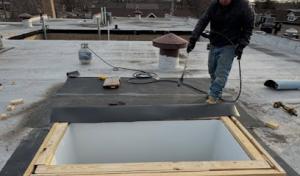
A full roof replacement in Everett typically requires a building permit submitted to the city's Building Department by the contractor or homeowner. The permit process is not something to rush through, because missing forms or incomplete project details can stall work and open you up to enforcement actions. Your submission should clearly describe the scope, materials, and any structural changes, since the department will review for safety and code compliance before any shingle or panel is lifted.
Everett commonly requires project details plus proof that the contractor is properly licensed, and the work must meet local wind and energy code requirements. If the project involves high wind zones or energy-efficient upgrades, expect specific fastener counts, underlayment choices, and insulation considerations to be flagged. Having the right documentation on hand-licensing, insurance, and a detailed plan-helps prevent delays when inspectors come through. A permit denial, or a stop-work order, can ripple into moisture control problems if weather moves in while the roof is half-done.
Inspections are scheduled during and after the project, and the final inspection must pass before the permit is closed. Plan your timeline around this sequence, since a failed final inspection means rework and potential re-inspection fees. On busy streets near older housing stock, inspectors will look closely at attic ventilation, ice-dam resistance features, and proper detailing at eaves and hips. Be prepared for minor adjustments identified on-site, even if the rest of the roof is nearly complete. A compliant finish not only satisfies enforcement but also helps avert costly leaks in the next thaw or storm.
In this dense housing stock and moist climate, Massachusetts insurers commonly request pre-replacement photos, material information, and warranty details. You should document the roof's condition before any tear-off begins so you have a clear baseline if questions come up after a claim. Take wide shots of each plane of the roof, close-ups of damaged areas, and photos of the attic and ceiling areas where moisture has appeared. Gather product labels, shingle color and type, and any visible underlayment or flashing details. Keep a dated notebook or digital folder with notes about wind events, ice dams, and any recent repairs. This foundation helps prevent disputes when the claim moves from assessment to replacement.
Because storm-related claims are relatively common in the region, expect adjusters to want detailed contractor estimates rather than rough verbal pricing. Have your chosen contractor provide itemized scopes of work, including tear-off, disposal, underlayment, flashing, and ventilation changes, with timelines and warranty specifics. The insurer will match documentation against the actual work, so ensure the estimates reference the same materials you documented earlier. If a claim adjusts to a different scope later, clear, thorough records are your best defense against surprise changes.
Using a licensed contractor matters in Everett because permit closure, inspection records, and insurer approval often depend on matching documentation. Ensure your contractor's license, insurance certificates, and a written contract align with the photos, material lists, and warranty information you collected. Keep all correspondence, receipts, and change orders organized so the insurer can verify every step from tear-off to final inspection. A consistent paper trail reduces the risk of gaps that delay coverage or complicate settlement.
In this market, leaks often trace back to flashing transitions rather than field shingles alone. Chimney bases, skylight curbs, and where roof planes meet each other are where water invasion tends to start. Heavy precipitation and winter ice put extra stress on these joints, so a small lift or gap in flashing can become a persistent drip after a storm. Inspect transitions after a thaw and again after a major freeze-thaw cycle, focusing on any orange or white mineral deposits that signal moisture movement behind the flashing.
Skylights in denser, older housing stock carry a higher risk from ice buildup along curb edges and flashing. The curb itself can warp with repeated freeze-thaw cycles, while the sealant seams around the skylight track can split or fail, letting water migrate inward. If you notice condensation on the interior side of glazing, damp drywall around the curb, or a ring of staining at the ceiling near the skylight, get eyes on the curb flashing and the sealant joints before a small issue becomes a larger one.
Chimney penetration sites strain from mortar changes, brick creep, and seasonal temperature swings. Step flashing can loosen where roof planes butt up against the chimney or where flashing meets a masonry collar. Look for loose metal, lifted tabs, or dark staining along the chimney line. These spots are prime for ice damming to force water behind the flashing and into the wall cavity.
Low-slope rear sections and older roofs in this area rely heavily on sealants to bridge gaps around penetrations. Deterioration is common where sealants have seen years of sun exposure or repeated freezing. If you see peeling, cracking, or brittle texture in sealant lines near penetrations, plan for resealing with compatible, long-lasting products before a storm surge hits.
Do a monthly walk-around after heavy rain or melt events, focusing on chimney bases, skylight edges, and the transition zones where multiple planes meet. A simple confirm-and-touch approach-pressing gently to spot loose metal or lifting shingles near penetrations-can prevent a larger leak. In this market, regular attention to flashing transitions is often the most effective step to reduce emergency leak calls.
Find contractors experienced in skylight installation, flashing, and leak repairs to bring natural light into your home.