
Last updated: Apr 19, 2026
Winter in this climate pushes roofs through repeated freeze-thaw cycles, and that pressure is not felt equally. Older slate, flashing edges, and shingle tabs are especially vulnerable to cracking, lifting, and misalignment as water freezes and expands. With many homes carrying decades of previous weathering, even tiny edge gaps become pathways for ice to back up under flashing and along eaves. The result can be rapid deterioration inside soffits and ceilings where leaks appear suddenly after a morning thaw followed by a sudden freeze.
In dense neighborhoods, leakage from ice backup can affect party-wall-adjacent interiors and hidden roof-to-chimney intersections common on older homes. Ice dams form when heat escaping from poorly sealed attics melts snow near the top of the roof, but the melted water cannot drain quickly enough down the slope. That water refreezes at the eaves, pushing under shingles and flashing. When flashing has age or corrosion, or when shingles have lost their tab integrity, the dam grows more aggressively. The result is not just a drip at the ceiling; it can be concealed damage that weakens the roof's structural edge and invites mold behind walls.
Look for uneven roof melt along the eaves after a sunny period, ice buildup that extends beyond gutters, and granular loss along shingle tabs near the roof's edge. Check flashing seams around chimneys, dormers, and the roof-to-wall intersection for rust, peeling sealant, or loose pieces. Inside, watch for staining or damp spots adjacent to party walls, and listen for dripping sounds during cold snaps. In tight, older houses, ice backup can sneak into hidden pockets and rear channels, so inspection must look beyond obvious leaks to undersides of decks, attic access hatches, and knee walls.
Begin with a precise attic evaluation aimed at sealing leaks and improving insulation where heat escapes to the roof. Prioritize sealing obvious gaps around attic hatches, vented soffits, and around chimneys, as reducing heat loss minimizes uneven roof melt. Add or upgrade attic insulation where feasible to maintain a stable roof temperature during thaws. For older flashing, consider targeted repairs that restore a continuous, waterproof barrier along edges, chimney penetrations, and wall joints. In addition, install or extend ice and water shield where eaves and overhangs are most exposed to freezing water, focusing on problem sections identified by past leaks or visible ice buildup. Regular maintenance after heavy storms, including clearing gutters and ensuring downspouts drain far from the foundation, helps prevent the cycle from repeating. If a leak emerges during a thaw, address it promptly; delaying repair can let hidden damage advance, creating more expensive problems later on the roof deck and interior finishings.
Cambridge has an unusually visible mix of slate and copper roofing tied to its older housing stock and institutional-era architecture. That distinctive look isn't just aesthetic-it signals a history of specialized craftsmanship and materials that behave differently than modern composites. When planning repairs or maintenance, expect more attention to detailing around dormers, chimneys, and decorative caps, where the historic silhouette often rests on tight sightlines and dense row-house spacing. The goal is to keep the visible integrity of the roof while preventing interior leaks from those flourishes that define the neighborhood.
Repairs on slate roofs often involve preserving serviceable sections rather than full replacement because surrounding historic homes make material matching more noticeable. Start by identifying loose or fractured slates through a careful walk-around after a freeze-thaw cycle. If individual pieces are sound but irregularly spaced, consider spot-tile replacements that blend with the existing quarry and grain. When pockets of slate are beyond repair, replace them with pieces that closely resemble the age and texture, rather than opting for a uniform modern substitute. The surrounding fabric matters: small mismatches can stand out on a row of brick and timber, so prioritize seamless edges and flush hips rather than full-scale modernization. In Cambridge, you'll frequently encounter copper or zinc flashings paired with slate; these require meticulous seam work to prevent tiny leaks from migrating along the roof line.
Copper valleys, flashing, and decorative roof details are more common in Cambridge than in many suburban markets, making flashing craftsmanship a major durability issue. Copper conducts moisture and heat differently than slate, so joints and transitions demand precision. When inspecting, look for green patina changes that indicate aging yet interior seal failures around valleys, step flashing at chimney stacks, and counterflashing under copper accents. Repairs should aim to restore a continuous, weather-tight plane, not just patch the visible seam. Where copper detail meets slate, ensure the sealant or bedding is compatible and that fasteners do not create stress points on brittle edges. Period-appropriate detailing-such as copper apron flashings and decorative ridge caps-should be preserved or replicated with care to maintain both function and architectural harmony.
Given the freeze-thaw environment and tight housing stock, establish a seasonal check that prioritizes drainage and ice-dam resilience. Clear gutters and downspouts of debris before winter, but do so gently around slate edges to avoid loosening delicate pieces. Inspect for ice dam build-up along eaves and in copper valleys after heavy storms, and address any signs of seepage near penetrations quickly. When a larger repair or replacement is necessary, involve a craftsman skilled in historic materials who can match slate in texture and copper in profile, preserving the roof's historic language while restoring modern-day performance.
In this housing landscape, low-slope rear additions, porches, and multifamily roof sections are common, and drainage and membrane detailing come up as recurring concerns. Flat and low-slope sections are especially vulnerable to ponding after snowmelt and spring storms, particularly where older drains or scuppers are undersized or partially blocked. Homes with mixed roof geometry often fail first at the transitions between steep-slope main roofs and low-slope additions, so paying attention to those junctions is essential.
A flat roof can look simple, but the real work happens in how it drains. Start by inspecting the drainage path from the high point toward the lowest edge, tracing through any add-ons and transitions. If a rear addition shares a gutter or uses a membrane with a low-slope interface, ensure the membrane laps and seams are properly flashed up the parapet and onto any adjacent steeper roof so water doesn't pond at the transition. In Cambridge's climate, a single clogged drain can back up water across a large area, so verify that internal drains, scuppers, and downspouts are appropriately sized for the roof area they serve and are free of debris year-round. When an addition uses a different membrane or a separate slope, pay extra attention to edge detailing where the two systems meet.
Where a steep-slope main roof meets a low-slope addition, the transition is often the weak spot. The field membrane must be continuous across the joint, with a robust flashing plan that adapts to movement and temperature shifts. Use a step flashing or integrated counterflashing approach where possible, and confirm that any parapet walls are adequately flashed to prevent water from sneaking into the concealed edge. If the addition has its own parapet, ensure the bond between it and the main roof is sealed with a continuous, detail-focused sealant or compatible cavity closer that resists freeze-thaw movement. In practice, you should expect at least one seasonal inspection of these junctions to catch micro-movements or minor punctures before they propagate.
Overwintered ice dams can form where meltwater refreezes at the eave or along the low edge of the addition. The cure is twofold: ensure a clear, unobstructed drainage path and maintain membrane integrity along the perimeter. Keep scuppers and interior drains free of leaves, debris, and sediment that can hold water. Consider adding drainage scuppers or secondary outlets where one line feeds a single drain, and verify that their capacity matches the roof footprint. Regular checks after heavy snow events help catch hidden ponding before it migrates through flashing details.
During mild seasons, walk the roof (with appropriate safety gear) to look for blisters, membrane scalloping, or edges that have pulled away from flashing. Pay special attention to the joints where a low-slope area kisses a steeper roof, as wind and thermal movement often reveal slow leaks first there. If you notice damp patterns on ceilings or soft spots around a parapet, treat it as a warning sign and schedule a professional assessment focused on drainage and membrane integrity. The goal is to catch deteriorations at the edge or transition points before a freeze-thaw cycle compounds them.
Find specialists in TPO, EPDM, and built-up flat roofing systems for residential and commercial properties.
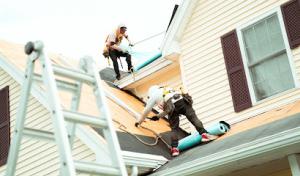
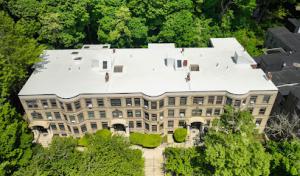


Baxter Roof Repair & Installation
(617) 655-7503 baxterroofrepaircambridge.com
1100 Massachusetts Ave suite 268, Cambridge, Massachusetts
5.0 from 25 reviews
Baxter Roof Repair & Installation provides trusted, professional roofing services for homeowners and businesses throughout Cambridge. Our experienced team specializes in comprehensive roof inspections, accurate leak detection, shingle and metal repairs, full roof replacements, and preventative maintenance. We use premium materials and industry-approved installation techniques to deliver durable, weather-resistant results. Whether you’re dealing with storm damage, aging roofing components, or planning a roof upgrade, you’ll receive precise assessments, transparent pricing, and responsive scheduling. Cambridge property owners count on Baxter for dependable craftsmanship and expert roofing care tailored to their needs.

Doherty Slate Roofing
(617) 595-1551 dohertyslateroofing.com
Serving
4.9 from 55 reviews
We are slate copper specialists and an award-winning company. Our craftsmanship is prestigious. Unlike other roofing companies, We match identical roof slates to existing slate roofs. This means slate size, slate color, slate age, and thickness to conduct slate roof repairs. We design and install high-end custom copper roof work, Copper Gutters, and install rubber roofs. Were veteran owned and operated. We strive to be the leading slate roofing company in the Boston, Brookline, Newton, and Wellesley areas. We also repair slate tile and carry out annual drone slate roof inspections, slate repairs, slate restoration, and slate installation. Searching for a slate roofing company near me, we are your slate roofing contractor.

Clancy Roof & Leak Repairs
(617) 467-2455 clancyroofrepaircharlestown.com
Serving
5.0 from 53 reviews
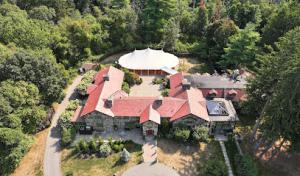
Clancy Roof & Leak Repairs specializes in finding and fixing roofing issues before they turn into costly damage. The team is skilled at tracing leaks to their exact source, repairing problem areas with durable materials, and ensuring the rest of the roof remains in good condition. For more extensive damage, they provide clear recommendations and handle larger repairs with the same attention to detail. Customers often note the quick response times, the straightforward advice, and the quality of the finished work. Clancy Roof & Leak Repairs is committed to keeping properties secure and weatherproof.
CAN Roof Construction
(857) 415-7727 canroofconstruction.com
Serving
5.0 from 119 reviews
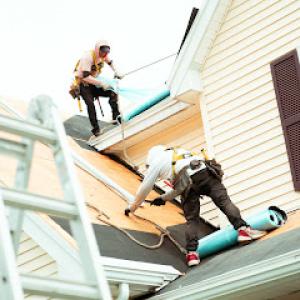
CAN Roof Construction is one of the best Roofing Contractor and Deck Builder in Boston Massachusetts providing Asphalt Roof repair and replacement, Rubber Roof Repair and replacement, Flat Roof Roof repair, Gutter installation, Deck and Porch building and serving Metro West, the Greater Boston area and all surrounding cities. We are the top Roofing Contractor in Boston MA, committed the highest customer service and workmanship quality. We are proper licensed and Insured. If you have roof leak, missing shingle or damage on your roof, get in touch with us, we would love to help you with your roof repair or replacement project. We CAN Roof it!

Roof Right Now Boston
(781) 971-8131 boston.roofrightnow.com
Serving
4.8 from 22 reviews
Roof Right Now wants to give Boston area homeowners a better roofing experience. In less than 5 minutes you can trace your roof and create your own roof estimate online. No meeting required.

ID Flat Roof
Serving
4.7 from 40 reviews
Repair, replacement, and installation of flat roofs, low-pitched roofs, regular roofs, and decks.Residential and Commercial roofs.Rubber roof, asphalt shingles roofs, metal roofs, PVC roofs.Experience More Than 21 Years.Lifetime Warranty.We accept credit cards.We have all insurances and licenses.If you want to make your next roof your last roof, call us today and let us provide you with the final solution to your roof or deck problems.

Northeast Industrial Roof
Serving
5.0 from 123 reviews
With 20 years of experience, Northeast Industrial Roof INC is your trusted roofing company in Medford, MA. Located at 510 Riverside Ave, we specialize in shingle, metal, tile, cedar, EPDM, slate, flat, green, TPO, and PVC roofing. Our services cover both commercial and residential roofing needs, including roof repair, maintenance, replacement, waterproofing, and gutters. Whether you need a new roof, a repair, or regular maintenance, our expert team is here to help. Choose us for reliable, high-quality roofing services in Medford and surrounding areas. Your satisfaction is our priority. Keywords: roofing Medford MA, roofing company Medford MA, roofing contractor Medford MA.
All For U Roofing & Masonry
(617) 362-8254 allforuroofing.com
Serving
5.0 from 49 reviews
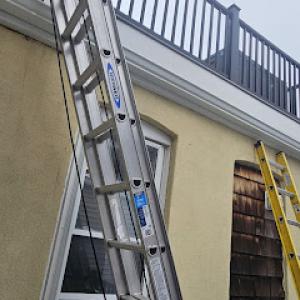
All For U Roofing & Masonry provides carpentry services, gutter services, masonry services, patio services, and more to Boston, MA, and the surrounding areas.

Storm Works Roofing & Restoration
(844) 786-7696 www.stormworksroofing.com
Serving
4.8 from 143 reviews
Belmont, MA, boasts of various roofing contractors that offer an array of services but none parallel the experience and quality provided by Storm Works Roofing & Restoration As a premier roofing contractor in the area, we have set the benchmark for excellence in both residential and commercial roofing projects. While there are many who provide roofing services, what sets Storm Works Roofing & Restoration apart is our sheer dedication to every project. Whether it's a new roof or a repair job, our team ensures that every home is treated with utmost care and precision. Serving all of New England with quality roof repair services for over 30 years! Schedule a free estimate with the expert roofers at Storm Works Roofing & Restoration today.

FRS Roofing + Gutters
Serving
4.9 from 663 reviews
FRS Roofing is the trusted roofer in Medford MA by property owners like you. Whether you need residential roof installation for your home, or simply a flat roof repair for your business you can always turn to us for help. We have been a reliable roofing company in Medford MA for two decades now and counting! Since our inception, we have managed to provide roofing, skylight and gutter services that are not only of high-quality but also of great value and seamless completion. When it comes to your roofing services, asphalt shingles, rubber roof (EPDM), slate roof, and other in the Medford MA area, you should only trust a licensed and accredited roofing company like FRS Roofing. Connect with us today at (781)-322-6252.
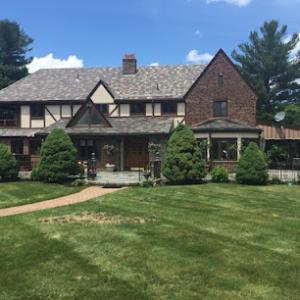
Art Slate Roofing
(617) 913-1130 www.artslateroofing.com
Serving
5.0 from 20 reviews
For over 20 years, Art Slate Roofing has been the go-to roofing company in the Cambridge area. We specialize in Historical Renovations, as well as Slate & Copper roofing. From leak repairs to emergency blow-offs, curb installations to coating, preventive maintenance to roof asset management, our roofing team can handle it all. We also offer masonry work, chimney repair, and Gutter & Downspout services. Ask about our warranty! Call today for a free estimate!
ABI Roofing
(617) 539-2090 medford-roofing-service.us
Serving
5.0 from 17 reviews
ABI Roofing, based in the vibrant city of Medford, stands as a premier roofing contractor dedicated to safeguarding homes and businesses with top-notch roofing solutions. With a wealth of experience, ABI Roofing excels in providing expert installations, repairs, and maintenance services tailored to meet the unique needs of Medford's diverse architectural landscape. Our skilled team of professionals is committed to delivering unmatched craftsmanship, using high-quality materials to ensure durability and longevity. At ABI Roofing, customer satisfaction is our priority, and we take pride in our transparent communication, competitive pricing, and timely project completion. Trust ABI Roofing to elevate your property's protection.
Cambridge reroofing schedules are disrupted by spring storms and nor'easters, which raise the risk of exposed-deck leaks during active projects. When a storm hits, a single misaligned flashing seam or a loose shingle can become a funnel for rain driven by gusty winds. Neighbors notice leaks spreading rapidly across interior ceilings and walls, especially in tightly packed terraces where heat and moisture bounce around attic spaces.
Wind-driven rain in Cambridge commonly shows up first around chimneys, skylights, and flashing transitions rather than only on open field shingles. Those vulnerable spots sit at the top edge of the roof where decks meet walls and where old copper or slate transitions have aged. If you see rain blowing horizontally into a vent boot or around a chimney chase, treat it as a red flag for immediate action.
Quick tarping is not decorative-it buys you time and limits interior damage during storms. If active rain is evident, position a sturdy tarp (with nails or screws, not just staples) over the affected area and secure downwind edges. Avoid walking on fragile sheathing; keep access clear for the crew to reseal or reflash as soon as the weather eases.
The local contractor market strongly emphasizes quick response, reflecting homeowner demand for immediate leak control during storm events. Expect crews to prioritize exposed sites, stage portable lighting, and communicate a rapid plan for temporary containment and a targeted repair window.
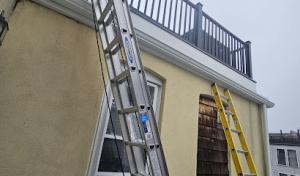
You can reduce risk by pre-storm planning: identify vulnerable zones, keep a roll of tarps handy, verify ladder stability for roof access, and have a rapid contact list ready for after-hours calls. When a nor'easter comes, speed saves ceilings and keeps families dry.
Find local contractors experienced in assessing and restoring roofs after hail, wind, and severe weather events.


Storm Works Roofing & Restoration
(844) 786-7696 www.stormworksroofing.com
Serving
4.8 from 143 reviews
In this market, Cambridge costs are pushed up by labor-intensive tear-offs on older homes with multiple roof planes, chimneys, dormers, and specialty flashing details. Every ridge line and valley can demand extra setup, protection, and careful maneuvering to avoid damaging historic masonry or surrounding landscaping. The net effect is that removals and rebuilds aren't a simple one-slope swap; they require deliberate staging and precise flashing integration, which translates to higher labor hours and elevated costs per square.
Dense lot lines, limited staging space, and difficult debris handling in Cambridge neighborhoods can increase setup and cleanup complexity compared with easier-access suburbs. Scaffolding, material hoists, and waste containment must work within tight yards or street-facing work zones, often forcing crews to work around street parking and awkward access points. Expect slightly longer project timelines and incremental costs tied to careful debris containment, additional protection around landscaping, and more meticulous teardown-to-installation sequencing to protect adjacent properties.
Material choice matters sharply in Cambridge because the local roof mix includes premium systems like slate and copper alongside standard asphalt shingles. Slate and copper offer longevity and a period-correct aesthetic but come with substantial upfront costs and specialized installation skills. If your property features dormers, chimneys, or massing that creates microclimates on different faces of the roof, premium materials may align better with long-term durability and freeze-thaw resilience. For older homes with proven ice-dam vulnerability, carefully selected underlayment, ridge ventilation, and flashings tailored to complex transitions can help extend roof life and reduce repeated damage during freeze-thaw cycles.
Begin with a detailed, site-specific inspection to map all planes, flashings, valleys, and drainage points. Prioritize replacement in areas most affected by ice dams and water intrusion, and consider staged work if several sections require attention without a full teardown. When evaluating bids, ask for a clearly itemized breakdown that separates tear-off, disposal, and disposal-envelope constraints from the material cost and labor for specialty flashings. If premium materials are on the table, request long-term performance data and confirm compatibility with existing chimneys and dormer details to avoid costly retrofit work later.
The most popular roofing material in the US. Find pros who install, repair, and replace asphalt shingles.
In Cambridge, a full reroof project usually requires a building permit before any shingle, tile, slate, or metal work begins. This isn't just a formality-the city uses these permits to verify that the roof's structure, drainage plan, and weatherproofing details meet local standards and historic-area considerations. If your home has distinctive features, such as slate or copper, the permit process also helps confirm materials and workmanship align with neighborhood expectations. Expect review to consider factors like scaffolding access, waste containment, and street right-of-way impacts.
Permit applications and project details are generally submitted through Cambridge's online city portal rather than in-person visits alone. Prepare a clear scope of work, including roof type, square footage, underlayment choices, flashing details, venting, and any exterior alterations associated with the roof. Submitting photos of current conditions and a rough sequence of work can help speed the review. If any historic or landmark concerns apply to your street, include documentation from your contractor outlining how the project preserves the roof's character while addressing modern performance needs.
The Building Department review typically includes staged inspection checkpoints for underlayment and flashing. These checkpoints are designed to catch ice-dam risks and drainage issues early, which is crucial in freeze-thaw cycles. Expect inspections to verify that the underlayment is continuous, properly lapped, and compatible with potential ice barriers in vulnerable eaves. Flashing at valleys, chimneys, and roof-to-wall transitions should be inspected for corrosion resistance, sealant compatibility, and proper integration with cladding.
A final inspection at completion confirms that the entire installation adheres to code and approved plans. During this visit, inspectors look for proper ventilation, secure fasteners, correct flashing termination, and overall workmanship that reduces long-term water intrusion risks. If anything needs adjustment, scheduling a timely follow-up ensures the roof can perform through Cambridge's harsh winters with minimized ice-dam vulnerability.
In Massachusetts, Cambridge homeowners commonly face insurer requests for detailed estimates, photos, and records showing roof condition before a storm loss. When a claim arises after a wind or hail event, the adjuster will want a clear, documented trail that links the damage to the storm, not pre-existing wear. Having organized files ready speeds the process and reduces back-and-forth.
Wind and hail claims are the most relevant storm-related roof claims in this market, and coverage can be affected by roof age and material type. If your roof is older or made from slate, copper, or patched mixed materials, the insurer may scrutinize whether damage is new or ongoing wear. A cautious, thorough presentation helps prevent disputes about what was already failing and what the storm actually caused.
Older Cambridge roofs with slate, copper, or patched mixed-material sections may require especially careful documentation so adjusters understand what was damaged versus pre-existing wear. Take time-stamped photos from multiple angles, note any pre-existing granule loss or patina, and include recent maintenance records. A labeled, point-by-point damage map on the roof, matched to interior signs of water intrusion, can clarify scopes for the adjuster and avoid misinterpretation.
After a storm, secure access to the attic and upper rooms to inspect for leaks, mold risk, or condensation that could complicate an insurance evaluation. If you notice accelerated deterioration near flashing, dormers, or chimneys, document those hotspots with measurements and close-ups. Honest, precise documentation helps ensure the claim reflects the actual storm impact, not pre-existing conditions.
Connect with contractors who help homeowners navigate the claims process from damage assessment to final approval.

Clancy Roof & Leak Repairs
(617) 467-2455 clancyroofrepaircharlestown.com
Serving
5.0 from 53 reviews
Cambridge's warm, humid summers can accelerate wear on roof membranes and fasteners after winter stress has already weakened roof details. In homes with older flashing, copper or slate details, or asphalt overlays, you'll notice more vulnerable edges and joints as humidity builds. To mitigate this, inspect vent boots, drip edge, and ridge caps after the hottest weeks and before leaf drop. If you see exposed fasteners, consider resealing or upgrading to stainless or copper components where feasible. Dry, sunlit attic temperatures can mask moisture signs, so use a moisture meter or a simple water test around joints after a hot afternoon to catch hidden leaks early.
Autumn leaf accumulation is a practical issue in this city because clogged gutters and valleys hold moisture against roof edges heading into freeze season. Prior to the first hard freeze, remove leaves from gutters and downspouts and clear VALLEYS of vegetation. Pay special attention to areas where slate, clay, or copper penetrations occur-meshes and screws can corrode or trap debris. Install gutter guards where appropriate to minimize ongoing buildup, especially on homes with tall eaves or multiple roof planes in close proximity to each other. After leaf drop, recheck flashing at chimney and roof-to-wall transitions; damp leaves lingering on this junction can accelerate ice dam development during thaw cycles.
Late spring through early fall is the preferred replacement window in Cambridge to avoid winter weather and reduce installation risk from spring storms. Scheduling major repairs or roof replacements in this period also aligns with drying cycles after winter moisture. If planning a project, aim for a stretch with stable temperatures and minimal heavy rainfall. Coordinate cleanup and protective tarping to minimize debris on already stressed membrane edges, and ensure crews bring adequate moisture barriers and heater-free heating methods to limit condensation during installation.
Develop a routine for mid-summer drip-edge and gutter checks and a late-summer, pre-fall inspection focusing on valleys and eaves. Maintain clear access to attic vents to allow proper air exchange, which reduces condensation that can worsen freeze-thaw damage. A proactive approach now saves fragile edges from ice- dam stress when the season shifts.
Cambridge homeowners tend to prioritize fast response and cleanup because projects happen close to neighbors and on tight sites. In dense neighborhoods, a quick start minimizes street disruption and eases parking constraints around the job. Look for crews that clearly schedule access windows, protect landscaping, and contain debris with clean, methodical cleanup at day's end. Ice-dam season amplifies the need for rapid tarps and temporary protection to prevent water intrusion into living spaces while the roof is being addressed. A plan that emphasizes containment and communication makes a late afternoon weather window less stressful.
Long-established reroofing contractors are a meaningful part of this market, which matters on older Cambridge homes where repair judgment is as important as installation speed. Ask about past projects with slate, copper, or historic detailing, and request references that reflect similar parcel sizes and roof lines. You want crews that can interpret the existing roof's quirks, retain necessary flashings, and manage delicate work around chimneys and dormers without sacrificing speed. In tight neighborhoods, a thoughtful approach to staging and material protection often saves time and avoids revisit calls.
Chimney-related roof work shows up often in the local market, matching the number of older homes where chimney flashing is a recurring leak point. Expect guidance on flashing integration with surrounding masonry, proper counter-flashing, and secure drip edges. Plan inspections that verify cap integrity, mortar condition, and previous repairs, since these details directly affect ice-dam vulnerability. When scheduling, prioritize a coordinated plan that treats chimney work as a core element, not an afterthought, to reduce future call-backs and maintain roof longevity.