
Last updated: Apr 19, 2026
Somerville's large stock of older triple-deckers, attached homes, and renovated multifamily buildings often combines aging insulation, uneven ventilation, and patched roof sections. That mix creates cold spots along eaves and inconsistent heat in the attic, so snow melts where it should not and refreezes where it can push water under shingles and into the roof deck. When a cold snap hits, water can back up behind the dam, sneak past faulty flashings, and travel along stiff party walls and chimneys. The risk is highest on low-slope rear roofs and additions that were tacked on as the building grew, leaving imperfect seams and hidden leaks waiting to surface after a heavy thaw.
In dense blocks, weather and roof design are a single system, not separate parts. Water tends to move along the path of least resistance, which in these neighborhoods means party walls, shared chimneys, and rear additions. In Davis Square, Union Square, Winter Hill, and East Somerville, you may see a small drip inside a room far from the original leak source because the water followed the narrow hallway or column of masonry to the interior. This makes locating the real origin a challenge for homeowners who aren't sure whether the damage is from a roof, a flashing seam, or a chimney crown that failed during a past winter. Expect that tracing the leak will take careful, methodical inspection and a willingness to check upstairs, in the attic, and along exterior walls.
During a cold stretch or a fresh snowfall, prioritize keeping the roof surface clear of heavy ice buildup where feasible and safe. If a dam forms, don't wait for it to worsen: have an emergency tarping plan ready and arrange quick temporary protection to minimize advancing water. Leverage your closest exterior access to inspect for missing or loose shingles, damaged flashing around chimneys, and obvious gaps at eaves. If water appears inside, inspect an interior wall or ceiling near exterior corners and vent penetrations; trace toward the roof to identify whether the leak follows a pipe chase, a joint, or a patched section that may have shifted in the seasons.
Address aging insulation and uneven ventilation now to reduce future ice dam risk. A concerted focus on sealing attic penetrations, upgrading attic insulation, and ensuring proper ventilation balance between soffit and ridge lines can make a real difference for dense, older homes. Where roof sections were patched, consider comprehensive assessments of flashing, membrane integrity, and the condition of underlying sheathing. In tight neighborhoods, addressing a few weak points can stop ice dam formation from being a recurring winter headache, and reduce the cascade of interior damage that spreads along walls and through additions.
In Somerville, the housing stock includes many low-slope rear additions, porches, dormers, and small multifamily roof sections that age differently from the main pitched roof. Those rear and auxiliary roofs can be the first place where ice dams form and leaks show up, even when the front roof looks fine. On tightly packed urban homes, drainage problems on low-slope sections can affect adjacent walls, chimneys, and upper-story additions before the source is obvious from the street. Because many local homes have mixed roof systems, homeowners often need contractors who can evaluate both the visible front roof and the less visible low-slope rear sections during the same project.
Before any work starts, map out every roof surface involved in the project-front pitched roof, rear low-slope additions, dormers, porches, and any flat sections that drain toward shared walls. The goal is to identify potential cross-drainage issues and confirm that gutters, downspouts, and scuppers are tied into a consistent drainage plan. Ask the contractor to confirm the scope includes both the front roof and the rear low-slope components, even if the rear area appears secondary. A thorough plan reduces the chance that a leak pops up after a few thaw cycles.
Ice dams in tight urban rows often start on low-slope sections and then back up onto the main roof or into wall penetrations around chimneys and dormers. When planning, demand attention to insulation continuity at the edges of the low-slope areas, proper venting for any attic or ceiling cavities connected to the rear additions, and a continuous water barrier under all roof coverings. Ensure that the underside of the low-slope roof is sealed where it meets walls, and that any expanded or repaired flashing around chimneys, vents, or dormers is integrated with the existing front roof's drainage system. The contractor should emphasize that addressing the rear surface alone without upgrading drainage paths elsewhere often results in recurring leaks.
Somerville homes frequently blend roof types in one project. The selection should account for compatibility between front and rear surfaces, including flashing beading, sealant compatibility, and fastener choices that perform well in winter conditions. For low-slope sections, consider materials with robust water shedding and compatible flashing that can resist ice formation along seams. If a flat or near-flat rear surface exists, confirm proper slope toward drains, not toward walls, to minimize water standing and ice build-up. Coordination of materials across surfaces helps prevent mismatched expansion or contraction that can create new leak paths.
Coordinate sequencing so that rear roof work occurs in a window that allows the contractor to test drainage at multiple points. Schedule a dry-out phase after water intrusion is addressed, checking all penetrations around vents, chimneys, and dormers. Maintain clear access for front and back water controls during thaw cycles, and verify that temporary barriers or tarps protect interior spaces while the flat sections are being repaired or resealed.
After installation, establish a routine check of the drip edges, flashing around all penetrations, and the integrity of seals at transitions between front and rear surfaces. In winter, inspect and clear any debris from gutters and downspouts on both front and rear roofs before freezing conditions intensify. Regular seasonal inspections help ensure the mixed-system roof remains watertight through New England's recurring freeze-thaw cycles.
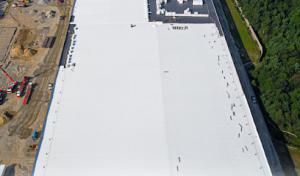
Find specialists in TPO, EPDM, and built-up flat roofing systems for residential and commercial properties.

Storm Works Roofing & Restoration
(844) 786-7696 www.stormworksroofing.com
Serving
4.8 from 143 reviews
Doherty Slate Roofing
(617) 595-1551 dohertyslateroofing.com
96 Sycamore St, Somerville, Massachusetts
4.9 from 55 reviews
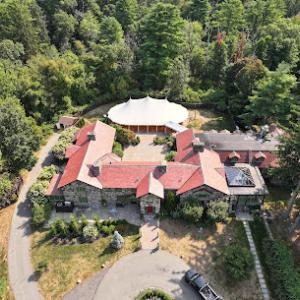
We are slate copper specialists and an award-winning company. Our craftsmanship is prestigious. Unlike other roofing companies, We match identical roof slates to existing slate roofs. This means slate size, slate color, slate age, and thickness to conduct slate roof repairs. We design and install high-end custom copper roof work, Copper Gutters, and install rubber roofs. Were veteran owned and operated. We strive to be the leading slate roofing company in the Boston, Brookline, Newton, and Wellesley areas. We also repair slate tile and carry out annual drone slate roof inspections, slate repairs, slate restoration, and slate installation. Searching for a slate roofing company near me, we are your slate roofing contractor.
Baxter Roof Repair & Installation
(617) 655-7503 baxterroofrepaircambridge.com
Serving
5.0 from 25 reviews
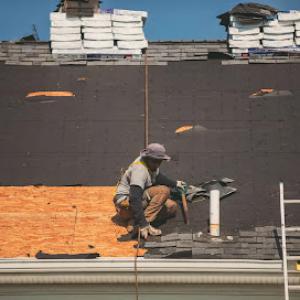
Baxter Roof Repair & Installation provides trusted, professional roofing services for homeowners and businesses throughout Cambridge. Our experienced team specializes in comprehensive roof inspections, accurate leak detection, shingle and metal repairs, full roof replacements, and preventative maintenance. We use premium materials and industry-approved installation techniques to deliver durable, weather-resistant results. Whether you’re dealing with storm damage, aging roofing components, or planning a roof upgrade, you’ll receive precise assessments, transparent pricing, and responsive scheduling. Cambridge property owners count on Baxter for dependable craftsmanship and expert roofing care tailored to their needs.
Northeast Industrial Roof
Serving
5.0 from 123 reviews
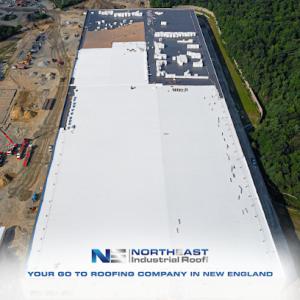
With 20 years of experience, Northeast Industrial Roof INC is your trusted roofing company in Medford, MA. Located at 510 Riverside Ave, we specialize in shingle, metal, tile, cedar, EPDM, slate, flat, green, TPO, and PVC roofing. Our services cover both commercial and residential roofing needs, including roof repair, maintenance, replacement, waterproofing, and gutters. Whether you need a new roof, a repair, or regular maintenance, our expert team is here to help. Choose us for reliable, high-quality roofing services in Medford and surrounding areas. Your satisfaction is our priority. Keywords: roofing Medford MA, roofing company Medford MA, roofing contractor Medford MA.
Clancy Roof & Leak Repairs
(617) 467-2455 clancyroofrepaircharlestown.com
Serving
5.0 from 53 reviews
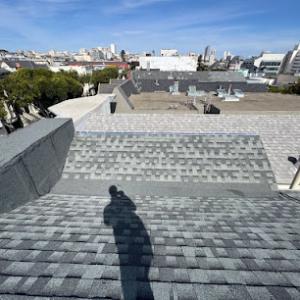
Clancy Roof & Leak Repairs specializes in finding and fixing roofing issues before they turn into costly damage. The team is skilled at tracing leaks to their exact source, repairing problem areas with durable materials, and ensuring the rest of the roof remains in good condition. For more extensive damage, they provide clear recommendations and handle larger repairs with the same attention to detail. Customers often note the quick response times, the straightforward advice, and the quality of the finished work. Clancy Roof & Leak Repairs is committed to keeping properties secure and weatherproof.

FRS Roofing + Gutters
Serving
4.9 from 663 reviews
FRS Roofing is the trusted roofer in Medford MA by property owners like you. Whether you need residential roof installation for your home, or simply a flat roof repair for your business you can always turn to us for help. We have been a reliable roofing company in Medford MA for two decades now and counting! Since our inception, we have managed to provide roofing, skylight and gutter services that are not only of high-quality but also of great value and seamless completion. When it comes to your roofing services, asphalt shingles, rubber roof (EPDM), slate roof, and other in the Medford MA area, you should only trust a licensed and accredited roofing company like FRS Roofing. Connect with us today at (781)-322-6252.
Riverside Sheet Metal & Contracting
(781) 396-0070 www.riversidesheetmetal.net
Serving
4.4 from 33 reviews
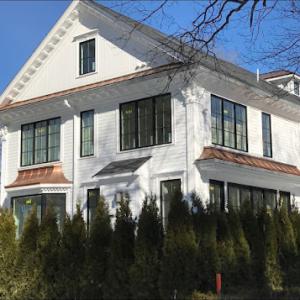
Riverside Sheet Metal specializes in custom architectural metal fabrication. With over 100 years of experience, our well-trained, dedicated staff takes pride in their work's craftsmanship and the relationships forged with our loyal customers. Our expertise is evident in every job. We have brakes and shears and specialize in cutting, bending, welding, curving, and shaping metal. Riverside fabricates custom-made hood vents, counters, gutters, chimney caps, louvers, finials, drip pans, shower pans, planters, and more. We also have a field crew specialized in installing metal roofs, gutters, chimney caps, and more. We manufacture our metal roof panels and gutters in-house. Our talented artisans specialize in zinc and copper work.
ABI Roofing
(617) 539-2090 medford-roofing-service.us
Serving
5.0 from 17 reviews
ABI Roofing, based in the vibrant city of Medford, stands as a premier roofing contractor dedicated to safeguarding homes and businesses with top-notch roofing solutions. With a wealth of experience, ABI Roofing excels in providing expert installations, repairs, and maintenance services tailored to meet the unique needs of Medford's diverse architectural landscape. Our skilled team of professionals is committed to delivering unmatched craftsmanship, using high-quality materials to ensure durability and longevity. At ABI Roofing, customer satisfaction is our priority, and we take pride in our transparent communication, competitive pricing, and timely project completion. Trust ABI Roofing to elevate your property's protection.
Storm Works Roofing & Restoration
(844) 786-7696 www.stormworksroofing.com
Serving
4.8 from 143 reviews
Belmont, MA, boasts of various roofing contractors that offer an array of services but none parallel the experience and quality provided by Storm Works Roofing & Restoration As a premier roofing contractor in the area, we have set the benchmark for excellence in both residential and commercial roofing projects. While there are many who provide roofing services, what sets Storm Works Roofing & Restoration apart is our sheer dedication to every project. Whether it's a new roof or a repair job, our team ensures that every home is treated with utmost care and precision. Serving all of New England with quality roof repair services for over 30 years! Schedule a free estimate with the expert roofers at Storm Works Roofing & Restoration today.
Brady Roofing
(781) 324-4312 www.markbradyroofing.com
Serving
5.0 from 14 reviews
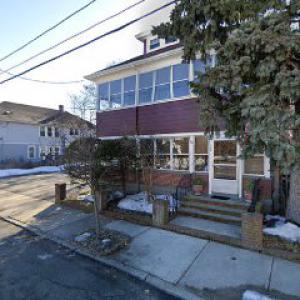
Mark Brady Roofing serving homeowners and business in Malden, MA for the past 40+ years. Our team is made up of seasoned roofing professionals dedicated to making each home's roof as safe, secure with a touch of curb appeal. Our years of roofing experience has given us the opportunity to develop proven processes to ensure the roofing project has been thought through in detail, planned, materials ordered, received and staged for proper installation.
CAN Roof Construction
(857) 415-7727 canroofconstruction.com
Serving
5.0 from 119 reviews
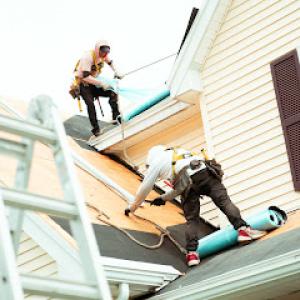
CAN Roof Construction is one of the best Roofing Contractor and Deck Builder in Boston Massachusetts providing Asphalt Roof repair and replacement, Rubber Roof Repair and replacement, Flat Roof Roof repair, Gutter installation, Deck and Porch building and serving Metro West, the Greater Boston area and all surrounding cities. We are the top Roofing Contractor in Boston MA, committed the highest customer service and workmanship quality. We are proper licensed and Insured. If you have roof leak, missing shingle or damage on your roof, get in touch with us, we would love to help you with your roof repair or replacement project. We CAN Roof it!
Joseph Savini Contracting
(781) 395-3954 www.josephsavini.com
Serving
4.6 from 31 reviews
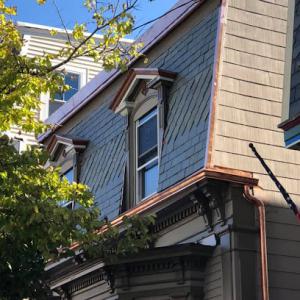
Savini is a contracting company serving residential and commercial clients in the Boston area. Since 1977, we have specialized in exterior home improvement projects including roofing and gutter installation and repairs, chimney repairs, deck building and more. With over 40 years of experience, we are confident we'll offer exceptional workmanship and customer service on every project. Now Under new management! Savini is not part of the FRS Group!
All For U Roofing & Masonry
(617) 362-8254 allforuroofing.com
Serving
5.0 from 49 reviews
All For U Roofing & Masonry provides carpentry services, gutter services, masonry services, patio services, and more to Boston, MA, and the surrounding areas.
Nor'easters and seasonal storms bring wind-driven rain that can pry shingles loose or create micro-damages you don't notice right away. In dense triple-decker neighborhoods and rear roof additions, those gaps can hide under eaves or vents, and interior staining may be the first sign of trouble after the snow melts. The risk is real in the older, low-slope sections where roof assemblies have aged and venting isn't as robust as it once was. A simple missing granule or a few lifted shingles can become a quiet pathway for water that shows up only after a heavy thaw or a new round of rain.
Massachusetts insurers commonly expect photos, installation age, and clear damage documentation, and local claim activity rises after regional wind and hail events. If a storm rattles your neighborhood, you'll want to have a well-documented record ready. Don't rely on memory alone when speaking with your insurer; catalog visible damage, date-stamped exterior photos, and any interior staining or ceiling discoloration that surfaces after the weather turns. The pattern of recent storms in these parts means insurers often scrutinize claims tied to wind-driven events, so clear, organized documentation becomes a practical asset.
Spring storms can disrupt scheduling, delaying contractor access and forcing workarounds that may look less-than-ideal but are necessary to keep water out. In the aftermath, you may find crews juggling multiple urgent repairs as homes in tight rows compete for limited access. Winter storm damage often forces temporary repairs first and full replacement later when weather improves. Those quick fixes are meant to bridge the season's cold snaps, not a permanent solution, and they can complicate longer-term warranties if not clearly coordinated with a trusted contractor.
Start a simple damage-check routine after every major storm: walk the perimeter, inspect overhangs, flashing, and vent joints, and note any new staining inside attic or ceiling spaces. If you do see issues, photograph from multiple angles and keep a dated log. When weather allows, arrange a thorough inspection with a roofer who understands the local roof assemblies and the typical aging patterns found in Somerville's dense housing stock. Early, well-documented attention can prevent a small leak from becoming a larger, costlier job once spring storms return.
Find local contractors experienced in assessing and restoring roofs after hail, wind, and severe weather events.
Storm Works Roofing & Restoration
(844) 786-7696 www.stormworksroofing.com
Serving
4.8 from 143 reviews
Asphalt shingles fit much of Somerville's existing housing because they are common on older pitched residential roofs and are generally the most economical option in the provided local cost range. For dense triple-deckers and rowhouses, their lightweight profile helps avoid strain on existing framing. In practice, you'll see a wide range of colors and styles that blend with brick and clapboard façades. When choosing asphalt, look for a کور rated shingle with good granule adhesion and a wind rating suitable for New England gusts. Pay attention to how the shingle pattern transitions where dormers meet the main roof and where low-slope sections meet steeper pitches, since these junctions are frequent leak points in older assemblies. Regular inspections in late winter-early spring help catch lifted tabs or loose fasteners caused by ice dams and freeze-thaw cycles typical of the area.
Metal roofing can be attractive for snow shedding and longevity, but detailing matters on older urban homes with chimneys, dormers, and transitions to low-slope sections. In Somerville, metal often works best on roofs with straightforward slopes or on additions that are clearly separated from the original structure. Choose metal profiles that minimize noise and maximize thermal performance, and ensure proper flashing around dormers, chimneys, and gutters. The unique urban landscape-dense layouts, tight lot lines, and flue stacks-means careful detailing at sidewalls and edge details is essential to prevent water intrusion. If metal is selected, coordinate with existing venting and chimney clearances to avoid compromising the integrity of older roof assemblies.
Clay tile, concrete tile, wood shakes, and synthetic products appear in the market, but homeowners should evaluate structural suitability and architectural fit carefully on older Somerville buildings before switching from lighter materials. Clay and concrete tiles bring a distinct look and durable performance, yet their weight requires a structural assessment of the existing roof deck and supporting members-some older homes may need reinforcement. Tile roofs can be less forgiving of irregular shapes, overhangs, and transitions, which are common where rear additions meet the primary structure. Wood shakes provide a traditional character but demand vigilant maintenance against moisture, rot, and insects in a climate with freeze-thaw cycles. Synthetic products can mimic natural textures while reducing weight, but verify long-term performance on urban roofs with multiple penetrations and tight drainage paths. In older configurations, ensure compatibility with chimneys and dormers, and confirm that fasteners and underlayment choices align with the specific detailing demands of tight knit-quarter construction.
On Somerville's tight urban fabric, any material choice should prioritize reliable ice dam prevention, secure flashing at penetrations, and robust edge detailing. Older roofs frequently rely on multiple layers, with low-slope rear sections that are prone to water tracking during freeze-thaw cycles. When evaluating materials, consider how the new roof will interact with existing interior ceilings and attic insulation, since poor attic ventilation and insulation can exacerbate ice dam formation. The best approach is to pair a durable, well-sealed roof assembly with precise detailing at valleys, dormers, chimneys, and transitions, ensuring a long-lived barrier against snowmelt and leaks in the winter months.
Provided local cost ranges run from 400 to 700 USD per square for asphalt shingles, 900 to 1400 for metal, 1500 to 2800 for clay tile, 1200 to 2300 for concrete tile, 700 to 1500 for wood shingles or shakes, and 500 to 1000 for synthetic or composite shingles. In practice, price per square can shift with roof complexity, roof height, and accessibility. When a job involves layered tear-offs, chimney flashing, or unusual geometry, these ranges bend toward the higher end even for a given material. For a typical Somerville street roof, you're likely to encounter higher crew time and debris-handling costs than suburban comparables, simply because staging space is tight and trucks must negotiate crowded, narrow blocks.
Dense streets and limited staging space are the primary price accelerants. Debris containment and cleanup take longer when access is constrained by neighboring yards, fences, or on-street parking. Close rowhouses mean more edge detailing, flashing around chimneys, and carefully feathered transitions at party walls. Older assemblies often show signs of previous repairs, which can reveal hidden rot or compromised decking once a tear-off begins. Each of these factors pushes labor-hours upward, and that translates into higher overall pricing versus a straightforward open-access re-roof.
Many Somerville homes carry low-slope rear roofs or mixed roof geometries due to additions and reconfigurations over decades. Asphalt shingles remain a frequent choice for their balance of cost and durability, but tight sites can still tilt prices toward the upper end of the 400-700 range per square when waste management and careful detailing are needed. Metal roofing, while providing longevity and ice-dam resistance, sits in the 900-1400 band and often requires precise handling of surrounding flashings and vents. Clay and concrete tiles, though less common on older stock, can appear on upper scopes or remodeled sections and will push the price substantially higher. Wood shingles or shakes, prized for appearance but sensitive to moisture, land in the 700-1500 range and demand careful installation practices to avoid warp and rapid wear. Synthetic or composite options sit lower, around 500-1000, but still face the same access challenges and flashing work if retrofitted over existing structures.
Expect the final bid to reflect not just material choice but the practicalities of Somerville access: staged deliveries, careful debris removal, and extra flashing or chimney work. If your roof holds multiple planes, or you're dealing with a layered tear-off, set aside additional contingency for waste handling and edge detailing. A thoughtful contractor will walk you through how each factor-material, pitch, and urban logistics-will shape the quote and schedule.
Get a clear picture of your project costs upfront - no commitment required.
Storm Works Roofing & Restoration
(844) 786-7696 www.stormworksroofing.com
Serving
4.8 from 143 reviews
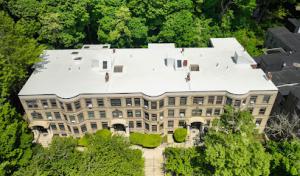
In this city, a building permit is commonly required for a full roof replacement, with review handled through the Inspectional Services Division. The permit process typically starts with a clear project scope and contractor information, so gather details about the roofing system, underlayment, ventilation, and any structural work before submission. The review is designed to confirm code compliance and practical suitability for the dense urban fabric, including the specific framing and attic configurations common to Somerville triple-deckers and rowhouse additions. Expect the timeline to reflect a careful check of safety, weatherproofing, and compatibility with the existing exterior envelope.
Permit review usually includes the project scope and contractor information, and inspections are scheduled during construction with a final inspection commonly needed to close the permit. During construction, inspections are typically staged at key milestones-after tear-off, at a mid-point of installation, and following completion before any interior finishes are sealed. For older or altered buildings, inspectors look closely at how the new roof integrates with existing dormers, chimney penetrations, and venting pathways. Having a licensed contractor who can clearly outline the sequence of work helps keep the process smooth and minimizes disruption to neighboring properties.
Because Somerville has many older and altered buildings, homeowners should confirm whether the project is a straightforward replacement or whether additional scope discovered during tear-off could affect inspection expectations. Common hidden elements include compromised sheathing, compromised structural members, or previously added additions that impact ventilation, insulation, and drainage. If extra work surfaces, inspections may require revised plans or supplemental permits. Communicate openly with the contractor about potential contingencies so the inspection schedule can adapt without delaying a successful permit closure.
Before submitting, confirm that the proposed plan clearly identifies existing roof layers, attic ventilation strategy, and drainage details, along with all penetrations and flashing locations. Have easy access to prior permit numbers or any previous renovation documents related to the roof assembly. On site, maintain clear access for inspectors to verify installation stages, including roof deck condition and underlayment installation in relation to ice dam risk considerations and the tight urban context. A coordinated, transparent submission reduces back-and-forth and helps ensure the final inspection passes without unnecessary delays.
In the tightly packed neighborhoods with aging roof lines, your insurer will often want dated photos, damage documentation, and the roof's approximate installation year when you file a claim. That timeline matters because older assemblies can raise questions about prior weather events, gradual wear, and whether a leak is new damage or a pre-existing condition. Having clear, organized records can keep a claim moving rather than bogged down in paperwork.
Nor'easters and high-wind events are part of winter and spring in this area, and they tend to drive a spike in claim volume. After a storm, adjusters and trusted local contractors are booked up quickly, which can prolong repairs and increase downstream risk if leaks go unattended. Knowing that surge is possible helps you prepare a response plan, prioritize temporary protections, and avoid last-minute scrambling when the first thaw hits.
Insurers may scrutinize underlayment and ventilation details for code compliance, a reality that hits home on older houses where roof assemblies have seen patchwork or modifications over the decades. If an underlayment or vent suite was altered without a clear record, a claim can hinge on whether those changes meet current expectations or represent a gap that needs addressing before repairs proceed. A careful, documented assessment that notes material types, ages, and any retrofits can smooth the process.
A practical consequence of these dynamics is the risk of delays and coverage questions after a significant event. In dense, older stock, leaks often reveal themselves after the first major thaw, when heat loss, ice, and wind-driven moisture converge. Your best defense is proactive documentation, a clear history of any weather-related damage, and honest notes about installation years and known modifications. This helps ensure that a claim staff can quickly align coverage with the realities of the roof assembly.
Older homes in this area often feature multiple flashing transitions where chimneys, dormers, and patched additions meet the main roof. Those intersections create a lattice of potential leak points, especially on low-slope sections at the rear. When one detail fails, water can find a path through several layers and into interior joints long before an exterior stain appears on the ridge line or fascia.
On a tightly packed roof, a tiny flashing seam around a skylight or masonry penetration can leak water into ceilings, sometimes far from the visible surface. Ice dam activity during the winter amplifies this risk, as meltwater backs up against flashing and penetrations where heat escapes through attic soffits or uninsulated chases. In Somerville, plan for proactive monitoring of every penetration once snow starts to melt, not after a visibly wet wall appears.
Begin with a hands-on inspection of all flashings around skylights, dormers, and chimneys. Look for loose nails, torn shingles at the base, and deteriorated sealant. Remove old backer rod and failed sealant, then reseal with compatible products rated for exterior use and UV exposure. For low-slope pockets, consider reinforcing with a self-adhered bituminous membrane under the flashing and at the edge joints. If flashing transitions are visible but not dripping, it's still worth re-sealing now to prevent ice dam intrusion later in the season. Use counter-flashing that overlaps the base flashing to reduce any future wind-driven uplift.
Create a maintenance calendar focused on after heavy storms and during the shoulder seasons when temperature swings stress joints. Clean gutters and downspouts to keep meltwater moving away from seals. When attic insulation is thin or gaps exist around penetrations, add insulation and air sealing to reduce heat loss and ice dam risk. Document all flashing repairs with photos so future crews can evaluate prior work quickly.
Look for contractors with demonstrated experience on chimneys and skylight flashing in dense, older housing stock. Ask to see recent repair photos of transitions similar to yours and request references from neighbors with comparable roof details. A careful, detail-oriented approach matters more than a full-scale roof replacement when the focus is preventing leaks around tight roof features.
Find contractors experienced in skylight installation, flashing, and leak repairs to bring natural light into your home.
Storm Works Roofing & Restoration
(844) 786-7696 www.stormworksroofing.com
Serving
4.8 from 143 reviews