Last updated: Apr 19, 2026
Winter in this area brings cold snaps, frequent snow, and warming thaws that create the perfect conditions for ice damming and freeze-thaw cracking. In this climate, attic heat loss and inadequate ventilation can push snow into the cold edge of the roof, where it refreezes into ice dams. These dams push water under shingles, leading to hidden rot and delayed leaks that only show up during late-winter thaws. This is a primary roof concern for local homeowners, given the older New England housing stock that often carries older underlayment and flashing details.
In late winter, watch for cracked asphalt shingles along eaves and hips, loose or rusted flashing around chimneys and vents, and visible leak paths that suddenly appear after a thaw. If you notice a stiff, pebbled shingle edge or saturated attic rafters, there's a high likelihood that ice dam damage is progressing. Be alert for warm spots on the roof after snowfall, which can indicate roof deck warming and accelerated water intrusion. If gutters pull away, or you see staining on ceilings below, treat these as urgent red flags rather than isolated incidents.
First, clear gutters and downspouts where safe to do so, ensuring weep holes are free of ice. Do not climb onto a snowy or icy roof; instead, schedule a professional inspection to assess shingle integrity, flashing, and underlayment. Improve attic insulation and ventilation to reduce heat buildup that feeds ice dam formation. Seal obvious interior water spots with temporary patches, but plan a formal roof repair as soon as weather allows. Because replacement timing is affected by winter conditions, a temporary emergency repair is often needed to bridge the gap until a full tear-off can be scheduled.
Active snow and ice can delay a full tear-off, so expect careful sequencing and temporary solutions if an immediate full replacement isn't possible. A local roofer will likely stage work around forecasted dry spells and daylight hours, prioritizing high-risk sections such as eaves and flashing joints. When winter conditions persist, a multi-day plan may be replaced by staggered visits to keep the structure watertight and to limit interior damage. Communicate clearly about the roof's current condition, the most vulnerable areas, and the best timetable for achieving a complete repair once temperatures rise.
Prioritize sealing and insulating the attic perimeter to minimize heat escape. Redirect or improve soffit and ridge ventilation so the roof deck stays closer to outside temperatures. Keep an eye on gutters and downspouts to prevent ice buildup that can push against openings. Schedule a professional inspection after heavy snows melt, and before the next winter cycle, to confirm flashing, shingles, and any vent booting are secure. In this climate, proactive maintenance paired with timely repairs is the best defense against repetitive ice dam damage.
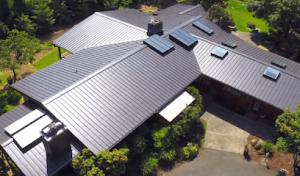
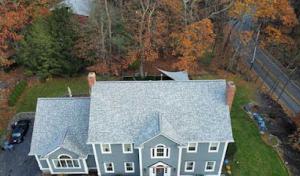
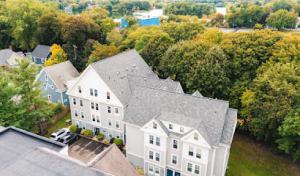
Woburn's dominant residential roofing mix runs from asphalt shingles to metal, plus clay tile, concrete tile, wood shingles or shakes, and slate. Each option plays to different house ages, roof pitches, and attic ventilation realities common in the area. Asphalt shingles remain a practical fit for most homes, offering a reasonable balance of cost, ease of installation, and repairability. Metal roofs align well on homes with steeper pitches or where you want excellent long-term durability and wind resistance. Clay and concrete tiles deliver distinctive looks and strong weather resistance, but they bring mass and weight that must be matched by structure. Wood shingles or shakes provide a traditional texture, yet they demand careful maintenance. Slate stands apart with durability, but its weight and installation sensitivity require planning. In Woburn, where older stock is common, the roof plan should reflect both the house framing and the attic's ability to vent and dry out in winter.
Winter ice dam exposure is a local reality, so material choices should consider how each roof responds to freeze-thaw cycles. Asphalt shingles can crack under repeated icing and thawing, especially if ventilation is weak or insulation is poor. Metal roofs resist ice dams well but can be noisy in heavy snow and need proper underlayment to prevent condensation issues. Clay and concrete tiles are heavy and can crack from freeze-thaw stress if there are underlying movement or improper support, though their water absorption is low and can perform well with ventilation and a robust deck. Wood shingles or shakes require precise installation to shed ice and moisture; untreated wood can deteriorate faster with freeze-thaw cycling. Slate handles freeze-thaw cycles exceptionally when installed on a solid, well-supported deck with consistent underlayment, but weight, fastener compatibility, and flashing must be meticulously planned.
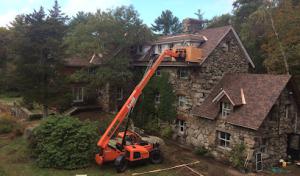
Heavier options such as slate, clay tile, and concrete tile can trigger added structural review in the permit process. Before choosing one of these heavier systems, verify that the roof framing can carry the load, especially on older homes with mixed roof lines and smaller attic spaces. For most Woburn homes, a well-installed asphalt or metal roof offers reliable performance without reconfiguring the structure. If you're leaning toward heavier materials for aesthetic or durability reasons, schedule a structural assessment to confirm this can be done safely and without compromising insulation and ventilation.
When you plan a roof replacement, match the material to the existing roof's pitch and flashings, ensuring proper integration with skylights, chimneys, and dormers common in the area. Prioritize a continuous, well-sealed underlayment and a ventilation plan that minimizes warm roof spots in winter. Regular inspections after heavy snowfalls or freeze-thaw cycles help catch cracking, curling, or lifting early, keeping repairs manageable and avoiding ice dam progression.
If you're replacing a roof in this area, you'll see distinct cost bands by material. Typical Woburn pricing runs about $450 to $750 per square for asphalt shingles, $600 to $1300 for metal, $900 to $2000 for clay tile, $800 to $1800 for concrete tile, $650 to $1100 for wood shingles or shakes, and $1400 to $3000 for slate. These ranges reflect not only the material itself but the local labor market, where skilled crews with experience handling older houses and heavy seasonal loads are in demand. The result is that a straightforward replacement can stay closer to the lower end with a standard roof, while high-end or specialty installations push toward the upper end, especially if the home requires additional decking or underlayment upgrades.
Costs in this market can rise when homeowners choose heavier materials because structural questions may add review and scope before installation. If the existing roof framing or attic space isn't ready for heavier weights, you'll need a structural assessment and possibly reinforcement. This means engineering notes, upgraded rafters or joists, and more extensive decking work. In practical terms, a slate or clay tile roof might trigger substantial prep work, and that prep work shows up as higher labor time and materials. Even mid-weight upgrades-like a thicker underlayment or added ventilation-can add to the price, but they're often worth it for longevity and ice-dam resistance in cold winters.
Seasonal demand spikes after winter ice damage and during regional storm-claim periods can affect scheduling and pricing in the local market. After a heavy freeze-thaw cycle, many homes present warranty-worthy concerns, and insurance-driven projects tend to cluster into short windows. If you're aiming for spring or late summer installation, you may face tighter availability and higher crew rates due to peak demand. Planning ahead, even by a few weeks, can mitigate some of the price volatility that comes with the weather-driven rush.
In this climate, ice dam risk and freeze-thaw cycles influence material choice beyond aesthetics. Asphalt remains the most economical and versatile, but if you're replacing an older, heavy-roofed configuration, you might weigh metal or concrete tile for better shedding and weight distribution. Clay tile offers durability but demands a solid structural foundation and precise installation to avoid ongoing maintenance issues in icy winters. Wood shingles and slate provide distinctive looks but come with higher upfront costs and stricter maintenance. Consider not just the sticker price, but the total package: underlayment, insulation, ventilation, and potential reinforcement work that can keep your roof performing through repeated freeze-thaw cycles.

Hemlock Roofing
(413) 404-7036 hemlockroofingco.com
1042 Main St Unit 2232, Woburn, Massachusetts
4.9 from 119 reviews
Hemlock Roofing is a reliable roofing company offering expert roof repairs, replacements, and installations. We serve both homeowners and businesses, delivering top-quality workmanship to ensure your property stays protected and durable. Committed to integrity and excellence in every project.
Johnny's Pro
(781) 519-9025 www.johnnyspro.com
8 Cedar St #45a, Woburn, Massachusetts
5.0 from 30 reviews
Johnny’s Pro is a trusted roofing contractor serving MA, CT, RI, and NH. We specialize in full roof replacements, including homes with existing solar systems, as well as siding and gutter upgrades. With over 17 years of experience and 7,000+ homes completed, we’re known for quality, transparency, and results that last. As Owens Corning Preferred and CertainTeed Certified installers, we follow manufacturer standards and offer extended warranties. If you’re going solar and unsure about the roofer recommended by your provider, reach out to us. Our scopes are clean, our process is smooth, and our work is built to last.
FRG Contractor Corporation
(781) 851-4202 www.frgcontractor.com
800 W Cummings Park Suite 2300, 2nd Floor, Woburn, Massachusetts
4.9 from 31 reviews
For over 20 years, FRG has provided our residential and commercial clients throughout the greater Massachusetts area with top-quality contracting services. No matter the size of the project, we are committed to delivering quality workmanship and competitive pricing. We prioritize safety standards and customer service. Our team is OSHA trained and certified to complete every job properly. FRG Contractor is also fully licensed and insured, so our clients can rest assured knowing that we are reliable and reputable. We also offer free estimates on all our services, including roofing, siding, gutters, remodeling, snow removal, general contracting, and more. Many of our services include installation, replacement, repairs, and maintenance.
USA Group Construction
(857) 991-2839 www.usagroupconstruction.com
4 Parker St, Woburn, Massachusetts
4.8 from 21 reviews
USA Group Construction, INC is your premier roofing company in Woburn, MA, and we are the ones you go to when you need someone you can really trust. Our company has been in business for over 17 years, so we are assured to be the most qualified and knowledgeable in the roofing business. We currently have HIC and Construction Supervisor licenses. Our roofing services are of superior quality, and everything is handled within the scope and schedule of your budget. #roofingcontractor#roofing#roofer#homeimprovement

KMK Roofing
(781) 935-6484 www.kmkroofing.com
14 Freedom Rd, Woburn, Massachusetts
5.0 from 13 reviews
KMK Roofing provides residential and commercial roofing services across the Greater Boston and North Shore areas of MA.
Quality Roofing by Larry
30 Sheridan St, Woburn, Massachusetts
4.1 from 21 reviews
Specializing in roof related services in Woburn, Massachusetts. We have been continually trained by GAF Materials Corporation in the latest roofing techniques, installation, product knowledge, and awareness.
Hayes Roofers &
(781) 822-1209 hayesroofissaquah.com
Serving
5.0 from 27 reviews
Hayes Roofers provides roofing services that combine skilled workmanship with attentive customer care. The crew handles everything from small leak repairs to complete roof replacements, adapting their approach to fit the needs of each project. Before work begins, the team conducts a thorough inspection to understand the condition of the roof and to recommend the most effective solution. Clients often praise the clear communication, efficient scheduling, and the clean results that leave the property looking well cared for. Hayes Roofers is committed to delivering roofs that are built to last and add value to the home.
Holland Homes Roofing
(781) 864-2525 www.roofwithhh.com
Serving
5.0 from 41 reviews
Welcome to Holland Homes Roofing, where we specialize in quality residential roofing you can see. We understand that roofing repairs are among the most formidable repairs for homeowners. A roof is a costly investment, and you don’t want to leave repairs to just anyone. You want a residential roofer that is experienced, reliable and affordable. For that, you need Holland Homes Roofing, your local Owens Corning Preferred Contractor based in Carver, MA. We have decades of experience in the residential roofing industry and our team has been serving the area for many years. If you need a roofing repair or installation, gutter work or any other roofing-related services for your home, anywhere from Carver to Billerica, contact us today!
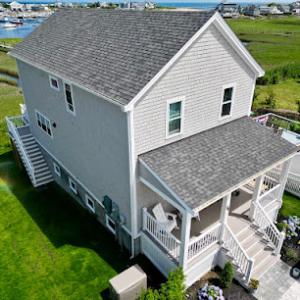
D&G Roofing & Siding
(781) 265-2435 dandgexteriors.com
Serving
5.0 from 73 reviews
D&G Exteriors is a residential and commercial roofing contractor, gutter installer, siding contractor, window and door installer and deck builder. We specialize in full replacements and large residential projects. Proudly serving the greater Boston area with the best in customer service, integrity and professionalism, from the North Shore to the South Shore. Insured and licensed.
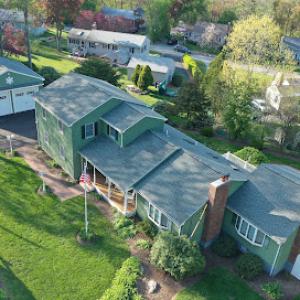
Universal Roofing Solutions
(781) 901-1203 universalroofingsolutions.com
Serving
5.0 from 88 reviews
Universal Roofing Solutions is a family-owned and locally operated roofing company with a reputation built on trust, quality, and integrity. For over 25 years, we’ve been providing top-tier roofing services to homeowners and businesses in our community, combining expert craftsmanship with a personal touch. As a proud local business, we treat every project like it’s for our own home—delivering dependable, long-lasting roofing solutions backed by decades of experience. Whether it’s repairs, replacements, or new installations, we’re here to protect what matters most—your home, your business, and your peace of mind.
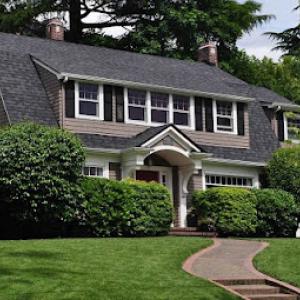
Ranch Roofing
(866) 298-4393 ranchroofing.com
Serving
5.0 from 114 reviews
When Ranch Roofing was born, with four employees two decades ago, the mission was to provide residential roofing services to home owners with only Ranch-Style homes. Bob O’Sullivan, President and founder, had the idea that if he could perfect a roofing system on one single style home, he could build customer relationships with consistent quality installs. Today, Ranch Roofing has grown to a trusted expert in the Boston roofing community that provides roofing installation on all styles of houses in Arlington, Cambridge, Lexington, Newton, Belmont and surrounding communities in the greater Boston area. We are proud to be known for quality work.
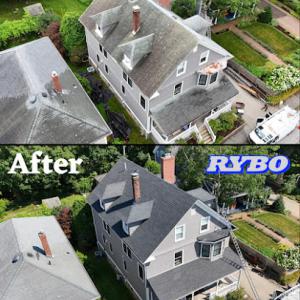
RYBO Construction & Roofing
(781) 244-8456 www.ryboconstruction.com
Serving
5.0 from 49 reviews
We are home builders and exterior renovation specialists (roofing/siding/windows/trim/decks). We can take your dreams and turn them into a reality, whether it’s making your house look like new, or working with you to build your dream home from the ground up. Call us or send a message to see if we can help you!
Woburn requires a building permit for roof replacement through the City of Woburn Building Department. Without that permit, a routine inspection can turn into a costly delay, especially when winter weather and ice dam risks are pressing. A permit is not just a formality; it sets expectations for material compatibility, structural load, ventilation, and proper attachment in a way that aligns with local climate realities. If a contractor bypasses the process, a later re-roof or repair may be necessary to meet code, and that domino effect can disrupt not only your schedule but your home's thermal performance during a Massachusetts winter.
Permit applications in Woburn typically require the contractor license, project description, and the roof material being installed. The description should be precise: name the exact roofing system, underlayment, and any attic ventilation changes. The license verification ensures that the person on-site has the authority to perform work under city and state guidelines, a critical factor given the region's freeze-thaw cycles and the potential for ice dam-related damage if systems aren't installed correctly. Plan to have the contractor's license on hand, a clear scope of work, and a note about any structural modifications or attic ventilation upgrades. Submitting accurate details helps prevent back-and-forth that can extend weather-exposed timelines during late fall or early winter.
Woburn inspections occur during and after installation, and the permit is not complete until the final inspection is closed out. That final sign-off confirms that the roof system, flashing, ventilation, and underlayment meet local standards and that the work is compatible with the home's existing structure. If a problem is found during a mid-project inspection, you'll need to address it promptly to avoid a hold-up that can leave the roof in partial status through a critical freeze-thaw period. The final inspection serves as the official green light that your permit has been satisfied and your roof is legally ready for protection against ice dams and storm-driven leaks.
Before work begins, confirm the permit is pulled and that the schedule aligns with anticipated freeze risk windows. Keep a dedicated file for permit documentation, inspection dates, and any correspondence with the Building Department. If the contractor asks for homeowner coordination, reply promptly to avoid delays that push work into harsher weather. After installation, coordinate the final inspection date and ensure all required materials and endorsements are on-site. A smooth permit path minimizes the chance of delays that could expose your home to winter damage or ice dam repercussions.
In this part of Massachusetts, carriers commonly require detailed documentation of roof age and condition for weather-related claims, and the assumption underlying a Woburn home's coverage hinges on that information being clear and current. After a wind, hail, or ice event, a well-kept record can spell the difference between a smooth claim and a drawn-out dispute. Homes in this area often carry older roofing stock that shows seasonal wear, so having a precise history helps avoid surprises when a claim lands on your desk.
Adjusters in this region may ask for contractor estimates and roof plans, so you benefit from documenting damage before any temporary repairs begin. A dated photo trail of the roof's surface, penetrations, and flashing, plus notes on suspected underlying deterioration, creates a baseline you can share with the insurer and your chosen contractor. If a contractor's assessment feels uncertain, obtain a second opinion while the initial damage remains visible. This approach minimizes back-and-forth during the claim process and reduces the chance that essential repairs are delayed.
Replacement timing in this area can be influenced by seasonal claim surges tied to winter ice damage and other regional storm activity. When a heavy melt, repeat freeze cycles, or a sudden thaw follows a harsh winter, the urgency to restore the roof can spike. Planning for a resilient, staged approach helps manage the risk of ice dam recurrence and potential interior damage. Keep in mind that the sequence of events from storm impact to approval, ordering, and installation often unfolds more slowly than anticipated, especially after a busy weather period.
Before scene-changing repairs start, gather the roof's age documentation, photos of prior patches, and a complete list of visible problem areas. Maintain a simple log of storm dates, observed leaks, and any interim measures taken, such as temporary tarping or partial shingle resealing. When speaking with your insurer or adjuster, present a concise, organized package that ties every observed issue back to the roof's history and to the anticipated scope of replacement or restoration. This disciplined approach helps protect the home against lingering wind, hail, or ice damage while keeping the process anchored in solid documentation.
Connect with contractors who help homeowners navigate the claims process from damage assessment to final approval.
In Woburn, spring thaw and heavy rain create leak risk during active replacement projects, so planning around the weather window is crucial. A contractor with a well-structured calendar can help you avoid back-to-back storms that complicate tarps, flashing, and interior protection. If possible, set up work to begin after a dry spell and finish before the next big thaw or deluge. The goal is to keep crews on the roof long enough to install under consistent conditions, without exposing newly installed materials to sudden cold snaps or soaking rain.
Summer in this area is hot and humid, which can affect installation conditions and accelerate wear on aging asphalt roofs. Heat makes safety checks and shingle handling more challenging, and humidity can influence sealant performance and underlayment behavior. Consider starting early in the day to avoid peak heat, and ensure the crew uses proper ventilation in attic spaces to manage heat buildup. For older roofs, verify that the attic and soffit venting is sufficient to keep the roof deck dry during installation and to prevent thermal stress on components.
Autumn wind storms in Woburn increase debris buildup and shingle uplift risk, often making fall inspections important before winter snow arrives. Schedule an early fall assessment to identify loose or damaged shingles, lifting, or gutter congestion that could trap moisture. Have a plan for debris containment on windy days, and ensure temporary protections are in place for exposed flashing and vent pipes. Timely attention to these issues reduces the chance of wind-driven damage once the snow starts or when freeze-thaw cycles begin.
Flat-roof specialization is meaningfully present in the Woburn market, indicating a real local need beyond standard pitched residential reroofing. On low-slope sections, winter snow and ice can linger longer than on steep roofs, prolonging moisture exposure and complicating drainage. After a harsh winter, the first spring rain can reveal issues that were invisible under snow, making early detection essential.
Low-slope designs tend to accumulate meltwater and ice near edges and penetrations. Ice dams form when heat escapes from the attic or upper floors, warming the roof deck unevenly and refreezing at eaves. In a dense Boston-area labor market, how a roof is flashed around vents, skylights, and transitions to gutters matters a lot for long-term performance. Flat-roof membranes that look fine in dry weather can fail unexpectedly once spring rain arrives, especially if there is prior ice damage or ponding.
Check for ponding water after storms and inspect edge detailing for signs of edge gullies, loose flashings, or punctures. In spring, focus on seams, penetrations, and drip edges where meltwater could back up. During a good-weather window, remove debris that blocks drainage and verify that any internal drainage plan remains unobstructed. If there are visible blisters or surface cracking on a flat membrane, plan a professional assessment rather than a DIY patch that may fail under freeze-thaw cycles.
Keep an eye on any new leaks after heavy rains, especially if attic temperature control was uneven over winter. Look for damp areas on ceilings near flat sections, and note any staining along curb edges or parapets. This is the period when early intervention can prevent widespread interior damage and costly repairs.
Find specialists in TPO, EPDM, and built-up flat roofing systems for residential and commercial properties.
USA Group Construction
(857) 991-2839 www.usagroupconstruction.com
4 Parker St, Woburn, Massachusetts
4.8 from 21 reviews