Last updated: Apr 19, 2026
Winchester's cold winters and repeated freeze-thaw cycles make ice damming a primary roof stressor rather than a rare event. When snow rests on a steep roof, the sun's warmth and interior heat melt it near the eaves, then the melt refreezes at the colder edge, creating ice dams that back up water under shingles. That backflow can invade soffits, ridge lines, and interior walls, finding its way into ceilings and insulation. Older homes with steep roof lines are particularly vulnerable because their geometry concentrates snow into slippery traps and long valleys where heat loss is most pronounced. If you hear dripping or notice staining near attic kneewalls, attic lathes, or along chimney intersections, you're facing a dammed-up problem that demands immediate attention.
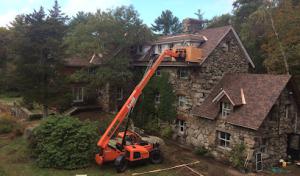
The town's older housing stock commonly has steep roof forms, dormers, valleys, and chimney intersections that create snow-trapping and refreeze points. Dormers interrupt the roof plane and create additional cold spots where meltwater can refreeze, while valleys channel heavy water toward vulnerable seams. Chimney intersections are notorious for flashing failures that let water intrude beneath shingles, flashing, and underlayment. When you couple these structural features with seasonal snow loads, the risk isn't a single event-it's an ongoing cycle of snow accumulation, melt, drainage bottlenecks, and refreezing. On a windy street or at the crest of a hill, ice can form dramatic barriers along eaves, exposing roof edges to accelerated thaw cycles and material fatigue.
Warm summers followed by winter temperature swings accelerate shingle aging and flashing movement on roofs that already carry seasonal snow loads. As daytime heat expands materials and nighttime cold contracts them, fasteners can loosen, flashing shifts, and sealant joints lose adhesion. Watch for softened asphalt edges, curling shingles, or lifted flashing near dormers and chimneys after a warm spell followed by a cold snap. Pay attention to gutters and downspouts: ice buildup here is often a symptom of upstream damming and inadequate drainage. If you notice new ice blocks forming along eaves or at roof penetrations after a thaw, you're seeing the consequences of aging components failing to shed meltwater efficiently.
Timing is everything. In late fall, before the first big cold snap, clear loose snow from low-slope sections and around dormers and chimneys while keeping safe. If you have attic spaces, seal obvious air leaks around vents, soffits, and around chimneys to reduce heat loss into the roof structure. Improve attic insulation to keep the roof cooler in winter and slower to heat up during warm spells. Consider installing heat tape only where necessary and with professional installation to prevent dangerous short-circuits; rely on a licensed roof pro to assess whether it's appropriate for your configuration. Regular inspections after heavy snows identify compromised flashing, shingle damage, or deteriorating underlayment before water intrusion becomes visible in ceilings. When a dam forms, do not rely on a DIY drip-and-wait approach-water damage can spread quickly through concealed channels. Immediate professional assessment can determine whether repairs should focus on selective shingle replacement, enhanced flashing at valleys, or improved drainage solutions.
Think of your roof as a living system that responds to Winchester's climate cycles. Seasonal snow loads, detritus buildup, and aging materials create a recipe for progressive damage if left unchecked. Establish a routine that combines early-season inspection, targeted maintenance around valleys and chimney intersections, and rapid response to ice buildup during thaw events. A vigilant homeowner, paired with timely professional interventions, markedly reduces the chance that an ice dam will escalate into a costly interior repair. If you notice recurring ice damging patterns after winter storms, plan a comprehensive roof evaluation with a local roofer who understands the town's aging stock and its unique stress points.
In this town, spring storms and hail are a meaningful local trigger for intermittent roof damage and insurance-driven inspections. The mix of thawing days and fresh round of wet weather can expose weak spots on steep, older roofs before the next freeze sets in. As soon as a season-changing storm passes, you should treat any new granule loss, dented fasteners, or exposed sheathing as a warning sign rather than a cosmetic issue. A rapid visual from ground level can catch obvious breaches, but a careful attic check after the first warm morning is essential to uncover concealed leaks. If you find water streaks along interior walls, damp insulation, or ice-freeze cycles on shingles that shouldn't be showing, arrange a professional assessment promptly. The risk compounds when storms arrive in quick succession, creating a backlog of hidden damage that can escalate into costly repairs if ignored.
Autumn winds combine with heavy leaf drop from mature trees to clog valleys and gutters, backing water onto roof edges. In this climate, clogged drainage channels are a frequent cause of ice dam formation once the temperatures swing and the snow begins. The moment you notice leaves piling up in valleys, gutters, and around roof edges, you should act. Clear debris with care, but also inspect the condition of flashing and drip edges where leaves can hide cracks or detachment. Pay particular attention to the transitions where your roof meets chimneys or skylights, because accumulated debris there can create slow leaks that worsen after a few freeze-thaw cycles. If there is any discoloration on the underside of roof sheathing or staining along eaves, treat it as a high-priority warning sign and contact a roofer who understands older materials and historic detailing.
Weather delays are a practical part of Winchester roof scheduling, especially when storm demand spikes collide with narrow spring and fall work windows. Even a seemingly simple repair can stall when a week of steady rain or a sudden cold snap pushes projects back. The result is a crowded calendar of inspections, repairs, and replacements that can leave vulnerable roofs exposed longer than ideal. To stay ahead, plan for a flexible inspection window right after major storms, and arrange temporary protective measures-like tarping or plywood covers-if a full repair cannot be completed promptly due to weather. A proactive approach minimizes the risk of consequential damage between storms and ensures a safer, drier interior through the wet portions of the season. If a schedule tightens, prioritize critical spots: obviously leaking ceilings, damp attic spaces, or compromised flashing near valleys and dormers.
When a storm rolls through, your immediate decision points are straightforward. Is there visible damage on the shingles or flashing after the storm? Are valleys blocked with debris or overflowing gutters? Is there interior evidence of water intrusion in the upper floor or attic? If yes, contact a local roofer with experience in historic materials and steep-slope systems without delay. In this climate, timely action is the best defense against ice dam progression and freeze-thaw damage, especially on older steep-roof homes near water bodies and wooded corridors.
Find local contractors experienced in assessing and restoring roofs after hail, wind, and severe weather events.
Hayes Roofers &
(781) 822-1209 hayesroofissaquah.com
38 Church St suite 793, Winchester, Massachusetts
5.0 from 27 reviews
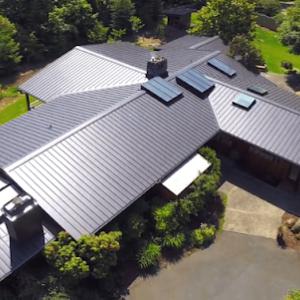
Hayes Roofers &
(781) 822-1209 hayesroofissaquah.com
38 Church St suite 793, Winchester, Massachusetts
5.0 from 27 reviews
Hayes Roofers provides roofing services that combine skilled workmanship with attentive customer care. The crew handles everything from small leak repairs to complete roof replacements, adapting their approach to fit the needs of each project. Before work begins, the team conducts a thorough inspection to understand the condition of the roof and to recommend the most effective solution. Clients often praise the clear communication, efficient scheduling, and the clean results that leave the property looking well cared for. Hayes Roofers is committed to delivering roofs that are built to last and add value to the home.

Hemlock Roofing
(413) 404-7036 hemlockroofingco.com
Serving
4.9 from 119 reviews
Hemlock Roofing is a reliable roofing company offering expert roof repairs, replacements, and installations. We serve both homeowners and businesses, delivering top-quality workmanship to ensure your property stays protected and durable. Committed to integrity and excellence in every project.

FRS Roofing + Gutters
Serving
4.9 from 663 reviews
FRS Roofing is the trusted roofer in Medford MA by property owners like you. Whether you need residential roof installation for your home, or simply a flat roof repair for your business you can always turn to us for help. We have been a reliable roofing company in Medford MA for two decades now and counting! Since our inception, we have managed to provide roofing, skylight and gutter services that are not only of high-quality but also of great value and seamless completion. When it comes to your roofing services, asphalt shingles, rubber roof (EPDM), slate roof, and other in the Medford MA area, you should only trust a licensed and accredited roofing company like FRS Roofing. Connect with us today at (781)-322-6252.
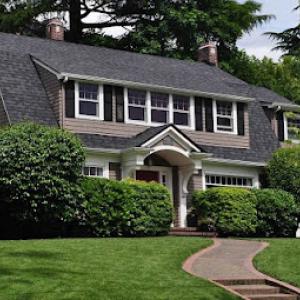
Ranch Roofing
(866) 298-4393 ranchroofing.com
Serving
5.0 from 114 reviews
When Ranch Roofing was born, with four employees two decades ago, the mission was to provide residential roofing services to home owners with only Ranch-Style homes. Bob O’Sullivan, President and founder, had the idea that if he could perfect a roofing system on one single style home, he could build customer relationships with consistent quality installs. Today, Ranch Roofing has grown to a trusted expert in the Boston roofing community that provides roofing installation on all styles of houses in Arlington, Cambridge, Lexington, Newton, Belmont and surrounding communities in the greater Boston area. We are proud to be known for quality work.
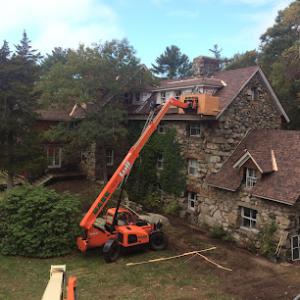
USA Group Construction
(857) 991-2839 www.usagroupconstruction.com
Serving
4.8 from 21 reviews
USA Group Construction, INC is your premier roofing company in Woburn, MA, and we are the ones you go to when you need someone you can really trust. Our company has been in business for over 17 years, so we are assured to be the most qualified and knowledgeable in the roofing business. We currently have HIC and Construction Supervisor licenses. Our roofing services are of superior quality, and everything is handled within the scope and schedule of your budget. #roofingcontractor#roofing#roofer#homeimprovement
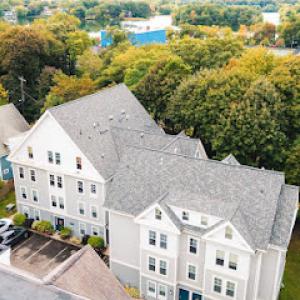
RB Farina Roofing
(781) 648-5446 www.farinaroof.com
Serving
4.8 from 524 reviews
RB Farina Roofing has been providing top-quality roofing services in Arlington, Massachusetts, for over 41 years. As a trusted roofing company, we specialize in roof installation, repair, and maintenance for both residential and commercial properties. In addition to roofing, we offer expert gutter services, including gutter cleaning and siding solutions to enhance your home’s protection and curb appeal. Our experienced team is committed to delivering reliable, long-lasting results with exceptional customer service. Whether you're in need of roof repair or a complete roof replacement, choose RB Farina Roofing—your trusted roofing contractor in Arlington, Massachusetts.
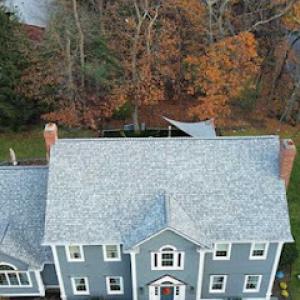
Holland Homes Roofing
(781) 864-2525 www.roofwithhh.com
Serving
5.0 from 41 reviews
Welcome to Holland Homes Roofing, where we specialize in quality residential roofing you can see. We understand that roofing repairs are among the most formidable repairs for homeowners. A roof is a costly investment, and you don’t want to leave repairs to just anyone. You want a residential roofer that is experienced, reliable and affordable. For that, you need Holland Homes Roofing, your local Owens Corning Preferred Contractor based in Carver, MA. We have decades of experience in the residential roofing industry and our team has been serving the area for many years. If you need a roofing repair or installation, gutter work or any other roofing-related services for your home, anywhere from Carver to Billerica, contact us today!
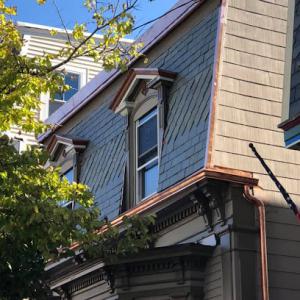
Joseph Savini Contracting
(781) 395-3954 www.josephsavini.com
Serving
4.6 from 31 reviews
Savini is a contracting company serving residential and commercial clients in the Boston area. Since 1977, we have specialized in exterior home improvement projects including roofing and gutter installation and repairs, chimney repairs, deck building and more. With over 40 years of experience, we are confident we'll offer exceptional workmanship and customer service on every project. Now Under new management! Savini is not part of the FRS Group!
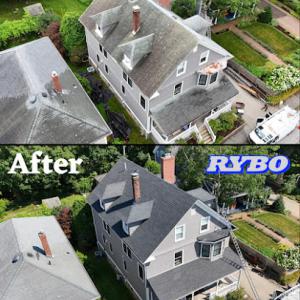
RYBO Construction & Roofing
(781) 244-8456 www.ryboconstruction.com
Serving
5.0 from 49 reviews
We are home builders and exterior renovation specialists (roofing/siding/windows/trim/decks). We can take your dreams and turn them into a reality, whether it’s making your house look like new, or working with you to build your dream home from the ground up. Call us or send a message to see if we can help you!
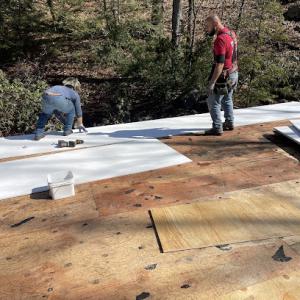
Wisdom Roofing
(617) 461-7450 wisdomroofing.com
Serving
4.9 from 89 reviews
Wisdom Roofing has been in this industry for the past many years and offering clients with numerous repairing and installation services including roof shingles and rubber roof throughout Medford. Shingle roofing is no doubt is the most common types of roofing that are used in the US today. Shingle roof is one of the types of roofing that is stress-free to install and last with you for years. That is why we at Wisdom Roofing offer repair and installation of shingle roofs with great level of craftsmanship and dedicate customer service. Our business is situated in Malden, US and we work to serve our customers throughout Malden and its surrounding areas.
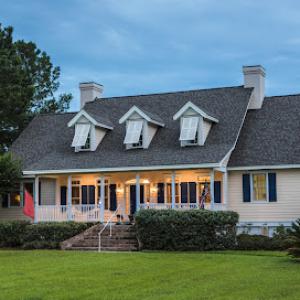
Johnny's Pro
(781) 519-9025 www.johnnyspro.com
Serving
5.0 from 30 reviews
Johnny’s Pro is a trusted roofing contractor serving MA, CT, RI, and NH. We specialize in full roof replacements, including homes with existing solar systems, as well as siding and gutter upgrades. With over 17 years of experience and 7,000+ homes completed, we’re known for quality, transparency, and results that last. As Owens Corning Preferred and CertainTeed Certified installers, we follow manufacturer standards and offer extended warranties. If you’re going solar and unsure about the roofer recommended by your provider, reach out to us. Our scopes are clean, our process is smooth, and our work is built to last.

KMK Roofing
(781) 935-6484 www.kmkroofing.com
Serving
5.0 from 13 reviews
KMK Roofing provides residential and commercial roofing services across the Greater Boston and North Shore areas of MA.
Asphalt shingles fit much of the existing residential stock, but freeze-thaw exposure makes underlayment, ventilation, and flashing details more important than headline shingle brand alone. For homes with steep roofs and long winters, ensure the underlayment is rated for cold climates and that it covers the eaves well to guard against early snow melt and re-freeze. Attention to attic ventilation is practical: a balanced intake and exhaust system keeps roof sheathing closer to ambient temperatures, reducing the risk of ice dam formation at the eave. In older structures, add continuous drip-edge flashing along the rakes and fascia, and install boot-flashed penetrations (vent pipes, pipes, chimneys) with metal collars to minimize leaks where ice can push against seams. When you choose asphalt, prioritize superior sealant tape at seams and a well-sealed ridge vent plan to move warm air out of the attic without creating wind-driven leakage paths.
Slate remains highly relevant in Winchester because older homes in the area were originally built with slate or designed for heavier traditional materials. If slate is present or contemplated, assess the roof framing for loads and check for sag or soft spots, since slate is heavy and framing may not have been deepened to accommodate modern replacements. In homes with historic fabric, preserve the look by matching profile and thickness, but pair slate with robust underlayment and corrosion-resistant flashing at the hips and valleys. For ice dam prevention, ensure proper ventilation and a continuous drainage plane under slate, plus heat-traced eaves or strategic insulation to keep roof edges cold enough to shed snow rather than accumulate meltwater behind dam-prone areas. In practice, slate projects benefit from careful assessment of attic access, ladder safety, and formal freeze-thaw cycles that stress fasteners and bedding.
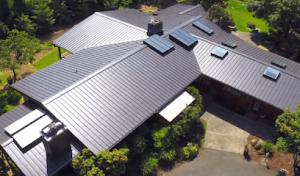
Clay tile, concrete tile, metal roofing, and fiber cement shingles appear in the local market, but structural loading, snow-shedding behavior, and compatibility with older roof framing matter more here than in newer subdivisions. Clay and concrete tiles are attractive and durable, yet they demand a strong, properly reinforced deck and precise fastener patterns to resist wind uplift and snow loads. If the home's framing isn't reinforced for heavy tile, stay with lighter options or plan a staged reinforcement-this avoids unexpected structural concerns. Metal roofing provides excellent snow-shedding properties and durability, but ensure compatibility with existing flashings and soffit vents to prevent ice dams at transitions between metal panels and traditional elements. Fiber cement shingles strike a balance between weight and longevity, but verify that the deck and framing can support the board thickness and that ventilation is adequate to prevent moisture entrapment in cooler months.
Begin with a thorough inspection of attic ventilation, insulation, and eave drainage before selecting a material. Prioritize a continuous drainage plane and quality flashing at all penetrations, especially around chimneys and skylights. For homes with historic or slate-adjacent profiles, preserve the architectural language while upgrading to a modern underlayment and ventilation strategy to fight freeze-thaw damage. If considering non-traditional materials, confirm that the roof structure can bear the weight and accommodate snow-shedding behavior without compromising original framing. In all cases, plan for a treatment approach that minimizes ice dam risk by combining insulation improvements, ventilation optimization, and an effective edge protection strategy.
Winchester's older homes typically come with complex roof geometry: steep pitches, multiple dormers, and chimneys that create extra labor time beyond what a simple ranch-style tear-off would demand. When assessing replacement, plan for the added effort these features demand, since access and protection around edges, valleys, and penetrations drive both labor and material waste. If the original slate or other heavy materials are being considered for replacement or upgrade, costs can rise quickly because structural review and specialized crews may be required to ensure a safe, code-compliant installation.
In this market, the price per square foot varies widely by material. Asphalt shingles remain the most common entry point for a cost-conscious option, but the weight and compatibility of alternatives matter on older framing. Slate, while attractive and historically appropriate on some homes, can push projects into the upper end of the spectrum or beyond when a structural assessment or reinforcement is needed. Heavier materials, such as clay or concrete tile, also trigger potential structural considerations and longer installation timelines, given the need for careful handling and precise rafter support checks. The typical cost ranges reflect these realities, with synthetic and fiber cement options offering a middle ground for durability and weight.
Seasonal demand in this area is real, and spring and fall emerge as the preferred installation windows. Winter stoppages and summer heat complicate scheduling, especially on homes with steep pitches and tight yards where weather gaps can stall a project. If a replacement coincides with shoulder seasons, expect crews to manage frozen or thawing conditions around flashing, valleys, and chimney details. Planning ahead for these windows can help keep the project on track and avoid price spikes tied to peak-demand periods.
When budgeting, factor in extra for edge details, chimneys, and dormer integration, as well as potential structural reinforcement if the chosen material is heavier than the original. Obtain written assessments from qualified roofers about any required decking or rafter upgrades before committing. For homes with historic materials, clearly communicate any preference for preserving or replacing original elements, since preservation can influence both timing and cost. A detailed, itemized estimate will help compare bids accurately and avoid surprises once work begins.
Get a clear picture of your project costs upfront - no commitment required.
Storm Works Roofing & Restoration
(844) 786-7696 www.stormworksroofing.com
Serving
4.8 from 143 reviews
Before any roof work begins, the permit process in this town is handled through the Winchester Building Department. Planning ahead means understanding that a formal permit is the norm rather than an exception, especially for steep roofs and historic-material replacements common on the older stock near the Aberjona corridor. You should organize a clear scope of work and gather contractor details, including licensing and insurance proof, as part of the submittal. The Building Department wants a straightforward description of materials, the start and end window, and any structural considerations that affect roof decking or attic ventilation. Once the application is filed with the required documentation, a staff reviewer will move your project into the inspection queue.
The inspection sequence in Winchester typically unfolds in two main checkpoints. First comes the rough roof inspection, which confirms that the roof sheathing, underlayment, ventilation, and flashing are installed to spec before shingles or other surfacing are applied. This is the moment to verify that ice dam prevention details are in place, particularly on steeper pitches that experience freeze-thaw cycles around the river and lakes corridor. After the roof has been completed and the interior work addressed, the final inspection occurs. The town staff will verify that the roof system, penetrations, venting, and eave details meet the approved plan. If any deviations are found, a corrective action is required before occupancy or final clearance is granted. The timeline for each inspection can shift if weather delays or seasonal workload pressures arise, so plan for a small window of schedule flexibility.
When submitting the scope, include notes about historical fabric or historic-material replacements if applicable, since Winchester homeowners often contend with preservation considerations. Provide a current set of contract documents, including product specifications, installation methods, and a confirmed start date. It helps to have a single point of contact within the contractor's crew who can coordinate with town inspectors and align on sequencing-especially for steps such as roof edge detailing and ice dam mitigation strategies. If winter or early spring visual checks are anticipated, discuss temporary protections or access arrangements with the Building Department. Finally, keep in mind that inspector availability can fluctuate, so build a realistic lead time into the overall replacement plan to avoid weather-driven rushes or backlog.
Winchester homeowners face a claims environment shaped by storms, hail, and the region's distinctive winter stresses rather than a constant flow of catastrophe events. Ice dams and freeze-thaw damage on older, steep-roof homes are common stress points, so understanding the insurance reaction to these specific failures helps set expectations for remediation and documentation.
Massachusetts insurers typically request clear evidence: photos of affected areas, contractor estimates, and a well-documented cause-of-loss record. For a roof claim, that means showing where water intrusion started, the sequence of ice dam formation, and any pre-existing vulnerabilities. A meticulous record-before and after shots, dates of storms, and notes on any adjacent damage-can streamline the review and reduce back-and-forth requests.
State-level pricing pressure and a strong focus on wind and hail resistance amplify the impact of documentation quality. If a claim comes in with ambiguous cause statements or vague damage reports, the review process can stall, or coverage may be narrowed. In homes with historic or mixed materials, precise notes about material type, installation date, and any prior repairs become especially consequential for approval decisions.
When preparing to file, coordinate with a contractor who understands local climate patterns and the era of construction common in Winchester. Ensure the file includes labeled photos, a detailed cause-of-loss narrative, and a line-item estimate tied directly to observed damage. Clear, organized documentation helps bridge the gap between weather-driven damage and insurer policy language, reducing delays when storms and frost cycles test a roof's resilience.
Chimneys are common on older, steep roofs in this area. When a masonry chimney intersects complex roof planes, flashing must transition from brick or stone to shingle or metal without gaps. Inspect the chase height, cap, and crown, since freeze-thaw can push mortar and roofing overhang apart. A leak may travel along a chimney line even when the field shingles appear dry. Expect extra attention to step flashing where the chimney meets the roof and to counter-flashing into the interior side of the chimney where usable. In Winchester, a small crack near a chimney crown often signals a cascade path that ends at attic rafters, so map the interior ceiling stains to the chimney clapboard line.
Skylights are a common addition in older homes seeking daylight without widening roof footprints. In this market, dedicated leak and flashing attention is essential. Ensure the skylight curb is properly flashed to the roof plane, with waterproof sealant between curb and shingles. Check for degraded glazing seals that allow condensation into the rough opening. If a skylight pairs with another penetration, prioritize flashing transitions as the source of leaks rather than field shingles. Look for ice dam indicators along the skylight perimeter during freeze-thaw cycles.
On Winchester homes with several penetrations, a single failed flashing detail can cause widespread staining. Start diagnostics at the most crowded roof area first: flashing transitions around dormers, vents, and chimney stacks. Do not overlook the metal counter-flashing that ties together multiple planes. A careful, layered repair plan often beats replacing broad swaths of shingles. Keep an eye on the attic for subtle warm air leakage that can worsen ice dam formation.
Cold winters demand proactive maintenance. After heavy snows, remove only safe amounts from the upper roof and gutters, watching for hidden ice along flashing joints. In repairs, use materials compatible with historic roof components to minimize future ice-related failures.
Find contractors experienced in skylight installation, flashing, and leak repairs to bring natural light into your home.

In this town, low-slope areas on porches, additions, and some multifamily or commercial sections tend to drain slower during freeze-thaw cycles. The snow hangs up, ice forms near edges, and meltwater can back up into eaves. That pattern is different from the steep main roofs with higher shedding speed, so plan for targeted attention to those flat or near-flat runs. Flat sections near a busy entrance or overhang often see more wind-driven snow buildup, which makes ice dam formation more likely along the shared edge with the higher roof. In practice, you'll notice ice ridges forming earlier in late winter when daytime warmth briefly thaws the surface and nightly cold snaps refreeze those layers.
When you walk the property after heavy snows, check for persistent ice dams at the junctions where low-slope meets the main roof. Look for pooling water along parapets and for soffit vents that seem damp or blocked. In mixed-roof homes, note that the low-slope section often shows wear sooner due to collect-and-freeze cycles. Schedule seasonal checks in late fall and mid-winter. In Winchester, the Aberjona River corridor and lakes area can create localized freeze-thaw microclimates, so give a closer look to any low-slope run facing north or shaded most of the day. Also monitor skylights, dormers, and transitions where flashing ties into complex framing-these are common sites for slow drainage and ice backup.
Ice and water shield underlayment, proper insulation in the attic, and continuous drip edge help. For Winchester's colder cycles, ensure downspouts clear and scuppers free of debris. When you replace only the low-slope section, match the underlayment to the adjacent high-slope roof to maintain a consistent barrier. Use materials appropriate for exposure, such as asphalt or metal, depending on the overall roof. Seal around penetrations like vents, gas lines, and exhausts to reduce meltwater pathways toward the low-slope edge. Consider adding insulation-enhancing attic baffles or vented soffits to curb heat loss that feeds ice dam formation below.
Because the low-slope can hold snow longer, coordinate replacement with the surrounding steep roof if possible. Mixed-roof configurations benefit from staggered replacement plans so the integrity of the entire envelope is maintained during seasons with freeze-thaw cycles. If a full replacement isn't feasible, prioritize the low-slope section for reinforcement with an updated membrane and tested flashing details, then schedule refresh work on the primary roof during the next available window. In homes with porches or additions, plan any retrofit to align with the main roof cycle to minimize staged stress on the eaves and connections.
Find specialists in TPO, EPDM, and built-up flat roofing systems for residential and commercial properties.