
Last updated: Apr 19, 2026
Cold snowy winters and repeated freeze-thaw swings are the primary drivers of shingle edge damage, flashing movement, and leak callbacks. When ice builds up along the eaves, it traps heat and melts snow higher on the roof. That melt refreezes at the edge, forming ice dams that push water under shingles and into attic spaces. On older homes, where shingles sit close to the roof deck and flashing has aged or shifted, a single thaw-freeze cycle can turn a minor leak into a rapid interior problem. The problem compounds quickly once you've had a few storms in a season where days swing from above freezing to below zero.
The city's narrow dry replacement window means many roofs go through winter with temporary repairs, making ice-dam prevention more important than in milder parts of the country. A thin patch of tar or a temporary shingle fix may hold for a week or two, but when another freeze-thaw cycle hits, that patch can fail and the cycle repeats. These repeated cycles stress the edges of shingles and the joints where flashing runs around chimneys, vents, and valleys. If the attic isn't properly vented or insulated, warm, moist air rises and concentrates at the eaves, driving uneven roof temperatures that fuel early edge damage and back-slope leaks.
Older housing stock in this inner-north Boston suburb often has venting and insulation conditions that contribute to uneven roof temperatures and winter backup at eaves. Bad soffit venting, clogged eave vents, or under-insulated attic spaces allow heat to escape upward and heat the roof deck unevenly. When the deck stays warm along the eaves while the outer edge freezes, ice dams form with a vengeance. Flashing that has shifted, cracked transitional pieces, or missing drip edges invites water under the flashing and into the roof line, attic, and ceiling structures. The result is not only more frequent leaks but also accelerated deterioration of shingle edges and underlayment.
Start with a focused inspection of the eaves, valleys, and flashing. Look for lifted shingle tabs at the lower edge, curling edges, or fine cracks in the flashing around chimneys and vents. If you notice ice buildup at the gutters or along the rake edges after a storm, treat it as a brewing warning sign rather than a temporary nuisance. Clear gutters and downspouts if you can safely access them; clogged lines trap more water against the roof surface. Check attic insulation and venting: ensure soffit vents are unobstructed, the attic floor is well insulated, and there's a clear path for dry, cold air to circulate to the peak. If the attic feels unusually warm or humid when you check the access hatch, address ventilation issues before the next freeze.
If ice dams are forming repeatedly despite minor DIY fixes, or if there is water staining in the attic or ceiling, contact a roofing professional promptly. Do not rely on temporary patches that only delay the inevitable. A local pro will assess shingle integrity, flashing alignment, and ventilation, and will recommend targeted repairs to reduce heat loss at the eaves and to restore a proper seal along roof penetrations. In a winter where one warm spell can melt and refreeze multiple times, immediate, decisive remediation helps prevent extensive interior damage and longer-term roof deterioration.
Spring in this area brings heavy rains that test roof systems after a long winter. If tear-off schedules slip, underlayment and deck issues can surface quickly, exposing the attic to moisture and risking ice-dam formation once temperatures swing. Plan to complete the primary tear-off and deck inspection as soon as feasible after the last subfreezing period. A defined sequence helps: remove existing shingles while weather allows, inspect the underlayment for rips or gaps, and repair any deck boards that show signs of moisture damage. Keep an eye on the potential for saturated decking during late-season rains; add a temporary weather barrier if a late storm threatens. Your best window is the dry days between rain events, when sealants can cure properly and flashing around chimneys, skylights, and vent stacks can be secured without delays.
Summer heat and humidity impact deck drying and installation conditions, but it remains one of the more workable periods before fall weather turns. Ensure the roof deck is thoroughly dry before laying any underlayment or new shingles. Prolonged heat can accelerate sealant drying, so schedule adhesive- and sealant-heavy tasks for cooler mornings when possible. Material storage on-site should be shaded and elevated to prevent degradation from sun exposure. If a full tear-off is needed, confirm a consistent airflow plan to reduce moisture buildup inside the attic during work. Summer storms can introduce sudden wet spells; plan for contingencies that keep the interior protected without delaying critical flashing or valley work. In woodland-hedged stretches near the Middlesex Fells, debris management becomes essential-clean gutters and valleys before the crew lifts off to prevent under-deck debris from compromising the new roof.
Fall wind events and leaf debris from heavily wooded terrain can create last-minute repair demand before winter. The priority is to seal and flash areas exposed to wind-driven rain and the potential for ice dams once temperatures drop. Prioritize securing ridge caps, step flashing at intersections, and chimney joints where leaves pile up in gusty winds. A thorough debris sweep from the roof and gutters reduces the risk of moisture retention that can undermine new underlayment or shingles. If a partial tear-off is necessary, align the schedule with forecasted calmer periods to minimize the chance of wind-driven debris interfering with a fresh installation. For homes near dense tree coverage, verify that soffit ventilation remains balanced so that attic temperatures don't escalate during maintenance, which can accelerate deterioration of any preserved sections.
Winter presents higher risk for ice dam formation and freeze-thaw damage, especially on older stock that still bears the imprint of earlier repairs. Plan major replacements so that the bulk of the work wraps before the first heavy freeze, but avoid forcing installations during freezing-at-temperatures days when sealants and underlayment adhesive lose effectiveness. In a tight Stoneham schedule, aim to complete critical flashing and shingle edges in stable winter-prep spells, leaving non-urgent secondary tasks for milder windows. Ensure safety measures address snow load and rapid temperature drops that can compromise newly installed materials. Keep communication lines open with crews about anticipated cold snaps so that material handling and storage don't expose the underlayment to moisture or sun damage in unexpected warm spells.
Get a clear picture of your project costs upfront - no commitment required.
Holland Homes Roofing
(781) 864-2525 www.roofwithhh.com
38 Montvale Ave Suite G-30, Stoneham, Massachusetts
5.0 from 41 reviews
Welcome to Holland Homes Roofing, where we specialize in quality residential roofing you can see. We understand that roofing repairs are among the most formidable repairs for homeowners. A roof is a costly investment, and you don’t want to leave repairs to just anyone. You want a residential roofer that is experienced, reliable and affordable. For that, you need Holland Homes Roofing, your local Owens Corning Preferred Contractor based in Carver, MA. We have decades of experience in the residential roofing industry and our team has been serving the area for many years. If you need a roofing repair or installation, gutter work or any other roofing-related services for your home, anywhere from Carver to Billerica, contact us today!
Kingdom Roofing & Construction
(617) 230-6239 www.kingdomconstructionma.com
Serving
5.0 from 13 reviews
At Kingdom Roofing & Construction, Inc., we take pride in offering premier roofing services to the greater Boston area, From Lowell to Westford, North Reading, Chelmsford, Newton, and Billerica. As a leading roofing contractor, our expertise spans metal and shingle roofing, new roof installations, and comprehensive roof replacements. We specialize in leak detection and repairs, storm damage restoration, and energy-efficient roofing options that enhance your home's durability and performance. Beyond roofing, we provide siding and painting services, decking and porch construction, as well as home renovation and remodeling. Trust Kingdom Construction, Inc. to deliver quality craftsmanship and responsive service tailored to your needs.
Peak Quality Roofing
(781) 650-7458 peakqualityroofing.com
Serving
5.0 from 98 reviews
Peak Quality Roofing, based in Melrose, MA, specializes in roofing, siding, and gutter services for homeowners throughout the area. We provide high-quality roofing, expert siding installation and repair, and reliable gutter services to protect your home from the elements. Founded by industry professionals, our company was built on the belief that homeowners deserve fair pricing without sacrificing quality. Our team is committed to exceptional craftsmanship, clear communication, and complete customer satisfaction on every project. Whether you need a new roof, siding replacement, or gutter installation, Peak Quality Roofing delivers durable, long-lasting solutions tailored to your needs. Contact us today for a free estimate.
Johnny's Pro
(781) 519-9025 www.johnnyspro.com
Serving
5.0 from 30 reviews
Johnny’s Pro is a trusted roofing contractor serving MA, CT, RI, and NH. We specialize in full roof replacements, including homes with existing solar systems, as well as siding and gutter upgrades. With over 17 years of experience and 7,000+ homes completed, we’re known for quality, transparency, and results that last. As Owens Corning Preferred and CertainTeed Certified installers, we follow manufacturer standards and offer extended warranties. If you’re going solar and unsure about the roofer recommended by your provider, reach out to us. Our scopes are clean, our process is smooth, and our work is built to last.

Hemlock Roofing
(413) 404-7036 hemlockroofingco.com
Serving
4.9 from 119 reviews
Hemlock Roofing is a reliable roofing company offering expert roof repairs, replacements, and installations. We serve both homeowners and businesses, delivering top-quality workmanship to ensure your property stays protected and durable. Committed to integrity and excellence in every project.

Golini Roofing
(781) 246-0141 goliniroofing.com
Serving
5.0 from 13 reviews
Golini Roofing, located at 46 Nahant Street in Wakefield, MA, is your premier choice for top-notch roofing services. As a trusted local roofing contractor with over 40 years of experience, we specialize in roof installation, roof replacement, and comprehensive residential roofing solutions. Our expert team is dedicated to delivering unparalleled craftsmanship and uses high-quality materials for long-lasting results. We also offer professional gutter installation and repair. Serving communities including Beverly, Burlington, Melrose, and more, Golini Roofing is committed to providing personalized service and lasting solutions. For reliable roofers near you, contact Golini Roofing today!
FRG Contractor Corporation
(781) 851-4202 www.frgcontractor.com
Serving
4.9 from 31 reviews
For over 20 years, FRG has provided our residential and commercial clients throughout the greater Massachusetts area with top-quality contracting services. No matter the size of the project, we are committed to delivering quality workmanship and competitive pricing. We prioritize safety standards and customer service. Our team is OSHA trained and certified to complete every job properly. FRG Contractor is also fully licensed and insured, so our clients can rest assured knowing that we are reliable and reputable. We also offer free estimates on all our services, including roofing, siding, gutters, remodeling, snow removal, general contracting, and more. Many of our services include installation, replacement, repairs, and maintenance.
Hayes Roofers &
(781) 822-1209 hayesroofissaquah.com
Serving
5.0 from 27 reviews
Hayes Roofers provides roofing services that combine skilled workmanship with attentive customer care. The crew handles everything from small leak repairs to complete roof replacements, adapting their approach to fit the needs of each project. Before work begins, the team conducts a thorough inspection to understand the condition of the roof and to recommend the most effective solution. Clients often praise the clear communication, efficient scheduling, and the clean results that leave the property looking well cared for. Hayes Roofers is committed to delivering roofs that are built to last and add value to the home.

FRS Roofing + Gutters
Serving
4.9 from 663 reviews
FRS Roofing is the trusted roofer in Medford MA by property owners like you. Whether you need residential roof installation for your home, or simply a flat roof repair for your business you can always turn to us for help. We have been a reliable roofing company in Medford MA for two decades now and counting! Since our inception, we have managed to provide roofing, skylight and gutter services that are not only of high-quality but also of great value and seamless completion. When it comes to your roofing services, asphalt shingles, rubber roof (EPDM), slate roof, and other in the Medford MA area, you should only trust a licensed and accredited roofing company like FRS Roofing. Connect with us today at (781)-322-6252.

Northeast Industrial Roof
Serving
5.0 from 123 reviews
With 20 years of experience, Northeast Industrial Roof INC is your trusted roofing company in Medford, MA. Located at 510 Riverside Ave, we specialize in shingle, metal, tile, cedar, EPDM, slate, flat, green, TPO, and PVC roofing. Our services cover both commercial and residential roofing needs, including roof repair, maintenance, replacement, waterproofing, and gutters. Whether you need a new roof, a repair, or regular maintenance, our expert team is here to help. Choose us for reliable, high-quality roofing services in Medford and surrounding areas. Your satisfaction is our priority. Keywords: roofing Medford MA, roofing company Medford MA, roofing contractor Medford MA.
ABI Roofing
(617) 539-2090 medford-roofing-service.us
Serving
5.0 from 17 reviews
ABI Roofing, based in the vibrant city of Medford, stands as a premier roofing contractor dedicated to safeguarding homes and businesses with top-notch roofing solutions. With a wealth of experience, ABI Roofing excels in providing expert installations, repairs, and maintenance services tailored to meet the unique needs of Medford's diverse architectural landscape. Our skilled team of professionals is committed to delivering unmatched craftsmanship, using high-quality materials to ensure durability and longevity. At ABI Roofing, customer satisfaction is our priority, and we take pride in our transparent communication, competitive pricing, and timely project completion. Trust ABI Roofing to elevate your property's protection.
Ramirez Painting Corp | Roofing & Remodelling
(617) 275-2682 www.ramirez-painting-corp.com
Serving
5.0 from 29 reviews
At Ramirez Painting we make a concerted effort to provide exceptional service at incredibly affordable rates. Our ability to set employ th latest innovations in the industry has made us a leader in the industry. Don’t believe us? Call now… Our services include: → Painting → Carpentry → Masonry → Roofing → Gutter Cleaning
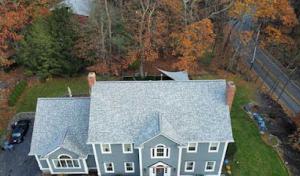
Asphalt shingles sit at the center of Stoneham's typical residential roofscape. They align with many of the area's standard pitched roof lines, making them easy to retrofit on aging structures without major framing work. The material accepts the region's freeze-thaw cycles well when installed with proper underlayment and ventilation. For homeowners balancing performance with a realistic reroofing budget, asphalt shingles offer a reliable, straightforward upgrade that preserves the familiar silhouette of a longstanding Massachusetts home. A well-sealed installation helps minimize ice dam risk by ensuring a solid barrier against wind-driven moisture along the eaves.
Slate remains relevant in this region because older Massachusetts homes may already carry slate or require repairs that preserve the original roof character. Stone-and-slate roofs can be found on midcentury and earlier houses, sometimes in single-plop or multi-span patterns that add distinctive texture to the roofline. If the existing roof is slate, repairs should favor matching the original material and thickness to maintain curb appeal and historic integrity. When slate is feasible, it delivers exceptional longevity and a traditional appearance, but it requires careful maintenance and specialist repair knowledge to avoid compromising its weather resistance during harsh winters.
Metal roofing is a growing fit for homeowners prioritizing snow shedding and long-term durability. Metal panels or shingles shed snow more predictably, reducing ice build-up along the eaves and mitigating some ice-dam risks when paired with a robust attic insulation strategy. For homes with roof-to-structure limitations or where a heavier load would stress existing framing, metal can offer a lighter, durable alternative that still complements the architectural lines common in the area. Metal also tolerates repeated freeze-thaw cycles well, which is a practical advantage in winters with fluctuating temperatures and heavy snowfall.
Tile options are less common because roof structure and cost can be limiting on older homes. Clay and concrete tiles provide distinctive textures and can extend roof life when the supporting structure is appropriate. However, their weight often requires reinforced decking and careful assessment of load paths, which can complicate retrofits on homes with aging framing. If a historic or stylistic preference calls for tile, a structural evaluation should precede any choice, ensuring the roof supports the added mass without compromising ventilation or drainage.
In practice, the best roof for a Stoneham home blends local climate resilience with the existing roof's character. A well-ventilated, well-sealed attic remains essential across options to control ice dam formation, especially in homes with older insulation or compromised weather barriers. When choosing a roof style, consider not only the exterior look but also how the material interacts with snowfall patterns, typical wind exposure, and the likelihood of needing early-season maintenance to preempt freeze-thaw damage.
In Stoneham, you'll see the price spread you listed, and it matters how short the productive season is. Asphalt shingles sit typically between 350 and 750 USD per square, a practical choice when timing is tight and you want predictable scheduling. Metal roofs run higher, from 700 to 1400 USD per square, reflecting faster installation and longer life that can pay off in a snowy winter cycle. Clay tile commonly lands from 1100 to 2600 USD per square, with concrete tile between 1000 and 2300 USD, while slate sits well above the rest at 2500 to 6500 USD per square. Fiber cement shingles offer a middle road, roughly 520 to 900 USD per square. These ranges are real-world references for Stoneham crews, not marketing figures, and they influence decisions when the calendar shrinks and crews book up.
Stoneham's short productive roofing season compresses scheduling and labor availability. If a tear-off reveals multiple layers or deteriorated decking, the window to complete a project before winter tightens quickly. Contractors will often stage work in phases, especially on older homes with limited access and restricted yard space. Expect tighter calendars if the project runs into late fall or early spring, and plan for a small buffer in both material delivery and on-site coordination.
Older roof assemblies frequently require additional work beyond the obvious shingle swap. Tear-off can uncover two or more layers that must be removed, plus decking that's softened by years of freeze-thaw cycles. Flashing around chimneys, skylights, and valleys tends to need extra attention in Stoneham's climate, where ice dams demand careful sealing. If interior repairs surface, or if the rake and fascia boards show rot, the price climbs accordingly. These issues are more common on older New England homes and can shift a straightforward replacement toward the higher end of the material range.
For a realistic project budget, align your material choice with the expected service life and the region's harsh winters. Asphalt remains the most budget-friendly up front, while metal or specialty tiles offer longer-term resilience against freeze-thaw stress. Factor in potential deck repairs and flashing work, especially around chimneys, to avoid surprises as the project proceeds.
Don't let upfront costs delay a critical repair - these contractors offer payment plans to fit your budget.

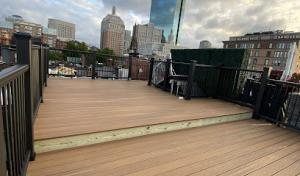
A full roof replacement in Stoneham typically requires a building permit submitted to the local Building Department with project scope and roofing material details. That means you should have a clearly stated plan for the replacement method, the exact roofing product, and any decking or underlayment changes. The city's historic neighborhoods and older houses with steep pitches or flat sections often trigger extra checks, so don't assume a simple "drag-and-drop" replacement will pass. Take the time to assemble product specifications, weatherization details, and a concise sequence of work. If the project includes deck or fascia work, or a change in structural members, be prepared for a deeper review path than a standard shingle swap. A well-documented permit packet helps prevent delay and last-minute scope changes that can complicate scheduling in late winter or early spring when freeze-thaw cycles are at their worst.
Inspections are scheduled through the Building Department at key milestones and again at final completion, rather than being left entirely to contractor self-certification. Expect a rough timeline that follows the phases: initial framing and decking verification if applicable, underlayment and flashing checks, mid-roof and final inspections, and a separate finish-out check once the new roof is installed. In Stoneham, trim and gutter integration, chimney and vent terminations, and proper ice dam protection are common focal points. Coordinate with your contractor to line up inspections as you approach each milestone; missed slots can stall the project, especially when winter temperatures tempt a rushed schedule.
Permit specifics and review paths vary with project value and scope, so homeowners should confirm whether decking replacement, structural changes, or accessory work changes the review path. If the replacement involves upgrading vent stacks, updating attic insulation, or installing a new roof-line skylight, ask the Building Department early how these items affect the permit flow. Some projects may require additional documentation, such as structural drawings or certifications, which can affect timing. Always keep a direct line of communication with the inspector assigned to your project; clear notes and prompt responses can reduce reinspection fees and keep your timeline on track, even through the region's unpredictable late-winter weather.
Massachusetts roof claims commonly hinge on documentation, and in this neighborhood near Spot Pond and the Middlesex Fells, that holds especially true. Heavy snow, freeze-thaw cycles, and ice dams create slow-building damage that isn't always obvious right after a storm. Keeping clear records helps separate gradual wear from a single event and makes the claim path smoother when winter weather turns testimony into a claim.
Date-stamped photos are essential. Start with a clear exterior shot of the entire roof from multiple angles, then capture problem spots like ice dams, gutter backups, and any shingle curling or missing sections. Take interior photos if there are any stains, ceiling deformations, or attic signs of moisture. Do this after each notable thaw or freeze event, and before/after any temporary roof repairs. The goal is to show progression, not just a single moment in time.
Maintain a chronological repair and observation log. Record dates of noticeable ice buildup, frost, or ice dam concerns, plus details about wind-driven debris, hail if relevant, and any contractor evaluations. Note the roof's age, the type of materials installed, and any prior repairs or reinforcement work. When a contractor or roofer discusses findings, write down conclusions and recommendations, then attach the originals to the claim file.
Adjuster review is typical for wind and hail-related losses in this region, but broad insurer pullbacks are not a defining local issue compared with some catastrophe-heavy states. Provide independent assessments when possible, including roof-line damage, attic ventilation observations, and evidence of shingle granule loss. Photograph any ancillary damage to siding or fences that might corroborate a wind event, as this strengthens the narrative around the roof claim.
Because winter damage can develop gradually from ice backup and freeze-thaw stress, homeowners in Stoneham need to document progression early rather than waiting for interior leaks. Capture early signs of ice backing up under shingles, soft spots in the attic deck, and any changes in attic insulation performance. Early, consistent documentation helps the adjuster see the pattern instead of guessing at cause and timing.
Connect with contractors who help homeowners navigate the claims process from damage assessment to final approval.
Holland Homes Roofing
(781) 864-2525 www.roofwithhh.com
38 Montvale Ave Suite G-30, Stoneham, Massachusetts
5.0 from 41 reviews
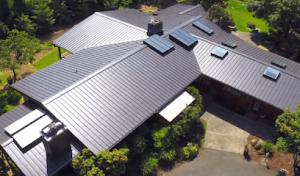
Chimneys and their brick or stone shoulders poke right into the heart of Stoneham's older rooftops, where masonry penetrations collide with aging flashing that has weathered decades of freeze-thaw cycles. In these homes, misfit flashing at the chimney chase, valley, or sidewall often hides under shingles until a storm or sudden thaw exposes the problem. The consequence is not just a drip along the interior wall but a pattern of moisture intrusion that can rot roofing deck edges and allow ice to form behind the masonry. When inspecting, look for rusted step flashing, loose counter-flashing, or black streaks where water has trickled down the brick. A cautious approach: address flashing integrity where the chimney meets the roof before shingle wear becomes the weak link, and treat any sign of mortar deterioration as a red flag for upcoming leaks.
Skylight penetrations are a frequent source of trouble during winter moves. Sealants around the curb and the flashing joints must flex with the seasonal expansion and contraction, and the surrounding shingles bear higher stress near the opening. In freeze-thaw periods, you may notice small ice dams forming at skylight edges or damp patches along the interior ceiling that don't quite track with a roof line. The banner risk is a slow leak that irritates framing and attic insulation, especially where old flashing details butt against modern vent stacks or vent pipes. If a leak shows up after a warm day followed by a sharp cold snap, inspect the skylight curb, membrane wrap, and the intersection where the curb meets the roof surface. The prudent move is to re-seal and, if necessary, upgrade flashing to a continuous, weather-tight transition that accommodates movement.
On older New England roofs, leak tracing rarely starts at a bare field shingle. It tends to map along penetrations, transitions, and the intersections where vertical walls meet the roof, or where a chimney and skylight share space with step flashing. Freeze-thaw cycles stress these junctions first, widening gaps and curling shingles so water find paths around the perimeter rather than across the broad expanse. When diagnosing, focus on the drip edge, kickout flashing at transitions, and the sealant lines around penetrations. If a stain appears away from a visible leak source, check the closest flashing joints and the roof deck under the surrounding shingles. The practical takeaway: treat penetrations as the primary suspects, and plan targeted flashing upgrades before a problem radiates into framing or attic insulation.
Find contractors experienced in skylight installation, flashing, and leak repairs to bring natural light into your home.
Kingdom Roofing & Construction
(617) 230-6239 www.kingdomconstructionma.com
Serving
5.0 from 13 reviews
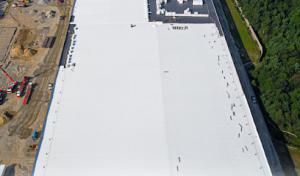
Although the market tends toward pitched roofs, low-slope sections show up on additions, porches, and some multifamily or mixed-use structures in Stoneham. These areas sit adjacent to steeper main roof planes, but their drainage behaves differently in winter and during thaw events. Expect a mix of shingle over metal or single-ply decks, with tie-ins that are easily overlooked during a full-roof replacement.
These low-slope areas are more vulnerable during spring rain and winter ponding or backup events than the main steep-slope roof planes. Snow and ice settlement can back up at the junctions, and the lower edge is prone to slow drainage. When warmer days arrive, hidden moisture may reveal itself as leaks at the eave-to-roof transition or along the rake line where the two roof types meet.
Homeowners replacing only the visible main roof often miss the lower-slope tie-in details that cause recurring leaks in this region. Look for inadequate flashing, insufficient slope, or mismatched materials at the intersection of the low-slope section with the primary roof. Hidden fasteners and sealant gaps are frequent culprits after the fact.
During replacement, insist on a full assessment of the tie-in: proper flashing, a continuous watertight barrier, and a clearly defined drainage path for the low-slope area. Ensure edge and scupper details are addressed, and that flashing extends well onto the main roof. If ice dam risk is anticipated, confirm proper insulation and ventilation in the attic directly above the low-slope section.
Treat additions and porches with proactive maintenance: keep debris clear, monitor for edge pooling after storms, and periodically reseal flashing joints. Regular inspections after heavy snows or thaws help catch issues before leaks develop, aligning maintenance with Stoneham's freeze-thaw cycles.
Find specialists in TPO, EPDM, and built-up flat roofing systems for residential and commercial properties.
Kingdom Roofing & Construction
(617) 230-6239 www.kingdomconstructionma.com
Serving
5.0 from 13 reviews
You live in a market where quick response and cleanup are major homeowner priorities, reflecting how often leaks and reroofing decisions happen under weather pressure. When you call a contractor, note how fast they propose a site visit after a snow or thaw event and how clearly they outline debris containment and post-work cleanup. Ask for a rough plan for protecting interior spaces if a storm interrupts work, and confirm that they can mobilize crews with minimal disruption when temperatures are hovering near freezing.
Stoneham-area homeowners are frequently choosing established reroofing-focused residential contractors rather than firms centered only on new construction. Look for firms that regularly handle old houses with slate, shake, or shingle profiles common in older neighborhoods near Spot Pond. Verify their primary workload aligns with roofing repairs, replacements, and maintenance, not mostly large commercial or ground-up builds. A local company with repeat residential projects tends to understand frost action, ice dam risks, and the seasonal timing that older roofs demand.
Because many local projects involve older homes, homeowners should ask specifically about chimney flashing, deck repairs, and winter emergency response experience. Confirm that the roofer has recent experience flashing around chimney stacks, valleys, and vent stacks to prevent ice dams. If there is a wooden deck adjacent to the roof, ensure deck waterproofing or flashing repairs won't be neglected during a reroof. Discuss how they would handle a winter emergency, including temporary tarping and rapid follow-up visits when temperature swings produce ice.
In this market, quick response and cleanup are major homeowner priorities. Request a realistic timeline that accounts for melt-freeze cycles, and confirm crew size and equipment for safe winter work. Reputable roofers keep a clear cadence: assessment, proposal, on-site adjustments, and final walkthrough with debris removal and waste disposal. Confirm communication norms so you're not left guessing during a storm, and agree on how they will coordinate with any nearby property maintenance if deck or gutter work is required.