
Last updated: Apr 19, 2026
Medford's housing stock-dense Colonials, capes, and multi-family homes-packs gables, dormers, eaves, and chimney intersections in tight planes. Those intersections are prime trouble spots when winter air pretreats the roof with melt-and-freeze cycles. Ice backup at eaves and flashing leaks are not unusual after heavy snows, and interior staining can appear after a sharp thaw and refreeze. The risk concentrates on the older roofs that still rely on traditional flashing details and softer valley lines, where a single weak point can trigger a cascade of leaks down a wall.
Massachusetts freeze-thaw cycles are a local accelerant. Ice damming forms where meltwater refreezes at the roof edge, pushing under shingles and flashing. In Medford, intersections where a dormer meets a main roof, or where a chimney penetrates the roof deck, are frequent failure points. As ice builds along the eave, gutter edges seal off, redirecting water into underlayment and into attic spaces. Interior staining after a snow event is often the first warning: you notice brown marks along ceiling joints where water has found a path through compromised flashing or stacked shingles.
Leaf drop from Medford's established street-tree neighborhoods compounds the problem. In fall, clogged gutters and downspouts trap debris and meltwater, creating a stagnant ice shield that hardens as temperatures fall. By deep winter, the combined weight of ice and packed debris can tear at soffits and fascia, pulling flashing loose or widening gaps where water bypasses the roof edge. This is most evident on older Colonials with two-story massing and projecting dormers, where heat loss concentrates around chimney intersections.
In the attic or crawlspace, inspect for signs of moisture and ensure proper attic ventilation to reduce heat buildup that feeds ice dam formation. On the roof, clear debris from gutters and keep downspouts free of leaves before the first hard freeze. Shake-freeze vulnerable eave lines by removing a small amount of snow with a roof rake from safe ground, being careful near the chimney and dormer edges. If you notice any lifted shingles, gaps around flashing at chimney penetrations, or damp patches on interior ceilings after a storm, treat these as emergencies and arrange a professional assessment promptly. For flashing trouble spots-particularly at dormer intersections and chimney-penetration points-do not delay; these require a roofers' eye to determine if flashing needs reseating, step-flashing replacement, or a more robust cap flashing to withstand repeated freeze-thaw cycles.
Seek a contractor who understands the unique Medford climate and the common older-roof configurations here. Ask about experience with flashing at chimney intersections, dormers, and valley connections, and request a recent project check for ice-dam mitigation on similar rooflines. A firm that emphasizes attic ventilation, proper insulation, and evidence of quality workmanship around eaves and gutter edges will be better positioned to prevent future leaks during long New England winters. Stay proactive: annual checks after leaf-fall and before the first heavy snow dramatically reduce winter risk to these aged roof structures.
Spring storms in eastern Massachusetts bring the local combination of wind-driven shingle loss and hail bruising that often triggers roof inspections in Medford. Those fast-moving fronts can peel back edges of older shingles on steep triple-decker and Colonial roofs, leaving vulnerable underlayers exposed to rain and thaw cycles. The danger isn't just from one bruised spot-wind can lift multiple sections, and hail can leave pockmark damage that accelerates leaks once warmth returns. In a neighborhood with dense housing and shadowed eaves, problems hide behind dormers, along valleys, and around skylights where flashing has aged. The risk is real, and the window for noticing trouble is narrow.
Massachusetts insurers commonly request documentation of roof age and prior condition after wind or hail claims, making pre-loss photos especially useful for Medford homeowners. If a storm clips your roof, the claims process leans heavily on a clear, dated visual record of what existed before the damage and what happened after. Expect that adjusters will move quickly to verify on-roof or exterior conditions before any full replacement approval is granted. The adjuster's goal is to confirm the extent of damage and the urgency of repairs while ensuring the project scope aligns with the actual loss. Having established, consistent photos and a written log can streamline that process and help avoid back-and-forth delays.
Create a simple, organized photo sequence: exterior shots of the entire roof from ground level, close-ups of any shingle edges that are lifted, granule loss, bruised or cracked shingles, and around flashing, vents, and chimneys. Include images of gutters and downspouts clogged with shingle granules, which can signal accelerated water intrusion. Date each photo and note weather conditions and the time of day. Store the set in a cloud folder and keep a spare on a USB drive. If you already know your roof's age or any prior repairs, capture receipts or previous contractor notes to establish a maintenance baseline. In this market, that baseline often translates into faster approvals or a smoother negotiation path with the insurer.
Major roof-loss claims in this market typically trigger on-roof or exterior inspections rather than immediate interior access. Before the adjuster arrives, perform cautious, non-intrusive checks: look for missing shingles at the edges of the roof, lifted tabs near dormers, and any exposed underlayment along the eaves. If you have safe access from a ladder, gently probe near the valleys and flashing for soft, sagging areas. Do not step on brittle patches or snow-formed ice-the spring thaw can hide soft spots under a thin veneer of moisture. If you're unsure about safety, schedule a professional inspection focused on wind-and-hail damage interpretation to avoid creating new weaknesses during the process.
Plan for an exterior-first assessment, with the possibility of a follow-up interior check if leaks have penetrated into attic spaces or ceiling joints. Have spare attic-facing photos ready that show attic ventilation and any signs of moisture staining. If you've kept a maintenance log, share it with the adjuster to demonstrate ongoing upkeep. A coherent narrative, paired with clean, dated imagery, helps the claim move from wind-and-hail acknowledgment to real remediation. In this climate, prompt action keeps storm damage from spiraling into sheeted leaks and structural concerns.
Find local contractors experienced in assessing and restoring roofs after hail, wind, and severe weather events.
Harco Exteriors
(617) 901-1650 www.harcoext.com
26 Manning St, Medford, Massachusetts
4.3 from 19 reviews

FRS Roofing + Gutters
40 Canal St # 3, Medford, Massachusetts
4.9 from 663 reviews
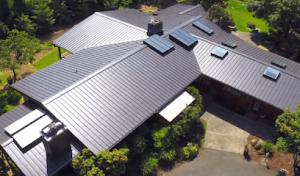
FRS Roofing is the trusted roofer in Medford MA by property owners like you. Whether you need residential roof installation for your home, or simply a flat roof repair for your business you can always turn to us for help. We have been a reliable roofing company in Medford MA for two decades now and counting! Since our inception, we have managed to provide roofing, skylight and gutter services that are not only of high-quality but also of great value and seamless completion. When it comes to your roofing services, asphalt shingles, rubber roof (EPDM), slate roof, and other in the Medford MA area, you should only trust a licensed and accredited roofing company like FRS Roofing. Connect with us today at (781)-322-6252.
Northeast Industrial Roof
510 Riverside Ave, Medford, Massachusetts
5.0 from 123 reviews
With 20 years of experience, Northeast Industrial Roof INC is your trusted roofing company in Medford, MA. Located at 510 Riverside Ave, we specialize in shingle, metal, tile, cedar, EPDM, slate, flat, green, TPO, and PVC roofing. Our services cover both commercial and residential roofing needs, including roof repair, maintenance, replacement, waterproofing, and gutters. Whether you need a new roof, a repair, or regular maintenance, our expert team is here to help. Choose us for reliable, high-quality roofing services in Medford and surrounding areas. Your satisfaction is our priority. Keywords: roofing Medford MA, roofing company Medford MA, roofing contractor Medford MA.
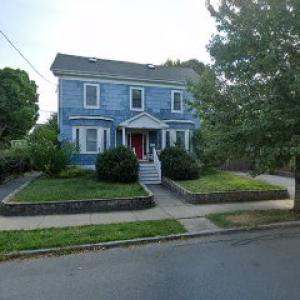
ABI Roofing
(617) 539-2090 medford-roofing-service.us
83 Dudley St, Medford, Massachusetts
5.0 from 17 reviews
ABI Roofing, based in the vibrant city of Medford, stands as a premier roofing contractor dedicated to safeguarding homes and businesses with top-notch roofing solutions. With a wealth of experience, ABI Roofing excels in providing expert installations, repairs, and maintenance services tailored to meet the unique needs of Medford's diverse architectural landscape. Our skilled team of professionals is committed to delivering unmatched craftsmanship, using high-quality materials to ensure durability and longevity. At ABI Roofing, customer satisfaction is our priority, and we take pride in our transparent communication, competitive pricing, and timely project completion. Trust ABI Roofing to elevate your property's protection.
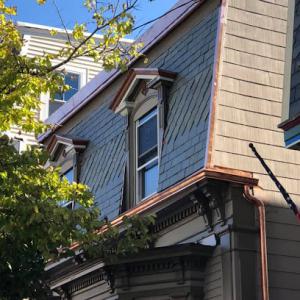
Joseph Savini Contracting
(781) 395-3954 www.josephsavini.com
40 Canal St # 3, Medford, Massachusetts
4.6 from 31 reviews
Savini is a contracting company serving residential and commercial clients in the Boston area. Since 1977, we have specialized in exterior home improvement projects including roofing and gutter installation and repairs, chimney repairs, deck building and more. With over 40 years of experience, we are confident we'll offer exceptional workmanship and customer service on every project. Now Under new management! Savini is not part of the FRS Group!
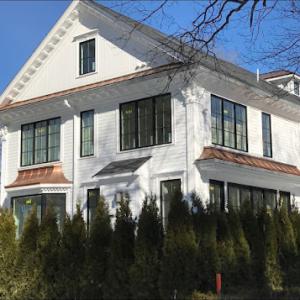
Riverside Sheet Metal & Contracting
(781) 396-0070 www.riversidesheetmetal.net
15 Reardon Rd, Medford, Massachusetts
4.4 from 33 reviews
Riverside Sheet Metal specializes in custom architectural metal fabrication. With over 100 years of experience, our well-trained, dedicated staff takes pride in their work's craftsmanship and the relationships forged with our loyal customers. Our expertise is evident in every job. We have brakes and shears and specialize in cutting, bending, welding, curving, and shaping metal. Riverside fabricates custom-made hood vents, counters, gutters, chimney caps, louvers, finials, drip pans, shower pans, planters, and more. We also have a field crew specialized in installing metal roofs, gutters, chimney caps, and more. We manufacture our metal roof panels and gutters in-house. Our talented artisans specialize in zinc and copper work.
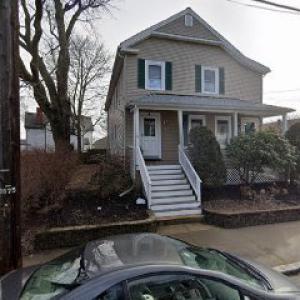
Harco Exteriors
(617) 901-1650 www.harcoext.com
26 Manning St, Medford, Massachusetts
4.3 from 19 reviews
Harco Exteriors is a Roofing Contractor specializing in installing New Roofs and exterior work on your home. Our services are available throughout greater Boston and the North Shore. We provide services in exterior painting, siding and general contracting as well. With over 30 years experience, Harco Exteriors can help you manage your new roof project quickly and efficiently. Give us a call today for an estimate, or visit our website. Thank You, John Harmon, Owner.
Brady Roofing
(781) 324-4312 www.markbradyroofing.com
Serving
5.0 from 14 reviews
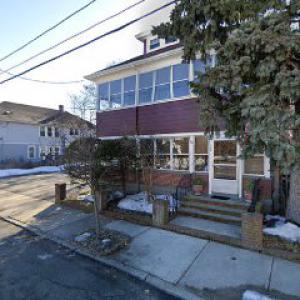
Mark Brady Roofing serving homeowners and business in Malden, MA for the past 40+ years. Our team is made up of seasoned roofing professionals dedicated to making each home's roof as safe, secure with a touch of curb appeal. Our years of roofing experience has given us the opportunity to develop proven processes to ensure the roofing project has been thought through in detail, planned, materials ordered, received and staged for proper installation.
Doherty Slate Roofing
(617) 595-1551 dohertyslateroofing.com
Serving
4.9 from 55 reviews
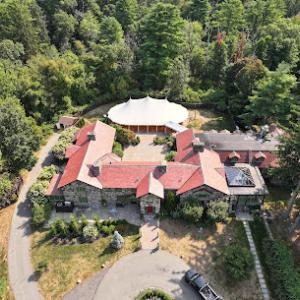
We are slate copper specialists and an award-winning company. Our craftsmanship is prestigious. Unlike other roofing companies, We match identical roof slates to existing slate roofs. This means slate size, slate color, slate age, and thickness to conduct slate roof repairs. We design and install high-end custom copper roof work, Copper Gutters, and install rubber roofs. Were veteran owned and operated. We strive to be the leading slate roofing company in the Boston, Brookline, Newton, and Wellesley areas. We also repair slate tile and carry out annual drone slate roof inspections, slate repairs, slate restoration, and slate installation. Searching for a slate roofing company near me, we are your slate roofing contractor.
Peak Quality Roofing
(781) 650-7458 peakqualityroofing.com
Serving
5.0 from 98 reviews
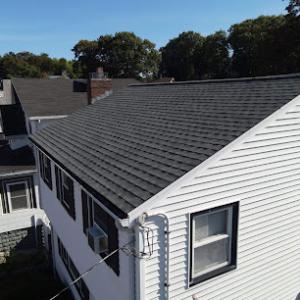
Peak Quality Roofing, based in Melrose, MA, specializes in roofing, siding, and gutter services for homeowners throughout the area. We provide high-quality roofing, expert siding installation and repair, and reliable gutter services to protect your home from the elements. Founded by industry professionals, our company was built on the belief that homeowners deserve fair pricing without sacrificing quality. Our team is committed to exceptional craftsmanship, clear communication, and complete customer satisfaction on every project. Whether you need a new roof, siding replacement, or gutter installation, Peak Quality Roofing delivers durable, long-lasting solutions tailored to your needs. Contact us today for a free estimate.

Clancy Roof & Leak Repairs
(617) 467-2455 clancyroofrepaircharlestown.com
Serving
5.0 from 53 reviews
Clancy Roof & Leak Repairs specializes in finding and fixing roofing issues before they turn into costly damage. The team is skilled at tracing leaks to their exact source, repairing problem areas with durable materials, and ensuring the rest of the roof remains in good condition. For more extensive damage, they provide clear recommendations and handle larger repairs with the same attention to detail. Customers often note the quick response times, the straightforward advice, and the quality of the finished work. Clancy Roof & Leak Repairs is committed to keeping properties secure and weatherproof.
Hayes Roofers &
(781) 822-1209 hayesroofissaquah.com
Serving
5.0 from 27 reviews
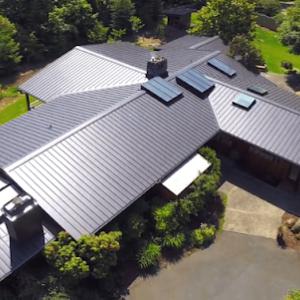
Hayes Roofers provides roofing services that combine skilled workmanship with attentive customer care. The crew handles everything from small leak repairs to complete roof replacements, adapting their approach to fit the needs of each project. Before work begins, the team conducts a thorough inspection to understand the condition of the roof and to recommend the most effective solution. Clients often praise the clear communication, efficient scheduling, and the clean results that leave the property looking well cared for. Hayes Roofers is committed to delivering roofs that are built to last and add value to the home.
Ranch Roofing
(866) 298-4393 ranchroofing.com
Serving
5.0 from 114 reviews
When Ranch Roofing was born, with four employees two decades ago, the mission was to provide residential roofing services to home owners with only Ranch-Style homes. Bob O’Sullivan, President and founder, had the idea that if he could perfect a roofing system on one single style home, he could build customer relationships with consistent quality installs. Today, Ranch Roofing has grown to a trusted expert in the Boston roofing community that provides roofing installation on all styles of houses in Arlington, Cambridge, Lexington, Newton, Belmont and surrounding communities in the greater Boston area. We are proud to be known for quality work.
Asphalt shingles fit the prevailing residential stock around the Mystic River basin and on steep-slope Colonial and triple-decker rooflines. They install quickly, handle the winter freeze-thaw cycle with reliable sealing, and are straightforward to repair when ice damming forms in tight eaves or valleys. For most homeowners facing Medford's typical winter moisture, asphalt offers predictable performance, easy inspections after storms, and a familiar repair path when flashing shows signs of wear.
Slate remains relevant because older Greater Boston homes still carry original or long-service slate roofs that require repair decisions different from standard re-roofing. In the Medford climate, slate can outlast asphalt, but it needs careful assessment of the underlying decking and support. If a slate roof shows worn fasteners, delamination, or sagging sections, consider targeted repairs rather than a full replacement. When repair is impractical, slate restoration or partial re-slating preserves historical character while addressing winter leak risks. Planning should account for the specialty materials and workmanship slate demands.
Clay and concrete tile are available locally but are less typical on Medford homes, so homeowners considering them need to account for structural suitability on older framing. These tiles can shed ice well and offer long service life, yet they add substantial weight and may require structural upgrades or support modifications to existing roof framing. In areas with heavy snow events, tile roofs benefit from professional ice dam mitigation strategies and careful underlayment choices. If a tile roof is contemplated, ensure a detailed assessment of attic insulation, ventilation, and rafter capacity before committing.
Older pitched roofs in Medford often reveal a mix of configurations, from steep Colonial silhouettes to dense triple-decker layouts. The choice of roof type should honor the roofform, attic access, and existing flashing configurations. In practice, asphalt shingles provide the simplest path to reliable winter performance on most configurations, while slate remains a targeted option for homes with preserved slate histories. Clay and concrete tile require structural confirmation and may be best reserved for specific portions of a roof or for future remodels where framing can be upgraded without disruption to living spaces.
When you price a replacement in this town, expect asphalt shingles in the roughly $450 to $750 per square range, metal from about $800 to $1300 per square, clay tile $1100 to $1800 per square, concrete tile $1000 to $1700 per square, wood shingles or shakes $700 to $1200 per square, and slate in the $1800 to $3600 per square band. These figures reflect Medford's aging housing stock and the push-and-pull between material performance and budget. Asphalt remains the baseline, but the higher-end options show up quickly on older infill homes with decorative rooflines or steep pitches.
Costs in Medford are often pushed up by tear-off complexity on older homes, steep roof geometry, chimney flashing work, and access constraints on tighter in-town lots and driveways. A three-decker with a tall peak and a tucked chimney will require more labor time for safety, waste removal, and careful flashing detail at transitions. If the roof deck shows signs of water damage or needs repair before overlay, that adds to the price. Expect extra dollars for specialty flashings around chimneys, dormers, and any skylights that must be resealed or rebuilt.
Replacement timing from late spring through early fall aligns with local weather and can affect pricing when storm demand spikes across the Greater Boston labor market. In a heavy late-winter or early-spring thaw, crews can be scarce and prices can jump. If planning around shoulder seasons, you'll often find steadier schedules and more competitive bids. Weather windows also influence ice dam risk; delaying work until conditions stabilize can reduce the chance of rework due to winter freeze-thaw cycles.
Start with a conservative budget that includes a margin for tear-off and disposal if the existing deck is in rough shape, plus a line item for chimney and skylight flashing. Gather bids that itemize tear-off, disposal, underlayment, and fasteners separately, and request a scope that includes debris containment and roof-penetration sealing. If a contractor suggests a premium option for a steep roof, confirm whether the quote accounts for extra safety harnessing, ladders, and temporary access equipment. Prioritize methods that improve ice dam resistance, such as enhanced underlayment and proper heat-flow management around headers and valleys.
Get a clear picture of your project costs upfront - no commitment required.
Storm Works Roofing & Restoration
(844) 786-7696 www.stormworksroofing.com
Serving
4.8 from 143 reviews
A full re-roof in Medford requires a building permit issued by the City of Medford Building Department. Before any shingles come off, you or your contractor should file plans for review, especially on the older triple-decker and Colonial lines common in town. The plan review will look at roof framing support, venting, and drainage details, as well as the sequence of tarping, removal, and replacement to avoid unnecessary damage to eaves and interiors. Weather windows matter here, so allow your contractor to coordinate the submission with forecasted cold snaps or storms. Plan review timing can vary with weather and department workload, so homeowners should build scheduling cushion into replacement plans.
Initiate the permit with the city's Building Department, providing a scope of work, contractor license information, and project address. Expect to supply roof material type, number of squares, and a temporary protection plan for during removal and anticipated leaks. If structural work is involved-such as replacing decking or upgrading flashing-the department may request engineering notes or revised framing details. In Medford, you may encounter short review cycles during calm weather and longer backlogs after heavy winter storms, so you want to have permit drawings, permit fees, and a schedule ready to move when the weather cooperates.
Inspections are part of the process, not an afterthought. You'll typically have at least one inspection for the framing and decking, another for underlayment and flashing, and a final inspection once the roofing is complete. If weather or material delays push work into different weeks, your permit may require interim inspections to avoid lapses. During the work, inspectors will verify proper ventilation, proper nailing patterns for the steep pitches seen on older homes, and the adequacy of drainage details around valleys and chimneys. Flasher installation around curved surfaces and around dormers common to Medford homes is a particular focus, given freeze-thaw cycles that stress flashing joints.
When the last shingle is nailed and all penetrations are sealed, the final inspection confirms the roof meets code for wind resistance, fire barrier clearances, and proper clearance from interior framing. The inspector will also check attic access, insulation continuity at eaves, and that ventilation work ties into the dormer and ridge lines without creating condensation risks in the attic. Once the final stamp is obtained, the project is closed with the Building Department, and the new roof transitions from project to part of the home's long-term protection against Medford's winter conditions.
Because plan review timing varies with weather and department workload, homeowners should build cushion into replacement plans. Coordinate with the contractor to align removal, decking work, underlayment, and flashing with the anticipated freeze-thaw cycles. Keep the site secure and weatherproofed between stages, as ice damming and interior leaks are a top concern on older pitched roofs in this area. Maintain clear communication with the Building Department and your contractor to avoid delays that push critical weather windows into unpredictable periods.
Chimneys on Medford's older stock-often masonry with decades of weather exposure-tend to drive recurring flashing and cricket problems. Ice and wet seasons punish the intersections where chimney crowns meet shingle or tile, and the surrounding mortar can crumble, letting moisture slip behind the cladding. When a chimney is a prominent feature on a steep pitched roof, a single compromised flashing lap or a misshaped cricket can channel water straight toward the interior. The telltale signs are damp ceilings near the chimney chase, stained rafters, or intermittent attic drips that don't follow a straight line from a roof plane. The consequence is not just a leak, but rot and mold if left unaddressed through multiple freeze-thaw cycles.
Skylight units on older Medford roofs age differently than the surrounding shingles. Freeze-thaw cycling can crack or shrink sealants, allowing edge leaks to appear long after a minor curb or flashing defect is spotted. In midwinter, a seemingly small gap at a skylight flange becomes a steady drip during warming days as ice melts and refreezes. Aging glazing or worn foam gaskets compound the problem, and the interior signs-lines along the ceiling or softly pooling water near the skylight-merit prompt attention. Because skylight vulnerabilities often show up at the curb rather than across the field of shingles, focus inspections there during a careful roof scan after a snowfall melts.
On older roofs, leaking often centers on penetrations and transitions rather than field shingles. Start at the chimney base, the skylight curb, and any vent pipes where flashing is visible. Look for lifted seams, rusted or torn boots, and failed sealant bead lines. A systematic trace-from interior stains outward to the nearest flashing junctions-helps avoid chasing dry shingles that aren't at fault. When moisture patterns don't align with obvious edges, consider hidden pockets where flashing has tucked under using counterflashing or where cricket drainage has started to clog.
Regularly resealing around skylight flanges and chimney crowns can prevent minor cracks from becoming leaks in a Medford winter. Keep valleys and crickets clear of debris that can trap meltwater. If a chimney flashing shows rust or loose sections, address it before a heavy thaw sends water into your attic. Durable, compatible sealants and properly applied counterflashing matter more than a quick cosmetic fix, especially where repeated freeze-thaw cycles stress the junctions.
If interior staining or attic moisture persists after a cautious DIY check, it's time to bring in a roof specialist. Timely attention to chimney and skylight trouble spots preserves the roof's integrity and reduces the risk of attic rot and framing damage that can follow seasons of untreated leaks. In Medford, relying on a local pro who understands how brick, mortar, and old curb details interact with roof assemblies pays off in long-term reliability.
Find contractors experienced in skylight installation, flashing, and leak repairs to bring natural light into your home.

FRS Roofing + Gutters
40 Canal St # 3, Medford, Massachusetts
4.9 from 663 reviews
Northeast Industrial Roof
510 Riverside Ave, Medford, Massachusetts
5.0 from 123 reviews
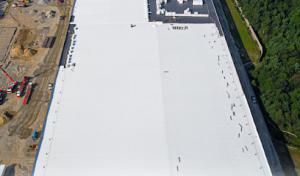
Flat and low-slope sections are a meaningful local niche on porches, rear additions, and some multifamily or mixed-use structures. These areas age differently from the main steep-slope roof, so they require a distinct approach. Snow load and ponding after freeze-thaw cycles drive the main failure patterns on these Medford low-slope roofs. Drainage maintenance becomes critical because blocked or slow channels turn small leaks into wider interior issues.
Assess the entire surface for ponding potential by visualizing a line from eave to parapet. Ensure scuppers, internal drains, and parapet edges are clear before winter. If the addition has a low-profile parapet, consider adding a secondary drainage path or a raised edge detail to direct meltwater toward the primary drain. Regular clearing after storms prevents ice formation that can lift or tear membrane seams. Use a non-slip walkway to access the roof for seasonal checks, and keep debris off the surface to avoid blocked flow.
Flat roofs on these structures commonly use bitumen or single-pply membranes, with insulation staged to minimize temperature swings. When choosing replacement, consider assemblies that tolerate freeze-thaw cycles and maintain immaculate flashing around penetrations. Note that the assemblies age differently from the main roof, so plan replacements on their own timeline rather than syncing with the steep-slope roof. Prioritize a robust edge detail and continuous drip edge to reduce water infiltration at the perimeter.
Find specialists in TPO, EPDM, and built-up flat roofing systems for residential and commercial properties.
FRS Roofing + Gutters
40 Canal St # 3, Medford, Massachusetts
4.9 from 663 reviews
Northeast Industrial Roof
510 Riverside Ave, Medford, Massachusetts
5.0 from 123 reviews
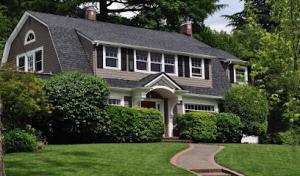
Massachusetts is a moderate roof-claim market after wind and hail events, so homeowners should expect insurers to scrutinize age, maintenance history, and prior repairs. In Medford, that scrutiny is especially sharp on older pitched roofs common to triple-deckers and Colonials near the Mystic River basin. Being prepared means anticipating questions about when the last roof maintenance occurred, what previous leak repairs were done, and whether flashing or ventilation improvements have been addressed after severe winters. Clear timelines help prevent delays when the adjuster reviews the file.
Photo documentation of shingle tabs, flashing, interior leak staining, and storm dates is especially important before temporary repairs are made in Medford. Take close-ups of any lifted tabs, loose or missing shingles, and metal flashing at valleys, chimneys, and vents. Interior photos should capture staining on ceilings or walls, as well as any attic condensation or frost buildup that signals hidden intrusion. Keep a dated gallery organized by storm event, and store copies in a cloud drive linked to the claim. If a temporary tarp is used, photograph its placement and tie-downs to show attempts at mitigation.
Because adjuster inspections are common for major replacements in this market, homeowners should keep permit records and contractor scopes organized from the start. Have a simple summary of every prior repair, plus dates and materials used, ready to share. When scheduling the adjuster visit, provide a concise list of observed issues, with corresponding photos and any relevant storm dates. Request a written scope from the contractor that aligns with the insurer's repair approach, and keep all communication in a single, dated thread. Document decisions in writing to avoid back-and-forth gaps that slow the settlement.
Once the claim is underway, maintain a chronological file: incident dates, photos, correspondence, and the adjusted scope. If the insurer requests additional information or a second inspection, respond promptly with the organized records. In older homes, ensuring that flashing, underlayment, and soffit details are addressed in the final plan helps reduce the risk of recurring leaks during freeze-thaw cycles. Maintain copies of all correspondence and updated repair timelines for reference through the settlement process.