
Last updated: Apr 19, 2026
The inland lakes and wetlands around Commerce Township create a damp microclimate that keeps roofs and flashing edges damp longer after snow and rain than drier inland neighborhoods. Repeated winter freeze-thaw cycles here drive movement in flashing, sealant failure, and edge wear on shingles far more than a single-season snow load event. When ice forms at rake edges or along valleys, its expansion can push flashing upward, loosen sealant beads, and create micro-trenches for water to migrate under the roofing system. By early spring, those tiny gaps become bigger leaks if not addressed, especially where shadows linger on the roof and keep moisture from fully drying.
In this part of Oakland County, valleys, penetrations, and lower-slope transitions common on attached garages and additions are the joints that bear the brunt of winter's abuse. The combination of lake humidity and shade can leave these zones damp for days after a storm, slowing warm-season drying and allowing ice to press in from multiple directions. Look closely at the edge of valley metal, step flashing where the chimney or vents intersect the roof line, and along the intersection where the garage roof meets the main house. The risk isn't a single dramatic event but a creeping sequence: ice forms, pressure builds, fasteners loosen, and moisture finds its way through the smallest gaps. If gutters are blocked or misaligned, that leakage path widens, feeding damage into the underlayment and deck.
Shingle edge wear is a telltale sign in shaded sections where snow lingered longest. Curling, cupping, or lifting shingles at the eaves or along valley runs indicates that the freeze-thaw cycle has compromised the shingle mat and its adhesive grip. Flashing movement along vent penetrations or roof-to-wall transitions often follows even modest seasonal shifts in temperature. Sealant joints around skylights, drum vents, and dormers can degrade first in areas exposed to winter moisture and sun-warmed afternoons. The combination of damp insulation layers and recurring cold snaps makes these zones particularly susceptible to hidden water intrusion, which rarely announces itself until spring rains arrive.
Spring thaw and rain can expose leaks that began as winter ice-related damage, especially around valleys, penetrations, and lower-slope transitions. As temperatures swing with the sun and afternoon meltwater runs down from higher roof levels, previously compromised seals and flashing joints begin to leak visibly. Attic and ceiling stains near the affected zones often appear after a few warm days, even if the surface looks intact. This delayed progression is common in lakeside neighborhoods where drifted snow and shaded roof facets hold moisture longer than in open, sun-baked lots. Early detection during this window is crucial to prevent widespread interior damage.
You should conduct a focused roof check after heavy melt or rain events when the sun comes out and surfaces warm. Start by inspecting flashing edges around chimneys, vents, and dormers for any upward movement or loose fasteners. Examine valley treatments and step flashing where attached additions join the main roof, paying attention to any darkening, staining, or granular loss near the edges. If you notice persistent dampness in the attic, check the insulation around penetrations and look for compressed or wet insulation pockets. Addressing these concerns promptly can prevent water from tracking into living spaces. When doubt persists, schedule a professional roof inspection that specializes in lake-area roofs and understands how shade patterns and humidity influence material performance across seasons. Prioritize timely resealing, flashing adjustments, and targeted repairs to curb ongoing damage before it escalates.
In this lake-influenced area, a hail or wind claim isn't just about a single event. Michigan carriers in this market commonly ask homeowners to separate recent hail or wind damage from older wear, making dated photos and prior inspection records especially important before filing. When a storm hits, neighbors may report damage that looks identical at first glance, but insurers will scrutinize whether the damage is new or simply the result of ongoing wear. A clear, organized timeline helps prevent surprises later in the claim process. If your quick roof inspection after a storm reveals areas where you suspect wind-lift or hail impact, document those spots with quick notes and a current date to anchor your file.
Warm-season hail events are a real local concern, and claim timing matters because adjuster availability and approval pace can slow after broader Southeast Michigan storm activity. Take photos that show the roof surface from multiple angles, focusing on impact marks, bruising on shingles, lifted edges, and any dented flashing or vent components. Keep a separate folder for post-storm images and another for pre-storm or prior-condition photos, if available. Also capture gutter and fascia damage, since these items often accompany roof issues and can influence the scope of repair. If a contractor has alreadyning completed work, capture evidence of flashing, underlayment, and any visible closing details before new contractor notes are added to the file.
Commerce Township homeowners often need after-work documentation showing completed flashing, underlayment, and final condition because insurers may request proof that storm-related repairs were properly closed out. After a repair, request a written summary from the contractor that lists what was replaced or repaired, the materials used, and the exact areas attended to. Obtain copies of any inspection checklists or final photos that show the roof line, flashing at chimneys or valleys, and the edge detail along eaves. If a contractor uses temporary patches or protective measures during the claim review, keep notes and photos of those installations as well. The more precise the post-repair documentation, the smoother the insurer's review process.
Line up your documentation to align with the adjuster's visit. Have copies ready of your storm-date record, the most recent photos, and pre-existing conditions that could be mistaken for new damage. If an adjuster comes during a busy period after a widespread storm, it may take longer to schedule and finalize the findings. In that case, ensure communication is clear about what constitutes completed work and what remains open. A well-organized file helps prevent back-and-forth questions that stall approvals and leaves less room for misinterpretation of what constitutes a covered repair versus wear and age.
Connect with contractors who help homeowners navigate the claims process from damage assessment to final approval.
180 Contractors Roofing & Siding
(248) 886-6083 180contractors.com
3109 Old Farm Ln, Commerce Township, Michigan
5.0 from 22 reviews
180 Contractors Roofing & Siding
(248) 886-6083 180contractors.com
3109 Old Farm Ln, Commerce Township, Michigan
5.0 from 22 reviews
180 Contractors is a residential exterior remodeling company proudly serving homeowners in Commerce, MI and throughout Oakland County. We specialize in roof replacements, roof repairs, siding installation, gutter systems, and replacement windows and entry doors, all tailored for single-family homes. Our crew is committed to quality work, honest communication, and a smooth, stress-free experience from start to finish. Whether you’re updating your home’s exterior or repairing storm damage, 180 Contractors delivers trusted, top-rated service backed by expert craftsmanship. Call today to schedule a free consultation with your local residential roofing and siding experts.
Zki Home Improvements
Serving
5.0 from 12 reviews
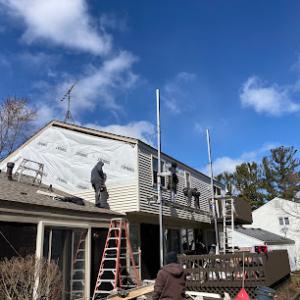
Zki Home Improvements is a Michigan based company that specializes in storm damage restoration, roofing, gutters and siding. We provide high quality craftsmanship, materials and customer service. Licensed and insured. Call today for an estimate!
Roof-Rite
(248) 221-2985 www.roof-rite.com
Serving
4.7 from 184 reviews
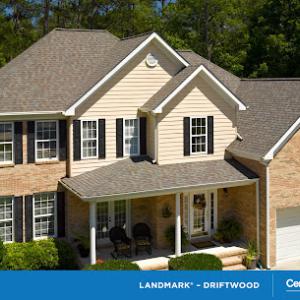
Roof-Rite, Inc. provides gutter protection installation services, maintenance services, new gutter installation services, new roof installation services, new siding installation services, specialized roofing services, insulation services, and more to Southeast Michigan and the surrounding areas.
Zamora construction
(313) 523-6239 www.roofsbyzamora.com
Serving
5.0 from 33 reviews
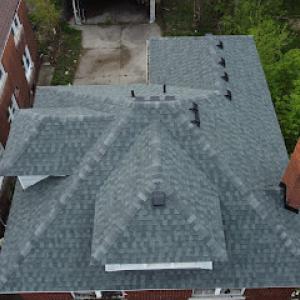
We are family owned roofing services located in commerce mi,offering complete tear offs,repairs, emergency repairs, new construction installation.
Spencer Roofing
(248) 669-9730 www.spencerroofing.com
Serving
4.6 from 74 reviews
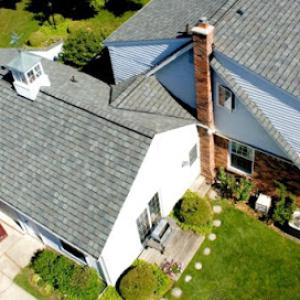
Based in Walled Lake and serving Southeast Michigan since 1980, Spencer Roofing has been a trusted choice for thousands of home and business owners. At Spencer Roofing, providing exceptional customer service is our #1 goal. We understand that your home is an important investment. Your concerns are first priority, and we will help you select the most appropriate roofing system to meet your needs. We deliver great value by consistently offering the highest quality materials and workmanship at competitive prices. We stand behind our work, which is why over 70% of our business comes from referrals!
Stable Roofing
(734) 743-8379 stableroofings.com
Serving
5.0 from 25 reviews
Stable Roofing is Metro Detroit’s trusted local roofing company, delivering quality craftsmanship and dependable service you can count on. We specialize in roof replacement, repair, and gutter installation for homes of all sizes. Our team takes pride in honest estimates, clear communication, and professional results—protecting your home while enhancing curb appeal. Whether it’s storm damage, leaks, or a full roof upgrade, Stable Roofing is here to keep your home safe, strong, and looking its best.

Allied Siding & Roofing
(248) 453-1689 www.buildwithallied.com
Serving
5.0 from 61 reviews
Welcome to the premier siding, roofing, and deck installation company in Highland, Michigan. At Allied Siding and Roofing, our construction professionals are dedicated to providing you with five-star home renovation services. Our locally owned and operated construction company offers James Hardie fiber cement siding, TimberTech and Trex composite decks, and GAF and CertainTeed roofing installation, all at an affordable price.

Rashid Construction
(800) 567-4490 www.rashidconstruction.com
Serving
4.7 from 63 reviews
With a legacy of craftsmanship spanning more than five decades, Rashid Construction stands as a testament to the transformative power of dedication. Founded in 1969, Rashid Construction has left an indelible mark on the landscape of their city, skillfully transforming visions into architectural masterpieces. They serve as a reliable partner in creating functional and visually stunning living spaces, leaving their mark as a symbol of exceptional quality and uncompromising excellence. While appointments are not required to visit the showroom, we encourage you to call ahead to ensure the best experience.

A-Better Exterior
(248) 660-3292 www.abetterexterior.com
Serving
4.8 from 75 reviews
A-Better Exterior has built a reputation that goes back to 2010 for doing high-quality work with our roofing repair and installation projects. The pride we take in our finished work is reflected by the fact we stand by it with a warranty. Our professional team walks customers, both residential and commercial, through all facets of repair and installation decisions. We analyze short-term costs against long-term goals and discuss the advantages and disadvantages of different roofing materials. By making an informed decision, our customers can rest assured that they are getting a high-quality, well-made roof that meets their economic needs.
Detroit Roofers of Novi
Serving
5.0 from 18 reviews
Detroit Roofers of Novi proudly provides reliable roofing services throughout Novi, Northville, Wixom, and surrounding communities. We handle residential and commercial projects of all sizes, from quick roof repairs to full replacements and new installations. Our licensed and insured professionals work with asphalt shingles, flat roofs, and metal systems—backed by solid warranties and a strong reputation supported by 5-star reviews. Property owners across Novi trust us for prompt service, honest pricing, and top-tier workmanship. When you need roofing that’s built to last, turn to the experienced team at Detroit Roofers of Novi.

American Standard Roofing
(248) 350-2323 americanstandardroofing.com
Serving
4.8 from 436 reviews
American Standard Is the Roofing Company You Can Trust Our passion for roofing can be traced back to 2001 in Detroit, and since then we have never looked back. With thousands of successful projects under our belt, we can proudly say that we are the most trusted roofing company in Michigan. We're centrally located in Farmington Hills, and we service all of Southeast Michigan, performing services on residential, commercial, and multifamily properties. Unlike some of our competitors, our no-gimmicks sales strategy is simple: be honest and treat every customer like family. We let our reviews, awards, and A+ rating with the Better Business Bureau speak for themselves. No matter how small or large the job, our team has you covered!
Armor Roofing
(248) 215-2555 www.armorroofingmi.com
Serving
4.8 from 33 reviews
Armor Roofing is Michigan's premier roofing provider, offering fully engineered lifetime roofing systems to protect your home. We never use generic components.
When planning a roof replacement, use these local material ranges per square: Asphalt Shingles 350-550, Metal Roofing 800-1400, Clay Tile 1200-2000, Concrete Tile 1000-1600, Synthetic/Composite Shingles 500-900, Slate 2000-3000. In this lake-influenced area, choices are influenced by how well each material handles freeze-thaw cycles and coastal moisture carried by spring winds off the lake. A typical residential roof in this area often leans toward asphalt or metal as a balance of durability and cost, while concrete or clay tiles pattern into larger, higher-footprint homes or specialty designs.
Prices in Commerce Township can rise when spring thaw leaves decking moisture that delays tear-off and replacement sequencing, or when storm-driven demand compresses scheduling across Oakland County. If you hit a window with lingering moisture or soft deck patches, contractors may charge premium for longer project timelines or additional drying measures. Plan for a slightly extended schedule after heavy snows, since spring melt can reveal hidden rot or flashing failures that push work into a later phase. Keeping a contingency for a few extra days of crew time helps prevent rushed, mis-sequenced repairs that show up at final inspection.
Pricing can also shift with larger suburban roof footprints, attached garage sections, chimney flashing work, and ventilation corrections that township inspectors commonly review at final inspection. Large homes or complex shapes add seams, valleys, and more flashing labor, which increases both material and install time. Chimneys and attic vents often require careful sealing to withstand lake humidity and freeze-thaw movement, raising labor costs. Expect added charges if you're upgrading or correcting ventilation to satisfy final inspection expectations, especially in two-story layouts with multiple access points.
Asphalt Shingles remain the most economical per square, while metal offers longevity against freeze-thaw cycles with moderate upfront cost. Clay and concrete tiles provide strong durability but come with higher installation complexity and heavier deck loading. Synthetic/Composite Shingles deliver a middle ground of cost and resilience, and slate, while premium, delivers exceptional longevity and a distinct look-yet requires careful structural assessment. For lake-area homes with storm exposure, pairing proper underlayment and a robust ventilation plan can mitigate moisture-related issues that drive costs upward later.
Full roof replacements in this area require a permit through the township building department, not a no-paperwork job. That means your project starts with an official permit application and a defined scope of work. The township expects a clearly described plan-including materials, ventilation strategy, and flashing details-along with any structural or electrical considerations tied to the roof replacement. The emphasis is on a transparent process where the work is verifiable against the submitted plan, rather than a quick, contractor-led completion that skips formal review.
In Commerce Township, the process generally centers on a permit application, a scope-of-work submission, and a final inspection after completion. This setup avoids the pitfalls of a purely contractor-self-certify approach. You or your licensed roofing professional should file for the permit, then wait for approval before work begins. Once approved, the permit is tied to the project's milestones, requiring documentation of materials, ventilation details, and flashing configurations. After the roof is installed, a final inspection confirms compliance with the approved scope and local code requirements before the permit is closed.
Inspectors commonly verify ventilation adequacy, underlayment installation, flashing details around chimneys, vents, and hips, and thorough debris removal before permit closure. Given the lake-influenced moisture and freeze-thaw cycles in this region, the inspection focuses on how the roof manages moisture movement and thermal cycling. Your contractor should be prepared for a responsive inspection-receiving any required corrections and ensuring those items are addressed prior to final sign-off.
Homeowners should confirm that the contractor is responsible for final sign-off with the township. This means the contractor coordinates the permit, schedules the final inspection, and ensures all required documentation and install details are ready for review. Understand who will handle the ventilation calculations, underlayment type and placement, flashing transitions, and debris removal. Clear communication about who bears responsibility for the final inspection clearance helps prevent delays and ensures the project passes the township's standards on the first pass.
Keep a copy of the approved scope and any permit conditions handy during the project. Schedule inspections promptly and keep accessible access for the inspector. If your home is near the lake or experiences heavy freeze-thaw cycles, emphasize proper attic ventilation and moisture management in your plan, so the final verification aligns with the unique local climate. Having an organized, documented process helps ensure a clean final closure and a durable roof that stands up to Commerce Township's seasonal stresses.
Asphalt shingles stand as the practical baseline for most homes in this area. They align well with the dominant suburban housing stock and offer repairability after isolated wind or hail events that are not uncommon along the lake breeze. Their lighter weight reduces load on aging structures, and the existing roof decks in many Commerce Township homes are well-suited for standard asphalt applications. When repairs are needed after a storm, shingle-based systems tend to be simpler to source and replace without triggering extensive flashing recalibration, keeping the project closer to a typical residential repair timeline. For homes facing freeze-thaw cycles, asphalt still benefits from proper ventilation and a sealed ridge line to minimize moisture buildup under the shingles during rapid temperature swings.
Metal roofing brings strong protection against snow shedding and long-term moisture exposure. In this climate, metal can be a smart match for homes that experience heavy winter loading or frequent freeze-thaw transitions. The key to a successful metal install lies in the installer's experience with condensation control and ventilation details, especially in cold winters and humid summers. In Commerce Township, the roof assembly must account for attic venting, underlayment, and flashing integration with neighboring structures and vent stacks to prevent moisture pockets. A well-executed metal system can contribute to energy efficiency and a clean drainage path, while avoiding missteps that trap condensation at the eaves or ridge during seasonal swings.
Clay tile, concrete tile, synthetic/composite shingles, and slate appear in the market, yet they demand careful structural and flashing planning in this freeze-thaw Michigan climate. Water intrusion at flashing details and penetrations often presents a bigger risk than field-tile failure. The heavier weight of premium systems requires accurate structural assessment and reinforced framing, as well as meticulous flashing around chimneys, vent pipes, and rooftop transitions. If a homeowner contemplates these options, partnering with a local roofer who understands the township's pattern of thaw cycles and lake-influenced moisture is essential to avoid hidden failures. In practice, these materials work best when paired with a fan-assisted ventilation strategy and a robust drip edge that channels water away from fascia and soffits.
The most popular roofing material in the US. Find pros who install, repair, and replace asphalt shingles.
Commerce Township's mix of ranches, colonials, lake-area homes, and later additions often creates vulnerable transitions where steep-slope roofing meets porch, garage, or rear low-slope sections. During winter thaw and spring rain, these intersections are where leaks tend to start, especially around flashing, skylights, and chimney bases. The pattern isn't random - it reflects how moisture travels from the lake-side exposure into transitions that were not originally designed to shed water as efficiently as the main roof plane. Expect more frequent attention needed at these junctions as the seasons shift.
Skylights and chimneys are common failure points in this area because flashing joints at those penetrations endure repeated freeze-thaw cycles. If a skylight sits on a low-slope wing or a garage connector, it may be exposed to greater drainage pressure and ice buildup from wind-driven snow. Chimneys with corroded step flashing or degraded crown seal can funnel water into attic spaces and rafters. The practice of quick fixes often leads to recurring leaks; a thorough, well-sealed flashing system and proper integration with the surrounding roof plane is essential for a lasting remedy.
Rear additions or garage connectors age differently than the main shingle roof, and moisture can accumulate where membranes were not extended fully over transitions. Inspect the edge details where the low-slope meets the higher roof, paying special attention to membrane wear, seam integrity, and any shrinkage or neglect in integration with the primary roof layer. At drainage points, ensure that gutters, downspouts, and roof drains are clear and that water is directed away from the building envelope. When flashing at these tie-ins fails, the resulting wet patches can travel along ceilings and into living spaces before a visible roof surface reveals the cause.
A diligence-first mindset helps prevent costly damage. In mid-winter thaw and spring rain, look for dampness along vent pipes, chimney bases, daylighting at flashing corners, and soft spots in the low-slope transitions. Schedule targeted inspections after heavy storms or rapid temperature swings, and pair these checks with a careful assessment of drainage routes across all connections to the main roof. This approach minimizes surprise leaks and preserves the lifespan of transitional roof areas in a township climate.
Find contractors experienced in skylight installation, flashing, and leak repairs to bring natural light into your home.

Late spring in this area can be tricky because thaw and rain may leave roof decking damp even when surface weather looks workable. If you notice spongy decking, soft spots, or lingering moisture after a thaw, treat it as a sign to pause on a full replacement until the roof is dry and the attic is ventilated. In Commerce Township, moisture moves through the roof heave and flashing gaps quickly, so an early spring assessment should focus on deck dryness, not just shingle appearance. If you can safely access the attic, check for condensation or musty odors, which signal ongoing moisture that needs to be resolved before a full replacement is staged.
Summer installation windows are productive, but heat and humidity still affect shingle handling, attic ventilation performance, and crew pacing on larger suburban roofs. In hot stretches, plan for midday pauses and shade-conscious scheduling to protect sealants and underlayment. Ventilation matters more than ever; a properly vented attic reduces heat buildup that can warp decking and alter nail seating. On longer runs and steeper pitches, trust crews to stagger material movement so shingles don't become heat-softened or brittle at edges. If heat waves collide with storm swells, the job may extend beyond anticipated timelines, so keep a contingency plan for weather-led interruptions.
Homeowners who wait until active winter leaking often face a temporary tarp-first path because emergency response is common in this market and permanent replacement may need to wait for safer conditions. In Commerce Township, freeze-thaw cycles can worsen gaps around flashing and vent pipes, turning a small leak into a larger restoration issue. If a leak appears during cold snaps, a tarp can buy time, but plan for a follow-up replacement window when temperatures stay above freezing for several days and precipitation is minimal. A thoughtful approach prioritizes drying out the roof deck, completing flashing checks, and scheduling the replacement after a dry period has been established to prevent ongoing moisture intrusion.