Last updated: Apr 19, 2026
When the spring hail hits and winds howl, the first hours decide how much damage hides above your head. A quick ground check for missing shingles, dents on gutters, and obvious punctures sets the pace for the rest of the day. If water is actively dripping or pooling, do not climb onto the roof yourself-it's a risk in frequent southeast Michigan gusts. Instead, safely access the attic to confirm leaks and locate the source, then contact a local roofing professional who understands our lake-area microclimates and storm patterns. In this market, timely decisions-rather than delayed concern-can prevent widespread interior damage.
After a storm, insurers expect clear photo evidence and a licensed contractor assessment before moving forward with a claim. Gather high-resolution photos of exterior damage from multiple angles, focusing on missing granules, lifted shingles, dented flashings, and any interior staining or ceiling bulges. Time-stamped images help appraisals, especially when rapid leaks follow a spring event or a summer thunderstorm. Keep a dated record of every communication with the insurer and contractor, including who inspected, what was found, and the next steps. If a claim is filed, ensure the contractor's assessment explicitly notes if temporary tarping is required and whether the roof is safe to remain in service until a permanent repair can be scheduled.
Storm seasons in this area bring sudden leak emergencies and power outages, so temporary protection matters. A sturdy, weatherproof tarp, properly secured over compromised sections, can avert further interior damage while waiting for an inspection or replacement, but only if it can be applied safely. Avoid walking on a roof during wet conditions or after hail, when slick surfaces conceal damaged underlayment. Keep valuables well away from water paths and create a dry, centralized area in the attic to monitor leak progression. If power is compromised or electrical panels show signs of moisture, prioritize turning off affected circuits and consulting a licensed electrician before any roof work begins. Quick, decisive action is essential in this market where a single storm can cascade into days of disruption.
In this city, you want a contractor who can respond fast after a tuned storm event and who understands how Southeast Michigan weather stresses roofing systems. Look for local references and proof of prior emergency tarping and rapid re-roof cycles caused by hail and wind. A licensed contractor should provide a written assessment detailing the condition of underlayment, decking, and flashings, as well as the recommended repair or replacement path. Ask for a phased plan that aligns with insurance timelines: temporary protection first, then permanent repairs or a full re-roof if warranted by the damage. Ensure crews are equipped to work on our common roof types, including asphalt and metal, and that they can coordinate disposal and debris clean-up promptly to minimize street obstruction.
Storms expose whether a roof is near the end of its service life or simply weathered by a rough winter and repeated thaw cycles. A reputable local roofer will help you weigh the benefits of a full re-roof versus targeted repairs, considering our climate's freeze-thaw stress and the typical lake-area roof lines. If the damage spans multiple sections or types of roofing material, or if substantial underlayment replacement is indicated, a full replacement might offer better long-term value and reduced risk of recurring leaks. Remember: insurers' expectations, rapid response, and documented assessments converge to determine the most prudent path after a weather event.
Cold Southeast Michigan winters subject Walled Lake roofs to repeated freeze-thaw cycling that can fatigue shingles, flashing, sealants, and exposed fasteners. Each subfreezing night followed by a thaw pushes moisture into tiny pores and gaps, then refreezes to push materials apart just enough to create micro-cracks. Over a winter or two, those micro-cracks can grow, turning minor leaks into bigger headaches. The effect isn't dramatic overnight, but it compounds year after year, especially on roofs with aging or poorly sealed joints. The result is a roof system that loses its initial resilience, making early warning signs-soft spots, granule loss, or small drips-more common after storms.
Eave protection is a specific inspection focus for re-roofing in Walled Lake, reflecting the local need to manage winter ice and meltwater at roof edges. Ice damming is more than an aesthetic issue; it can force water to back up under shingles and fascia, compromising underlayment and decking. When inspecting, pay particular attention to areas where roof planes meet the overhang, as well as joints over gutters and downspouts. Look for lifted shingles, telltale granule loss, and flashing that appears to have pulled away from the fascia. If you notice any ice dam formations during late-winter thaws, address them promptly with appropriate ventilation adjustments, improved drip edge details, and a robust underlayment transition at the eaves. A properly detailed eave with a continuous sealant line and secure edge fasteners becomes a frontline defense against repeat freeze-thaw damage.
Rapid temperature swings and high humidity in the region can shorten underlayment performance if the roof system is not detailed correctly. When temperatures swing from bitter cold to a more moderate day, the materials expand and contract at different rates. If underlayment is too rigid, or if fasteners and seam tapes aren't anchored with the correct sealant compatibility, the result is cracking or seam failure under repeated cycles. High humidity can also encourage moisture migration through attic vents and plenum spaces, which, if unchecked, reduces the protective value of the underlayment and can accelerate corroding fasteners and flashing. The practical takeaway is to ensure the roof detailing includes compatible, marine-grade or weather-rated sealants at all penetrations, and that deck-to-underlayment transitions are fully taped or integrated with a durable, flexible seam system. Additionally, verify that attic insulation and ventilation are balanced to prevent excess humidity from condensing on the roof's interior surfaces during warm snaps.
If you're approaching a re-roof after a harsh season, start with a careful edge review: inspect the drip edge, fascia, and the first row of shingles for lifted edges or curled corners. Check flashing around pipes, vents, and chimneys for signs of loosening or corrosion. On a mid-winter inspection, look for damp or icy streaks along eaves after a thaw; those are clues that ice melt is finding its way under the roofing system. Inside the attic, look for damp patches or frost on the sheathing along eaves, which indicates moisture intrusion. In Walled Lake, where a roof's life is tested by the combination of winter cold and storm-driven winds, a proactive, edge-focused approach paired with well-sealed penetrations and sound underlayment is the best path to resisting the cumulative impact of freeze-thaw stress.
Asphalt shingles stand out as the dominant practical choice in Walled Lake because they fit the area's re-roofing-heavy market and broad residential housing stock. They install quickly, perform reliably through Southeast Michigan's freeze-thaw cycles, and are easy to repair after storm events. If a quick, straightforward replacement is the goal, asphalt shingles provide predictable performance in average winters and are forgiving when minor hail impacts occur. When selecting this option, pay attention to shingle granule retention and the warranty coverage, especially after a season of severe weather, so that a homeowner can document post-storm damage for insurance alignment.
Metal is a practical upgrade if wind and hail resistance are prioritized in a storm-claim environment. In Walled Lake, metal roofs tend to shed snow and resist wind-driven debris better than many other materials, which matters after storm-driven leaks or hail events. A metal roof also often carries a longer lifespan with fewer intermediate repairs, which can translate into less disruption during winter months when access and re-roofing windows are constrained. If choosing metal, consider panel profiles, fastening methods, and the potential for louder operation during heavy rain or hail, along with underlayment compatibility that keeps attic temperatures and condensation in check.
Clay tile and concrete tile exist in the market but are more specialized choices that require careful evaluation for winter performance and structural fit in Southeast Michigan. Clay and concrete tiles can be excellent for curb appeal and long service life, yet they demand a robust roof deck and careful attention to snow load. Wood shakes offer a distinct look and good insulation value, but they require vigilant maintenance against moisture absorption, moss, and potential insect exposure in shaded corners. Synthetic products can mimic other materials while improving impact resistance and weight management, but their performance depends on the specific formulation and installation details. For any of these, a precise assessment of attic ventilation, deck condition, and snow load tolerance is essential before committing to a long-term choice.
When evaluating roof types after a storm, start by matching the material to the existing housing stock and re-roofing market in this area. Check the roof's structural readiness for heavier finishes, such as tile or metal, especially if the deck shows signs of wear or previous leakage. Prioritize options that balance wind and hail resistance with ease of maintenance, especially during Michigan winters. Consider the ease of future repairs and the likelihood of successful insurance documentation tied to the material chosen. In any case, plan for adequate underlayment and ventilation to prevent winter condensation and to maintain energy efficiency across the attic space.
In this lakeside area, full roof replacements tend to bunch up from late spring through early fall, when weather is most predictable for long-lasting installations. That creates a noticeable squeeze on crews, especially after a harsh Michigan winter and the first big hail events of the season. You'll see tighter windows for scheduling, with some days booked weeks out and critical weather days causing cancellations. Plan ahead by lining up a contractor early in the spring and confirm a firm start date once a forecast window looks solid. Rushing a tear-off or installation in peak season often means higher labor costs and less flexibility for material deliveries, which can throw timing and budget off if a storm pulls your project into a narrow time slot.
Storms are common in this part of the metro area, and a hail or wind event can drive demand through the roof for both repairs and full replacements. After hail, even minor leaks can spark urgent calls, and contractors may prioritize emergency work over new projects. That pressure can translate into higher hourly rates, expedited material sourcing fees, and, in some cases, a premium for after-hours or weekend work to keep the project on track. If your roof shows damage after a storm, expect a faster-moving quote process but be prepared for tighter scheduling and the possibility of price adjustments tied to the need to mobilize crews quickly.
Costs can also rise when the project requires extra administrative coordination, especially for full tear-offs that involve ventilation or eave-protection updates. While the technical work is the same, coordinating staging, disposal, and sequencing with a local crew-and aligning it with weather blocks-adds a layer of complexity. This can show up as a modest uplift in daily rates or a staged payment plan tied to milestone progress. In practice, get a clear, itemized schedule and a phased payment outline so you know exactly when labor, disposal, and material costs will be incurred, and how delays or weather gaps might shift the total price.
Overall, prices reflect the standard material options listed for the area, with shingles tending toward the lower end and metal or tile at higher ranges. Asphalt shingles generally sit in the lower to mid range per square, while metal and specialty tiles push toward the upper end. In a busy market, expect adjustments above these ranges during peak demand or for complex ventilation and eave-protection work. When you get quotes, compare not just the bottom line but the responsiveness of the crew, the projected project timeline, and the clarity of the warranty and follow-up plan.
Get a clear picture of your project costs upfront - no commitment required.
Spencer Roofing
(248) 669-9730 www.spencerroofing.com
1748 Traditional Dr, Walled Lake, Michigan
4.6 from 74 reviews

Roof-Rite
(248) 221-2985 www.roof-rite.com
1036 Benstein Rd #107, Walled Lake, Michigan
4.7 from 184 reviews
Roof-Rite, Inc. provides gutter protection installation services, maintenance services, new gutter installation services, new roof installation services, new siding installation services, specialized roofing services, insulation services, and more to Southeast Michigan and the surrounding areas.
Spencer Roofing
(248) 669-9730 www.spencerroofing.com
1748 Traditional Dr, Walled Lake, Michigan
4.6 from 74 reviews
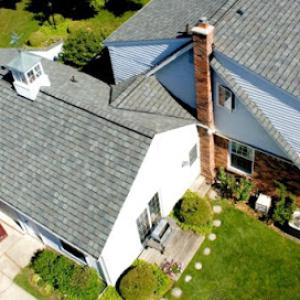
Based in Walled Lake and serving Southeast Michigan since 1980, Spencer Roofing has been a trusted choice for thousands of home and business owners. At Spencer Roofing, providing exceptional customer service is our #1 goal. We understand that your home is an important investment. Your concerns are first priority, and we will help you select the most appropriate roofing system to meet your needs. We deliver great value by consistently offering the highest quality materials and workmanship at competitive prices. We stand behind our work, which is why over 70% of our business comes from referrals!
Zki Home Improvements
2548 Mcintosh Ct, Walled Lake, Michigan
5.0 from 12 reviews
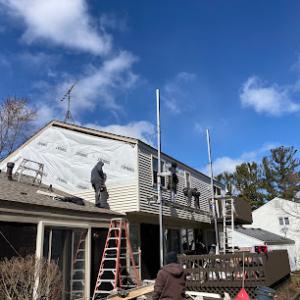
Zki Home Improvements is a Michigan based company that specializes in storm damage restoration, roofing, gutters and siding. We provide high quality craftsmanship, materials and customer service. Licensed and insured. Call today for an estimate!
Zamora construction
(313) 523-6239 www.roofsbyzamora.com
Serving
5.0 from 33 reviews
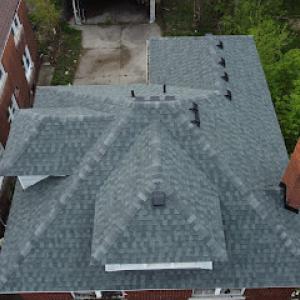
We are family owned roofing services located in commerce mi,offering complete tear offs,repairs, emergency repairs, new construction installation.
180 Contractors Roofing & Siding
(248) 886-6083 180contractors.com
Serving
5.0 from 22 reviews
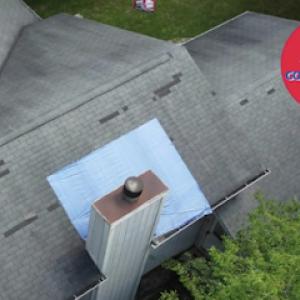
180 Contractors is a residential exterior remodeling company proudly serving homeowners in Commerce, MI and throughout Oakland County. We specialize in roof replacements, roof repairs, siding installation, gutter systems, and replacement windows and entry doors, all tailored for single-family homes. Our crew is committed to quality work, honest communication, and a smooth, stress-free experience from start to finish. Whether you’re updating your home’s exterior or repairing storm damage, 180 Contractors delivers trusted, top-rated service backed by expert craftsmanship. Call today to schedule a free consultation with your local residential roofing and siding experts.
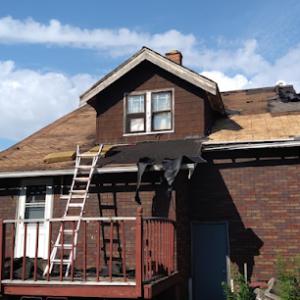
Detroit Roofers of Novi
Serving
5.0 from 18 reviews
Detroit Roofers of Novi proudly provides reliable roofing services throughout Novi, Northville, Wixom, and surrounding communities. We handle residential and commercial projects of all sizes, from quick roof repairs to full replacements and new installations. Our licensed and insured professionals work with asphalt shingles, flat roofs, and metal systems—backed by solid warranties and a strong reputation supported by 5-star reviews. Property owners across Novi trust us for prompt service, honest pricing, and top-tier workmanship. When you need roofing that’s built to last, turn to the experienced team at Detroit Roofers of Novi.

American Standard Roofing
(248) 350-2323 americanstandardroofing.com
Serving
4.8 from 436 reviews
American Standard Is the Roofing Company You Can Trust Our passion for roofing can be traced back to 2001 in Detroit, and since then we have never looked back. With thousands of successful projects under our belt, we can proudly say that we are the most trusted roofing company in Michigan. We're centrally located in Farmington Hills, and we service all of Southeast Michigan, performing services on residential, commercial, and multifamily properties. Unlike some of our competitors, our no-gimmicks sales strategy is simple: be honest and treat every customer like family. We let our reviews, awards, and A+ rating with the Better Business Bureau speak for themselves. No matter how small or large the job, our team has you covered!

800 New Look
(248) 306-9225 hailstormpros.com
Serving
4.7 from 141 reviews
Welcome to 800 New Look - The Hail Storm Pros! We specialize in delivering roofing services and expert roof installations to meet all your needs. As the leading roofing contractor in Michigan, we've earned the trust of countless satisfied customers through our commitment to excellence. But we're more than just roofs - our skilled team also excels in siding, and gutter installations, providing comprehensive home improvement solutions tailored to your needs. Rest assured, 800 New Look - The Hail Storm Pros, is fully licensed, bonded, and insured, offering you peace of mind every step of the way. Experience the difference with us, where quality and reliability come together for all your home improvement needs. Get a free roof inspection now!
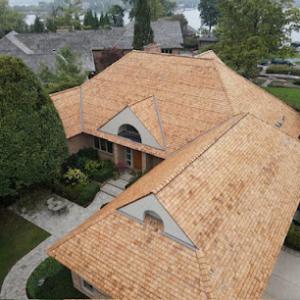
Cedar Preservation Systems
Serving
5.0 from 9 reviews
Cedar preservation Systems specializes in the repairing, preserving and installation of new cedar roofs and siding.

AmeriPro Roofing
(248) 429-7785 www.ameriproroofing.com
Serving
3.5 from 32 reviews
At AmeriPro Roofing, we help you cover what matters most -- your family. As an Owens Corning Platinum Preferred Contractor specializing in storm repair & restoration, we're the experts in your backyard with standards through the roof.

Integrity Home Exteriors
(248) 290-6843 integrityhomeexteriors.com
Serving
4.9 from 184 reviews
We are a leading home improvement contractor serving Farmington Hills and the surrounding areas. We specialize in roofing, siding, windows, doors, and gutters. Our team is committed to providing quality workmanship and exceptional customer service. We offer a wide range of products and services to meet your needs, and we are proud to be a Christian company that values integrity and service.
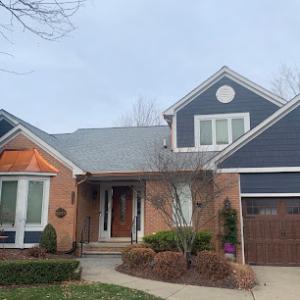
Incore Restoration Group
(866) 685-0009 www.incorerestorationgroup.com
Serving
4.6 from 18 reviews
Incore Restoration Group, LLC is a full-service disaster response and roofing contractor providing 24/7 assistance for storm, water, fire, and mold damage. Our certified team responds quickly to secure your property, prevent further loss, and begin restoration. We specialize in commercial roofing in Wixom MI, flat roofing systems, roof repairs, roof coatings, and residential roof installation. With high-quality materials, advanced techniques, and superior workmanship, we deliver durable, long-lasting results for homes and businesses. Incore proudly serves Ann Arbor, Canton, Dearborn, Livonia, and surrounding Southeast Michigan communities with trusted roofing and property restoration solutions.
A full re-roof in Walled Lake typically requires a permit through the local Building Department before work proceeds. The city expects the contractor to pull the permit and coordinate inspections with the city rather than leaving that process to the homeowner. When the project begins, confirm with your roofer that the permit has been filed and assigned a project number. You should receive a copy of the permit and a brief outline of the planned scope, including roof deck exposure, underlayment choice, and venting strategy. In practice, reliable contractors in this area schedule the permit review upfront to align with the seasonal weather window and the neighborhood's storm-response needs. If the contractor is hesitant to manage the permit, see another reputable pro, because missing steps can trigger delays after a hail or wind event.
After installation, the city schedules an inspection to verify underlayment, nailing, ventilation, and eave protection. Expect multiple checks: an initial inspection for roof deck and underlayment installation, a mid-inspection to confirm fastening patterns and attic ventilation, and a final inspection to validate eave protection and overall workmanship. Because Southeast Michigan experiences freeze-thaw cycles, the inspector will look for solid edge nailing, proper drip edge placement, and adequate attic venting to reduce condensation risks. Your contractor should accompany the inspector to address any questions on material specifics or sequencing. Keep a ready record of product approvals, fastening schedules, and any deviations noted during installation.
Clear communication with the Building Department helps prevent hold-ups. Before the roof comes off, ensure the contractor provides a product data sheet for the underlayment and a venting plan that complies with local code expectations. Walled Lake emphasizes a coordinated approach: the contractor schedules inspections in a timely manner and you provide access to the attic and eaves as needed. If a storm event has recently occurred, there may be temporary inspection backlogs; planning ahead with the roofer can mitigate delays and ensure the project progresses smoothly within permit timelines. In high-wind or hail seasons, document any pre-existing damage with photos to help the city understand scope and avoid misinterpretation of post-work results.
On inspection day, have access ready for the inspector to view roof edge protection, flashing details, and nail patterns. The inspector will verify that the ventilation path remains unobstructed and that eave protection is continuous around the perimeter. If the contractor encounters a corrective item, coordinate promptly to have the issue resolved and re-inspected. In this market, timely response to a missed or flagged item can save days of project downtime and protect the integrity of the new roof against the next round of seasonal weather.
Hail and wind events in this area often trigger roofing claims, so your file tends to rely on solid documentation. You should gather dated photos that show hail impact, curled or lifted shingles, and any interior staining near the top floor or attic. Keep copies of roof and attic inspections from a trusted contractor, noting broken seals, granule loss, and flashing issues. If leaks appear, document the exact locations and times they occur. This evidence helps set a clear baseline for the insurer and reduces the chance that minor issues are treated as major damage later.
Adjusters typically look at the roof as a whole, not just individual damaged shingles. Before any temporary repairs that could erase proof, obtain a professional damage assessment that notes lingering weaknesses and the risk of further leaks. If you need to tarp or cover a compromised area, photograph the temporary setup and the underlying causes first. Having both the before and after images makes it easier to demonstrate the scope of loss if the claim needs escalation.
Leaks sometimes arrive after storms in unexpected spots. Interior evidence-staining patterns, moisture meters readings, or warped ceiling materials-can corroborate exterior findings. Keep records from any remediation steps you take, including dates and contractor notes. This helps establish causation between storm events and observed damage, which is particularly useful if the roof shows cumulative wear or hidden structural concerns.
Material choice can influence later claim handling. Impact-rated shingles or metal roofing may affect insurer decisions or deductible outcomes when hail damage is involved. If you're weighing a replacement, discuss how the chosen material aligns with anticipated claim scenarios and future storm resilience. A focused, well-documented comparison helps ensure the restoration plan aligns with both protection needs and realistic insurer expectations.
Cracked or loosened shingles are a hallmark of Southeast Michigan's freeze-thaw cycles. When temperatures swing between freezing nights and sunny days, expanding and contracting materials tension the shingles, increasing the risk of fracturing and gaps along edges. In this area, you'll notice that the most vulnerable lines are near hips, valleys, and transitions to vertical surfaces. If you see isolated cracks after a thaw, treat them as an early warning rather than a minor blemish.
Flashing separation is a frequent failure that elevates the chance of leaks into attic spaces. After spring storm cycles, wind-driven water can pry flashing away from roof decks at chimney, vent, and skylight penetrations. In practice, this means regular checks around these penetrations, especially after storms, and immediate attention to any loosening or canting of metal around the base. Even small gaps can channel water into the attic during a heavy rain.
Over time, fastener fatigue becomes visible as nail pops and loose shingles. In rugged rafters or older roofs, fasteners can back out due to wood shrinkage during drying cycles and repeated wind gusts. The consequence is a wavy roof line and increased vulnerability to bubbling underlayment. Spot-check fasteners in high-wind zones and at overhangs to catch signs before a leak develops.
Inspection failures or callbacks often center on ventilation, underlayment detailing, and eave protection, which are specifically checked during the local re-roof inspection process. Poor attic ventilation compounds moisture issues, while undersized or poorly sealed underlayment invites hidden rot and faster degradation of decking. Expect a thorough look at ridge vents, soffit intake, and the path of moisture from eaves inward.
Eave protection is a frontline defense in this climate, where spring and early summer storms test the edge of the roof. If eave details are compromised-such as torn drip edge or insufficient overhang-water can bypass shingles and saturate fascia or decking. Addressing eave integrity promptly reduces the risk of cascading damage into ceilings and walls.
Walled Lake's contractor market shows meaningful demand for skylight work, so leak tracing around roof penetrations is a real local service need. When a skylight leaks, the first step is a careful diagnostic of day-to-day weather impact, lingering moisture on the inside, and the condition of flashing and seals around the curb. Expect a higher likelihood of multiple contributing factors: improper slope around the skylight, aging sealants, and shared condensation paths with nearby vents or exhausts. A thorough inspection should map every penetrant (skylight curb, exhaust vent, gas line, and chimney transitions) and trace water intrusion along the interlayer between roof deck, underlayment, and the skylight flashing.
Flat and low-slope roofing appears in select residential additions and mixed residential-commercial properties, but it is not the market's dominant roof type. In practice, low-slope projects in this area demand meticulous membrane continuity, edge detailing, and robust flashings at penetrations and terminations. Expect tighter tolerances where newer materials meet existing substrates, and be prepared for localized patching versus full replacement as a common approach on lean-to additions or sunrooms. When sketching a remedy plan, emphasize the skylight curb integration, roof-to-wall transitions, and the role of scuppers or interior drains to prevent ponding that can aggravate flashing failures over time.
High humidity and rapid temperature changes in Southeast Michigan elevate the risk of membrane and flashing failures around skylights and low-slope transitions. Temperature swings can cause expansion and contraction that stresses seals and joint joints, especially at curb fasteners and around the skylight frame. To mitigate this, prioritize proper substrate preparation, compatible flashings that accommodate movement, and a continuous, self-sealing interface where the skylight meets the membrane. Consider using flashing tapes with proven peel strength and compatible primers in these transitions, and ensure the curb is properly raised to promote drainage away from the skylight base.
For homeowners, a proactive inspection routine after major storms matters. After hail or driving rain, inspect the skylight edges, surrounding flashing, and any interior staining along the ceiling near the skylight. Document any discoloration, soft spots in the ceiling, or damp insulation, and photograph the perimeter to support follow-up repairs. In addition, keep an eye on nearby roof penetrations that could share a moisture path with the skylight; tracing these lines can reveal a single source or multiple contributing points. Regular maintenance visits by a local contractor with experience in Walled Lake's climate help catch subtle failures before they develop into leaks.
Find contractors experienced in skylight installation, flashing, and leak repairs to bring natural light into your home.
Spencer Roofing
(248) 669-9730 www.spencerroofing.com
1748 Traditional Dr, Walled Lake, Michigan
4.6 from 74 reviews
Rhino Brothers Roofing & Construction
(734) 648-5535 rhinobrothersroofing.com
Serving
4.7 from 26 reviews