Last updated: Apr 19, 2026
The lake-influenced climate around inland lakes and the variety of wooded subdivisions create noticeable differences from block to block. On some streets, shade from mature trees and higher debris loads from the canopy can turn roofs into moisture magnets, promoting moss or algae growth and faster granule loss on shingles. In contrast, sun-exposed homes near open lawns or meadows warm up quickly in early spring, which can shorten the window for ice dam formation but may push moisture-related issues deeper into the roof deck if ventilation isn't balanced. Understanding how your specific corner of the community sits relative to the lake and surrounding trees helps anticipate where ice buildup or sustained moisture might linger longest into the season.
The local housing stock runs the gamut from traditional asphalt shingle roofs to upscale configurations featuring slate, clay or concrete tile, and synthetic look-alikes. This mix means that the consequences of freeze-thaw cycles and storm wear aren't uniform. Asphalt shingles typically tolerate winter weather well but are prone to granule loss and edge curling after repeated freeze-thaw cycles, especially where shade is persistent. Higher-end materials handle temperature swings differently: slate and tile offer longevity but demand careful attention to underlayment, ridge venting, and snow load; synthetic products aim to mimic the appearance while delivering improved impact resistance and lighter handling, yet still respond to ice formation at eaves and in valleys. Matching maintenance practices to the material type-beyond a one-size-fits-all approach-will pay dividends in performance across a Michigan winter.
Roofing schedules in this area follow a strong seasonal pattern. Full replacements are typically pursued in late spring through early fall when temperatures steady and moisture is lower, reducing the risk of ice-related complications during tear-off and reinstallation. Winter conditions introduce practical limits: cold, wet, or icy days slow or halt work, and contractors often adjust sequences to protect interior spaces and minimize disruption. For homeowners with mixed materials or complex roof lines, this seasonal window is an especially important consideration for planning long-range projects, ensuring that underlayment, flashing details, and ventilation strategies align with expected weather patterns for the upcoming season.
Eaves and valleys are the zones most affected by meltwater that refreezes into ice dams during shoulder seasons. In parts of the neighborhood where shade persists late into the season, ice buildup can extend further up the slope, stressing gutters and flashing. Clogged storm outlets or downspouts from accumulated leaves and needles compound the risk, creating pockets of water that can seep at fastener lines or joints. Vigilant maintenance-careful gutter clearing, inspecting for lifted shingles, and checking the condition of snow guards in saturated spots-helps keep freeze-thaw cycles from exploiting weak points.
With the exposure variety present across West Bloomfield, a proactive maintenance plan matters. Regular inspections after heavy storms or sustained windy periods catch looser flashing, damaged seals, or compromised underlayment before moisture penetrates the deck. Attention to ventilation and insulation remains essential: improper balance between attic air intake and exhaust can amplify condensation and freeze-thaw stress on roof components. If a parcel sits under a dense tree canopy, coordinate seasonal debris removal and consider proactive treatments to address moss or algae growth, especially in shaded, damp pockets where moisture lingers longer.
The repeated thaw-refreeze cycles in this area put extra stress on shingle edges, flashing transitions, and underlayment compared with milder parts of the country. When the wind shifts and temperatures swing, ice can wedge under shingles and along hips, valleys, and rake edges, lifting edges and creating vulnerable seams. The result is a hidden cascade: micro-cracks in underlayment that trap moisture, accelerated granule loss on asphalt shingles, and degraded flashing that invites slow leaks. In homes with steeper pitches, those stresses are amplified by gravity, runoff patterns, and the way snow slides off or lingers near the eaves. A single season can produce enough cycling to shorten a roof's life noticeably if damage isn't spotted early.
Shaded, tree-lined blocks experience longer periods with solid ice and compacted snow on the roof surface. In those pockets, surfaces stay colder longer after storms, so meltwater refreezes into ridges and hard ice dams that push water under the edges and into soffits, gutters, and vent seals. This is not a typical "one-and-done" nuisance; it's an ongoing stressor that wears out edge seals, creates ice channels that overload gutter systems, and challenges any imperfect flashing. The result is a higher risk of ceiling stains, attic condensation, and moisture intrusion after a thaw. If your roof sits under large oaks or maples, pay particular attention to drip edge integrity and any signs of ice buildup along the eaves early in the season.
Local replacements are often timed to avoid winter because frozen materials, snow cover, and ice make it harder to evaluate decking condition and complete weather-tight installation. A winterized window of opportunity exists when crews can safely access the roof, lift and remove debris, and reliably test seams, vents, and underlayment without risk of leaving cold-soaked gaps. If you're facing essential work, plan for a window in late spring or early fall to maximize inspection accuracy and ensure the new materials cure or set under typical seasonal conditions. Delays into mid-winter can expose crews to unsafe work surfaces and obscure critical faults, increasing the chance of a call-back for a roof that isn't sealing properly.
Schedule a proactive, shallow inspection after the first heavy thaw and again after the next major snowstorm. Focus on flashing around chimneys, skylights, and vent boots; check drip edges; and look for curling shingles along eaves. In shaded zones, consider proactive edge maintenance and ensuring gutters are clear to facilitate controlled meltwater flow. If you notice damp spots in the attic or staining along interior ceilings near corners, don't wait-these are telltale signs that ice buildup and freeze-thaw cycles have found a weakness in your roof system. When planning any repair, prioritize flashing integrity and underlayment condition, since they're the first lines of defense against the unique winter stresses in this area.
When you can't wait, these contractors offer fast response times to stop leaks and prevent further damage.
Bloomfield Construction & Restoration
(248) 333-3987 www.bloomfieldconstruction.com
Serving
5.0 from 174 reviews
Spring storms in this area bring the most urgent short-term roof threats: hail, high winds, and branch debris from mature trees. On roofs with steep pitches common to lakeside properties, hail can compact shingles and expose underlying layers after just a few impacts. High winds can lift shingles, peel fascia, or drive debris into vents, chimneys, and ridge caps. For homes tucked beneath towering oaks and maples, branches and nuts add a second wave of damage as storms pass. That combination creates a perfect scenario for accelerated wear on a roof's surface and fast-tripping of moisture into attic spaces if the underlayment or decking has minor preexisting vulnerabilities.
Insurers in this market often require detailed roof documentation after wind or hail events. Expect requests for photos, claim history, and notes on decking and ventilation. A homeowner's prompt, organized response makes a real difference: take clear, timestamped photos from multiple angles, especially of ridge lines, valleys, skylights, vents, and any dark spots or granule loss. Keep a simple log noting the date and time of the storm, the wind speed you observed or was reported, and visible damage. If you have prior roof issues documented, pull that history together so the adjuster can see a pattern or ongoing vulnerability. For homeowners with synthetic, tile, or slate systems, document seams, fasteners, and any loosened components that could compromise watertightness.
Because storm-related claims can trigger premium conversations and scheduling backlogs, you should document damage promptly before demand surges make inspections harder to book. Start with a quick roof assessment after the last rain or hail event, focusing on loose granules in gutters, curled shingles, cracked tiles, and any new dampness in the attic. If you notice uneven attic temperatures or new stains on rafters, flag these as potential decking or ventilation issues that could affect the claim. If you use a contractor for a quick damage assessment, choose someone with proven experience handling lakeside exposure and mature-tree conditions, where wind-borne debris and moisture migration patterns can differ from inland neighborhoods.
Be prepared to coordinate with the insurer for an on-site inspection within a tight window after a storm. Have a written summary ready: storm date, observed damage, and immediate risks to interior spaces. Keep the contact details of your insurer and adjuster accessible, and confirm whether temporary protections-like tarping or boarding-are advisable in your case. If a claim is filed, you'll want to maintain the damaged area as you documented it, avoiding further alteration that could complicate the appraisal. In this market, clarity of evidence and speed of reporting are your strongest tools to protect both your roof and your wallet as the season progresses.
Find local contractors experienced in assessing and restoring roofs after hail, wind, and severe weather events.
Zamora construction
(313) 523-6239 www.roofsbyzamora.com
Serving
5.0 from 33 reviews
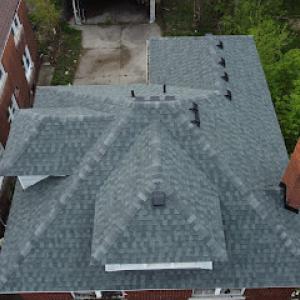
We are family owned roofing services located in commerce mi,offering complete tear offs,repairs, emergency repairs, new construction installation.
180 Contractors Roofing & Siding
(248) 886-6083 180contractors.com
Serving
5.0 from 22 reviews
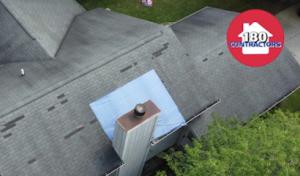
180 Contractors is a residential exterior remodeling company proudly serving homeowners in Commerce, MI and throughout Oakland County. We specialize in roof replacements, roof repairs, siding installation, gutter systems, and replacement windows and entry doors, all tailored for single-family homes. Our crew is committed to quality work, honest communication, and a smooth, stress-free experience from start to finish. Whether you’re updating your home’s exterior or repairing storm damage, 180 Contractors delivers trusted, top-rated service backed by expert craftsmanship. Call today to schedule a free consultation with your local residential roofing and siding experts.

Guns&Hoses Roofing
(248) 681-3789 www.gunsandhosesroofing.com
Serving
5.0 from 35 reviews
Look at our photos on here all of them are examples of roofs needing repaired. If your roof looks like our photos posted then you need roof repairs! Our photos are all photographed by us on actual roofs that need repairing to show you roof issues. We specialize in roofing repairs only not complete roof replacement. Call us when you have roof issues and a new roof costing thousands of dollars is not in the budget. We do your basic roof repair like fix roof leaks, missing shingle repair, chimney flashing issues, vent issues, pipe stack boot repairs, flat roof repairs. All roofs require maintenance new and old roofs. If you have roof issues or have a aging roof get it inspected today by us the #1 company in roofing repairs Guns&Hoses Roofing.
EverNew Roofing
(248) 218-9009 evernewroofing.com
Serving
5.0 from 27 reviews
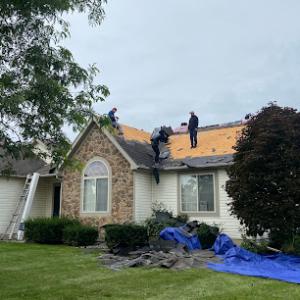
EverNew Roofing keeps Metro Detroit homes safe, dry, and looking sharp with expert roof replacement, rejuvenation, and repair. As a licensed & insured division of Bloomfield Home Improvement (MI Builder License #262400526), we pair 25-plus years of craftsmanship with modern materials that stand up to Michigan’s weather. Whether you need a full tear-off, a budget-friendly refresh to extend shingle life, or a fast leak fix, our team delivers transparent quotes, clear communication, and workmanship warranties that give lasting peace of mind. Schedule a free roof assessment today and discover why homeowners across Oakland, Macomb, and Wayne Counties trust EverNew to protect their biggest investment.

American Standard Roofing
(248) 350-2323 americanstandardroofing.com
Serving
4.8 from 436 reviews
American Standard Is the Roofing Company You Can Trust Our passion for roofing can be traced back to 2001 in Detroit, and since then we have never looked back. With thousands of successful projects under our belt, we can proudly say that we are the most trusted roofing company in Michigan. We're centrally located in Farmington Hills, and we service all of Southeast Michigan, performing services on residential, commercial, and multifamily properties. Unlike some of our competitors, our no-gimmicks sales strategy is simple: be honest and treat every customer like family. We let our reviews, awards, and A+ rating with the Better Business Bureau speak for themselves. No matter how small or large the job, our team has you covered!
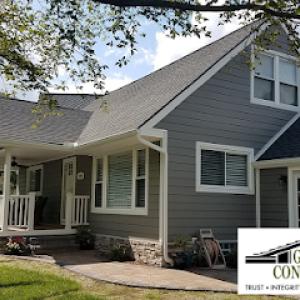
Grennan Construction
(248) 694-8780 grennanconstruction.com
Serving
4.7 from 240 reviews
Grennan Construction is a trusted, family-owned exterior remodeling contractor based in Pontiac, Michigan, proudly serving Oakland County and the surrounding areas. Specializing in residential roofing, siding, and gutters, we deliver high-quality craftsmanship with honest, customer-first service. Unlike typical contractors, we take a consultative, education-based approach — guiding homeowners through every step of the remodeling process, from the initial inspection and estimate to the final project walk-through. Our goal is to help you make confident, informed decisions and ensure your home improvement project is done the right way, the first time.

Bloomfield Construction & Restoration
(248) 333-3987 www.bloomfieldconstruction.com
Serving
5.0 from 174 reviews
At Bloomfield Construction & Restoration, we’re your local experts for all things roofing, siding, and home exterior remodeling. From fixing storm or water damage to cleaning up after fire and smoke, we’ve been helping homeowners and businesses for over 30 years. Our team works hand-in-hand with your insurance company so you can relax while we restore your property safely, efficiently, and with care. Whatever your project or emergency, we make sure it’s done right the first time.
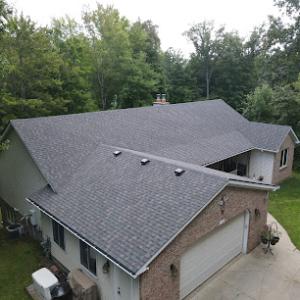
Drip Free Exteriors
(248) 342-8587 dripfreehome.com
Serving
5.0 from 13 reviews
Roofing & Exterior Services in Waterford, MI Drip Free Exteriors is a top-rated roofing contractor in Waterford, MI, specializing in roof replacements, roof repairs, siding, gutters and windows. With 20+ years of combined experience we proudly serve Oakland, Wayne, Washtenaw, Livingston, Genesee, Lapeer and Saint Clair Counties. Our licensed team delivers high-quality exterior remodeling with reliable service and competitive pricing. We handle storm damage, leaks, and full exterior upgrades. Get expert roofing and siding solutions from a trusted local company. Call today for your free quote!
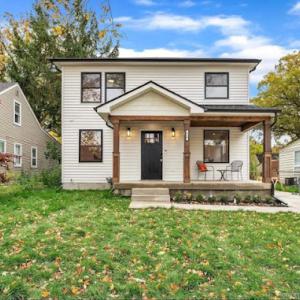
Stable Roofing
(734) 743-8379 stableroofings.com
Serving
5.0 from 25 reviews
Stable Roofing is Metro Detroit’s trusted local roofing company, delivering quality craftsmanship and dependable service you can count on. We specialize in roof replacement, repair, and gutter installation for homes of all sizes. Our team takes pride in honest estimates, clear communication, and professional results—protecting your home while enhancing curb appeal. Whether it’s storm damage, leaks, or a full roof upgrade, Stable Roofing is here to keep your home safe, strong, and looking its best.
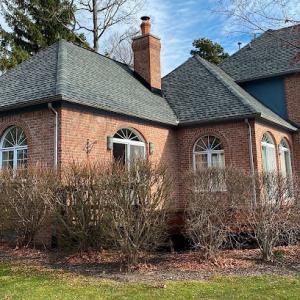
Roof One
(248) 301-0472 www.roofonemichigan.com
Serving
4.6 from 154 reviews
Roof One has been serving homeowners across the greater Detroit area with excellence for more than 35 years. As a family-owned and locally operated company, we specialize in roof repairs and replacements, each new roof backed by our 25-Year Craftsmanship Warranty. But what truly sets us apart is our dedication to the customer experience. From your first call to project completion, we focus on clear communication, careful attention, and reliable follow-through—defining what we call The Roof One Experience. Trusted by thousands of Detroit homeowners, we take pride in protecting your home and your peace of mind. Contact us today to schedule your free estimate.
Kaiser Roofing
(248) 247-7893 www.kaiserroofing.com
Serving
5.0 from 17 reviews
Kaiser Roofing is your premier roofing contractor in the Waterford Township area. With a focus on quality craftsmanship and reliable service, we specialize in providing superior roofing solutions for both residential and commercial properties. Our experienced team is dedicated to protecting your home or business with durable materials and professional installation, ensuring your roof stands the test of time. Trust Kaiser Roofing for all your roofing needs, from new installations to essential repairs.
Roof-Rite
(248) 221-2985 www.roof-rite.com
Serving
4.7 from 184 reviews
Roof-Rite, Inc. provides gutter protection installation services, maintenance services, new gutter installation services, new roof installation services, new siding installation services, specialized roofing services, insulation services, and more to Southeast Michigan and the surrounding areas.
Asphalt shingles remain the dominant practical choice in West Bloomfield, but the local material mix is broader than in many suburbs, with metal, clay tile, concrete tile, synthetic/composite, and slate all present in the market. That variety exists because homes range from standard ranches to more architectural designs, many with limited attic space or more exposed eaves. When choosing a roof, expect to balance familiarity with the potential for longer-lived options that better stand up to lake-influenced exposure and tree-dappled shade.
Heavy materials such as clay tile, concrete tile, and slate matter more in this area because some projects may trigger plan review when structural alterations or unusual decking are involved. If a home has older or marginal roof framing, upgrading to a heavier system can require reinforcement of rafters, decking, or even truss design. Before committing to tile or slate, verify that attic clearance, load path, and support spacing meet the demands of the chosen product. For existing homes, a precise load calculation and a professional evaluation of roof-to-wall connections help prevent surprises during installation.
Summer sun exposure in Southeast Michigan accelerates aging on asphalt and some synthetic products, while winter freeze-thaw cycles are especially relevant for brittle or aging roof coverings. In West Bloomfield, fatigue from heat can cause shingles to curl or lose granules faster, and dense, sun-exposed slopes may show wear sooner than shaded sections. For clay or concrete tile, seasonal temperature swings can stress fasteners and underlayment if installation details weren't tuned for field performance. Slate brings durability but requires precision in installation and careful edge detailing to handle freeze-thaw movement near lakeside microclimates.
If the goal is reliability with familiar maintenance, asphalt remains sensible, especially on steeper families of homes with stable attic ventilation. For higher longevity and distinctive curb appeal, clay or concrete tile can be compelling if the structure is prepared for the weight and moisture management needs. Synthetic/composite shingles offer a middle ground with improved impact resistance and lighter weight, while metal roofing can pair well with modern architectural lines and good snow shedding, provided fasteners and coating choices suit Michigan conditions. Slate, while premium, suits projects where structural readiness and exacting installation are in place, thanks to its long service life and classic appearance.
A building permit is typically required for a full re-roof, and permitting is handled by the West Bloomfield Building Department. The process is not something to skip or treat as a formality, especially given the area's lake influence and mature tree cover that can amplify wind and ice-related stresses. Before any shingle or tile is removed, you should verify that the project intent aligns with local codes and schedule the intake appointment for plan review if needed. Missing or delayed permits can cause serious hold-ups, insurance issues, and exposure to penalties that complicate storm season repairs.
Local inspectors look beyond the visible shingles and gutters. They review underlayment choice and installation, nail patterns, and venting after completion, making installation details more than a contractor preference issue. In this neighborhood, where freeze-thaw cycles and wind-driven ice buildup can exploit small gaps, the exacting standards matter. If the roof is steep or near tall trees, expect additional scrutiny around edge protection, flashing transitions, and attic ventilation to ensure moisture does not trap in places that could foster ice dams or premature delamination.
Projects involving structural changes or unusual roof decking may require plan review before work proceeds. In homes with older framing or nonstandard decking, the building department may request engineering notes or stamped drawings to confirm load paths and venting adequacy. This is not about slowing you down-it's about preventing failures that could surface during a brutal winter or after a heavy lake wind event. If your plan includes removing or reshaping rafters, adding skylights in a retrofit, or altering the roof's core structure, anticipate a formal review and clearances that align with the community's climate realities.
Coordinate the timing of permit applications with the chosen contractor to ensure materials and crews align with inspection windows. Keep a detailed log of all underlayment and venting products used, including manufacturer data sheets, so inspectors can verify compliance quickly after installation. Remember: in this area, a compliant roof is a durable roof, and a properly navigated permitting and inspection path reduces the risk of cold-season surprises or insurance headaches when storm season returns.
West Bloomfield's cost spread is unusually wide because the local market includes both standard asphalt re-roofs and premium slate, tile, and synthetic systems. For a typical home, asphalt shingles sit toward the lower end, while slate and clay tile push into high-end territory. When choosing between materials, think about long-term performance in freeze-thaw cycles, wind uplift from lake breezes, and the visual match with mature neighborhoods. A common asphalt job runs roughly from the low end of the listed range to the mid-range for more complex roofs; premium options can double or more per square, driven by material cost and installation complexity.
Costs can rise when homes have complex rooflines, steep pitches, skylights, chimney intersections, or heavier materials that require more labor and possible structural review. In neighborhoods with tall trees and variable shade, pitch often isn't uniform, leading to higher labor time for staging, ice dam prevention, and ventilation checks. If your roof includes multiple angles, dormers, or a turret-like feature, plan for extra square footage and more precise detailing around penetrations. Heavy materials, such as slate or clay, demand specialized crews and scaffolding, which adds to the per-square price.
Seasonal storm demand in Southeast Michigan can tighten scheduling and labor availability, especially after spring wind and hail events. If a failure or significant damage occurs during busy weeks, expect lead times to extend and prices to shift upward. Off-peak planning can help you secure preferred crews and reduce delays, particularly for premium materials that require skilled installers and longer teardown-to-tiling cycles. When spring winds or hail stirs up the market, factor in not just material cost but the potential for expedited or multiple-trades coordination.
As you weigh options, align your material choice with expected roof life, maintenance needs, and resale appeal. Asphalt stays practical for many homes, but if local trees and storm history have you eyeing longevity, the premium pathways-synthetic, slate, and tile-may offer better value over time. For every option, budget for contingencies tied to complex installation or weather-driven delays, and verify that the chosen product carries appropriate warranties for Michigan freeze-thaw cycles.
Get a clear picture of your project costs upfront - no commitment required.

In West Bloomfield, the insurance landscape still offers broad homeowner coverage, but roof claims tied to hail and wind can lead to closer scrutiny of prior repairs and maintenance history after a storm. The lake-influenced exposure means shingles or tiles bear the brunt of rapid freeze-thaw cycles, making a clean history of upkeep more persuasive to adjusters than a fresh claim. You should expect questions about previous patchwork, ventilation, and decking when a loss is evaluated. In winter, ice buildup along eaves and rakes can reveal weaknesses that insurers scrutinize. That is why clean, documented maintenance becomes part of the claim story.
Adjusters in this market may ask for ventilation and decking details, which makes contractor documentation especially important after a loss. When a contractor notes attic venting, ridge vents, and deck condition, the file travels smoother. If decking shows water staining or structural sag, that information becomes part of the narrative that supports the claim, not a separate issue. Attachments like diagnostic photos from a reputable roofer can help establish a verifiable baseline for condition before the storm. Adjusters may also request information about attic insulation levels and any signs of prior moisture intrusion that could influence drying timelines and repair scope.
Because pricing and coverage can vary with hail risk zones and wind exposure, West Bloomfield homeowners should keep dated photos and written records before and after storms. Photos of shingles, flashing, vent caps, and any preexisting repairs help set the baseline. A simple yard sign of recent maintenance or a dated invoice can matter. Keep a log with dates, weather, and who performed the work. This prep reduces surprises when an adjuster requests details and speeds decisions that affect repairs. Store copies in a cloud drive as well as a physical binder, and organize by storm events and repair milestones to ensure you can quickly assemble the full story when needed.
In this area, a mature tree canopy means gutters clog faster and branch debris adds extra weight to eaves. Regular cleaning during autumn is essential, especially after peak leaf drop. Pay attention to gutters overhang near driveways and pathways, where clogged downspouts can back up and cause water to seep under shingles.
Autumn debris is a bigger roof-maintenance issue here because falling leaves can trap moisture at valleys and along lower roof edges before winter freeze-ups. Check valleys and flashing where leaves collect, then clear them to prevent ice dams once temperatures drop. A half-step check after a strong wind storm helps catch scattered debris that might otherwise go unnoticed.
Freeze-thaw cycles near shorelines and wooded pockets stress flashing and edge details. Pay special attention to eaves and drip edge coverage on steep sections, where ice can form along the lower roof edge and push against siding. If a valley collects leaves, remove the obstruction to keep water flowing freely in the melt and during early warms.
Homes with skylights need closer leak monitoring after winter and spring storms because flashing details are vulnerable where debris and ice collect. Inspect skylight flashing from inside and outside for any gaps or rust lines. A light rainfall check can reveal subtle leaks that don't show up in dry spells.
Develop a seasonal rhythm: outdoor inspection after peak leaves, mid-winter drainage checks, and a thorough spring shake-down. Keep a ladder safe and stable near the roofline, and use gloves to handle debris near skylights and flashing. Regular attention here reduces the risk of ice-related damage and keeps drainage clear through the coldest months.
Find contractors experienced in skylight installation, flashing, and leak repairs to bring natural light into your home.
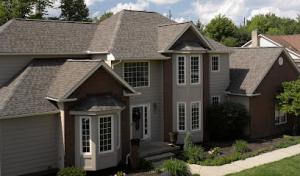
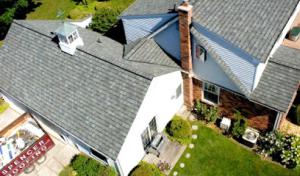
While West Bloomfield is primarily a steep-slope residential market, some larger homes and additions include low-slope sections that age differently from the main roof. These areas sit at the interface between traditional shingles and more moisture-prone membranes, and they experience a unique set of challenges that aren't as visible on the main pitched roof. The lake-influenced winters and the dense tree canopy around many neighborhoods mean these sections endure more rapid wear from freeze-thaw cycles, wind-driven snow, and debris buildup than you might expect.
These sections are more vulnerable to standing water, snow retention, and membrane wear during Southeast Michigan winters than the main shingled roof areas. Left unchecked, standing water can work its way to seams and flashings, expanding ice dams that creep toward interior walls. Snow can linger longer on low-slope surfaces, creating heavy, recurring loads that stress underlayment and edge details. Membrane wear shows up as micro-cracks, surface punctures, or edge wrinkles where movement and temperature shifts are most pronounced.
In West Bloomfield, mixed-roof homes often need separate repair strategies for low-slope portions versus the primary pitched roof. Look for a difference in color or texture between sections, unusual wear at transitions, and pooled water after storms. Pay attention to soft spots along eaves or near parapets, where rapid temperature changes can loosen ballast or edge seals. Skylight or valley intersections may reveal more frequent weeping leaks, signaling aging membrane material that warrants targeted attention.
Treat low-slope sections as a distinct system within the overall roof. Schedule semi-annual inspections focused specifically on these areas, especially after heavy snows or multiple freeze-thaw cycles. Address any membrane blisters, loose seams, or degraded edge details promptly to prevent infiltration. When planning repairs or replacements, consider the long-term performance of the entire low-slope portion in concert with the primary roof to avoid premature wear that radiates toward interior spaces. In wooded neighborhoods, clear nearby debris and periodically skim gutters to reduce localized water buildup on these surfaces.
Find specialists in TPO, EPDM, and built-up flat roofing systems for residential and commercial properties.