
Last updated: Apr 19, 2026
Cold winters bring heavy snow loads that press on shingles, flashings, sealants, and roof decking. Freeze-thaw cycles grind away at joints and micro-cracks, pushing moisture deeper where it can travel and cause leaks. In this climate, the most vulnerable moments happen when warmth returns and the roof faces a sudden turn from solid to damp, then to soaked again as evaporation competes with precipitation. This pattern sets up a domino effect: a small lifting seam becomes a principal leak fast if not addressed.
The transition from winter into spring is the highest-alert period. Thawing snow and wind-driven rain collide with any existing wear, turning previously minor issues into active leaks. Hail can bruise shingles and dent flashing, accelerating edge wear and exposing fasteners. In this moment, attic moisture may rise quickly, and you might notice damp spots, musty odors, or staining that crawls across ceilings when temperatures swing above freezing. Delays in addressing these symptoms compound the risk, because water finds easy paths through compromised layers.
Steep-sloped roofs in this area handle aggressive weather cycles, but the combination of repeated freeze-thaw cycling with spring wind and hail can lift tabs, loosen granules, and crack sealants around vent pipes and chimneys. Flashings around penetrations-where pipes, vents, and skylights meet the deck-are common failure points after a tough winter. Damaged decking can hide behind sagging sections, then suddenly sag or buckle under the weight of water infiltration. The upshot is interior leaks that show up in ceilings, walls, or even attic spaces after a wet stretch or a windy storm.
Exposed fasteners and nail heads on shingles can corrode or back out with repeated freezing and thawing. Valleys and ridge caps demand particular attention, as ice dams often form along eaves when meltwater refreezes at the colder edges. Metal flashing at chimneys and around vents can suffer from paint and sealant failure, creating a direct path for water. Be especially mindful of sealants around roof-to-wall transitions and at edge of deck where snow piles and shifts occur. Any evidence of lifted shingles, granule loss, or dark streaks on interior ceilings warrants immediate inspection.
If a thawing day reveals damp patches or audible dripping from the attic, act fast. Schedule a targeted roofing inspection focused on the transition periods between seasons, and request a close look at penetrations and the deck near eaves. Address small issues promptly-resealing joints, resecuring loose flashing, or replacing weathered shingles-to prevent a minor maintenance project from becoming a full roof replacement. When wind-driven rain accompanies a thaw, consider temporary protective steps: clear debris from gutters, remove nearby branches that could strike during a storm, and avoid placing heavy equipment on a damaged area.
Replacement timing in this area typically shifts into late spring through fall because winter weather complicates tear-offs, dry-in, and inspection scheduling. If damage is extensive or moisture intrusion accelerates, planning a careful tear-off and reinstallation during the calmer window is essential to minimize further wear. Coordinating a project to occur in favorable weather reduces the risk of rework due to unpredictable early-season storms and helps ensure a solid, long-lasting install once warmer, drier days arrive.
Asphalt shingles are the dominant practical choice in this market, but metal roofing is common enough to be a real upgrade path for homeowners planning around snow shedding and long-term durability. When you look at the local housing mix, most steep-slope re-roofs lean asphalt, yet metal is frequently selected by sellers aiming for a lower lifetime maintenance profile and better shedding in heavy snow years. This isn't a one-size-fits-all decision, but the local balance tips toward asphalt as the easy, familiar option with solid performance in our climate.
South Lyon's climate brings two key realities to a steep-slope roof: subfreezing winters with freeze-thaw cycles and warm, humid summers that can influence seal integrity during installation and over time. Asphalt shingles handle cold snaps well when installed with proper nailing and ventilation, but repeated frost cycles can stress seals at the edges if the roof deck isn't dry and the underlayment is correctly chosen. Metal panels resist impact and weathering, and they shed snow more effectively in a west-to-east slope pattern common on many South Lyon homes, which can reduce ice dam risk and pile-up along eaves. The choice hinges on how you balance long-term durability against installation practicality and local service availability.
Clay tile, concrete tile, wood shakes, and synthetic/composite products exist in the market, but the local contractor signal mix shows the strongest day-to-day specialization around asphalt and some metal rather than tile-heavy replacement demand. If you're considering a switch from asphalt, metal is the most straightforward upgrade in the area for snow shedding and resilience to wind-driven impacts. Tile or shake options tend to require specialized decking, ventilation, and flashing details that are less common among the typical local crews, which can translate into longer lead times and more site-specific workmanship concerns.
When evaluating asphalt versus metal, start with how your roof handles movement and seal integrity through freeze-thaw cycles. Asphalt shingles gain from a solid, dry attic and a well-sealed ridge line to prevent moisture ingress as temperatures swing. Metal, while excellent for shedding, relies on precise seam workmanship and a clean, uniformly dry installation surface to maintain long-term seals. In South Lyon, the most durable outcomes come from experienced crews who can adapt to a mixed climate: hiring a contractor with solid metal or asphalt experience and proven performance in Michigan winters matters more than the exact material choice on paper.
Consider maintenance and future exposure as you decide. Asphalt roofs are typically easier and quicker to repair if you notice a localized issue after a winter storm, which can keep costs predictable and downtime minimal during the spring melt and wind season. Metal roofs may offer better protection against heavy snow loads and hail damage but can require more careful flashing and panel alignment, especially near skylights or complex rooflines common on older South Lyon homes. If the roof mass includes hips or valleys, ensure the chosen system has appropriate detailing to resist ice formation around joints.
Finally, think about long-term performance in relation to local service availability. Asphalt shingles benefit from a broad local supplier and installer network, making repairs more straightforward across a range of house ages. Metal roofing, while increasingly common, relies on skilled installers who can navigate the nuances of panel lengths, sealants, and expansion gaps in winter installation windows. For homeowners weighing a practical upgrade that aligns with snow shedding and enduring durability, metal emerges as a credible option, with asphalt remaining the reliable, widely supported workhorse for most steep-slope projects.
Cost pressure rises after spring storm activity, when regional demand for re-roofing and repairs increases and scheduling tightens across nearby Southeast Michigan communities. That seasonal rush can push crews to limit flexibility, which in turn can affect both price and timing. In a market where steep-slope tear-offs dominate, the practical effect is that labor, disposal, and cleanup become meaningful cost drivers beyond material price alone. Expect longer waits for a quality crew and a tighter window to coordinate weather, access, and staging.
Steep-slope residential tear-offs are a major part of the local market, so labor and site work matter a lot. Material price ranges provide a rough scaffold for budgeting. Asphalt shingles tend to run about 450 to 750 dollars per square, reflecting their mix of availability and speed. Metal roofing sits higher, roughly 750 to 1200 dollars per square, due in part to longer life and heavier installation requirements. For certain high-end or architectural needs, clay tile projects fall in the 1500 to 2500 dollar per square range, while concrete tile typically sits from 1200 to 2000 dollars per square. Wood shingles or shakes commonly land between 600 and 1200 dollars per square, and synthetic or composite shingles sit around 500 to 1000 dollars per square. These figures are a starting point; actual bids will reflect roof geometry, underlayment, and warranty assumptions.
Labor, disposal, and cleanup are meaningful cost drivers in South Lyon projects rather than just material price alone. A steep-slope tear-off involves rake-out of damaged shingles, possible decking repair or replacement, and careful protection of landscaping and driveways. Hauling away old materials adds a disposal line item, and an orderly jobsite with waste containment is more labor-intensive than it looks on a simple replacement. In neighborhoods with older construction or tighter lots, crew time for access and protection can push the percentage of total cost higher than the material portion.
Spring wind and hail exposure in this climate frequently drives smaller, more frequent repairs, but a full tear-off becomes unavoidable when aging underlayment and deck feel marginal. A phased approach can save money when the roof is near the end of its life, but it requires careful sequencing with the crew and the weather window. If the existing roof has multiple layers or questionable decking, anticipate higher disposal and potential reinforcement work, which will show up in the bid. Weather windows can compress scheduling, so be prepared for limited flexibility and potential delays.
To budget, start with the per-square cost ranges for the chosen material, then factor in the added weight of tear-off, disposal, and cleanup. Remember that the local scheduling squeeze after storms can push lead times and contractor availability, so set expectations for a longer window and a contingency for weather delays. When comparing bids, ask for a clear line item breakdown that includes tear-off, disposal, site protection, ladder safety, and cleanup to avoid surprise charges at the end. A well-scoped bid helps ensure the project proceeds with fewer friction points during a tight spring market.
American National Renovations
(877) 619-0669 www.americannationalrenovations.com
26475 N Dixboro Rd, South Lyon, Michigan
4.8 from 43 reviews
Specialists in assessing storm related damage and negotiating with insurance companies to the benefit of policy holders. Hiring an insurance claim professional to advocate for you in the claims process will maximize your coverages and benefits. Eliminate the hassle and paperwork with AMERICAN NATIONAL RENOVATIONS fighting on your side.
Leak Pro Roofing & Skylight
(734) 905-7198 leakproroofing.com
Serving
5.0 from 65 reviews
Leak Pro Roofing & Skylight, LLC is a locally owned and operated roofing company offering full shingle roof replacements, roof repairs, flat roof services, and custom skylight replacements for both residential and commercial properties. Leak Pro Roofing & Skylight, LLC is fully licensed and insured, proudly serving communities throughout Southeast Michigan, including Ann Arbor, Livonia, Canton, Saline, and the greater Metro Detroit area—as well as southern regions like Dundee, Milan, Petersburg, Ida, Adrian, and Blissfield.
Armor Roofing
(248) 215-2555 www.armorroofingmi.com
Serving
4.8 from 33 reviews
Armor Roofing is Michigan's premier roofing provider, offering fully engineered lifetime roofing systems to protect your home. We never use generic components.
Yates Construction
(734) 596-8590 www.yates-construction.com
Serving
5.0 from 103 reviews
Yates Construction is a Roofing Contractor located in Northville, MI. We specialize in Roof Replacement, 24-hr Emergency Roof Repair, Flat Roof Replacement (EPDM, TPO, PVC), Gutters, Leaf Protection, Storm Damage, Siding, Windows, Skylights, Ventilation Inspections, and other home projects. At Yates Construction, we specialize in a comprehensive range of services, including roofing, siding, windows, and gutter installation to name a few. We take pride in delivering durable, high-quality solutions tailored to meet the unique needs of each homeowner. Beyond installations, we offer thorough attic and ventilation inspections to ensure your home remains energy-efficient, safe, and comfortable year-round. Call us today!
Pure Energy Roofing Company
(810) 626-5606 pureenergyroofing.com
Serving
5.0 from 38 reviews
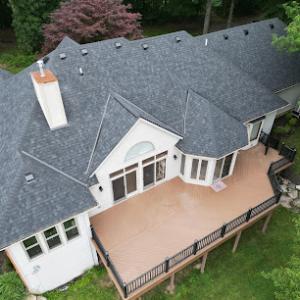
Pure Energy Roofing is a family-owned and operated roofing company based in Brighton, MI, serving all of Southeast Michigan, including Ann Arbor. Owned by Adrian Beavers and Matt Masters, we specialize in roof replacement, roof repair, hail and storm damage repair, gutter replacement, and attic insulation. As an Owens Corning Certified Contractor, we are committed to using high-quality materials and providing personalized, reliable service. We pride ourselves on our integrity, transparency, and dedication to the community. Trust Pure Energy Roofing for all your roofing needs and experience top-notch service from a local business that cares.
Roofing PD
(517) 798-8583 www.roofingpd.com
Serving
4.9 from 264 reviews
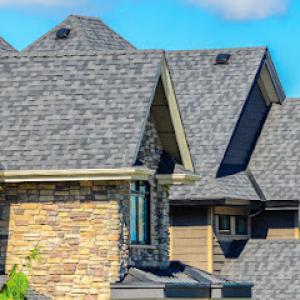
Roofing PD is a family owned roofing business from Howell, Michigan servicing Livingston and surrounding counties.
Mighty Dog Roofing of Ann Arbor
(734) 977-0934 www.mightydogroofing.com
Serving
4.9 from 88 reviews
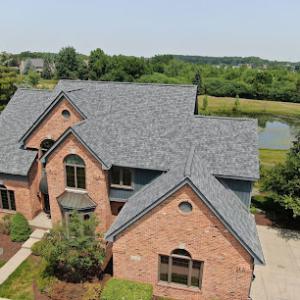
When it comes to your home’s exterior, Mighty Dog Roofing delivers top-of-the-line services matched with the neighborly customer care our clients have come to love. Our team of skilled experts will conduct a free, detailed inspection of your home, treating it as our own. Whether your home needs a simple repair or a full roof replacement, expect to receive the transparent guidance you deserve. Whatever the case, our team will work to meet your safety and budget needs. We take pride in operating with quality materials, hiring skilled roofers, and providing our customers with a high-quality experience. See for yourself; our reviews say it all. Schedule your free, home inspection today!
Spirit Roofing
(810) 225-6500 www.spirit-roofing.com
Serving
5.0 from 24 reviews
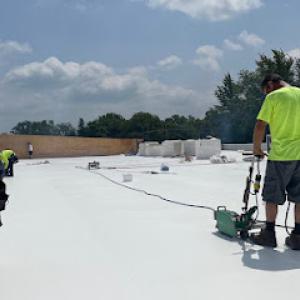
Commercial Flat and Metal Roofing out of Brighton Michigan.
Cornerstone Roofing
(248) 870-0587 www.cornerstoneroofingmi.com
Serving
4.7 from 37 reviews
Cornerstone Roofing is a licensed roofing contractor serving West Bloomfield, Bloomfield Hills, Farmington, and the surrounding areas. The mission of Cornerstone Roofing is to build a relationship of a superior value and lasting quality for our customers. We know how much your home means to you. You can depend on our business methods that have been crafted and tested continuously over the past two decades and ensure lasting value for your home.
Burke's Roofing
(734) 662-5556 www.burkesroofing.com
Serving
5.0 from 14 reviews
Family owned business with over 25 years of roofing experience servicing Livingston and Washtenaw Counties. We provide service for all roofing needs, residential and commercial. High quality roofing expertise with great customer service.
Detroit Roofers of Novi
Serving
5.0 from 18 reviews
Detroit Roofers of Novi proudly provides reliable roofing services throughout Novi, Northville, Wixom, and surrounding communities. We handle residential and commercial projects of all sizes, from quick roof repairs to full replacements and new installations. Our licensed and insured professionals work with asphalt shingles, flat roofs, and metal systems—backed by solid warranties and a strong reputation supported by 5-star reviews. Property owners across Novi trust us for prompt service, honest pricing, and top-tier workmanship. When you need roofing that’s built to last, turn to the experienced team at Detroit Roofers of Novi.
Chess Roofing & Siding
(248) 398-1050 chessroofing.com
Serving
5.0 from 5 reviews
Chess Roofing & Siding is your trusted choice for residential roofing and siding installations in Southeastern Michigan, including Detroit and surrounding communities. Our team is a James Hardie Certified Installer dedicated to maintaining the highest standards of professionalism, expertise, and accountability, ensuring that every project is handled with meticulous care and pride. With over 40 years of industry experience, we are licensed, insured, and certified to deliver top-notch services.
For a full roof replacement, the permit is issued by the City of South Lyon Building Department. The process is more straightforward when you start early and have a clear plan for your chosen roofing type and underlayment. Before scheduling work, confirm whether your project requires any plan-review or additional submittals, since those requirements can vary by project value and roofing type. Knowing the submittal path up front helps prevent delays once the crew is ready to pull permits.
South Lyon's plan-review requirements are not one-size-fits-all. Some replacements can go through a streamlined permit path, while others may trigger a more detailed review, especially if the project involves steep slopes, venting changes, or specialty products. Gather the basics-roofing material type, underlayment, attic ventilation plan, and a sketch of the roof footprint if possible. The Building Department may request a roof plan showing eave overhangs and any skylights or chimneys. If the project value or material choice hits a trigger, expect additional documentation such as wind uplift calculations or manufacturer installation instructions. Confirm the exact submittal path before scheduling work to avoid missteps.
Once the permit is issued, your roofer should align with the Building Department's intake sequence. In South Lyon, timing can hinge on weather windows and the stated scope of work. Ask for written confirmation of the approved plan, permit number, and any conditions tied to the permit. Keep a copy of the permit on-site during the job. Some neighborhoods or subdivisions have additional HOA review requirements; verify if your HOA needs to weigh in or if your permit suffices for compliance.
Inspections in this city are commonly staged at meaningful milestones rather than waiting for a final sign-off. Expect an inspection after tear-off to verify that old materials and decking are removed and that the roof deck is clean and ready for the new underlayment. A second milestone occurs during installation, when the inspector checks that underlayment is properly installed, vents are correctly placed, and flashing details around chimneys and valleys meet code and manufacturer guidelines. A final inspection occurs after completion to verify that the roof system has been installed according to plan and that all penetrations and flashings are properly sealed. Planning these staged inspections into your project schedule helps mitigate weather-related delays and ensures the work aligns with South Lyon's standards for a durable, weather-ready roof.
Coordinate closely with the roofer on timing so the crew can meet inspection windows, especially after a heavy freeze-thaw season or a spring storm cycle when demand is higher. Have a clearly labeled set of installation manuals and the wind-resistance details available in case the inspector requests them. If changes arise during installation-such as a different shingle profile or vent relocation-get the revised submittal approved before proceeding to the next inspection stage. Keeping communication tight with the Building Department helps ensure the project proceeds promptly and stays compliant with local requirements.
Hail and wind are the weather events most likely to spark claim activity in this area, especially during the spring storm season. A quick hail-to-shingle encounter or a windy afternoon can leave you with lifted granules, cracks, or blown-off shingles that aren't always obvious from ground level. Your roof's steep slope, common in local homes, can mask damage until a closer look is taken after the storm passes. Understanding this pattern helps you stay prepared to document what happened while the memory of the storm is fresh.
Carrier behavior tends to follow a steady, methodical path rather than a dramatic statewide shift. Adjusters commonly review photo documentation, pre-loss condition, and post-work records rather than offering broad, insurer-wide pullbacks. If you have a robust set of photos taken soon after the event, you are giving the adjuster a clearer baseline to compare against the post-storm condition. Realistic representations of both the roof and any nearby structures reduce back-and-forth and help avoid misunderstandings about the scope of needed work.
South Lyon homeowners should expect some insurers to request independent roof inspections or contractor estimates before approving scope. That makes early documentation especially important after a storm. Take clear before-and-after photos from multiple angles, including attic framing if accessible, and note any interior signs of water intrusion such as staining or a musty smell. Keep records of any temporary measures you take to protect the roof, such as tarping, along with dates and the parties involved. Having this documentation ready can smooth later steps and support a more accurate assessment of damage.
If you notice curling shingles, missing granules, or exposed fasteners after a spring squall, arrange a local, qualified roofer for a swift, independent evaluation. A professional can identify damage that isn't immediately visible but could lead to leaks or accelerated wear, and their written assessment often helps align expectations with the insurer's review. In this market, timely, accurate documentation paired with a credible professional opinion can influence the claim's trajectory without triggering disputes.
After a storm passes, limit further damage by addressing obvious vulnerabilities quickly and documenting any temporary repairs. Save all contractor estimates, invoices, and communication notes. If an adjuster schedules a visit or suggests a second opinion, having organized materials ready shortens the path from assessment to approved scope and minimizes the chance of unnecessary delays.
Connect with contractors who help homeowners navigate the claims process from damage assessment to final approval.
American National Renovations
(877) 619-0669 www.americannationalrenovations.com
26475 N Dixboro Rd, South Lyon, Michigan
4.8 from 43 reviews
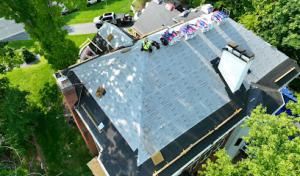
Local contractor signals show meaningful South Lyon-area demand for skylight-related roofing work, indicating that leak-prone roof penetrations are a recurring homeowner concern. In the aging, mid-century housing stock common here, skylights often sit on steep slopes with limited surrounding overlap and compromised flashing. During rapid spring thaw, ice build-up can push against the base of the skylight, causing tarps of melted moisture to travel inward along the nail lines. Dimensions matter: smaller skylights with tight curb details can trap wind-driven moisture more easily than larger, well-flashed units. If a skylight shows condensation, interior staining, or a persistent drip after a warm spell, inspect the curb (the masonry or flashing around the base) for loose nails, deteriorated sealant, or corroded flashing boots. A practical check is to visually trace any dark lines along the skylight flange after a freeze-thaw cycle; those lines often indicate moisture penetration migrating through compromised joints.
Chimney-related work is also common in the local contractor landscape, which fits the older Southeast Michigan housing stock where masonry intersections and step flashing often need attention during re-roofing. The chimney angle against the roof plane creates a natural stress point, particularly where the chimney intersects multiple roof planes or where a deteriorated mortar joint sits adjacent to flashing. Freeze-thaw cycles aggravate loose mortar and damaged step flashing, allowing water to travel down the sides of the chimney and into the attic. During inspection, look for cracked mortar, missing or crusty flashing, and any gaps where shingles meet the chimney chase. Pay attention to the joints where the chimney flashing meets the roof flashing; misalignment here is a frequent source of slow leaks that become noticeable only after several thaw cycles.
Freeze-thaw conditions in South Lyon make flashing transitions around skylights and chimneys more vulnerable because expansion, contraction, and ice-related moisture can expose weak detailing. Metal step flashing beneath shingles should be continuous and properly sealed with compatible sealant at the joints. If ice dams form or if there is heavy wind-driven rain, even small gaps around the skylight base or chimney throat can become leak channels. A reliable repair approach uses integrated flashing that ties into the surrounding roof plane, sealing with the appropriate sealant and confirming a watertight bend at each corner. When in doubt, verify that the flashing is continuous, overlaps properly with the shingle courses, and that any previous repairs have used materials compatible with the current roof system.
Begin with a seasonal walk-around after the last major thaw and before the next winter. Look for loose shingle laps near skylights and chimneys, cracked caulk, or peinture-like sealant failures. Inside the attic, check for signs of moisture staining around the skylight curb or along chimney penetrations, especially after a freeze-thaw period. If penetrations show signs of moisture, address the most vulnerable detail first: reseal or replace compromised flashing, reinforce step flashing at the chimney, and consider upgrading to a skylight curb with better weather seals. For persistent leaks, a targeted flashing rebuild around the penetration can dramatically reduce recurring water intrusion during the spring storm season.
Find contractors experienced in skylight installation, flashing, and leak repairs to bring natural light into your home.
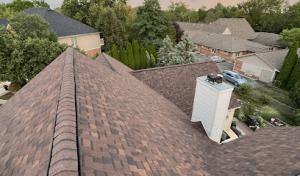
Flat-roof specialization exists in the local market, but not with the same depth as steep-slope re-roofing. That means porches, additions, garages, and small commercial buildings might encounter low-slope roofs more often than the main residence. In this climate, these sections face unique challenges: ponding water after winter thaws, more frequent wind-driven debris, and the freeze-thaw cycle that can creep into seams, flashings, and membrane edges. If a flat section isn't draining properly, the risk isn't just moisture it's compromised insulation and accelerated wear on nearby shingles or siding.
Here, snow accumulates and then melts unevenly, creating lingering puddles on low-slope surfaces. When water sits, it's more than an inconvenience: it can seep into fasteners, loosen flashings, and stress edge details. The waterproofing layer on a flat or nearly-flat roof is doing heavy lifting in this climate, so attention to drainage paths, scuppers, and any transitions to steeper sections matters. Expect to see more emphasis on evaluating deck drains, curb-mounted penetrations, and transitions around walls or skylights during inspections.
Because low-slope work is a secondary local specialty, verify whether a contractor regularly handles these sections rather than assuming every shingle roofer covers them. Ask about experience with porch or garage roofs, and request portfolio examples from projects with similar exposure to snow, ice, and spring wind. Be wary of solutions that shortcut on flashing details, perimeter edge metal, or insulation continuity. In the end, a robust, well-sealed low-slope detail can protect the primary roof's integrity, but only if the tradesperson treats drainage and edge work with the same scrutiny as a steep-slope project.
Find specialists in TPO, EPDM, and built-up flat roofing systems for residential and commercial properties.
Warranty messaging in this area tends to be practical and service-oriented rather than glossy. Homeowners are more likely to encounter workmanship promises and cleanup commitments than premium-system sales pitches. A clear distinction exists between the small-city pace of response and the larger, more polished promises seen in bigger markets. In this climate, a contractor's ability to stand behind the actual work-not just the product label-often matters more than a long warranty brochure.
Because replacements frequently follow storm wear or age-related needs, the real value of a warranty hinges on installation details. If flashing around chimneys and vents is sloppy or torn-off during a tear-off, or ventilation paths aren't reestablished correctly, the warranty can lose tooth quickly. Similarly, proper tear-off procedures, waste disposal, and re-sealing of roof-to-wall interfaces influence claim viability. In practice, a reliable warranty pairs a solid materials warranty with a meticulous installation warranty that covers those critical details.
The local contractor mix includes some manufacturer-certified firms, but the market character emphasizes responsiveness, affordability, and a founded local presence. In South Lyon, bids often compete on how quickly a crew can start, how well cleanup is handled, and how clearly the installer communicates staging and follow-up checks. Look for a contractor whose warranty language explicitly covers storm-related damage scenarios, not just a generic "manufacturers' warranty." A dependable installer will outline who handles what, how long guarantees last, and what maintenance actions avoid loss of coverage.
Read the fine print on coverage scope and duration, focusing on workmanship and tear-off guarantees. Confirm who is responsible for attic ventilation, flashing repairs, and any re-flashing needs after wind events. Check whether the warranty transfers if ownership changes and whether there are maintenance prerequisites that must be followed. Ask for a written checklist of what constitutes a claim, what documentation is needed, and the expected timeline for response after a service call. In practice, concrete language about installation-specific protections and post-installation support will save friction later.