
Last updated: Apr 19, 2026
Novi's cold winters and repeated freeze-thaw cycles make ice damming a primary roof risk, especially after snow accumulation followed by daytime melt and overnight refreeze. When sun heats the roof, snow melts toward the eaves; as temperatures drop, water freezes at the edge where gutters and shingles meet. That ice layer traps melting water higher up, pushing it under shingles and into attic vents, soffits, and insulation. In practical terms, a single pattern of sun, melt, and freezing can create a dam that forces pooling water to back up under roofing layers. The result is not just staining or minor leaks-it's interior water intrusion that can creep behind walls and under rowwise roof deck joints. This is the pattern homeowners in this market battle year after year, especially after heavy snowfall where melt cycles are frequent and uneven.
The housing stock in this area features many attached-garage configurations and complex suburban rooflines. Valleys, eaves, and gutter edges become common ice backup points because those features collect and hold thawed water longer than flat, simple roofs. Valleys channel water from multiple slopes, but they also trap meltwater where ice can bridge from one plane to another. Eaves and overhanging gutters are especially vulnerable when the roof deck beneath is icy or damp and the attic is poorly ventilated. In practical terms, these are the spots where careful attention to insulation, ventilation, and shingle integration matters most. When a roof line includes multiple angles or transitions, the risk area multiplies, because more joints and flashing details can fail or ice can accumulate in more corners and drips.
Roof replacement timing is strongly affected by winter snow cover and icy decking conditions, which is why late spring through early fall is generally favored for full tear-offs. In Novi, winter work is unreliable: ice and snow thin the window for safe, effective shingle removal and disposal, while cold decking complicates nail setting and sealant performance. If a full tear-off is planned, coordinating around the melt-and-freeze cycles ensures deck integrity and flashing performance are not compromised by sudden weather changes. For homeowners facing urgent damage from ice dammed water or advancing leaks, the critical factor is getting ahead of the worst weather, but always balancing safety and the quality of the roof system installation when the ground is not frozen deeply.
Start by inspecting the attic for signs of poor ventilation: musty air, excessive condensation on the underside of the roof deck, or frost on rafters in the morning are red flags. Improve insulation around the attic hatch and seal penetrations where cold air leaks in, because colder attic conditions drive more ice formation along eaves. Gutters should be cleared before heavy snowfalls, but ensure you do not dislodge them; consider upgrading to robust hangers and heat cables only where ice buildup is predictable and permitted by your roof design. For complex rooflines, add or reposition under-eave ventilation to balance attic temperatures, reducing the differential that fuels ice dam development. If you notice active ice damming, address it promptly with professional guidance to minimize water tracking under shingles and into the attic, especially at valleys and transitions.
Throughout winter, keep a close watch on roof edge behavior after storms. Document any changes in the snowpack along eaves and valleys, noting where ice appears most persistent. After the snow melts, inspect the attic ceilings and walls for any new staining or damp spots, which could indicate hidden leaks. Schedule a proactive inspection in late winter or early spring, focusing on flashing around chimney and vent penetrations as well as the integrity of valley intersections. A well-timed assessment helps prevent small concerns from escalating into costly interior damage when the thaw cycle returns.
Spring storms and autumn wind events deliver the twin pressures that shape roofing decisions around here. Hail and high-velocity gusts leave Novi roofs with bruising, loose shingles, and erratic flashing displacement that aren't always obvious from ground level. Insurers scrutinize roof age, prior condition, and the photo record before approving any replacement scope, so you must approach documentation with a careful, meticulous eye. In real-world terms, a sudden spike in storm activity means more homeowners chasing the same handful of local contractors, and that competition can slow scheduling and push timelines into weeks if the storm season just hit. Stay on the offensive: anticipate the backlog, not the surprise, and treat every wind or hail event as a potential claim that needs solid evidence.
Visible shingle loss is the obvious red flag, but the tougher cases lie in damage you can't see from the ground. Lifted tabs, bruising that reveals underlayment weaknesses, and flashing displacement around chimneys, vents, and valleys can undermine roof integrity even when shingles look intact from the curb. In Novi, those issues often show up after a season with freeze-thaw cycles, where moisture infiltration meets cold snaps and expands. The consequence is not just a one-time replacement decision; it's the risk of recurring leaks if hidden damage is ignored. Don't rely on color or pattern of wear alone-inspect with purpose, and document every anomaly that could influence the claim and the repair plan.
Because claim volume can spike after regional storms, delays are common. Your best defense is rapid, dated documentation. Take time-stamped photos from multiple angles after any event; a short video walk-around can capture flashing corners and valleys that still look intact but may hollow out under pressure. If temporary repairs are necessary to stop a leak, do them thoughtfully: use only temporary measures that don't mask underlying damage, and photograph the temporary fixes in place. Insurers will want to see what was done and when, so structure your records with clear dates and locations of interest. If a contractor recommends staged repairs, document the rationale and keep all photos organized by week and area of the roof.
After a storm, you'll often face a tight window to initiate the process and avoid further wear from exposure. Start with a reputable local roofer who can perform a thorough assessment, provide a written scope, and photograph the roof from attic and exterior vantage points. Your goal is to establish a clear before-and-after narrative: what existed before the event, what the event caused, and how the repair plan addresses both shown damage and potential hidden issues. In this context, prompt, precise documentation becomes the strongest leverage you have to keep the claim on track and the project moving when the market is crowded.
Find local contractors experienced in assessing and restoring roofs after hail, wind, and severe weather events.
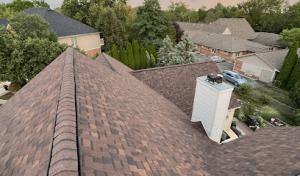
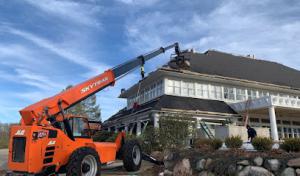
Summit Point Roofing
(248) 270-5966 summitpointroofing.com
43000 W 9 Mile Rd #312, Novi, Michigan
5.0 from 5 reviews
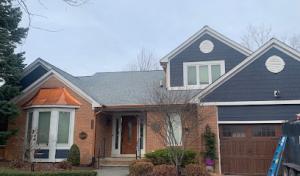
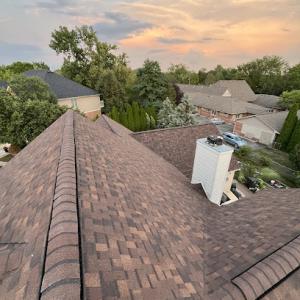
Yates Construction
(734) 596-8590 www.yates-construction.com
Novi, Michigan
5.0 from 103 reviews
Yates Construction is a Roofing Contractor located in Northville, MI. We specialize in Roof Replacement, 24-hr Emergency Roof Repair, Flat Roof Replacement (EPDM, TPO, PVC), Gutters, Leaf Protection, Storm Damage, Siding, Windows, Skylights, Ventilation Inspections, and other home projects. At Yates Construction, we specialize in a comprehensive range of services, including roofing, siding, windows, and gutter installation to name a few. We take pride in delivering durable, high-quality solutions tailored to meet the unique needs of each homeowner. Beyond installations, we offer thorough attic and ventilation inspections to ensure your home remains energy-efficient, safe, and comfortable year-round. Call us today!
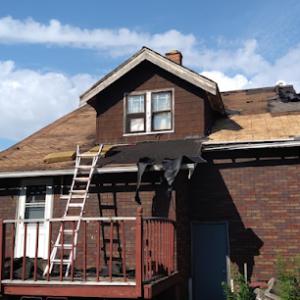
Detroit Roofers of Novi
Novi, Michigan
5.0 from 18 reviews
Detroit Roofers of Novi proudly provides reliable roofing services throughout Novi, Northville, Wixom, and surrounding communities. We handle residential and commercial projects of all sizes, from quick roof repairs to full replacements and new installations. Our licensed and insured professionals work with asphalt shingles, flat roofs, and metal systems—backed by solid warranties and a strong reputation supported by 5-star reviews. Property owners across Novi trust us for prompt service, honest pricing, and top-tier workmanship. When you need roofing that’s built to last, turn to the experienced team at Detroit Roofers of Novi.
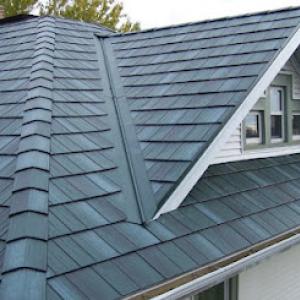
Rhino Brothers Roofing & Construction
(734) 648-5535 rhinobrothersroofing.com
Novi, Michigan
4.7 from 26 reviews
Rhino Brothers Roofing & Construction prides itself on honesty and complete transparency. It is our goal to revitalize the industry and provide the highest quality service, education, and materials for our clients. When you're our Client, You are our number one priority. Whether you are investing in a new Metal roof for your home, replacing a flat roof on your business, creating a new business buildout, Remodeling your kitchen, Building a new garage or pole barn, or Finishing or waterproofing your basement, you can trust us to make your investment worth it. We use the newest technology, the highest quality products, with the most skillful people to give you the best with fair and competitive pricing.
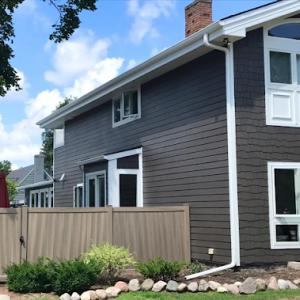
Chess Roofing & Siding
(248) 398-1050 chessroofing.com
Novi, Michigan
5.0 from 5 reviews
Chess Roofing & Siding is your trusted choice for residential roofing and siding installations in Southeastern Michigan, including Detroit and surrounding communities. Our team is a James Hardie Certified Installer dedicated to maintaining the highest standards of professionalism, expertise, and accountability, ensuring that every project is handled with meticulous care and pride. With over 40 years of industry experience, we are licensed, insured, and certified to deliver top-notch services.
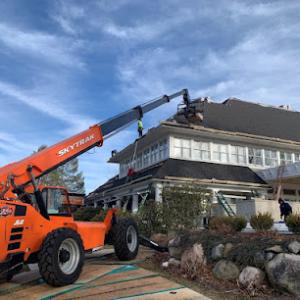
Summit Point Roofing
(248) 270-5966 summitpointroofing.com
43000 W 9 Mile Rd #312, Novi, Michigan
5.0 from 5 reviews
Summit Point Roofing provides expert roofing services across Michigan, specializing in residential and commercial roof installations, repairs, and replacements. With a focus on quality craftsmanship, they offer services such as storm damage repair, waterproof metal roof coatings, and emergency roof leak repairs. Summit Point Roofing is committed to delivering durable, long-lasting roofing solutions, ensuring customer satisfaction through exceptional service and attention to detail. Trusted roofing professionals for Michigan homes and businesses.
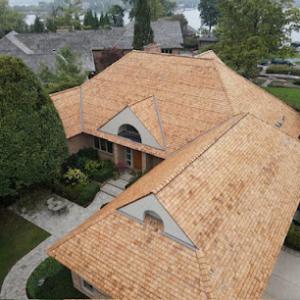
Cedar Preservation Systems
Serving
5.0 from 9 reviews
Cedar preservation Systems specializes in the repairing, preserving and installation of new cedar roofs and siding.
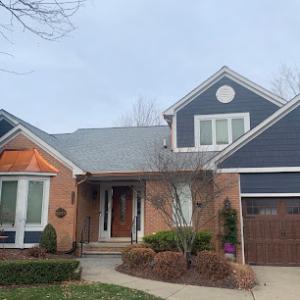
Incore Restoration Group
(866) 685-0009 www.incorerestorationgroup.com
Serving
4.6 from 18 reviews
Incore Restoration Group, LLC is a full-service disaster response and roofing contractor providing 24/7 assistance for storm, water, fire, and mold damage. Our certified team responds quickly to secure your property, prevent further loss, and begin restoration. We specialize in commercial roofing in Wixom MI, flat roofing systems, roof repairs, roof coatings, and residential roof installation. With high-quality materials, advanced techniques, and superior workmanship, we deliver durable, long-lasting results for homes and businesses. Incore proudly serves Ann Arbor, Canton, Dearborn, Livonia, and surrounding Southeast Michigan communities with trusted roofing and property restoration solutions.
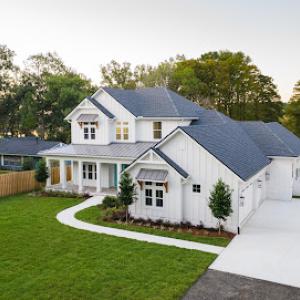
Integrity Home Exteriors
(248) 290-6843 integrityhomeexteriors.com
Serving
4.9 from 184 reviews
We are a leading home improvement contractor serving Farmington Hills and the surrounding areas. We specialize in roofing, siding, windows, doors, and gutters. Our team is committed to providing quality workmanship and exceptional customer service. We offer a wide range of products and services to meet your needs, and we are proud to be a Christian company that values integrity and service.

800 New Look
(248) 306-9225 hailstormpros.com
Serving
4.7 from 141 reviews
Welcome to 800 New Look - The Hail Storm Pros! We specialize in delivering roofing services and expert roof installations to meet all your needs. As the leading roofing contractor in Michigan, we've earned the trust of countless satisfied customers through our commitment to excellence. But we're more than just roofs - our skilled team also excels in siding, and gutter installations, providing comprehensive home improvement solutions tailored to your needs. Rest assured, 800 New Look - The Hail Storm Pros, is fully licensed, bonded, and insured, offering you peace of mind every step of the way. Experience the difference with us, where quality and reliability come together for all your home improvement needs. Get a free roof inspection now!
Gurr Brothers Construction of Michigan
Serving
4.9 from 561 reviews
Discover the expertise of Gurr Brothers Construction, your premier roofing and solar company. With a strong commitment to quality and sustainability, we provide top-notch roofing solutions and innovative solar installations. Trust us to safeguard your property while harnessing the power of renewable energy.

Quality Exteriors Mi
Serving
4.7 from 68 reviews
Welcome to Quality Exteriors Mi your go-to destination for all your Exterior Building, Siding, and Roofing needs. As a full-service Roofing and Sidingcompany, we are dedicated to providing our clients with exceptional services and products that meet their unique needs and preferences. We are ready to help with all your Roofing, Siding, and carpentry needs!

American Standard Roofing
(248) 350-2323 americanstandardroofing.com
Serving
4.8 from 436 reviews
American Standard Is the Roofing Company You Can Trust Our passion for roofing can be traced back to 2001 in Detroit, and since then we have never looked back. With thousands of successful projects under our belt, we can proudly say that we are the most trusted roofing company in Michigan. We're centrally located in Farmington Hills, and we service all of Southeast Michigan, performing services on residential, commercial, and multifamily properties. Unlike some of our competitors, our no-gimmicks sales strategy is simple: be honest and treat every customer like family. We let our reviews, awards, and A+ rating with the Better Business Bureau speak for themselves. No matter how small or large the job, our team has you covered!
Asphalt shingles are the default choice for most Novi homeowners because they match the suburban detached-home stock and balance affordability with weather resilience. In a climate shaped by freeze-thaw cycles and occasional lake-effect storms, standard architectural and condo-style asphalt shingles offer good wind resistance and a solid barrier against ice dams when paired with a solid underlayment and proper attic ventilation. The practical approach is to choose a thicker shingle with glass-fiber construction and an infrared-resilient composition, then ensure the roof deck is clean, dry, and free of any moisture traps before installation. In this market, the installation window often coincides with the shoulder seasons, so plan for a contractor who can coordinate with interior insulation and attic venting to minimize cold-weather icing risk.
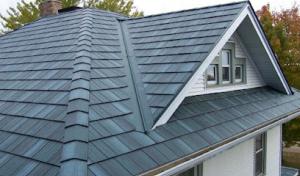
Metal roofing stands out as a practical upgrade for snow shedding and long-term durability in Novi. The smooth, low-friction surface helps snow glide off, reducing the chance of heavy ice buildup along eaves and in valleys. However, the freeze-thaw climate means installation details matter: secure fastening patterns that accommodate thermal movement, careful sealing at joints, and roof-to-wall connections that tolerate temperature shifts without gaps. The advantage is a roof that resists widespread damming in harsher winters, but the outcome hinges on precise fastening, proper underlayment, and attention to snow guards or ridge venting to control where snow lands and melts. In short, metal can be a wise move if the chosen contractor prioritizes winter-specific installation practices and long-term fastening integrity.
Clay tile, concrete tile, wood shakes, and synthetic products appear in the market, but each option requires careful structural and weather suitability review in a freeze-thaw climate like Novi's. Clay and concrete tiles add aesthetic value and robust durability, yet their weight demands a reinforced structure and often a redesigned drainage plan to handle ice dam runoff. Wood shakes bring a classic look but can be susceptible to moisture intrusion and accelerated decay without meticulous maintenance and sealing, especially in shaded or valley areas where ice dams tend to form. Synthetic shingles can mimic traditional looks with varied performance, but the long-term behavior under freeze-thaw conditions and adherence to underlayment and flashing standards must be vetted. The best path is a candid assessment of existing roof structure, attic insulation quality, and the likelihood of sustained sub-freezing exposure during repeatedly warming days.
In Novi, the strongest approach blends material choice with an accurate assessment of attic ventilation, insulation levels, and effective ice-dam mitigation strategies. The choice should align with the home's span, orientation to prevailing winds, and the amount of shade that affects sun-driven melt. A well-ventilated attic and an impermeable, properly installed underlayment are as critical as the visible shingles or panels. When considering any non-traditional material, the transition must account for warming and cooling cycles that create stress on fasteners and sealants. For a typical Novi house, the goal is a roof that sheds snow predictably, resists cracking or warping in repeated freeze-thaw events, and preserves interior comfort during the season when winter drafts threaten to undermine the envelope.
Typical pricing runs about $350-$700 per square for asphalt shingles, $700-$1200 for metal, $1000-$1800 for clay tile, $900-$1500 for concrete tile, $600-$1000 for wood shingles or shakes, and $700-$1100 for synthetic or composite shingles. In practice, a Novi roof replacement often lands toward the middle or upper end of these ranges due to the area's common roof geometry, tear-off disposal, and the need for careful flashing around chimneys and skylights. If the job includes additional insulation work or upgrades to ICE/defense measures to mitigate freeze-thaw risk, the total can push higher. Storm season spikes across southeast Michigan can nudge prices upward quickly as demand tightens labor availability and stretches lead times.
Winter ice dams and repeated freeze-thaw cycles are a real concern here. When a storm hits or a stretch of cold snaps follows a warm spell, crews routinely shift to prioritize damage assessments and immediate repairs, then slip back into full replacement workflows. That volatility can extend project timelines and compression of available crew slots. If your replacement coincides with a regional surge, expect longer wait times for materials and scheduling, which can translate into higher overall costs or rush-related fees. Plan for a window that accounts not just for the roof itself but for the downstream effects of storm demand on labor.
Novi subdivisions frequently feature complex rooflines with multiple hips, valleys, dormers, and front-to-back runs that create additional cutting, waste, and flashing challenges. The extra labor associated with tearing off and disposing old material, plus the need to reseal around chimneys and skylights, tends to push projects toward the upper end of the cost spectrum. If you're upgrading to a premium material, or you choose a roof with heavier tile options, expect costs to reflect that choice. For ice-d dam mitigation, some homeowners add ice-and-water shield and enhanced attic ventilation as standard practice; these steps add value by reducing future risk but also add to the upfront price.
Asphalt remains the most common choice for homeowners balancing cost and durability, but metal, clay tile, and concrete tile offer longer lifespans in freeze-thaw climates. Clay and concrete tiles are notably more vulnerable to breakage in cold snaps if hail or heavy snow occur, which can incur higher installation and replacement costs in the event of damage. Synthetic or composite shingles provide a middle ground: better resilience than some traditional options with a more favorable price-to-performance balance for Novi's winter conditions. Consider the long-term cost of maintenance, not just the sticker price, when selecting materials for this market.
Don't let upfront costs delay a critical repair - these contractors offer payment plans to fit your budget.

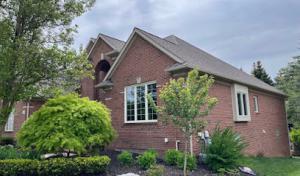
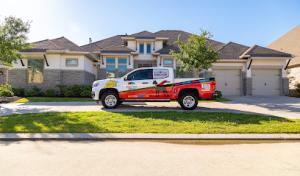
A full roof replacement in Novi typically requires a permit filed with the City of Novi Building Department rather than handled informally on site. The city's approach reflects the suburban replacement market where ice dams, wind damage, and staged inspections matter, especially after harsh Oakland County winters. Before any shingle, underlayment, or metal panel is removed, you should confirm your project with the local authority to avoid penalties or delays, and to ensure that the work aligns with local code and setback rules. The permit process is designed to document the scope and ensure that proper safety and weatherproofing measures are in place for winter conditions.
The permit filing generally includes project scope, roofing materials, and declared project value, along with a description of any unique circumstances on the property. In Novi, this documentation helps inspectors verify that the chosen materials are appropriate for freeze-thaw cycles and potential ice dam scenarios. When preparing the application, gather a clear plan that outlines the number of squares to be replaced, the type of underlayment, ventilation strategy, and any attic insulation improvements that support moisture control. Accurate material selection is particularly relevant in a climate where lake-effect storms can drive rapid temperature swings, increasing the risk of ice dam formation if ventilation or insulation falls short.
The permit must be posted visibly at the property so that neighbors and inspectors can monitor progress and compliance. Posting requirements serve as a simple, practical reminder of ongoing work and help prevent unauthorized changes to the project scope midstream. Interim inspections may be requested when work is completed in stages, which is common on larger Novi replacements where crews phase the project to address weather windows and permit constraints. Coordinating staged inspections can minimize disruption and ensure that each phase meets code requirements before proceeding to the next.
Novi requires a final inspection to close the permit, confirming that the roof installation meets all applicable codes and has been completed to the approved plan. Planning for the final walkthrough early helps align contractor schedules with inspector availability, particularly in late fall and winter when weather can compress timelines. If any discrepancies arise during inspections, address them promptly to avoid delays in closing the permit and to prevent gaps in protection against freeze-thaw damage.
In this market, insurers commonly compare storm damage evidence against roof age and maintenance condition, which can influence whether replacement cost or depreciation controls the payout. The combination of freeze-thaw cycles, wind-driven hail, and staged inspections means a quick, clean assessment isn't guaranteed. A roof that shows clear weathering may be treated differently than one with fresh storm marks, even if the damage seems substantial.
Michigan's active hail and wind claim environment means homeowners should keep a claim history, contractor photos, and notes from temporary mitigation work. When a claim is filed, the adjuster will look for consistency across documentation. Gaps in information can complicate the settlement, especially after a harsh season when multiple storms have impacted the same structure. Having a clear, dated record supports the narrative of what happened and when.
Because adjusters may question whether damage is storm-created or age-related, Novi homeowners benefit from documenting missing shingles, granule loss, leaks, and interior staining as soon as weather permits. Photos taken from multiple angles, dated notes, and a timeline of weather events help establish a credible link between a storm event and observed defects. Retain contractor photos showing untreated or temporary mitigation steps, so the file reflects proactive response and ongoing protection during the claim process.
Skylights and masonry chimneys in Novi often sit where roof planes meet, and the combination with a detached garage tie-in can create leak-prone flashing transitions during freeze-thaw weather. Start by inspecting the flashing at each penetration after heavy rains or thaw cycles. Look for hairline cracks in caulk, loose metal counter-flashing, or gaps where mortar joints have settled. If you see rust stains or moisture tracking toward the interior at the flashing joints, plan for resealing or flashing replacement before the next freeze-thaw sequence. Use a UV-stable sealant and ensure the shingle-to-flashing interface remains tight to prevent ice dam meltwater from backing up under edges.
Low-slope sections over porches, additions, and rear extensions can hold water longer during spring rain and snowmelt, making membrane condition and drainage details especially important. Check that the membrane laps are properly sealed and that edge termination is clean and drivable for meltwater. Ensure gutters and downspouts are sized for the local precipitation patterns and that downspouts direct water away from eave lines and foundations. If you notice ponding near these sections after a wet spell, address it promptly-even a small amount of standing water can migrate under flashing during freeze-thaw cycles.
Seasonal expansion in summer heat and winter contraction can expose weak sealant and flashing work first at penetrations rather than across the main field of the roof. Track changes along the chimney chase, dormers, and skylight sides as the seasons shift. Replace deteriorated sealant with a product compatible with the existing flashing and shingle material, and ensure slope and drainage remain unobstructed so meltwater cannot pool near penetrations.
Create a simple inspection cadence: after significant storms, during early spring thaw, and just before winter arrives. Use a ladder safely to check the ridge-line near penetrations, then move to the interior attic for signs of condensation or staining near skylights, chimneys, or low-slope transitions. Document issues with dates and photos, and prioritize fixes that restore a continuous, watertight seal at all penetrations.
Find contractors experienced in skylight installation, flashing, and leak repairs to bring natural light into your home.
Rhino Brothers Roofing & Construction
(734) 648-5535 rhinobrothersroofing.com
Novi, Michigan
4.7 from 26 reviews

Late spring through early fall is generally the best installation window in Novi because snow, ice, and frequent spring rain can delay tear-offs and inspections. If you're aiming to avoid catch-up work, plan for the project to start when the ground is dry, gutters are clear, and temps are reliably above freezing. Scheduling ahead of the season's busy months helps keep crews on track and minimizes the risk of weather-driven delays.
Hot midsummer periods can affect material handling and crew pace, while autumn wind events can shorten safe working windows as weather shifts quickly. If a roof needs to be replaced in peak heat, consider early-day start times, secure staging zones for materials, and prioritize shoulder-season windows when crews can move through the house without overheating equipment or compromising shingle sealant performance. In practice, aim to finalize scheduling before midsummer heat ramps up so crews can maintain a steady pace without overtime pressure.
Homeowners in Novi often need to book earlier than expected after regional storm events because emergency repairs and insurance-driven replacements fill contractor schedules. After a damaging event, call ahead for a provisional start date and keep a flexible plan for a priority slot. Storms can generate a cascade of quick-turn jobs, so have a reliable contact method and be prepared for a short-term window where crews consolidate projects.
Even with a planned window, remember that freeze-thaw cycles and late-season snow can push work into non-ideal days. If the project slips, it's typically to protect interior spaces and ensure proper flashing and edge work. Keep communication open with the contractor about anticipated cold snaps, and field-ready tasks that can be staged to keep the project moving when weather breaks.
You are buying into a market where winters bring freeze-thaw cycles and storm swings can test a roof in short order. After leaks or a severe wind event, response speed matters more here than the sticker price. A contractor's ability to show up, diagnose quickly, and coordinate temporary protections can save you further damage and cost down the line. Cleanup expectations run high in this area, with many crews advertising debris control and post-job site cleanup as standard. If a crew doesn't finish a clean sweep, you'll end up cleaning gutters and driveways yourself, which can feel like an ongoing headache through the season.
Established and family-owned operators are prominent, so it's smart to weigh local tenure and communication reliability alongside licensing and insurance. You want a team that has firsthand experience with ice dam risk, layered insulation issues, and staged inspections common in this market. Ask how they manage storm-damaged scheduling, the sequence of tear-off and installation, and how they protect landscaping and exterior finishes during project days. Look for a contractor who assigns a single point of contact for updates and who documents work milestones with photos, so you're not left chasing explanations after a storm event.
Confirm a transparent project plan with clear timelines, a defined cleanup procedure, and explicit protections for your home's exterior during work. Request references from recent Novi projects, especially those who faced winter conditions, and verify they carry adequate insurance coverage. If a contractor can't demonstrate reliable, steady communication and a record of responsible cleanup, consider other options.