
Last updated: Apr 19, 2026
Milford experiences cold, snowy winters where repeated freeze-thaw cycles are a primary local cause of shingle distress and ice dam formation. When a warm attic pushes heat toward the eaves, melting snow runs to the colder roof edge and refreezes, creating a dam that backs up water under shingles. That cycle weakens the flashing, soaks sheathing, and finally leaks into ceilings and walls. The combination of freezing temperatures, wind-driven snow, and spring thaw storms makes early attention to ice dam risk nonnegotiable for homeowners here.
Older homes clustered near the river and in the historic districts retain attic spaces that often trap warm air unless the insulation and ventilation are soundly upgraded. In these settings, heat loss through the ceiling is the easy culprit for eave ice buildup, which grows stubborn as air leaks persist. The Huron River area also experiences abrupt temperature swings in spring, so a roof can surprise you with rapid dam formation after a heavy snowpack. Because winter damage compounds year after year, delayed intervention is a risky gamble that increases the chance of costly interior leaks and accelerated shingle deterioration.
If you notice shingles curling, granules washing away, or dark streaks along the rake and eaves after a thaw, treat it as a warning sign. Ice dam development often coincides with attic heat loss, so even if the exterior snow looks calm, you can still face damage below the roofline. Inside the attic, look for drafty spots, condensation on sheathing, or rising humidity. Gutters that stay filled with ice longer than nearby rooftops indicate that meltwater is not draining properly. All of these signs reinforce the need for a targeted, proactive stance rather than reactive patchwork after leaks begin.
Begin with a thorough attic check focused on ventilation and insulation. Ensure soffit vents are unobstructed and that there is a clear path for air to circulate toward the peak. If insulation doesn't meet current standards or shows gaps around penetrations, address those gaps to slow heat transfer to the roof deck. In the meantime, keep gutters and downspouts clear of leaves and debris so meltwater can shed away from the eaves instead of forming a dam against the fascia. Consider installing heat cables or an ice melt plan only after a professional evaluates roof configuration and electrical load to avoid creating new hazards or fire risks. If possible, remove snow from the roof edge with a roof rake, taking care not to damage shingles or ice barriers; doing so during daylight when temperatures are above freezing helps reduce the risk of shingle cracking and ice sheet movement.
Replacement timing in Milford is typically best from late spring through early fall to reduce ice-related installation risks and improve roof performance before winter. Scheduling a roof replacement in this window minimizes the chance of storm-related delays and offers a stable period for product cure and flashing integration. A well-timed replacement also means the new roofing system benefits from the coming temperate period, allowing sealants and underlayment to set properly before the next freeze-thaw cycle. If you anticipate ongoing ice dam issues, plan for a comprehensive project that includes upgraded ventilation and insulation along with the new roof, so you're not chasing damage after the first heavy snow.
Spring hail and wind storms are a major source of sudden roof damage and often drive urgent inspections and repair demand. This area's mix of older village homes and historic downtown rooftops means softer underlayment in some spots and mixed-assembly roofs that respond differently to hail compared with newer builds. When a powerful line of storms rolls through, shingles can dent, granules can shed, and flashing around chimneys and vent stacks can fail in minutes. Freeze-thaw cycles after late-season snow further complicate the aftermath, enlarging small bruises into leaks and ice-dam risks. The result is a cascade: a storm, a collapsed ceiling, an urgent call for a crew, and a scramble to secure temporary protection before the next round of weather. Rapid response is crucial to minimize interior damage and avoid long-term deterioration.
Michigan insurers commonly expect detailed damage documentation, and Milford homeowners should be prepared with pre- and post-work photos, contractor estimates, and material details. Start with clear, time-stamped photos of the roof from multiple angles-before any debris is cleared, after the storm, and after repairs. Include interior photos showing any leaks or staining that appeared after the event. Keep a running log of dates, who inspected the roof, what was found, and what actions were taken. Contractor estimates should specify the exact shingles or roofing system, any underlayment, flashing, and venting components, plus notes about ventilation performance to prevent future ice dams. If a live assessment is performed, request a written summary of findings and recommendations. For higher-value replacements, insurers may request confirmation of ventilation and roofing material specifications, so having the documentation ready speeds the review and reduces back-and-forth delays. In this climate, showing that compression or improper venting contributed to damage can influence the claim's scope, so precise records help both sides reach an accurate result quickly.
Act fast to document and protect. Clear debris from gutters and downspouts to prevent backups that mimic roof damage. Use tarps or boards to cover vulnerable sections to stop water intrusion until a permanent repair can be made. Contact a Milford-area roofing professional who understands how spring weather affects older homes and can distinguish hail bruising from cosmetic surface wear. Request a detailed inspection focusing on shingles, granule loss, flashing around chimneys, dormers, and penetrations, plus attic ventilation performance. Ask for a written assessment that differentiates weather-induced damage from pre-existing issues. When the inspection is complete, schedule timely repairs and ensure all work materials are compatible with the home's existing roof system and ventilation setup. Keep all receipts and a summary of the work for insurance submission, including any warranty details on the replacements.
If a claim is filed, use the time between inspection and repair to reassess ventilation effectiveness. Proper attic ventilation helps mitigate ice-dam formation during melt cycles and reduces the likelihood of repeated damage after spring storms. Consider upgrading to roofing materials that perform well in this climate and coordinating flashing and vented edges with the age and style of the house. The goal is a roof system that resists hail bruising, maintains a stable temperature beneath the surface, and supports rapid drying after wet weeks. A vigilant homeowner stance-paired with prompt professional assessment-keeps the roof resilient through Milford's volatile spring weather.
Find local contractors experienced in assessing and restoring roofs after hail, wind, and severe weather events.



Allied Siding & Roofing
(248) 453-1689 www.buildwithallied.com
Serving
5.0 from 61 reviews
Welcome to the premier siding, roofing, and deck installation company in Highland, Michigan. At Allied Siding and Roofing, our construction professionals are dedicated to providing you with five-star home renovation services. Our locally owned and operated construction company offers James Hardie fiber cement siding, TimberTech and Trex composite decks, and GAF and CertainTeed roofing installation, all at an affordable price.

Rashid Construction
(800) 567-4490 www.rashidconstruction.com
Serving
4.7 from 63 reviews
With a legacy of craftsmanship spanning more than five decades, Rashid Construction stands as a testament to the transformative power of dedication. Founded in 1969, Rashid Construction has left an indelible mark on the landscape of their city, skillfully transforming visions into architectural masterpieces. They serve as a reliable partner in creating functional and visually stunning living spaces, leaving their mark as a symbol of exceptional quality and uncompromising excellence. While appointments are not required to visit the showroom, we encourage you to call ahead to ensure the best experience.

Ferguson Roofing
(517) 545-3362 www.fergusonroofinginc.com
Serving
4.6 from 69 reviews
Ferguson Roofing is a full-scale roof maintenance and installation contractor located in Howell, MI. We specialize in a wide variety of services including roof repairs, ventilation installation, roof cleaning, and gutter cleaning. Give us a call today to see how we can help you with your roofing needs!

A-Better Exterior
(248) 660-3292 www.abetterexterior.com
Serving
4.8 from 75 reviews
A-Better Exterior has built a reputation that goes back to 2010 for doing high-quality work with our roofing repair and installation projects. The pride we take in our finished work is reflected by the fact we stand by it with a warranty. Our professional team walks customers, both residential and commercial, through all facets of repair and installation decisions. We analyze short-term costs against long-term goals and discuss the advantages and disadvantages of different roofing materials. By making an informed decision, our customers can rest assured that they are getting a high-quality, well-made roof that meets their economic needs.
ABC Roofing & Remodeling
(810) 991-1128 abcroofingllc.com
Serving
5.0 from 72 reviews
ABC Roofing and Remodeling, located in Howell, Michigan, specializes in delivering outstanding roofing and remodeling services. With a blend of expertise and craftsmanship, ABC Roofing and Remodeling provide unparalleled solutions for homeowners and business owners throughout Oakland and Livingston counties. Their services range from minor repairs to insurance projects and complete replacements for your roofing, windows, siding, and gutters. Experience exceptional service and quality at ABC Roofing and Remodeling.

Ethical Exteriors
(517) 404-7606 ethicalexteriors.com
Serving
4.9 from 117 reviews
Ethical Exteriors is a reputable roofing contractor offering high-quality services to residential and commercial clients. With a strong commitment to excellence, the team ensures each project is conducted with professionalism and precision, achieving an A+ reputation. They provide a wide range of shingles and energy-saving options, along with attic insulation services for enhanced energy efficiency. The company emphasizes skilled training and meticulous standards at competitive prices. Contact them to deliver the right roofing solution for your home.
Roofing PD
(517) 798-8583 www.roofingpd.com
Serving
4.9 from 264 reviews
Roofing PD is a family owned roofing business from Howell, Michigan servicing Livingston and surrounding counties.
Ion Construction
(248) 939-1193 ionconstructionco.com
Serving
4.7 from 38 reviews
Based around the unshakeable values of honesty, transparency, and just being good people, Ion Construction isn’t like other construction companies. We strive to treat every customer with the respect and consideration they deserve. Our main goal with every construction project is the happiness and satisfaction of every customer. To achieve this, we strive to treat all of our customers like family because that’s how we’d want to be treated. We treat our customers with the respect they deserve by being fully transparent throughout our process, keeping the lines of communication open, and always listening. Give Ion Construction a call today!
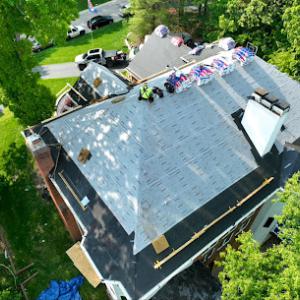
Armor Roofing
(248) 215-2555 www.armorroofingmi.com
Serving
4.8 from 33 reviews
Armor Roofing is Michigan's premier roofing provider, offering fully engineered lifetime roofing systems to protect your home. We never use generic components.

Renovations Roofing & Remodeling
(248) 889-5164 www.renovationsroofing.com
Serving
4.8 from 12 reviews
Renovations Roofing & Remodeling, Inc. is a family owned business with its roots forming over 2 decades ago. The corporation was formed in 1997, and a policy of obtaining ongoing education, professional certification, and training was put into place. Master Certified We are Master Certified with all of the major shingle manufacturers as well as GAF, Versico and Durolast flat roof systems. All of the management team hold builders licenses, various other professional accreditations and continuously pursue additional education.
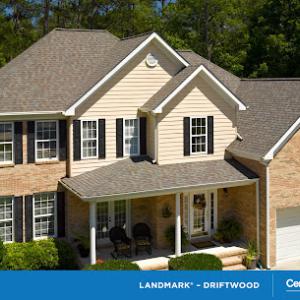
Roof-Rite
(248) 221-2985 www.roof-rite.com
Serving
4.7 from 184 reviews
Roof-Rite, Inc. provides gutter protection installation services, maintenance services, new gutter installation services, new roof installation services, new siding installation services, specialized roofing services, insulation services, and more to Southeast Michigan and the surrounding areas.
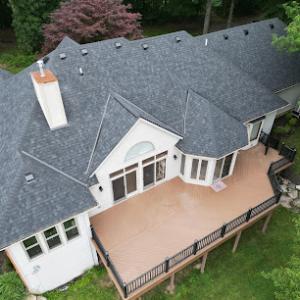
Pure Energy Roofing Company
(810) 626-5606 pureenergyroofing.com
Serving
5.0 from 38 reviews
Pure Energy Roofing is a family-owned and operated roofing company based in Brighton, MI, serving all of Southeast Michigan, including Ann Arbor. Owned by Adrian Beavers and Matt Masters, we specialize in roof replacement, roof repair, hail and storm damage repair, gutter replacement, and attic insulation. As an Owens Corning Certified Contractor, we are committed to using high-quality materials and providing personalized, reliable service. We pride ourselves on our integrity, transparency, and dedication to the community. Trust Pure Energy Roofing for all your roofing needs and experience top-notch service from a local business that cares.
Asphalt shingles are the dominant practical choice in Milford. In winter, this material handles freeze-thaw cycles reasonably well, but the real test comes from how well the attic is ventilated and how quickly ice dams form along eaves during heavy spring runoffs. If you already have asphalt, focus on improving attic intake and exhaust ventilation, and consider upgrading to thicker, architectural shingles for better impact resistance in stormier springs. When choosing new asphalt, look for products with good granule adhesion and warranties that cover wind uplift and freeze-thaw durability. Local repairs after a heavy winter should prioritize sealing potential nail pops and addressing any curled edges that can trap melted ice.
Metal roofing is a meaningful local option because it sheds snow more readily, reducing the risk of heavy ice buildup on sleeker slopes and steep rooflines common on older Milford homes. The key in this area is careful flashing and proper ventilation. Metal panels perform best when installed over a well-sealed underlayment and with properly spaced purlins to avoid heat gaps that can cause condensation and ice dams at the eave. Ensure the contractor pays attention to attic venting and eave closure, since Michigan winters demand a continuous path for cold air to reach the roof deck and prevent frost buildup. If the roof is visible from the street, select a finish that complements historic detailing while providing durable protection against salt and slush.
Clay tile, concrete tile, synthetic/composite, and slate are available in this market, but their added weight, cost, and repair complexity matter more on older Milford homes that may need structural review. Heavier roof assemblies require confirmation that the existing framing can support the load without compromising ceiling or attic integrity. Tile and slate, in particular, can crack under freeze-thaw cycles if there are minor shifts in the roof plane or unsupported spans. Repairs tend to be more involved and expensive when damage occurs high on the roof. If a historic home is considered for any of these materials, a professional evaluation should include structural calculations and a plan for seasonal expansion and contraction. For those with mid-slope or steep pitches, the weight and wind resistance of these materials can also influence long-term performance during Michigan winters.
Seasonal maintenance should be scheduled ahead of the typical freeze-thaw cycle. Have gutters, downspouts, and roof vents inspected for blockages that can redirect meltwater into eaves. When snow accumulates, consider a controlled, safe approach to light snow removal from critical sections near eave lines and valleys to reduce ice dam risk. Discuss a plan with a local roofer that accounts for the river's influence on humidity and microclimates around Kensington-area neighborhoods, which can affect how quickly ice builds up at roof edges.
When you're budgeting a new roof in this town, you'll see asphalt shingles priced roughly from 350 to 650 USD per square, depending on the shingle quality and whether you're doing a full tear-off or a overlay. Metal roofing sits higher, about 700 to 1100 USD per square, and clay tile typically lands between 900 and 1500 USD per square. Concrete tile follows at 800 to 1400 USD per square, with synthetic or composite shingles between 600 and 1000 USD per square, and slate the top end at 1200 to 2400 USD per square. These ranges reflect Milford's mix of established homes, mature yards, and the tighter neighborhoods near the river where landscaping and close-set homes can affect tear-off and cleanup costs.
After spring hail and wind events across Milford and nearby Oakland County communities, local pricing can rise as contractors scramble to meet repair demand. If you're facing a replacement after a harsh storm, expect some uptick not just in material costs but in scheduling and crew availability. Planning ahead, when possible, helps dampen the impact of those spikes.
Homes with original decking or in need of ventilation upgrades tend to push total project prices higher. If the underlayment or roof deck shows wear, or if flashing around chimneys and vent stacks needs correction, you'll see a noticeable increase. The same goes for careful tear-off work around mature landscaping and established neighborhoods where cleanup and protection require extra time and crew care. For Milford homes with winter damage from freeze-thaw cycles, you may also encounter additional costs for insulation or venting improvements to reduce future ice dam risk.
Given Milford's winter climate-with freeze-thaw swings and potential ice dam formation-proper ventilation and attic insulation influence long-term costs. A well-ventilated attic helps minimize heat buildup that drives ice dam issues, which in turn can affect shingle life and tear-off requirements. If a project includes upgrading vents or addressing insulation gaps, include these in your budget as they can add to the overall price but save on problems in future winters.
Get a clear picture of your project costs upfront - no commitment required.
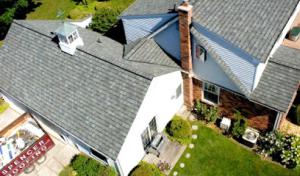


A full roof replacement in Milford typically requires a building permit through the local building department. If the project starts without a permit, the consequences can echo through your home improvement timeline, stalling inspections and complicating any later updates or resale. The permit process isn't just bureaucratic red tape-it's a signal that the job will be reviewed against Milford's standards for weather exposure, historic-style housing, and the freeze-thaw cycles that hammer our region. Plan to factor in the time needed for the permit to be issued and for the schedule to accommodate the department's review milestones before any material deliveries arrive on site.
Milford's review and inspection process commonly checks underlayment, ventilation, flashing, and overall code compliance during and after installation. Proper underlayment is crucial to manage meltwater and hidden moisture during those stubborn early-spring thaws and late-winter freezes. Ventilation isn't a luxury in this climate; it's a safeguard against ice dam development and lingering humidity that can corrode attic spaces and insulation. Flashing around valleys, chimneys, vents, and hips must be integrated so wind-driven snow can't lift materials or bend joints. And code compliance isn't a checkbox to cross off-inspectors verify that fasteners, nailing patterns, and roof-edge details meet current standards and that the overall system has the durability to withstand Milford's winter storms and spring deluge.
Homeowners should make sure the permit is posted at the job site where it's visible from the public right-of-way. This visibility isn't just for the inspector; it communicates to neighbors and future buyers that the work followed formal channels. Before considering the project closed out, ensure the final inspection is completed and documented. A clean close-out isn't merely ceremonial; it confirms that the new roof, vents, and flashing have passed the required checks and that no latent code issues could surface during future property transactions or insurance reviews.
Coordinate with the contractor so that the permit card remains displayed from start to finish, even during temporary weather delays. Ask for a written checklist from the roofer that aligns with Milford's typical inspection priorities-underlayment, ventilation, flashing, and seam integrity-so you can track progress against the city's expectations. If a problem arises during inspection, address it promptly; delayed corrections can disrupt weather-dependent scheduling and extend exposure of roof deck materials to winter conditions. In this climate, timely permitting and disciplined inspections aren't just formalities-they're part of ensuring your new roof withstands Milford's pronounced seasonal swings.
Milford homeowners operate in a Michigan insurance landscape shaped by both hail and wind claims, so every roof decision should consider how documentation will look if a claim is filed. When the weather turns, adjusters will be looking for a clear trail of what was installed and how the system performs, not just what was visible from the ground. A proactive stance on documentation can prevent questions that slow a claim or stall repair.
Insurers may request pre-loss and post-loss photos, contractor estimates, and clear records of the materials installed on Milford homes. Store photos in a dated, organized sequence showing the condition before a storm, after damage, and during any repair process. Make sure contractor estimates spell out product types, underlayment, and fastening methods. Keep receipts and warranty information for every material, from shingles or metal panels to underlayment and ventilation components. A well-documented file helps avoid back-and-forth delays when a claim moves from assessment to approval.
For larger claims, adjusters may want confirmation that ventilation and related installation details meet expectations before approving a full replacement scope. In Milford's climate, proper roof ventilation and ice-dam prevention measures are critical. Photos should capture attic vent placement, insulation depth, and any radiant barriers or soffit vents. If a contractor recommends repairs beyond cosmetic fixes, ensure their plan clearly ties ventilation improvements to seasonal performance. Ambiguities about ventilation can become sticking points even when the outer roof appears intact.
Begin the process early, especially after a storm season ends. Create a single, organized binder or digital folder with dated files for every major claim component: damage photos, material lists, installation dates, and contractor credentials. Include a written summary of observed ice dam or freeze-thaw impacts if present. When you communicate with the insurer, reference the exact materials installed and the installation approach, so adjusters can verify alignment with the claim scope. This disciplined approach reduces runarounds and helps a repair timeline stay on track.
In Milford's older housing stock, the areas where flashing seals transitions between roof planes and around vents, chimneys, and vent stacks tend to fail sooner than field shingles. The narrow ridges and aging underlayment here face freeze-thaw cycles that push and pull sealant at the most vulnerable joints. When replacement happens, pay close attention to how step and counterflashing are integrated at dormers and valley intersections. Expect that some of the original metal may have pinholes or loosened solder joints, and plan on upgrading to corrosion-resistant metal and properly integrated sealant that accommodates movement from seasonal expansion and contraction.
Skylights show up with notable frequency in this market, and the curb flashing around them is a separate study from the surrounding shingles. The curb itself can shift a little over a few winters, and that movement undermines the sealant you can't see from the attic. Treat curb flashing and the surrounding underlayment as a distinct inspection item: verify that the flashing is continuous, the drip edge is properly integrated, and the underlayment under and around the skylight remains intact. If the skylight is vented, ensure the seal between the sash and frame remains watertight as well, since interior condensation and frost can reveal hidden leaks after heavy storms.
Chimneys are a recurring concern for local crews, and the counterflashing around a brick or stone chimney on an older roof often leaks first after heavy snow events. The failure pattern typically shows up as slow seepage near the base or along the sides of the chimney chase. On replacement, insist on meticulous counterflashing, proper step-flashing at the roofing joints, and a continuous bead of compatible sealant. Trace leaks methodically: water can travel along roof deck edges and show up far from the actual entry point, especially where shingles butt against brick.
The attic ventilation strategy matters more than it might appear. In older homes, inadequate intake and exhaust interplay can create frost buildup along eaves and ridge lines, promoting ice dams. When planning a refresh, verify that soffit intake, ridge vents, and attic baffles align with the roof shape and insulation depth. This helps minimize heat transfer that drives ice dam formation during midwinter thaws.
Find contractors experienced in skylight installation, flashing, and leak repairs to bring natural light into your home.
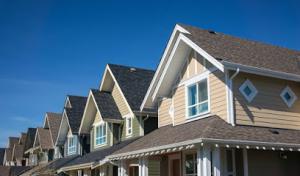
Flat and low-slope roofing is a real but secondary need in Milford, especially on additions, porches, garages, and some mixed residential-commercial structures. That means you should plan for these sections without assuming they'll get the same attention as the main steep-slope roof. Track drainage patterns early, because even small flat areas can become trouble spots if water sits or ice forms at edges.
Milford's snow load, standing water risk, and freeze-thaw cycling make drainage details more important on low-slope sections than on the main roof. Inspect for sufficient slope toward designated drains, scuppers, or internal gutters. Check for ice-dam prone edges where meltwater could back up under flashing or sealants. Regularly clear leaves and debris from interior gutters and downspouts, and ensure that scuppers are not blocked by debris or overgrown surrounding landscaping. If a low-slope area drains toward an interior space or porch ceiling, add a secondary overflow path or a backflow prevention device to limit backups during rapid thaws.
Autumn storms and rapid temperature swings in Milford can complicate scheduling and dry-in work on low-slope roof replacements. Coordinate windowed work with forecasted dry days and keep a contingency plan for sudden cold snaps. For new low-slope assemblies, select materials with proven cold-weather performance and ensure temporary weather protection is in place during installation. Pay attention to substrate condition after freeze-thaw cycles; soft or cracked decking invites leaks once the new system is installed. Regular post-install inspections help catch early signs of trouble before cold weather returns.
Find specialists in TPO, EPDM, and built-up flat roofing systems for residential and commercial properties.

Renovations Roofing & Remodeling
(248) 889-5164 www.renovationsroofing.com
Serving
4.8 from 12 reviews
Milford homeowners encounter contractors centered on re-roofing rather than specialty new-construction work, a pattern that shapes how projects get started, priced, and completed. When winter storms and freeze-thaw cycles stress roofs, the most-needed teams are those who can assess damage quickly, propose practical re-roofing options, and execute with a calm, organized plan. The emphasis is on restoring a secure roof fast and with minimal disruption to an occupied home.
In this market, quick response and thorough cleanup stand out as clear, visible priorities. You will see crews that arrive with focused weatherproofing materials, rapid tarp or temporary-cover strategies, and a stepwise plan to prevent further leaks during the repair. Cleanup is not an afterthought-debris removal, ladder staging, and dust containment are treated as essential parts of every job. Expect crews to protect landscaping, clean gutters, and leave no nails or shingle shards behind.
The local market shows a meaningful presence of long-established, family-owned, licensed, and insured contractors. That stability translates into predictable scheduling, clear warranties, and accountable communication. Homeowners often prefer firms that can reference local history-previous Milford projects, neighboring homes with similar roofs, and wrapped or re-roofed sections that stood up to Huron River winds and spring storms. This familiarity supports honest assessments, realistic timelines, and dependable follow-through from start to finish.
Seek contractors who emphasize winter-readiness planning-ice-dam prevention, ventilation checks, and materials suitable for freeze-thaw cycles. Ask for a detailed project plan, milestone updates, and a dedicated point of contact. In this town, a trusted contractor treats the home as a long-term relationship, not a one-off job.