Last updated: Apr 19, 2026
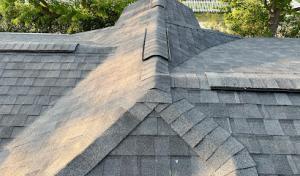
Grandville roofs face a steady drumbeat of wind, hail, and rapid temperature shifts that can turn a small flashing issue into a water entry problem fast. You should treat any lost granules, dented vents, curled shingles, or displaced flashing as a warning, not a cosmetic issue. If there is visible daylight in the attic or mysterious damp spots on ceilings after a storm, assume the worst and escalate to a licensed contractor promptly. In Grandville, the storm path through the Grand Rapids metro brings bursts strong enough to bend metal drip edges and push sealants beyond their service life, so quick assessment and timely repair are not optional-they're a practical safeguard.
West Michigan winter snow loads combine with freeze-thaw cycling to stress the roof system in ways that small problems multiply. Ice dams can force meltwater under shingles and into the framing, while frost heave at gutters and vents breaks seals and accelerates leaks. Ventilation that is insufficient or blocked compels attic temperatures to swing, causing condensation that weakens sheathing and underlayment. A roof that looks sound from the curb might still be harboring hidden moisture, especially around skylights, vents, and chimney areas. If ice buildup lingers along eaves or gutters, or you notice icicles forming repeatedly at the same spots, treat that as a red flag demanding professional evaluation before the next freeze.
If a storm claim seems likely, document damage thoroughly with timestamped photos from multiple angles, including interiors where moisture is present. Contact a local roofer who advertises emergency response and storm-damage experience, and ask for a same-day or next-day inspection window. When the contractor arrives, expect a careful review of flashing integrity, vent seals, soffits, and attic ventilation; insist on a written assessment that notes any compromised underlayment. For emergency shingle loss, temporary tarping can prevent further intrusion, but it should be executed by a professional to avoid creating a new leak pathway. In Grandville, where winter weather can interrupt access, plan for a two-step approach: stabilize immediately, then schedule a thorough repair or replacement when conditions allow.
Storm and ice-related damage often triggers insurance reviews, especially when hail claims or wind events are part of the damage narrative. Documenting pre- and post-storm conditions with clear photos, along with a dated contractor's report, can streamline the claim process. Expect insurers to scrutinize attic ventilation and ice-damming indicators as part of their assessment. Given the region's tendency for winter project delays, anticipate that scheduling a full replacement may slide into spring when crews have adequate access and materials can cure properly. Prepare for a phased plan if a full replacement cannot be completed in one window.
Winter project delays are a real local issue because snow, ice, and cold-weather sealing limits push work to the milder months. If a claim results in a large-scale repair, communicate a realistic spring timeline with the roofing team and the insurance adjuster. In the meantime, prioritize a temporary fix that mitigates leaks, protects vulnerable flashings, and preserves interior spaces. Proactive communication-between homeowner, insurer, and contractor-ensures the transition from emergency response to permanent restoration happens smoothly, minimizing additional risk in the next freeze cycle.
Asphalt shingles dominate replacements because they fit the area's large stock of conventional pitched suburban homes and keep costs below premium systems. In Grandville's freeze-thaw cycles, a solid asphalt shingle with good granule adhesion and an appropriate underlayment can hold up well for many years. Choose a product with a strong warranty and an established track record in Midwest winters. Proper attic ventilation and a careful installation detail around roof penetrations help maximize the lifespan of these shingles when lake-effect snow loads are heavier in certain winters.
Metal roofing is a meaningful local specialty in this market and is often considered by homeowners trying to reduce snow retention and improve long-term durability through repeated freeze-thaw seasons. Metal panels shed snow more reliably and can minimize ice dam risk when paired with a ventilated soffit and a well-sealed ridge system. If you're weighing this option, pay attention to panel gauge, profile, and the quality of sealants around flashing. A metal roof can be a smart upgrade on homes with steeper pitches or where you expect greater winter loading, but ensure the structure and supporting members are suitable for the heavier weight and that the local installer has experience with Chicago-style and Michigan-driven weather patterns.
Heavy materials such as slate and clay tile are available in the market but are far less common locally, so homeowners need to weigh structural suitability and specialty labor availability in the Grandville area. These options demand a sturdy roof deck and often a higher level of skilled installation. If a home is older or has a less robust structure, retrofitting to accommodate the weight can add complexity. While slate and clay offer excellent longevity and distinctive curb appeal, the mix of storm-driven wind events and shifting loads in winter requires a conservatively engineered approach and reliable local craftsmen who understand how to integrate underlayment, ventilation, and flashing for cold climates.
Synthetic or composite shingles provide a middle ground between cost and durability, often resonating with homeowners who want decent resilience without the extreme weight or premium price of natural materials. Fiber cement shingles blend well with traditional pitched roofs and can resist moisture exposure from lake-effect snow systems when installed with proper edging and ventilation. In this market, you'll find a blend of styles that mimic natural finishes while offering practical performance under Grandville's climate. When selecting these, verify compatibility with existing attic ventilation, insulation strategy, and the ability of the local crew to handle the specific fastening and sealing requirements to keep ice at bay along eaves and penetrations.
In this market, storm events that drive wind or hail damage can push costs up quickly. When Grandville-area crews are pulled into high volumes of re-roofing and emergency work, crews and materials can run short, and prices rise accordingly. If you're trying to time a replacement after a heavy weather spell, expect a tighter window for scheduling and a higher likelihood of premium charges for expedited projects or for temporary protection needs during the job. Budget a contingency for partial tear-off or additional disposal fees if the existing roof deck shows extended damage.
Typical options fall along a broad spectrum of durability and curb appeal. Asphalt shingles are the most common and generally price-friendly, with a baseline per-square range around 350-520 USD. Metal roofing, favored for longevity and wind resistance, runs higher, roughly 700-1100 USD per square. Specialty materials such as slate or clay tile sit at the high end, often 1200-2400 USD per square for slate and 900-1800 USD per square for clay tile, reflecting both material cost and the smaller pool of qualified installers in the area. Synthetic or composite shingles present a middle ground, commonly 400-650 USD per square. Fiber cement shingles land between asphalt and tile options, about 500-750 USD per square. In practice, choosing a material often hinges on long-term performance in freeze-thaw cycles, local storm exposure, and whether the budget priorities favor air-tight ventilation and wind-rated underlayment.
Costs here are sensitive to the local climate realities. Short cold-weather installation windows can compress scheduling, making crews scarce and potentially increasing labor charges. If a project must wait for ground conditions to improve or for temperatures to rise enough for proper sealant curing, you may see a delay-driven price creep. On the flip side, if a window opens due to a storm cleanup blitz, demand can surge and push labor costs upward or extend project timelines due to competing jobs. Plan for a realistic installation plan that aligns with typical Midwest cold snaps and the occasional late-season thaw, understanding that timing can directly influence both price and workmanship quality.
Beyond the base material costs, expect to budget for tear-off labor, debris disposal, ventilation improvements, and potential deck repairs. Specialty projects-like incorporating slate or clay-may require routing around fewer local installers, which can raise both material and labor costs. If insurance-driven timing is a factor, build in a cushion for documentation, supplier lead times, and potential staging if your preferred product isn't immediately available. In this market, proactive budgeting around the core cost drivers helps keep the project on track when the next windstorm or hail event hits.
Premier Roofing & Exteriors
(616) 947-3974 www.exteriorsbypremier.com
3440 Fairlanes Ave SW, Grandville, Michigan
4.9 from 1177 reviews
Established in 2006, Premier Roofing & Exteriors is a trusted Grand Rapids and Western Michigan area company specializing in comprehensive home exterior renovations. As a locally owned and trusted contractor, their licensed technicians provide residential and commercial customers with services for roof repair and replacement, siding and window installation, and gutter systems. Premier prioritizes honest communication and offers no-pressure inspections and estimates on all roofing, window, siding, and gutter projects. They’ve completed thousands of projects, have an A+ rating with the Better Business Bureau. Read their hundreds of 5-star reviews to see why they are the #1 home exterior contractor in Grand Rapids.
Melvin Belk Roofing
(616) 866-7655 melvinbelkroofing.com
Serving
4.9 from 152 reviews
Melvin Belk Roofing is a family owned roofing company since 1983 offering roofing installation, roofing repair, siding installation, and seamless gutter installation to the communities around Jenison, MI. As a professional roofing contractor, we are fully insured, licensed, and bonded. We offer Financing for your project and guarantee all of our work. We have built this company on Honesty, Integrity, Experience and our Exceptional Work. Call today for a FREE Quote.
Calderon Exteriors
(616) 888-4142 www.calderon-exteriors.com
Serving
5.0 from 30 reviews
Greetings! We are a locally owned & operated, licensed and insured business in West Michigan providing home improvement services to nearby surrounding areas with a priority of customer satisfaction. Please do not hesitate to give us a call for a free estimate or inspection!
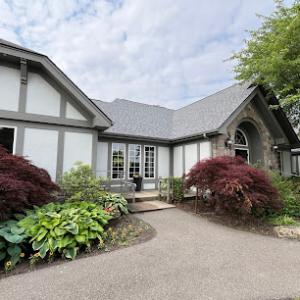
Bluebird Roofing
(616) 330-2473 bluebirdroofingco.com
Serving
5.0 from 9 reviews
Protect Your Nest with Bluebird Roofing We serve the greater Grand Rapids area with residential and commercial roof inspections, repairs and replacement services. Call us today for a free roof evaluation and quote!
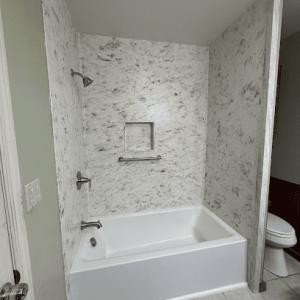
All-Weather Seal of West Michigan
(616) 747-8699 allweathersealinc.com
Serving
4.9 from 11 reviews
At All-Weather Seal of West Michigan, we specialize in window replacement, bathroom remodeling, and metal roofing, helping homeowners improve comfort, safety, and style. Our Jenison showroom is staffed daily and conveniently located inside Meijer, making it easy for local customers to explore our products and speak with our experts. We pride ourselves on providing professional, reliable service and personalized solutions for every home project.
Roach Home Improvement
(616) 367-3700 www.roachhomeimprovement.com
Serving
5.0 from 32 reviews
The Big Name in Roofing!
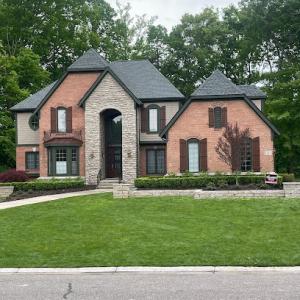
Kearns Brothers
(888) 355-6700 www.kearnsbrothers.com
Serving
4.5 from 36 reviews
Discover excellence in roofing and home exteriors with Kearns Brothers in Grand Rapids, MI. For over 30 years, we've been your reliable partner for roofing, solar, windows, and more. Our skilled team combines craftsmanship with premium materials to elevate your home's beauty, durability, and energy efficiency. Whether it's roof repairs or solar installation, we're committed to delivering exceptional results. Customer satisfaction is our priority, providing personalized service backed by industry expertise. Choose Kearns Brothers for top-tier home improvement in Grand Rapids, where your vision meets our commitment to quality.
Above Roofing
(616) 662-7663 aboveroofing.com
Serving
4.8 from 506 reviews
Above Roofing's team of expert roofing professionals is committed to providing top quality roofing services. We have a passion for superior craftsmanship, specializing in pitched, shingled roofing systems. Whether you need a simple roof repair or a full roof replacement, we provide a lifetime workmanship warranty on all work we do. We are committed to long-term relationships and service in our community. At Above Roofing, we go beyond delivering a basic roof; we aim to install a quality roof that will protect your home and your family for many years to come. Our goal is to truly stand out as a different breed of roofer, providing top quality roofing services and an exceptional experience for each and every customer.
Peak Roofing
(616) 667-0693 www.peakroofingmichigan.com
Serving
5.0 from 10 reviews
Established in 1999, Peak Roofing has continued to earn a reputation as a solid and reliable roofing company. Located in Jenison, we service areas throughout the greater Grand Rapids area. Specializing in residential and light commercial shingled roofing. Fully licensed and insured. Family-owned.

Weather Shield Roofing Systems
(616) 243-4040 weathershieldusa.com
Serving
4.9 from 82 reviews
With Weather Shield Roofing Systems, your roof is in good hands. Our team of experienced, certified roofers are specialized in industrial flat roofing. Over the past years, we’ve been named the Top 100 Roofing Contractors in the USA four times by Roofing, Siding, and Insulation Magazine and have been the #1 Contractor of the Year five times by two of the nations’ leading manufacturers of thermoplastic roofing.
Elevated Home Exteriors
(616) 403-5797 elevateyourexterior.com
Serving
5.0 from 18 reviews
Elevate your home's exterior with our expert roofing, gutter, window, door, and siding services. Ensure long-lasting protection and upgraded curb appeal.
Top Tier Roofing
(269) 666-1448 www.toptierroofingmi.com
Serving
5.0 from 11 reviews
Top Tier Roofing is your local premier roofing contractor. We are a local and family-owned business with three generations worth of building experience and knowledge behind us. We take pride in providing efficient, top-quality workmanship, and customer service to each and every customer.
A full re-roof in Grandville typically requires a permit through the city's building department rather than being treated as informal maintenance. This is not just paperwork; it's a structured step that helps ensure the roof system will perform through Michigan's freeze-thaw cycles and winter storms. The process is designed to catch potential issues early, especially with ventilation, attic airflow, and proper flashing around chimneys, vents, and dormers. Expect the permit to be tied to the proposed roof type, underlayment, and any changes to roof ventilation that affect moisture management in the attic.
During review, the city often checks contractor licensing as a baseline requirement. Beyond that, plan to provide roofing details that relate to ventilation and flashing. In Grandville, that means showing how soffit vents, ridge vents, or mechanical ventilation will coordinate with the attic space to minimize ice dam formation and moisture buildup after heavy lake-effect snow events. Flashing around skylights, valleys, chimneys, and stack penetrations also comes under scrutiny to prevent leaks that can worsen during freeze-thaw periods. Having these details prepared reduces back-and-forth and keeps the project on a steady track, which matters when storm damage accelerates the need for timely replacement.
Inspections are a routine part of the local process during the job. A typical sequence includes an initial plan review, periodic on-site checks during the re-roof, and a final inspection to close out the permit. The on-site inspections provide a chance for the inspector to verify that ventilation, underlayment, and flashing meet code requirements and that work aligns with the approved plan. If any storm-related damage or ice-damming concerns surface during construction, inspectors can flag adjustments before the project progresses too far, helping avoid costly rework later.
Storm damage and ice-related stress often create urgency, but permit timing still follows a measured path. Coordinating with your contractor to schedule inspections and addressing ventilation and flashing specifics early helps ensure that the project remains compliant even when winter weather shifts are frequent. If a replacement becomes necessary after a storm, having the permit upfront and a clear plan for inspections can prevent delays that impact interior comfort and energy efficiency in the attic during Michigan winters.
Communicate clearly with the Grandville building department about anticipated timelines, any storm delay contingencies, and whether temporary protective measures are needed during the interim. A well-documented plan that highlights ventilation strategy, flashing materials, and sequencing of shingle installation often smooths the permit path. When the permit and inspections are handled diligently, the re-roof can proceed with confidence, delivering a durable, weather-ready roof that stands up to the region's unique winter and storm patterns.
Grandville homeowners face a Michigan claim landscape where hail and wind losses are common enough to require documentation beyond a quick photo. When a storm rolls through the Grand River corridor, insurers will often ask for photo records, install dates, and clear evidence that new storm damage is distinct from older wear. That means keeping a simple, organized trail of your roof's condition-photos dated after install, notes on any past repairs, and reports from a trusted roofer. If a winter storm grinds through with ice damming or freezing rains, the line between storm damage and pre-existing deficiencies can blur, and the burden of proof may fall on you. In short, the more prepared you are with a concise before-and-after record, the smoother the process tends to be.
Adjusters in this market tend to zoom in on ventilation and flashing, knowing those details influence how damage is categorized. Poor attic venting or inadequately sealed flashing can turn a storm-related claim into a pre-existing deficiency discussion, which changes how losses are treated. Before you contact the insurer, run a quick, practical check: does the attic venting look balanced and free of obstructions? Are the flashing corners and step flashing along walls-especially where the roof meets a chimney or skylight-sound and free of gaps? If something looks marginal, address it promptly with a professional so there's a documented path of improvements. This isn't about perfection; it's about reducing the chance that a well-timed insurance review labels damage as wear rather than a storm event.
Coverage and underwriting have tightened in parts of Michigan, and Grandville homeowners may notice how roof age and material choice influence premiums, renewals, or even claim outcomes. Material choices that are robust against freeze-thaw cycles and wind can help, but so can maintenance that demonstrates ongoing care. When a claim is considered, insurers may weigh the roof's age against the expected remaining life, especially after a severe season. If your roof sits near a milestone age or uses materials more sensitive to storm exposure, you'll want to be extra organized: keep installation records, material specs, and recent maintenance notes ready. The path through a claim is less about luck and more about clarity, timing, and documented readiness.
In Grandville, the weight of winter and sudden storm systems often collides with insurance realities. If a claim is possible, prompt, transparent communication paired with a clear, professional assessment can shorten the process and reduce back-and-forth. Consider scheduling a pre-season inspection to catch vulnerabilities in ventilation or flashing that could complicate a future storm-related claim. By aligning maintenance with documentation, you can navigate the insurance reality with fewer surprises when the next hail event or wind gust rolls through the lake-effect corridor.
Connect with contractors who help homeowners navigate the claims process from damage assessment to final approval.
Premier Roofing & Exteriors
(616) 947-3974 www.exteriorsbypremier.com
3440 Fairlanes Ave SW, Grandville, Michigan
4.9 from 1177 reviews
Winter snow and ice frequently delay roofing schedules, so the most dependable replacement window runs from late spring through early fall. Planning around thaw cycles helps keep crews on track and minimizes the risk of ice dam issues during installation. Start by coordinating with a local contractor who tracks West Michigan storm patterns and can align the start date with a drier stretch in late spring. Keep in mind that occasional Arctic incursions or heavy lake-effect systems can push timelines, so build in a buffer of a few weeks for weather-related delays.
As the ice retreats, spring thaw and recurring rainfall increase moisture exposure during tear-offs and deck inspection. Expect more vigilant moisture management: tarping, perimeter protection, and rapid removal of soggy decking may be needed to avoid framing damage. Prioritize inspections when the ground is workable but not muddy, and schedule tear-off sequences to minimize standing water on the roof. Communication with the crew about roof access, crane or ladder placements, and debris containment helps prevent moisture from seeping into interior spaces during the transition.
Autumn in this area can bring wind interruptions and heavy leaf debris, which affects cleanup and can slow final punch-list work. Plan for weather days when gusts exceed safe working limits, and allocate extra time for thorough debris removal from gutters and around the eaves. Ensure temporary protection is in place for exposed nails and flashing as winds intensify, and confirm that final inspections and touch-ups occur after a reliably dry spell to avoid rework caused by lingering moisture or leaf debris in the late-fall cleanups.
Although the local market is built around pitched-roof replacements, you'll still see a meaningful presence of flat and low-slope sections for garages, additions, porches, and some commercial-adjacent structures. In Grandville, these low-slope areas often ride alongside steeper main roofs, creating transition points that behave differently in winter and during spring thaw.
Low-slope sections are especially vulnerable when snow piles up and then thaws. Water can linger longer on a flatter plane, which means extended exposure to freeze-thaw cycles and ice formation. Drainage problems are more likely to show up on these areas first, so watch for pooled water after storms and during rapid temperature swings. If ice accumulates along the edge or at flashing lines, the risk of shingle lift or compromised seals grows, even if the rest of the roof looks intact.
Transitions between the main house roof and a low-slope addition are a local leak hotspot after winter and storm events. Look for signs of moisture intruding at the joint, such as staining along trim, soft or spongy decking at the transition, or unusual wet spots on ceilings below. Proper flashing, stepped or continuous, and a solid ice-and-water shield in the transition zone are critical. If a low-slope addition was reroofed separately, verify that the flashing continues up and over the higher plane without gaps.
After heavy snow or a storm, perform a focused check on the low-slope areas first. Inspect for ponding water, ice dam formation along flashing, and any fastener back-out at the perimeter. Ensure gutters and downspouts downstream of the low-slope drain clearly, and remove debris that could impede drainage. Confirm that any transitions have uninterrupted, properly sealed flashing and that ventilation under the main roof remains adequate to minimize condensation that can migrate toward the low-slope plane. If any doubt remains after a winter event, bring in a local roofer who understands these specific junctions and how Grandville's winter patterns stress them.
Find specialists in TPO, EPDM, and built-up flat roofing systems for residential and commercial properties.
Great Lakes Building Concepts
(616) 379-9609 www.greatlakesbuildingconcepts.com
Serving
4.9 from 208 reviews