Last updated: Apr 19, 2026
Ada sits in the Grand Rapids-area West Michigan climate zone, where repeated winter freeze-thaw cycles are a primary driver of shingle edge wear, flashing movement, and leak development. Those cycles push water up under shingles at the eave, then refreeze it, prying at seals and edges that are already stressed by cold, wet weather. In practice that means you'll see wear along the lower edges first, with flashing that starts to loosen or lift where it meets the roof deck. When snow sits on the roof for days or weeks, meltwater finds any small gap and refreezes at the eaves, forming stubborn ice dams that force water to back up under shingles and into soffits or ceilings. This isn't a single incident-it's a pattern of small failures that compound year after year.
Full replacements in Ada are commonly timed from late spring through early fall because cold-weather installation and lingering snow cover can complicate tear-off, sealing, and inspection scheduling. If you're facing obvious shingle edge wear or recurring leaks, plan your roof work around the calendar rather than waiting for a storm to force a rushed repair. The longer you delay a proper fix, the more likely you are to encounter accelerated wear from repeated freeze-thaw cycles. In the meantime, focus on preventing new damage during the winter by keeping heat loss under control and ensuring vents aren't blocked by snow or debris.
Homes in Ada's wooded residential areas can hold snow longer on shaded roof planes, increasing the chance of uneven melt, refreeze at eaves, and localized ice-dam formation. Look for thick snow on north-facing or shaded slopes and notice if gutters are clogged or if icicles hang heavy along the edges. If you see shingles curling at the edges, lifted flashing along chimneys or dormers, or telltale staining or moisture on interior ceilings near outside walls, those are strong warning signs. In many Ada roofs, trees shade large portions of the roof for portions of the day, so insulation and venting must address those microclimates where melt water lingers and refreezes.
First, clear gutters and downspots where safe to do so, and remove any accumulated snow from the lowest few feet of the roof after a heavy storm, ensuring you don't climb onto a brittle, icy surface. While you wait for a contractor, address attic heat loss: seal obvious air leaks around penetrations and add insulation as needed so the attic temperature stays more even, reducing melt on the roof surface. Ensure attic soffit vents are unobstructed to allow cold attic air to move under the roof deck, which slows ice dam formation.
Second, in the event of active ice dam development, carefully remove the ice dam from the gutter line from the edge of the roof inward using a roof rake or other non-abrasive tool. Avoid hammering or chipping the dam, which can damage shingles and flashing and invite leaks deeper in the roof system.
Third, plan a comprehensive assessment with a local roofing professional once late spring arrives. A trained eye will evaluate shingle edge wear, flashing integrity, and overall roof deck condition, then tailor a repair or replacement plan that stands up to another winter's cycle. This is not optional maintenance; it's a critical step to prevent cascading leaks and escalating interior damage in Ada's winter climate.
Ada roofs endure a stark seasonal shift: winter snow stress gives way to summer thunderstorm bursts and hail that can batter shingles and uncover hidden damage. After a brutal long winter, you may see a fresh layer of wear on edges and intersections, but the real risk surfaces once temperatures climb and summer storms roll in. You need to be vigilant about new dents, granule loss, and lifted shingles, then separate those fresh impacts from preexisting weathering before you even think about filing a claim. The trees surrounding many Ada homes magnify impact exposure, with hail ricocheting off branches and decking, adding a second hit to already fatigued roofs.
Spring in this area brings thaw cycles that loosen ice and snowpack, followed by heavy rainfall that can overwhelm aging underlayment and decking. If you notice water marks or damp spots indoors after a heavy downpour, it's a signal that the roof system may have endured ice damming all winter and now faces compromised barriers from the thaw. Underlayments installed to shed moisture during the cold months can separate or tear, and decking can swell or warp when soaked after multiple freeze-thaw cycles. Look for soft spots, spongy sections, or a musty attic smell-these point to moisture intrusion that didn't show up under snow cover. In Ada, hidden damage is common until spring rain reveals it, so don't delay inspections after a storm. Early detection minimizes interior damage and speeds up effective temporary measures.
Local contractor signals strongly favor rapid storm response, and that reality dominates the Ada roofing market once storms roll through. A sudden hail event or a fast-moving thunderstorm can trigger a wave of urgent calls, so you should prepare a plan for quick on-site assessment, even if you suspect only minor superficial damage. Short-term leak stabilization-covering exposed penetrations, tarping, and shingle re-fastening-can prevent escalating interior water intrusion while waiting for a full repair window. When a storm hits, prioritize safety first, then secure the roof's vulnerable areas and document all damage with photos and timestamps. If interior or attic moisture appears, act promptly: delaying can allow mold growth and wood rot to take hold, complicating later repairs and possibly extending the duration of any claim process. In Ada, the combination of storm response urgency and the lingering aftereffects of winter weather means you should expect a two-step approach: immediate stabilization to stop leaks, followed by a targeted assessment of decking and underlayment integrity as soon as conditions allow.
Jobson Roofing
(616) 648-4606 jobsonroofing.com
7683 Knapp St NE, Ada, Michigan
5.0 from 137 reviews
With over 10 years of hands-on roofing and construction experience in Grand Rapids, Michigan, Jobson Roofing is not just a roofing company. We’re a family-owned business that provides quality workmanship, long-term client relationships, and a roof system that will protect your greatest asset – your home.
Skyline Exteriors
(616) 822-7719 skylineexteriorsgr.com
Serving
5.0 from 204 reviews
Local, family-owned & operated business in Grand Rapids/West Michigan, looking to serve customers in the home improvement industry. We specialize in exterior work, including roofing, siding, gutters, windows/doors, decks, and more! We look forward to discussing your next exterior project with you!
Mango Roofing & Exteriors
(616) 856-2864 www.mangoroofingllc.com
Serving
4.9 from 53 reviews
Mango Roofing & Exteriors is a local roofing contractor serving Grand Rapids, Kentwood, Wyoming, Grandville, Ada, Lowell, Byron Center, East Grand Rapids, Cascade, Forest Hills, Walker, Rockford, and Comstock Park. We provide expert roof replacement, roof repair, and storm damage repair. We also offer insurance claim assistance, gutter installation, and emergency roof repair for residential and commercial roofing. Known for fast response times and skilled craftsmanship, we make roof insurance claims simple. Contact us today for a free roof inspection near you.
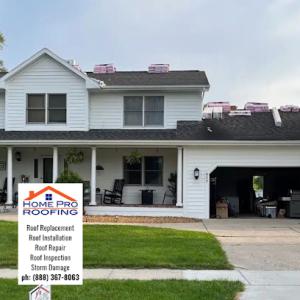
Home Pro Roofing
(616) 776-5955 homeproroofingada.com
Serving
4.8 from 130 reviews
Home Pro Roofing delivers premium asphalt shingle roofing solutions throughout the Grand Rapids Metro Area. Our expert team specializes in residential and commercial installations, repairs, and replacements, all backed by industry-leading 50-year warranties. We simplify insurance claims by handling all paperwork and insurer communications for you. With flexible financing options, 24/7 emergency services, and meticulous cleanup after every project, we're committed to exceptional service from estimate to completion. As a fully licensed and insured contractor, we guarantee superior craftsmanship that enhances your prope
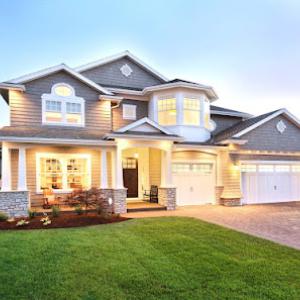
616 Roofing & Exteriors
(616) 616-7663 www.616roofs.com
Serving
5.0 from 6 reviews
616 Roofing and Exteriors is a trusted locally owned and operated Roofing Contractor delivering premier roofing replacements throughout greater Grand Rapids. As a Certified GAF Roofing Contractor and Owens Corning Preferred Contractor, we specialize in customized building solutions to meet your needs. Our core mission is to prioritize your satisfaction above all else, "Raising Roofs, Building Trust." From your first call to the final touch, you’ll work directly with a dedicated roofing and exterior renovation expert—not a salesperson—ensuring a personalized experience. By maintaining low overhead, we’re able to offer competitive pricing without compromising on quality, using premium materials backed by the industry’s leading warranties.

Grand Rapids Roofing
(616) 344-9227 www.roofing-grandrapids.com
Serving
5.0 from 5 reviews
"At Grand Rapids Roofing, whether it's an emergency repair or installation of a new skylight, our team has you covered and is able to give a prompt solution and peace of mind. With a proven track record, you can rest assured that your roofing projects will be in safe hands. We only use the highest quality of materials and have the breadth of experience to cover all of your exterior needs!"
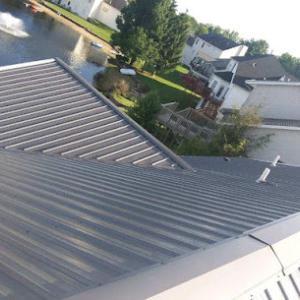
The Roof Sharks
(855) 480-7663 theroofsharks.org
Serving
5.0 from 36 reviews
Are you looking for a reliable and trustworthy roofing and siding company for your property? Look no further than The Roof Sharks, your local Atlas Signature Select & CertainTeed Select Installers. We are a family-owned and operated business with long-experienced technicians that specialize in asphalt and metal roofing as well as vinyl siding services. We pride ourselves on offering quality products at affordable prices, with financing options available to those in need. Contact us today to schedule your free consultation.
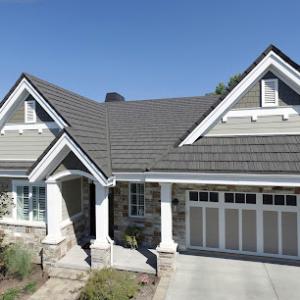
Erie Home
Serving
4.5 from 729 reviews
Since 1976, Erie Home has manufactured, supplied, and installed the best-performing roofing on the market. By providing ironclad warranties and convenient financing, we ensure that every homeowner we work with receives top quality service and value for their homes and properties. Erie Home professionals are the roofing company of choice in the greater Grand Rapids, MI area. Whether you need roof inspections or roof damage repair services, Erie Home has been the go-to roofing contractor for nearly 50 years because of our attention to detail and dedication to making sure our customers are satisfied with their results. Contact us today for a quote and see why we're the trusted roofing company Grand Rapids counts on.

Veteran Roofing & Exteriors
(616) 816-1645 www.veteranroofs.com
Serving
4.9 from 140 reviews
Veteran-owned and operated, Veteran Roofing & Exteriors is West Michigan's trusted choice for exterior home solutions. We bring unwavering integrity to every roof replacement, siding installation, and window replacement in Grand Rapids, Muskegon, and the Kalamazoo area. Our mission is to protect your home with superior craftsmanship and durable, high-quality materials built to withstand Michigan weather. We specialize in everything from storm damage repair to energy-efficient window and exterior door installation. Our disciplined, fully licensed and insured team ensures every job is done right and on time, backed by strong warranties for your peace of mind. Trust the team that puts service first.
Above Roofing
(616) 328-5375 www.aboveroofing.com
Serving
4.8 from 168 reviews
Above Roofing is a top rated residential roofing company specializing in roof replacement & roof repair. Our roofing service includes a free roofing estimate & a lifetime workmanship warranty.
Prospect Roofing
(616) 425-9464 prospectroof.com
Serving
5.0 from 12 reviews
Prospect Roofing has its roots in West and Central Michigan. We offer over 40 years combined experience on Michigan roofs. You name it, we can repair it, and roof it.
Srt Roofs
Serving
4.8 from 25 reviews
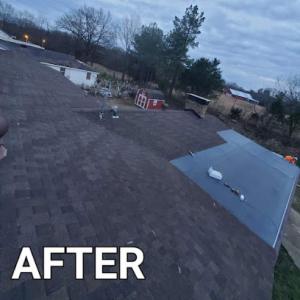
SRT ROOFS, LLC is your trusted, local Roofing company that brings over 50 yrs of combined experience to your roofing project. Our collaboration with our clients from start to finish is what sets us apart from the rest. We work with all styles of roofing systems from Residential all the way to very large commercial projects. Call today for your FREE no obligation Roofing Estimate or FREE Roof Inspection!!!
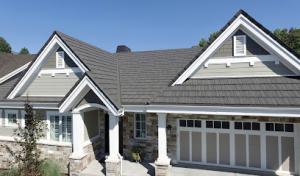
Asphalt shingles dominate practical replacements in Ada because they fit the area's detached residential housing stock and handle the local balance of snow, rain, and summer heat at the broadest price range. In this climate, you want a shingle with good granule retention, strong underlayment, and solid ice-dam resistance. Look for thicker, 30-year or greater warranties, and verify compatibility with the existing roof deck layout. If your roof pitches are modest, asphalt shingles are typically the most straightforward option for a long, low-maintenance life. Regular mid-winter inspections pay off: check for lifted edges and prompt debris removal to keep valley and eave areas clear during freeze-thaw cycles.
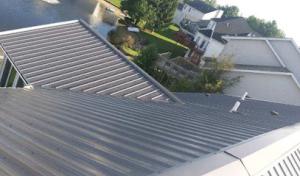
Metal roofing has a meaningful specialist presence in Ada and is especially relevant for homeowners prioritizing snow shedding, long-term durability, and resistance to repeated freeze-thaw cycling. If your home sits under shade from tall maples or near the river corridor, metal can reduce snow loads on the eaves and minimize ice dam risk during harsh winters. Look for standing-seam systems or concealed-fastener profiles designed for cold climates. Pay attention to flashing around chimneys and vents, and ensure the roof has a robust condensation and ventilation strategy to prevent condensate drip and ice buildup along the eaves. Metal can be louder during heavy snowfall or hail, so consider attic insulation and interior sound attenuation if that matters for comfort.
Clay tile, concrete tile, wood shakes, and synthetic products appear in the market but are more selective choices in Ada because winter loading, structural considerations, and maintenance expectations matter more in this climate than in warmer regions. Clay and concrete tiles are beautiful and durable but weigh significantly more; a structural assessment is essential before committing, as freeze-thaw cycles can challenge weaker substrates. Wood shakes offer strong curb appeal but require frequent maintenance to resist moisture and splitting through Ada's wet springs and cold winters. Synthetic products provide versatile aesthetics with potentially lower maintenance, yet they still rely on a solid deck and proper ventilation to combat ice dam formation. For any non-asphalt option, plan a precise inspection of the attic ventilation, insulation, and roof-to-wall connections to ensure the system handles Ada's winter loading without premature wear.
In Ada, winter damage after heavy snow and spring melt, plus summer storms in the Grand Rapids market, tends to tighten contractor schedules. That seasonal demand pushes labor and material costs upward for a window of several weeks after a major snow event or a damaging thunderstorm. Large custom homes and steeper rooflines common in parts of Ada add labor time for staging, safety, and tear-off, which translates to higher per-square pricing versus simpler suburban layouts. Wooded lots also mean more cleanup during tear-off, since branches and leaves tend to accumulate on the roof and the ground around the house.
Your selected roofing material largely drives the project cost, but Ada-specific factors can make the same product more expensive than a flat-rate estimate. Asphalt shingles remain the most budget-friendly, but when a wind-driven snow event or ice dam season hits, you may see longer labor windows or additional ice-dam mitigation work. Metal roofs, while more durable in freeze-thaw cycles, require careful seam work and fall protection on tall, steep slopes. Clay or concrete tile and wood shingles carry premium prices not only for material but also for heavier crews and extra teardown-and Ada houses with dramatic rooflines can push those costs even higher.
Start with a precise roof assessment that identifies ice-dam risk points and any underlying deck or sheathing damage caused by freeze-thaw cycles. Get multiple written bids and ask each contractor to outline staging requirements, debris containment, and safety plan for steep sections. For large or custom homes, request a detailed scope that covers tear-off sequencing, waste disposal, and contingency allowances for weather-related delays. Consider scheduling during the shoulder seasons when demand is lower, if feasible, to lock in steadier labor rates and shorter turnaround times.
Wooded lots require proactive debris management plans. Ensure the bid includes tarping, ladder safety, and blower or hand-cleaning for pine needles and branches that accumulate on and around the roof. Crews should attach debris netting or containment to minimize yard cleanup and protect landscaping. As Ada winters stress the roof, confirm the bid accounts for additional edge protection and snow guard installation if new material is installed.
Cost ranges for common materials in Ada sit within established industry ranges, but expect seasonal peaks to lift prices and extend timelines after winter damage or summer storms. Asphalt shingles typically offer the most economical replacement, while metal, clay tile, or concrete tile bring higher upfront costs but different long-term performance profiles. For a typical Ada home with a mid-range steeper roof, plan for a total that accommodates both material choice and the added staging, debris-management, and potential rework linked to winter-spring cycles.
Don't let upfront costs delay a critical repair - these contractors offer payment plans to fit your budget.
In this community, a building permit is required for a full roof replacement. Partial re-roofs treated as maintenance do not apply; Ada Township emphasizes a complete roof replacement to ensure ventilation, sheathing, and drainage meet current codes. The permit is typically filed by the roofing contractor, who coordinates with the township to submit plans, material specifications, and a ventilation strategy. For homeowners, it helps to confirm your contractor's licensure and experience with Ada's permit expectations before work starts, since plan accuracy matters for successful approval.
Inspections occur during installation and again after completion to verify ventilation requirements, proper fastening, sheathing condition, and overall code compliance. Expect checks for attic ventilation balance, insulation gaps, hatch access, and the sequence of nail patterns depending on the chosen roofing system. In Ada, inspectors may also review details related to ice-dam resistance and proper drip edge installation given cold winters and freeze-thaw cycles. Prepare to provide access to the attic, ventilation calculations, and any underlayment or warranty documentation requested by the inspector.
Turnaround commonly ranges from a few days to a couple of weeks depending on department workload and whether plan review is needed. Scheduling with the township often aligns with weather windows, especially since Ada experiences winter storms and rapid thaw cycles that affect scheduling and safety. Start the permit review early in the project timeline and maintain open communication with the contractor so you're aware of any additional information the township requests. If plan review is required, expect a longer timeline and be ready to address any code-related modifications.
Have a clear, up-to-date ventilation plan on file. Ensure sheathing is to current standards and that fasteners and underlayment meet Ada's climate demands. Request a pre-inspection walkthrough with the contractor to catch issues ahead of the official inspections, focusing on ventilation balance and ice-dam deterrence features. Finally, keep permits and inspection records organized for future reference, especially when discussing potential remodels, attic access, or energy upgrades.
In Michigan's winter-and-storm pattern, insurers commonly review roof age, photos, and repair history after wind or hail events, which makes pre-storm documentation especially important for the replacement path. A simple photo log from fall, with dated shots of vents, flashing, and shingles, can become a decisive factor when a claim is opened after a tough Ada winter. Without it, a claim can stall or be questioned.
Adjusters in this market may scrutinize whether damage is tied to a recent weather event or to older freeze-thaw deterioration and deferred maintenance. Ada homes experience repeated freeze-thaw cycles that quietly wear shingles, underlayment, and gutters. When a claim is filed after a storm, the line between sudden damage and cumulative wear matters, and the distinction can influence whether repairs are covered or limited.
Local code compliance and inspection records can affect claim handling after a replacement, so Ada homeowners benefit from keeping permit and inspection documentation organized. A well-ordered file that includes past permits, inspection reports, and any major repairs can streamline the process if a replacement becomes necessary. Consistency in records helps the insurer see a clear maintenance history.
Maintain a dated album of exterior roof conditions, focusing on shingles, flashing, and eaves before winter storms. Save weather reports and incident dates from severe events, and note any prior repairs with receipts or contractor notes. After a storm, photograph damage promptly from multiple angles and keep copies of all correspondence with the insurer, contractor, and any third-party adjusters.
Connect with contractors who help homeowners navigate the claims process from damage assessment to final approval.
Skylights and chimney intersections are notable service categories in the Ada market, reflecting common leak points that become more vulnerable during snowmelt and wind-driven rain. Begin with a tight flashing inspection around every skylight curb and chimney flashing; re-bed loose sealant, replace torn step or counter-flashing, and verify that pan flashings shed water away from the roof deck. After heavy snow events, check for ice dam buildup at these joints and clear debris that can trap meltwater. In Ada, plan a targeted reseal after storms when temperatures allow, and watch for staining on the ceiling below these intersections as a signal to investigate further.
Low-slope sections over additions, porches, or transitions need special attention in Ada because standing water and freeze-thaw stress can shorten service life compared with steeper main roof planes. Inspect these areas for fishmouths in the membrane, loose fasteners, or lifted edges where water can back up. Improve drainage by keeping drains clear and ensuring that the transition flashings direct water away from joints. Consider reinforcing with cold-weather rated underlayment or ice-dam resistant details at the parapet and at any gutter transitions. Treat these zones as high-priority during winter storms when snowpack shifts and melts rapidly.
Inspection focus in Ada on sheathing and ventilation means detail failures are often evaluated together with broader moisture-management issues rather than as isolated cosmetic defects. Look for soft spots, stains, or cupping on the underside of deck boards, then verify that attic ventilation-sufficient soffit and ridge or continuous soffit-to-ridge pathways-is balanced with insulation. When moisture is found, assess whether the ventilation outlets are blocked by snow or debris, and address any compromised vapor barriers promptly to prevent concealed rot and ice-dam progression.
Find specialists in TPO, EPDM, and built-up flat roofing systems for residential and commercial properties.
Turn Key Home Improvement
(616) 819-0411 www.turnkeyhomeimprovements.com
Serving
4.6 from 75 reviews