Last updated: Apr 19, 2026
Spring storms, hail, and high winds collide with a stubborn winter cycle that tightens the stakes for homeowners in this area. The seasonal pattern is clear: freeze-thaw cycling in winter can reopen vulnerable shingle seals, stress flashing, and worsen ice-related leak paths after snow events. When you wake up to a surprise icicle cascade or a damp ceiling after a thaw, you're not just dealing with a drip-you're facing a system-wide wake-up call for your roof's integrity. In this neighborhood, those cracks and gaps tend to show up first along edge details, around vent pipes, and at the transition between roof planes where movement stresses the sealant and fasteners.
As temperatures swing above and below freezing, the asphalt shingle roofs that dominate the local housing stock become a high-risk focus. After the snow melts, take a methodical walk around the entire roof line. Look for lifted or curled shingles, granule loss in the gutters, and any staining along interior ceilings that aligns with attic condensation. Pay particular attention to flashings at chimneys and valleys, where even small gaps can funnel meltwater into the attic during a rapid thaw. If you notice frequent ice damming, that pattern isn't just a nuisance-it signals that the underlayment and edge membranes may be compromised and in need of a closer look by a trusted contractor.
Spring in this area brings hail and high-wind exposure, making post-storm inspections especially relevant for asphalt shingle roofs, which are the most common local replacement material. After a hail event, inspect for bruising or dented shingles, granule loss in the gutters or downspouts, and any sudden changes in attic temperature or moisture. Strong winds can peel back tabs, lift ridge caps, or expose nail heads to the elements. Even if visible damage seems localized, wind-driven rain can force moisture under the edges, accelerating rot and mold if left unchecked. The best defense is a rapid, thorough assessment, followed by timely repairs to preserve the roof's protective layers.
The local contractor market shows unusually strong demand for storm damage, emergency repair, and insurance-claim help, indicating that weather-driven roof events are a primary homeowner concern here. When you connect with a contractor, have clear, organized documentation ready: recent storm dates, dated photos of any damage, attic or ceiling moisture notes, and a record of any prior leaks. Insurers often request a professional evaluation to substantiate claims, so a detailed report from an experienced local roofer who understands the seasonal forces you're facing can smooth the process. If you don't yet have a trusted advisor, prioritize vendors who respond quickly after storms, provide transparent assessments, and can distinguish between quick temporary fixes and lasting, code-compliant repairs. In a market with high demand for emergency repairs, securing a firm with reliable scheduling and clear communication is essential to avert further damage during the next thaw or wind event.
If you suspect damage after a winter or spring event, arrange a same-season inspection with a reputable local roofer who has experience with freeze-thaw wear. Request a focused assessment of shingles, flashings, attic ventilation, and the underlayment, plus a practical plan for any necessary repairs. Given the climate pattern, prioritize inspections soon after storms or rapid temperature swings, not months later when moisture has already penetrated deeper into wall cavities. Maintain a storm-ready mindset: keep pathways clear for contractors, secure loose debris, and document any new signs of water intrusion promptly. A proactive approach today reduces the risk of escalating damage and helps preserve the long-term resilience of your roof.
A practical approach in this area is to target a full roof replacement from late spring through early fall. The window provides the most favorable conditions for shingles and sealants to cure properly, with consistent temperatures and drier weather. This helps ensure your new roof develops a solid seam, good adhesion, and long-term performance without the interruptions that winter weather can introduce.
Cold-season work in this part of West Michigan can be slowed by snow cover, icy decking, and brittle shingle handling, which is why many homeowners schedule earlier once winter damage is identified. If a sudden freeze-thaw cycle hits your roof, the resulting movement can complicate installation and raise the risk of gaps or improper nailing. By planning ahead, you avoid forcing crews to work in unsafe conditions or under harsh wind events that commonly sweep across open ridges and exposed eaves.
Warm, humid summers in Caledonia also matter because prolonged heat and UV exposure can accelerate aging of asphalt roofing and underlayment, especially on older roofs already weakened by winter. When temperatures trend high, sealants cure faster but shingles can become more pliable and prone to nail backout if not installed with proper acceptance of expansion and contraction. Contractors often adjust their schedule to avoid the peak heat of July afternoons, which helps preserve the roof deck and reduce worker fatigue that can impact precision.
A practical plan accounts for both spring storms and late-summer heat waves. If a hail event or wind damage is suspected during the shoulder seasons, initiating the process early allows a smoother transition into the preferred replacement window. Scheduling with a reliable crew that understands how Kent County's permit oversight interacts with project timelines can reduce delays caused by weather-related hold-ups or inspection queues.
If timelines slip into early fall, it is still workable, provided the weather remains stable during critical stages such as deck preparation, underlayment installation, and shingle nailing. The key is avoiding wet or freezing conditions that could compromise adhesive bonds or shingle alignment. A clear plan with a contingency for unseasonable weather helps ensure the project finishes before winter.
Get a clear picture of your project costs upfront - no commitment required.
TYCO Roofing
(616) 916-0188 www.tycoroofs.com
10055 E Paris Ave SE, Caledonia, Michigan
5.0 from 27 reviews
TYCO Roofing
(616) 916-0188 www.tycoroofs.com
10055 E Paris Ave SE, Caledonia, Michigan
5.0 from 27 reviews
Residential and commercial roofing contractor serving West Michigan and the greater Grand Rapids area. With over 20+ years of experience. No high pressure sales. Free Estimates and advice. See why more people are trusting TYCO. Cover your home with confidence!
Victors Home Solutions
Serving
4.8 from 613 reviews
From our free 21-Point Roof Inspection to our 50-Year Leak Free Guarantee, we’ll protect your home and family for years to come. With almost two decades of roofing experience and a BBB Accredited A+ rating, Victors Home Solutions is the superior roofing and home improvement company across Michigan, Ohio, Kentucky, and Indiana. We provide the highest quality workmanship for residential roof repairs and replacements, seamless gutters, and attic insulation services.
Srt Roofs
Serving
4.8 from 25 reviews
SRT ROOFS, LLC is your trusted, local Roofing company that brings over 50 yrs of combined experience to your roofing project. Our collaboration with our clients from start to finish is what sets us apart from the rest. We work with all styles of roofing systems from Residential all the way to very large commercial projects. Call today for your FREE no obligation Roofing Estimate or FREE Roof Inspection!!!
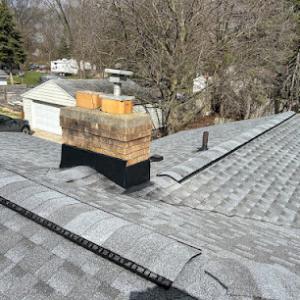
Skyline Exteriors
(616) 822-7719 skylineexteriorsgr.com
Serving
5.0 from 204 reviews
Local, family-owned & operated business in Grand Rapids/West Michigan, looking to serve customers in the home improvement industry. We specialize in exterior work, including roofing, siding, gutters, windows/doors, decks, and more! We look forward to discussing your next exterior project with you!
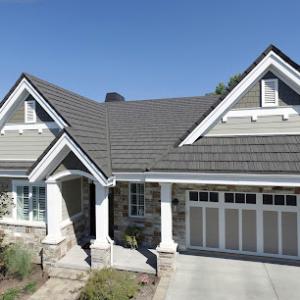
Erie Home
Serving
4.5 from 729 reviews
Since 1976, Erie Home has manufactured, supplied, and installed the best-performing roofing on the market. By providing ironclad warranties and convenient financing, we ensure that every homeowner we work with receives top quality service and value for their homes and properties. Erie Home professionals are the roofing company of choice in the greater Grand Rapids, MI area. Whether you need roof inspections or roof damage repair services, Erie Home has been the go-to roofing contractor for nearly 50 years because of our attention to detail and dedication to making sure our customers are satisfied with their results. Contact us today for a quote and see why we're the trusted roofing company Grand Rapids counts on.
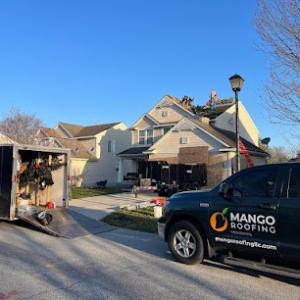
Mango Roofing & Exteriors
(616) 856-2864 www.mangoroofingllc.com
Serving
4.9 from 53 reviews
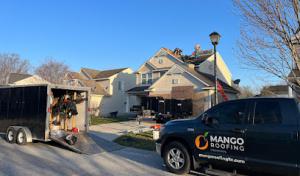
Mango Roofing & Exteriors is a local roofing contractor serving Grand Rapids, Kentwood, Wyoming, Grandville, Ada, Lowell, Byron Center, East Grand Rapids, Cascade, Forest Hills, Walker, Rockford, and Comstock Park. We provide expert roof replacement, roof repair, and storm damage repair. We also offer insurance claim assistance, gutter installation, and emergency roof repair for residential and commercial roofing. Known for fast response times and skilled craftsmanship, we make roof insurance claims simple. Contact us today for a free roof inspection near you.
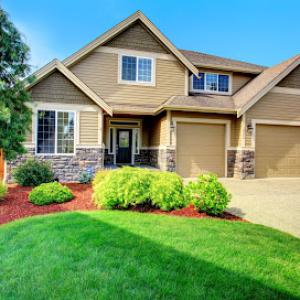
616 Roofing & Exteriors
Serving
5.0 from 46 reviews
616 Roofing and Exteriors is a trusted locally owned and operated Roofing Contractor delivering premier roofing replacements throughout greater Grand Rapids. As a Certified GAF Roofing Contractor and Owens Corning Preferred Contractor, we specialize in customized building solutions to meet your needs. Our core mission is to prioritize your satisfaction above all else, "Raising Roofs, Building Trust." From your first call to the final touch, you’ll work directly with a dedicated roofing and exterior renovation expert—not a salesperson—ensuring a personalized experience. By maintaining low overhead, we’re able to offer competitive pricing without compromising on quality, using premium materials backed by the industry’s leading warranties.
All Service & Remodel
(616) 877-5500 allserviceremodel.com
Serving
5.0 from 60 reviews
Keep your home in shape with exterior home improvement services from All Service & Remodel, LLC. Roofing, siding, windows and decks! Call today!

Weather Shield Roofing Systems
(616) 243-4040 weathershieldusa.com
Serving
4.9 from 82 reviews
With Weather Shield Roofing Systems, your roof is in good hands. Our team of experienced, certified roofers are specialized in industrial flat roofing. Over the past years, we’ve been named the Top 100 Roofing Contractors in the USA four times by Roofing, Siding, and Insulation Magazine and have been the #1 Contractor of the Year five times by two of the nations’ leading manufacturers of thermoplastic roofing.
Chosen Roofing & Exteriors
(616) 558-9193 www.chosenroofers.com
Serving
5.0 from 54 reviews
Chosen Roofing and Exteriors, a family-owned business, provides quality roofing, gutter, and siding services. They offer customized solutions tailored to each property, using high-quality materials and expert craftsmanship to ensure a reliable exterior for your home. They prioritize customer satisfaction and are committed to delivering top-notch results, backed by a strong warranty to give you peace of mind in your investment.

Veteran Roofing & Exteriors
(616) 816-1645 www.veteranroofs.com
Serving
4.9 from 140 reviews
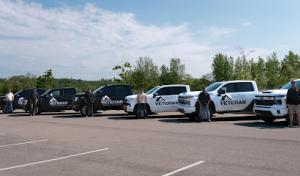
Veteran-owned and operated, Veteran Roofing & Exteriors is West Michigan's trusted choice for exterior home solutions. We bring unwavering integrity to every roof replacement, siding installation, and window replacement in Grand Rapids, Muskegon, and the Kalamazoo area. Our mission is to protect your home with superior craftsmanship and durable, high-quality materials built to withstand Michigan weather. We specialize in everything from storm damage repair to energy-efficient window and exterior door installation. Our disciplined, fully licensed and insured team ensures every job is done right and on time, backed by strong warranties for your peace of mind. Trust the team that puts service first.
Home Pro Roofing
(616) 776-5955 homeproroofingada.com
Serving
4.8 from 130 reviews
Home Pro Roofing delivers premium asphalt shingle roofing solutions throughout the Grand Rapids Metro Area. Our expert team specializes in residential and commercial installations, repairs, and replacements, all backed by industry-leading 50-year warranties. We simplify insurance claims by handling all paperwork and insurer communications for you. With flexible financing options, 24/7 emergency services, and meticulous cleanup after every project, we're committed to exceptional service from estimate to completion. As a fully licensed and insured contractor, we guarantee superior craftsmanship that enhances your prope
Asphalt shingles dominate reroofing projects in this town because they balance performance with affordability across the region's winter snow, freeze-thaw cycles, and humid summers. In many Caledonia homes, a high-quality asphalt dimensional shingle pair with a proper underlayment handles wind-driven rain and protects against hail better than older, flat-slate looks. When choosing this option, pay attention to the wind rating and the adhesive system; a good sealant course helps resist lift during late-winter gusts and spring storms. Given the local climate, it's wise to select lighter-color granule blends that reflect heat in the hotter months while still delivering long-term durability on aging sheathing. For homeowners weighing roofs on mid-century or newer builds, asphalt shingles often pair well with standard suburban trusses and moderate attic ventilation, reducing the likelihood of heat buildup that can accelerate wear around roof penetrations.
Heavier options, including clay tile, concrete tile, and slate, can trigger added structural or plan-review attention during the local permit process. Clay and concrete tiles bring distinctive curb appeal and durable performance, but they require a solid substrate and sometimes framing adjustments to handle weight and wind uplift. Slate, with its centuries-long track record, offers exceptional longevity but demands careful evaluation of load paths and fastener details. If heat exposure and freeze-thaw cycles are coupled with a bit of slope variability on your roof, these heavier choices may still be attractive for their long-term resilience. It is essential to have a licensed professional verify that the existing structure can support the added weight and that proper flashing and integration detail around chimneys and vents are planned to manage persistent moisture and snow load.
Metal roofing has a smaller but active niche in the local market, reflecting homeowner interest in durability and snow-shedding performance in a cold-winter township setting. Metal panels can shed snow more quickly, potentially reducing ice dam risk on steep pitches and improving attic temperature regulation when paired with good ventilation. Panels come in a range of profiles, from standing-seam to easier-to-install through-fastened options, each with different wind uplift and noise considerations. For homes with rooflines that feature complex geometry or multiple transitions, metal can offer reliable performance with careful detailing around valley intersections and soffits. In general, a metal roof pair with a solid underlayment and integrated condensation control performs well through the freeze-thaw sequence typical of Caledonia springs and snowy winters.
When evaluating materials, think about the roof's exposure to sun angles, prevailing winds, and the way ice and snow travel across the surface during midwinter thaws. Shingle roofs tend to be forgiving for modest slopes and straightforward venting, while heavier and metallic options reward care around load, fastener choices, and flashings. If a home sits on a higher, wind-exposed lot or features a large south-facing exposure, the material choice will interact with seasonal temperature swings in a way that affects attic condensation and shingle color stability. In all cases, pay attention to existing roof deck condition, ventilation, and the potential need for additional insulation to maximize the long-term performance of the selected system.
In Caledonia, your planning should start with the provided ranges per square. Asphalt shingles generally run from 350 to 550 USD per square. Metal roofing falls between 600 and 900 USD per square. Wood shingles or shakes span roughly 500 to 800 USD per square. Concrete tile typically sits in the 900 to 1300 USD per square range, while clay tile clocks in at 1000 to 1400 USD per square. Slate, the premium option, ranges from 1500 to 2400 USD per square. These figures reflect typical local pricing and give you a practical basis for initial budgeting.
In this market, spring storm activity can push prices higher as demand for re-roofing and emergency work spikes across the Grand Rapids-area labor pool. If your project lands during a busy period, expect not only higher material quotes but also tighter scheduling for crews. Building a short-term contingency into your timeline and budget helps keep the project from stalling when storm aftermath peaks.
Heavier materials such as tile and slate may increase total project cost locally because heavier loads trigger additional scrutiny during the early planning stages. Expect possible extra evaluations for load, and be prepared for longer lead times or extra prep work if your home's structure needs reinforcement before installation. If you're weighing tile or slate, factor in both the higher per-square cost and the potential for extended installation timelines in this market.
Start with a mid-point of your chosen material's per-square range, then add 10 to 15 percent for contingency and potential storm-season scheduling. If your home has an older deck or weakened framing, invite a this-year estimate that explicitly covers any required reinforcement. In practice, gathering a few written quotes from qualified local roofers helps you compare not just price but anticipated timelines, crew reliability, and any material-specific caveats that can influence final costs.
Don't let upfront costs delay a critical repair - these contractors offer payment plans to fit your budget.
A full residential re-roof in Caledonia typically requires a building permit handled through the local building department serving Caledonia Township in Kent County. The permit process is not optional paperwork; it sets the stage for proper installation, code compliance, and a record of work that will be referenced for future maintenance or disputes. Because the township sits in a climate with freeze-thaw cycles that stress roof decks and flashing, having formal permit review helps confirm that structural considerations, ventilation, and moisture control meet current standards.
The permit may be filed by either the contractor or the homeowner, so homeowners should confirm before work starts who is responsible for application, scheduling, and closing out inspections. In practice, it is common for the contractor to initiate the permit, but the responsibility can shift depending on the project, the terms of the contract, and local expectations. If you choose to handle the filing yourself, be prepared to provide project details, material specifications, and an accurate scope of work. Clear communication upfront avoids delays when inspections are due and helps ensure that the permit record accurately reflects the actual work performed.
Inspections are generally scheduled during and after the roofing work to verify code compliance and installation quality. In Caledonia, the township/Kent County process may include plan-review comments for heavier roofing systems or for configurations that alter attic ventilation, ridge venting, or deck loading. Heavier systems such as some metal, tile, or synthetic options might trigger additional structural or plan-review considerations. Cooperating with the inspector and having access to the site during required times reduces the risk of hold-ups and rework. Keep a running line of communication with the contractor so you receive timely updates about inspection windows and any items that need addressing before final approval.
Michigan homeowners insurance remains broadly available, but Caledonia storm-related roof claims commonly require strong documentation because adjusters often ask for photos, invoices, and roof age. Gather evidence quickly after a wind or hail event: take wide shots of the entire roof, close-ups of damaged shingles or flashing, and any interior water intrusion. Keep copies of any prior repairs or known issues, and note timelines for the damage as weather windows can affect claim timing.
In this market, prior damage history and the roofing material selected for replacement can affect how a claim is reviewed, which matters for homeowners replacing older storm-worn roofs. Create a simple appendix: a roof age estimate, a description of existing materials, and a record of any recent leaks or attic condensation. Obtain two or three contractor estimates to show the scope of needed work, but avoid submitting competing bids as if they're part of the claim. Your insurer will want a clear narrative: what happened, when it happened, and how the roof condition now differs from its pre-storm state.
Because local contractor demand strongly reflects insurance-claim assistance, Caledonia homeowners should expect claim support to be a routine part of the roofing conversation after wind or hail events. Be prepared to discuss the selected replacement material in terms of durability against Michigan winters, freeze-thaw cycles, and spring hail. If a contractor flags an upgrade to a more resilient or longer-lasting product, document how that choice aligns with the roof's age, the claim's coverage, and any depreciation considerations that could affect final settlement.
Connect with contractors who help homeowners navigate the claims process from damage assessment to final approval.
TYCO Roofing
(616) 916-0188 www.tycoroofs.com
10055 E Paris Ave SE, Caledonia, Michigan
5.0 from 27 reviews
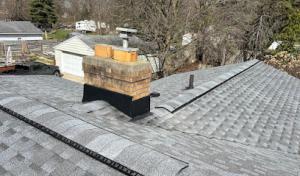
In this fast-growing township near Grand Rapids, skylights and chimneys are common focal points for leaks after winter. Freeze-thaw cycles can push flashing loose and sealants to crack, especially around penetrations where roofs meet vent stacks, curbs, and curb-mounted skylights. The result is a telltale combination of small drips that creep into attic spaces and larger, more disruptive leaks after spring wind and hail. Homeowners often discover that these penetrations have shifted slightly since the last reroof, leaving gaps that trap water against underlayment and decking. When patching is treated as a quick fix rather than a full replacement of flashing, the underlying movement from seasonal stress continues to undermine the repair.
During a replacement, you should specifically verify that skylight flashing and chimney flashing are replaced rather than simply worked around. Look for step-flashing where it meets the sidewall of the chimney, correctly integrated head flashing over the skylight curb, and corrosion-free metal parts that are sized to handle Michigan wind loads and heavier snow seasons. If the contractor plans to reuse old flashing, push for a full removal and replacement, as recycled bits often harbor micro-cracks that fail when temperatures swing from subfreezing to thawing. Ensure sealant joints are continuous and backed by properly layered underlayment that spans the flashing base. A careful installation accounts for snow shedding areas and the tendency for ice dams to form at these penetrations.
After installation, schedule regular inspections that focus on the transition zones where flashing meets roofing material. In Caledonia's climate, periodic resealing of seals around skylights and chimneys is not a luxury but a preventive measure. Keep the surrounding roof surface clear of debris that can trap moisture and obscure early signs of flashing movement. If you notice rising condensation, damp spots along interior walls near the ceiling, or tactile gaps at flashing edges after storms, address them promptly with the contractor, not the do-it-yourself approach. A proactive approach preserves the roof's integrity through freeze-thaw and wind cycles.
Find contractors experienced in skylight installation, flashing, and leak repairs to bring natural light into your home.