
Last updated: Apr 19, 2026
In Byron Center, the rhythm of the year directly shapes when a roof should be replaced or repaired. The cold winters and heavy snow drive tear-off and installation to be more practical in the late spring through early fall window. That window aligns with milder temperatures, drier days, and a predictable enough stretch to complete a full replacement without the winter weather creeping back in. The local risk pattern blends winter freeze-thaw cycling with spring hail and wind events, so many roofs show both age-related wear and storm-related damage in the same year. A single season can reveal the combined effects: shingles that have aged from winter stress and new nicks or dents from spring storms.
For a full roof replacement, plan with late spring through early fall as the core window. Early to mid-spring can be a good time to start if the weather remains reliable, but avoid the first thaw when moisture and ground conditions delay equipment moving around and tear-off work. By late spring, warmer days reduce the chance of shingle cracking during installation, and the project can finish before fall winds arrive. If a roof is showing widespread wear from years of freeze-thaw cycles, or if spring storms leave more visible damage, advance planning helps secure a section of the calendar with dry weather. If the roof is nearing the end of its service life, aligning the work with this window minimizes the risk of a mid-winter interruption and reduces the chance of weather-induced delays.
Warm summers in Byron Center accelerate asphalt shingle aging after winter stress, making seasonal inspection timing especially important before the next cold season. In late summer or early fall, take a close look at edges, valleys, and flashings. A quick professional inspection after the peak of summer heat can catch aging granules that have softened from heat and the cumulative effect of winter wind and precipitation. This is also the window to address minor repairs that, if left, could become water ingress after the first freeze. If a hailstorm or strong wind event hits in spring, add a targeted inspection following the storm to identify dented or dislodged shingles, lifted edges, or damaged flashing before winter returns.
The local climate makes year-to-year decisions practical rather than theoretical. A winter with intense freeze-thaw cycles followed by a spring storm sequence tends to accelerate visible wear on older roofs and reveal hidden weaknesses sooner. In that scenario, delaying a replacement into the following spring can be risky if wind-driven debris or hail has compromised the roof structure. Conversely, a relatively calm spring with minimal storm damage can extend the life of existing shingles, allowing a later replacement within the core late-spring to early-fall window. Monitoring spring storm intensity and subsequent roof condition helps homeowners decide whether to move ahead quickly or stage repairs for a future season.
Start with a summer or early fall roof check if the previous winter was harsh or if spring storms were severe. If the inspection reveals widespread wear or localized storm damage, booking a replacement during the late spring through early fall window keeps installation practical and minimizes weather-related interruptions. Track the roof through the late summer heat; if aging signs become more pronounced or new damage appears after a summer storm, set the replacement plan in motion to land the project before the next winter. In all cases, coordinate timing with the anticipated cooling-off period after peak summer heat to ensure the shingles cure properly and the crew can wrap up before winter sets in again.
In this Michigan market, hail and wind claims are common enough that homeowners should expect adjusters to ask for photos and a detailed estimate after severe weather. When a storm hits, you have a narrow window to capture the condition of your roof before further damage or weather erosion hides evidence. Take clear, wide shots of shingles, flashing around chimneys and vents, and any visible interior signs like condensation on ceilings or attic leaks. Create a simple photo log with dates and note the exact location of each shot. If you can, photograph from multiple angles and include close-ups of hail impact marks and cracked or lifted shingles.
Because Byron Center roofs often face spring hail and fall wind-driven storms, documentation should capture shingle surfaces, flashing, vents, and any interior leak evidence as soon as conditions are safe. Focus on hail dents, bruising, granule loss, and coarse edge wear along the eaves. Check flashing around skylights and dormers, since these are common failure points in Michigan storms. Inside, photograph any signs of water intrusion-stains, warped boards, or musty odors-so the claim has a clear link to weather events. Keep notes on last notable storms and how long the area stayed under active wind or hail warnings, because insurers often tie damage to specific events.
Claim timing in Byron Center is often affected by weather windows, since insurers and contractors may need to coordinate inspections and replacement scheduling around Michigan seasonal conditions. If a major storm coincides with inconvenient weather, plan for a few workable inspection slots when roofs are still safe to access but not overwhelmed by fresh damage risk. Communicate with your adjuster about preferred times for on-site visits, and be prepared to reschedule promptly if another system moves through. The goal is to document the roof promptly while ensuring any images show a direct weather-related cause, not incidental wear.
Before a contractor steps on the roof, inspect from the ground and safely note any obvious hazards or loose edges that could worsen during a high wind. For the claim packet, assemble both exterior photos and interior indicators in a concise, chronological order tied to specific storm events. Have a current, readable contact sheet for adjusters and a simple diagram marking where each photo was taken. If clear, non-invasive temporary measures can be applied to prevent further interior damage, discuss these with your contractor and the adjuster, documenting what was done and when. This approach keeps the claim moving and reduces back-and-forth when scheduling replacement work.
Connect with contractors who help homeowners navigate the claims process from damage assessment to final approval.
616 Roofing & Exteriors
889 76th St SW UNIT 14, Byron Center, Michigan
5.0 from 46 reviews
Complete Roofing & Repair
(616) 207-3831 www.completeroofingrepair.com
6049 Clyde Park Ave SW, Byron Center, Michigan
4.7 from 53 reviews
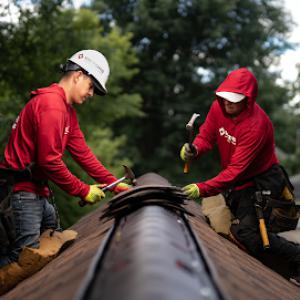
Victors Home Solutions
9809 Division Ave S Suite D, Byron Center, Michigan
4.8 from 613 reviews
From our free 21-Point Roof Inspection to our 50-Year Leak Free Guarantee, we’ll protect your home and family for years to come. With almost two decades of roofing experience and a BBB Accredited A+ rating, Victors Home Solutions is the superior roofing and home improvement company across Michigan, Ohio, Kentucky, and Indiana. We provide the highest quality workmanship for residential roof repairs and replacements, seamless gutters, and attic insulation services.
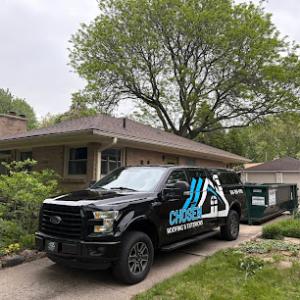
Chosen Roofing & Exteriors
(616) 558-9193 www.chosenroofers.com
8650 Byron Center Ave SW Ste 10, Byron Center, Michigan
5.0 from 54 reviews
Chosen Roofing and Exteriors, a family-owned business, provides quality roofing, gutter, and siding services. They offer customized solutions tailored to each property, using high-quality materials and expert craftsmanship to ensure a reliable exterior for your home. They prioritize customer satisfaction and are committed to delivering top-notch results, backed by a strong warranty to give you peace of mind in your investment.
616 Roofing & Exteriors
889 76th St SW UNIT 14, Byron Center, Michigan
5.0 from 46 reviews
616 Roofing and Exteriors is a trusted locally owned and operated Roofing Contractor delivering premier roofing replacements throughout greater Grand Rapids. As a Certified GAF Roofing Contractor and Owens Corning Preferred Contractor, we specialize in customized building solutions to meet your needs. Our core mission is to prioritize your satisfaction above all else, "Raising Roofs, Building Trust." From your first call to the final touch, you’ll work directly with a dedicated roofing and exterior renovation expert—not a salesperson—ensuring a personalized experience. By maintaining low overhead, we’re able to offer competitive pricing without compromising on quality, using premium materials backed by the industry’s leading warranties.
Complete Roofing & Repair
(616) 207-3831 www.completeroofingrepair.com
6049 Clyde Park Ave SW, Byron Center, Michigan
4.7 from 53 reviews
Complete Roofing & Repair provides expert commercial and residential roofing services to the Grand Rapids, MI area.

Weather Shield Roofing Systems
(616) 243-4040 weathershieldusa.com
Serving
4.9 from 82 reviews
With Weather Shield Roofing Systems, your roof is in good hands. Our team of experienced, certified roofers are specialized in industrial flat roofing. Over the past years, we’ve been named the Top 100 Roofing Contractors in the USA four times by Roofing, Siding, and Insulation Magazine and have been the #1 Contractor of the Year five times by two of the nations’ leading manufacturers of thermoplastic roofing.
Roach Home Improvement
(616) 367-3700 www.roachhomeimprovement.com
Serving
5.0 from 32 reviews
The Big Name in Roofing!
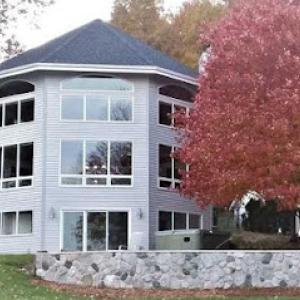
All Service & Remodel
(616) 877-5500 allserviceremodel.com
Serving
5.0 from 60 reviews
Keep your home in shape with exterior home improvement services from All Service & Remodel, LLC. Roofing, siding, windows and decks! Call today!
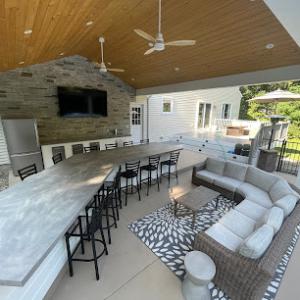
Monarch Exteriors & Roofing
(616) 826-9712 www.monarchexteriorsmi.com
Serving
5.0 from 26 reviews
Monarch Exteriors and Roofing is a distinguished provider in the West Michigan region, boasting over 25 years of combined experience in the industry. They are dedicated to delivering high-quality, professional services to their clients, ensuring customer satisfaction through their expertise in exteriors and roofing. Their long-standing presence and commitment to excellence make them a trusted choice for both residential and commercial projects in the area.
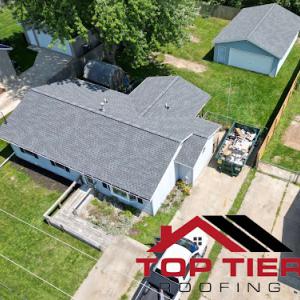
Top Tier Roofing
(269) 666-1448 www.toptierroofingmi.com
Serving
5.0 from 11 reviews
Top Tier Roofing is your local premier roofing contractor. We are a local and family-owned business with three generations worth of building experience and knowledge behind us. We take pride in providing efficient, top-quality workmanship, and customer service to each and every customer.

Premier Roofing & Exteriors
(616) 947-3974 www.exteriorsbypremier.com
Serving
4.9 from 1177 reviews
Established in 2006, Premier Roofing & Exteriors is a trusted Grand Rapids and Western Michigan area company specializing in comprehensive home exterior renovations. As a locally owned and trusted contractor, their licensed technicians provide residential and commercial customers with services for roof repair and replacement, siding and window installation, and gutter systems. Premier prioritizes honest communication and offers no-pressure inspections and estimates on all roofing, window, siding, and gutter projects. They’ve completed thousands of projects, have an A+ rating with the Better Business Bureau. Read their hundreds of 5-star reviews to see why they are the #1 home exterior contractor in Grand Rapids.
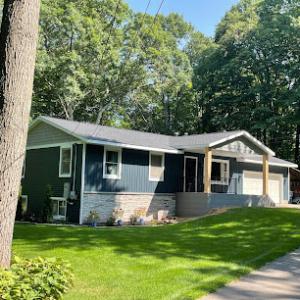
Avalon Roofing & Exteriors
(616) 261-9927 www.avalonroofs.com
Serving
4.2 from 675 reviews
Avalon Roofing and Exteriors, is a locally owned and operated company specializing in providing superior roofing solutions and a comprehensive range of home improvement services for residential and commercial properties in Grand Rapids, MI, and the West Michigan community. With over two decades of experience, their skilled roofers are committed to delivering exceptional quality, as demonstrated by their Master Elite Status and GAF Presidential Award. From roofing and siding to windows, gutters, concrete, masonry, and deck building, Avalon Roofing and Exteriors offers a diverse portfolio of services, ensuring that every aspect of your property's exterior is expertly handled. Don't delay call today for your no cost consulation and estimate!
Kearns Brothers
(888) 355-6700 www.kearnsbrothers.com
Serving
4.5 from 36 reviews
Discover excellence in roofing and home exteriors with Kearns Brothers in Grand Rapids, MI. For over 30 years, we've been your reliable partner for roofing, solar, windows, and more. Our skilled team combines craftsmanship with premium materials to elevate your home's beauty, durability, and energy efficiency. Whether it's roof repairs or solar installation, we're committed to delivering exceptional results. Customer satisfaction is our priority, providing personalized service backed by industry expertise. Choose Kearns Brothers for top-tier home improvement in Grand Rapids, where your vision meets our commitment to quality.
In this market, asphalt shingles are the backbone of most re-roof projects. They match the typical residential stock found on mid-sized homes across a suburban-rural mix, offering broad affordability and straightforward installation. For Byron Center winters with pronounced freeze-thaw cycles, a high-quality asphalt with good granule adhesion and a reinforced mineral-s surfaced layer tends to hold up well against wind-driven snow and the occasional hail impulse from spring storms. If you see shingles on neighboring homes that still look solid after a decade or two, chances are they're asphalt. A practical approach here is to choose a shingle with a robust warranty and a ceramic-coated or algae-resistant finish to keep dark streaks at bay in late summer humidity.
Metal roofing has carved out a solid niche in the local contractor landscape, and for homeowners who regularly contend with heavy snowfall and ice buildup, it's a credible upgrade. Metal panels shed snow more efficiently, reducing the risk of ice dam formation on steep roofs common in this area. This material also tracks well in the long term for people who plan to stay in their homes and want fewer maintenance surprises. In Byron Center, you'll find local installers who can tailor panel profiles and finishes to match the neighborhood aesthetic, whether you lean toward a modern look or a more traditional metal standing-seam appearance. The install is more of a precision job than some other options, so choosing a contractor with proven local experience matters.
Clay tile and concrete tile bring a distinctive look and strong durability, but they remain far less common in the local contractor base. Tile can perform admirably in dry spells and strong sun, yet weight considerations and the need for a solid structural retrofit can constrain suitability on many existing homes. Wood shingles and shakes offer a rustic appeal and good insulation potential, but they require careful maintenance to resist moisture and fungal growth in this climate. If a homeowner does pursue tile or wood, a careful assessment of roof structure, attic ventilation, and local wind loads becomes essential to ensure long-term performance.
Synthetic or composite shingles blend durability with a more forgiving weight profile. They often come with warranties that speak to resistance against cracking in freeze-thaw cycles and improved impact resistance during spring storms. For homes that want a balance between cost, installation ease, and performance, composites tend to fit well with the mixed Byron Center housing stock, offering a practical alternative to traditional asphalt while still favoring lower maintenance compared to wood or tile. This option is particularly attractive on steeper roofs where snow shedding and rapid water runoff reduce the risk of ice damming.
In this area, heavy re-roofing demand after spring and fall storms tightens contractor schedules in ways you'll notice at the estimate table. Work tends to be booked weeks in advance, and delays can push projects into late spring or early fall when storms leave behind more damage to inspect. That pattern pushes prices higher, especially if the crew is juggling multiple storms or if your project requires quick turnaround to avoid further weather exposure. Understanding that surge in demand helps you plan finances and book ahead to lock in a reasonable window.
The local housing mix is predominantly residential, with relatively fewer dense multifamily sites that complicate access. As a result, pricing is driven more by roof complexity, tear-off scope, and any necessary ventilation corrections or storm repairs than by limited city-center access. If your roof features multiple planes, dormers, or a steep pitch, expect higher per-square costs to reflect the extra material waste and safety protocols. If spring storms cause additional damage, you may see a temporary price bump as crews allocate resources to address both replacement and repairs in the same project.
In Byron Center, costs can drift toward the higher end when winter damage is found late and you're competing with other homeowners for the same late spring through early fall window. If you anticipate wind-driven debris, hail exposure, or ice dam concerns, plan for potential repairs during the tear-off portion of the project. A practical approach is to budget a contingency for storm-related repairs that may arise as the team uncovers damaged sheathing, soffits, or ventilation needs during the tear-off.
Start by obtaining a few detailed bids that itemize tear-off, disposal, underlayment, and venting improvements. Ask contractors to note if any decking or sheathing must be repaired or replaced, as that can substantially shift the bottom line. When schedules tighten, you may gain leverage by pre-qualifying for a preferred-start window and aligning payment milestones with key project phases. If a storm event has recently occurred, consider discussing phased work with your contractor to address the most urgent areas first while you secure the remaining scope.
Get a clear picture of your project costs upfront - no commitment required.

A full roof replacement in Byron Center typically requires a permit through the local township or city building department under Kent County jurisdictional practice. The process is hands-on and local, not a centralized state system. When planning a replacement, you must confirm who is responsible for pulling the permit-your contractor or you as the homeowner-before any nail goes into the roof. If the permit isn't secured properly, you can face delays, fines, or the need to undo and redo work to meet code.
Inspections in this area commonly occur at rough-in and final stages. At rough-in, inspectors focus on the framing, underlayment, and attic ventilation to ensure there are no hidden issues that could compromise long-term performance. In the final inspection, the emphasis shifts to flashing details, vent terminations, and overall code-compliant installation. Weather-induced stresses in this region make proper flashing and ventilation especially critical, so don't assume a pass if those elements look close enough; inspectors will check against local code requirements and best practices for your roof type.
Begin by clarifying permit responsibilities before the project starts and keep a written record of who holds the permit. Request copies of the issued permit and any inspection tickets as the job progresses. Schedule inspections promptly and coordinate with your contractor to prepare the roof edge, valley, and flashing areas for review. For steep residential roofs common to the area, ensure the contractor plans for safe access and staging during inspections so that a thorough evaluation can occur without compromising safety.
Failing to secure a permit or missing an inspection can trigger rework, penalties, and delays that extend well beyond the initial project timeline. In the worst case, unpermitted work may need to be removed and replaced to meet current codes, complicating warranty claims and insurance coverage. Staying proactive with local permits helps protect your investment and keeps the project on track.
Between winter cycles in this area, water trapped in tiny gaps expands when it freezes, stressing flashing details around chimneys, vent pipes, and skylights. Repeated temperature swings can crack or pull flashing away from the deck, creating slow leaks that sneak into attic spaces before noticeable staining shows up on ceilings. In homes with steeper pitches, snow shed and ice dam formation can press against roof-to-wall transitions, amplifying the risk of flashing lift where shingles or underlayment meet the wall plane. You'll want to inspect these junctions after the melt and again after severe storms, looking for hairline gaps, loose edges, or extra rust-colored staining from fastener corrosion. If flashing appears disturbed, address it early before small gaps widen into water routes that travel unseen along eaves and rakes.
Winter snow and fall windstorms test weak points across the roof line. Snow pushes on ridges and overhangs, and wind can lift loose edge fasteners when shingles or shakes have aged or become brittle. Look for curled tabs, cracked shingle edges, or loose ridge caps, especially along exposure-prone eaves, rakes, and corners where wind flows accelerate. In storm-prone patches of the season, the risk isn't just missing shingles-it's the fasteners that hold them down. If you notice shingles shifting or edges fluttering under winter wind, don't delay. Replacing or resecuring compromised panels and validating the integrity of edge details now reduces the chance of moisture intrusion during the next freeze-thaw cycle.
Leaf accumulation is a recurring local maintenance issue that tends to pile up before the ground stays frozen. When leaves blanket the gutters and valleys, drainage slows, ventilation pathways get choked, and moisture can linger along the roof plane. As winter approaches, that moisture has more time to soak into fascia and decking, increasing the likelihood of rot and mold behind the scenes. Regular removal of leaves from gutters, valleys, and the lower roof edge helps keep ice dams from forming and preserves airflow under the decking. If gutters jam or water backs up, prioritize clearing and consider screening to prevent future blockages that compromise moisture control.
Find contractors experienced in skylight installation, flashing, and leak repairs to bring natural light into your home.
Complete Roofing & Repair
(616) 207-3831 www.completeroofingrepair.com
6049 Clyde Park Ave SW, Byron Center, Michigan
4.7 from 53 reviews
Michigan does not show a broad statewide insurer pullback pattern here, but Byron Center homeowners should still expect carrier-specific differences in roof claim handling and pricing. When a severe storm hits, carriers may tighten timelines or require more documentation. Understanding that variation ahead of a repair helps prevent surprises if a claim ends up funding part of a replacement. Since the local climate brings freeze-thaw stress and spring storm damage, having a steady record can smooth the process.
Because storm-related claims are common in this region, homeowners should keep dated photos, contractor estimates, and inspection notes tied to specific weather events. Create a simple file year to year: before photos, post-storm damage shots, and any interim inspections. Store digital copies in the cloud and keep physical copies accessible. When the insurer assesses a claim, you'll be able to demonstrate the weather timeline clearly, which reduces back-and-forth and helps align coverage with actual need.
Warranty value matters more in Byron Center when replacement follows storm damage, since homeowners may be comparing insurer-funded work, manufacturer coverage, and workmanship promises at the same time. Check what each layer covers: shingle or panel defects from manufacturing, the roofer's labor warranty, and any site-specific exclusions after storm damage. If a claim triggers a full or partial replacement, verify that the chosen products and installation meet the manufacturer's eligibility criteria and that the contractor's warranty remains in effect for the expected service life. In practice, align your claim path with the warranty stack early, so coverage decisions stay clear after the weather event.