
Last updated: Apr 19, 2026
In this climate, sustained snow cover sits on the roof for weeks, then thaws rush in, followed by rapid refreezing. Those cycles push water up at the eaves and into valleys, forcing ice dams to form where heat leaks from the attic and where drainage paths meet the roof edge. The pattern is not just a cosmetic issue-ice dams can back water into soffits, fascia, and even into the attic, with damaging leaks that show up long after a cold snap has passed. This isn't about a single storm; it's about repeated freeze-thaw swings that stress roofing systems and valleys year after year. If you've seen new frost ridges along the eaves after a thaw, or if snow slides unevenly from the roof, the warning signs are already there.
Homes in the Rockford area often require close attention to attic ventilation and insulation continuity, plus eave protection, because inspectors verify venting and drainage details on full re-roofs. Start by inspecting attic air leaks: any gap around chimney chases, dormer knee walls, or light fixtures can act like a chimney for warm air escaping into the attic. Seal these gaps with appropriate materials and ensure baffles keep vent channels open so soffit vents stay effective. Insulation should be continuous from the attic floor to seal against warm roof plumes that melt snow near the eaves. If you feel a draft at the attic hatch or notice cold spots in the attic ceiling, those are signs to address before the next thaw cycle.
Eave protection is the other half of the equation. A continuous ice and water shield along the lower roof edges, plus properly flashed joints at eaves and valley intersections, helps prevent water from sneaking back under shingles during melt events. Pay special attention to roof-to-wall transitions, where flashing often fails first under freeze-thaw stress. Reinforce those points with integrated flashing that extends well under the shingles and into side walls. When you're planning a re-roof, insist on a drainage path that keeps runoff moving toward the gutter system rather than pooling at the eave line. A common failure point after cold snaps is where the drip edge or gutter lines pull away, inviting water to wick under roofing materials.
A telltale sign that you're dealing with freeze-thaw related damage is leaks showing up at roof-to-wall transitions, flashing points, and lower roof edges rather than exclusively where shingles lift. Water can travel inside along rafter bays and around flashing hardware, then drip into ceilings far from the obvious problem area. If you notice staining on the walls near ceiling lines, investigate the corresponding roof area for compromised flashing, damaged sealants, or moved shingles at the lower edge. When you see ice dam buildup along gutters, do not wait for visible moisture to appear inland-address it with improved ventilation, enhanced insulation, and reinforced edge protection now, before another winter surge.
Begin with a thorough attic inspection: check for gaps around penetrating fixtures, ensure attic vents are unobstructed, and confirm a continuous insulation layer beneath the roof deck. On the roof, look for lift at the lower edge or near transitions; ensure the ice and water shield runs the full width of the eave and extends onto the first few feet of the slope. If any flashing at valleys or roof-to-wall intersections looks driven or loose, arrange for professional resealing and flashing replacement. During re-roofing, require a design that prioritizes a clear drainage plane and a robust edge protection system that resists wind-driven snow. Finally, coordinate with a roofer who can tailor ventilation and insulation upgrades to your attic's layout-because every Rockford home has its own quirks, and the best defense is a cohesive, continuous envelope that stops heat from feeding those melt cycles.
Spring hail and strong wind events drive short-term spikes in roof claim activity and contractor demand. In this area, those bursts are common after the Grand River corridor wakes up from a Michigan winter, turning once-stable roofs into urgent repair projects. The moment a storm rolls through, you'll notice a sharp uptick in shingle granule loss, dented metal panels, and loosened flashing. That surge isn't just a nuisance; it's a signal to act quickly to document damage and protect your home from further interior leaks.
In Rockford, the storm cycle often blends winter wear with spring impact. Winter ice dams can mask new damage, and a hail hit later in the season may target the same roof area again. Because of this overlap, insurers frequently want a clear split between pre-existing wear and a recent covered event. The result is a need for precise, dated evidence that shows what happened and when. Expect carriers to request dated photos, a record of roof age, and a log of prior repairs before approving a full replacement. Having these ready can shorten delays and reduce back-and-forth.
Because winter damage and spring storm damage can overlap in this market, homeowners need documentation that separates old wear from a recent covered event. Start with a dated photo log the moment a storm passes. Use a wide shot to show the roof in context, then close-ups of damaged valleys, gutters, and any dented metal or lifted shingles. Record the date, weather condition, and any accompanying hail size you observed or were told by neighbors. Keep copies of contractor notes from prior repairs and any manufacturer warranties. This isn't just about getting a claim approved; it's about building a defensible record so you aren't paying for preexisting issues twice.
Act quickly after a hail or wind event. Schedule a same-week roof inspection with a local, reputable contractor who understands Rockford's climate and common roofing materials. Ask the inspector to document conditions inside the attic as well-any signs of moisture, staining, or odor that might indicate hidden leakage. If you notice shingles cupping, curling, or missing granules, do not press a fragile agreement to "watch it." A rapid assessment helps distinguish urgent safety concerns from cosmetic wear, and it limits the chance of secondary water damage during the spring thaw.
Always be prepared for the possibility that a storm-damaged roof will require a coordinated approach. Insurance decisions can hinge on how well the documentation supports a recent event rather than the sum of prior wear. Use your records to guide conversations with adjusters and contractors, keeping focus on protecting your home from ongoing freeze-thaw cycles and the next round of storms. Stay proactive, stay organized, and lean on trusted Rockford-area roofers who know the seasonal patterns and the local housing stock inside and out.
Find local contractors experienced in assessing and restoring roofs after hail, wind, and severe weather events.
Smart Roofing Systems
(616) 337-9468 smartroofingsystems.com
5454 JEMEN LN, Rockford, Michigan
4.7 from 27 reviews
Roof Maxx of Ada, MI
8325 Belding Rd NE unit 1, Rockford, Michigan
5.0 from 28 reviews
Roof Maxx is your trusted, eco-friendly solution for extending the life of your asphalt roof. Our revolutionary, plant-based treatment restores your roof's flexibility, waterproofing, and durability at a fraction of the cost of a full replacement. Backed by a 5-year transferable warranty, Roof Maxx provides a safe, sustainable option that saves homeowners and businesses thousands while reducing landfill waste. Contact us today for a free roof assessment and discover how Roof Maxx can breathe new life into your roof, protect your property, and save you money!
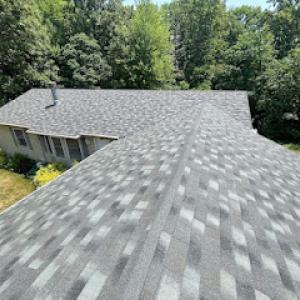
Mitten Exteriors
(616) 450-3698 mittenexteriors.com
6586 Pleasantview St NE, Rockford, Michigan
5.0 from 14 reviews
Protect your largest investment with our reliable roofing services. We are a locally owned and operated roofing company currently serving Rockford, MI and surrounding communities. If you want to make your roof last as long as possible, it is vital that you never put off a roof repair. Small issues with roofing become big issues in a hurry. No matter how major or minor the repair you need, we are here to help. We offer roofing contracting, roof installation, and roof replacement.
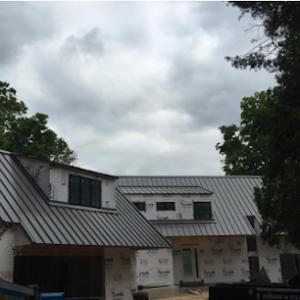
Smart Roofing Systems
(616) 337-9468 smartroofingsystems.com
5454 JEMEN LN, Rockford, Michigan
4.7 from 27 reviews
Smart Roofing Systems offers high quality roof installation and repair, attic ventilation, Seamless Gutters and downspouts, Siding installation and repair and blown-in insulation services for small to large homes and all types of commercial projects.
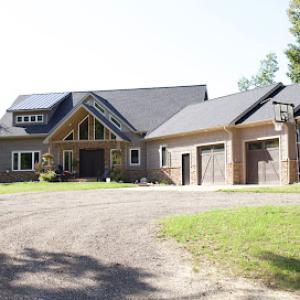
Melvin Belk Roofing
(616) 866-7655 melvinbelkroofing.com
Serving
4.8 from 120 reviews
Melvin Belk Roofing is a family owned roofing company since 1983 offering roofing installation, roofing repair, siding installation, and seamless gutter installation to the greater Grand Rapids area. As a professional roofing contractor, we are fully insured, licensed, and bonded. We offer Financing for your project and guarantee all of our work. We have built this company on Honesty, Integrity, Experience and our Exceptional Work. Call today for a FREE Quote.
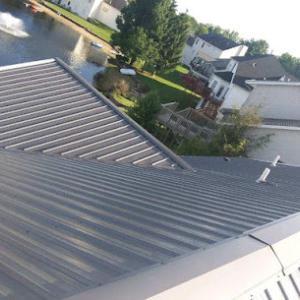
The Roof Sharks
(855) 480-7663 theroofsharks.org
Serving
5.0 from 36 reviews
Are you looking for a reliable and trustworthy roofing and siding company for your property? Look no further than The Roof Sharks, your local Atlas Signature Select & CertainTeed Select Installers. We are a family-owned and operated business with long-experienced technicians that specialize in asphalt and metal roofing as well as vinyl siding services. We pride ourselves on offering quality products at affordable prices, with financing options available to those in need. Contact us today to schedule your free consultation.
Gesink Roofing & Remodeling
(616) 240-5921 www.gesinkroofing.com
Serving
4.9 from 23 reviews
Gesink Roofing & Remodeling is an Andersen Windows & Doors Certified Contractor. We are your local window and door specialists. Gesink Roofing & Remodeling sells and installs a wide range of windows and doors in a variety of sizes, colors, shapes, and more. Complete your project by working with one of our trained installers.
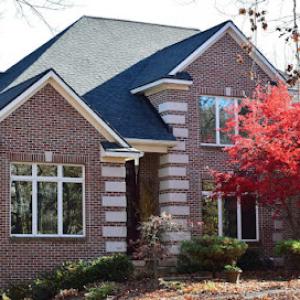
Jobson Roofing
(616) 648-4606 jobsonroofing.com
Serving
5.0 from 137 reviews
With over 10 years of hands-on roofing and construction experience in Grand Rapids, Michigan, Jobson Roofing is not just a roofing company. We’re a family-owned business that provides quality workmanship, long-term client relationships, and a roof system that will protect your greatest asset – your home.
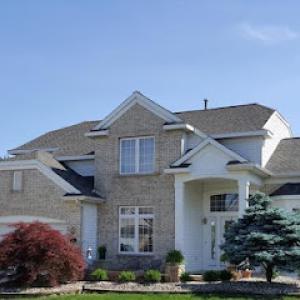
Conrad Consulting & Remodeling
(616) 558-2713 www.conradremodeling.com
Serving
4.9 from 194 reviews
At Conrad Consulting & Remodeling, we're passionate about delivering an exceptional remodeling experience. When you hire us, you're hiring a team of professionals who are trained and skilled to deliver lasting value to your home. From the initial sales process to construction completion, we consider ourselves humble guests in your home, and as such respect your personal privacy and space. We’re committed to providing you with the highest level of service, so you’ll always choose us for your remodeling needs.We know that remodeling upsets your life and is not fun or convenient. So, we want make the process as easy and enjoyable as possible for you. We genuinely care about your project and your experience, and it shows.
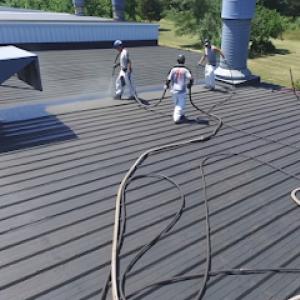
Thermal-Tec Roofing
(616) 696-4000 www.thermal-tec.com
Serving
4.8 from 27 reviews
Thermal-Tec Roofing is a leading commercial and industrial roofing company that provides our MR Multi-Ply® Roof System to pitched metal roofs in high-intensity environments throughout the Eastern half of the US. With award-winning safety standards, we continue to maintain, repair, and inspect thousands of roofs since 1983. Our product has been commended for its dependability and durability. More impressively so, we are the single source of contact for the entire process. Our product is self-manufactured and installed. The overall purpose of our company is to build and maintain relationships within the roofing industry, and to provide our customers the best value possible while being the industry leader.
Sherriff Goslin Roofing Grand Rapids
(616) 784-1208 www.sherriffgoslin.com
Serving
4.8 from 219 reviews
For more than a century, Sherriff Goslin Roofing has provided the greater Grand Rapids Metropolitan Area with unparalleled roofing solutions that prioritize quality and meticulous attention to detail. As an Atlas Pro® Diamond Level Contractor, led by highly skilled and trained technicians, the company ensures each project, ranging from protecting family homes to preserving historical landmarks or securing agricultural buildings, receives the utmost care. With a dedication to providing complimentary roof inspections, estimates, repairs, and replacements, Sherriff Goslin Roofing solidifies its position as the most trusted name in local roofing.
Grand Rapids Roofers & Home Improvement
Serving
4.4 from 14 reviews
We are a local family owned and veteran owned company. We have over 30 years of experience and offer military and senior discounts. We cover all of your home improvement needs. We cover you from the ground up. Windows, siding, decks, fences, roofing, flooring, remodels, tile, and doors. We pride ourselves on our quality of work and our communication skills. We give up front pricing and use all local and the best materials. We urge you to give us a call and take a look at our work. We offer very competitive pricing and high quality work. We like to bring our great price points and high quality to your home. We believe people deserve quality work at reasonable prices.
Grandville Roofing & Exteriors
(616) 452-0805 www.grandvilleroofingandsiding.com
Serving
4.9 from 19 reviews
Grandville Roofing and Exteriors is your premier choice for top-quality roofing and siding solutions in Comstock Park, MI. As leaders among local roofing companies, we specialize in a wide range of services including rubber, metal, flat, cedar shake, and shingle roofing. Our expert roofing contractors are dedicated to providing exceptional roof repair and installation services for both residential and commercial clients. With a focus on durability and aesthetics, we offer a variety of siding options such as aluminum, vinyl, wood, and LP SmartSide to enhance your property's exterior. Trust our experienced team for all your roofing and siding needs, ensuring your project is handled by trusted roofing firms and professionals.
Summer in this area typically offers the most workable installation window once the winter snow risk eases and before late-fall cold limits seal-down performance. The warm, wetter summers give crews enough drying time for underlayment and sealants, plus shifts in humidity are generally easier to manage than in peak winter. If you can plan a replacement starting in late spring or early summer, you'll usually find fewer weather delays and more predictable progress on a typical shingle or metal roof. Schedule with enough lead time to accommodate crew availability, because good windows fill up when spring storm activity drives demand.
Freeze-thaw exposure in shoulder seasons can accelerate underlayment and joint problems, so delayed replacement after winter often leads to more decking and flashing repairs. If your roof is marginal after winter, don't postpone repairs until the next dry stretch-address damaged underlayment, venting, and flashing promptly. When planning during late winter or early spring, expect some days to be lost to unpredictable temperatures, but recognize that doing the critical prep work early helps keep the project moving once the main warm window opens. If a replacement must occur in late fall, ensure that sealing and underlayment transitions are tested for freeze-thaw resilience before the first freeze hits.
Storm-driven demand surges in the local market can lengthen scheduling times in spring, making early planning important for homeowners targeting summer installation. If a winter-into-spring thaw reveals hidden leaks or compromised decking, prioritize a quick assessment and temporary measures to mitigate interior damage while you lock in a firm installation slot. Have a clear target contractor on standby and confirm that materials and crews can be aligned to start as soon as the weather cooperates. In practice, you'll want to coordinate a pre-season inspection in late winter or early spring to identify flashing corners, valley repairs, and vent seals that will need attention regardless of the final roofing material choice.
Given the climate realities, the most durable outcomes come from proactive, properly staged work. For asphalt, metal, or composite options, ensure the underlayment is sized for freeze-thaw cycles, with attention to edge and valley detailing. Ask for a detailed plan that covers ice-dam mitigation strategies, attic insulation checks, and proper roof-to-wall transitions. A well-timed replacement, with the right precautions, reduces the risk of rapid winter-related failures and supports long-term roof performance through successive freeze-thaw seasons.
Get a clear picture of your project costs upfront - no commitment required.
Smart Roofing Systems
(616) 337-9468 smartroofingsystems.com
5454 JEMEN LN, Rockford, Michigan
4.7 from 27 reviews
Sherriff Goslin Roofing Grand Rapids
(616) 784-1208 www.sherriffgoslin.com
Serving
4.8 from 219 reviews
Asphalt shingles remain the dominant choice for Rockford homeowners because they fit the area's re-roof-heavy residential market and are easier to replace after hail or wind events. They offer straightforward installation, a wide range of styles to mimic more premium looks, and solid performance when paired with proper attic ventilation and ice-dam prevention measures. In a climate shaped by freeze-thaw cycles and spring storms, an asphalt system with a good underlayment and a dedicated ice-and-water shield along eaves can help reduce the risk of interior leaks during rapid temperature swings. When selecting asphalt, consider a laminated or architectural profile for better wind resistance, a color that helps reflect summer heat without fading in the sun, and a warranty that covers both the shingles and the underlayment.
Metal roofing has a meaningful specialist presence in the area and appeals to homeowners focused on snow shedding, durability through freeze-thaw cycles, and longer service life. Metal panels or shingles shed snow more predictably, which can minimize ice dams and the heavy snow load on the roof edge. This material excels in areas with aggressive weather events and repeated freeze-thaw patterns, because its expansion and contraction are well tolerated by modern fasteners and sealing techniques. For best results, pair metal with a carefully designed ventilation plan and a high-quality sealant along rake and ridge lines to prevent wind-driven leaks. A metal roof can be a prudent choice for a long-term, storm-resilient roof if the home's structure and attic space are compatible with the weight and installation requirements.
Wood shingles and shakes offer a traditional look but need extra caution in warm, wet summers due to moisture and UV stress that can shorten life compared with more moisture-tolerant systems. In Rockford, where humidity and summer rain are common, wood products should be paired with a high-grade underlayment and a robust maintenance plan to monitor for cupping, splitting, or algae growth. Expect more routine inspection, especially after severe storms, as surface moisture can accelerate wear. When considering wood, choose kiln-dried stock and consider a protective treatment or stain that withstands sun exposure while preserving the roof's natural charm.
In this climate, effective attic ventilation, properly installed ice barriers, and regular inspections after winter and spring storms are essential across material choices. The best performance comes from matching the material to the house design, local wind patterns, and the expected maintenance cadence. A sound choice balances durability, ease of repair, and the likelihood of minimizing ice-dam formation during heavy freeze-thaw cycles.
In Rockford, material pricing spans the provided ranges, with asphalt shingles at 300 to 650 USD per square and metal roofing at 700 to 1100 USD per square, while tile and wood products run higher. When choosing between asphalt shingles and metal, you'll notice the gap narrows if you're replacing just a portion of the roof, but for full replacements the higher upfront cost of metal can pay off with longer life and better resistance to Michigan's freeze-thaw cycles. Clay and concrete tiles sit well above asphalt and metal in initial cost, with clay usually landing around 1100 to 1800 USD per square and concrete closer to 1000 to 1600 USD per square. Wood shingles or shakes fall between metal and asphalt, typically 800 to 1200 USD per square, while synthetic or composite shingles offer a more affordable middle ground at 550 to 900 USD per square. These figures reflect typical local suppliers and installer quotes, not a guaranteed final price.
Costs in Rockford often rise when winter damage is discovered under old roofing, especially where ice-dam leaks have affected decking, flashing, or ventilation corrections. Ice dams can force trimming, decking repair, or even full replacement in areas where water intrusion compromised structure or insulation. In practical terms, that means a standard asphalt job might become a deck-and-flashing-focused project, nudging the bill upward beyond the base square-rate. Metal and tile options can similarly climb if the underlying decking shows more wear after freeze-thaw cycles or if ventilation routes must be reworked to prevent future ice dam formation.
Local pricing can also move upward after spring hail and wind events when contractor schedules tighten and homeowners compete for re-roof slots during the summer work season. If your project lands during a crowded window, you may see quicker material deliveries and tighter labor availability, which translates to higher out-of-pocket costs. Planning ahead, choosing a material that fits both your budget and climate resilience, and coordinating with a dependable local roofer ahead of storm season can help stabilize costs and secure timely work. In Rockford, decisions made with winter damage risk in mind typically pay off through fewer surprise repairs and fewer delay-driven surcharges later.
Don't let upfront costs delay a critical repair - these contractors offer payment plans to fit your budget.
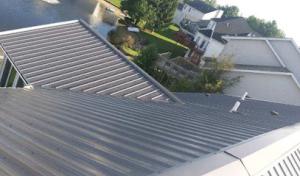
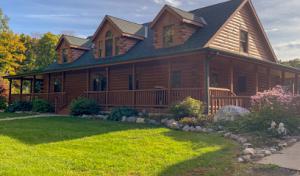
Turn Key Home Improvement
(616) 819-0411 www.turnkeyhomeimprovements.com
Serving
4.6 from 75 reviews
In Rockford, a full re-roof requires a roofing permit through the local building department before work begins. Skipping this step invites fines and delays that can linger well into the spring thaw, especially when ice and snow are still pressing around edges. The permit status also signals that the project meets the city's standards for flashing, ventilation, and drainage-crucial details when freeze-thaw cycles threaten weak roof transitions.
The usual Rockford process involves application submission, fee payment, and scheduled inspections during key stages such as underlayment and final installation. Your contractor should file early and coordinate with the inspector to line up visits with favorable weather windows, since winter wind and precipitation can complic access to the roof. A clear plan helps ensure compliance without last-minute surprises that could stall the project.
Inspections commonly focus on venting, flashing, and drainage details, which is especially important in a city where snow and freeze-thaw conditions expose weak roof transitions. Venting must be adequate to prevent condensation under the deck, while flashing around chimneys, vents, and skylights needs to remain secure under heavy snow loads. Drainage details-gutter alignment, Downspout outlets, and snow guard placement-are evaluated to reduce ice dam risk and standing meltwater that can undermine soffits and walls.
Winter and early spring thaw are busy seasons for inspectors, so plan ahead. Expect possible weather-related delays, and have underlayment, ice/water shield, and starter courses ready to install when the temperature allows. A rushed sequence in marginal conditions increases the chance of leaks developing under new materials once warmer days arrive.
Your crew should coordinate with the permit authority to trigger inspections promptly. If a required inspection is missed, work may need to pause, extending exposure of vulnerable roof areas to meltwater and complicating warranty coverage. Clear communication with the building department helps keep the project on track and reduce post-renovation headaches.
Winter damage plus spring hail and wind create a steady claim flow for homes here. The Grand River corridor climate brings repeated freeze-thaw cycles that can quietly stress shingles, underlayment, and flashing long before a visible leak shows up. In spring, hail and wind storms can finish what winter started, turning a small issue into a larger claim conversation with an adjuster. Rockford homeowners should expect a careful review process that looks not just at the current condition but at how the roof has aged and performed over time in this climate.
Adjuster review in this market can be stricter when roofs are older or have prior patchwork, so you should keep photos, invoices, and maintenance records before a loss occurs. A clear trail of updated inspections, shingle replacements, and flashing repairs can make a practical difference when a claim is evaluated. Store digital copies in a cloud folder and keep dated notes on any observed changes after storms. If you've had temporary fixes, preserve the receipts and the warranty information for those patches.
Because claim outcomes vary by insurer and policy type in Michigan, Rockford homeowners should verify whether cosmetic damage, matching, and depreciation affect settlement expectations. Some policies treat aesthetic issues differently from structural concerns, and depreciation can influence payout timelines or amounts on older roofs. Understanding whether your policy covers temporary protection, wind-driven damage, or hail impact can help you set realistic expectations after a claim is filed.
Proactively document your roof condition after the typical freeze-thaw cycle and again after major storms. Schedule a professional inspection at least every few years if you're in the heavier snow belt, and address any gaps between patches with a full replacement plan before a loss occurs. Having a current, dated record of maintenance can also support a smoother conversation with an adjuster when the inevitable claim question arises.
Connect with contractors who help homeowners navigate the claims process from damage assessment to final approval.
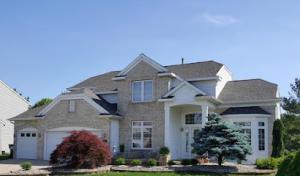
In the snow-and-thaw climate, flashing details around chimneys, skylights, and roof penetrations are common failure points when water backs up under roofing. Pay extra attention to the step flashing where the roof meets each chimney or vent pipe, and to the counter-flashing that seals it from above. When ice dams form, meltwater can back up and seep behind worn laps or improper sealant, freezing again along the flashing joints and widening gaps. On replacement projects, ensure the flashing is integrated with decent slope toward drainage and that the sealant joints around every penetration are clean, dry, and compatible with the chosen roofing material. Regular inspection after heavy freezes helps catch hairline gaps before they become leaks.
Chimneys are frequent trouble spots because masonry expands and contracts with temperature swings, and the surrounding roof line creates multiple transition points. The chimney cricket or cricket-flashing approach should be solid to divert water away from the base. Look for cracked mortar, loose cap flashing, and deteriorating sealant around the chimney crown. Any mismatch between the roofing material course and the chimney flashing invites water to wick in along the fasteners or through failed joints. If you replace the roof, insist on a properly integrated chimney flashing system with continuous sealant, and verify that the chimney cricket is pitched correctly to shed runoff away from the vent area.
Skylights create a double vulnerability: the curb and the seal around the skylight itself. In a freeze-thaw cycle, small leaks can grow along the curb seal, pan, or flashing. Inspect the skylight curb for flat spots or sagging, and check the surrounding roof deck for signs of moisture or soft spots. Ensure the flashing around the skylight is watertight and that the surrounding shingles or metal edges are properly overlapped to direct water away. When replacing a roof, choose a skylight with a robust curb and compatible flashing to resist ice dam intrusion during spring melt and storm events. Regular checks after heavy snowfalls help keep these penetrations dependable rather than money-pit trouble.
Find contractors experienced in skylight installation, flashing, and leak repairs to bring natural light into your home.
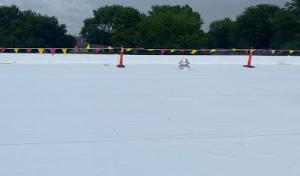
Steep-slope residential re-roofing dominates the local market, but the flat-roof specialization for porches, additions, garages, and some commercial properties remains active. In many Rockford homes, low-slope sections are tucked under a wider roofline, creating opportunities for overlooked problem spots. The blend of flat and pitched areas means a single roof system may need overlapping details-drainage, flashing, and edge detailing-tailored to each section. For properties with mixed-roof configurations, expect different repair timing and material choices between the main shingle surface and the low-slope updates.
Low-slope sections are particularly vulnerable when snowmelt drains slowly during freeze-thaw periods. Ice dams can form where warm interior heat leaks into the attic and melts snow onto these flatter surfaces, refreezing at the edge and backing up into joints and penetrations. In Rockford, where lake-effect storms can produce rapid temperature swings, the drainage design of porches, garages, and additions matters more than the main roof slope. Prioritize roof-to-drain alignment, clear pathways for meltwater, and reliable scupper or gutter performance on any flat or near-flat planes.
For homes with both shingle and low-slope sections, anticipate staggered repair cycles and material decisions. When a low-slope addition shares a wall with a primary shingle roof, ensure the transition flashing is continuous and corrosion-resistant, with proper slope toward a defined drainage point. Consider upgrading underlayment and mid-roof insulation at the low-slope interface to reduce heat loss into the attic and curb ice-dam risk. In porch and garage surrounds, select durable, weather-appropriate decking and flashing details that resist ponding and freeze-thaw cycling. Regular inspection after heavy snows or thaws helps catch edge leaks before they advance, keeping the entire roof system cohesive and weather-ready. Here in Rockford, thoughtful detailing on these flatter sections is the key to long-lived performance through the region's seasonal swings.
Find specialists in TPO, EPDM, and built-up flat roofing systems for residential and commercial properties.
Grandville Roofing & Exteriors
(616) 452-0805 www.grandvilleroofingandsiding.com
Serving
4.9 from 19 reviews
Turn Key Home Improvement
(616) 819-0411 www.turnkeyhomeimprovements.com
Serving
4.6 from 75 reviews
In this market, the choice isn't just about how fast a crew shows up after a storm. You want a contractor who documents the full scope: deck-to-damp, attic ventilation, underlayment, flashing, and ice-dam mitigation steps. Ask for a written plan that shows where temporary tarps or protective barriers will go, how gutters will be protected, and a clear sequence for tear-off, repair, and reinstallation. Compare the level of detail in proposals, and insist on itemized materials lists and warranty language. A well-documented plan reduces the risk of gaps that can become ice-dam trouble when freeze-thaw cycles hit again.
Cleanup is a strong local expectation. Time spent on-site protecting landscaping, driveways, and siding translates to fewer follow-up calls about nail holes, debris, or shingle granules tracked through the house. Choose crews who commit to wearing floor protection at entry points, removing sharps from lawns, and performing a final sweep of the yard. Post-job condition matters as much as installation quality because winter storms can reveal overlooked debris that obstructs vents or clogs gutters. A good crew will walk you through post-job cleanup verification, including a final walkthrough with you or a site supervisor.
Visible presence matters when warranty backing and follow-up service are on the line after winter or storm issues. Look for firms that have been operating for multiple years with local references. Manufacturer-certified status often correlates with vetted installation practices and longer-term support. A family-owned firm can offer continuity of contact, which helps if questions arise after a storm season. When you call for service, you want to hear a local voice that understands how an ice dam recovery plan should align with your attic insulation, venting, and roof vents.
Storms create a rush to complete work, but lasting protection comes from clear communication. Ensure the contractor provides explicit timelines, points of contact, and a process for reporting any issues found during the first winter after the re-roof. Request a written warranty summary and a service window for post-install checks. A proactive follow-up plan reduces the risk of minor problems growing into costly repairs when temperatures swing again.