
Last updated: Apr 19, 2026
In Owosso, harsh winter cycles hammer shingles, flashing, and fasteners, and the repeated freeze-thaw action is the main driver of wear you'll see year after year. When temperatures swing above and below freezing, water trapped in the roof system freezes, expands, and then melts, creating small but relentless motions that loosen joints, lift edges, and degrade the shingle surface faster than you'd expect. This isn't a gradual wear pattern you can ignore-it's a cycle that accelerates granule loss, reduces a shingle's ability to shed water, and invites micro-leaks that can grow into bigger problems once spring arrives. The roof you see today may look fine, but the underlying materials are telling a different story about how much stress they've endured over multiple winters.
Ice dams and flashing movement are particular hazards you'll want to watch for as temperatures swing. When snow on the roof melts and refreezes at the eave, a dam forms that backs water up under shingles and flashing. This forces moisture into underlayment and, over time, can cause staining, softened wood, and hidden leaks that aren't obvious from the ground. Flashing around vents, chimneys, and skylights is repeatedly jostled by the freeze-thaw cycle; minute shifts in that metal, sealant, or curb can create small weep holes that bleed water into the attic or ceiling. The lesson is simple: the most vulnerable moments come at the intersections where metal, sealant, and roof deck meet, and those joints see the most seasonal movement.
Winter snow and ice can delay active roof work and push you toward temporary repairs until a safer installation window opens. In practice, that means you may be dealing with more frequent patch jobs, venting blockages, or temporary sealants that buy time but don't solve the underlying stress. If a professional notes compromised underlayment or lifted edges during a mid-winter inspection, the recommended course is to address the highest-risk areas first, then plan a comprehensive repair when temperatures are reliably above freezing and daylight hours are longer. The danger is thinking "it'll be fine" because a temporary fix seems to hold; in this climate, temporary rarely means permanent.
Early spring thaw adds moisture exposure right after winter stress, making attic ventilation and drainage details especially important. As ice and snow melt rapidly, attic air must be able to ventilate efficiently to prevent moisture buildup that promotes wood rot and mold growth. Inadequate ridge vents, soffit vents, or blocked baffles trap warm, humid air where it shouldn't be, loosening fasteners and softening decking. Drainage becomes a frontline concern, too: if gutters and downspouts are clogged or undersized for spring runoff, water can pool at eaves and back up under the edge of the roof, aggravating the damage already caused by winter cycles. That cascade of moisture affects insulation performance and indoor comfort, often revealing itself as higher humidity or cold spots in ceilings and walls.
What you do next matters now. Start with an early-season inspection that prioritizes flashing around chimneys, vents, and skylights, plus an assessment of underlayment integrity and decking sag. Verify attic ventilation volumes and distribution, ensuring intake and exhaust paths aren't blocked by insulation, debris, or new storage. Clear gutters and verify proper slope and downspout drainage to promote fast, free-flowing runoff. If a concern is found, plan a targeted repair before the next freeze-thaw cycle arrives, rather than waiting for a larger, costlier fix. The priority is to minimize water intrusion during those high-stress months and to lock in a durable, well-ventilated roof system before spring moisture compounds any lingering winter damage.
In this city, winter stretches come with frequent freeze-thaw cycles that push heat and moisture upward into the attic. When attic temperatures aren't even, heat migrates to the roof deck unevenly, thinning ice at the eaves and pushing meltback up under shingles. That pattern is the classic recipe for ice dam formation along the soffits and gutters. Because inspections in Owosso commonly verify ventilation and flashing, these details are not secondary issues during replacement projects; they are part of the evaluation that can determine pass or fail on inspection checklists.
Poor attic airflow is more than a comfort nuisance. It creates temperature differentials that drive snow melt at the ridge while the cold eaves still sit under ice. In practical terms, a roof with uneven deck temperatures is more likely to develop ice dams that puncture shingles and allow water to back up under edges. In homes with older roof assemblies, the existing ventilation may have degraded over time or simply never met modern expectations. Upgrading ventilation during a replacement can make a meaningful difference in how the roof sheds snow and handles spring moisture.
Start by checking for a clear path between soffits and the ridge. If soffit vents are blocked by insulation, batting, or dust, airflow gets choked off before it reaches the peak. Install or improve intake at the soffits with unobstructed channels, and ensure there is a continuous exhaust path at the ridge or over the hips with ridge or other high, unobstructed vents. If the roof space uses power vents, verify they operate reliably and are balanced with natural ventilation so they don't create negative pressure that pulls warm air from living spaces into the attic. Baffles or rafter vents can be added at the eave line to maintain a clear channel for cold air to reach the roof deck.
During a roof replacement, prioritize a ventilation plan that matches the building's size and attic geometry. If the attic has an older vapor barrier, assess whether it remains effective or needs replacement to minimize moisture migration into the decking. Seal penetrations and gaps where warm indoor air could escape into the attic space, particularly around the attic hatch and any ductwork that terminates there. For homes with historic or unique rooflines, work with the crew to ensure that any flashing details around chimneys and skylights are integrated with the new ventilation plan, so no cold air pathway is left unaddressed. The goal is a more uniform attic temperature, quieter winter operation, and a diminished risk of ice dam formation along the eaves due to cold roof sections meeting thawing snow.
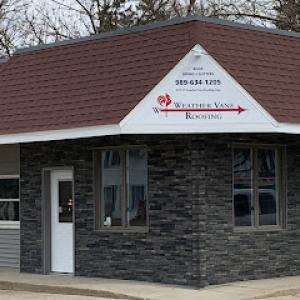
Weather Vane Roofing
(989) 634-1205 www.weathervaneroofing.com
702 N Washington St, Owosso, Michigan
4.5 from 108 reviews
About Us Weather Vane Roofing is here to help you protect your largest personal investment... your home. At Weather Vane Roofing, we’ve built a reputation for quality, integrity, and customer care that sets us apart from any other local roofing company. Our roofing consistently earns the highest ratings and exceeds all industry standards in installation.
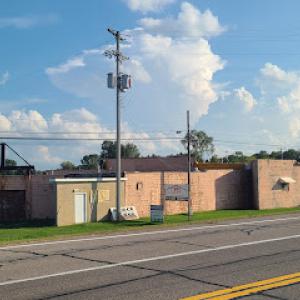
Custom Roofing Solutions
2711 M-52 STE 2, Owosso, Michigan
5.0 from 9 reviews
We are a spray foam insulation and commercial roofing company. We provide services all across the state of Michigan, ranging from the U.P. to northern Indiana and Ohio. We offer custom roofing services to build, restore, or replace your commercial roof. Whether it's a metal roof restoration, single ply, fabric reinforced, or even spray foamed roof, Custom Roofing Solutions has the experience and knowledge to get your commercial roof done right. Spray foam insulation is simply the best form of insulation! It is completely air tight, and the foam is a vapor barrier after 2 inches. Closed cell spray foam provides an R-Value of 6.8 per inch. Not only is spray foam a great insulator but it also makes buildings more rigid. Call for a quote today!
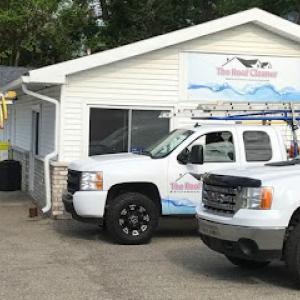
The Roof Cleaner
(800) 536-4598 roofcleaningusa.com
Serving
5.0 from 84 reviews
Looking for a reliable and professional roof cleaning and pressure washing service in your area? Look no further than The Roof Cleaner. With our expertise, attention to detail, and cutting-edge technology, we are the go-to choice for all your roof cleaning, pressure washing, and gutter cleaning needs. At The Roof Cleaner we understand the importance of maintaining a clean and well-maintained property. A black stained and moss-covered roof can not only be an eyesore but can also lead to potential damage and costly repairs. Our soft wash roof cleaning method is designed to effectively and safely remove dirt, moss, algae, and other debris from your roof without causing any damage to the surface.
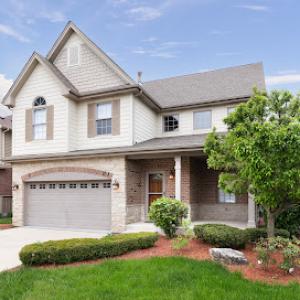
Fast Fix Roofing
(866) 914-4480 fastfixroofingmichigan.com
Serving
5.0 from 13 reviews
At Fast Fix, you'll find a family-run and owned business in Michigan with years of experience. Rest assured, we are a roofing contractor company and can deliver a high-quality package at an affordable rate. We offer roof repair, new roof installation, and roof replacements. Contact us today – we look forward to hearing from you! Now serving Lansing, Jackson, Saginaw, Owosso, Flint Area, Brighton and surrounding areas.

DLR Construction- Roofing Contractor & modular home builder
(989) 288-5977 nextgen-roofing.com
Serving
5.0 from 33 reviews
Residential and low slope commercial roofing- Most residential projects done in a day- storm damage- insurance repairs- give us a call we can discuss your project. Low slope roofing we offer TPO roof replacement and when the condition of the roof is good enough we can resurface the roof and offer the same warranty as a complete replacement.

Socia's Commercial & Residential Flat Roofing
(586) 945-9581 sociascommercialandresidentialroofing.com
Serving
5.0 from 65 reviews
Full service, expert analysis and repair and installation of Commercial Roofing systems.
Reliant Roofing
(810) 692-6913 reliantroofingllc.com
Serving
4.8 from 20 reviews
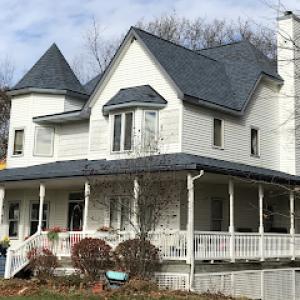
Reliant Roofing is here to serve all of your Roofing & Siding needs- especially when storms hit. Our experienced team can guide you through the insurance claim process. We are a team of certified professionals who tackle everything from complex large projects to smaller-scale jobs. We are fueled by our commitment to excellence, we go the extra mile to make sure our clients are completely satisfied. Reliant Roofing is your one-stop-shop for Roofing, Siding, and Gutters.
Cimple Home Construction
Serving
5.0 from 41 reviews
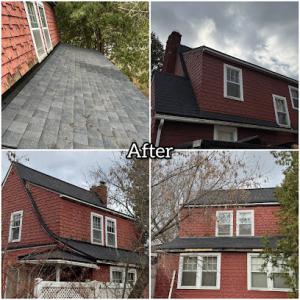
Your Trusted General Contractor for Exterior Transformations. Cimple Home is the leading General Contractor company dedicated to making your home improvement dreams a reality. We specialize in Roofing, Siding, Gutters, & Concrete. With years of industry experience, our team ensures every project is completed on time and within budget. At Cimple Home we prioritize customer satisfaction, clear communication, and excellence in every detail. Contact us today with your next project.

TruEco Construction - Roofing
(810) 880-7663 truecoconstruction.com
Serving
4.9 from 80 reviews
TruEco Construction - Roofing is based in Swartz Creek MI, is a trusted and reliable roofing, siding and gutter company. With a focus on eco-friendly practices, we are committed to providing exceptional roofing services, gutter installation, and vinyl siding solutions. As Michigan's choice, we pride ourselves on delivering top-notch craftsmanship and superior customer service. Experience peace of mind knowing that our skilled team will transform your home with quality materials and precision workmanship. Trust TruEco Construction - Roofing for all your roofing, siding, and gutter needs.
Platinum Quality Roofing & Siding
(810) 316-8977 www.platinumqualityroofs.com
Serving
4.9 from 120 reviews
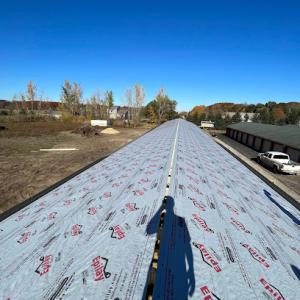
Platinum Quality Roofing & Siding is your trusted roofing contractor serving Michigan and surrounding areas. We specialize in roof replacements, deck building, siding installations, and comprehensive building restorations. Our skilled professionals can handle insurance claims, perform detailed roof inspections, and promptly install new roofs. Whether you need a complete replacement or minor repairs, we are equipped to tackle any roofing or exterior project. Contact us today and experience unparalleled quality, craftsmanship, and customer care.

Guns N Hoses Roofing & Siding
(810) 226-0400 gunsnhosesllc.com
Serving
4.9 from 566 reviews
Guns N Hoses Roofing & Siding is a full-service roofing company serving the greater Flint, Michigan area. Our mission is to provide quality roofing, siding, & gutter services at a great price. With decades of experience in the roofing & siding industry, our team of professionals has the knowledge & expertise to handle all your roofing needs. Our services include residential & commercial roof installation & repair, siding installation & repair, gutter cleaning & installation, and other home exterior services. Our team is experienced in all types of roofing materials & systems, including flat roofing & metal roofing, separating us from the competition. We offer FREE roofing & siding estimates, so contact today to protect your home!
Vertex Roofing
(810) 243-4480 vertexroofingsolution.com
Serving
5.0 from 30 reviews
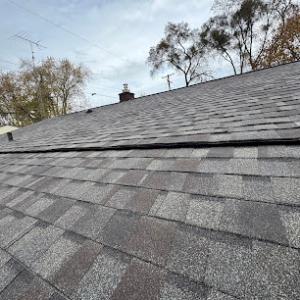
Vertex Roofing Solutions is a local family-owned business serving Genesee, Livingston, Oakland, Lapeer, and Shiawassee County, with Residential and Commercial Roofing & Siding projects. We specialize in storm restoration, which includes helping our clients restore their homes and buildings following a storm event.
In Michigan, roof claims commonly center on hail and wind, and homeowners should expect insurer documentation requirements before scope approval. The timeline in this market can stretch as adjusters review damage from multiple storms and cross-check wind events with local weather data. Storm season often brings a surge of claims, and carriers may pause approval while they assess overall storm impact in the area. Being prepared with a clear, organized narrative of what happened and when helps prevent delays from muddy dates or vague recollections.
Adjuster visits are a normal part of roof damage claims in this market, which can affect when full replacement is authorized. The adjuster will evaluate visible damage along with any interior signs of water intrusion that might indicate hidden issues. In a climate with freeze-thaw cycles, hairline fractures, lifted shingles, or granule loss can appear subtly after a storm but have lasting consequences for future durability. Expect questions about storm timing, hail sizes, wind speeds, and the extent of the observed damage. Honest, thorough documentation on both the exterior and attic spaces helps the claim move toward a complete scope rather than a partial repair.
Because carrier rules and depreciation treatment vary by policy, homeowners need photo records and date-stamped storm documentation before repairs begin. Preserve a dated set of photos showing shingles, hammer marks or punctures, and any signs of leakage around vents, chimneys, and edge materials. Keep weather reports or radar screenshots that tie a specific date to the storm event. If possible, collect repair estimates from reputable local roofers that clearly distinguish between cosmetic damage and structural concerns. This practice reduces back-and-forth when the claim is reviewed and helps to establish a solid record for depreciation decisions, which can affect how much of the replacement is covered upfront.
One common issue is underestimating the scope due to hidden damage that only becomes apparent after the attic is opened. In this environment, freeze-thaw stress can create micro-cracks that compromise underlayment or decking without immediately obvious exterior symptoms. Another pitfall is lacking consistent storm documentation across multiple events; insurers may consolidate or tier claims if storms occur within a short window. For Owosso residents, keeping a chronological file of storm dates, hail reports, and corresponding photos makes a meaningful difference when the claim path moves from assessment to approval. Finally, remember that communications with the insurer should be documented in writing, not only via phone calls, so there is a verifiable trail of decisions and agreed scopes.
Winter in this area brings freeze-thaw cycles that can bite into open siding, decks, and especially unsealed roof edges. When planning a replacement window, expect snow, ice, and occasional thaws to compress available days and create unpredictable work stoppages. Crews will prioritize days with solid pavement and clear drive paths so material deliveries don't get bogged down. If a cold snap freezes ground conditions, labor may shift to internal or scaffolded work rather than full ground staging. Have a backup plan for temporary protections on eaves and vent stacks so moisture can't migrate under the existing roof while crews are mobilizing.
Spring in Owosso often brings regular showers that complicate tear-off staging and material handling. Wet ground and muddy access can slow delivery trucks and create safety hazards on steep pitches. Contractors commonly adjust sequences to bundle underlayment and flashing tasks during dry spells, then complete the heavier lift once rain gaps lengthen. Expect shorter daily windows when storms roll through, with plan B activities such as interior dry-in checks or ventilation testing during wetter days. Clear communication about weather buffers helps protect gaps in shelter, trailers, and portable wash stations.
Summer heat and humidity can slow crews and affect materials that expand with warmth. In practice, scheduling tends to cluster high-efficiency or color-matched shingle work to mornings and late afternoons when temperatures are less punishing, while interior or low-rise portions are tackled in mid-day if shade and ventilation permit. Humidity can also impact sealant cure times and faster-wearing fasteners, so crews carry contingency sequences in case fasteners or underlayment need rework. Plan for hydration breaks and midday pause points to maintain safety and keep the project on schedule during heat waves.
Fall brings stronger wind events that pose risk if a roof remains open for extended periods. Scheduling typically narrows to periods with calmer days for final ventilation checks, flashing adjustments, and ridge vent sealing. If a project must linger into windy months, temporary windbreaks and secure roof surrounds help prevent debris migration and damage to exposed decking. Fall weather can also compress lead times for material deliveries, so the crew often sets a precise handoff window for last-minute accessory installations and inspection readiness before cold fronts arrive.
Owosso projects hinge on timely responses to weather shifts, ground conditions, and ground access. A practical plan includes a flexible daily schedule, clearly defined contingency days, and a system for quick weather updates from the lead crew. Keeping a running calendar with target windows for tear-off, underlayment, and final finishing helps minimize surprises when winter-like conditions arrive or when ground sogginess peaks in spring.
Asphalt shingles are a dominant roofing material in this market and are often chosen because they fit the common replacement budgets and the steep-slope housing stock found across the area. For winter performance, look for a premium architectural or fiberglass-based shingle with a high wind rating and a good ice-dam resistance profile. The key in Owosso's climate is pairing the shingles with solid underlayment and proper attic ventilation to minimize freeze-thaw damage. Ensure the roof deck is clean and solid, and confirm that the installation includes appropriate drip edge and attic-to-roof exhaust details to reduce moisture buildup that can exacerbate ice dam formation.
Metal roofing is also common and appeals to homeowners seeking long-term durability through heavy snow loads and temperature swings. In Owosso, metal can shed snow more predictably, which helps with ice dam risk, but it requires careful flashing and venting integration with existing attic space. When choosing metal, consider a standing-seam profile or a ribbed panel with a corrosion-resistant finish. Pay attention to the roof's slope and the eave overhangs-adequate soffit and ridge ventilation remains crucial to prevent condensation and moisture buildup that could undermine the deck over time. A well-sealed valley and chimney transition are especially important in winter storms that bring mixed precipitation.
Clay tile and concrete tile are present in the market, but their suitability depends heavily on structural load and climate behavior. In Owosso, these tiles demand a capable structural support system and well-designed ventilation to manage moisture at the attic level. Tile surfaces can perform well in dry spells, yet freeze-thaw cycles may affect tile integrity if installation tolerances are tight or if there are hidden voids. If considering tile, verify the roof structure can handle the weight and that installation includes robust underlayment and integrated ice-and-water shield in critical areas to mitigate winter moisture intrusion.
Wood shakes offer a distinctive look that remains popular in certain neighborhoods, but they require meticulous maintenance and can be sensitive to moisture and thawing cycles. In colder seasons, ensure the attic system supports proper ventilation and that the wood is properly treated to resist moisture ingress. Synthetic or composite shingles provide a lower maintenance alternative with design versatility, and they can perform well in freeze-thaw conditions if installed with proper underlayment and venting. Regardless of material, the emphasis in this region is maintaining a dry, well-ventilated attic to slow moisture intrusion and reduce ice dam formation.
Regardless of material choice, emphasize adequate attic ventilation, staged intake and exhaust, and a well-sealed attic to limit warm air escaping into the roof line. A continuous ventilation approach helps manage temperature differentials that drive ice dam risk. In the end, selection should align with your home's existing structure, anticipated winter loads, and your willingness to maintain the system during the spring melt and the next winter cycle.
In this area, the local cost ranges for common roofing materials are as follows: asphalt shingles $350 to $700 per square, metal $700 to $1100 per square, clay tile $1000 to $2000 per square, concrete tile $900 to $1500 per square, wood shingles or shakes $450 to $900 per square, and synthetic or composite shingles $550 to $1000 per square. These figures reflect the mix of mid-Michigan weather, project timelines, and the typical home stock you'll see around town.
In Owosso, costs can rise when projects are pushed into short weather-safe windows after winter or storm events, increasing contractor demand and scheduling pressure. Freeze-thaw cycles and spring moisture can compress the renovation calendar, so it's common for pricing to spike slightly if you're trying to wrap a roof replacement into a tight timeframe. Planning with a cautious, multi-week window generally helps stabilize both timing and pricing.
The winter-to-spring transition, with freeze-thaw cycles, drives the need for proper ventilation and careful ice-dam prevention. In practice, that means you may see additional charges tied to upgrading attic ventilation, improving eave/soffit airflow, and ensuring proper roof-penetration flashing. These upgrades reduce long-term failure risk and can influence short-term costs, particularly on older homes with steeper pitches or uneven attic spaces.
Shingle type drives initial costs and long-term value. Asphalt remains the most economical upfront, but metal offers longer life in snowy springs and high wind episodes. Tile options (clay or concrete) pay off over decades but demand a solid roof deck and appropriate pitch. Wood shingles or shakes provide rustic appeal but require diligent maintenance and weather-sealed detailing. Synthetic or composite shingles often balance cost with durability, especially in homes with complex rooflines.
When you're estimating, factor in a conservative contingency for trim, flashing upgrades, and insulation checks during replacement. If you anticipate a mixed roof with different sections, price each slope or plane separately to avoid surprises. Finally, confirm that the chosen contractor accounts for ice-dam mitigation and ventilation improvements within their scope and quote.
Owosso generally requires a building permit for roof replacement. The City of Owosso Building Department handles permit applications and expects project details before approval. Before any shingle tear-off begins, gather the proposed scope, roof type, venting strategy, underlayment, and flashing plans to present with the application. Submitting early helps avoid delays caused by missing information or miscommunication about ventilation needs and attic conditions. If the project includes structural work or fascia and soffit changes, be prepared to provide measurements and a framing note. The department may also request a brief schematic showing new penetrations for vents and exhausts.
Inspections in Owosso occur during and after installation to verify ventilation, flashing, and overall code compliance. Expect at least one mid-project check when the roof deck is exposed and underlayment is in place, and another final inspection after the ventilation and flashing are installed but before finish coatings are completed. Processing typically takes up to a couple of weeks depending on workload, so schedule with the contractor to align orders and material delivery to that window. If the inspector notes deficiencies, address them promptly and reschedule an on-site follow-up to keep the project moving.
Ventilation details strongly affect roof longevity in mid-MMichigan winters. Ensure the permit package and the install plan clearly specify roof ventilation strategy, intake and exhaust balance, and continuous ridge or soffit vents as appropriate for the attic space. Flashing around valleys, chimneys, and vent pipes must be continuous and well-sealed to prevent moisture intrusion during spring thaws. The permit reviewer will look for these elements as part of code compliance.
In this inland Michigan town, the winter-to-spring transition tests roofs hard. Moisture-related failures often show up after those cycles when flashing and ventilation details are weaker than they should be. Ice dams tend to form where gutters clog or soffits aren't properly vented, forcing meltwater under shingles and into the attic or ceiling lines. If you notice damp patches near ceilings or staining along interior walls after thaws, inspect the attic for proper baffles, attic insulation depth, and no gaps around penetrations. Small cracks or gaps around vents and pipes can become big leaks once the ground thaws and water finds its way through.
Wind is a persistent challenge in this region, and insurance data reflects that. Missing shingles and edge damage are not cosmetic issues - they're openings that let water and cold air behind the outer layer. Regularly check the rake edges, ridge caps, and any loose or curled shingles after storms. Even a few loose pieces can become leverage points for further damage during subsequent winds. If shingles are visibly torn or lifted at the eaves, don't delay a careful reseal or replacement of the damaged sections.
Owosso homeowners often face hidden leak progression when winter conditions force temporary repairs rather than full replacement. A temporary fix can buy time, but it may leave compromised seams, flashing, or vent seals vulnerable to spring rains. Track any lingering stains or musty attic odors back to their source, and treat suspected leaks as alarms rather than warnings to ignore. A targeted repair that addresses flashing transitions, boot seals, and vent flashing can keep interior damage from quietly mounting.
Ventilation efficiency matters as much as the shingles themselves. Poor attic venting or undersized soffit vents can trap humidity, encouraging condensation and wood rot under the roof deck. In colder months, inadequate ventilation can worsen ice dam formation, while insufficient flashing around chimneys or vent stacks creates persistent leak paths. A proactive inspection, focusing on continuous venting and properly sealed flashings, helps protect the roof envelope from the most common winter-spring failure modes.