
Last updated: Apr 19, 2026
In Lee's Summit, spring hailstorms and heavy rains set the pace for roof health year after year. The Kansas City metro storm corridor dumps sharp hits on steep-slope residential roofs, so a rapid inspection cadence after every hail event is nonnegotiable. If you hear hail, you should assume your roof deserves eyes on it within 24 to 72 hours, especially after those dramatic dumpings that leave dents, bruises, and lifted tabs. The goal is to catch hidden damage before it migrates into interior leaks or wind-driven failures during the next round of storms.
Missouri is a frequent hail and wind claim market, which means your photo game matters more than you might think. For homes in this area, build a targeted dossier: close-ups of shingle bruising, lifted or curled tabs, and any flashing around chimneys, skylights, and vents. Capture the edges of the roof from multiple angles, plus interior evidence like stained ceilings or attic leaks after a rain. Keep a dated sequence of weather events and the resulting damage, because adjusters rely on clarity when inspections are scheduled amid backlogged production. If a contractor spots sheetrock or insulation staining in the attic, document it too-this can push a claim from "possible" to "approved" by the carrier.
Because summer thunderstorms and winter freezes both interrupt production, homeowners in this market often need to balance claim deadlines, contractor availability, and weather-safe installation windows. You should map a realistic timeline that respects the season: early summer showers can stall scaffold setup; mid-winter freezes can halt shingle installation or any roof penetrations. Plan for contingency days after a weather event so the crew can complete a safe, high-quality replacement without exposing insulation or interior spaces to moisture. If a storm headline hits, begin the claim process promptly, but align it with an experienced local contractor who understands how Lee's Summit weather swings affect production calendars. Ask your contractor to coordinate with the insurer on preferred inspection windows, and request written confirmation of the anticipated installation start date to guard against last-minute delays caused by equipment or crew shortages.
Your roofing team should prioritize staging that minimizes exposure to rain during teardown and sheathing work. In neighborhoods with similar roof pitches and older flashing details, crews frequently encounter edge condition surprises after a hail event. Expect a mix of asphalt, metal, or fiber cement choices common to the area, and confirm a robust protection plan for gutters, landscaping, and driveways during and after replacement. Stay proactive: a well-documented claim paired with an experienced local crew and a realistic installation window is the strongest path to restoring your roof before the next round of seasonal weather arrives.
Sunlife Systems Midwest
(816) 221-8055 www.sunlifemidwest.com
Serving
5.0 from 16 reviews
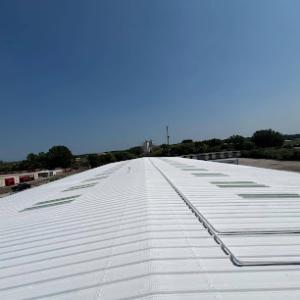
Sunlife Systems Midwest, located at 410B SE 3rd Street in Lee’s Summit, MO, is your go-to roofing contractor for Kansas City roofing needs. Specializing in both residential and commercial roofing, we offer top-notch services including roof repairs, roof replacements, roof restoration, and comprehensive roofing systems. Our experienced team is dedicated to delivering quality workmanship and using premium materials to ensure long-lasting results. Whether you're searching for a "roofer near me" or need expert assistance with any roofing project, trust Sunlife Systems Midwest We prioritize customer satisfaction and provide free quotes to help you protect and enhance your property.
Trusted Roofing
(816) 206-8209 www.trustedkc.com
Serving
4.9 from 70 reviews
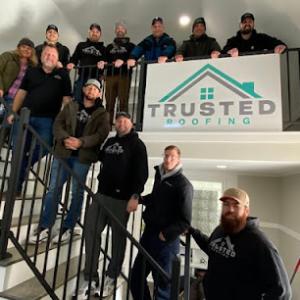
Trusted Roofing is a roofing company based in Lee’s Summit, MO that provides expert roof installation, replacement, inspections, and repair services for homeowners and businesses across Missouri and Kansas. With over 30 years of experience, our licensed contractors specialize in residential and commercial roofing, metal roof installation, and affordable roof replacement. We also handle emergency roof repairs, storm damage restoration, and solar panel installation with speed and precision. Proudly serving Lee’s Summit and surrounding communities with quality workmanship and reliable service you can trust. Call for a free estimate today!

Exterior Plus
(844) 398-7587 exteriorplushome.com
Serving
4.0 from 46 reviews
As a family-owned business, Exterior Plus offers services that enhance the exterior beauty and longevity of your home. With a dedication to quality craftsmanship and using only the highest quality products, their skilled professionals provide exceptional solutions for your roofing, siding, and window needs. Located in Lees Summit, Missouri, Exterior Plus serves home and business owners throughout the city and surrounding areas, ensuring that every property they work on reflects their commitment to superior service.
Rooftop Contracting
(816) 305-5229 www.rooftopkc.com
Serving
5.0 from 31 reviews
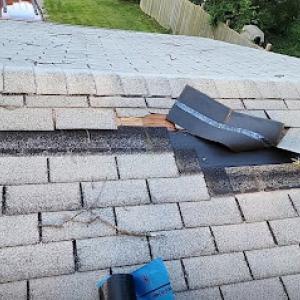
We are a family owned business rooted in Lee's Summit Missouri serving the Kansas City metro and surrounding areas. Our specialty is in working with insurance companies to ensure that you pay as little out of your pocket as possible. We do free hail and real estate inspections as well as provide a free estimate for repair or replacement. Licensed and insured. Call us today.
Lee's Summit Roofing
(816) 554-8585 www.leessummitroofing.com
Serving
4.7 from 35 reviews
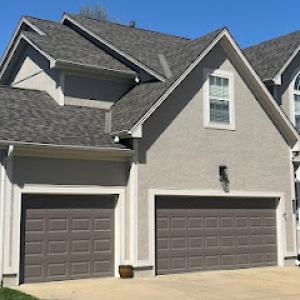
This company was established in 2001 after ten years of prior sales and management experience. Primarily composition re-roofing and repairs. We are certified with GAF and CertainTeed shingle manufacturers and we are licensed in most cities including Johnson County where we provide exceptional value. In addition to composition roofing, we have experience with concrete tile, synthetic slates, cedar shake/shingles, standing seam, and stone-coated steel. We have experience with low-slope products including TPO, Modified Bitumen, and EPDM. Other services include ventilation, light carpentry, insulation, skylights, guttering/leaf protection, vinyl windows, and siding.
Mighty Dog Roofing
(913) 349-6385 www.mightydogroofing.com
Serving
4.7 from 28 reviews
Mighty Dog Roofing specializes in Roofing, Storm Damage Repair, Siding and Windows. A locally owned and operated company is your choice for servicing KCMO. Mighty Dog Roofing is the most trusted name in the roofing industry, offering state-of-the-art 25 point inspections using our GoLive and Drone Superscan technology. This technology, matched with the highest quality products and superior workmanship, allows you to have peace of mind on the most important investment you have - your home. Do you keep your roof “top of mind”? Our Mighty Watchdog Maintenance Program keeps an eye out for any issues today to avoid big repairs or replacements tomorrow.
Good Roofing Company
(816) 207-3993 www.goodroofingcompany.com
Serving
5.0 from 162 reviews
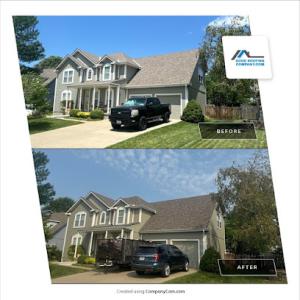
Good Roofing Company is a trusted leader in roofing and exterior services in Lee’s Summit and surrounding areas. With 15+ years of experience, we specialize in roof replacement, repairs, and maintenance. We also offer siding replacement in vinyl, aluminum, steel, wood, and concrete, along with seamless gutters and leaf protection. Our licensed insurance adjusters help homeowners navigate claims and work directly with insurance providers for fair resolutions. At Good Roofing Company, we’re committed to delivering professional, reliable, and knowledgeable service you can count on.
Andersen Contracting
(816) 400-9596 myandersenhomes.com
Serving
4.8 from 53 reviews
Andersen Contracting specializes in residential and commercial roofing. We are also you one stop shop for almost all of your general contracting needs. If we cannot take care of your project needs in house, we will connect you with one of our trusted contacts, for a fair and honest quote. Andersen Contracting takes pride in going above and beyond to provide exceptional customer service from initial estimate to completion of work. No job is finished until you are completely satisfied! Give us a call today!
RT Construction
Serving
4.5 from 11 reviews
RT Construction is a trusted roofing company in the Kansas City area, specializing in roof inspections, repairs, and replacements. With extensive experience and a customer-focused approach, we deliver high-quality solutions tailored to your needs. We excel in working with insurance companies, guiding you through the claims process to ensure you get the coverage you deserve. Using premium materials and expert craftsmanship, we provide durable, weather-resistant roofing that enhances your property’s value and safety. Contact RT Construction today for reliable, professional roofing services you can count on.
Integrity Roofing Siding Gutters & Windows
(816) 451-5211 www.integrityroofingllc.com
Serving
4.6 from 190 reviews
At Integrity Roofing, Siding & Windows, we know how stressful home repairs can be. That’s why we start with honest evaluations—if you don’t need our help, we’ll tell you. When you do need help, our professional roofing contractors deliver expert craftsmanship and spotless cleanup for roof replacement, vinyl, and fiber cement siding, energy-efficient windows, and gutter protection. Locally owned and A+ rated by the BBB, we’ve served 7,000+ happy homeowners across Olathe, Overland Park, Lees Summit, Gladstone and the KC metro. Backed by top manufacturer warranties, we help you protect your home with confidence. Your trusted roofer—Building Trust, One Roof at a Time! Call today for honest guidance & lasting peace of mind: 816.554.9999.
Classic Contracting
(816) 525-9018 roofsbyclassic.com
Serving
3.6 from 31 reviews
Expert installers of Roofing, Siding, and Gutters on residential and commercial properties. Expert removal and replacement of roofs damaged by wind and hail. We specialize in working directly with your insurance adjuster to ensure your claim covers all necessary code upgrades and materials. 5-year workmanship warranty included. Fast, reliable repairs for missing shingles, leaks, and wind damage. We match your existing shingle color and seal vulnerable areas to prevent future water intrusion. Don't let a small leak turn into a mold problem. Complete siding restoration for homes affected by storm damage or age. Capable of completing interior restoration projects and Remodeling. A full service General Restoration Contractor
C & L Service Company Roofing
(816) 380-6657 www.clserviceco.com
Serving
5.0 from 3 reviews
C & L Service Company Roofing offers the best brands in the industry accompanied by personalized service. We provide the best brands in the roofing industry and top-notch personalized service. Call us to find out what we can do for your home!
Asphalt shingles dominate your area because they handle rapid year-to-year swings and a history of hail storms pretty well. In a climate with storm-driven replacement cycles, the key is choosing a shingle with a strong impact resistance rating and paired with good attic ventilation. When selecting, look for heavier-weight tabs and a reinforced nailing zone, and verify the combination with a vented roof deck plan. In practice, that means pairing the shingles with a balanced ventilation strategy-adequate soffit intake and ridge or power vents-to keep attic temperatures down after long, humid summers. A well-ventilated roof reduces heat-related deterioration and helps preserve underlayment and fasteners through freeze-thaw cycles. For homeowners facing frequent hail, ask for a shingles product line that has documented impact resistance and a manufacturer's weatherization warranty that covers hail events. Installation quality matters: staggered courses, precise nail placement, and careful sealing around vents and penetrations prevent loosening after storms.
Metal roofing stands out in this market for resisting wind-driven debris and hail impacts, while shedding rain and snow more quickly than traditional shingles. In Lees Summit, metal is a meaningful local option because it handles storm exposure well, especially on homes with exposed ridge lines or multiple eaves. The practical win comes from its longevity and reduced maintenance after hail events. However, installer experience around flashing, penetrations, and noise expectations matters in established suburban neighborhoods. Pay particular attention to how valleys, skylights, chimney terminations, and vent pipes are flashed and sealed; improper detailing invites leaks after freeze-thaw cycles. Noise is a common concern on two-story homes or those with open soffits-ask about attic insulation and mounting methods that minimize attic sound transmission. A trusted installer will also review panel seams and fastener color choices to ensure long-term corrosion resistance and curb appeal.
Concrete tile, slate, fiber cement shingles, and cedar shakes can deliver a premium look and strong performance, but require checking whether the home's framing and roof design are appropriate before replacement. These materials add substantial weight, so a structural assessment is essential to ensure the existing deck and trusses can support the load, especially on older homes or those with attic geometry that limits reinforcement options. Cedar shakes offer natural performance benefits in dry periods but can be more vulnerable to humidity and hail impacts if maintenance lapses. Concrete tile and slate deliver exceptional durability but demand precise underlayment and a robust fastening plan to handle wind-driven gusts. Fiber cement shingles strike a balance between appearance and resilience, with moderate weight and good impact resistance, but installation quality remains the deciding factor. In all cases, verify that the chosen system integrates with proper ventilation, effective underlayment, and a roof-to-wall detailing plan that accommodates seasonal weather swings common in this market.
Pricing in this area can swing upward quickly after regional hail events because Lee's Summit competes with the broader Kansas City metro for crews, materials, and inspection scheduling. That means after a big hail storm, you may see short-term spikes in material and labor costs as crews shift priorities and local suppliers pull extra inventory. When a storm hits, scheduling becomes the bottleneck first, then material availability, and finally the actual roof replacement work. Plan for a tighter window between contract signing and a completed tear-off if you're replacing soon after a hail event, as replacement timelines compress under demand.
Steep-slope suburban homes are the norm around town, and that geometry matters. Tear-off, staging, and safety labor rise with pitch and the need to shield landscaping and entryways during removal and decking work. A high-quality finish on a steeply pitched roof also tends to push labor hours higher, which shows up in the final price versus a flatter, low-pitch job. If your roof has multiple peaks, dormers, or complex valleys, anticipate additional labor charges for careful flashing, underlayment reinforcement, and rhythm of shingle courses. These factors usually show up most clearly when crews walk the roof and confirm existing decking and vent layouts.
Material choice in this market ranges from asphalt shingles at 350 to 600 USD per square up to slate at 1000 to 2500 USD per square, with metal, concrete tile, fiber cement, and cedar shakes filling the middle tiers. For a typical suburban roof, asphalt shingles remain the value workhorse for a good balance of cost, longevity, and wind resistance. If hail and wind are especially aggressive in your area, you may prioritize a heavier or more durable option within the middle tiers-metal or concrete tile can resist impacts better than basic asphalt in many cases, though they come with their own installation considerations. Fiber cement shingles offer a durable alternative with a more forgiving weight profile, while cedar shakes bring an aesthetic that some homeowners love, but they demand regular maintenance and can be pricier to install. Slate sits at the top end, offering exceptional longevity, but requires specialized crews and careful handling during installation.
Spring through early summer is peak storm season, and the window for damage assessment, insurance documentation, and contractor scheduling tightens quickly after hail events. If you expect a replacement within the year, start with a thorough post-storm inspection to identify hidden damage in valleys, underlayment, and decking. Document everything with photos and notes for your adjuster, since settlement timing can influence when you pull the trigger on a full tear-off. In late fall, as temperatures drop, you'll see shorter workdays and higher safety precautions required on steep slopes; this can extend tear-off timelines and affect crew availability. If you're aiming to minimize rework, prefer a weather-safe installation plan that allocates extra time for intermediate inspections, especially if any decking repairs are needed.
When selecting a contractor, prioritize local experience with steep-slope installations and storm-driven replacement cycles. Ask how the crew handles staging, debris containment, and shingle alignment on multi-peak roofs. Request a clear, itemized estimate that separates tear-off, disposal, underlayment, flashing, and warranty terms. In a market where pricing can spike after hail, align expectations on potential add-ons for ventilation upgrades or enhanced underlayment, which may improve long-term performance on a climate with humid summers and freeze-thaw cycles. Set a practical replacement timeline that buffers against weather delays but still respects the peak storm window, and confirm a communication plan for progress updates during the tear-off and re-shingle phases.
Get a clear picture of your project costs upfront - no commitment required.
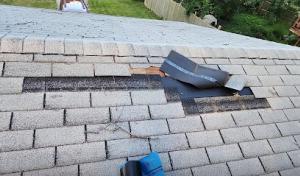
For a full roof replacement, a building permit is typically required in this area and is issued by the City of Lee's Summit Building Department. The permit process is designed to confirm that the new roof complies with adopted codes, corrects any underlying structural concerns, and ties into existing utility lines and drainage. Start the process early, especially if your roof is near the end of a season when weather can complicate scheduling. Having the permit lined up before work begins helps prevent delays that could arise if inspections uncover small code gaps or material mismatches.
Inspections in this community are usually scheduled at key milestones: rough-in or coverage and final. The rough-in or coverage inspection checks that roof deck, underlayment, and fastening patterns meet code requirements, while the final inspection confirms that all components are properly installed and sealed, and that landscaping or drainage is restored. It is essential to confirm the contractor's sequencing before tear-off begins so you know when the underlayment goes down, when the shingles or other roofing material is installed, and when the final seals are completed. If your project hits a busy period, delays can shift these milestones, so you'll want a clear, written schedule from your contractor and a single point of contact for any changes.
Permit processing times in this area can vary by workload and season, which becomes more important after spring storm activity when reroof demand rises. After a hail or high-wind event, many homeowners act quickly, which can slow the city's intake and inspection queue. Plan for a window to accommodate permit review, potential plan checks for structural modifications, and subsequent inspections. If your contractor is coordinating with a roofing supplier or a storm-damage restoration crew, verify that the request for inspection aligns with material delivery and the planned tear-off timeline. Keeping the permit and inspection steps tightly coordinated reduces the chance of weather-related delays, especially during the humid, windy springs and the rapid shifts into summer heat.
Obtain the permit acknowledgment early by submitting the project scope, dimensions, and any structural notes from the deck or rafters. Schedule inspections in advance, and confirm the contractor's sequencing, so tear-off, underlayment, and final installation can proceed smoothly between weather fronts. Finally, maintain a simple folder of permit numbers, inspection dates, and contact information for the Building Department in case any adjustments are needed as the project progresses.
Spring in Lee's Summit brings hail and heavy rain, so it is often the season when damage is discovered but also when contractor calendars become most congested. If you suspect or confirm hail impacts, document as soon as it's safe to climb on the roof-photos from multiple angles, close-ups of granule loss, and interior signs of leaks. Aim to schedule a replacement window right after a thorough insurance-approved assessment, but be prepared for a backlog as storms flood local crews' calendars. Do not wait too long after a storm, because hidden damage can worsen with the next round of spring showers.
Hot, humid summers in this area can slow production and affect how crews handle shingles and sealants during peak afternoon heat. Plan roof work for the cooler portions of the day, typically early morning or late afternoon, and consider shorter daily shifts to preserve adhesive performance. If heat-related delays arise, ensure your crew seals valleys, penetrations, and vents promptly to prevent moisture intrusion during sudden thundershowers. Have a shaded staging area and water on site to keep workers steady and material coatings from softening or drying too quickly.
Autumn in this region offers a more forgiving weather pattern, but windy days can complicate material handling and tear-off operations. Use this window to complete pre-inspection notes, verify attic ventilation, and confirm flashing integrity before temperatures drop. A thorough tarping plan for any unsettled days helps minimize interior risk while the new roof is staged.
Cold snaps, snow, and ice damming risk in winter can delay replacement work and expose weak flashing, ventilation, and gutter transitions on older roofs. If a winter window is chosen, ensure the contractor has a firm plan for snow-free access, safe laddering, and proper ice dam mitigation. Freeze-thaw cycles can stress new sealants, so timing should favor a stretch of consistently above-freezing days when possible. Have a clear contingency for extended shutdowns and protect interior spaces during unplanned gaps.
In Lee's Summit, repeated wind-driven storms commonly show up first at ridge caps, shingle tabs, flashing edges, and other exposed transitions rather than as obvious whole-roof failure. That means small, fast-moving issues can masquerade as normal wear until a single gust or a hail strike forces a leak. Stay vigilant for lifted tabs, curling edges, and loose sealant along valleys and vent boot joints. If you notice granular loss on shingles or a ridge line that feels uneven to the touch, treat it as a signal to inspect more deeply rather than hoping it will hold.
Winter ice damming in this region can stress eaves, underlayment edges, and gutter lines, especially on homes with uneven attic temperatures. When attic heat leaks unevenly, meltwater refreezes at the eave and travels inward, pushing against underlayment and penetrating seams. Look for soft spots along eaves, sagging gutters, and discolored streaks near roof-to-wall transitions after a freeze-thaw cycle. These cracks and pockets can widen quickly with successive storms, creating interior drip paths that are hard to trace back to a single roof feature.
Skylights and roof penetrations deserve extra scrutiny because storm-driven rain and freeze-thaw movement can turn minor seal failures into interior leaks. Check caulks, countersunk fasteners, and flashing around these features after every heavy storm and after major temperature swings. If rain finds its way around a flashing leg or a skylight curb, it rarely stops at the first joint-trace leaks to the closest, least protected transition and address it promptly to prevent interior damage.
Find contractors experienced in skylight installation, flashing, and leak repairs to bring natural light into your home.
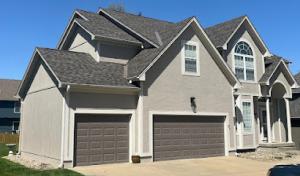
Missouri's frequent hail and wind claims shape how adjusters approach a storm-damaged roof. In this market, adjusters will often request clear before-and-after photos to establish the extent of damage and to differentiate new wear from storm impact. You should prepare high-quality images that show the roof surface from multiple angles, close-ups of damaged shingles, and any corresponding damage to gutters, vents, and fascia. A documented scope of work-itemizing replacement or repair needs, materials, and any waterproofing or underlayment concerns-helps prevent back-and-forth and clarifies what is being claimed versus what is observed on the roof line.
There is state oversight of insurers, but no broad persistent insurer pullback is defining the market right now. That means you may still engage with multiple carriers or adjusters who bring different approaches to claim handling. Expect lines of communication to involve written documentation and formalized claim notes. While oversight provides some guardrails, the practical path through a claim often hinges on timely, thorough documentation and a shared understanding of typical Lee's Summit storm damage patterns. Be prepared to follow up with written confirmations of conversations and decisions to keep the process transparent.
Because many replacements follow storm events, you should keep records of prior repairs and pre-existing wear. Photographs, receipts, and notes detailing the roof's condition before the latest storm help avoid disputes over what damage is storm-related. If prior patches or partial replacements exist, document their scope and location. This practice supports a smoother claim review and can prevent a later argument about whether an issue was pre-existing or caused by the event that triggered the claim.
When the weather swings between hail, wind, and freeze-thaw cycles, timing your claim around favorable conditions matters. Schedule inspections during moderate weather windows to minimize additional weather-related complications and to allow for precise assessments of moisture intrusion, underlayment condition, and potential deck or fascia concerns. Clear, concise communication-paired with your organized documentation-helps align expectations between you, the insurer, and the contractor moving the project forward.
Avoid leaving critical photos or documents in scattered folders or emails. A single organized file with dated images, a detailed scope, and a compact narrative of observed damage prevents misinterpretation. Also, refrain from delaying a claim while small issues appear minor; hail-driven cycles and wind events can reveal latent damage once temps rise or rain returns. Keeping a steady, documented trail supports a smoother restoration trajectory in this storm-prone market.