Last updated: Apr 19, 2026
Grandview sits in the Kansas City metro, a Missouri market with frequent hail and wind claim activity that keeps storm-related roofing demand consistently high. The pattern is simple: spring brings severe weather bursts that produce both bruised shingles and exposed roof deck areas. When a storm comes through, the clock starts ticking on leaks, especially if tear-off and dry-in aren't timed carefully. The risk isn't just cosmetic bruising; hidden damage to underlayment, gutters, and vents can quickly turn into costly interior leaks after the next thaw or shower. Stay alert for signs of wind uplift on the roof edges, granule loss on shingles, and any new water stains that appear after a rain.
Spring severe weather is the biggest local replacement disruptor, because active hail and thunderstorm periods can expose open roof areas to leaks if tear-off and dry-in are poorly timed. If a contractor schedules work during a fresh round of weather, moisture can infiltrate the roof deck before the new underlayment is sealed. In practice, that means you want to coordinate with a crew that understands Grandview spring patterns: windows of dry weather, predictable wind shifts, and the way frost cycles can affect deck stability. Expect potential delays if rain targets your area, but avoid letting a storm's aftermath linger with exposed decking. A well-timed daylight window for removal, roof deck inspection, and proper dry-in is essential to prevent secondary damage and mold risk inside attic spaces.
Homeowners commonly need documentation of shingle bruising, lifted tabs, flashing damage, and collateral hits to vents, gutters, and soft metals after storms before moving into replacement decisions. A careful photo log is your first line of defense: close-ups of bruises, edge lift, and any granule loss, plus wide shots showing the extent of impact around attic penetrations. Note any observed sagging in the roof or soft spots that indicate deck compromise. Collect dates, wind speeds if available, and names of any contractors who inspected the roof. This granular record helps separate cosmetic issues from structural damage and accelerates the decision-making process when storm season claws its way back.
Act quickly to protect your home from weather infiltration. Cover exposed areas with temporary tarps or boards, focusing on skylights, vents, and valleys. Do a quick interior check for condensation or damp insulation in the attic; early signs of moisture should prompt a professional inspection. Bring in a qualified roofer who can perform a careful assessment of braced rafters, decking, and flashing in the same visit. In this market, you should expect that a thorough inspection will include a close look at the chimney flashing, sidewall flashing, and any misaligned vent boots. Timely triage saves the most trouble when the next storm hits.
In this market, replacement decisions pivot on documented damage, weather windows, and the speed at which a claim can be resolved. If multiple storms have caused progressive damage-bruising broadens, tabs lift more frequently, or flashing corrodes-replacement becomes more likely than patchwork. The decision should be guided by a clear assessment of deck condition, ventilation, and the overall age of the current roof. If leaks persist after targeted repairs, or if attic heat and humidity spikes during warm spells, pursue a full replacement plan promptly to minimize interior risk and restore long-term protection. A well-timed dry-in after tear-off reduces the chance of back-to-back leaks and keeps interior temperatures steadier during Missouri springs.
Find local contractors experienced in assessing and restoring roofs after hail, wind, and severe weather events.
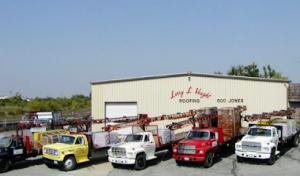
Larry L. Vaught Roofing
(816) 761-9859 www.vaughtroofing.com
500 Jones Ave, Grandview, Missouri
4.9 from 214 reviews
Pyramid Roofing Company
(816) 966-1101 www.pyramidroofingkc.com
13800 S U.S. 71 Hwy, Grandview, Missouri
4.5 from 338 reviews
Ralph Roofing
(816) 288-4612 www.ralph-roofing.com
13508 Cypress Ave, Grandview, Missouri
5.0 from 4 reviews
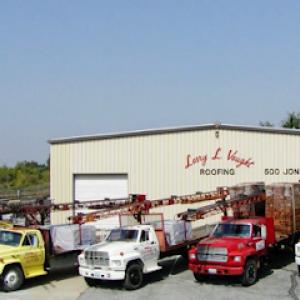
Larry L. Vaught Roofing
(816) 761-9859 www.vaughtroofing.com
500 Jones Ave, Grandview, Missouri
4.9 from 214 reviews
Larry L. Vaught Roofing has been serving the Kansas City area since 1967. Vaught Roofing is a GAF Certified Master Elite Roofing Contractor in Kansas City. Because of GAF’s stringent standards, only 3% of all roofing contractors have qualified as Master Elite® contractors! Because of our unique factory-certified GAF Master Elite® contractor status, the GAF roofs we install are eligible for special warranties. Every certified contractor offers professional installation, superior protection and warranty options.
Pyramid Roofing Company
(816) 966-1101 www.pyramidroofingkc.com
13800 S U.S. 71 Hwy, Grandview, Missouri
4.5 from 338 reviews
Looking for reliable roofing contractors in Kansas City? Your search ends with Pyramid Roofing, Inc. As a certified residential and commercial roofing company, we’ve proudly served Kansas City homeowners and businesses since 1992. With over 35,000 roofing installations, we deliver high-quality, affordable roofing solutions—always on time and within budget. Pyramid Roofing Company is a trusted roofing contractor serving the Kansas City Metro and Springfield areas. Specializing in residential roofing, we offer expert roof repairs, installations, and inspections to protect your home.
Ralph Roofing
(816) 288-4612 www.ralph-roofing.com
13508 Cypress Ave, Grandview, Missouri
5.0 from 4 reviews
Rafael Nieves with Ralph roofing here for all your roofing needs! Over 25 years of experience in the roofing industry. Specialize in Residential ,Commercial, Damage roof repair and gutters. If you are in the market for a new roof ,Please reach out for a free estimate today!
Blue Chip Roofing & Waterproofing
(816) 912-0765 bluechiproofingkc.com
13911 Century Ln, Grandview, Missouri
5.0 from 4 reviews
Blue Chip Roofing & Waterproofing provides roof replacement, roof repairs and services, preventative maintenance and waterproofing to the Kansas City, MO, area.
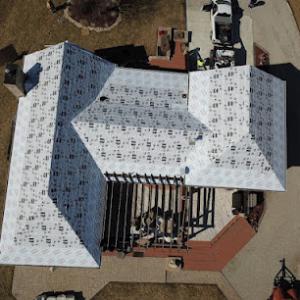
Skyline Renovations
1008 Skyline Dr, Grandview, Missouri
5.0 from 3 reviews
Family owned business with customers as our top priority. We've got you covered for you roofing, hard wood flooring and exterior painting needs.
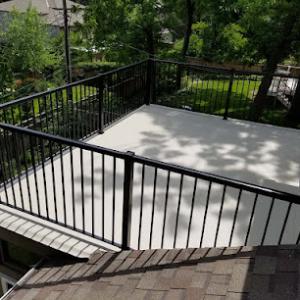
Henry Construction
(816) 214-5866 henryconstruction.net
3605 Main St, Grandview, Missouri
4.3 from 7 reviews
Combining years of experience with a dedication to client satisfaction, Henry Construction, LLC has established itself as the local leader in Residential Roofing, Commercial Roofing and Flat Roofs.
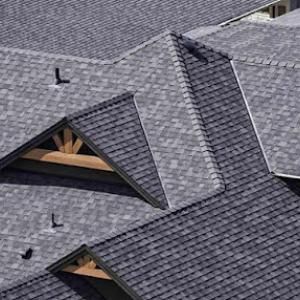
Nations Roofing & Solar
(816) 678-4220 www.nationsroofingandsolar.com
Serving
5.0 from 122 reviews
At Nations Roofing and Solar, we are a Class A General Contractor and solar roof installer with 20 years of experience in roofing construction. As such, we know what makes a quality roof and can help you find one that fits your needs and budget. Our services stand out from the rest because we have long-lasting relationships with our suppliers, allowing us to offer high-quality work at competitive prices.
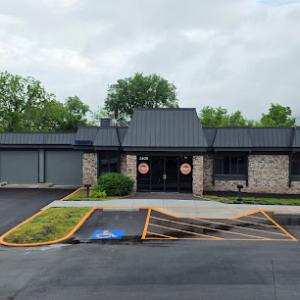
Manning Roofing
Serving
5.0 from 51 reviews
Welcome to our new location and Design Center! Your home and business deserves the best. At Manning Roofing, we're more than just a roofing and gutter company – we're your trusted partner for all your exterior needs. We offer high-quality services for gutters, windows, and siding, ensuring complete peace of mind. As a Pella Platinum Contractor, and a Certified Anderson Windows and Doors Installer, our team will assist you with a full transformation of your property! We also work with Insurance Companies and our Storm Restoration Team is the best in the City! So, if there is a Hail or Wind Storm that damages your property, you now have a one stop shop with a Licensed and Certified General Contractor.
Brewster Roofing
(816) 750-5423 brewsterroofing.com
Serving
4.7 from 90 reviews
Brewster Roofing is a roofing contractor in Overland Park, KS & Lee's Summit, MO serving Gardner, Lawrence, Belton, Blue Springs and nearby areas. Our roofing company offers residential roofing, commercial roofing, roof repair, asphalt shingle roofing, and more. We also specialize in gutters, siding, doors and more. Customers love us because of our comprehensive roof warranties and our affordable roof financing options. We also have industry affiliations and certifications such as TAMKO Master Pro Dealer, Beacon Pro Plus Dealer, & GAF Certified. If you want to experience how your most trusted Overland Park, KS & Lee's Summit, MO roofing company embraces our motto "60 years, 15,000 roofs replaced", call us now for a free estimate!
Brown Roofing
(816) 322-2600 www.brown-roofing.com
Serving
4.5 from 33 reviews
Family owned, Brown Roofing has been helping residents and business owners of Missouri and Kansas since 1995. As a general contractor, we provide an experienced team for every phase of your project. Our roof/restoration projects are handled in a courteous, timely, and professional manner. We specialize in residential and commercial roofing including: architectural shingles; all types of metal & tile roofing; cedar shakes; TPO, PVC and EPDM flat roofs; and roof repairs. No money down - satisfaction guaranteed. So there is no stress on you, we work with all insurance companies for the inspection/settlement of storm and hail damage claims, whole house restoration (roof, siding, windows & gutters) and offer free inspections/estimates.
M&M Exterior Services
(816) 401-0062 mmexteriorservices.com
Serving
4.8 from 24 reviews
M&M Exteriors is a licensed general contractor specializing in roofing, siding, gutters, windows, and painting.
NextGen Restoration
(877) 835-7643 nextgenrestoration.net
Serving
4.6 from 101 reviews
Since 2015, NextGen Restoration has been Leawood, KS's trusted partner for comprehensive exterior solutions. Specializing as a general contractor, cladding expert, and roofing service provider, we bring unparalleled skill to every project. From meticulous storm restoration and robust roofing installations to seamless gutter services and house siding, our commitment is to revitalize and protect your home with lasting quality. We also offer expert basement remodeling to transform your interior spaces.
Missouri insurers in the Kansas City metro have seen enough hail and wind losses that some carriers have tightened underwriting and changed roof-related policy language in recent years. That means adjusters may come with firmer standards and longer timelines than in calmer markets. When a storm hits, the process can feel more regimented, and the details that get asked about-like whether a prior claim exists and how old the roof is-can influence whether major work is approved at all. The result is a reality where timely, precise information isn't just helpful-it can determine whether a repair or replacement moves forward smoothly.
In Grandview, the reality is that adjusters aren't guessing about your roof's condition from a quick visual inspection. They'll be looking for a documented history of events, clear indications of date-stamped damage, and a consistent record of the roof's age. If a claim is opened after a series of spring storms, you may face questions about how each event contributed to the current condition. Being prepared with a coherent narrative that ties specific hail hits and wind episodes to observed damage can reduce back-and-forth and help protect your schedule and your wallet.
Because repeated storm seasons can create overlapping damage questions, documenting each event separately matters more here than in lower-claim markets. Start by keeping a dated photo log of damage after every storm: roof edges loosened shingles, hail bruising, flashing gaps, and any signs of water intrusion. If you can, capture close-ups that show hail size and impact patterns, plus wider shots that place the damage in the context of your roof's overall condition. Issue-specific notes-like "spring hail on [date] caused this particular shingle fracture"-are valuable when insurers review multiple events over time.
When you file, supply a clear chronology: event date, observed damage, and any temporary steps you took to mitigate further harm. If you've filed prior claims, provide a concise history of what was repaired or replaced, the outcomes, and any follow-up concerns. In Grandview, adjusters are trained to look for this level of detail, and missing elements can introduce delays or require additional documentation. A diligent, event-by-event record not only supports the claim's credibility but also helps ensure the coverage you expect is aligned with the roof's actual experience.
With multiple spring hail seasons, timing becomes part of the claim strategy. Communicate early with your insurer about any anticipated work windows and how long a claim might realistically take from inspection to approval. If an adjuster raises questions about prior incidents or the roof's age, respond promptly with the best-available documentation. Delays often stem from gaps in the event history or from unclear damage timelines, not from the severity of the hail itself. In this market, proactive coordination with the insurer and the roofing contractor's team can keep a project on track and reduce the chance of surprise denials or scope changes later in the process.
Choose a local roofing partner who understands Grandview's climate realities and the way insurers approach hail-related claims. A knowledgeable contractor can help organize damage photos by event, prepare a detailed damage timeline, and present a robust case to the adjuster. They can also guide you through selecting a replacement path that aligns with the documented history and the roof's current condition, balancing the need for durable protection with the realities of claim-driven timelines. In this environment, careful preparation and clear communication aren't just helpful-they're essential for navigating a high-hail market.
Connect with contractors who help homeowners navigate the claims process from damage assessment to final approval.
Larry L. Vaught Roofing
(816) 761-9859 www.vaughtroofing.com
500 Jones Ave, Grandview, Missouri
4.9 from 214 reviews
Pyramid Roofing Company
(816) 966-1101 www.pyramidroofingkc.com
13800 S U.S. 71 Hwy, Grandview, Missouri
4.5 from 338 reviews
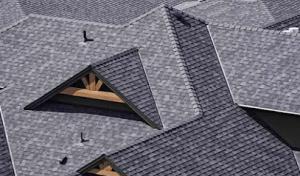
In this market, Grandview pricing is heavily affected by Kansas City metro storm surges, where hail events tighten labor availability and push scheduling pressure across Jackson County and nearby suburbs. Asphalt shingles remain the dominant value choice locally at 350 to 600 USD per square, while metal at 700 to 1200 and tile systems at 900 to 2500 reflect higher structural, flashing, and labor demands. When selecting materials, consider not just the upfront cost per square but also long-term performance under repeated hail impacts and the local freeze-thaw cycle. A shingle-heavy profile often wins on initial investment, while metal or tile can offer extended life and improved wind resistance in wind-prone spring seasons.
As a homeowner evaluating a replacement, start with the baseline: asphalt shingles at 350 to 600 per square. If metal is preferred for better hail resilience or a longer service life, expect 700 to 1200 per square, factoring in flashing details and structural supports. Tile systems, including clay or concrete options, run higher, from about 900 to 2500 per square, due to added weight, fastener complexity, and more extensive underlayment and drainage considerations. In Grandview, the choice often hinges on local weather patterns and the existing roof structure; heavier systems require reinforced decking and more precise installation to manage wind uplift and sealing across multiple seams.
Costs can rise in Grandview when winter freeze-thaw reveals decking deterioration or when severe-weather seasons force contractors to build in extra dry-in protection and rescheduling risk. If moisture intrusion or rotten decking is found after a hail event, material and labor hours can increase significantly, shifting toward higher-end bids. Spring storms can compress the available contractor pool, leading to tighter schedules and premium rates for urgent replacements. Plan with a contingency of several days to accommodate weather windows and the potential need for additional dry-in work.
Start with a professional roof inspection after a major hail event to identify hidden damage under shingles and at flashing lines. Get three written bids and compare a standardized scope that includes underlayment, venting, flashing, and drip edge, not just shingles. Ask contractors to document attic and decking conditions, wind uplift ratings, and warranty terms specific to your chosen materials. Consider staged replacements if decking needs reinforcement or if winter conditions threaten timely completion, balancing cost against the risk of moisture intrusion during extended dry-out periods.
For many Grandview homes, asphalt remains the practical default because of favorable price and decent longevity under local hail exposure. Metal offers excellent hail resistance and faster installation in some seasons, while tile systems deliver standout durability but at a higher upfront cost and heavier structural needs. Weigh the long-term maintenance and potential insurance implications of each option, and align the final decision with your home's age, roof geometry, and expected storm exposure in the next several cycles.
The most popular roofing material in the US. Find pros who install, repair, and replace asphalt shingles.
Larry L. Vaught Roofing
(816) 761-9859 www.vaughtroofing.com
500 Jones Ave, Grandview, Missouri
4.9 from 214 reviews
Pyramid Roofing Company
(816) 966-1101 www.pyramidroofingkc.com
13800 S U.S. 71 Hwy, Grandview, Missouri
4.5 from 338 reviews
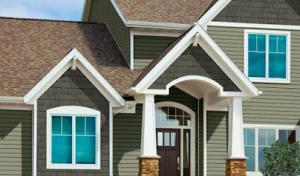
A full roof replacement in Grandview typically requires a permit filed with the City of Grandview, and homeowners usually see the contractor handle the submission. That means your planning phase should include a clear understanding with your roofer about who is responsible for the permit paperwork, required forms, and any site-specific notes the city may request. If the contractor asks for deck measurements or underlayment details, expect those to show up in the permit package. Keep a copy of the permit on site for the work's duration, and verify that the exact scope described in the permit matches what the crew intends to install.
Grandview inspections commonly occur at rough-in and final stages, with attention on decking, underlayment, flashing, ventilation, and roof penetrations. At rough-in, the inspector will confirm that the roof deck is sound, the underlayment is properly installed, and that ventilation and intake exhaust arrangements meet code and local practice. At final, expect a thorough check of flashing around chimneys, vents, valleys, and edges, plus confirmation that penetrations are correctly sealed and that attic ventilation meets minimums. The inspector may request minor adjustments if any step deviates from code or the permit plan, so keep a responsive staff member available to address questions quickly.
Processing often runs about 1 to 2 weeks depending on city workload and weather, so permit timing can directly affect storm-season scheduling in Grandview. Weather windows matter: a late spring storm can stall inspections, while heat and wind can delay crew productivity. Communicate with the contractor about potential hold periods and arrange to have materials delivered with a window that aligns to the inspection cadence. If the project starts during busy storm months, expect the permit review to be one piece of a coordinated timeline that also accounts for material lead times and contractor scheduling.
Because permits are a city process, the contractor often serves as the owner's liaison for scheduling inspections and ensuring required documentation travels with the project file. Before the work begins, confirm who will be present for each inspection and what access the inspector will need-egress points, attic access, and any temporary safety setups. After inspections pass, save the final approval and any marked-up drawings or notes for your records. A well-documented permit and inspection trail helps safeguard the project through the storm-season rush and avoids rework or delays tied to missing paperwork.
Grandview's mix of hot summers, cold winters, hail, and wind makes impact resistance and wind performance more important than in milder Missouri markets. Asphalt shingles are the standard for many homes because they strike a practical balance between upfront cost and the speed of replacement after storms. When selecting an asphalt roof, look for a high weight of granules designed to resist hail scuffs and a roof system that emphasizes proper nailing patterns and attic ventilation to reduce the risk of shingle curling during freeze-thaw cycles. In neighborhoods with varied roof lines and older homes, ensure the installation includes reinforced edge detailing and solid decking where needed, so wind uplift pressures are managed from eave to ridge. A well-sealed underlayment and modern starter courses help minimize water intrusion during heavy spring storms. If a homeowner wants a reliable, straightforward option that can be matched quickly after hail events, asphalt remains a dependable choice with a familiar repair path.
Metal roofing draws interest for durability in repeated hail and wind cycles common around Kansas City. This material excels in impact resistance and fast drying in storm aftermaths, with standing-seam designs often performing best under severe weather. When considering metal, focus on fastener types, sealants, and panel clips that maintain integrity under thermal cycling and heavy wind loads. Proper flashing around chimneys, skylights, and transitions is essential to prevent water penetration during intense spring gusts. Metal also benefits from a solid roof deck and careful substrate preparation; without a rigid base, vibration and fastener loosening can become persistent issues after repeated storms. For homes with modern lines or lighter roofing structures, metal can offer long-term resilience and a refreshed look that holds up through Kansas City-area hail seasons.
Clay tile, concrete tile, wood shakes, and synthetic products are available locally, but their performance in Grandview depends heavily on proper fastening, flashing, and structural suitability under severe-weather stress. Clay and concrete tiles tend to be heavier, requiring a strengthened deck and careful integration with parapets and transitions to resist uplift and cracking in hailstorms. Wood shakes offer natural aesthetics but demand meticulous maintenance against moisture and wind-driven damage, especially on exposed slopes. Synthetic shingles provide versatility and easier handling, yet still rely on precise installation and robust flashing details to perform in freeze-thaw cycles and wind-driven rain. In all cases, a thorough inspection of the existing roof structure and accurate attachment to the underlying deck are crucial to maximize lifespan through storm seasons.
Explore specialists in steel, aluminum, and standing seam metal roofs built to last 50 years or more.
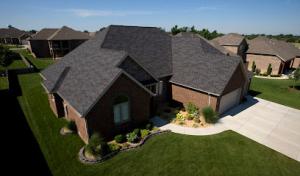
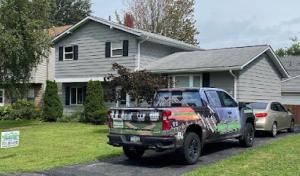
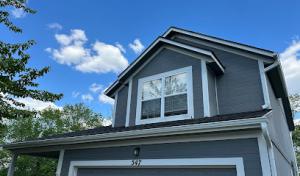
Spring in Grandview brings the highest hail and severe-storm risk, so replacement jobs started during active storm windows need especially careful weather monitoring. If a roof shows consistent hail dents, loose shingles, or granule loss after a storm, schedule a diagnostic soon but plan for an accurate dry-in window that avoids heavy rain or extreme wind. Treat the first clear stretch after a hail event as an opportunity to confirm decking condition, then lock in the crew before next round of storms.
Hot, humid summers in western Missouri can stress crews and materials, making early starts and efficient dry-in more important on reroof projects. If possible, align replacement with the cooler morning hours and aim for steady progress that minimizes long daytime exposure. Plan for ample ventilation during and after installation, and verify that underlayment and fasteners can tolerate sustained heat without warping or premature aging.
Winter freeze-thaw cycles can expose weak decking and affect fastener behavior, while autumn winds can still disrupt scheduling before cold weather sets in. Inspect for frost damage and decking softness on dry-in days, and choose a sequence that preserves shingle adhesion and sealant performance. If a project drifts into late fall, ensure your roofer has a concrete plan for weather holds and rapid resumption when temperatures stabilize.
Because storm activity can recur within the same season, set up a phased approach: confirm decking integrity early, secure a durable drip edge and underlayment plan, and build in buffer days for weather delays. Keep communication clear with the roofing crew about expected wind events and potential rain windows, and prioritize a dry-in-first strategy to protect interior spaces.
Ridge caps and exposed flashing lines take the brunt of spring wind and hail in this area. When these elements are compromised, wind lifts ridge caps and drives moisture under the cover, leading to hidden leaks and accelerated decking wear. In practice, a small gap or loose cap can translate into a wave of water damage after a storm, especially where vents and chimneys intersect the roof line. Regular inspection after major hail events helps catch loose or missing pieces before they fail completely.
Penetrations-such as vent pipes, exhausts, and plumbing stacks-are common vulnerability points. If flashing around penetrations is damaged or inadequately sealed, moisture can seep inward and freeze, widening the entry path with each thaw. In this climate, freeze-thaw cycles push moisture through even tiny gaps, turning minor seepage into extensive interior staining and rot by winter's end. Properly sealed penetrations maintain attic ventilation and reduce the risk of accelerated decking deterioration.
Edges of shingles are frequent casualties in wind-driven storms. Bare edges or lifted tabs invite further uplift, loosening the surrounding courses and creating an opening for water intrusion. Once edge gaps form, sun, wind, and rain exploit the weakness, accelerating granule loss and asphalt deterioration. Failing edges can also compromise underlayment performance, making attic temperatures spike and condensation issues more likely in spring and fall.
Freeze-thaw conditions magnify small entry points into larger problems. If flashing around the perimeter, vents, or chimney is compromised, water can penetrate the decking and travel unseen until a major leak appears. A seasoned eye will check for dry rot along eaves and around penetrations after storms, noting where fasteners or sealants have aged and where decking shows signs of swelling or soft spots.
Ventilation and penetrations sit at the intersection of performance and approvals. These areas are commonly corrected during reroofing, not just for reliability but to align with typical inspection expectations. Prioritize addressing any suspected flashing or vent concerns promptly to avert larger, costlier failures later.
Find contractors experienced in skylight installation, flashing, and leak repairs to bring natural light into your home.
Larry L. Vaught Roofing
(816) 761-9859 www.vaughtroofing.com
500 Jones Ave, Grandview, Missouri
4.9 from 214 reviews
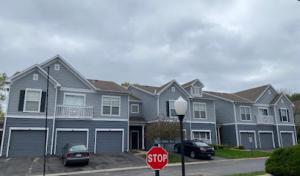
In this part of the metro, pitched roofs dominate, but attached low-slope sections over porches, additions, and some multifamily or mixed-use structures still shape the reliable protection of your home. These areas require different drainage and membrane detailing to handle the spring storm cycle, where wind-driven rain and standing water can exploit transitions where low-slope roofs meet walls or steeper roof planes. Because they sit at the edges of taller sections, these roofs often bear the first brunt of hail and wind. In Grandview, neglecting these details can lead to slow leaks that show up after a heavy storm.
Focus on ensuring proper slope and clear drainage for any attached or low-slope section. Check that all drains, scuppers, and leader pipes stay free of debris year-round, especially after wind events that push leaves and shingle grit toward connectors. The edge detailing where a low-slope section meets a wall or a steeper roof edge demands careful flashing and a continuous membrane. Inspect for blisters, cracks, and edge curl, which are telltale signs that wind pressure found a weak point. When you see areas where water tends to pond, plan for additional drainage or a slight adjustment in slope to route water away from seams and penetrations.
Transitions between low-slope areas and steeper roofs are common failure points. Inspect every joint where the membrane turns a corner or meets a vertical wall, paying close attention to fastener patterns, sealant longevity, and the condition of counterflashing. Vent penetrations, skylights, and exhausts on these sections require double-checking sealant integrity and flashing. Because these spaces are often overlooked in routine storm checks, set a biannual habit of walking these roofs after hail events or heavy rains to catch leaks early. If moisture appears on ceilings or walls near these connections, investigate before interior damage broadens.
After winter thaws and spring storms, walk the porch and addition roofs with a flashlight, looking for surface cracks, lifted membranes, or grit at seams. Use binoculars from ground level to spot irregular edge lines that hint at underlying movement. Keep an eye on any discoloration or staining along the wall transitions, which may indicate a slow intrusion. If a storm hits hard, arrange a targeted inspection of these attached areas first, since they often signal trouble that progresses inward before larger sections show obvious damage.
Find specialists in TPO, EPDM, and built-up flat roofing systems for residential and commercial properties.
Henry Construction
(816) 214-5866 henryconstruction.net
3605 Main St, Grandview, Missouri
4.3 from 7 reviews
In a storm-driven market like Grandview, warranty clarity matters because many homeowners are replacing roofs after insurance events rather than on a long planned schedule. That reality can cloud how different layers of coverage interact after a hail or wind event. The distinction between workmanship coverage and material coverage matters more here, where cleanup speed often drives decisions. If a contractor promises only "labor" coverage, question whether the manufacturer's material warranty still applies if a product is installed quickly or with less attention to detail.
The local reroof market's emphasis on speed and cleanup means Grandview homeowners should pay close attention to how workmanship coverage differs from manufacturer material coverage. Manufacturer warranties typically cover defects in the shingles or panels themselves, independent of who installed them. Workmanship warranties cover the installer's labor, flashing, and sealant work, but those protections can be limited if the job is rushed or lacks documentation. When a storm claim closes quickly, verify exactly what is included, for how long, and what conditions void coverage.
Because city inspections review flashing, ventilation, and penetrations, warranty disputes in Grandview often turn on whether these installation details were handled correctly during the reroof. A clean attic good for ventilation, properly sealed penetrations around chimneys and vents, and correctly flashed valleys aren't just code items-they're warranty linchpins. When discussing timelines with a contractor, insist on a written checklist showing these components were addressed to the letter, and request copies of inspection notes tied to the installation.
Solar-integrated roofing is a niche here, so you'll want to plan replacement timing before any panel work starts. Grandview experiences spring hail and wind events that can accelerate roof wear, and these storms often come with a push to replace quickly. If you're considering solar, align the roof replacement schedule with the solar project so the panel installation doesn't compel a later rework of penetrations or flashings. This reduces the risk of labor overlaps and ensures the roof surface is solid and weather-tight before any mounting hardware goes up.
Age and exposure history matter when deciding whether to reroof prior to solar components. If the roof shows widespread granule loss, curling shingles, or recurrent hail dents, a reroof before panel work minimizes the chance of later failures under mounting tracks. In a hail-prone climate, the roof's ability to shed water and resist wind-driven uplift is crucial for how the solar system performs long-term. A roof that has endured several seasons of severe weather should be evaluated with that history in mind before any fenestration or hardware is added.
Penetration detailing is especially critical locally because inspections already focus on roof penetrations and flashing quality. Ensure all flashing around vents, chimneys, and edges is robust and properly integrated with the new roofing and the solar racking. The solar mounts should sit on solid, watertight seams, and any skylight or vent flashings should be re-sealed or replaced as part of the project. Pay attention to step flashing along transitions and to the integrity of the drip edge and fascia, since a small fault here can become a leak path after a hail event or high-wind day.
Start with a comprehensive roof assessment that notes hail impact, shingle condition, and flashing integrity. Coordinate timelines between the roofing contractor and solar installer, confirming that penetrations and flashings are addressed in a single, cohesive plan. Request a written sequence that covers roof replacement first, then panel mounting, to ensure a clean, watertight transition. Finally, insist on a detailed inspection checklist post-installation so that any storm-related vulnerabilities are caught early and addressed promptly.
Find contractors who integrate solar panels or solar shingles into your roof for long-term energy savings.