
Last updated: Apr 19, 2026
This area sits in the Kansas City metro storm corridor, where spring hail and severe thunderstorms regularly drive concentrated roof damage and sudden surges in replacement demand. When hail launches, shingles crack, granules wash away, and gutters clog with dented debris. A quick assessment after a storm is essential: if a roof looks intact from the ground but shows dented flashing, bruised shingles, or lifted edges, don't assume you're fine. In Blue Springs, that latent damage often hides under the surface until heat and sun reveal curled edges or leaking.
Local replacement timing is often pushed toward spring and fall because summers are hot and humid while winter freezes and snow can interrupt tear-off, sealing, and material handling. Waiting out a storm to avoid disruption can backfire if leaks start or damage progresses during summer heat or autumn storms. If a major hail event hits, don't let the schedule drift. The window for efficient tear-off and best material handling can close quickly as the calendar advances, and insurers expect timely action to document storm impact.
Missouri carriers in this market commonly ask for roof age records, photos, and on-site adjuster review after hail or wind events, making early documentation especially important for homeowners. Start gathering obvious evidence the moment waters recede: date-stamped photos of hail impacts on shingles, flashing, and gutters; photos of skylights, vents, and chimneys showing dings or punctures; and a simple diary noting leak symptoms or attic condensation after rain. If a contractor can accompany you for a rapid inspection, that on-site review often becomes the backbone of the claim package, reducing back-and-forth with the insurer.
Act quickly to catalog the roof's condition before rains wash away telltale marks or before saturated attic spaces reveal hidden damage. Photograph from multiple angles, including close-ups of granule loss and any lifting around edges. Record the date, location, and event details. If leaks appear, contain the damage temporarily with tarps or buckets, but avoid delaying a professional assessment-insurance adjusters value a documented, proactive approach. When contacting an insurer, reference the event's timing, the likelihood of hidden damage behind vents or in valleys, and your intent to pursue a full replacement if warranted by the adjuster's findings.
Blue Springs homeowners should expect a typical sequence: the insurer assigns an adjuster, often requesting a site visit and a review of prior roof condition. An on-site adjuster review is common after hail events, so having clear, dated documentation speeds the process. A reputable local contractor can provide a detailed damage report, including photos, material types, and a proposed scope of work. In practice, a coordinated effort-homeowner with photos, contractor's damage assessment, and adjuster findings-shortens the path from claim to replacement. Don't sign a scope or permit before the adjuster's review, and ensure the contractor's plan aligns with the insurer's approvals for material and method.
In the aftermath, anticipate a surge in requests for replacements, particularly when multiple homes in a neighborhood are hit. Timing your project to fit the insurer's approved scope and the crew's availability matters. If the roof needs tear-off, scheduling a dry, wind-free period for the work reduces the risk of weather-induced delays. In hot, humid summers, crews should prioritize shade-friendly hours and efficient material handling to avoid premature material degradation. When storm-impacted neighborhoods cluster, establish a realistic schedule with the contractor that accommodates potential hold times for permits, material orders, and weather windows, while maintaining urgency so leaks and wind-driven damage don't compound.
Be wary of delays caused by vague estimates, unclear scopes, or contractors who push rapid "soft" inspections without written documentation. If the adjuster's report identifies disputed areas or questions about roof age, request a supplemental review rather than accepting ambiguous conclusions. In this climate, a proactive homeowner who secures early, precise documentation and coordinates a local, reputable contractor tends to secure faster approvals and a smoother replacement process.
The cost landscape for roofing after storms in this part of the metro is very weather-driven. You'll see price shifts when hail events hit the Kansas City area, because demand spikes not just here, but across Jackson County and nearby suburbs at the same time. For homeowners, that means planning for a temporary bump in material and labor quotes if storm season coincides with a busy roofing market.
Typical costs by material in this market remain within clear ranges, but the exact numbers can drift after a major hail event. Asphalt shingles generally run about $350 to $700 per square, depending on the local contractor's material package and the percieved risk of future hail impact on the roof's overall life. Metal roofing sits higher, typically $900 to $1500 per square, reflecting the longer life and more complex installation considerations that become more common after hail damage calls surge. Clay tile can push toward $1000 to $2000 per square, and concrete tile commonly falls in the $800 to $1500 range per square. Wood shingles or shakes usually come in around $600 to $1000 per square, with synthetic or composite roofing in the $600 to $1200 range. These ranges align with the typical Blue Springs housing stock, where many homes feature pitched roofs and varied roof-line complexity.
After major Kansas City metro hail events, pricing can rise as reroof demand spikes across Jackson County and nearby suburbs concurrently. This isn't just about material costs; crews may be juggling multiple high-damage projects, and the wait for available crews or staging equipment can extend project timelines and influence bids. In practical terms, if a hailstorm hits hard and you're facing a full roof replacement, expect contractors to present a tighter window on scheduling, and be prepared for some variation between quoted numbers versus final invoices, particularly if upgrades or enhanced underlayment are recommended to meet the condition of the roof deck or attic ventilation needs.
Local roof profiles also matter. Costs in Blue Springs are affected by permit requirements, inspection-driven corrections, ventilation upgrades, and the steeper residential roof forms common in suburban single-family neighborhoods. Steeper slopes, more complex bone structure in the roof, and larger eave-to-peak spans translate into additional labor hours and material waste, all of which can nudge final prices upward. If the attic needs retrofitting for better ventilation or if existing decking shows moisture damage from storm exposure, those factors add to the overall project scope and price. In contrast, a simpler, uniform roof with standard decking can stay closer to the lower end of the ranges, provided weather windows allow steady progress.
For plan changes after a storm, you'll often see adjustments tied to the sequence of repairs and the condition of flashing, vent boots, and other penetrations. Damage from hail can force more frequent inspections and a more detailed scope of work, which in turn can influence the bid structure and delivery timeline. When budgeting, set aside a contingency for potential price shifts tied to storm-driven demand, especially if the hail event occurred during peak home-renovation season. This preparedness helps keep the project on track without surprising budget overruns once a contractor starts the tear-off and replacement phase.
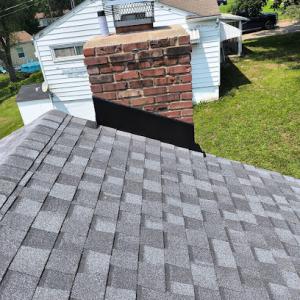
Pro Roofers
(816) 499-2676 proroofersllc.com
202 SW 10 St, Blue Springs, Missouri
5.0 from 444 reviews
Pro Roofers – Trusted Roofing Experts You Can Count On At Pro Roofers, your satisfaction is our top priority. We’re a locally trusted roofing company dedicated to delivering high-quality roof repairs, roof replacements, and roof installations for both residential and commercial properties. Our open communication, honest estimates, and reliable service set us apart as one of the most dependable roofing contractors in the area. We take pride in our craftsmanship and stand behind every project with confidence. Whether you need a minor roof repair, a full roof replacement, or a roof inspection after a storm, you can count on Pro Roofers for professional results, exceptional service, and lasting protection for your home or business
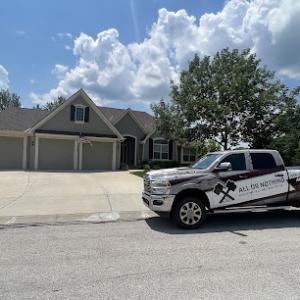
All or Nothing Roofing
(816) 866-6206 allornothingroofing.com
1701 US-40 Suite 207, Blue Springs, Missouri
4.9 from 153 reviews
Protect your largest investment with our reliable roofing services. We are a locally operated roofing company currently serving Kansas City, MO, Des Moines, IA, Omaha, NE and surrounding communities. If you want to make your roof last as long as possible, it is vital that you never put off a roof repair. Small issues with roofing become big issues in a hurry. No matter how major or minor the repair you need, we are here to help. We offer roofing services, gutters installation, and siding installation.
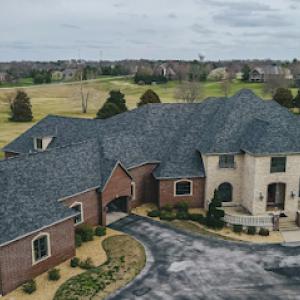
Kingdom Krafters
(816) 451-5999 www.kingdomkrafters.com
3420 NW Duncan Rd Unit 5, Blue Springs, Missouri
4.9 from 205 reviews
In the heart of Kingdom Krafters lies a vision far greater than the mere act of remodeling homes. We see every nail driven, and every space transformed as an opportunity to touch lives and create lasting change. We are more than a remodeling company; we are a catalyst for transformation. Our commitment extends beyond the confines of individual projects. With each project, we pledge to invest back into our greatest assets - our people and the communities that shaped them. At Kingdom Krafters, we're not just laying shingles and nails; we're laying the foundation for brighter futures, stronger families, and resilient communities. Join us as we turn construction into a conduit for hope, progress, and transformative growth.
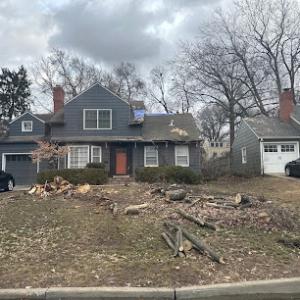
Weather Tech Renovations
(816) 988-8957 www.wtrenovations.com
3008 US-40, Blue Springs, Missouri
4.9 from 118 reviews
Over time, the exterior of your home or business can begin showing its age. Don’t let your property become an eyesore. Make it the envy of all of your neighbors with custom roofing, siding and window services from Weather Tech Renovations Our pros deliver quality workmanship and expertise to solve all your residential or commercial roofing and exterior needs at a fair price while keeping your everyday business on track. Weather Tech Renovations has touched tens of thousands of roofs, ranging from steep slope and flat roof, residential and multi-family, to commercial. We have a passion for perfection. Trust Weather Tech Renovations!

Apple Roofing
2209 US-40, Blue Springs, Missouri
4.7 from 427 reviews
Apple Roofing provides roof repair and replacement services for homeowners, commercial businesses, and home builders throughout the greater Kansas City, MO area. We handle every roofing project as if it were our own property. At Apple Roofing, we are committed to providing you a comprehensive inspection and project plan that fit their specific needs - including working with your insurance company if needed - work with industry-leading professionals, and receive high-quality products built to last. Our goal is to make roofing a "sweeter experience" for all, and we're committed to do whatever it takes to achieve that goal. Contact us today for a roof replacement or repair quote including gutters, siding, and windows in Blue Springs, MO.
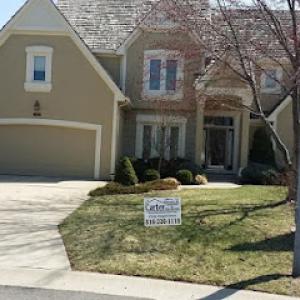
Carter Construction & Claims Specialist
(816) 220-1115 carterconstructionkc.com
5225 US-40, Blue Springs, Missouri
5.0 from 25 reviews
Our knowledgeable staff of construction professionals have traveled nationwide working with every insurance carrier. Our ability to communicate effectively with insurance companies during the claims process is our strength. Quality roof installation by certified professionals allows us to guarantee our work 100%.
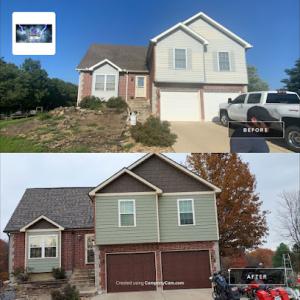
Raynestorm
(816) 443-3082 www.raynestormco.com
1600 US-40 Suite 101, Blue Springs, Missouri
4.8 from 68 reviews
Rayne-Storm, LLC is a leading roofing & remodeling contractor based in Blue Springs, MO. We serve the entire Kansas City metro area. With more than 30 years of roofing experience, we should be the first choice for roof installation, repairs, and maintenance. In addition to roofing, our blue springs contractors also provide a variety of additional services, including: Storm damage & fire restoration | Residential Roofing | Commercial Roofing | Siding & windows | Decks | Remodeling. Raynestorm is a General contractor here in Blue Springs. We have worked with the Extreme Home Makeover Team in the KC metro. We consistently train in new product installation procedures, safety measures, and rules and regulations. We strive for excellence.
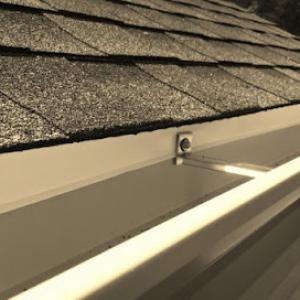
Norton Construction roofing, gutters, siding, windows & stucco
(816) 678-6947 www.nccroofing.com
3418 NW Duncan Rd suite 27, Blue Springs, Missouri
5.0 from 21 reviews
Norton Construction Consulting is committed to excellence in every aspect of our business. We uphold a standard of integrity bound by fairness, honesty and personal responsibility. Our distinction is the quality of service we bring to our customers. Accurate knowledge of our trade combined with ability is what makes us true professionals. Above all, we are watchful of our customers interests, and make their concerns the basis of our business.
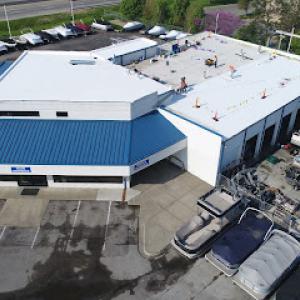
CCR Roofing Services
(816) 524-7475 ccrroofingservices.com
2200 NW S Outer Rd, Blue Springs, Missouri
4.7 from 41 reviews
As a premier company specializing in residential and commercial roofing services, we are dedicated to providing customer service that is second to none. Whether you have a new construction project or need to replace an old or damaged roof, we offer roofing repair and replacement services.
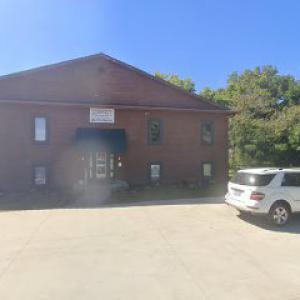
Andes Industries
(816) 815-0269 www.andesindustries.net
708 NW R D Mize Rd Suite J, Blue Springs, Missouri
5.0 from 14 reviews
Andes Industries is a leading roofing company dedicated to providing exceptional roofing solutions for residential and commercial properties. With years of experience and a team of skilled professionals, we deliver high-quality craftsmanship and reliable services to ensure your roof remains strong, secure, and beautiful.
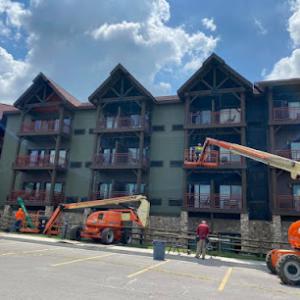
KC Quality Exteriors
(816) 585-2773 www.kcqualityexteriors.com
708 NW R D Mize Rd, Blue Springs, Missouri
4.6 from 36 reviews
KC Quality Exteriors, LLC provides siding, roofing, gutter, and window services to the Kansas City, MO metro area.
Prescott & Sons Roofing
(816) 739-0918 www.facebook.com
501 NW 5th St STE 100, Blue Springs, Missouri
3.7 from 6 reviews
Prescott & Sons Roofing is a family owned and operated Hometown Roofing Company. We originated in Pleasant Hill, MO and serve all surrounding areas. Our office location is right in the heart of Blue Springs, MO
The permit process in this city is not a mere formality. Blue Springs requires a building permit for most roof replacement projects rather than treating reroofing as informal maintenance work. That means you should expect the project to move through the city's review path, not just happen on a handshake. The contractor is expected to pull the permit in Blue Springs, which gives homeowners a simple way to verify whether the job is being handled through the city process. Ask your contractor for the permit number and check the city's permit portal or call the building division to confirm status. If a permit isn't visible, pause and ask for clarification before any shingles fly. This step isn't a nuisance-it's your best protection against a later insurance or code-compliance headache.
City inspections are performed during construction and again at final. During the build, inspectors will look closely at underlayment, nail patterns, ventilation, and overall code compliance. Underlayment needs to lay flat and cover joints adequately to resist spring moisture and hail impacts; improper overlap or gaps become trouble once heat and humidity set in. Nail patterns matter for wind resistance, especially in this area where spring storms can bring gusty conditions. Ventilation must be adequate to prevent attic heat buildup that accelerates shingle deterioration and potential mildew in the summer. If inspection items are missing or out of spec, you'll face rework or re-inspection fees, and that drags out your project window.
The final inspection is your moment to have confidence the reroof was done to code. The inspector will verify that all systems are in place and functioning as intended: ventilation continues to perform, fasteners are correctly placed, and the overall installation adheres to local building code requirements. Keep a copy of the final inspection report and any notes from the inspector. This documentation helps when filing an insurance claim or talking through post-storm repairs, since it proves the upgrade met city standards. If your roofer cannot produce the required final documentation, you risk delays or claims of non-compliance that are hard to clear up after the fact. Remember, permits and inspections aren't red tape-they're a concrete record that the repair stands up to our climate, hail exposure, and the metro's permitting expectations.
Asphalt shingles dominate Blue Springs reroofing because they fit the area's suburban housing stock and are the most common replacement choice after hail and wind losses. They strike a practical balance between cost, install speed, and repairability for storm-driven wear. In spring hail events, asphalt shingles often absorb impact mass and shed granules with less risk of immediate major structural damage, making them a predictable option for homeowners who want to restore weather protection quickly. When choosing asphalt, focus on higher-nail or impact-resistant variants, and ensure the installation includes proper attic ventilation and underlayment to help the roof handle blistering heat in the hot-humid summers. A well-sealed ridge line and accurate shingle alignment matter, especially after spring storms that push wind-driven debris across neighborhood streets. In areas with frequent weather swings, discussing ultraviolet exposure and warranty coverage with the installer can translate to longer service life and better post-storm confidence.
Metal roofing has a meaningful niche in Blue Springs, reflecting local contractor specialization and homeowner interest in durability against repeated storm exposure. Metal systems respond well to rapid temperature changes common after spring hail and during fall winds, and they often resist denting when installed with proper panel profiles and impact-resistant coatings. For homes with existing overhangs or older framing, verify that the structure can carry the added weight and that sealing around penetrations is meticulous to prevent ice dam-related leaks in winter. A metal roof can also reduce ongoing maintenance needs, which appeals to households juggling storm response and busy schedules. Seek local installers who understand how metal panels integrate with drip edges, gutters, and chimney detailing to minimize wind-driven leaks during Missouri storm seasons.
Tile, wood shake, and synthetic systems exist in the market but require closer attention to structural load, impact resistance, and maintenance because Blue Springs cycles through hail, summer humidity, fall wind, and winter freeze conditions. Clay and concrete tiles bring excellent durability but demand a solid, reinforced roof deck and precise installation to avoid cracking under hail impact or freeze-thaw cycles. Wood shakes offer a rustic appearance but can be vulnerable to moisture and insect pressure if not properly treated and maintained, and they may demand more regular inspections after hail events. Synthetic systems provide a balance of weight and resilience, yet still benefit from a tight installation and periodic checks for seams and fasteners. In all cases, evaluate warranty terms, local exposure to hail densities, and how closely the system can tolerate temperature swings while maintaining a watertight envelope.
Blue Springs sits in a high-claim Missouri market where hail and wind losses in the Kansas City metro make insurers more attentive to roof age and condition. That vigilance means the moment severe weather hits, adjusters may scrutinize whether aging shingles, granule loss, or previous repairs could affect performance. If a claim comes in for storm damage, the insurer may reassess whether replacement is needed to restore full protection, rather than simply patching a failing section.
Some carriers serving this region may restrict coverage on older roofs or require replacement after documented storm damage to continue or restore full coverage. In practice, that means having a solid paper trail can determine whether a repair suffices or a full roof replacement becomes the practical outcome. Homeowners are wise to keep date-stamped photos, prior inspection reports, permit records, and repair invoices because adjusters commonly request documentation after severe weather. A well-organized file can shorten the process and reduce second-guessing on what qualifies as durable, code-compliant work.
Start collecting and organizing photos from different angles-roof peak, hips, valleys, and any damaged flashing or gutters. If you've had prior maintenance or inspections, place those reports in the file with dates clearly marked. After a hail event, avoid immediate DIY "quick fixes" that look temporary; adjusters will note curing or patching that could mask underlying damage. When you hire a contractor for an inspection, request a written assessment that highlights shingle lift, granule loss, edge damage, and any deck or fascia concerns. Finally, maintain a steady record of repairs and upgrades, because those details travel with a claim and influence how coverage is applied and whether replacement is pursued.
Connect with contractors who help homeowners navigate the claims process from damage assessment to final approval.
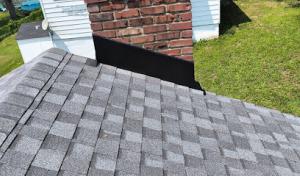
Pro Roofers
(816) 499-2676 proroofersllc.com
202 SW 10 St, Blue Springs, Missouri
5.0 from 444 reviews
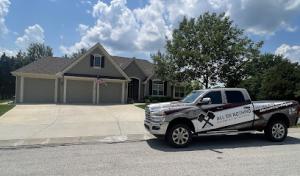
All or Nothing Roofing
(816) 866-6206 allornothingroofing.com
1701 US-40 Suite 207, Blue Springs, Missouri
4.9 from 153 reviews
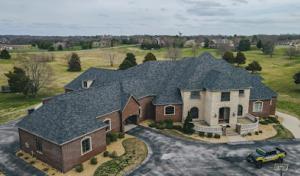
Kingdom Krafters
(816) 451-5999 www.kingdomkrafters.com
3420 NW Duncan Rd Unit 5, Blue Springs, Missouri
4.9 from 205 reviews
In Blue Springs, emergency leak calls often cluster right after spring thunderstorms and hail when many homes in the same subdivision are hit at once. That surge can overwhelm local roofers and insurers, so act fast. If you see active dripping, bubbling attic insulation, or ceiling stains spreading from a single rafter bay, treat it as urgent. Delay invites interior damage from humidity that climbs quickly once warm days return.
Fast temporary protection matters locally because humid summer conditions can accelerate interior moisture problems after roof openings or wind-lifted shingles. Cover exposed areas with heavy-duty tarps, stacked plywood, or weather-rated boards tied down firmly. Don't rely on plastic sheeting alone in a hail event; wind can tear it off and leave your attic exposed. If the weather window looks uncertain, secure tarps above the roofline on a ladder or with professional help to prevent wind-driven collapse of the temporary shield.
Blue Springs homeowners should photograph active leaks, attic staining, displaced shingles, dented metal accessories, and any emergency tarping before permanent repairs begin. Clear, timestamped photos streamline insurance review and help contractors prioritize the most urgent repairs. Keep a simple leak diary: note when rain returns, where stains expand, and any sounds of wind-driven hail against metal edges. That record supports faster, safer re-roofing decisions and minimizes surprises once crews are on site.
When you can't wait, these contractors offer fast response times to stop leaks and prevent further damage.
All or Nothing Roofing
(816) 866-6206 allornothingroofing.com
1701 US-40 Suite 207, Blue Springs, Missouri
4.9 from 153 reviews
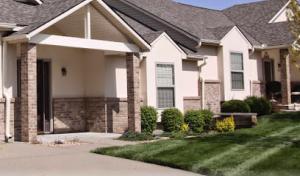
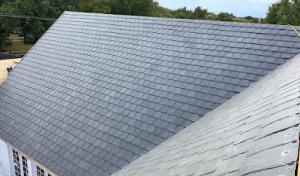
In this area, the inspection emphasis on underlayment and ventilation makes detail work around penetrations especially important during reroof projects. When the roof is opened, check the underlayment for hail punctures, tears, and wrinkling, not just the visible shingles. Ventilation paths should be evaluated at each vent pipe, attic dormer, and gable vent to prevent moisture buildup that can worsen leaks after a storm. Pay close attention to the attic air barrier where it meets the roof deck, as gaps here invite condensation and freeze-staw stress.
Local contractor signals show recurring homeowner demand for skylight and chimney-related roof work rather than roof covering replacement alone. If a skylight is present, inspect the curb flashing and sealant bed for wind-driven rain intrusion, especially after spring squalls. Chimneys and their step and counter-flashing are frequent failure points; even small gaps can funnel water down into the brick veneer and interior ceilings. Plan for flashing reinforcement and resealing rather than assuming the shingles alone will fix it.
Freeze-thaw cycles in winter and wind-driven spring rain can expose weak flashing transitions around skylights, chimneys, and similar roof details. After a severe storm, start with a careful walk-around to identify loose shingles, lifted flashing, or dented gutters that redirect water toward penetrations. In Blue Springs, edge flashing and kickout flashing at low corners deserve attention to prevent water from tracking behind the fascia. For any suspected leak, document the affected areas with photos and note storm dates to guide timely repairs.
Find contractors experienced in skylight installation, flashing, and leak repairs to bring natural light into your home.
Weather Tech Renovations
(816) 988-8957 www.wtrenovations.com
3008 US-40, Blue Springs, Missouri
4.9 from 118 reviews
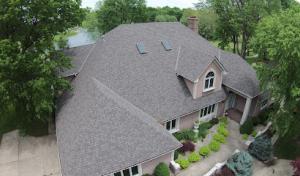
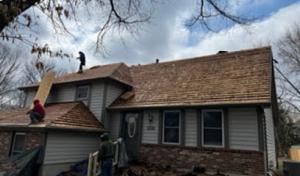
Flat and low-slope roofing is not the dominant residential system in this area, but local contractor activity shows a real niche for these roofs on additions, porches, garages, and some commercial properties. The combination of hot, humid summers and spring hail translates into more aggressive thermal cycling and moisture exposure for membranes, which can reveal itself first as edge wear, seam issues, or blistering after a heavy storm. For homes with a main steep-slope roof and a low-slope appendix, the tendency is to treat the two as a system rather than independent pieces.
Blue Springs summer heat and humidity can stress low-slope membranes and make drainage and ponding issues more noticeable after heavy storms. Pay attention to standing water that lingers more than 48 hours after a rain, especially on porches or overhangs connected to the main roof. Poor drainage accelerates membrane degradation and can magnify hail impact effects by allowing water to wick under seams when a surface is still warm from midday sun. Regularly check scuppers, downspouts, and drip edges for debris that slows water relocation, and confirm that the slope remains adequate to shed water toward designed outlets.
Because inspectors review underlayment and code compliance, transitions between steep-slope main roofs and low-slope sections deserve extra scrutiny during replacement. The most vulnerable spots are where a low-slope extension meets a vertical wall or a changing plane. Look for mismatched flashing, improper step and counter-flashing, or gaps at the interface that can trap water or allow wind-driven leaks. When replacing, ensure the transition is treated as a unified assembly, with continuous guidance from a membrane manufacturer and proper seam protection at the edge where the two systems meet.
In this climate, proactive inspection after spring hail helps catch damage before it migrates to the rest of the roof. Annual checks should include edge warrants, seam elevated areas, and any blisters or punctures on the low-slope surface. Use a ladder with stable footing and a dry day for closer examination, and consider a professional inspection after major hail events to verify membrane integrity, fastener security, and flashing performance around the transitions. Staying on top of these trouble spots reduces the chance of moisture intrusion and extends the life of the roof system overall.
Find specialists in TPO, EPDM, and built-up flat roofing systems for residential and commercial properties.
Weather Tech Renovations
(816) 988-8957 www.wtrenovations.com
3008 US-40, Blue Springs, Missouri
4.9 from 118 reviews
Raynestorm
(816) 443-3082 www.raynestormco.com
1600 US-40 Suite 101, Blue Springs, Missouri
4.8 from 68 reviews
CCR Roofing Services
(816) 524-7475 ccrroofingservices.com
2200 NW S Outer Rd, Blue Springs, Missouri
4.7 from 41 reviews