Last updated: Apr 19, 2026
In this market, flat or very low-slope roof systems dominate attached rows and mixed-use buildings. The geometry of North Bergen's dense rows means many roofs run long and narrow, with parapet walls and party-wall interfaces. That configuration creates multiple potential leak paths at every penetrated detail-air vents, exhausts, skylights, drain lines, and gas lines-because each penetration becomes a joint between metal flashing, membrane, and vertical wall transitions. The risk isn't just from a single bad seal; it's from a cascade of small, interrelated detail areas that must allperform well under wind-driven rain and freeze-thaw cycles. When a leak starts, it usually propagates along the parapet or along the backside of a wall, finding the next low point in a tightly stitched roofscape. If a rear addition has been tied in, the transition often carries the most stress, with irregular flashings and crowded joints that are easy to overlook from the ground.
Access in this neighborhood is tight by design. Tear-offs, debris removal, and material delivery must navigate narrow alleys, gated passages, and closely spaced buildings. That means planning isn't optional-it's essential. Before a project begins, map out where dumpsters can legally land and where trucks can position to minimize street disruption. Scaffold or alley-access systems often become a requirement not just for safety but to keep neighboring units dry during a teardown. On a typical multi-unit retrofit, crews work in sections to avoid exposing too many tenants at once, which reduces wind-driven debris entering adjacent units. Expect periods when material sits on the roof edge awaiting a blocker or crane lift; coordinate with neighbors to prevent wind shifts from tossing debris onto a balcony or into a corridor.
Two categories stand out in this cityscape: penetrations and transitions. Penetrations through the deck-vents, plumbing stacks, cables-carry the risk of capillary moisture if the flashing isn't integrated with the membrane properly. Parapet walls, especially where coping details are aged or shifted, are a perennial source of water intrusion. Party-wall transitions can hide misalignments under flashing that's difficult to inspect from ground level. Tied-in rear additions add a layer of complexity: the roof line may slope differently, the membrane may need to bridge across a wider joint, and the limited access to the ridge or parapet makes comprehensive inspection harder. In practice, you'll find small weeps and micro-leaks that evolve into larger issues after a season of heavy winds or rapid temperature swings.
Adopt a targeted, detail-focused inspection routine. Start with a roof perimeter check for standing water and edge fasteners; flat roofs rely on effective drainage to prevent ponding, which accelerates membrane degradation. Inspect parapet joints at the top and along returns; look for loose coping caps and signs of capillary staining at masonry joints. When there are penetrations, verify that the flashing apron extends well under the membrane and lapped up the vertical wall with a robust sealant bead or hot-mopped detail, depending on the system in place. For transitions between roof sections or at party walls, assess whether a continuous waterproof layer is maintained beneath separate flashing schemes. In tight spaces, use mirror-assisted inspections or drone-assisted checks to catch areas that are not visible from the ground.
Begin with a detailed access plan that minimizes disruption to tenants and neighbors. Identify all potential staging zones for debris and materials, and confirm how long each section will be active before moving to the next. Prioritize high-risk detail areas: parapet-to-deck joints, penetrations, and transitions between roof zones. When scheduling tear-offs, time the work to coincide with favorable forecasts to reduce wind-related debris risk and to limit exposure of exposed deck surfaces. Ensure your contractor's crew has a clear method for sealing temporary openings between sections to maintain indoor comfort and prevent water intrusion during rain events. And finally, cultivate a routine for post-install inspection after the first freeze-thaw cycle, paying special attention to any newly sealed joints around penetrations and transitions.
The Hudson waterfront corridor brings a relentless wind-driven rain-load during coastal storms, and the exposed roofs along the Palisades bluff feel that punch first. In this setting, flashing edges, parapets, and roof-wall intersections become high-risk leak points even when a roof looks solid from the ground. Seasonal nor'easters, spring rain events, and winter snow/ice cycles repeatedly test sealants, joints, and valley connections. If a storm arrives with gusts, you may see water tracking along nail lines, pooling at low spots, or sudden damp spots that seed mold behind soffits and attic access. Immediate eyes-on-damage checks matter after every significant rain.
Flat and low-slope roofs in this market are particularly prone to fast leak escalation due to wind-driven spray and freeze-thaw cycles. Look for soft or bubbled asphalt in flat zones, curled or lifted flashing, and any rust along metal edging. Parapets can hide thin cracks where water finds its way inside wall cavities. Inside, beware of musty smells, dark staining along ceiling joints, and paint peeling near exterior walls. In these conditions, leaks often start as a slow seep that becomes a downpour during the next storm, so addressing even small signs quickly is crucial.
Emergency repair services are a common lifeline here because the same climate that creates recurring leaks also uncovers weaknesses in fasteners, sealants, and edge details. A professional who understands wind-driven patterns will prioritize secure flashing, dry-in of affected areas, and temporary protections that hold through the next front. The goal is to prevent interior damage, avoid warped decking, and stop the cascade of secondary issues-like mold, electrical hazards, or compromised insulation-that can follow a single heavy event.
After a storm, document water intrusion with timestamps and photos, then cover exposed areas with a heavy tarp if accessible without danger. Prioritize sealing around parapets and along roof-wall transitions with temporary membranes designed for wind resistance. When scheduling a visit, request a rapid assessment focusing on flashing continuity, edge fastener integrity, and any signs of moisture behind indoor ceilings. In a dense attached housing landscape, a contractor who can mobilize quickly and coordinate with adjacent units minimizes disruption and speeds a durable solution.
When you can't wait, these contractors offer fast response times to stop leaks and prevent further damage.
Superior Roofing Pros
(201) 875-7282 www.superiorroofingpros.com
Serving
5.0 from 91 reviews
Superior Roofing Pros is your top choice for all roofing needs, specializing in flat roof solutions and expert roofing services. As a trusted roofing contractor, we serve residential and commercial clients looking for reliable roof repair, replacement, and maintenance. Whether you need a roofer near you for emergency repairs, a flat roof specialist, or comprehensive roofing solutions, our team is dedicated to quality and durability. We use only the highest quality materials and ensure every project is completed with exceptional craftsmanship. Choose Superior Roofing Pros for dependable, professional roofing services that safeguard your property and enhance curb appeal.
Mega Pro Roofing
(973) 791-9008 megaproroofing.com
Serving
4.9 from 63 reviews
Mega Pro Roofing and Masonry deliver the finest commercial and residential roofing solutions. We are a reliable and trusted independent contracting firm located in northern New Jersey.
All Point Roofing & Chimney
(201) 496-1086 allpointroofingchimney.com
Serving
4.9 from 198 reviews
All Point Roofing & Chimney is your go-to expert for roofing, chimney, skylight and every home service need. Our skilled team is dedicated to providing top-quality repairs, replacements, and installations at competitive prices. Whether you need routine maintenance or a complete renovation, we have the experience and expertise to get the job done right. As a licensed, bonded, and insured company, we guarantee that every project meets the highest standards of safety and quality. We also provide 24/7 emergency home repair services, ensuring fast and reliable assistance when you need it most. Call today for a free estimate or immediate assistance!
Doda Brothers Roofing & Siding
(551) 866-7756 dodabrothers.com
Serving
5.0 from 127 reviews
Doda Brothers Construction is the best roofer in Bergen County, providing expert roofing services, including roof repair, roof replacement, and flat roof repair and replacement. We also specialize in skylight installation and gutter services to keep your home or business protected and looking its best. As a GAF-certified and BBB-accredited roofing company, we are dedicated to delivering top-quality craftsmanship and excellent customer service. Whether you need a roof replacement, a flat roof repair, or new gutters, we’re the best roofer near you to handle it all. Call Doda Brothers Construction today for a free roof inspection and experience why we’re the top choice for roofing in Bergen County and beyond!
Royal Roofing & Siding NYC
Serving
4.9 from 96 reviews
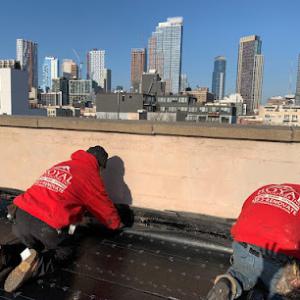
Royal Roofing & Siding NYC is Manhattan’s trusted roofing contractor, serving homeowners and businesses throughout Manhattan and the greater New York City area. Since 1988, our family-owned and operated, BBB Accredited, licensed and insured roofing professionals provide expert residential and commercial roofing services. We specialize in flat roof repairs tailored to dense urban properties, brownstone roof replacements, and EPDM, TPO, & SBS flat roofing systems. We also provide professional masonry, siding, and gutter services, as well as repairs to skylights, parapet walls, coping, and cornices. From condo skyscraper buildings to Manhattan townhomes, we do it all. We offer emergency services for urgent leaks and storm damage. Contact us.
Pro Line Construction
Serving
5.0 from 140 reviews
Proline Construction has been providing reliable Roofing, Siding, chimney, Masonry & Gutter repair, and construction services across New Jersey for many years. From project inception to completion, our team makes sure each project is completed on time and meets the client’s specific requirements. The Proline Construction team has an outstanding knowledge of relevant roofing, siding, chimney, masonry & gutter construction codes, and regulations. This means you don’t need to worry about compliance requirements. Our licensed contractors will take care of all the technical requirements of your project. We aim to deliver quality construction services to all our clients and build open and honest customer relationships.

AMERICAN Roof Repair & Replacement
(201) 254-9894 americanroofingprosnj.com
Serving
5.0 from 452 reviews
American Roofing NJ is a trusted roofing company dedicated to providing top-quality roofing solutions for homeowners and businesses across New Jersey. With years of experience and a commitment to excellence, we specialize in roof replacement, repair, and maintenance, ensuring your home or commercial property remains safe and secure in all weather conditions.
Independent Roof Repair & Chimney Home IMP
(201) 699-7258 independenthomesimprovement.com
Serving
5.0 from 54 reviews
We providing services roofing, chimney, gutters, siding, masonry
The GOAT Construction
(201) 973-0019 thegoatconstructionnj.com
Serving
5.0 from 72 reviews
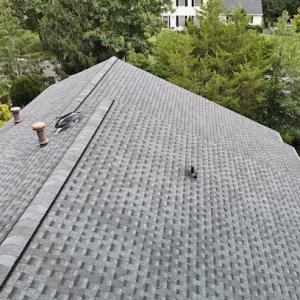
Your expert partner in exterior excellence. Specializing in siding, chimney restoration, and roof services, we deliver top-tier craftsmanship and unmatched reliability. From seamless siding installations to precise chimney repairs and comprehensive roof solutions, trust us to safeguard your property with meticulous care and enduring quality. Experience the difference with PrimeGuard Construction – where expertise meets excellence.
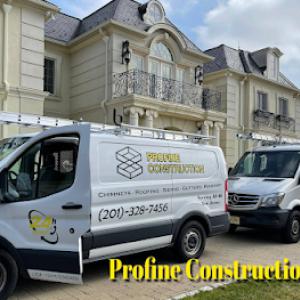
Profine Construction
(201) 328-7456 www.profineconstructionllc.com
Serving
5.0 from 51 reviews
Profine Construction is all-purpose contracting company, providing home repairs and home improvements for residents in Cliffside Park, and across New Jersey. 1. Roofing: Repairs, coatings & maintenance, installation & replacement. Shingle, metal, tile, and flat roofs 2. Masonry & Hardscapes: Chimneys, chimney repair, brick/stone work, retaining/block walls, walkways & pavers 3. Siding: Installation & repair, soffits, facsia, exterior trim, stucco, weather barriers 4. Custom Home Remodeling: Kitchen, Bathroom, Painting 5. Gutters: Installation, repair, protection systems 6. Outdoor Living: Decks, Porches, Patios, Pergolas, Gazebos 15 years in business. 200 reviews, 4.9 stars HomeAdvisor Top Rated ELITE Service Angi "Super Service" 2024
Vision Roofing & Chimney
(551) 234-5809 visionroofingnj.com
Serving
5.0 from 62 reviews
Roofing and chimney contractor North Jersey
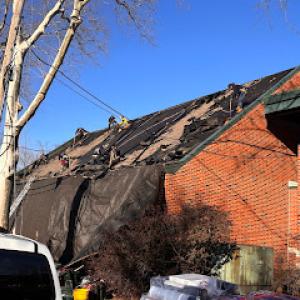
AG Pro Construction
Serving
5.0 from 40 reviews
At AG Pro Construction, we proudly serve homes and businesses across North and Central New Jersey — including Bergen, Essex, Union, Hudson, Passaic, and surrounding counties. Our experienced team specializes in roof repair, replacement, inspections, and emergency storm damage services. We work with all roof types including shingle, flat, and metal systems. Whether you’re in Hoboken, Teaneck, Union City, or Somerset County, we provide fast, reliable, and affordable roofing solutions. Fully licensed and insured. Call today for a free estimate and expert service you can trust .
Asphalt shingles sit on the lower end of the cost spectrum, with installed prices typically from about $350 to $700 per square. Copper roofing sits at the high end, often ranging from about $1,800 to $5,500 per square. In between, concrete tile generally runs from about $750 to $1,600 per square, clay tile from $900 to $2,100 per square, wood shingles or shakes from $1,000 to $2,200 per square, and slate from $1,400 to $3,800 per square. These figures reflect the realities of dense urban blocks, where delivery, staging, and protection of adjacent properties can add to the bottom line.
Material choice matters more here when structural capacity is a concern, because heavier systems like slate, clay tile, and concrete tile may not suit every older building without added framing review. In tight lot lines, delivering and maneuvering heavy bundles demands careful planning for access points, hoisting routes, and debris containment. If a home has limited attic space or a shallow rafters design, a lighter option like asphalt shingles or wood shakes may perform more reliably without additional structural work. For any heavier system, a structural assessment is prudent to avoid post-install surprises.
North Bergen costs are heavily affected by urban logistics such as limited driveway access, curbside loading, debris hauling, and labor needed to protect neighboring properties in tightly packed blocks. Scheduling around street cleaning or noise restrictions can compress or extend project timelines, influencing daily labor costs. Expect extra charges for short-term street closures or special equipment needed to bring materials to a roof through narrow corridors or interior stairwells. These factors can swing estimates by a notable margin even within the same material category.
Flat and low-slope roofs face wind-driven coastal storms and freeze-thaw stress, so durability matters as much as upfront cost. Asphalt shingles offer quick resilience at a lower price but may require more frequent maintenance in sun-baked blocks. Concrete and clay tiles deliver long life but demand heavier framing and precise installation to prevent wind uplift, especially on exposed elevations. Slate delivers longevity and a premium look but is often impractical for smaller or older homes without structural reinforcement. Copper roofs provide exceptional durability and a distinct aesthetic but bring premium pricing that reflects both material and install complexity.
If weight and access constraints are front and center, start with asphalt shingles as a baseline and compare the incremental cost of upgrading to a lighter, durable option like concrete or clay tile only after a structural review. For premium long-term performance, consider copper only if the budget accommodates not just the material but the added labor and logistics of a meticulous installation in a dense, access-challenged block.
A full roof replacement typically requires a building permit filed with the township Building Department. The permit packet usually includes project plans, a scope of work, and structural notes that demonstrate compliance with wind, fire, and energy codes. Plan to submit early in the process to align permit review with material selections and access constraints common to dense attached housing. Expect checks for ventilation, attic air pathways, and safe egress from the roof. Having your contractor participate in the plan review helps catch local code nuances before work begins.
Inspections are conducted during and after the roofing project to verify code compliance and ventilation requirements. A common sequence starts with an inspection of temporary protection and staging, followed by decking, underlayment, and ventilation checks, and ends with a final roof finish inspection. In North Bergen, inspections may focus on how the attic space is vented and whether soffit, ridge, and balanced ventilation meet current standards. Coordinate with the inspector to schedule around weather windows and to ensure access for ladders, roof hatches, and interior ceiling penetrations. Keeping a clear line of communication minimizes re-inspection delays.
Because many properties are attached or closely spaced, permit planning should account for site access, debris handling, and how work affects adjacent structures. Establish a staging area that doesn't block driveways or emergency egress, and arrange for debris containment that prevents debris from falling onto neighboring yards, sidewalks, or windows. If there are shared walls or party walls, discuss protection measures for adjacent units and coordinate with neighbors about temporary disturbances such as wind-driven debris or noises. A well-planned access route reduces risks to pedestrians and property in a dense neighborhood layout.
Adjacent structures can be sensitive to vibration, weather exposure, and material drops. Communicate timing expectations and access needs with nearby residents, especially if work requires scaffolding or crane-assisted material lifting. Ensure that flashing and edging near perpendicular walls are securely fastened to minimize wind uplift into narrow gaps between buildings. In the permit process, include notes on any temporary protections for skylights, windows, and siding at neighboring units so that inspections reflect practical protections that survive typical North Bergen storms.
Flat and low-slope roofs in this area demand careful attention to ventilation, drainage, and flashing details around parapets and roof-to-wall intersections. Ensure that the permit package documents a continuous underlayment strategy, proper taping of joints, and a reliable drainage plan to prevent standing water. Inspections will verify that the chosen ventilation approach integrates with the attic space and the overall moisture management strategy, which is crucial for durability in coastal inland conditions and freeze-thaw cycles.
New Jersey is a frequent roofing-claim environment after storm events, so homeowners should expect insurers to scrutinize roof age, maintenance history, and whether damage is sudden or long-term. In dense, attached housing along the Palisades bluff, a wind-driven coastal storm can expose flat and low-slope roofs to edge uplift, blown debris, and freeze-thaw cycles that reveal weaknesses gradually. Expect adjusters to question how well the roof showed signs of wear before the event and whether the damage aligns with a single burst of wind or a longer pattern of deterioration.
Adjusters may ask for photos, roof diagrams, and material specifications, which is especially important on buildings with additions, flat sections, or mixed roof types. Gather recent, date-stamped images of the roof from multiple angles, especially around any transitions between flat and sloped sections. If you've added vents, skylights, or dormers, have diagrams ready that show their locations and the underlying deck conditions. For North Bergen structures, a clear record of what was changed or repaired before the storm helps prove whether observed damage is new or a long-standing issue masked by landscaping, planters, or stacked parapets.
Coverage terms vary by insurer and policy type, so homeowners should verify actual replacement coverage before authorizing a full reroof after a storm. If the damage spans multiple roof sections or includes mixed materials, confirm whether the claim covers the entire surface or only the affected areas. Be prepared to discuss maintenance history-cleaning gutters, addressing minor leaks, and any prior patchwork-as insurers often weigh these factors when determining scope and eligibility. On buildings with flat sections or adjacent additions, clear evidence that the original structure remains sound can influence what is deemed recoverable under the patchwork versus full replacement approach.
Connect with contractors who help homeowners navigate the claims process from damage assessment to final approval.

Flat and low-slope roofs are common on attached homes and mixed-use buildings along the Palisades bluff, where wind-driven coastal storms and heavy precipitation test every sealant and drain. For these sections, the emphasis is on systems designed to shed standing water and transitions at parapets. Choose membranes and detailing that prioritize rapid water dispersal, robust flashing around edges, and well-integrated drain piping. In practice, that means pairing a durable continuous membrane with properly engineered terminations at penetrations and parapet transitions to minimize ponding and edge leaks.
Asphalt shingles remain the broadest-fit option for pitched sections, offering a practical balance of performance and repairability on dense urban lots. The key in this climate is ensuring a solid underlayment, continuous ventilation, and a vented attic approach where feasible. In older urban structures, verify that the roof deck is solidly fastened and that shingle overhangs and rake edges are protected from wind uplift. A well-sealed drip edge and properly flashed chimney or vent penetrations help prevent freeze-thaw damage during Northeast winters.
Clay tile, concrete tile, slate, wood shakes, and copper appear in the local material mix, but they are more selective choices because weight, detailing complexity, and repair matching can be challenging on older urban structures. If selecting tile or copper, confirm the structure can carry the load, and plan for accurate flashing, parapet transitions, and matching hardware. For wood shakes, expect a higher maintenance cadence and ensure adequate ventilation to prevent moisture-related shrinkage or rot in high-humidity periods.
Freeze-thaw cycles, humidity, and seasonal storms shorten the margin for poor flashing and ventilation details regardless of material. Insist on continuous ventilation paths, well-sealed joints, and drainage-aware designs. In tight urban lots, ensure parapet flashings are fully integrated with the roofing membrane and that any skylight or roof-access openings are gasketed and flashed to resist wind-driven water intrusion.
Chimney-related exterior work is unusually prominent in this market, which aligns with the older housing stock and common masonry penetrations found across the borough's neighborhoods. When inspecting or planning repairs, focus on the chimney base, flashing, and step flashing where the chimney meets the roof surface. Look for cracked or missing mortar, rusted or loose metal flashing, and any signs of bird or debris buildup that can trap moisture. On North Bergen roofs, penetrations often sit close to parapets or party walls, increasing the chance that leaks travel before they become visible indoors. If a stack sits near a parapet, reinforce both the chimney flashing and the parapet crickets or saddles to direct water away from internal corners. In replacement work, install a continuous flashing sleeve and ensure the counter-flashing overlaps the top edge of the chimney cap by at least a quarter inch to prevent wind-driven leaks from seeping down the joints.
Skylights are a meaningful specialty locally, making curb flashings and tie-ins an important inspection item during replacement or leak diagnosis. When examining skylight installations, check the curb height, sealant lines, and the condition of the curb flashing where it plants on the roof deck. In North Bergen's wind-prone settings, curb flashing must be fully integrated with overlapping shingles or roofing material to shed water laterally as well as vertically. Look for gaps at the flange, stalled sealant, or deteriorated boot seals around the skylight flange. If a skylight is set close to a parapet or along a party wall, there's an elevated risk of water tracking along the wall plane, so verify that tie-ins and drip edges extend several inches beyond the skylight perimeter.
On these roofs, penetrations often sit near parapets, party walls, or additions, increasing the chance that leaks travel before they become visible indoors. Inspect all penetrations-vent pipes, gas lines, and electrical conduits-for proper flashing and continuous sealant. Parapet coping should sit securely with no gaps that allow wind-driven rain to funnel downwards. For any retrofit work, ensure the area where additions meet the main roof receives a dedicated water-tight transition, with a continuous flashing height that clears the parapet edge and a properly caulked perimeter. Regular checks after heavy storms help catch slow leaks before drywall or insulation damage appears.
Find contractors experienced in skylight installation, flashing, and leak repairs to bring natural light into your home.