
Last updated: Apr 19, 2026
Teaneck's cold winters bring heavy snow and ice, then regular thaws that repeatedly bend and stress flashing, underlayment laps, and roof penetrations. Each freeze-thaw cycle can loosen sealants around chimneys and skylights, widen gaps where old underlayment separates, and push ice into vulnerable corners. The older Bergen County house stock common in this area often relies on mid-century or earlier flashing details that are not as forgiving as newer builds, so a single winter can reveal latent leaks that only show up after thawing or during a late-spring storm. In this climate, the roof is not just a surface; it's a network of seams, fasteners, and penetrations that must flex with temperature swings or reveal weaknesses quickly.
The most urgent trouble spots sit where water meets air barriers and where water stubs up against obstructions. Flashings around chimneys and dormers often corrode or lift with freeze-thaw cycles, and any laps in underlayment that run along eaves or vent piping can become water highways when the next series of thaws arrives. Skylight flanges and vent surrounds are frequent entry points because they are both prominent and highly exposed to temperature changes. In low-slope sections, where water sits longer, ice dam formation and slow drainage create concentrated pressure on seals and joints. If gutters are blocked or sagging, that forces water toward these vulnerable points instead of away from the roof edge.
When spring storms roll in, active roofing work often collides with driving rain and gusty winds. That combination means a dry-in needs to happen quickly to keep interior spaces dry while temporary tarps and sealants are arranged. The risk isn't just inconvenience; it's interior damage that can worsen during a late-season downpour. A reliable dry-in plan-durable temporary coverings, taped seams, and reinforced edge protection-can save thousands in collateral damage by preventing wind-driven rain from infiltrating under shingles at a time when the roof is already stressed from winter thaw cycles.
If a leak appears after a thaw or a storm, prioritize stopping the flow at its source. Tape or tarp exposed penetrations or damaged flashing until a professional arrives, then capture the area with a bucket and clear, safe access paths for roofers. Keep important rooms dry by moving furnishings away from the leak path and protecting ceilings with plastic sheeting. Document the damage with photos, focusing on penetrations, flashing seams, and any visible moisture traveling under shingles. Schedule same-day or next-day emergency service if sustained rain persists; in Teaneck, the fastest response often defines how much interior damage is avoided.
When calling a local roofer for urgent repair, ask about their capacity to perform a rapid dry-in, their experience with chimney and skylight penetrations, and their plan for securing vulnerable laps during thaw conditions. Confirm they have a protocol for storm-damage triage and a clear timeline for on-site assessment and temporary mitigation. Given the seasonality of storms, inquire whether crews can mobilize quickly after a weather event and what temporary measures they recommend today to protect the interior while a longer-term repair is scheduled.
Chimney-related roofing work is unusually prominent in this market, matching the older home profile common in Teaneck and increasing the importance of step flashing and counterflashing details. The four-season climate pushes moisture into every seam, and winters bring ice dams that can elevate leaks around chimney bases if flashing isn't correctly installed or maintained. Skylights are also a frequent source of service calls, with curb-mounted or flashed units serving as a focal point for leaks after heavy rains or freeze-thaw cycles. On older Bergen County homes, leak sources are often concentrated where masonry chimneys, skylights, and valleys intersect rather than across the open field of shingles.
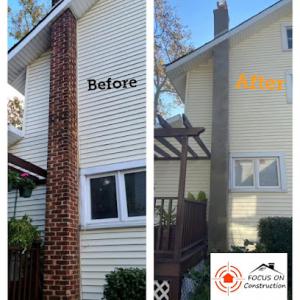
Start by inspecting the vertical mortar joints around the chimney; cracked or spalling mortar can funnel water straight into the flashing and cause ongoing seepage. Look at the transition where the brick or block meets the roof deck for gaps or separating counterflashing. Step flashing should continue up the slope in a clean, zigzag pattern so each course of shingles overlaps it properly. If you see loose, missing, or corroded flashing, plan for removal of the surrounding shingles and re-flashing with metal that extends several inches up behind the masonry cap and down over the shingles. Pay attention to any signs of ice buildup along the chimney chase in winter, which can pry flashing loose and widen existing gaps.
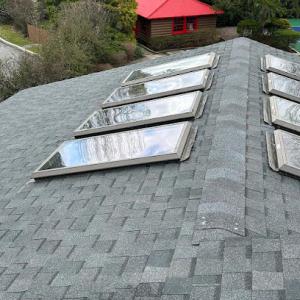
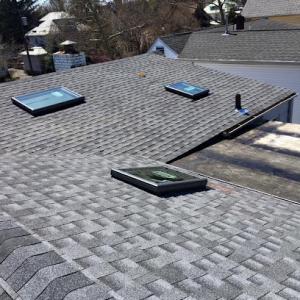
Skylight service is highly prevalent among local contractors, suggesting roof leaks around curb-mounted or flashed skylights are a recurring homeowner concern. Check the curb itself for loose fasteners and sealant deterioration where the curb meets the roofing membrane or shingles. The flashing around the skylight should layer beneath the shingles on the uphill side and overlap on the downhill side to shed water water consistently. If a skylight has a flat, decaying seal or a visibly cracked or missing bead of caulk, plan for resealing and re-flashing the perimeter. For curb-mounted units, ensure the flashing flange sits properly on the curb and the shingles terminate neatly against the curb with proper drip edge to prevent water from creeping under.
On older Bergen County homes, leak sources concentrate where masonry chimneys, skylights, and valleys intersect. Inspect the intersection points where chimney flashing meets valley flashing, as double-v flashing stacks are common trouble spots. If valley metal shows excessive oxidation, deformation, or a noticeable crease where shingles bow inward, replace the valley flashing with a properly lapped, corrosion-resistant metal and reseal with a compatible, flexible sealant. Where chimneys and skylights share a roof line, ensure both have independent flashing that overlaps appropriately to avoid a wiggle effect that lets water seep behind the flashing.
Seasonal checks should emphasize the chimney chase and skylight perimeter. Clean debris from around the flashing, check for signs of rust or corrosion on metal components, and test any sealant for hardness or cracking. In winter, remove any ice dams near these features promptly to reduce stress on flashing. If multiple failures appear at once-especially where flashing, curb, and valley intersect-consider a coordinated flashing retrofit by a qualified roofer who specializes in masonry and curb-mounted skylight work. Regular inspection after heavy storms helps catch small issues before they become pervasive leaks.
Find contractors experienced in skylight installation, flashing, and leak repairs to bring natural light into your home.


A practical roof in Teaneck balances the town's varied housing stock, the four-season climate, and the realities of older roofs with multiple penetrations. Asphalt shingles dominate for good reason: they are affordable, readily available, and easy to repair when chimney flashes or skylights demand attention. Yet the local mix includes metal, slate, wood shakes, clay tile, and concrete tile, reflecting a neighborhood that runs from standard Cape Cods to more unique, multi-pitched structures. When selecting a roof, consider not just style or curb appeal, but how the material behaves under freeze-thaw cycles, humidity, and seasonal storms that can surge along the Hudson Valley corridor.
In this area, attic ventilation is not a cosmetic add-on; it directly affects how long a roof lasts. Humid summers push moisture into attic spaces, and improper drying can lead to mold, rafters warping, or hidden ice dams in winter. Asphalt shingles respond well to improved ventilation when paired with a proper underlayment, but their performance hinges on the attic being kept dry. For wood shingles or shakes, ventilation becomes even more critical, as swelling and decay can occur if moisture is trapped. When heavier tiles-such as clay or concrete-are considered, ensure the roof deck and flashing allow for balanced airflow and a robust moisture barrier. The goal is a dry roof system that slows the movement of moisture between seasons, reducing the risk of interior leaks from minor flashing failures or degraded underlayment.
Winter snow and ice in this region place particular emphasis on flashing durability and underlayment quality. On older homes being re-covered or fully replaced, new flashing should extend at every penetration-chimneys, skylights, vents, and dormers-and be installed with enough overlap to shed ice and water toward the gutters rather than into vulnerable joints. The choice of underlayment matters most on steep-slope roofs encountered in a variety of Teaneck roof geometries; a high-quality synthetic or rubberized layer provides a reliable secondary barrier as snow loads shift and thaw cycles occur. Heavier tile or slate systems demand careful detailing around hips and valleys, where ice dams commonly form if drainage is uneven or flashing is compromised. The correct combination of deck prep, flashing detail, and underlayment compatibility helps prevent water intrusion that can mimic a storm-related failure long after a windy day.
A balanced approach often means matching the roof to the house design and the local climate. Asphalt shingles deliver dependable performance for many Teaneck homes, offering consistent weather sealing and straightforward repairs after hail or wind events. Metal roofs bring excellent longevity and wind resistance and can shed snow more predictably in some roof configurations. Slate and clay or concrete tiles excel on certain historic or stylistically appropriate houses but require attention to deck strength, fastener compatibility, and flashing transitions to handle freeze-thaw cycles. Wood shakes deliver a warm appearance but demand meticulous maintenance to prevent moisture-related issues in damp summers and cold winters. In this neighborhood, choosing a roof type is as much about the relationship to attic ventilation, flashing reliability, and moisture management as about the visible look from the street.
You'll notice a lot of flat or low-slope additions and porch coverings around town, and that specialization can be a double-edged sword. On older Bergen County homes, low-slope sections over rear extensions, porches, or mixed-use spaces get treated differently than steep-gabled sections. If a contractor treats a flat roof like a shallow incline, you'll see accelerated edge wear, failed seams, and more frequent maintenance needs. The work requires precise detailing at transitions, penetrations, and flashing, especially where a chimney, skylight, or HVAC curb intersects the surface.
In a climate with regular rainfall and winter freeze-thaw cycles, water that lingers on a low-slope roof becomes a bigger problem than on a simple pitched roof. Ponding creates additional weight, speeds blistering or membrane fatigue, and magnifies seam stress around skylights and parapet edges. Teaneck homes often have multiple penetrations that complicate waterproofing-each joint becomes a potential leak point once ice forms and expands. Edge flashing is frequently the first area to show signs of aging, and if water finds a path under the flashing, the resulting damage can travel along sheathing and into interior walls before an obvious leak is noticed.
Warm, humid summers slow down adhesive cures and can push installation windows into less-than-ideal weather patterns. Low-slope work demands careful sequencing: roof assemblies must lay out and cure in appropriate conditions to avoid seam failures or improper bonding. If crews rush to beat a heat spike or a rain chance, the result is small, cumulative setbacks-whether uneven seams, compromised drainage, or premature edge wear. Planning for a window with steady temperatures and dry lull periods helps protect the longevity of the installed system.
Prioritize thorough flashing detail around all penetrations, and ask about proven methods for managing ponding on similar low-slope surfaces. When planning additions or rear renovations, insist on a flat-roof specialist who demonstrates a careful sequencing approach that accounts for Teaneck's seasonal humidity and winter cycles. Ask for a written sequence plan that shows how edge details, seams, and corners will be treated through the first freeze and the first thaw of the year.
Find specialists in TPO, EPDM, and built-up flat roofing systems for residential and commercial properties.
Top Pro Roofing & Construction
(551) 248-2579 www.topproconstructionllc.com
Serving
4.5 from 139 reviews
In this area, the local cost landscape for a roof upgrade follows specific ranges: asphalt shingles run from 350 to 800 USD per square, metal from 800 to 1400, clay tile from 1000 to 1800, concrete tile from 900 to 1700, wood shingles or shakes from 450 to 900, and slate from 1200 to 2600. Those figures reflect Teaneck's mix of older homes and newer add-ons, plus the extra labor that steep slopes and tighter streets can demand. When planning, expect the upper end of a material's range if the roof is wide, complex, or heavily penetrated by chimneys or skylights.
Costs in Teaneck are often pushed up by older homes that need decking repairs around chimneys, skylights, and prior leak areas before new roofing can be installed. If decking shows rot or sag, the project timeline lengthens and the bill climbs, even before material selection. Expect an inspection to identify nail-up or deck issues that could require plywood replacement, fascia work, or underlayment reinforcement. These fixes matter most on homes with historic layouts and multiple penetrations.
Bergen County labor demand can influence pricing, and full replacements may require permits and scheduling windows that hinge on dry, calm days. Weather-driven disruptions after storms can push work into narrower time frames, sometimes compressing scheduling but raising the risk of weather-related delays. In practice, that means fewer available crews after a major Nor'easter and longer project clocks on days with heavy rain or freeze-thaw cycles, which Teaneck weather often presents.
When budgeting, start with the material you prefer and then add 10-20% for decking repairs if the inspection flags issues. Given the local ranges, plan for at least one seasoned chimney or skylight detail in most projects, which can add to flashing, sealant, and attic ventilation needs. Finally, consider the long-term value: a well-sealed, vented roof that addresses chronic freeze-thaw leaks will outperform a cheaper install that neglects penetrations and decking integrity.
Glover & Sons Roofing
(551) 218-4401 gloverandsonsroofing.com
110 Teaneck Rd suite 456, Teaneck, New Jersey
5.0 from 50 reviews
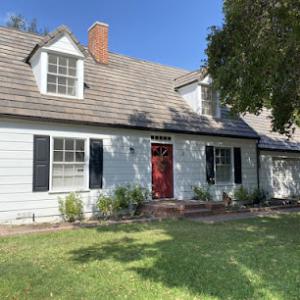
Glover & Sons Roofing delivers expert roofing services to homeowners and commercial clients throughout Teaneck, NJ. Our experienced team specializes in roof inspections, leak detection, shingle and tile repairs, full roof replacements, and preventative maintenance. We partner with trusted material suppliers and apply proven installation methods to ensure long-lasting, weather-resistant results. Whether you’re dealing with storm-related damage, aging roofing components, or planning a new installation, you’ll receive a clear assessment and transparent pricing. With prompt scheduling and a dedication to customer satisfaction, property owners in Teaneck trust Glover & Sons Roofing for professional, reliable roof care.

1Call Restore
(201) 875-2700 1callrestore.com
Serving
5.0 from 58 reviews
1Call Restore, is a team of dedicated, certified professional commercial roofing and exterior contractors servicing Northern and Central NJ, with over 33 years of industry experience and excellence. We specialize in the repair, maintenance and restoration of commercial, multi-family, industrial, institutional, church, synagogue and residential properties. We show our clients ways they can restore their property's exteriors, including but not limited to flat roofs, shingle roofs, slate roofs, tile roofs, stucco, masonry, brick, facades, siding, etc. We will meet with you to evaluate your situation and design a customized proposal to fit your budget. When working with 1Call Restore, you're partnering with industry experts who care!
Prestige Works Roofing & Siding
(201) 801-3616 prestigeworksroofing.com
Serving
4.9 from 337 reviews
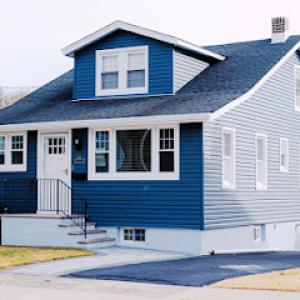
Prestige Works Roofing & Siding is a top roofing and siding company based in Hackensack, New Jersey. Licensed, insured, with a lifetime warranty and highly rated by their customers with over 250 5-Star reviews. We offer high-quality services for residential properties, including roof repairs, replacements, and installations, as well as siding repairs and installations. We offer 0% interest for 12 months and 100% financing options. Our experienced team is dedicated to providing exceptional craftsmanship and customer service, ensuring that your property is protected and looking its best. Contact us for all your roofing and siding needs.

UE Construction & Roofing
(551) 300-9611 www.ueconstruction.us
Serving
5.0 from 82 reviews
Welcome to UE Construction, your premier home improvement and roofing contractor in New Jersey. From roofing Ridgefield Park NJ and chimney repairs to deck construction and gutter maintenance, we're your one-stop solution for all your home enhancement needs. With a focus on quality craftsmanship and customer satisfaction, trust UE Construction to transform your house into the home of your dreams. Call us today for a Free Estimate!
ALL PRO Roofing & Chimney Roof Repair
Serving
5.0 from 104 reviews
All Pro Roofing and Chimney is your locally owned and operated Roofing Company in New Jersey, available now for 24/7 roof repair and Free Estimates. Our team of professionals is highly experienced and dedicated to providing exceptional services at affordable prices. We specialize in various services, including roofing, chimneys, gutters, siding, and masonry. Our team of professionals is available 24/7, ready to assist you in any way possible. Whether you need emergency repairs or scheduled maintenance, we are always available to help you. Our services are backed by years of experience and quality workmanship, ensuring that you receive the best possible service every time.

Elezi Construction NJ
(201) 989-3845 eleziconstructionnj.com
Serving
4.7 from 58 reviews
At Elezi Construction NJ, we take pride in offering comprehensive services as a trusted roofing contractor and general contractor in Hackensack, NJ, and surrounding areas. From chimney repairs to roof installations, our skilled team ensures your property remains protected and structurally sound. We are committed to delivering exceptional craftsmanship and reliable solutions tailored to your needs. When you choose Elezi Construction, you can trust us to enhance the durability and value of your home with unmatched professionalism.
American Roof & Chimney Specialist
(201) 254-9900 americanroofingprosnj.com
Serving
4.9 from 112 reviews
American Roof & Chimney Specialist is a trusted local contractor proudly serving homeowners across New Jersey. With years of hands-on experience, we specialize in roof repair, roof replacement, chimney services, and general exterior home maintenance. Our team is dedicated to quality craftsmanship, prompt service, and honest pricing. Whether you’re dealing with a leaky roof, a damaged chimney, or need seasonal maintenance, we’re here to protect your home with reliable solutions and long-lasting results.
Focus On Construction
(201) 667-5663 www.focusonconstructionllc.com
Serving
4.9 from 57 reviews
We are a home improvement company that holds itself to a higher standard and never waivers from its commitment to excellence. Here at Focus On Construction we are 100% committed to providing you with the best experience for a wide variety of services from start to finish. We, as a company, believe in delivering services that are: Professional in nature Made with excellent craftsmanship Backed up by a warranty Seamless and hassle free In line with the New Jersey building codes When taken all together, these, undeniably, make us a trustworthy choice for your home improvement needs.
Future Remodeling
(866) 267-0084 futureremodeling.com
Serving
5.0 from 120 reviews
Future Remodeling is New Jersey’s top-rated home exterior remodeler, providing expert installation and replacement of roofing, solar shingles, siding, windows, skylights, and gutters across Bergen, Essex, Hudson, Morris counties, and all of New Jersey. We make exterior remodeling simple and transparent from start to finish, with a dedicated project manager keeping you informed and communication always clear. Future Remodeling delivers the highest level of craftsmanship as a GAF Master Elite® Roofer, James Hardie Alliance Elite Contractor, and FORTIFIED™ Certified Contractor. From the first consultation to the final reveal, your project is made easy to picture—and even easier to bring to life.

All Elite Construction — Roofing, Siding & Exteriors
(551) 335-9235 www.alleliteconstructioncorpnj.com
Serving
5.0 from 86 reviews
All Elite Construction is a fully licensed & insured exterior remodeling company serving all of New Jersey. We specialize in roofing, siding, gutters, windows, and masonry. Our team is GAF-Certified and James Hardie-trained, providing top-quality materials, expert craftsmanship, and 5-star service backed by industry-leading warranties.
Top Pro Roofing & Construction
(551) 248-2579 www.topproconstructionllc.com
Serving
4.5 from 139 reviews
Top Pro Construction has an experienced team with a cumulative experience of over 17 years in Roof Repair, Siding Repair, Gutter Work, Chimney Repair, Masonry Repair, and Sidewalk Repair in New Jersey. Top Pro Construction is well-known for providing 24/7 construction services at competitive rates. If you're looking for the best and experienced contractors in NJ for Roofing Services, Siding Services, Gutter Installation Services, Masonry Repair and Maintenance Services, Chimney Services, then you are at the right path. We have extensive experience in handling a wide range of construction projects, including Residential and Commercial. We also offer same-day emergency services and free consultation for an estimated quote. Call Now!
Omega Roofing
(201) 893-7596 omegaroofingnj.com
Serving
5.0 from 104 reviews
Omega Roofing Bergen County’s Trusted Roofing Company At Omega Roofing, we make roof repair and replacement in Bergen County, NJ, simple. Serving Teaneck, Fort Lee, Paramus, Hackensack, Englewood, and surrounding towns, our skilled roofers deliver dependable results that last. Homeowners searching for roofing companies in Bergen County NJ, roofers near me, or roof repair Bergen County NJ trust us for roof replacements, roof repairs, and free roofing estimates. We know roofing projects can feel overwhelming, so we guide you step by step and explain your options clearly. As a leading Bergen County roofing company, Omega Roofing combines expert craftsmanship, quality materials, and fair pricing to protect your home and give you peace of mind.
A full roof replacement in Teaneck typically requires a permit rather than being treated as informal maintenance. This is especially true on the town's older Bergen County houses, where multiple penetrations-chimneys, skylights, and vent stacks-raise the stakes for correct flashing, underlayment, and ventilation. Securing a permit helps ensure that the work meets local code requirements and that the sequence of installation is reviewed for potential issues tied to the climate: ice dam risks in winter and moisture management during humid summers.
The local process generally involves submitting contractor license information and project details, paying a fee, and coordinating inspections during the job. Start by gathering the contractor's license and insurance documentation, a scope of work, and basic roof design details such as underlayment type, venting plan, and flashing materials. Include notes about existing penetrations, attic venting, and any structural considerations that could be affected by a replacement. The submission should clearly outline the proposed sequence-especially where underlayment goes down, followed by insulation and final roof surface. In Teaneck, the municipality will expect that the plan accounts for season-specific stresses and that installation standards align with local weather patterns.
Inspections are commonly required after underlayment installation and again at final completion, so homeowners should confirm scheduling because missed inspection timing can delay closeout. Coordinate with the building department early to secure concrete time slots that fit the project's milestones. If the roof is being replaced in stages or if crews work around weather windows, keep a log of inspection dates and any deviations from the approved plan. Promptly addressing inspector feedback on underlayment or flashing details can prevent rework and keep the project moving toward a timely finish.
Maintain open communication with the contractor and the municipal inspector throughout the process. Expect follow-up visits if flashing around chimneys, skylights, or vent pipes appears to need adjustments. Keep a copy of the permit on-site, along with any amended plans approved by the inspector. If changes arise-such as switching underlayment materials-the update may require a revised inspection plan to remain compliant and to avoid delays during closeout.
Upon final completion, ensure the final inspection is conducted and any required documentation is released for permit closure. A clean closeout confirms the roof installation is aligned with the approved plans and that the performance expectations for Teaneck's freeze-thaw cycles and storm events are met. Retain all permit records and inspector notes for future maintenance or potential resale considerations.
In Teaneck, New Jersey insurers commonly scrutinize roof age and pre-loss condition, so Teaneck homeowners benefit from keeping dated photos and maintenance records before storm season. A simple binder or digital folder with dated roof-year photographs, past repairs, and note of known vulnerabilities-chimney and skylight penetrations, or prior ice-damming concerns-can prevent a long back-and-forth when a claim lands. Regular seasonal checks for loose shingles, flashing, and gutter condition should be documented with dates and visible details.
Wind and hail claims in the region can involve requests for additional evidence before replacement approval, making detailed photo sets and contractor estimates especially important. After a storm, capture wide and close-up images of damaged valleys, edges, and penetrations, plus any interior signs of roof leaks. Gather written assessments from reputable local contractors, including their recommendations and timelines. Keep these materials organized by date and incident, so the insurer can follow the sequence of events without guesswork.
Because storm-damage and insurance-claims services are both active in this market, many Teaneck homeowners are navigating claim documentation alongside repair decisions rather than paying entirely out of pocket. If a claim is approved, coordinate promptly with a contractor who understands how to document progress and changes for the insurer's records. When decisions hinge on weather windows or access for temporary tarping, document every step and keep both sides informed to avoid delays or misunderstandings that could impact coverage.
Connect with contractors who help homeowners navigate the claims process from damage assessment to final approval.
Glover & Sons Roofing
(551) 218-4401 gloverandsonsroofing.com
110 Teaneck Rd suite 456, Teaneck, New Jersey
5.0 from 50 reviews
Prestige Works Roofing & Siding
(201) 801-3616 prestigeworksroofing.com
Serving
4.9 from 337 reviews
Top Pro Roofing & Construction
(551) 248-2579 www.topproconstructionllc.com
Serving
4.5 from 139 reviews
When a leak shows up after a winter thaw or a heavy summer storm, you want a crew that can start the job promptly and finish with a clean site. In this market, prioritize contractors who can commit to rapid on-site evaluation, clear timelines, and immediate containment measures to prevent further interior damage. Ask about on-site cleanup plans, waste containment during a tear-off, and how they protect landscaping and driveways from fallen debris. A contractor that steps up quickly and leaves a tidy work zone is often the better long-term choice for dense Bergen County neighborhoods.
Re-roofing experience is more prevalent than new-construction specialization here, so screen for crews that regularly perform tear-offs and repairs on existing homes. Request references from recent projects on similar old housing stock and multiple penetrations (chimneys, skylights, vents). Look for a proven track record handling multiple layers, underlayment repairs, and flashing around complex penetrations. A contractor with steady local practice will anticipate common Teaneck pitfalls and offer practical fixes rather than generic boilerplate.
Chimney work, residential service, and a long-established local presence are meaningful signals in this area. Do not rely on grand sales pitches about capabilities; instead, verify familiarity with Teaneck-style issues: aging masonry chimneys, skylight detailing, and slope nuances on older roofs. Ask about the crew's local service radius, who handles emergency calls, and how they prioritize neighbor-neighbor projects in crowded blocks. The best candidates will connect you with nearby neighbors for quick word-of-mouth references and explain maintenance plans tailored to long-lived local homes.
Prepare a short, specific list of your roof features (penetrations, multiple layers, venting) and request a written evaluation that outlines a path for repair or replacement, including temporary protective measures for storms. Visit the contractor's current jobs when possible to observe safety practices and cleanup routine. Favor bidders who demonstrate a practical, no-nonsense approach to Teaneck's weather-driven leaks and who clearly explain how their method minimizes disruption in a dense residential setting.